
Memories Matter
Featured blog Posts

READ THE LATEST POSTS

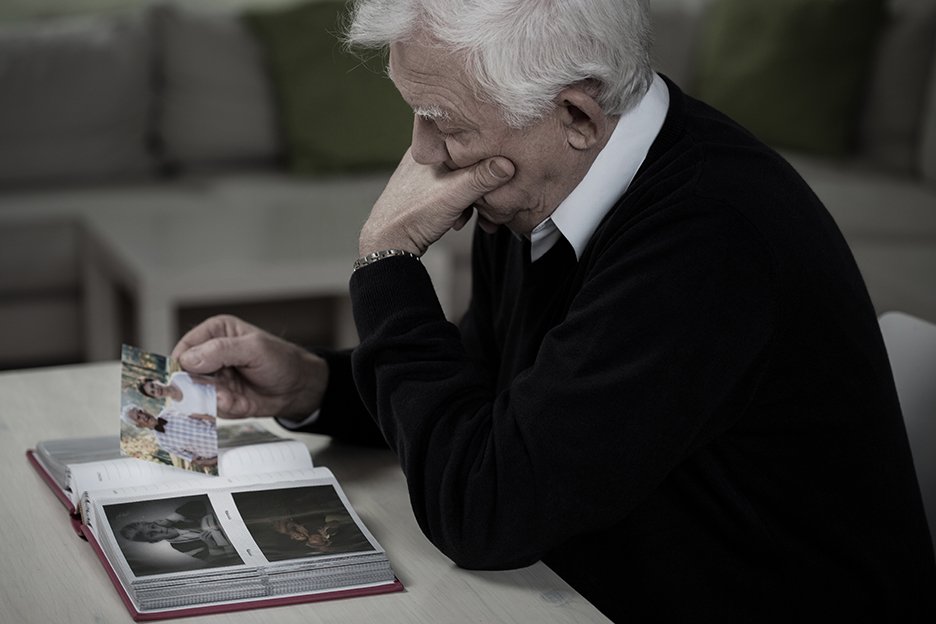
Are you weighed down by the stuff of your family’s memories?
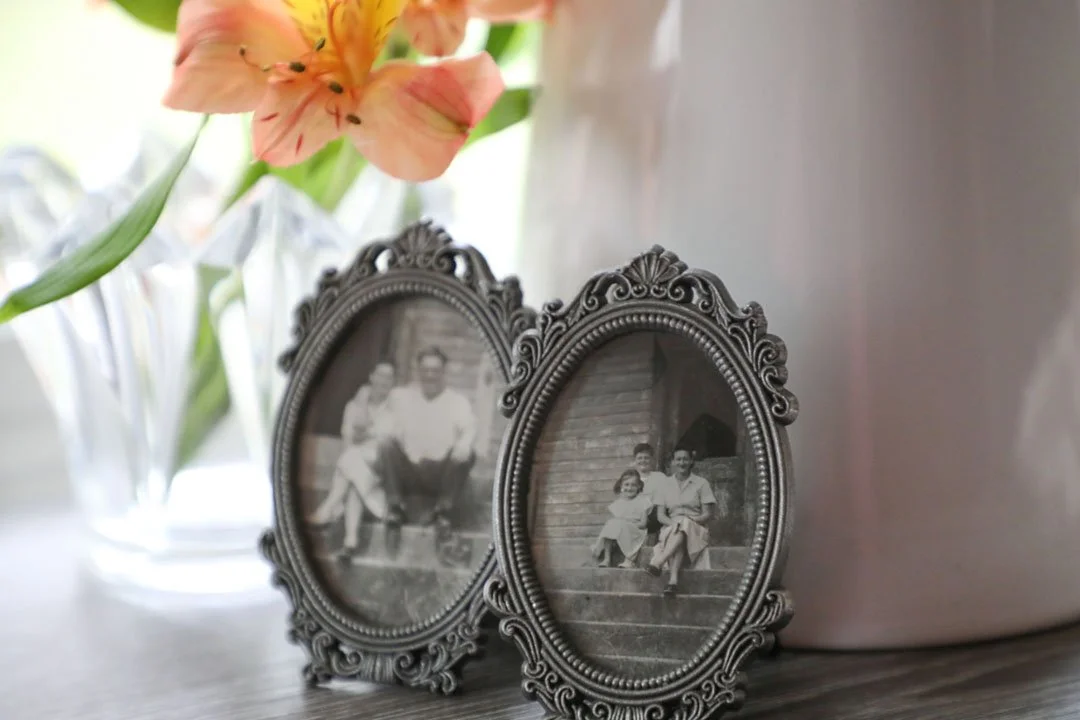
Boxes of old letters, family photos, and mementos from a generation ago can feel like a burden if they’re passed down without context. What to do with them.
That box of sentimental stuff handed down to you would mean a lot more if you knew the stories behind the stuff, wouldn’t it?
Passing along our stories to our children and their children is a valuable endeavor, and in my experience one almost always met with joy and gratitude (even if not immediately, on occasion).
People with whom I have worked to preserve their stories have told me their family members tell them they “love” their life story books, “cherish” them, are “in awe” of them. When sharing their books, my clients have been met with extended hugs, laughter, dancing (“my father shimmied around the kitchen with glee when I showed him what I wrote,” one individual told me), and even tears.
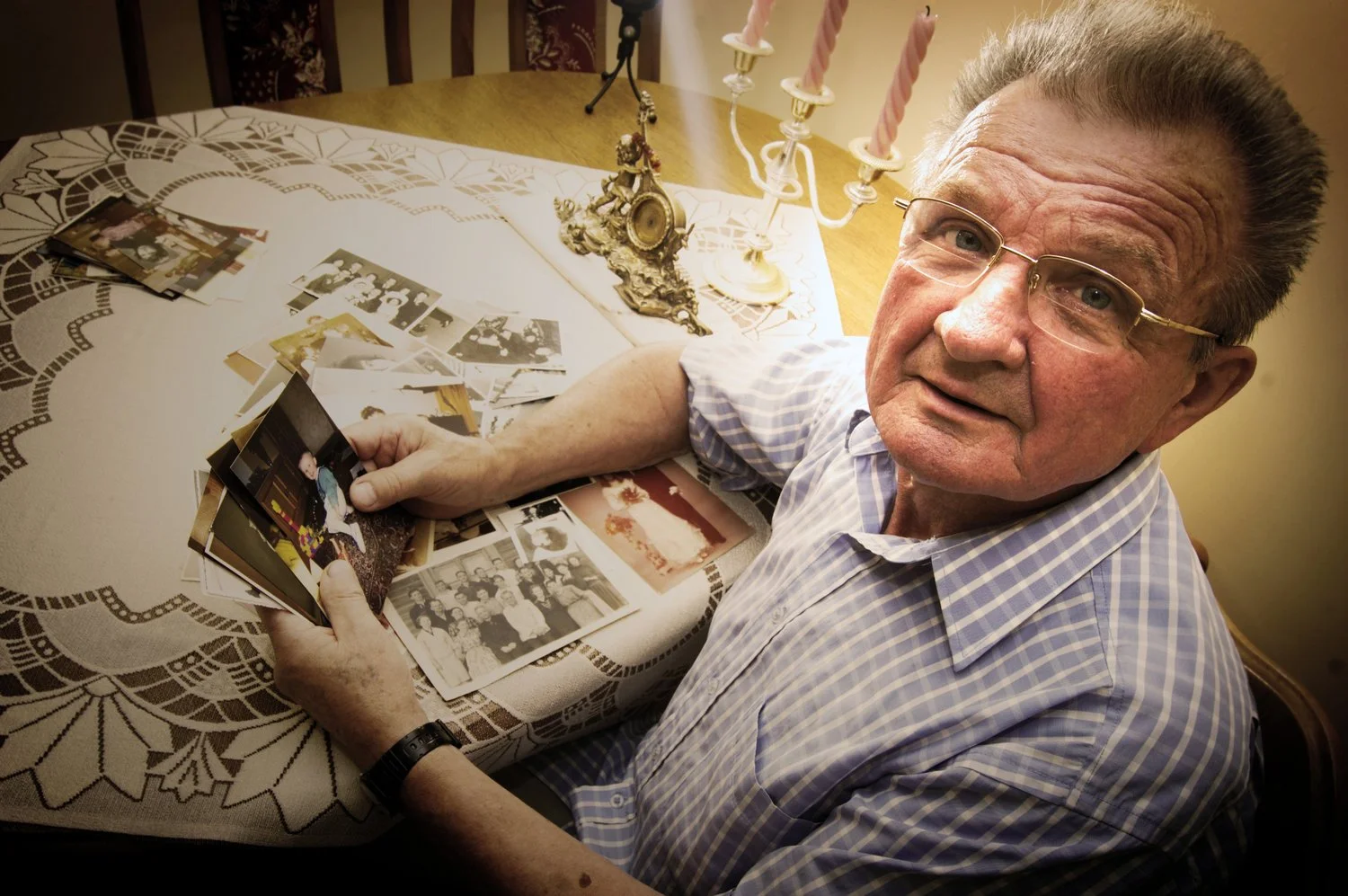
But often it’s not stories that are passed on, but boxes of things laden with sentiment—and without context, those boxes can take on undue weight.
In recent weeks I have met with one person who told me she had a large stack of letters written between her parents during World War II. She knew that they were written in German, and that her father was in a work camp at the time. She didn’t, however, know what was within those letters, as she has never taken the time to have them translated or to read them. And now, she told me, she wasn’t even sure where they were. “But they haunt me,” she said.
Another person I visited told me her mother had recorded a Holocaust testimony with the Shoah Foundation in the 1980s (well, she said “she told Steven Spielberg’s people about her Holocaust experience”). No one in the family knew how to access it. They did not have a copy. They did not know the name of the foundation. Even her mother did not recall what she may have said during that long-ago oral history interview. Certainly the weightiness of the subject matter may have given anyone pause, but to let such a personal history get lost would be a tragedy.
And yet another current client told me, near the end of her project, that an aunt had just randomly stopped by to drop off a scrapbook that had been lovingly crafted by my client’s grandmother. The aunt was moving to another house, found the scrapbook tucked away in a closet, and, knowing my client was interested in her family history, figured she would be a better custodian of the materials. She was fortunate—many people who feel burdened by their ancestors’ things don’t have a family member with such interest to hand them off to.
As I think about these things—about how we can feel burdened by our parents’ things, about how stories can so easily get lost—I feel a bit sad, yes, and also compelled to spread the word.
Do you have sentimental boxes of family mementos you don’t know what to do with?
First, think about who might be the best custodian of your family’s archive.
If there is an obvious family history buff in the family, see if they may want the items. If not, then ask around—you might be surprised to learn a teenager or distant cousin may have a greater interest than you’d expected. The sooner you can pass the items on to someone who will regard them with interest and respect, the better. (Are you this person? I’ve met numerous people who tell me they have no interest in sleuthing through these “old things,” only to be drawn in as I curiously pull photos or war medals out and show interest in what they reveal!)
Second, do what you can to restore context to the things.
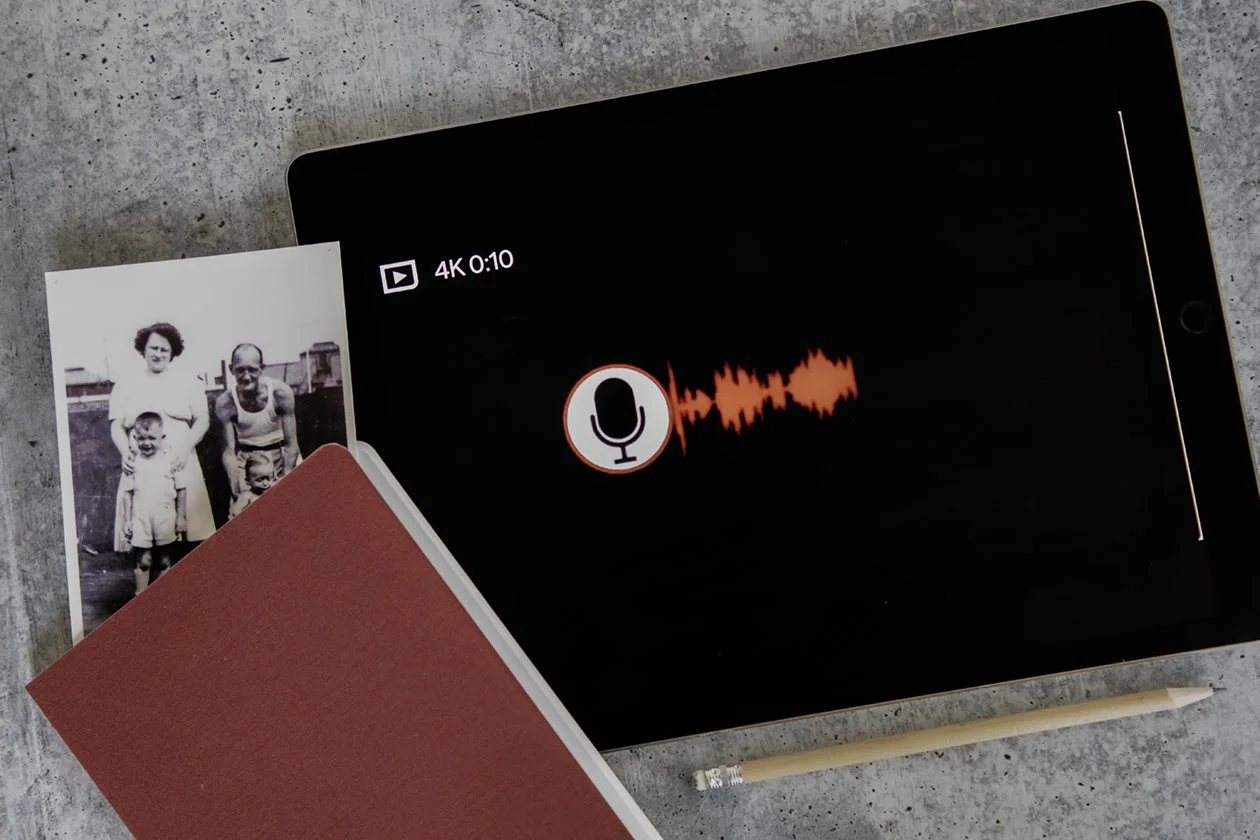
Even if you don’t have the time or inclination to write a whole book, consider labeling photos with names, writing mini-histories of heirlooms, and at least telling your kids what you know of the contents of that old box in the basement. Spend an hour or two with a sibling or parent to record your memories of all that stuff—it can be as simple as capturing audio with your phone’s voice recorder. Spare your descendants the burden of passing down an archive of things they know should have meaning, but not why.
Third, let go of guilt.
Perhaps you were the recipient of such a box of “cherished” things that came to you without context or meaning. Sure, that watch may have belonged to one of your grandfathers, or it may have been a flea market find that he never wore but stashed in a box…but you hold onto it along with everything else because you feel you should. This is a rich topic that could warrant a few thousand words (heck, the comments alone on some articles covering this topic are worth a read!), but in my mind, as long as you move forward with intention, it’s okay to let go of things that hold no meaning for you.
Do you have a dusty box of so-called heirlooms, letters, or family photos that were passed down to you without context? What are you going to do with them?
Further reading on how to be a good custodian of your family history:





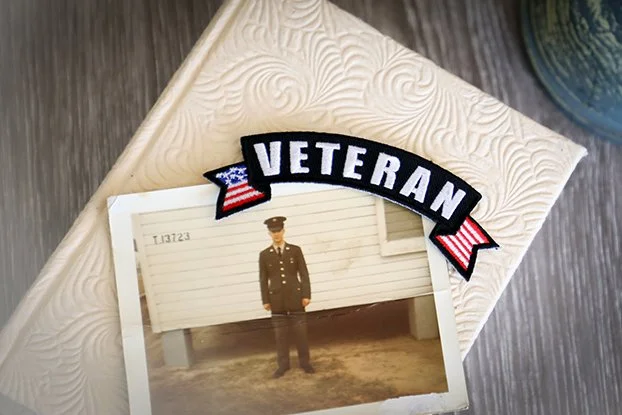






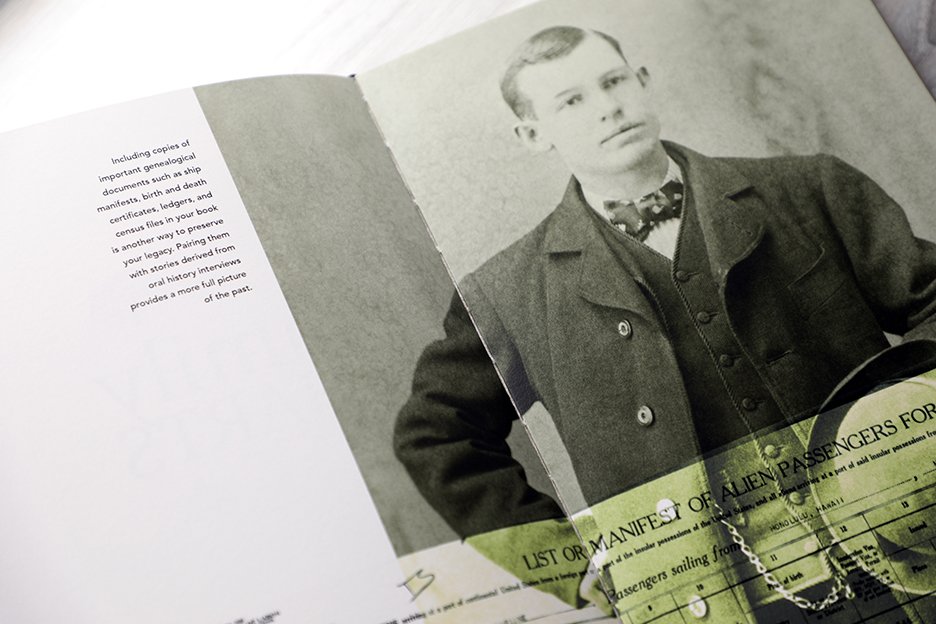


“It was more for me than anyone else—what a surprise”
You may think you are writing about your life for your family—to honor your ancestors, to give a gift to your descendants. But the truth is deeper. You’ll see.
Have you ever considered that writing about your life might be as much a gift for yourself as for your family?
Last week I met with a client with whom I have worked for almost two years. She first came to me having endeavored to write her life story. After writing a few short chapters, she was having difficulty staying on track and writing in a way she hoped would be engaging for her grandchildren. I worked first as her memoir coach, then as her editor, and now we have seen her stories all the way through production—on that day last week, we were reviewing the final draft of her beautifully designed book one last time before sending it off to be printed.
The previous time we met, to go over her first draft proof, my client expressed doubts. She was feeling ambivalent about having told her story at all. Would her grandchildren ever care? Would her grown sons even want to read it? What if she offended someone? Was the effort narcissistic?
That wasn’t the first time I had heard her express reluctance around the telling of her stories. As her memoir coach I did more than provide writing assignments and feedback; I was also a sounding board for how she should frame her stories, yes, but also for the reservations that cropped up during the process. And you know what? I had been there before. So many of my clients experience this rollercoaster of emotions around writing their life.
Each time this client and I had a talk about the value—or perceived lack of value—around writing her stories, we would circle back to her initial goals: wanting to tell the stories of her life both to create a legacy around her parents’ fortitude and resilience during the Holocaust years and beyond (to honor her ancestors), and to provide touchstones for her grandchildren, who might one day find wisdom in her own lived experience (a gift to her descendants). She always resumed her writing with renewed vigor. She had tapped into both the gravity and the joy of writing about one’s life.
During this particular meeting, though, my client became aware of something I had known all along: That examining and writing about her life was as much a gift to herself as to her family. She smiled at me and grasped my hand across the table: “Do you know what?” she whispered. “All of this, it was more for me than anyone else.” I sat quietly, smiling at her revelation. “What a surprise that was for me!” she added.
And here’s the thing: I can repeat this over and over when talking to a prospective client; I can write about it till the cows come home, as they say. But no one really gets it (or believes me) when I tell them that writing about their life is a gift they can give to themselves. That it is healing. Revelatory. Fulfilling.
So together we focus on the other why’s—honoring those who came before, and sharing with those who come after. We create legacy and family history and write FOR our loved ones.
And then, almost always, a surprise…that the process was worthwhile even if it was just for THEM.
Related reading












Wish you were here, Mom
When Mother’s Day is hard due to feelings of loss, allowing ourselves to linger in our memories may help (and, yes, hurt). A tribute made in grief, and love.
When Mother’s Day approaches on the calendar, I get a little anxious. No, I’m not worried my husband and son will attempt to make me breakfast in bed (though I wouldn’t complain if they did); rather, I worry how I will balance the grief that simmers just under the surface at all times at having lost my own mother with the unadulterated joy and pride I feel in being a mother myself.
I know I am not alone in feeling my grief bubble to the surface on days such as this. At an event a couple of years ago I heard Henry Louis Gates, Jr., describe his grief at losing his mother as “still as raw and as fresh, almost, as it was when it happened”—in 1987. “If I let myself go there,” he said, “I can start crying in about two seconds. It’s like a stream flowing under this carpet—it’s right there, and I can tap into that grief at any moment.”
Ah, yes. Me, too.

When remembering lost loved ones hurts
I used to love browsing the Mother’s Day cards in the drug store, finding one (or two or three) that captured my heart for my mom—now, however, that aisle is a trigger for a feeling of aloneness. That hollow sense that descended upon me immediately after my mother died returns, and I momentarily feel like my skin is made of eggshell.
I don’t allow myself to linger in those moments (self protection, no doubt), but I have learned that if I allow them to prompt me to visit with my memories for a while, I am the better for it.
When friends or family lose someone they love, I always urge them, at some point, to let their memories provide comfort. To relish the stories they hear from others who knew their loved one. To keep their loved one’s spirit alive. On occasions such as Mother’s Day, I must remind myself anew of this advice.
A few years ago, on what would have been my mother’s 70th birthday, I shared an unusually long update on Facebook about what I was feeling. The responses both public and private from my circle of friends were overwhelmingly supportive, as close to a warm hug as I could get from social media.
Because a number of people expressed gratitude for my words that day—for recognizing my prolonged grief as their own, for glimpsing something universal in my very individual experience—I decided to share the post in this broader setting.
For all of us who have a conflicted relationship with Mother’s Day, know this:
Our mothers live on in our memories, as joyful and as painful as that may be.
Facebook reflections
From my March 16, 2017, Facebook post:
Today my mom would have been 70. It’s hard for me to fathom. And yet how easy it would be to let myself go there—to imagine that she’s been with us these past eight years, grandmother-ing [my son], supporting and guiding and loving me on weekend overnights and hours-long phone calls, making [my husband] chocolate cream pie.
I don’t let my mind go there, ever. I don’t usually imagine her in my kitchen browning oxtails for barley soup. Or sitting on the floor near our fireplace Christmas morning, relishing in her grandson’s joy over opening his piles of presents. I never think of her sipping tea in her bathrobe at my kitchen table, in my home she never ultimately saw. I especially never allow myself to feel her arms tightening around me in a meaningful hug.
My mind never goes there because my heart couldn’t take it. It would be overbearing, distracting.

There are moments that come unbidden, though, thoughts that my mind could not squash because they are made exclusively of feelings, that simply hollow me out some days: When instincts alone move my hand to hover over the phone to connect with her. When I realize anew she is gone (I had not forgotten, exactly, just not remembered, right then, that the worst had happened).
I would have guessed eight years ago that those times would have come when something sad or even a tiny bit bad had happened—when I needed her. But I would have been wrong.
Every time I have been so in the moment that I have *not remembered* that she is gone—every time—has been when I wanted to share my joy with her.
Those who knew her will recognize that, while she was one of the most supportive, least judgmental, and most generous souls to have crossed their paths (oh, the stories I could tell!), she was also gracious and grateful beyond measure—and sharing joy with her always multiplied one’s own joy.
I lost my mom when my only son was just three months old, and it was an unexpected blow to bear. And yet it happened in the midst of the most substantial, indescribable joy I had ever experienced: motherhood. I have been blessed with many great things in the years since, and I am forever grateful (a lesson learned well from her). If only I could share those joys with her. If only I could express my love for her, impossibly amplified since becoming a mom myself. If only I could imagine her as my friend walking this earthly path with me, still.
I don’t let my mind go there, not most days. But today, on what would have been her 70th birthday, I will. I am going to imagine, for just today, what it would have been like. xoxo
And on Mother’s Day, if you, too, have lost your mom, may you join me in “going there”—ruminating on our moms’ lives and love, visiting with their memory and spirit…
Related Reading
Holiday Grief: We may yearn for a lost loved one even more during the holidays, but know that shared memories are a balm to the soul, and that grief is another form of love.
Allison Gilbert shares a multitude of specific ways to keep lost loved ones’ memories alive—to actively remember them—in her book, Passed and Present.
Notes from a Funeral: Reflections from a funeral on remembrance and grief: sharing memories about lost loved ones to heal—and why we don't honor our families through story sharing now.
See how the first legacy book I ever created honored my mother—and eventually inspired Modern Heirloom Books.
NOTE:
The introduction to this post has been updated for timeliness on May 12, 2023. (Original post from May 9, 2017, included details about workshops and talks that have since passed.)
Why a “coffee table” life story book?
After we record your personal history interviews, I craft your story and photos into an heirloom coffee table book—not a video, not an audio file. Here’s why.
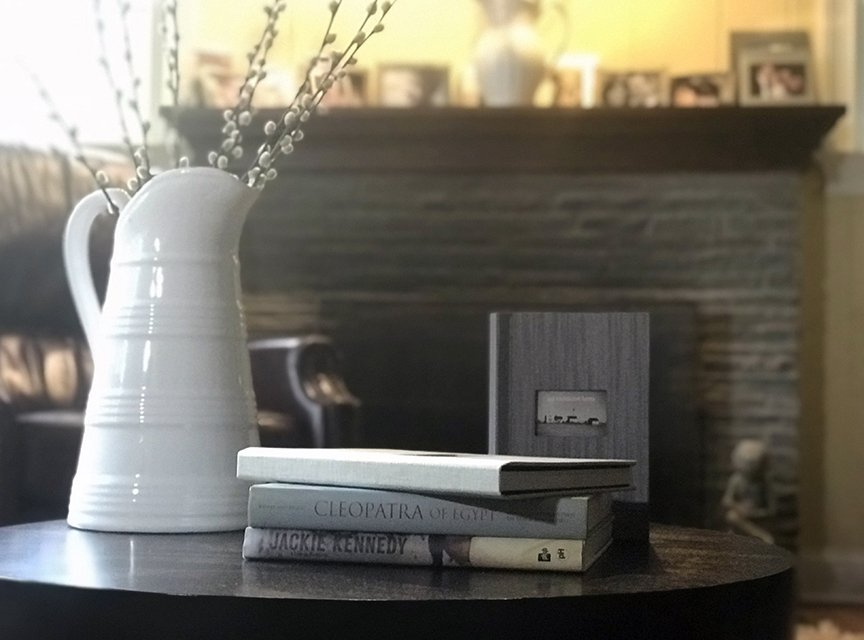
One of the most compelling reasons to preserve your personal stories in a coffee table book? You’ll display it in your home—which leads to people picking it up and engaging with it…which leads to even MORE story sharing and connection.
While I realize that most people have still never heard of a “personal historian,” I have been heartened over the years to understand that most people ARE interested in the services we offer—preserving life stories and family history, often through oral interviews; and the values we hold—a respect for preservation, a love of storytelling, and an abiding belief that intergenerational connectedness is a balm for the soul!
Often when I meet someone new and describe what I do, they ask me, Why books—why not video? Or, Why coffee table books specifically?
Well, the fact that I create personal history books in no way diminishes my respect for other forms of storytelling. If you prefer to record your loved one’s voice and receive edited audio recordings for your family archive, I can refer you to the perfect person to help you with that. Envisioning your family member talking about their memories on film? I’ll happily refer you to a video biographer I know and trust.
Me, though—well, I love books. And I have decades of experience in print. It’s my thing.
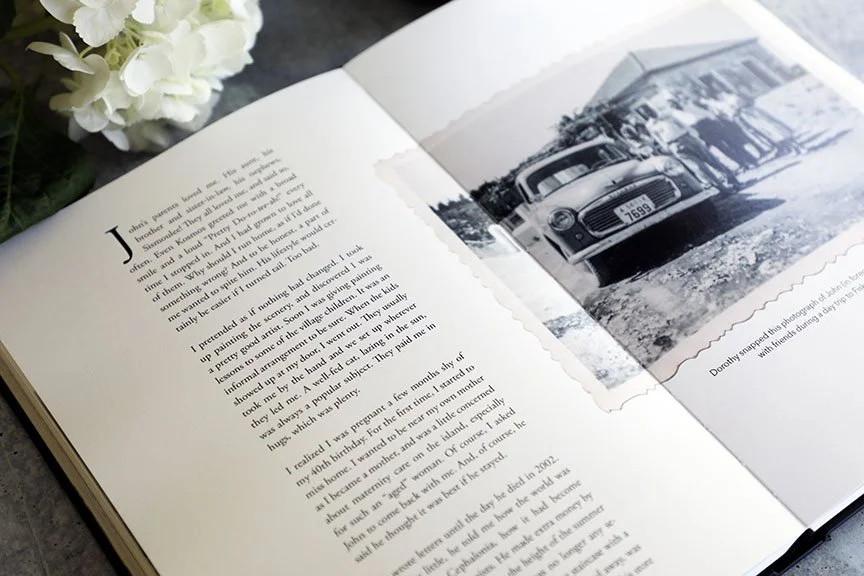
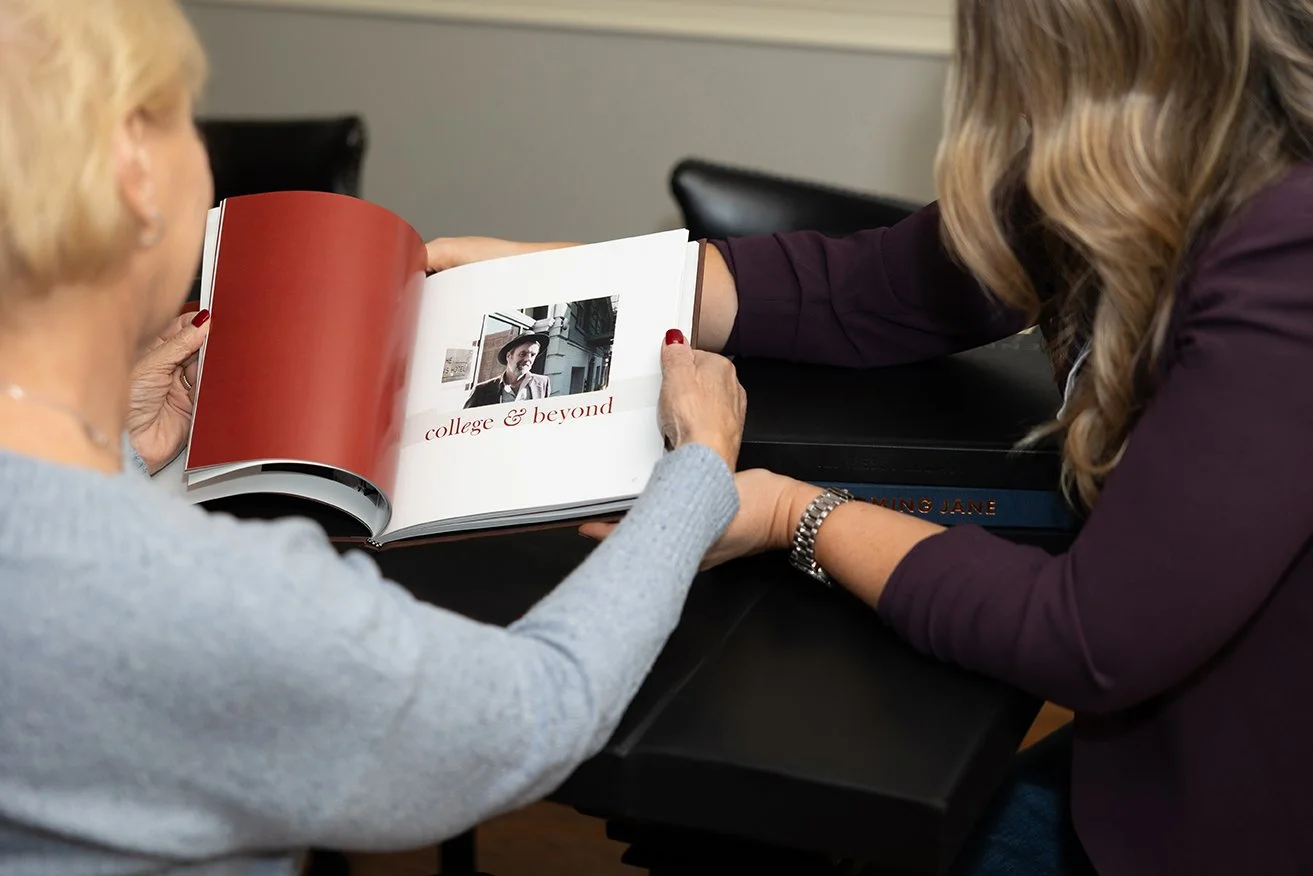
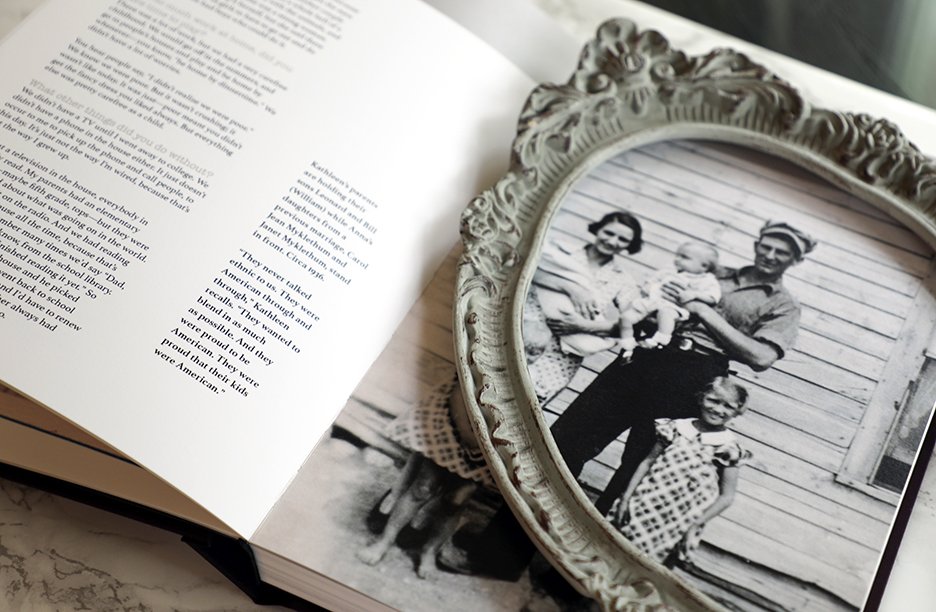
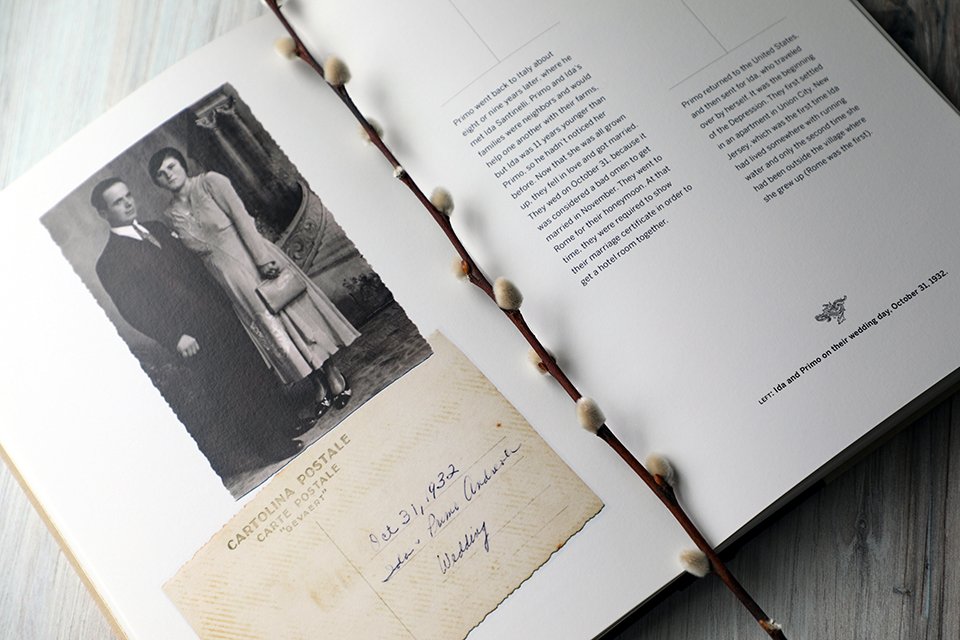
Large photos and ample white space give your heirloom book visual interest and breathing room.
My expertise is in print. And books have my heart.
I worked in magazines for years, back in the heyday when printed magazines were thick and juicy…before they were stunned by online journalism and “content creation.” I worked with some of the best writers, editors, and creative directors around at titles as diverse as Vogue, Harper’s Bazaar, Vanity Fair, Parenting, Child, and Latina. I gained a career’s worth of experience in compelling interviewing, project management, and visual narrative. And it’s both a love of the print medium and my desire to continue using all those storytelling skills that drive me to tell YOUR stories in print.
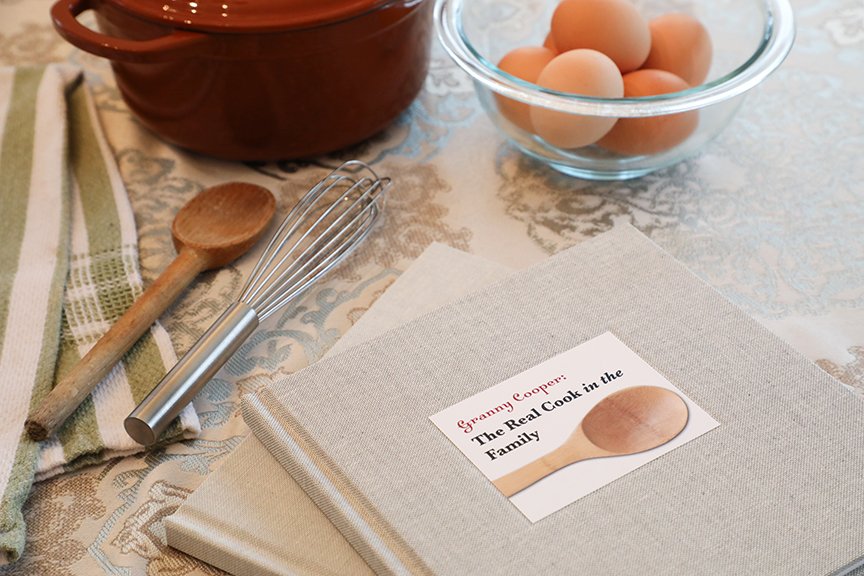
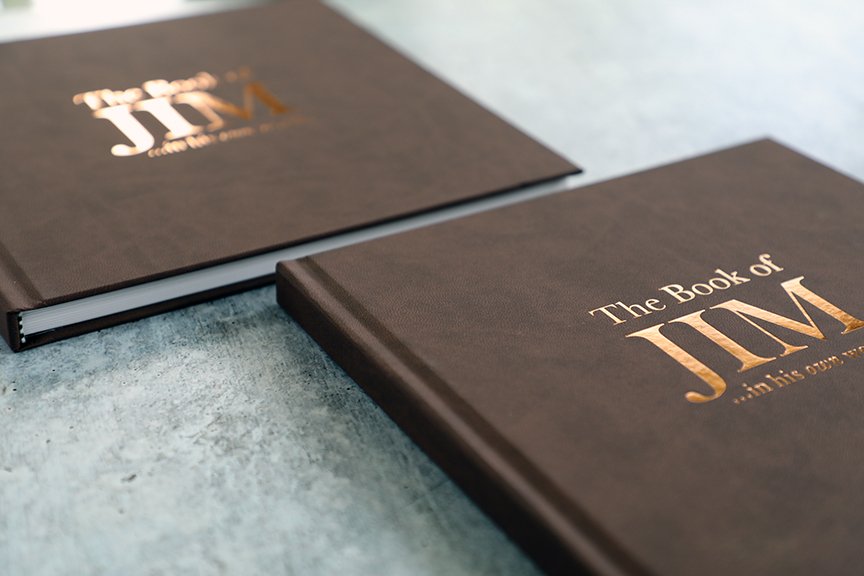
I turn your stories and family photos into heirloom coffee table books because I know you will display such a book in your home. Having your book out all but guarantees people will pick it up and engage with it. And designing it with great photos—and with plenty of entry points—makes it even easier to engage with: so the stories you have included in the book will encourage more (in-person, out-loud!) story sharing.
Some have heard me say, “I don’t want to read a 500-page book of straight text about Obama or Madonna, forget about my grandmother!” That’s not to say I don’t want to KNOW their stories—I do! I just want them presented to me in a way that’s inviting. Arresting. Compelling. INTERESTING!
Generations from now your ancestors will not need a new computer or updated software to access your book—they can pull it off the bookshelf and dive right in!
Print is the forever media format.
A book is a physical thing, with a sense of heft and permanence that the digital cannot provide. The tactile experience of reading a book is emotionally satisfying. A book confers status. It is special, and the story within is, too.
A book is destined to become an heirloom.
A book “can be read in the familiar tone of one’s inner voice, skipped where necessary, laid down when it pleases, and carried about freely,” wrote Robert Graves in 1958. It will never need to be upgraded, archived, or converted to a new media format.
In a digital world, print stands out.
And by the way: Merging print with digital can be more powerful than each medium alone; both serve different functions and are not only valid, but essential. As such, a digital version of your print book is always available: it serves as a backup of the book, and is more easily shared among friends who are not near.
Are both a form of social media? You bet. While you can share and tag and collect comments on a digital book, you may gather around a physical book on your table, laugh, share stories, relive memories, and...make some new ones.











Don’t put your memoir on your bucket list.
If writing your memoir means enough to you to put it on a bucket list, please read this—I’ll help you easily move it from future project to present-day endeavor.
A “bucket list” is a great idea—IF you plan on ticking things off that list by actually doing them! Too often, though, a bucket list is relegated to the portion of our brain for long-term dreams—the future.
Any and every item you have penciled in on your bucket list deserves not just a little hopeful dreaming every now and then, but a plan—a way to make your future dreams your present reality!
So, research that trip you’ve always wanted to take to Spain—then turn your research into an itinerary and an international ticket. Want to become more conversant in wine-speak? Sign up for an introductory class at your local community college, then invite a few friends over for treats and a tasting. Want to write your memoir? Pick up a pen and…what?
How to start your memoir, now.
If you dream of passing on your stories but don’t start now, you won’t ever get to it.
And it’s important: It’s important to you, because crafting your experiences into a narrative can help you make sense of your story, find meaning in your life, and navigate future choices with greater intention; it’s important for your family members because your experiences—especially those that demonstrate resilience—can help strengthen them, and, well, because they love you (tell me you wouldn’t be overcome with emotion to receive a book of your parents’ or grandparents’ stories written just for you?!).
But chances are your dream of writing your memoir will remain on your bucket list if you don’t know where to start. So, start here:
Decide if you’re up for writing your stories.
If you’re comfortable writing, then get yourself a notebook just for your memoir, or create a new file on your laptop. If the idea of writing scares the bejeezus out of you, then simply decide to speak and record your stories instead.Consider what part(s) of your life are worth telling.
This one may take a day—or even a week—but you shouldn’t be paralyzed by the choices here. Maybe you write a life timeline or follow the guidance here about brainstorming your life, then choose from among the ideas. Or maybe you just start with your most compelling memories—the ones that come to mind often or that you’ve told verbally around the dinner table for years. Just remember: Just because you write it doesn’t mean it will necessarily make the cut of what gets into your final memoir; and just because you start here doesn’t mean you can’t veer over there later. The idea is to be thoughtful and intentional about choosing a memoir theme or scope without letting the task delay your actual writing unnecessarily.Imagine your book done, then make a plan for it to get done.
Take just a moment to visualize your finished memoir. Let it soak in: Yes, it’s possible; yes, you can do it. Then forget about that finished book lest the blank page before you prove too daunting. In terms of making a plan, keep it simple—schedule a couple of hours a week, or whatever you can spare, for writing. Then, honor that time on your calendar and schedule around it.Begin writing—now.
Seriously, right now. When you finish reading this post, jot down a sentence, then another. If you want to begin with some phrases and initial brainstorming, fine…but write a full paragraph of autobiographical writing straight out of the gate.
There are plenty of other steps I could have inserted in there:
researching best methods for writing a memoir
reading other memoirs as inspiration
knowing who the audience for your memoir will be
checking your old journals for ideas
gathering photographs to use as memory prompts…and on and on.
And while all of those things are valid ways of making your memoir better, they’re also great excuses for not starting! Perfection, as they say, is the enemy of “done.”

So do what you need to in order to commit to starting your memoir. Print out the list of four actions above and check them off as you go. Or add them into your phone schedule or paper planner so time is blocked off (otherwise I can assure you more “urgent” matters will take their place!). But foremost among these steps: Pick up your pen or open your laptop and start writing.
If you really need to procrastinate a little more (!) and want to explore some ways to make your memoir great, check out these helpful posts:
Leave a legacy that is a blessing to your descendants
Your legacy is more than the assets you leave behind—much more. Here, three ways to leave a personal legacy that has a positive impact on your loved ones.
Happy memories. An example of a life well lived. A model of resilience. A set of values to guide one’s choices. An inheritance of service to others. Of gratitude. Faith. Love.
These are the things of a meaningful legacy.
For your legacy is more than merely the finances and property you leave behind. So much more, in fact. Your legacy is not something you leave for your family and friends; your legacy is something you leave in them.
3 ways to leave a meaningful legacy
This isn’t a blueprint for your life, just a few suggestions for leaving a legacy that has a positive impact on the loved ones you leave behind.
“Thoughtful focus on legacy not only brings meaning and context to our daily lives, but it also allows us to create and pass down a rich, multi-dimensional view of our lives to future generations,” my personal history colleague Clémence Scouten has written. I couldn’t have said it better!
So, here are three ways you can begin to preserve your legacy for those you love:
1 - Curate the stuff of your life now, so they don’t have to do it later.
Going through my mother’s belongings after she died was one of the hardest things I have ever done. Virtually everything I touched in her home held memories, and the weighty decision of what to keep and what to get rid of overwhelmed me in my grief. I was thoughtful (some might say overly thoughtful) about these decisions, but what if your descendants don’t have the time or inclination to be so discerning when the time comes to go through your stuff?
Make it easy for them:
Purge things from your closets and storage rooms that you don’t use (a gift to yourself now, too—you’ll feel lighter, I promise!).
Organize and digitize old photographs and mementos. There are professionals who can help with this, if it seems like too much; reach out and I can refer someone to you in you area.
Photograph heirlooms and write up their stories on an index card attached to the back of each print: How old is it? Who did it belong to before you? Why is it special? (And remember, an heirloom is such because you say it is, not because it would sell well in an antique store—that well-loved stuffy your son clung to as a baby or your mom’s grease-stained, handwritten recipes are as heirloom-worthy as a string of pearls!).
Consider getting rid of “heirlooms” that either don’t bring you joy or that make you feel heavy or resentful. That rifle used by your Confederate ancestor in the Civil War? If it makes you feel bad, you don’t have to hold onto it; photograph it, write its story, then pass it on to a museum or other institution that can honor its history in context. Or that bulky piece of furniture that has been in your family for generations but that has no place in your home? Maybe refinish it, or ask your kids now if they like it—if so, sure, save it for them; but if they say ‘no,’ don’t hold onto it out of obligation, and don’t pass that sense of obligation (and guilt) onto them!
2 - Preserve your stories to inspire and guide them.
Have you ever wished you knew more about your grandparents’ lives? Heck, how about your parents’ lives? Be a good steward of your own family history and get those stories down! You have many choices for how to preserve your personal history:
Write your life stories. If you enjoy writing and have the time, by all means consider writing your memoir. Find resources for how to get started writing your life here.
Speak—and record—your stories. For many people, it’s easier to tell their stories out loud than to write them. Consider using some family history questions to guide you in your storytelling, or ask a family member to sit and interview you (having a compassionate and curious listener is incredibly helpful in eliciting meaningful stories). Remember: Hit “record” on your smart phone app to ensure you have captured everything. Find a helpful step-by-step guide to how to record your life stories here.
Hire a personal historian to help capture your legacy. There are those of us, like me, who specialize in turning the materials from our interviews into heirloom books; and there are colleagues of mine who produce video biographies or even audio snippets of your life. Why hire a professional? Perhaps you want to ensure the highest standards of your project, or maybe you are simply overwhelmed by the idea of where to even start, no less finish, such an endeavor. Or maybe you recognize that having someone to receive your stories—to bear witness, to engage with—can be invaluable. As Mark Yaconelli writes, “Each of us wants to catch the birdsong of our own life, but often we need a listener to score the melody, to sing it back to us, to help us whistle forth our own merry tune.” Amen.
3 - Live a life well-lived.
There are entire books, podcasts, and films made about how exactly to live a life well-lived, so I am certainly not going to sum up this idea here in a few words. I will say this, though:
Live with intention. Follow the path that feels authentic and right to you. And please, be gentle with yourself. You don’t want to live to create a legacy, of course, but remember that the WAY you live your life will be your legacy.
In closing, I would like to leave you with a few words from Rabbi Steve Leder, whose book For You When I Am Gone: Twenty Essential Questions to Tell a Life Story I highly recommend. He writes, “Let us leave words for those we love in order that we may journey with them long after we are gone, and let it not take imminent death for us to find those words and craft a more meaningful legacy.”
And: “We cannot learn from a story no one has ever told us.”
So, tell yours, won’t you?
Stop waiting, start writing: Why now is the right time to begin your memoir.
Ignore those naysayers who warn that you must be passed middle age to begin writing your life stories: Start your memoir now, no matter how old you are.
“Too often memories die with their owner, and too often time surprises us by running out,” wrote one of our foremost authorities on memoir writing, William Zinsser.
Speaking candidly about the fact that we have a limited number of days on this Earth can be hard—no one wants to contemplate their death or jinx the happy times we’re living in right now. That’s why we come at it sideways sometimes—like with this quote that I often reference, again from Zinsser, because it inevitably—every time—elicits an emotional response:
“The saddest sentence I know is ‘I wish I had asked my mother about that.’”
That resonates with you, doesn’t it?
It is sad to think our mother’s—or father’s or grandparent’s—stories have died with them.
And one day your own kids will wish they had asked you for more: more stories, more details about your childhood, more names on the family tree. But it’s a simple fact that most times our children don’t value our stories until they are older; they don’t invite conversation about it now—but they will cherish them later.
That’s why it’s so important for you to begin recording your life stories now. Whether you write in a journal, work with a memoir coach, or share your memories during a series of personal history interviews, the time to begin is now.
Don’t worry that you are too young—all your stories matter, and you can always write more later, when you’re older.
Don’t worry that you haven’t lived your full life—we are all in the midst of our narrative, and reflecting upon your stories of the life you have lived thus far is worthwhile. “Every event, and certainly every event worth writing about, will always remain tattooed on our neurons. So it is never too early to start giving those events, which are our lives, a form,” Benjamin Moser has written. “It is a homage we pay ourselves. More solid than a memory, a memoir will outlast it, because until a memory is put into words, it remains mist, never shore.”
Don’t worry that you don’t have enough time to write—there are ways to make the time for something as important as your life story.
And don’t worry that you will have more perspective when you are older: “Of course someone will look back at his first broken heart with a different perspective at the age of 40, or 60, or 80. But that doesn’t mean that these perspectives are better, or that our self-understanding travels toward some telos of perfect consummation with every passing year,” Leslie Jamison wrote. “The narratives we tell about our own lives are constantly in flux; our perspectives at each age are differently valuable. What age gains in remove it loses in immediacy: The younger version of a story gets told at closer proximity, with more fine-grain texture and less aerial perspective.”
So don’t risk not having the time to tell your stories. Preserve them now. As Zinsser suggests, “be a recording angel and record everything your descendants might want to know.” Starting…right now.




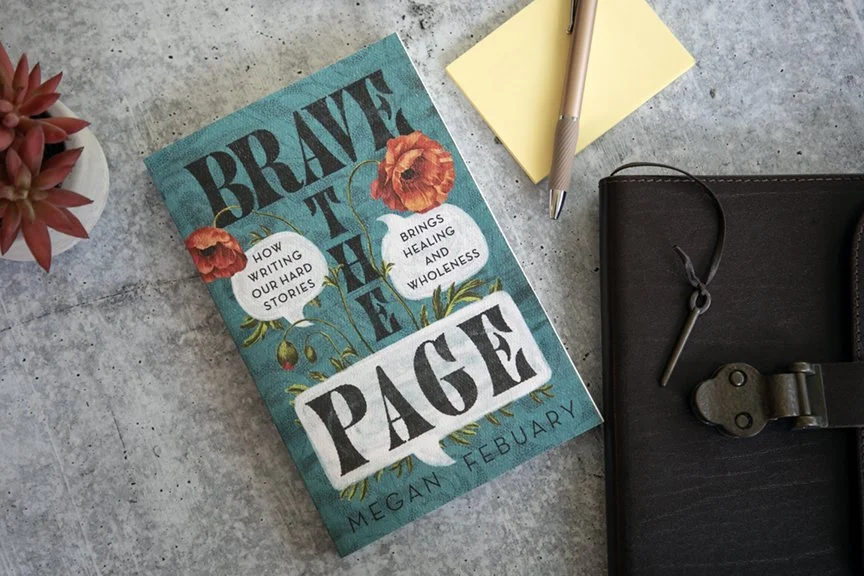





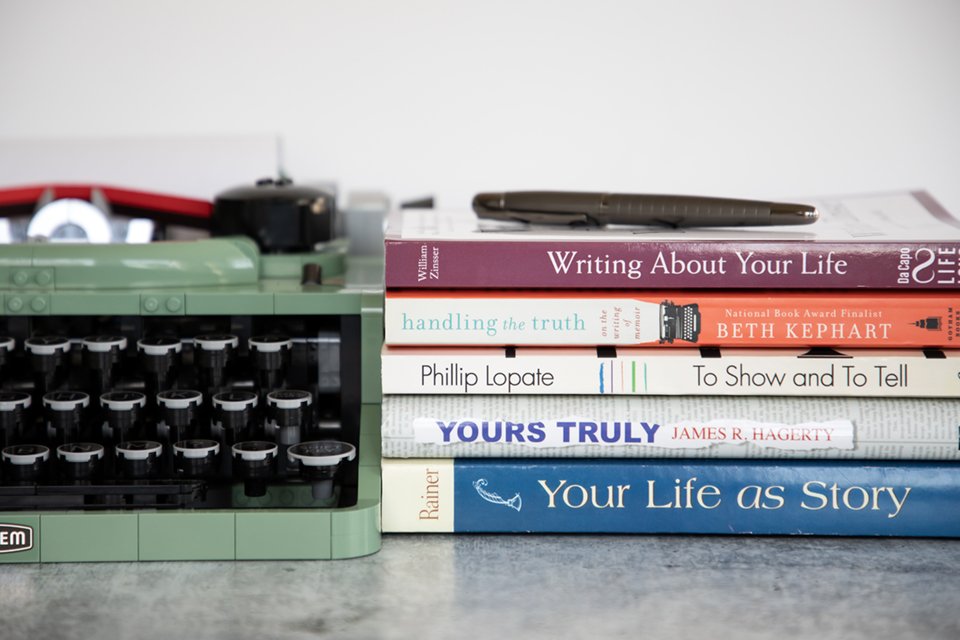
Writing about your life is not a selfish act
It’s a common but wrong assumption—that telling one's own stories is “narcissistic” or “self-centered.” Truly, preserving your legacy is an act of generosity.
Writing about your life is an act of generosity, period.
When I meet someone new and the inevitable question, “What do you do?” comes up, I get two very different types of responses when I say, “I help people preserve their stories.”
Some people are intrigued and excited: “Oh wow, I never heard of that—how fabulous!” and “I wish I had captured my parents’ stories!”
Others are baffled and even, sometimes, indignant: “I don’t have any stories that would be of interest to anyone else” or “I’m not a celebrity, so why would I tell my story? It’s so narcissistic.”
I’m here to tell you—with confidence and years of experience to back me up—that your stories matter, and it is NOT narcissistic to tell them. In fact, sharing your stories is an act of generosity.
Here, two distinct ways to think about writing about yourself as a positive endeavor rather than a self-centered act:
Flip the script: It’s selfish to withhold your story from your descendants.
Are there things you wish you knew about your grandfather? How would you feel if your mother passed on a book of stories and photos about her life? Can’t you imagine your own kids engaging with stories of the great-grandparent they never had the privilege of knowing?
It’s a rare gift to receive such a legacy from a loved one.
“To share our story with someone is to say, you matter to me,” Rabbi Steve Leder writes in For You When I Am Gone.
So, I ask you to consider how blessed your descendants will feel when you take the time to preserve your own life stories for them. Let them know you as a full person with lots of lived experience, not just as their father or grandmother.
“Yours may be the words that relieve another’s isolation, that open a door to understanding, that influence the course of another’s path,” Tristine Rainer writes in Your Life as Story. “If you write an autobiography for a great-great-grandniece not yet born, perhaps she will find it in her mother’s drawer, and she will be altered, perhaps even saved, through the wisdom you have sent her.”
Give your descendants this gift.
Your life is worth considering—for you.
“What a poorer and less beautiful thing life would be without the stories and values of the people who loved us and whom we loved most to carry us when they are gone,” Rabbi Leder says. Indeed.
But you know what? Carrying those stories within ourselves has value for us as individuals, too. Self-reflection—which is very different from self-aggrandizement—allows us space to look back on our experiences as growth and learning experiences.
Our lives are works in progress; and while our own story is continually being written, it is worthwhile to dive in RIGHT NOW to bear witness to our own journey, to allow our stories from the past to guide our decisions in the future, and to help us make sense of our experiences.
Barbara Haight, a foremost expert on the study of life review, asserts: “For many who reminisce, the story—the end product—is the most important outcome, but for others it is the therapeutic process of revisiting and reconsidering memories which is more important.”
So consider writing about your life for you. Write towards meaning, without thought for publication or sharing. Discover pieces of yourself on the page, and find joy and purpose in communing with your past selves.
If you’d like help with your life writing, please reach out to see how we can work together. No matter where you are in your personal history journey, I can help support and guide you.
Dawn Roode’s curated roundup for the week of Sept. 23, 2026, is overflowing with recent reads on memoir, life story writing, and family history preservation.