
Memories Matter
Featured blog Posts

READ THE LATEST POSTS
Preserving audio and video interviews: from recording to storytelling
Learn how to record, transcribe, and store interviews with care. Tips on consent, ethics, and turning audio or video conversations into lasting family stories.
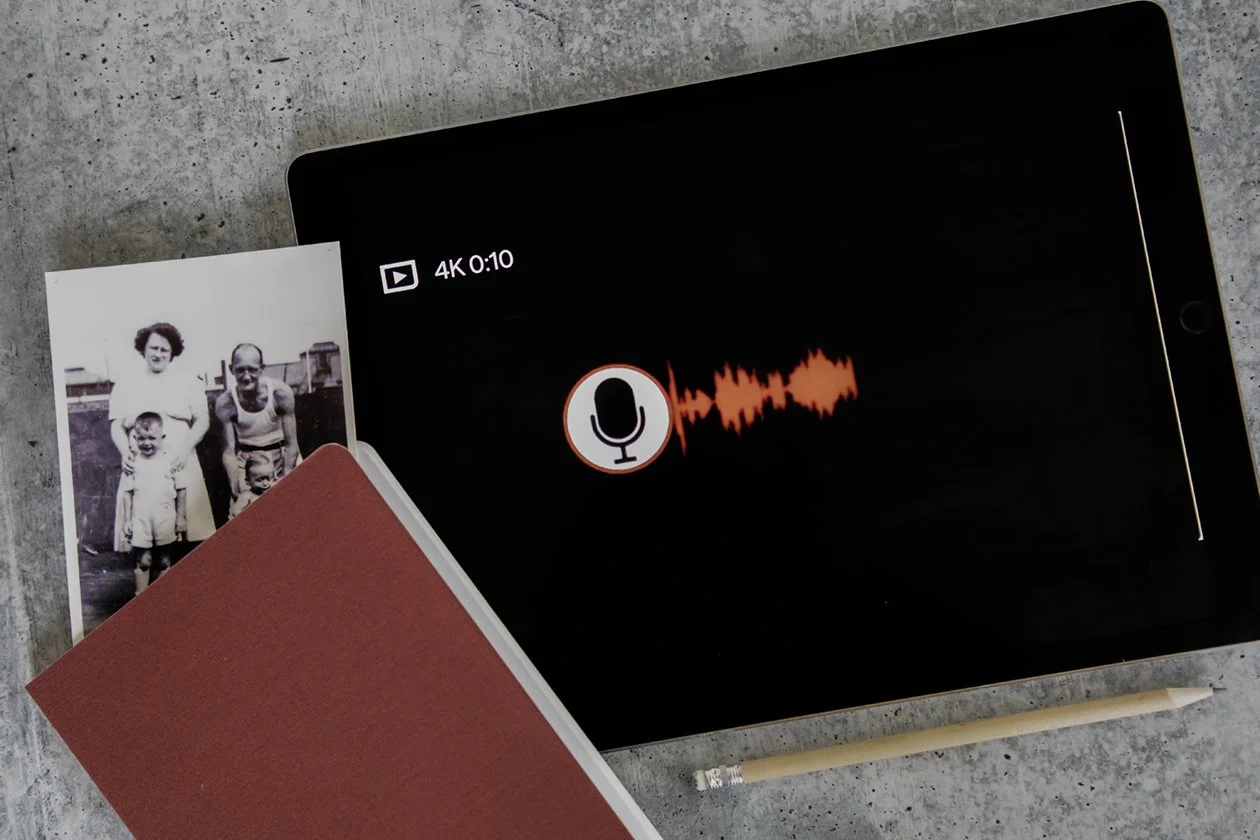
Recording a family history interview is as simple as using a voice recorder on a device such as a tablet or smart phone.
When someone trusts you with their memories—when they sit down in front of a microphone or camera and share their story—you’re holding something precious. But recording a great interview is only the first step. How you handle that recording afterward—from transcription to storage to storytelling—determines whether those memories will endure for years or disappear with a crashed hard drive.
At Modern Heirloom Books, I’ve learned that preserving interviews is as much about care as it is about craft. It’s about listening well, recording responsibly, and treating people’s stories with the respect they deserve.
Best practices for recording family history interviews
1. Recording with intention
The technical setup doesn’t have to be fancy, but it does have to be thoughtful.
Choose a quiet space. Avoid kitchens (appliances hum) and large echoey rooms. Soft furnishings, like curtains or carpets, help absorb sound.
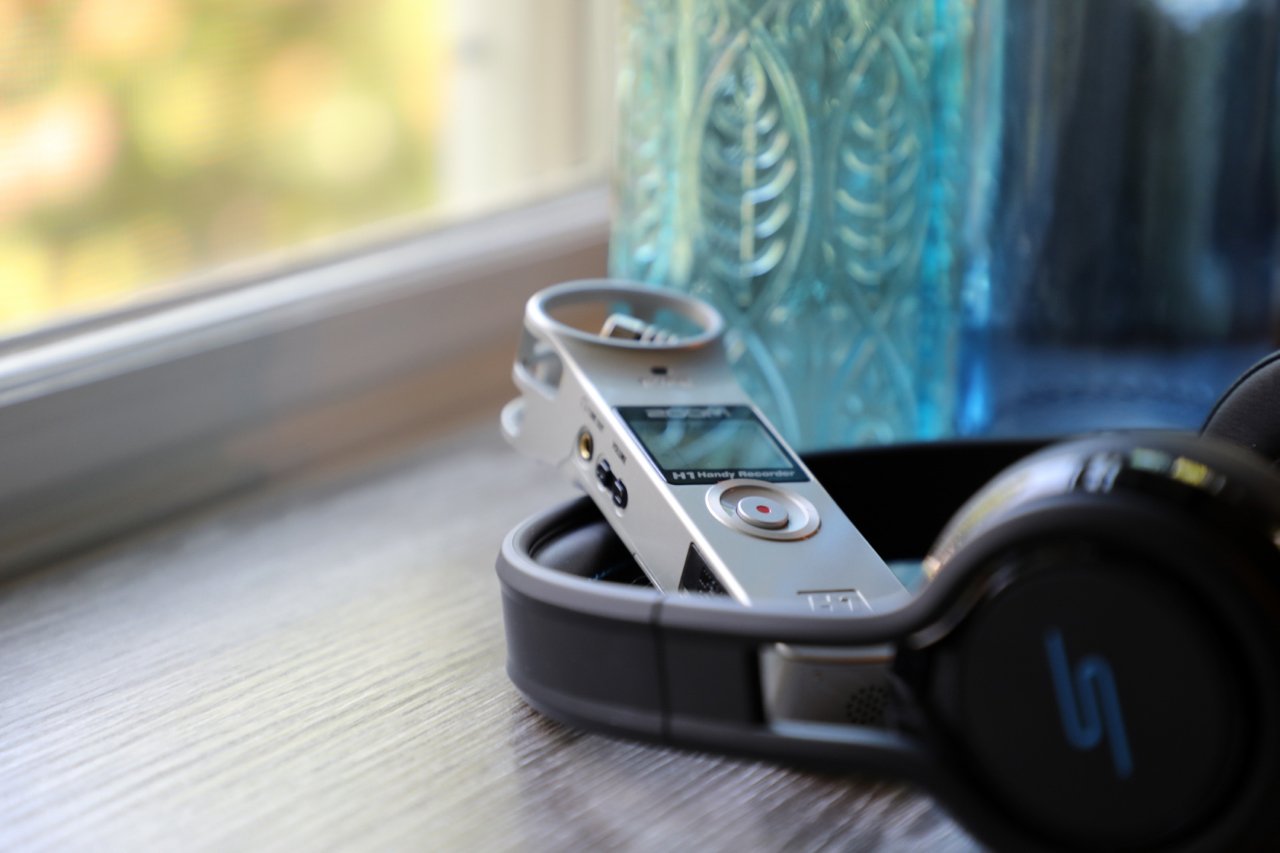
Test before you begin. Record 20 seconds of conversation, then play it back. Adjust mic distance, reduce background noise, and double-check your battery or storage levels.
Back up immediately. Save the file to at least two locations—ideally an external drive and a cloud-based service. Name the file clearly (for example: Interview_MiriamRosen_2025-02-10).
Get permission in writing. Always explain how the recording will be used, and have participants consent—especially important for projects you plan to publish or share.
2. Working with older participants
Many of the most meaningful stories come from older generations—but that also means being sensitive to energy, comfort, and pacing.
Keep sessions short. One hour is usually enough. Fatigue affects memory recall.
Be patient with pauses. Silence often signals deep thought; don’t rush to fill it.
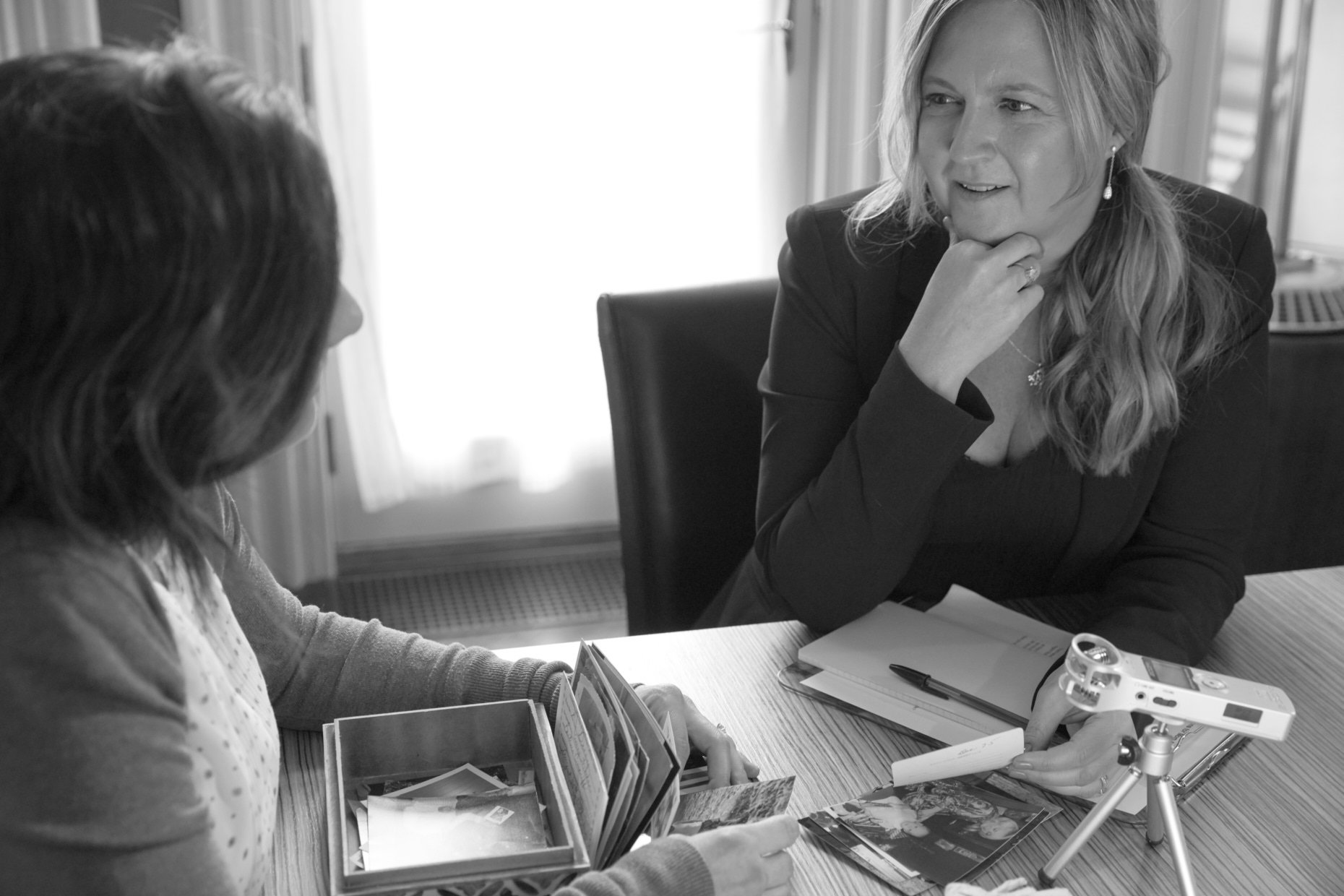
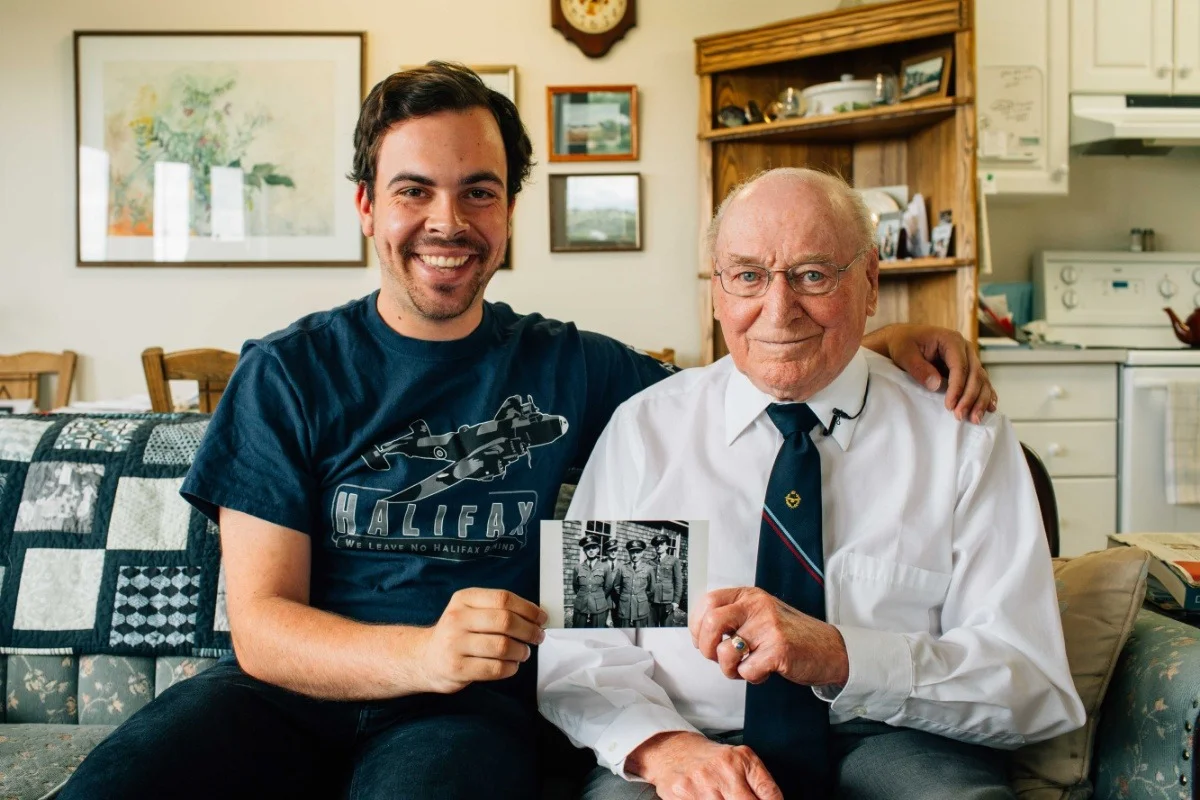
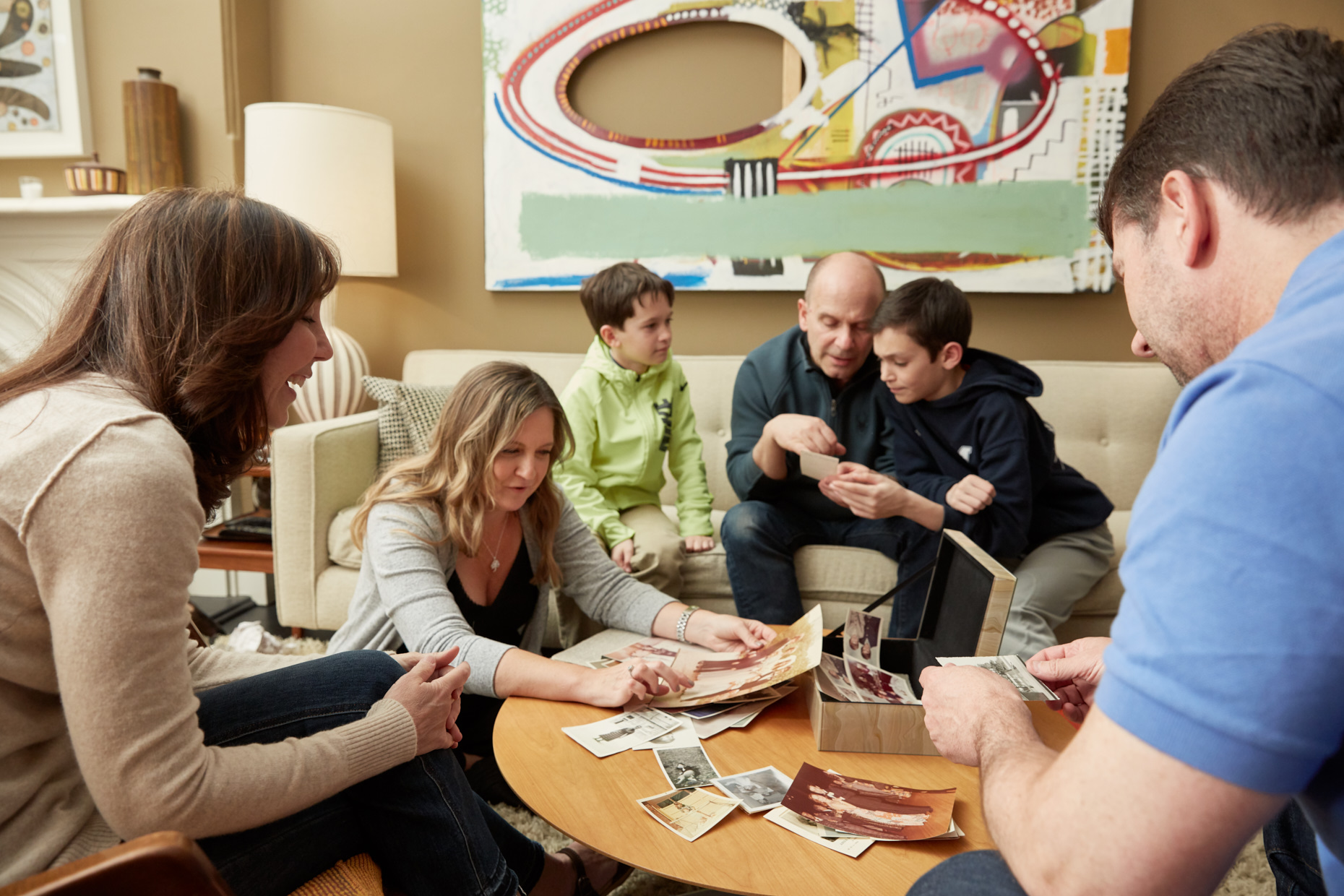
Bring visual prompts. A photo, newspaper clipping, or memento can help unlock memories.
Check the environment. Good lighting, a comfortable chair, and room temperature matter more than you think.
3. Ethical considerations and consent
When you record someone’s story, you become its steward. Handle that role with transparency.
Explain purpose and scope. Let them know whether the recording is for personal use, publication, or archival storage.
Clarify ownership. If possible, have a signed release stating who retains rights to the recording. (At Modern Heirloom Books, the storyteller always does.)
Honor boundaries. If someone asks for a section to be edited or omitted later, do it—no questions asked.
Protect privacy. Store sensitive recordings securely, and think carefully before sharing publicly.
4. Transcribing the conversation
Transcription is where the raw story begins to take shape. While automated tools like Otter.ai, Descript, Zoom, or ChatGPT can help, always review manually to correct errors—especially names, dates, and emotional nuance.
A few tips:
Timestamp key moments. It’s helpful when you later want to pull quotes.
Note tone and pauses. A soft laugh or a long silence can carry emotional weight.
Respect voice. Don’t over-edit for grammar; people’s natural rhythms make transcripts human.
Read aloud. If you’re planning to turn the interview into a narrative piece, read the transcript out loud. You’ll hear the music of their speech—and know which parts to keep verbatim.
5. Storing for the long term
Digital storage is fragile. Protecting your files now ensures they’ll still exist when future generations go looking.
Triple backup. Keep at least one local copy (external hard drive) and two cloud-based backups (like Google Drive and Dropbox, or an archival service such as Backblaze).
Name files consistently. Use clear labels: Lastname_Firstname_Interview_Date.
Store metadata. Keep a simple spreadsheet noting who was interviewed, when, by whom, and where. If you want to go a step further, include key phrases (many transcription software programs now use AI to help with this).
Create a preservation plan. Every few years, check your file formats and transfer them to updated storage—don’t leave them on aging technology. I recommend adding an annual reminder in your calendar for this task, as it’s otherwise likely to fall by the wayside.
6. Turning transcripts into stories
Once transcribed, interviews become rich material for narrative. But they shouldn’t be copied wholesale. Instead:
Look for patterns. Repeated phrases, values, or memories often form a natural thread.
Preserve voice. Keep their expressions and rhythms, even if you edit for flow.
Add historical context. Ground their experiences in time and place—what was happening around them.
Share drafts when possible. Let the storyteller (or their family) review before publishing; it builds trust and ensures accuracy.
Resources for further guidance
If you’d like to explore best practices in oral history and ethical recording, these organizations are invaluable:
StoryCorps
Promotes everyday storytelling and provides interview guides and consent templates.
The Oral History Association
Offers ethical standards, equipment advice, and transcription guidelines.
Library of Congress Veterans History Project
Excellent resource for interviewing veterans and preserving recordings for posterity.
Smithsonian Folklife & Oral History Guide
Comprehensive handbook on oral history methods and cultural respect.
Preserving a recorded story is both a privilege and a responsibility. Technology gives us incredible tools—but it’s the human care behind them that matters most.
When you record a voice, you’re capturing not just sound but presence: the laughter between sentences, the breath before a memory, the emotion carried in a pause. Those moments are what future generations will remember—not just what was said, but who was speaking.
Up next…
Once your interview is recorded and safely stored, the next step is bringing it to life. In Part Two, I share three creative ways to transform a raw conversation into a lasting family story.












Life Story Links: May 25, 2021
A curated reading list for memory-keepers, memoirists, family historians & storytellers for the week of May 24, 2021, including inspiring first-person writing.
“The only thing that counts in your journal is your passion and the freedom to write what is in your heart. This is your life, your portrait, and the person you are choosing to become all rolled up into one. Be juicy.”
—Terry Tempest Williams

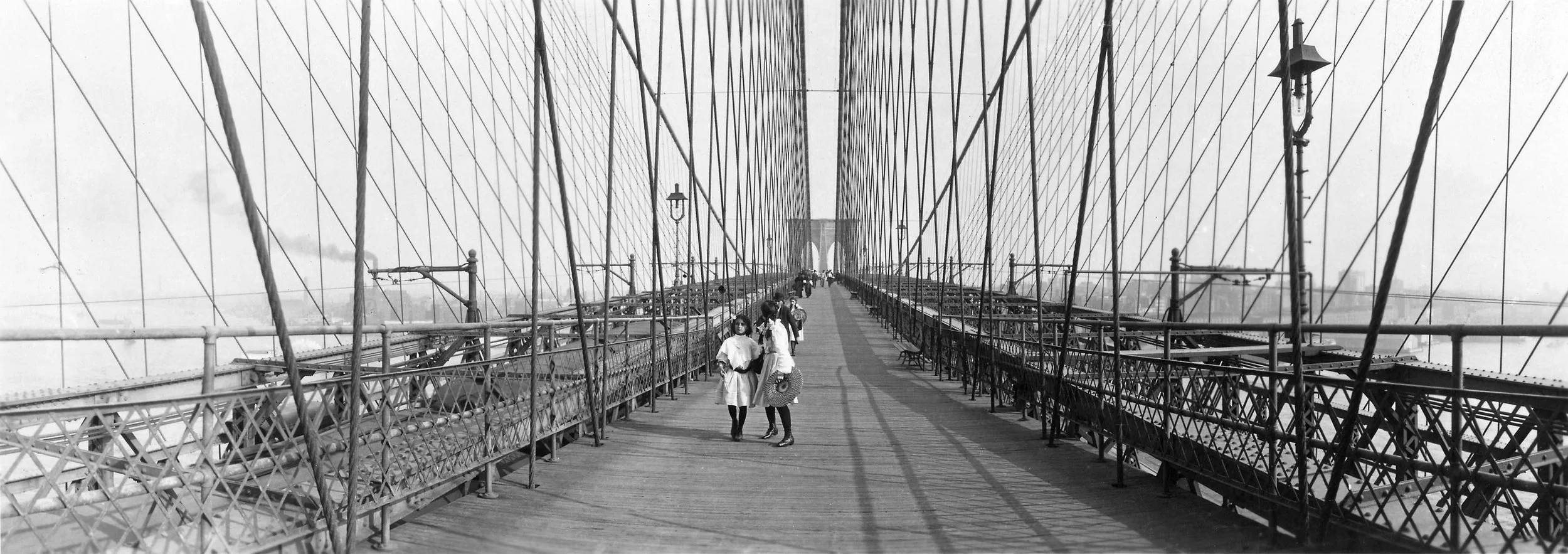
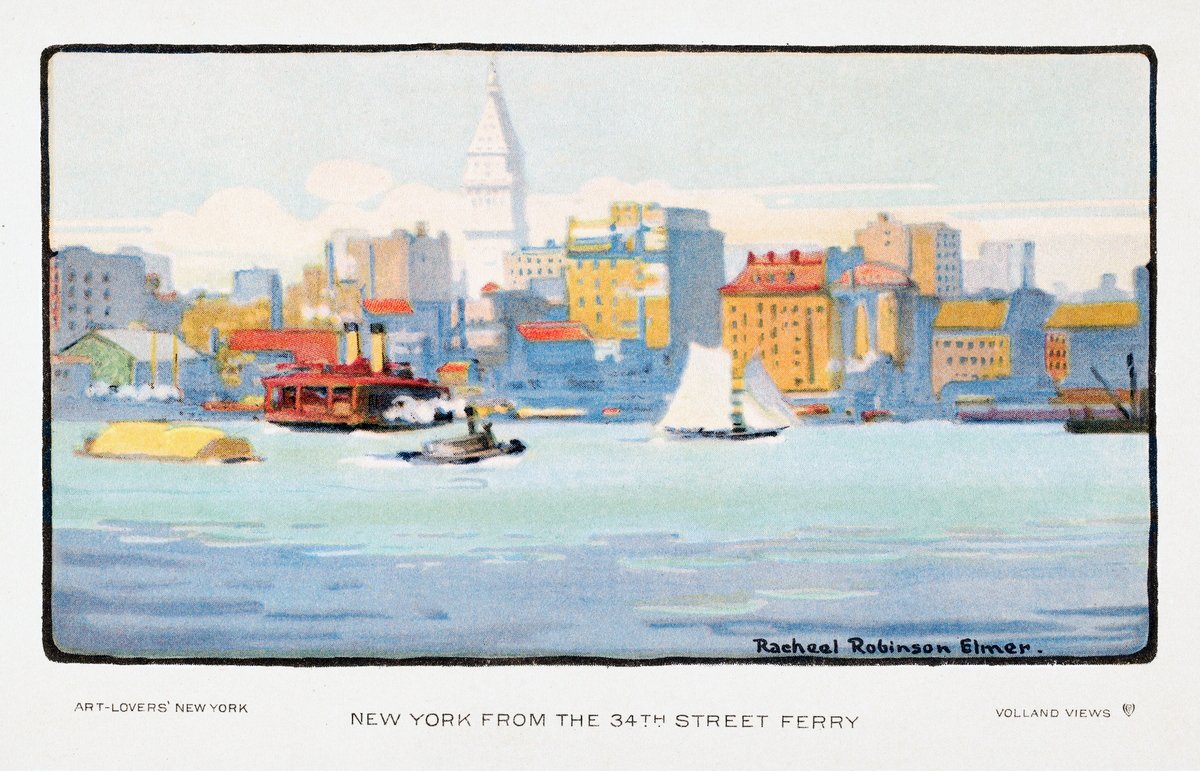
Vintage postcard, circa 1915, depicting the Brooklyn Bridge and New York skyline, courtesy of the Miriam and Ira D. Wallach Division of Art, Prints and Photographs: Picture Collection, The New York Public Library Digital Collections.
Preserving Our History
RECORDING RESOURCES
“Our elders have rich stories to share. There’s no better time than now to sit down and hit Record.” Wired magazine turns its attention to using technology to capture family history.
THROUGH A NEW LENS
Having conducted 250 interviews over a decade, Luke Holland’s documentary Final Account aims to preserve the memories of Germans who lived through the Holocaust. “The USC Shoah Foundation will incorporate these ‘perpetrator testimonies’ into its program for high-school students, preserving the recollections of this last surviving generation for posterity.”
Pictures & Stories
DIGITAL PHOTO MEMORIES
When Google Photos’ free storage ends on June 1, should you upgrade to a paid plan? The Wall Street Journal reports on cloud photo-backup options for ensuring that your family photo archive is preserved.
DON’T DO THIS
There’s one big mistake people make when resizing their digital photos for print, and I am on a mission to help you all avoid it.
BATTLE OF THE SUBWAY MAPS
When is a single conversation worthy of being recounted in a book? In this case, when the resulting decisions impacted both how NYC residents got around for decades and how designers approached real-world challenges.
The Stuff of Life
“THE THINGY-NESS OF THINGS”
“The odd object essay cannot hinge on ‘this tchotchke reminds me of my mother,’” Kren Babine writes. “Memory is faulty, subject to a thousand factors, and evidence—an object which shows that something exists or is true—holds no inherent value, because it is always subject to interpretation.”
HOUSE AS HOME
“As memoir writers we must ultimately wrestle with our beliefs about home.” Beth Kephart suggests a handful of starting places for writing the places that raised us.
FAVORITE THINGS
“Our thumbprints are all over the items we have collected and saved over the years.” Kate Manahan, an oral historian in Maine, finds that “for some people, talking about the things they love is just way easier than telling a ‘story.’”
MITIGATING OUR LOSSES
When disaster strikes, the loss of family treasures can be an unfortunate and devastating consequence. Archivist Rachael Woody offers help for channeling your emotional response into action, and preparing those treasures for the worst (checklist included).
Recent First-Person Reads Worth Your Time
VISITING (DEAD) ANCESTORS IN PRAGUE
“While couples embrace, while college students drink pivo, Czech beer, while parents push strollers, their kids licking zmrzlina, ice cream dribbling down chins from August heat, I curve inward with the weight of inherited memory.” Claire Sicherman connects her 13-year-old son with his roots.
LEARNING TO FIGHT
“Did I need to train like a superhero just to be a person in America? Maybe,” Alexander Chee, author of the essay collection How to Write an Autobiographical Novel, writes. “But if I thought of superheroes, it was because my father was like one to me, training me to be like him.”
DEPOSITS IN THE BANK OF MEMORY
“Something came into my head, and it was this: I must remember this moment for the rest of my life. It was a random resolution that arrived with the force of an epiphany.” Stephen Harrigan writes about his lifelong need for dropping memory anchors.
OUTSIDE, INSIDE
“The first time I dressed in men’s clothes, I looked in the mirror and cried. I pressed myself against the reflection. I wanted to press myself to the other side.” SJ Sindu writes “A Measure of Men.”
GOD AND GHOSTS
“My brother granted it was probably for the best that I didn’t attend the funeral. I was still in middle-school at the time and didn’t exactly have the neural wherewithal to process that sort of thing.” Barrett Swanson on the ones we leave behind.
...and a Few More Links
Registration is open for HippoCamp: A Conference for Creative Nonfiction Writers.
Book review: The Best of Brevity, an anthology celebrating the online journal’s 20 years of publishing flash creative nonfiction
New celebrity memoirs of interest: Rememberings by Sinead O’Connor and Brat by Andrew McCarthy
Short Takes
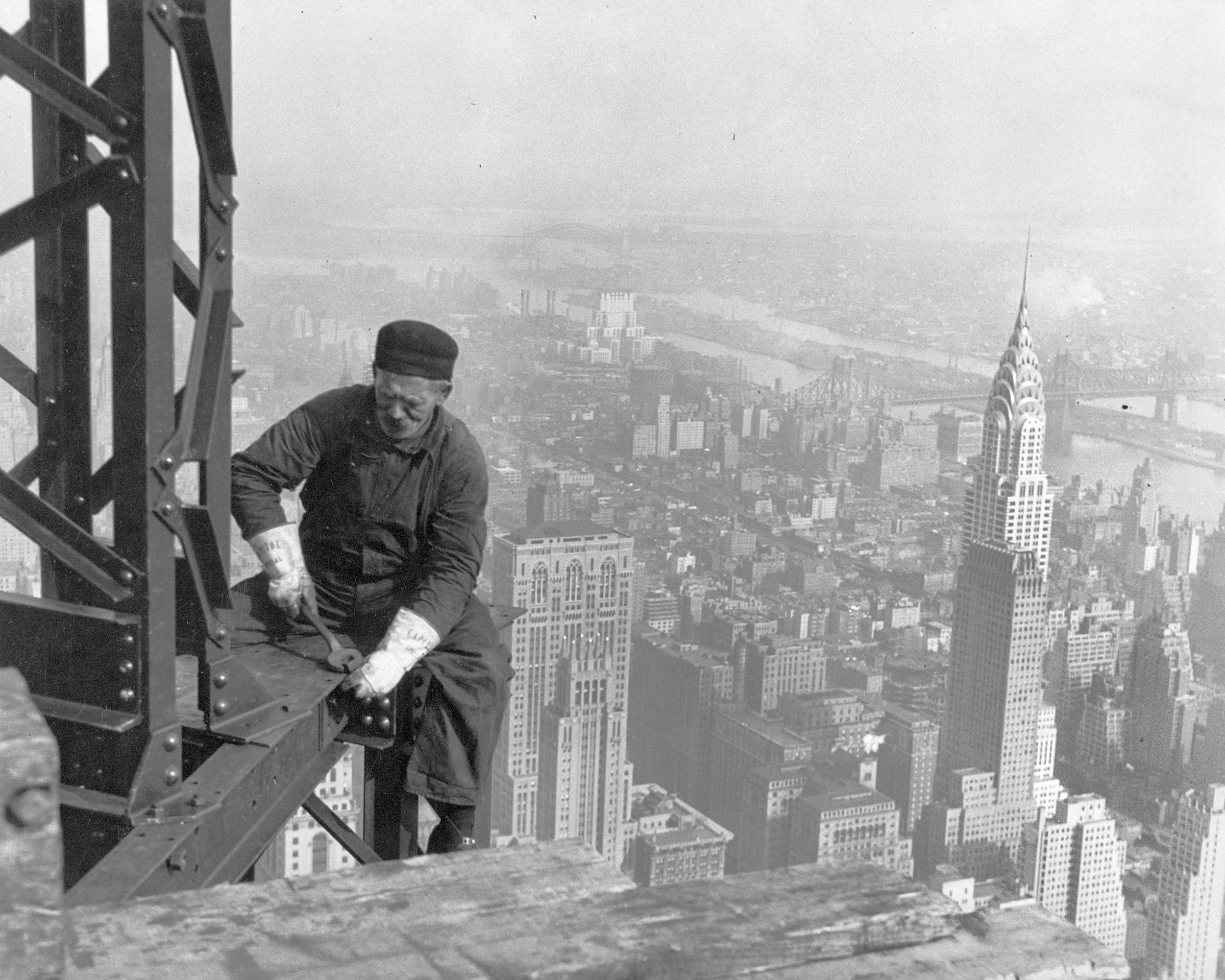
Learn about our Write Your Life course, providing memory prompts, writing guidance and a dose of inspiration to anyone who wants to preserve their stories now.