
Life Story Links: September 22, 2026
“…what a poorer and less beautiful thing life would be without the stories and values of the people who loved us and whom we loved most to carry with us when they are gone.”
—Steve Leder, For You When I Am Gone
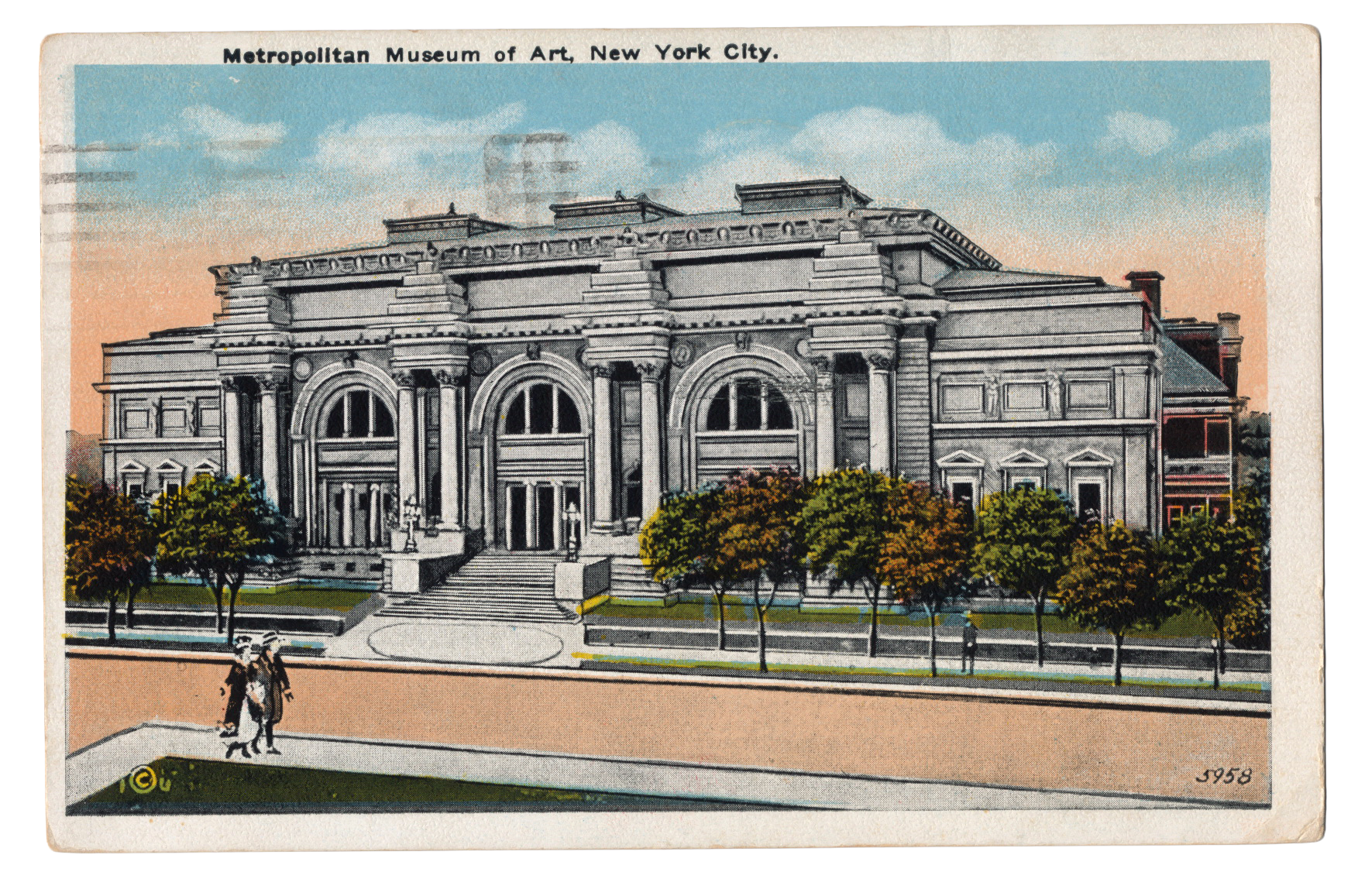
Vintage postcard with illustration of the Metropolitan Museum of Art in New York City, circa 1920, from the personal ephemera collection of Dawn Roode.
Preserving the past
THE SHIFTING LANDSCAPE OF TRUTH
“The truth is, memory doesn’t need to be perfect to be meaningful. Memoir isn’t about getting every detail right; it’s about revealing the truth of experience.” Last week I wrote about how forgetting and bias can deepen truth in your life story.
QUESTIONS INVITE STORIES
“Your grandparents might not think of themselves as eyewitnesses to history—or realize that anyone is interested in the ordinary details of their lives. Asking an unexpected question can make the past come alive while helping you discover who they were, and who they still are.”
THE PERMANENT QUESTIONS
In the first episode of his new podcast for The Atlantic, David Brooks starts with an idea that has shaped much of his work: Many of us have lost the habit of asking what makes life meaningful. Listen to a teaser here:
Misc. memoir
EMBROIDERING HIS STORIES
In this excerpt from her memoir, Story Telling: A Writing Life, Isabel Allende shares how her first novel, The House of the Spirits, began as a letter to her grandfather “to let him know that I remembered all the stories he’d told me.”
A DIVERSITY OF APPROACHES
“Why are seemingly half of all memoirs focused on parents or siblings and the complicated webs we weave?” An interesting roundup of viewpoints about writing about family on the Brevity blog.
FOR YOUR TBR MEMOIR LIST?
This roundup of the best new memoirs includes mini reviews of Plot Twist: Life, Craft, and the Messy First Draft: A Memoir on Writing by Harlan Coben (“a writing memoir for the ages”) and Receipts from the Bookshop: A Bookseller's Year in an English Seaside Town by Katie Clapham (“a must-read for everyone who’s ever felt most at home in a bookstore”).
ALL IN A DAY’S WORK
“This may be the world’s first mad-moir. Or … mad-ifesto,” Alexandra Jacobs writes of power broker Ari Emanuel’s Roll the Calls. The memoir “is over 400 [pages], but goes fast, to [ghostwriter J.R.] Moehringer’s credit, as if it were barked into a voice-memo app and transcribed by a quivering assistant.”
RIP ANNIE DILLARD
Perhaps the first memoir I feel in love with was An American Childhood by Annie Dillard, who passed away earlier this month. LitHub remembers her here, and you can read her obituary in the Washington Post here.
Family history in context
AT THE MUSEUM OF JEWISH HERITAGE
Will These Words Reach You? The Underground Archive of the Warsaw Ghettoexamines one of the most significant acts of Jewish resistance and historical preservation during the Holocaust: the creation of the Oyneg Shabes Archive in the Warsaw Ghetto.
A FAMILY HISTORY FROM LODZ
“Andreas Kossert traces his grandmother’s footsteps with the meticulousness of a historian and the empathy of a grandson. Elsa’s World is a plea for a life in between: between countries, languages and cultures. History, as taught to our children, should consist of such stories.”
RECKONING WITH THE PAST
Five boxes arrived from Wales containing photos, documents, and memorabilia: an “entire heritage,” the author calls it, and a window into the lives of his grandparents. In Ausländer, Michael Moritz examines his inheritance.
INHERITED MEMORIES
Andrew Huberman interviews Dr. Oded Rechavi, a professor at Tel Aviv University who studies genetics, epigenetics, and the inheritance of acquired traits. They discuss how DNA, RNA, and epigenetic mechanisms determine what information can pass between generations, and why acquired traits are generally not thought to be inherited.
...and a few more links
Short takes
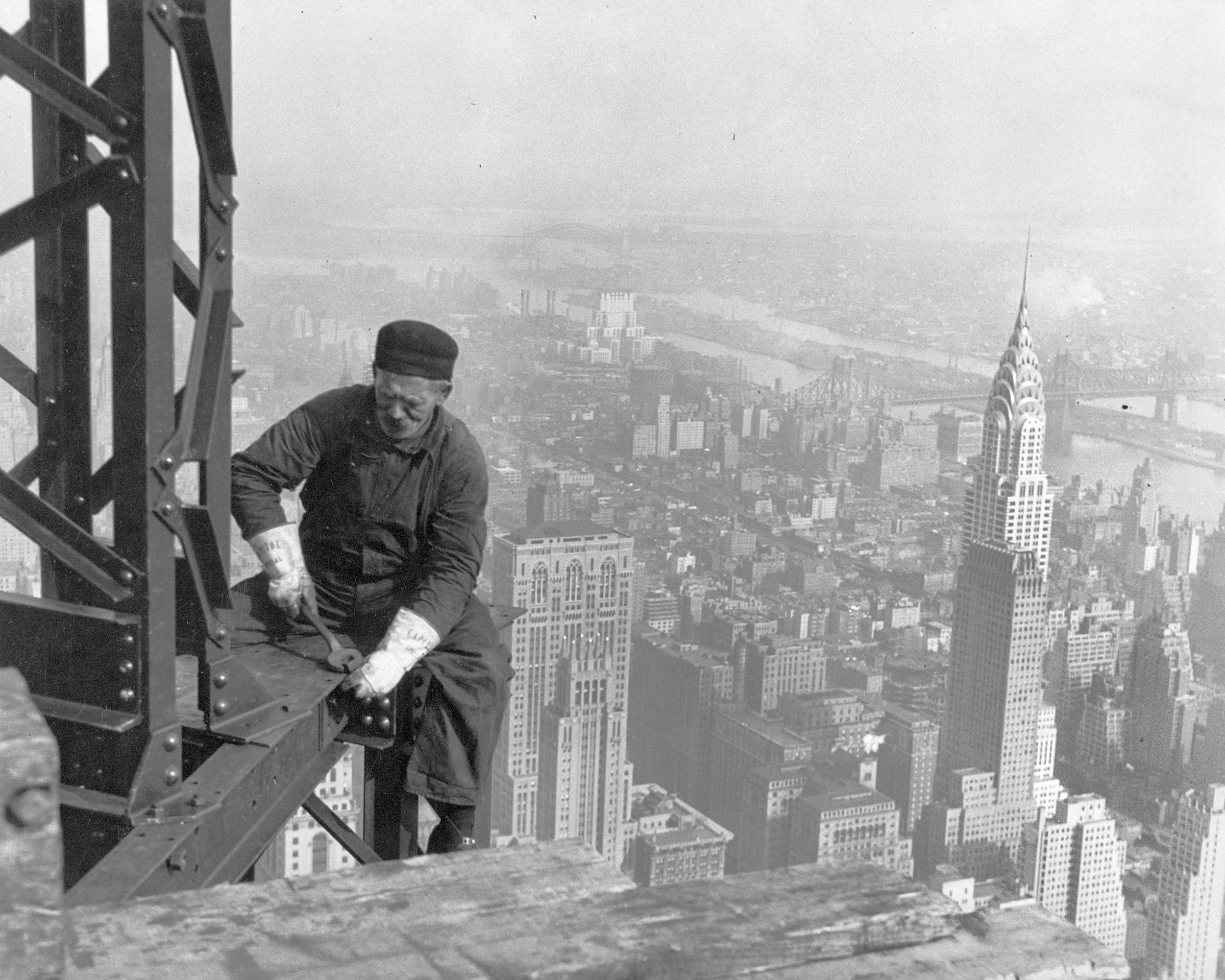
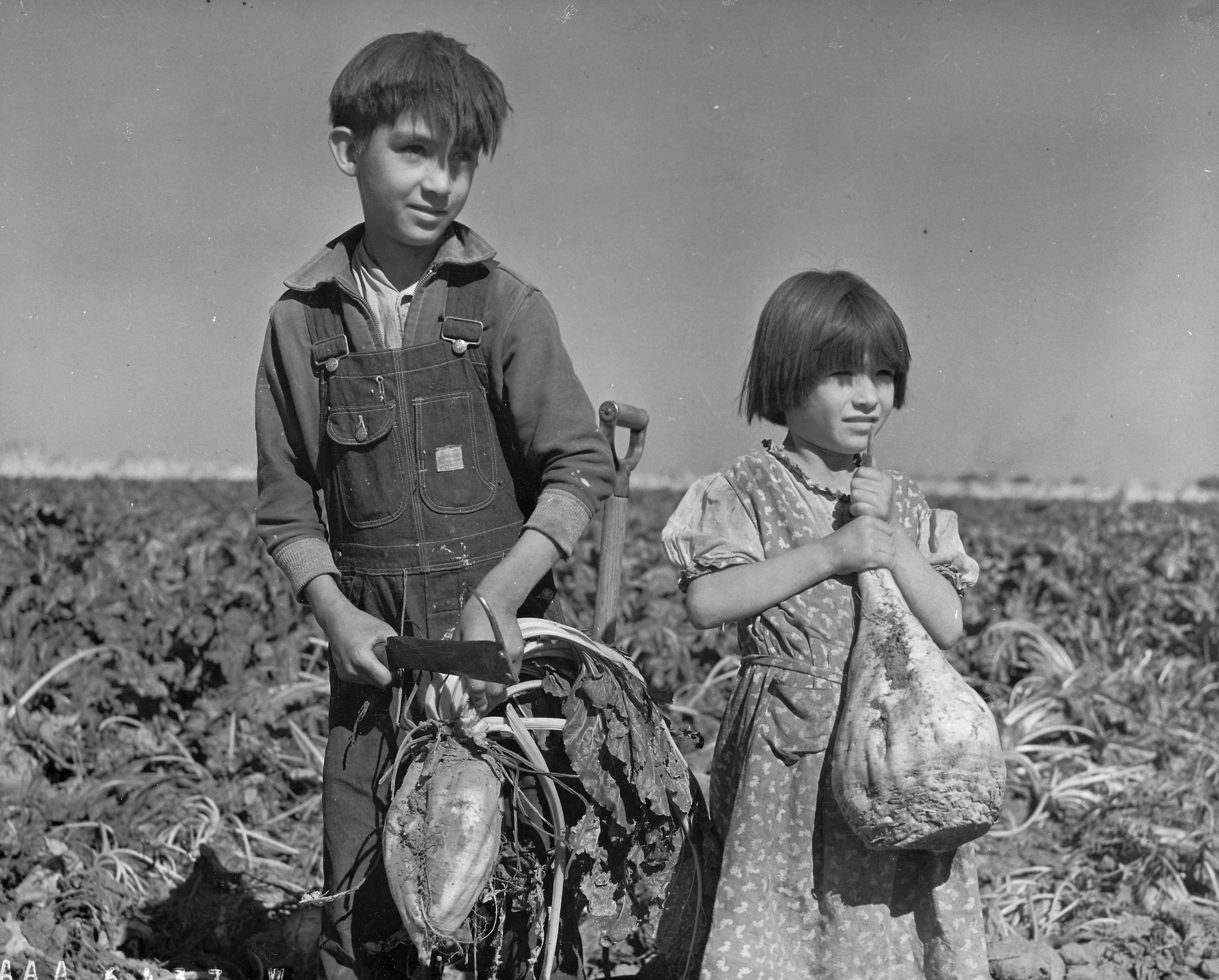
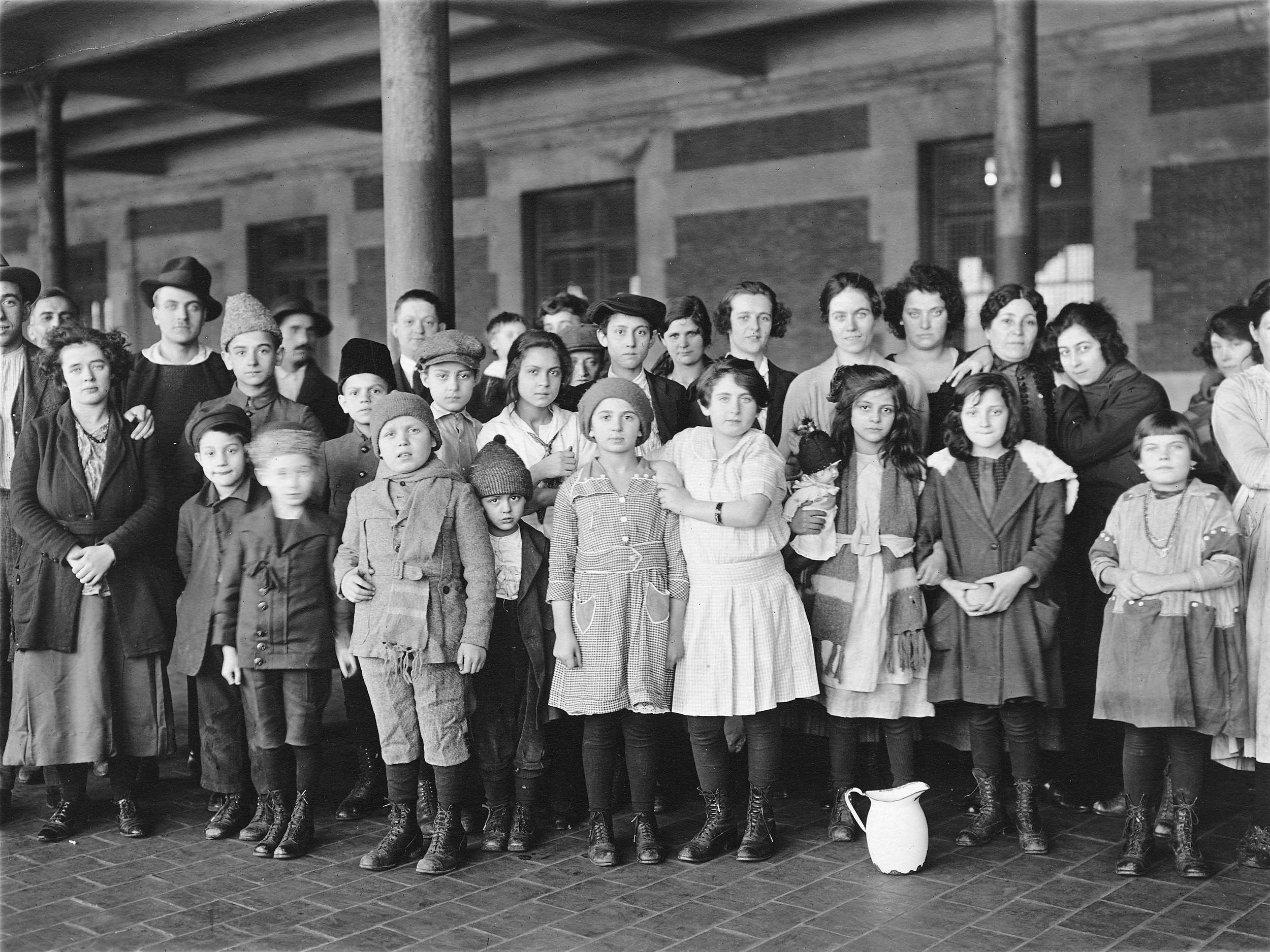
Dawn Roode’s curated roundup for the week of October 6, 2026, includes recommended reads on writing memoir, preserving family history, and autobiographical memory.