
Memories Matter
Featured blog Posts

READ THE LATEST POSTS
How the Proust Questionnaire can unlock your memoir
Discover how the Proust Questionnaire can unlock your memoir. Reflective questions to spark memory, deepen insight, and reveal your authentic story.
Long before personality quizzes filled our social media feeds, there was the Proust Questionnaire, a simple yet profound set of prompts designed to reveal a person’s true nature.
The questionnaire’s origins trace back to a 19th-century parlor game known as a “confession album.” Marcel Proust, the French novelist and essayist, famously answered one as a teenager and again later in life. His thoughtful, introspective responses transformed what had been a lighthearted pastime into something enduring—a tool for exploring identity, values, and emotion.
Writers have been using versions of the Proust Questionnaire ever since. Journalist Bernard Pivot adapted it for French television interviews; decades later, James Lipton brought a shorter, creative version (see first comment below) to a new audience at the end of each episode of Inside the Actors Studio. And Vanity Fair has long featured entertainers and cultural icons answering the questionnaire on the magazine’s back page.
The enduring appeal of the Proust questionnaire lies in its elegant simplicity: a series of deceptively straightforward questions that invite deep reflection.
Why it works for memoir writing
The Proust Questionnaire offers a shortcut—not to a finished memoir, but to the heart of one. Each question nudges you toward the emotional truths that make a story come alive.
When you’re writing personal history, the hardest part is often identifying what really matters: the moments, beliefs, and relationships that define you. Proust’s questions bypass the timeline and reach directly for meaning.
Try answering them not as a rapid-fire quiz, but as a reflective exercise. Linger on the answers. Explore why you believe what you believe, or how your answers might have changed over time. The results can be illuminating—and often provide an authentic foundation for scenes, anecdotes, or reflections in your memoir.
The (original) Proust Questionnaire
What is your idea of perfect happiness?
What is your greatest fear?
What is the trait you most deplore in yourself?
What is the trait you most deplore in others?
Which living person do you most admire?
What is your greatest extravagance?
What is your current state of mind?
What do you consider the most overrated virtue?
On what occasion do you lie?
What do you most dislike about your appearance?
Which living person do you most despise?
What is the quality you most like in a man?
What is the quality you most like in a woman?
Which words or phrases do you most overuse?
What or who is the greatest love of your life?
When and where were you happiest?
Which talent would you most like to have?
If you could change one thing about yourself, what would it be?
What do you consider your greatest achievement?
If you were to die and come back as a person or a thing, what would it be?
Where would you most like to live?
What is your most treasured possession?
What do you regard as the lowest depth of misery?
What is your favorite occupation?
What is your most marked characteristic?
What do you most value in your friends?
Who are your favorite writers?
Who is your hero of fiction?
Which historical figure do you most identify with?
Who are your heroes in real life?
What are your favorite names?
What is it that you most dislike?
What is your greatest regret?
How would you like to die?
What is your motto?
(The Proust Questionnaire is part of the public domain; this version has been widely adapted and reinterpreted over time.)
How to use it in your writing practice
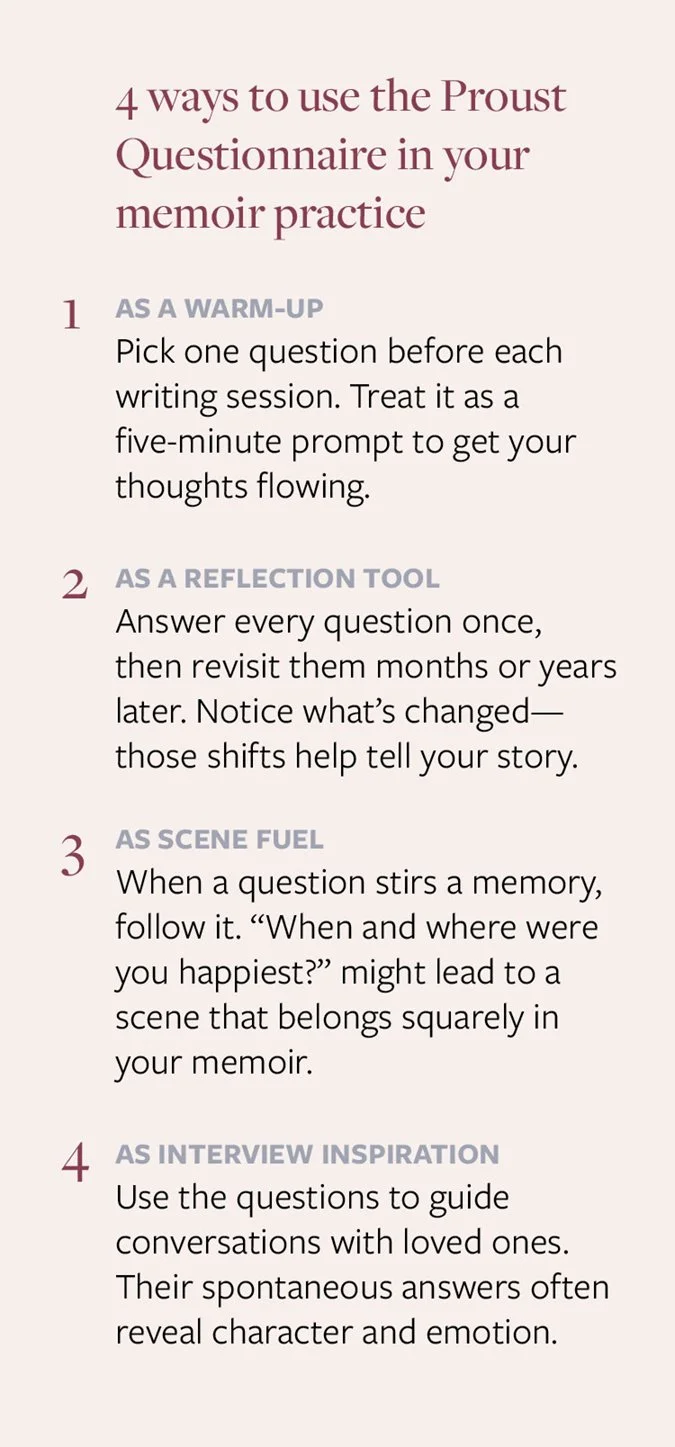
as a warm-up
Pick one question before each writing session. Treat it as a five-minute prompt to get your thoughts flowing.
as a reflection tool
Revisit your responses every few years. Shifts in your answers reveal growth, changing priorities, and new perspectives.
as Scene Fuel
When a question stirs a memory, follow it. “When and where were you happiest?” might lead to a scene that belongs squarely in your memoir.
as interview inspiration
Try posing these questions to parents or grandparents. Their answers can form the basis for a rich oral history or tribute project, might inspire them to write their own memoir, or even provide you with context in yours.
Helpful ideas
Start with Spontaneity.
Don’t overthink—write your first, instinctive answers. You can always expand later.
leave a legacy snapshot
Print or handwrite your responses, date them, and tuck them into your journal, scrapbook, or memory box. Future generations will treasure such a discovery.
Why I love it as a memoir tool
I’ve always been drawn to exercises that reveal depth through simplicity—and this one never fails. The questions are timeless, the answers always specific. They bridge introspection and storytelling, reminding us that the best writing doesn’t begin with chronology or plot. It begins with truth.
Many of the most memorable stories I’ve helped shape at Modern Heirloom Books began with reflections such as these: small, personal revelations that grew into full portraits of a life. Whether you’re writing a full life story or just gathering memories for your family, the Proust Questionnaire offers a wonderfully accessible place to begin.
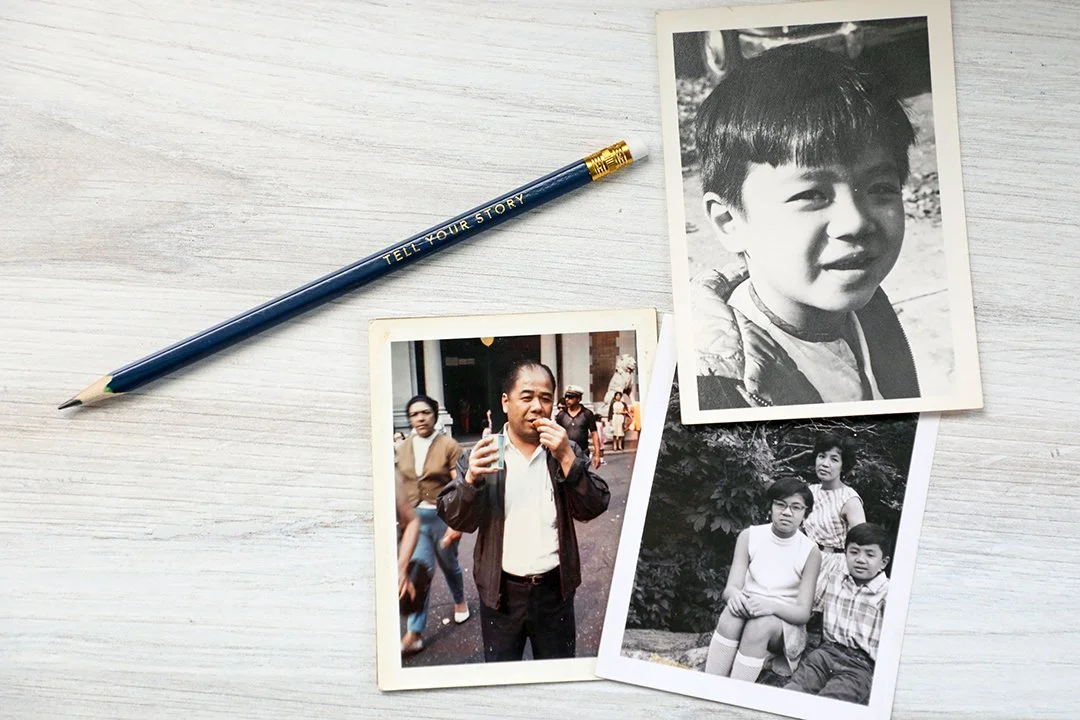






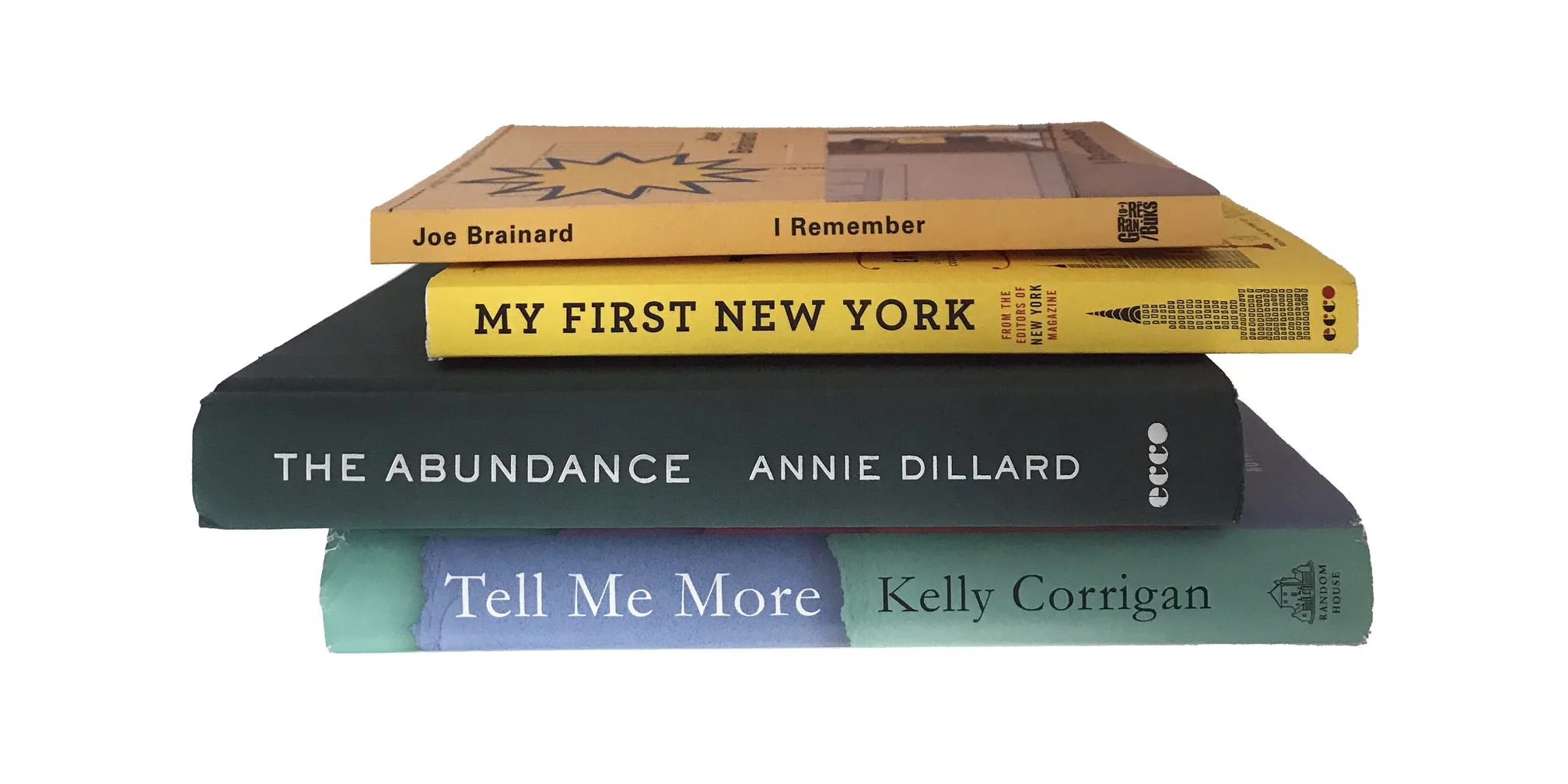




Dawn Roode’s curated roundup for the week of Sept. 23, 2026, is overflowing with recent reads on memoir, life story writing, and family history preservation.