
“I have hurriedly re-read the whole of my Journal. I regret the gaps. I feel as though I were still master of the days I have recorded, even though they are past, whereas those not mentioned in the pages are as though they had never been.”
—Eugene Delacroix, The Journal of Eugène Delacroix
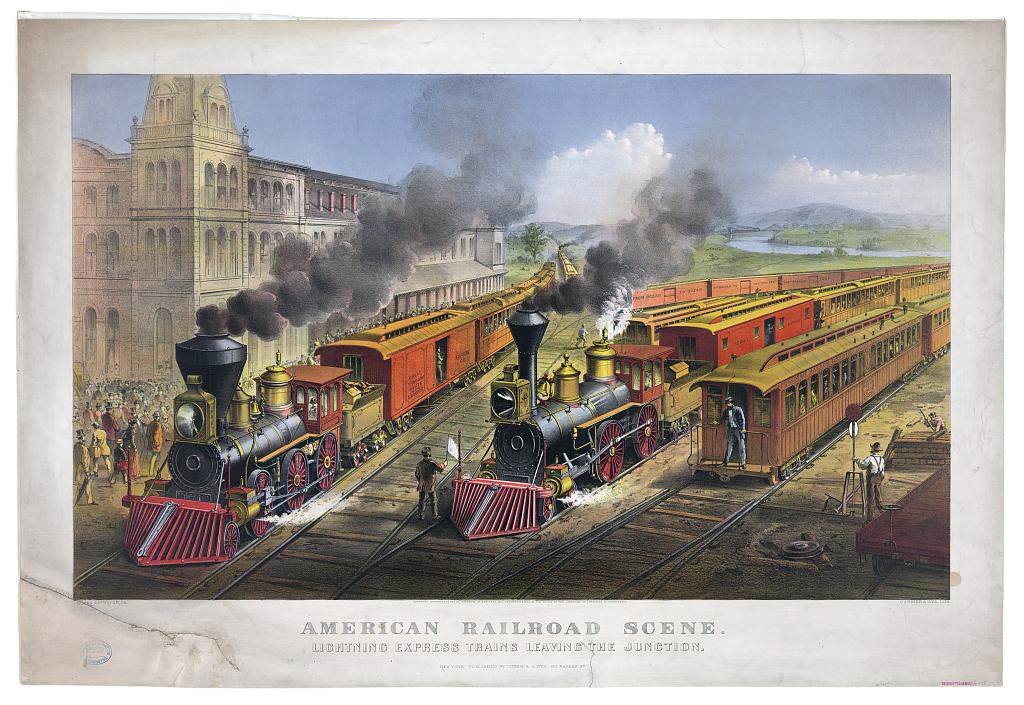
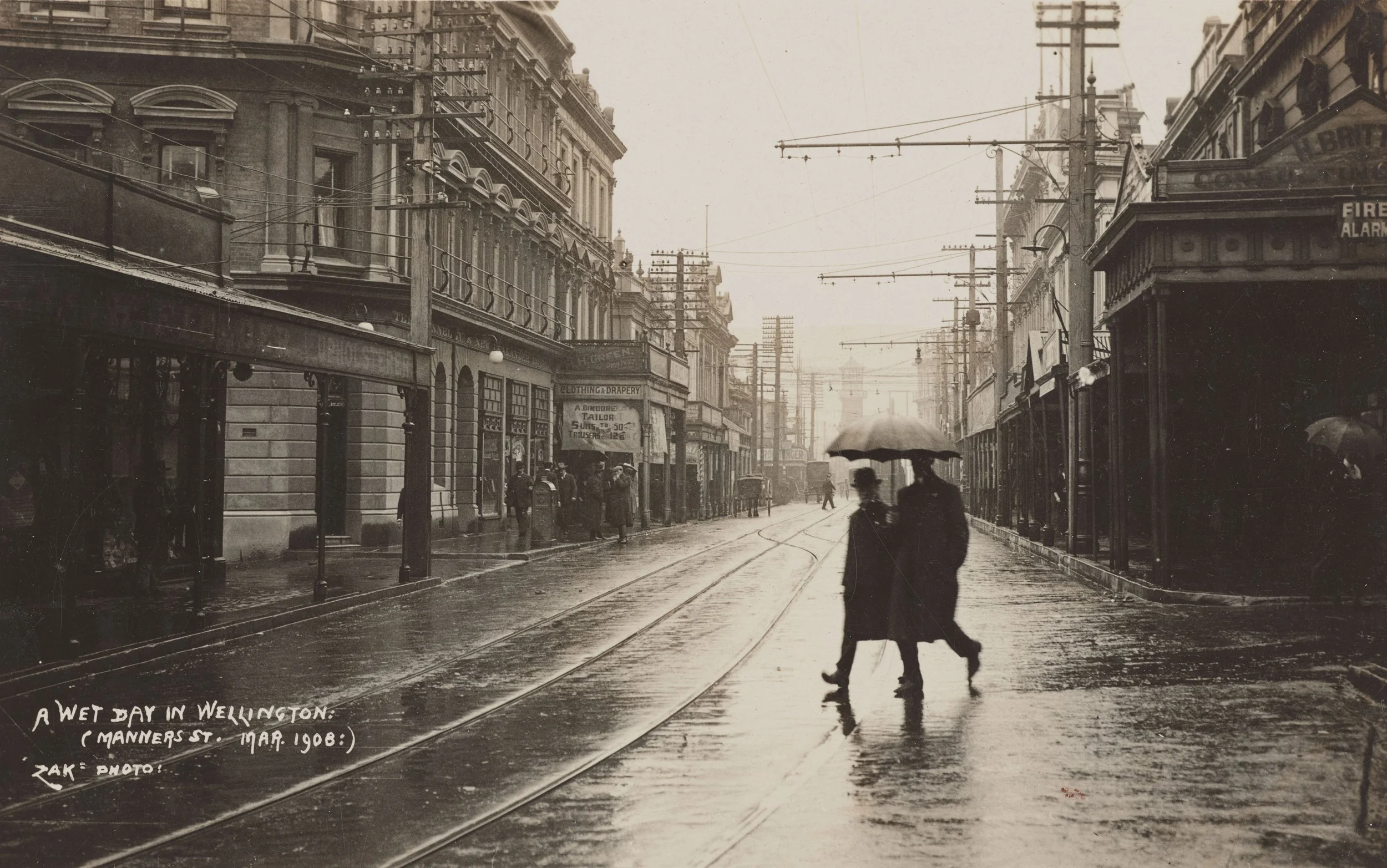
Vintage postcard depicting an American railroad scene, “Lightning Express Trains Leaving the Junction,” 1874; published in Viewpoints, a selection from the pictorial collections of the Library of Congress.
Family memories, photos & legacy
A DIGITAL DARK AGE
"There was a period from the early 2000s to 2013 where it was very difficult for people to get organized and photos were lost." On the ‘black hole’ of early 2000s digital family photos.
FROM CAPTURING TO CURATING
“We’re just trying to keep a record of our lives that doesn’t feel like a second job…. So the modern problem isn’t ‘How do I document my life?’ The problem is: How do I stop my documentation from becoming noise?”
‘21ST CENTURY VERSION OF CANVAS BAGS’
“Our digital stuff is so much more fragile than our paper stuff. And we don't really think about it like that.” Thoughts on preserving your (digital) legacy.
‘IT’S ABOUT THE FEELINGS WE CREATE’
“Maybe our families’ legacies aren’t so much about the things we do, but the values those things reveal and the atmosphere they generate.” Catherine Saunders muses on what our kids will remember.
WHAT’S ENCODED IN OUR LEGACIES?
Obituaries are one of the most enduring public records of an individual’s life, and a sweeping new study looked at 38 million of them to learn how we want to be remembered.
Moments in memoir
DEBUT MEMOIR
“In the same way that I knew I needed to hunt, I knew I would narrate this story of walking into the woods alone, with a rifle, in the dark.” “The Memoir Land Author Questionnaire” with Deborah Lee Luskin.
NIGHT WRITING
“Paradoxically, the writing I throw away makes possible my life as a working writer.” Moriah Hampton on how writing through trauma empowers her to live as a “working writer.”
THE POWER OF WRITING TO HEAL
“Three people attended my first memoir class taught in my therapy office, which expanded to dozens per week in several classes each week for over fifteen years.” Linda Joy Myers on the heart and craft of writing a healing memoir.
YOUR NARRATIVE QUESTION IS…?
“I would encourage writers of memoir to figure out early on what your narrative question is. You’re not writing the Wikipedia entry of your life or even a specific episode of your life.” Amen.
Musings on life writing
WRITE AN ASPIRATIONAL EULOGY
“That’s either brilliant or batshit,” Karen Salmansohn’s husband told her when he found her writing her own eulogy. Read about why she undertook the task, and how you can, too.
FROM BETH KEPHART, A SHORT MEDITATION ON MEMORY
“The fear of having lost the years. Of remembering only what I wrote, but did I write rightly? Writing being what you put in and all you leave out; the real word is abandon.”
52 WEEKLY PROMPTS, FREE
Keeping a journaling or family history practice alive through the entire year can feel daunting—until you realize you don’t have to come up with ideas on the spot. To celebrate the start of 2026, I have shared a year’s worth of journaling prompts.
THE HOLOCAUST STORY SHE SAID SHE WOULDN’T WRITE
I included this story in an April roundup, but upon seeing it again in a year-end wrap-up from the Museum of Jewish Heritage, decided to share once more: “What would become of stories like Mr. Lindenblatt’s if the generation of mine that was supposed to inherit them had taken the privilege that came with another generation’s survival and decided not to listen?”
...and a few more links
Short takes
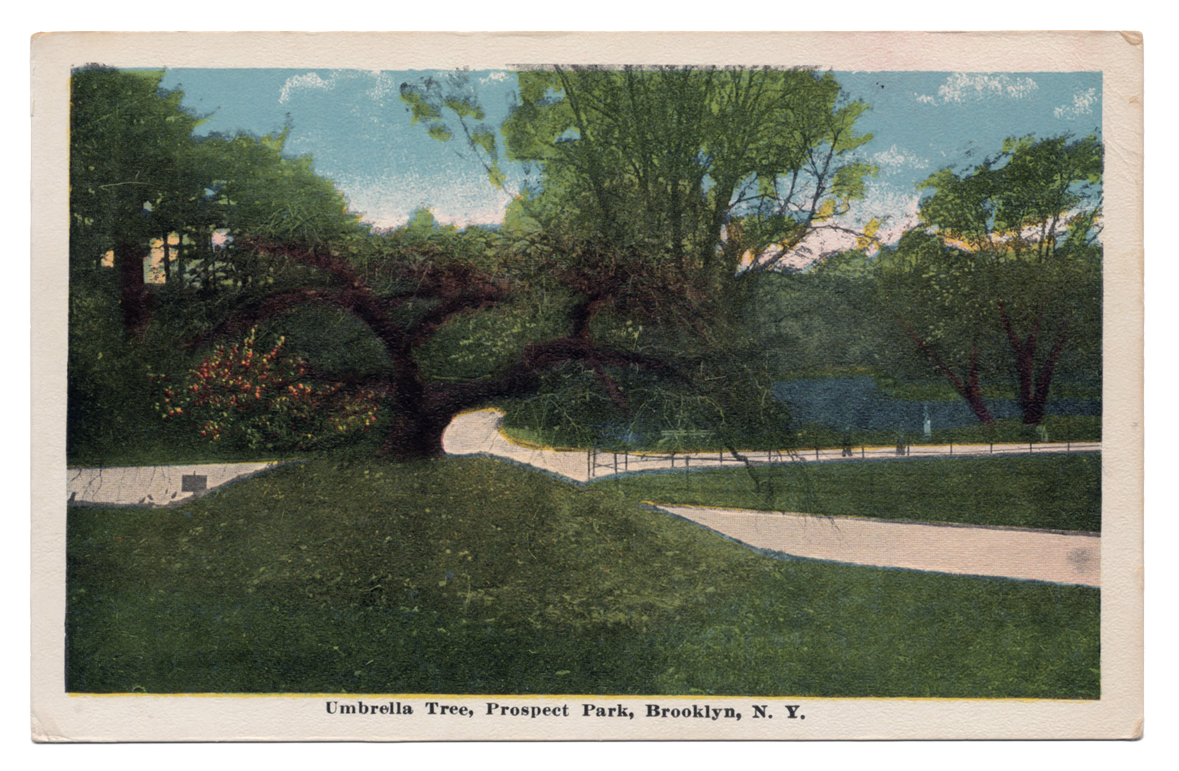
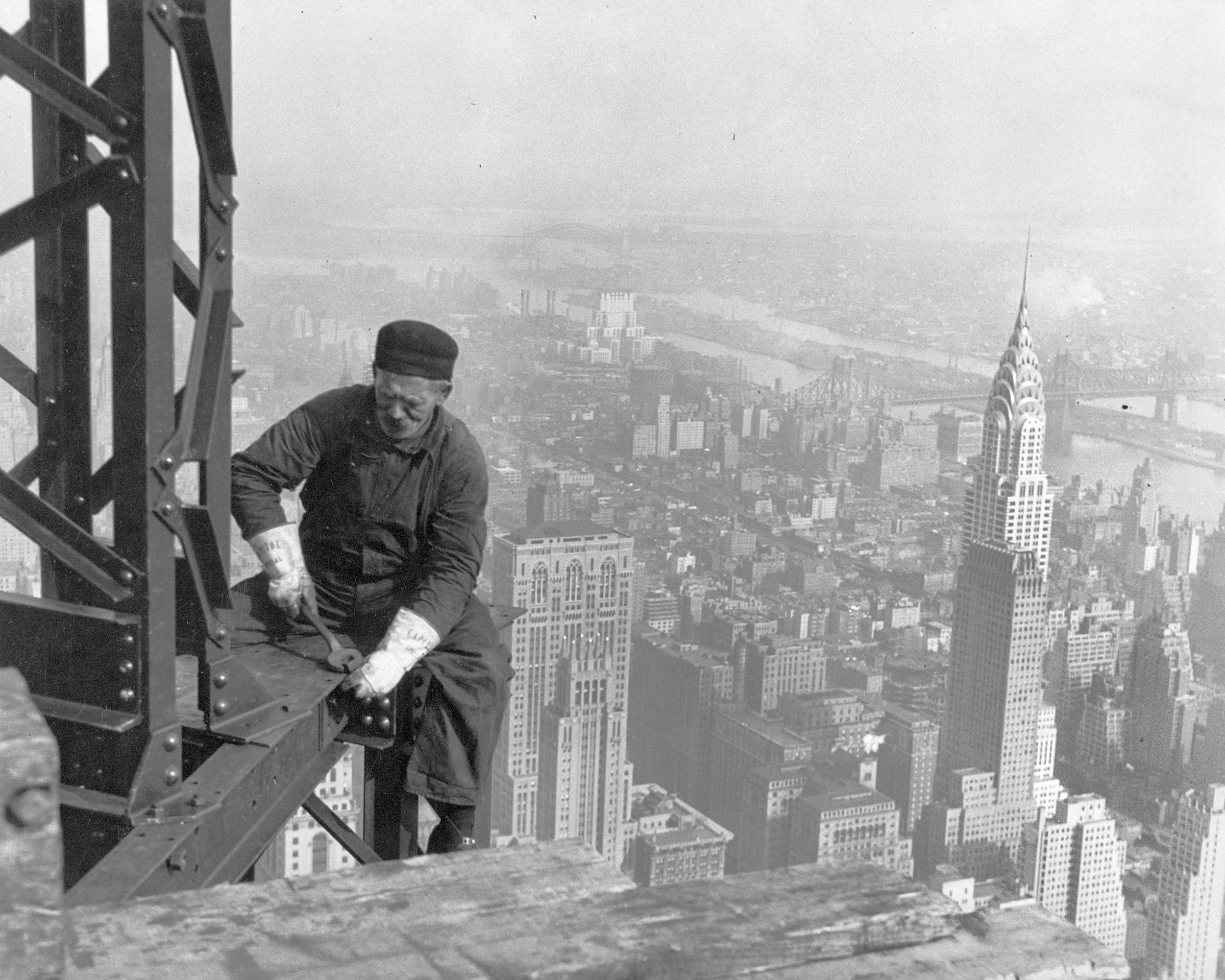
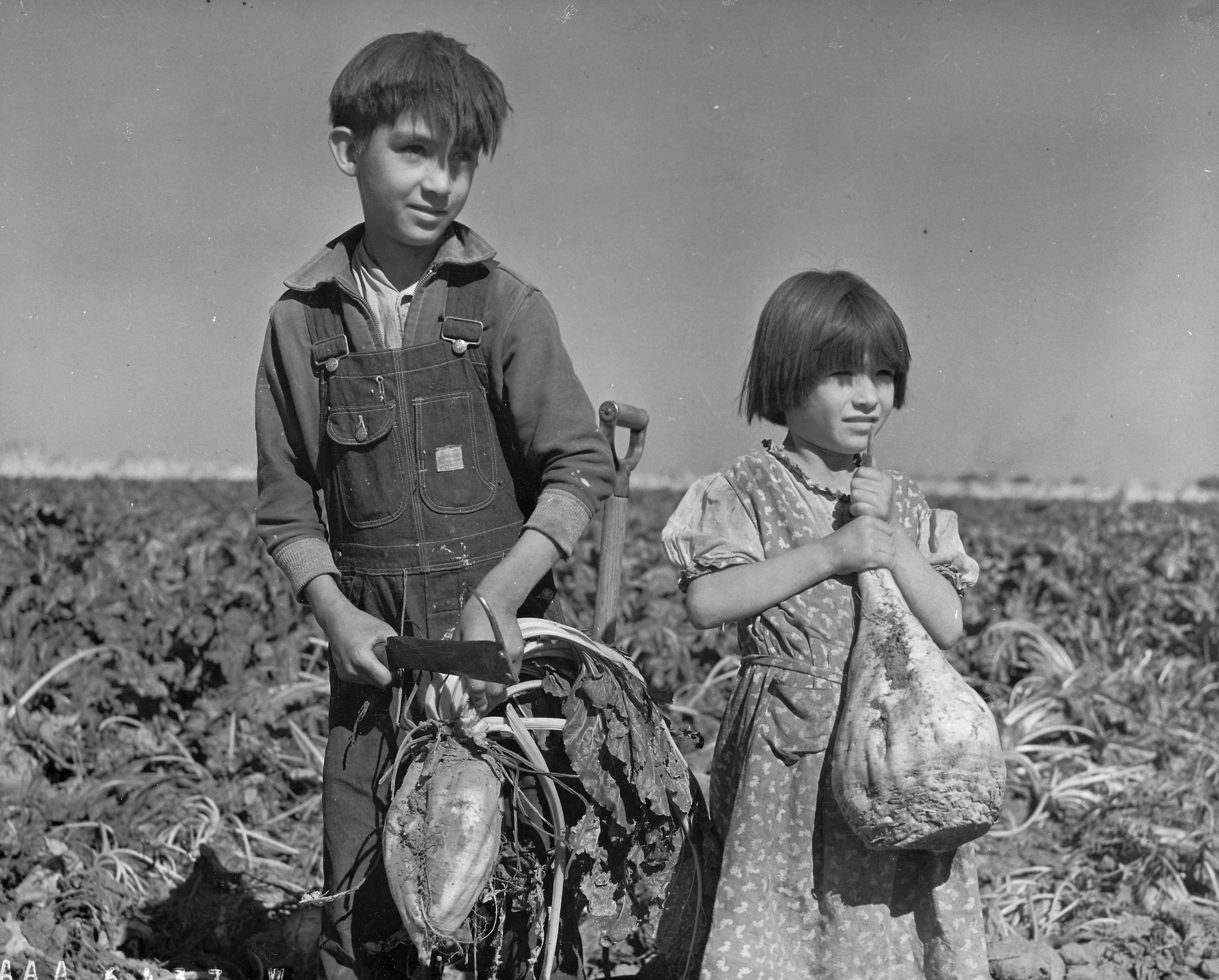
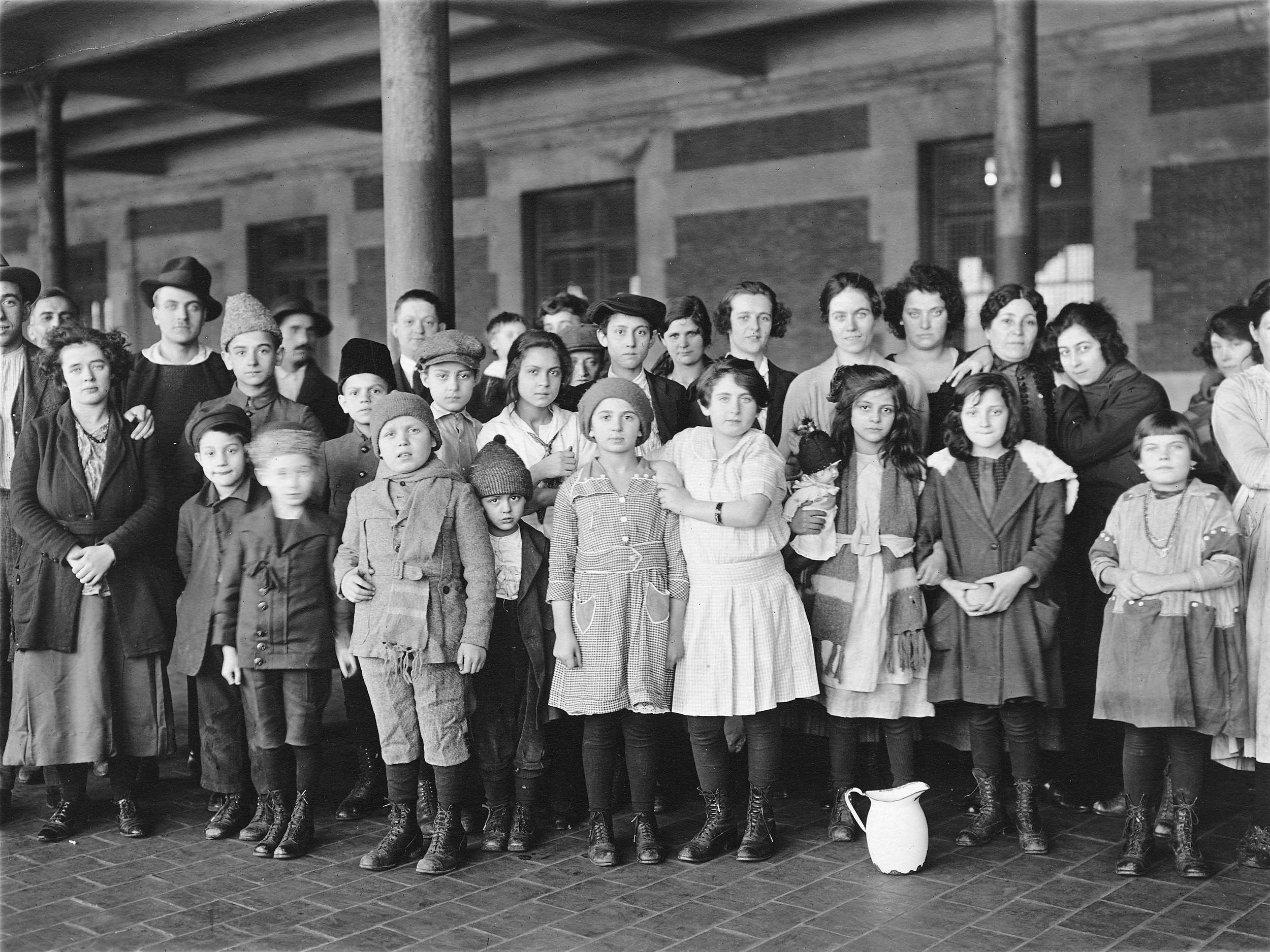
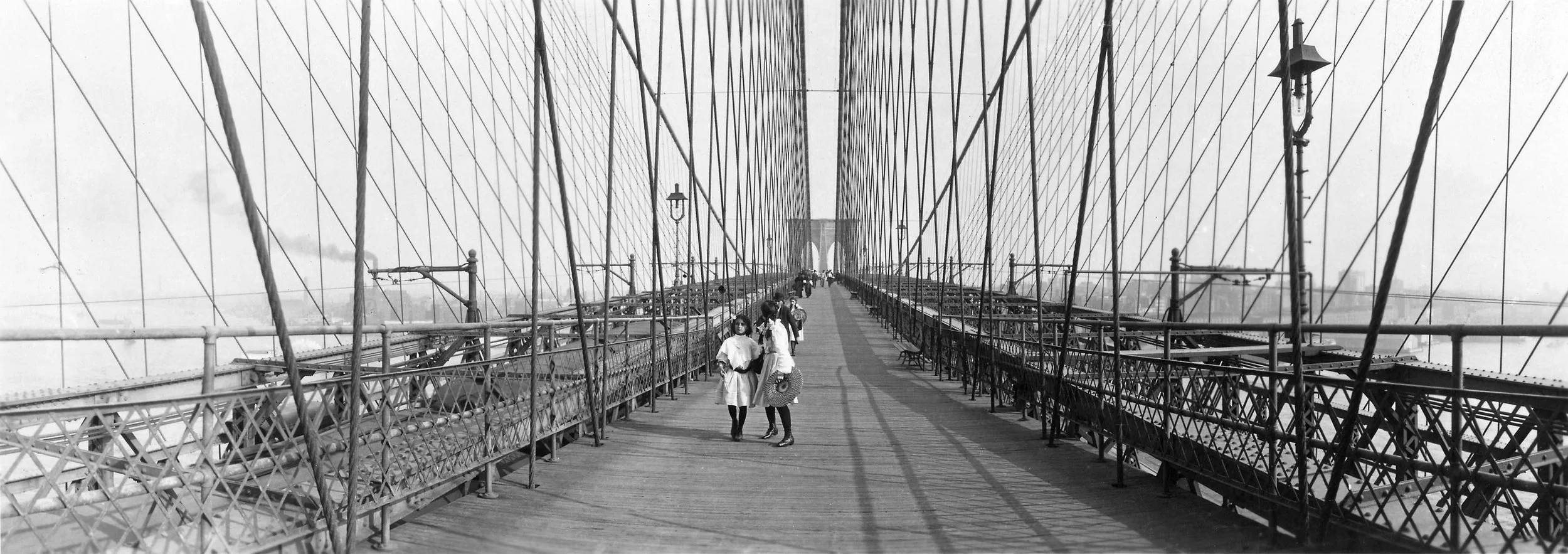
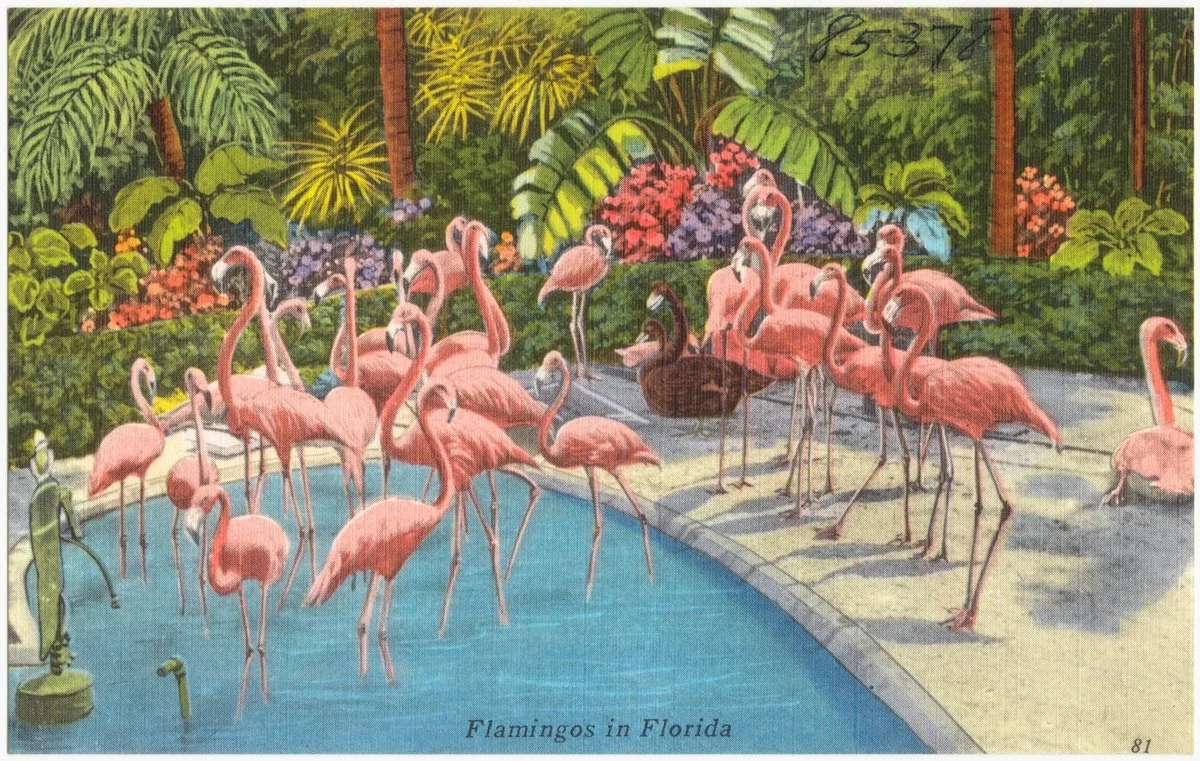
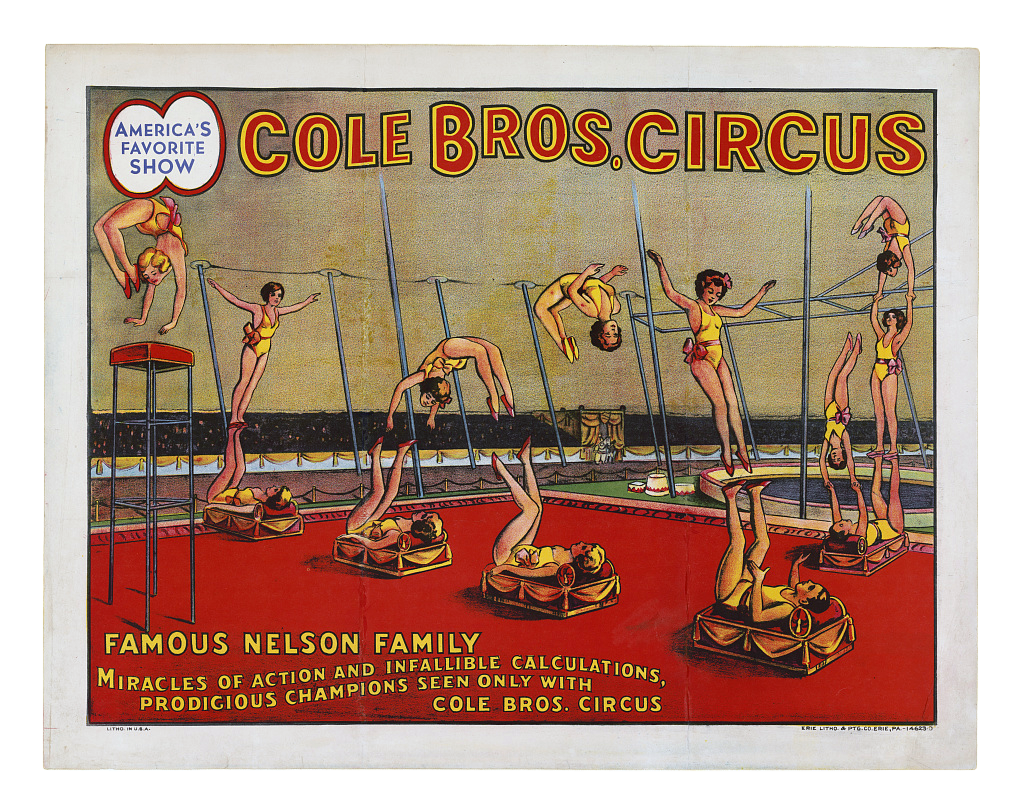
Dawn Roode’s curated roundup for the week of October 19, 2026, includes reads on preserving family stories, writing about our lives, and where memories reside.