
Memories Matter
Featured blog Posts

READ THE LATEST POSTS
Life Story Links: October 6, 2026
Dawn Roode’s curated roundup for the week of October 6, 2026, includes recommended reads on writing memoir, preserving family history, and autobiographical memory.
“What started as a simple family history project has become this web of community. When I pull a thread in one part of the world, the story in another place changes. Your memories have become my landmarks, the symbols of my own past.”
—Rachael Cerrotti, We Share the Same Sky
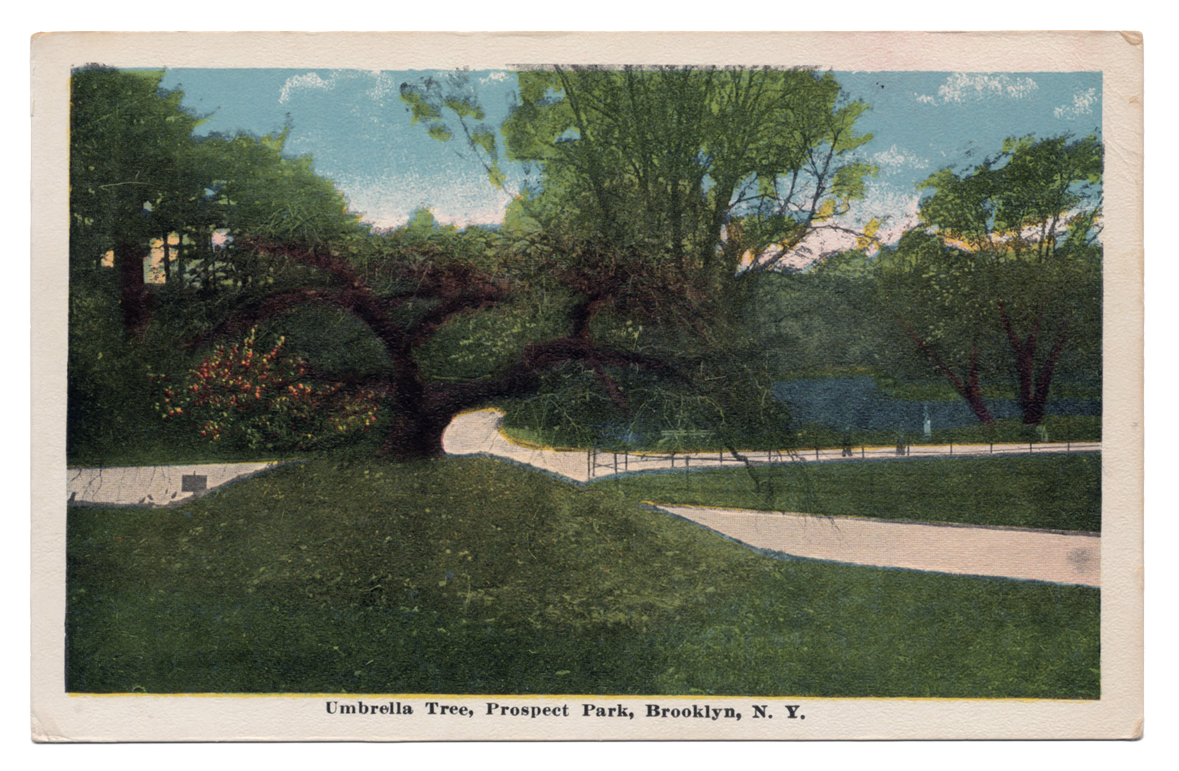
Vintage postcard captioned “umbrella tree, Prospect Park, Brooklyn, N.Y.”, early 20th century, from the personal ephemera collection of Dawn Roode.
Personal history & memoir miscellany
TWO NEW BOOKS
Announcing a real labor of love: two new books from MHB. They contain so much of what I have come to believe through my work: that every life is worthy of attention; that curiosity is an act of care; and that one of the greatest gifts we can offer another person is simply to listen.
‘LITTLE TEXTURAL POLAROIDS’
I love this quote from Maggie Smith’s recent scrapbook of vignettes (things she might have Tweeted back in the day): “The more we understand the past, the more we understand the present. The more legible now is.”
DON’T WAIT. ASK.
“[My dad] gave me the world, he showed me the world, he paid for my world, and he made a lot of great jokes. But I don’t know how he accomplished it, or what he thought about it, because I never asked.” Writer and cartoonist Peter Moore shares five questions he wishes he’d asked his father (“note,” he writes, “you can’t do that posthumously”).
ILLUMINATING THE CREATIVE PROCESS
Via a Literary Arts Fellowship and drawing on years of interviewing, teaching memoir workshops, and helping clients tell their stories, Lisa Napoli intends to create practical tools that make life writing feel less overwhelming.
THE SCIENCE OF AUTOBIOGRAPHICAL MEMORY
Scientists studied a teenager with HSAM, or hyperthymesia, which is an extremely rare memory ability. People with HSAM have highly superior autobiographic memory and incredible recall for events in their own lives (original study here).
‘ON ONE CONDITION’
“After several long Saturday mornings of recording, grandpa abruptly announced one day, ‘That’s all.’” Eli McCann on the “sacred act” of recording a life story, and the oral history passed down in his family.
A SOMATIC, TRAUMA-INFORMED APPROACH TO WRITING
Jessy Easton, who serialized her memoir after it was rejected by 100 publishers in five years, in conversation about “writing the hard thing—and how releasing the hard thing into the world frees us from the burden of carrying secrets and being anything less than our whole selves in the world” (transcript here):
...and a few more links
Read an excerpt from Food Is a Feeling: Recipes and Stories, with Love by Carla Lalli.
Tilda Swinton’s memoir will be unconventional (can you believe it?).
Scientists discover how the brain adds new information to old memories
How feminist activist Robin Morgan helped preserve the legacy of Sylvia Plath
Short takes
Life Story Links: August 11, 2026
Dawn Roode’s curated roundup for the week of August 11, 2026, includes recent stories on memory-keeping, personal history interviews, and deciphering a life.
“If you are interviewing someone for an oral history, remember that you are not there simply to satisfy your personal curiosity. You represent future readers who will not know as much about the context of that person’s life and will need more explanations than are normally needed in conversations between people who know each other well.”
—James R. Hagerty, Yours Truly
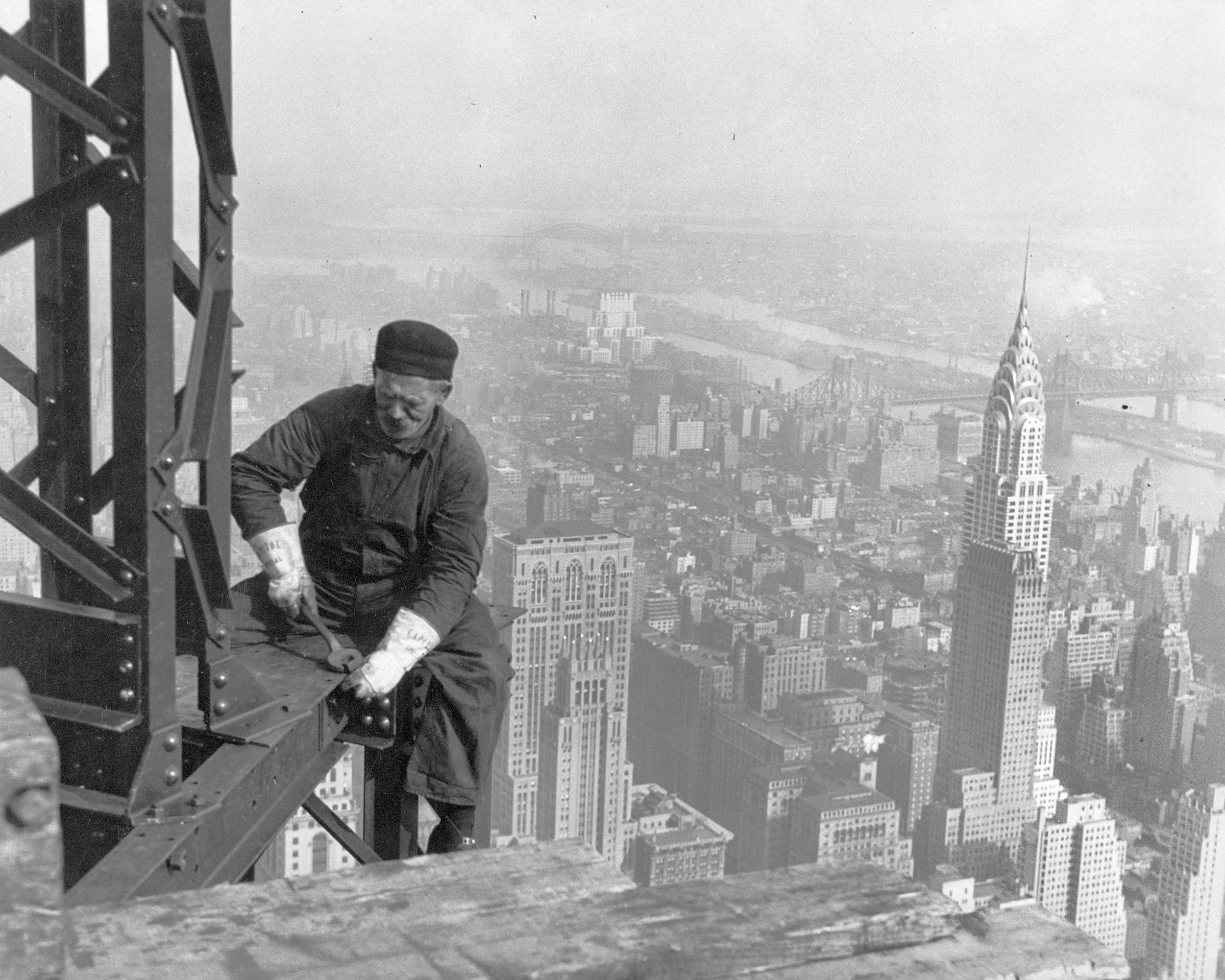
Vintage photograph “Keeping Up With the Boys,” an old-timer structural worker at the Empire State Building, New York City, 1930, by Lewis Hine; from a 1998 print. Records of the Work Projects Administration (69-RP-4K-1). Courtesy Picturing the Century Exhibition, National Archives.
Personal history hodgepodge
BEST PRACTICES FOR RECORDING INTERVIEWS
“Recording a great interview is only the first step. How you handle that recording afterward—from transcription to storage to storytelling—determines whether those memories will endure for years or disappear with a crashed hard drive.”
104-YEAR-OLD TIME CAPSULE
“The concept of printed photos assembled into a scrapbook with the little whimsical captions Mary Ellen wrote—the names, the places, and that kind of stuff—it’s just a lost art. It’s a relic of the past.” A reporter traces the unexpected path of his grandmother’s photo album.
WORDS FOR NOW
Maggie Smith, the author of one of my favorite memoirs (You Could Make This Place Beautiful), takes the Six-Word Memoir Interview, expounding a little on the mini-memoir that applies to her life today.
A TALE OF TWO NAMES
“The call upon any of us to interpret a life is convoluted—especially if said life is played out on the public stage.” The editor of Kitchen Confidential attempts to reconcile the paradox of Tony Bourdain upon the release of the new biopic Tony.
AN ARCHIVE INFORMED BY LIVED EXPERIENCE
When Shape Arts began creating the UK’s National Disability Movement Archive and Collection (NDMAC), they knew that preserving history was only part of the job. “We also needed to think about how that history and heritage would be collected, who would feel able to contribute and who could access it.” (Learn more about how the Heritage Fund is investing in disability heritage.)
WE THE PEOPLE
The stories of one Civil War soldier might have been lost to history, if it wasn’t for one businessman with a passion for the past. Watch a special episode detailing his journey.
QUOTE-WORTHY
“Every kid feels that the world around them is not under their control necessarily. They're not controlling every part of their experience, but on the page, it's all yours, and you can write this linear narrative that makes sense, and no one can mess with it.” Go straight to the 11-minute mark to listen to Dave Eggers talk about the benefits of storytelling for young students, or start at the beginning for a delightful interview with a master writer:
Short takes
Life Story Links: July 28, 2026
Dawn Roode’s curated roundup for the week of July 28, 2026, includes recent stories on memoir writing in the age of AI, the nature of personal legacy, and more.
“When I am writing fiction, I am trying to get at the literary truth; when I am writing nonfiction, I aim for both the literary and literal truth. If that seems a restriction on my authorial freedom, it is a small price to pay for retaining belief in the wonderful, gruesome, uncanny shimmer of the facts as they play out in life.”
—Phillip Lopate, To Show and To Tell
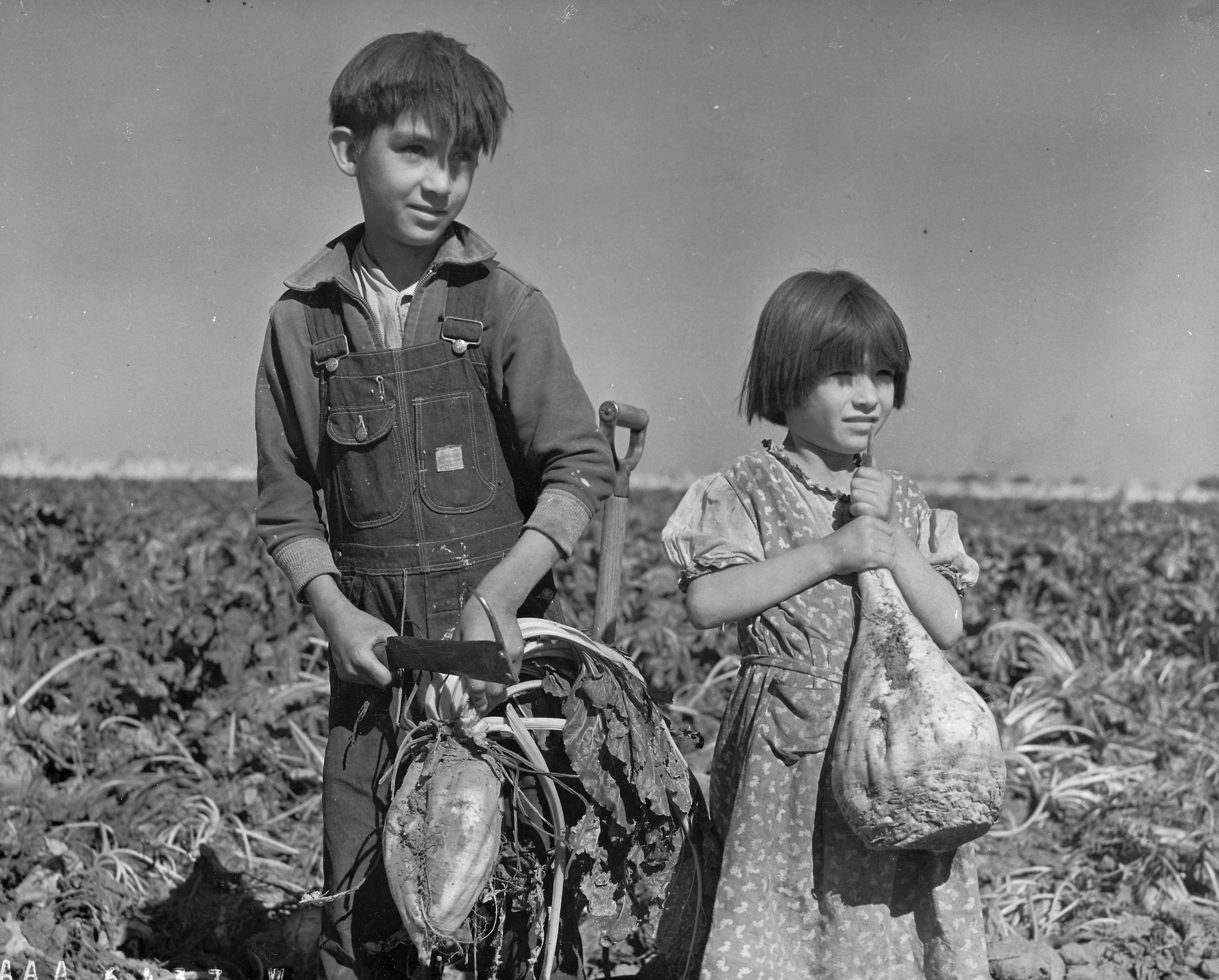
Vintage photograph titled “Children and Sugar Beets,” Hall County, Nebraska, October 17, 1940, by L. C. Harmon. Courtesy Picturing the Century Exhibition, National Archives.
Writing our lives
A FATHER-AND-SON MEMOIR
“I think I learned that there is a lot of myth-building we do as humans about our own experiences, because my dad had grown accustomed to telling his stories in set ways that felt comfortable for him to tell, but also captivated listeners. He was a survivor, a bit of a hero, in those versions.” Jason Prokowiew on turning 50 hours of interviews with his father into an engaging braided memoir.
UNEXPECTED MEMOIR TOOL
“The enduring appeal of the Proust questionnaire lies in its elegant simplicity: a series of deceptively straightforward questions that invite deep reflection.” Last week I wrote about how to use this century-old set of questions for memoir writing.
EMBRACING THE SPIRAL OF TIME
“Our lives are complex and weave in and out of time as our understanding of self and experience matures. And when we are diving deep into the tangled web of our stories, we sometimes need to return to a past self, seek out an ancestor, or lean on the future self all while remaining present and in the now of writing the story.”
ON WRITING LITERARY BIOGRAPHY
“Life is unparaphrasable; no self can ever be fully known. Literary biography is an interpretive art. Like other arts of literary interpretation,…it requires scrupulous accuracy and is at the same time dependent on moments of intuitive engagement.”
PRESERVING SOMETHING PRECIOUS
“Long before the fog of dementia crept in, Nana had been preserving pieces of her memory alongside the fleeting bounty of each season.” Chadwick Boyd writes about the one jar of tomatoes he still can’t bring himself to open.
Personal legacy in the modern age
‘SOMEONE USED A.I. TO WRITE MY BIOGRAPHY’
“Verified-author badges, provenance metadata, and retailer-side disclosure of AI authorship do not really exist at scale today, and the first marketplace to build them credibly will get to define what an "authentic" biography of a living person even means online,” AI Weekly reports on this original NYT article by Kashmir Hill.
CURATING PERSONAL ARCHIVES
“I’m part of a generation trained to scroll and yet I crave turning pages. I don’t want my life to be a tab on the computer screen. I want it to feel real and like a story that can literally fade. And I say all this while simultaneously being dedicated to digitizing what past generations have left behind. It’s a both/and situation.”
HOW WE DISAPPEAR
Stanford professor Thomas Mullaney has spent decades thinking about the unreliability of archival materials in understanding the past, but it wasn’t until his own father died and he scrambled to preserve the evidence of his life that he decided to write about how we disappear from the historical record and from the world. Listen to an interview with him:
EVERY STORY HAS A PLACE
“That’s what storytelling is supposed to do—not just entertain, but help people better understand one another.” Family memories, personal experiences, and historical moments only survive if someone is willing to tell them:
Short takes
Life Story Links: July 14, 2026
Dawn Roode’s curated roundup includes recent stories on writing about our lives, personal legacy through letters and photos, and more memoir and memory-keeping.
“Don’t worry about the ancestors. They’re dead. Don’t worry about the young ones. They can’t read yet. Don’t worry about your readers. You tell your truth, and they will turn the page.”
—Nancy Slonim Aronie, Memoir as Medicine
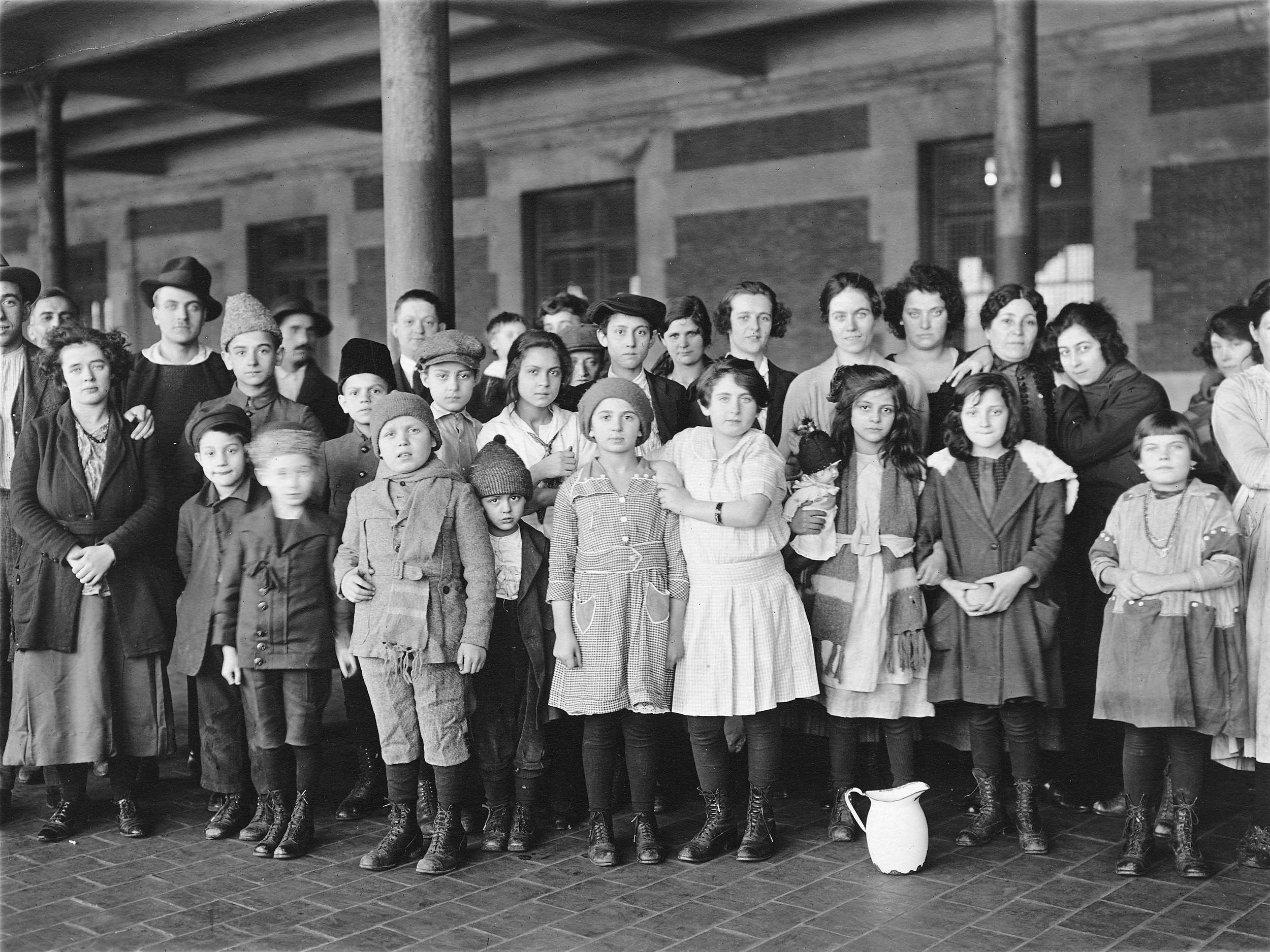
Vintage photograph of immigrant children, Ellis Island, New York, circa 1908, by Brown Brothers. Records of the Public Health Service (90-G-125-29). Courtesy Picturing the Century Exhibition, National Archives.
Life stories on the page
THE CHALLENGE OF ‘THE SILENCE GAP’
“Even when memories fade and voices fall silent, the story isn’t lost. By piecing together fragments—from a letter here, a photo there, a scrap of community history—you can create a portrait that honors your loved one and keeps their life present for future generations.”
CLOSE ENCOUNTERS
“At the beginning, I thought that the replica would be a perfect copy. But it pushes me to stay in this nostalgic dimension, where I’m tied to an idealized father and a bunch of memories it invents.” A fascinating interactive story from The New Yorker blending artwork and interviews with a father and daughter who interact with an A.I. deathbot.
THE HUMAN STORIES BEHIND HISTORY
"I'm not a journalist. I'm not a historian. I'm just someone who wants to document memories with care while allowing the people involved to remain the focus of the story," Stephen Koski says of his work creating The Last Responder.
ON READING OTHER PEOPLE’S LETTERS
“Letters tell stories—within each letter, and from letter to letter. There’s not much of what you’d call plot, but, as in a novel, readers need less plot than we think; we just need to be kept curious.” Alice Mattison on the ethics and considerations around publishing intimate correspondence.
A MISSION, BEQUEATHED
“When I read the letter, I began to cry”: How opening a family history book published by his uncle and discovering a rare letter written by Rabbi Yerucham to his great-grandfather prompted an incredible series of events for one man.
Picture this
FROM THE ARCHIVES
The story behind one of Magnum Photos’ first collective projects investigating the postwar generation and why it’s inspiring the agency’s latest endeavor, Magnum Chronicles: GenZ.
GUIDED IMAGERY FOR LIFE STORY WORK
In this recording from the Birren Center for Autobiographical Studies, certified GAB instructor, hypnotherapist, and Hollywood screenwriter Norman Lesperance introduces guided imagery, a gentle technique that uses descriptive prompts to help writers mentally step back into their memories:
...and a few more links
Short takes
Life Story Links: June 30, 2026
Personal historian Dawn Roode curates recent posts on the topics of memoir, life story writing, family history preservation; here, the June 30, 2026, roundup.
“Be ready to be surprised by the crazy, wonderful events that will come dancing out of your past when you stir the pot of memory. Embrace those long-lost visitors. If they shove aside some events you originally thought you wanted to write about, it’s because they have more vitality.”
—William Zinsser, Writing About Your Life
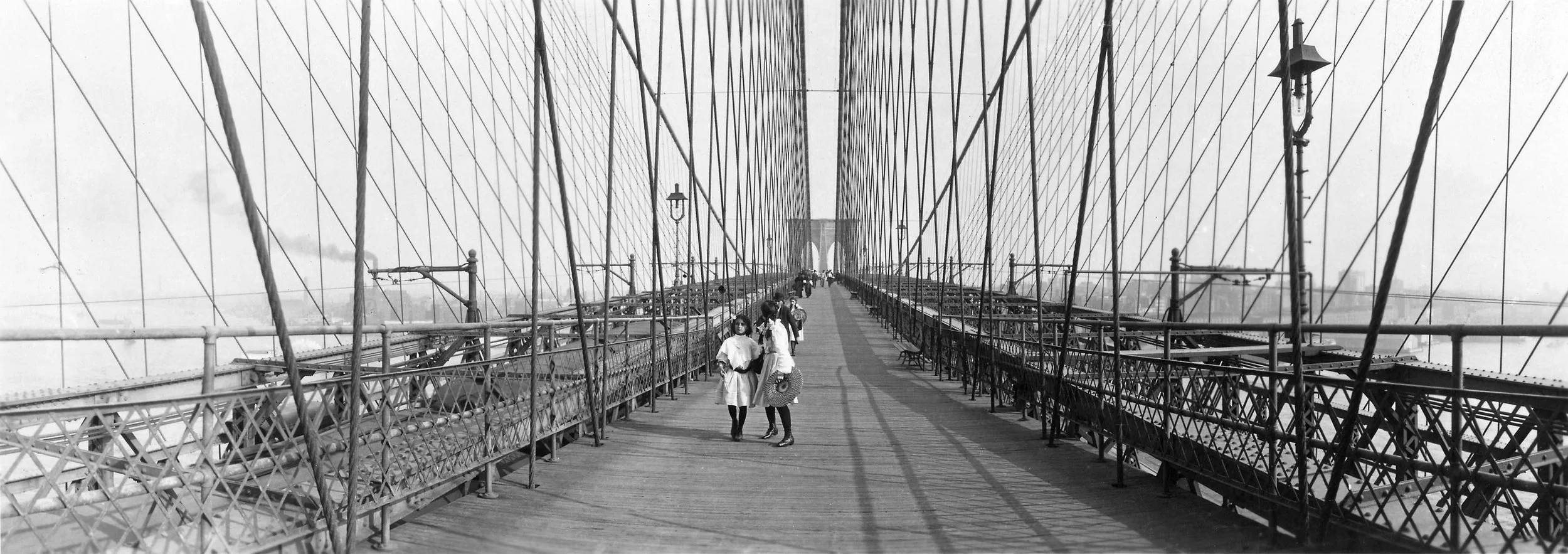
Vintage photograph of pedestrians on the upper deck promenade of the Brooklyn Bridge, New York City, circa 1910, by unknown photographer; records of the United States Information Agency (306-NT-958A-4). Courtesy Picturing the Century Exhibition, National Archives.
Personal history potpourri
LIVING LIFE VS. DOCUMENTING IT
“I asked my mother, as gently as I could. I asked her to promise. Please, can we not move things around too much before we take note of where they are right now? Can we not throw things away until we’ve taken note that they existed?” Read a wonderfully thought-provoking excerpt about from Thomas S. Mullaney’s How We Disappear: A Personal History of Information.
SHARING STORIES REQUIRES TRUST
“Each project requires not just editorial skill, but emotional intelligence. We listen without judgment. We guide with care. We adapt to the boundaries that feel right for each family.” Last week I wrote about why privacy is a top commandment in my personal history work.
ENCAPSULATING WORDS
A.J. Jacobs takes the Six-Word Memoir Interview, a series that invites writers, artists, thinkers, and unexpected storytellers to answer six questions through four Six-Word Memoirs and two backstories.
Historical archives
MAKING SOMETHING FROM (ALMOST) NOTHING
“Endeavoring to make a 12-hour documentary on a subject that predates the invention of photography, and whose sources are written in an 18th-century vernacular, was in other respects a daunting mission.” Incredible insights from Ken Burns on filming his multi-part documentary, The American Revolution.
A REPOSITORY OF LANGUAGE AND CULTURE
“There are few audiovisual recordings of native speakers: Most traditional Amish don’t allow themselves to be photographed or video recorded, as it violates their interpretation of the scripture forbidding the making of any ‘graven image.’”
Short takes
Life Story Links: May 19, 2026
Personal historian Dawn Roode curates recent posts on the topics of memoir, life story writing, family history preservation; here, the May 19, 2026, roundup.
“Books are like treasured memories. You find things inside them: an airplane ticket, or a ticket stub. They become little time warps. And then, when I’m gone or somebody else picks up the books, they find this little history in them.”
—Coralie Bickford-Smith
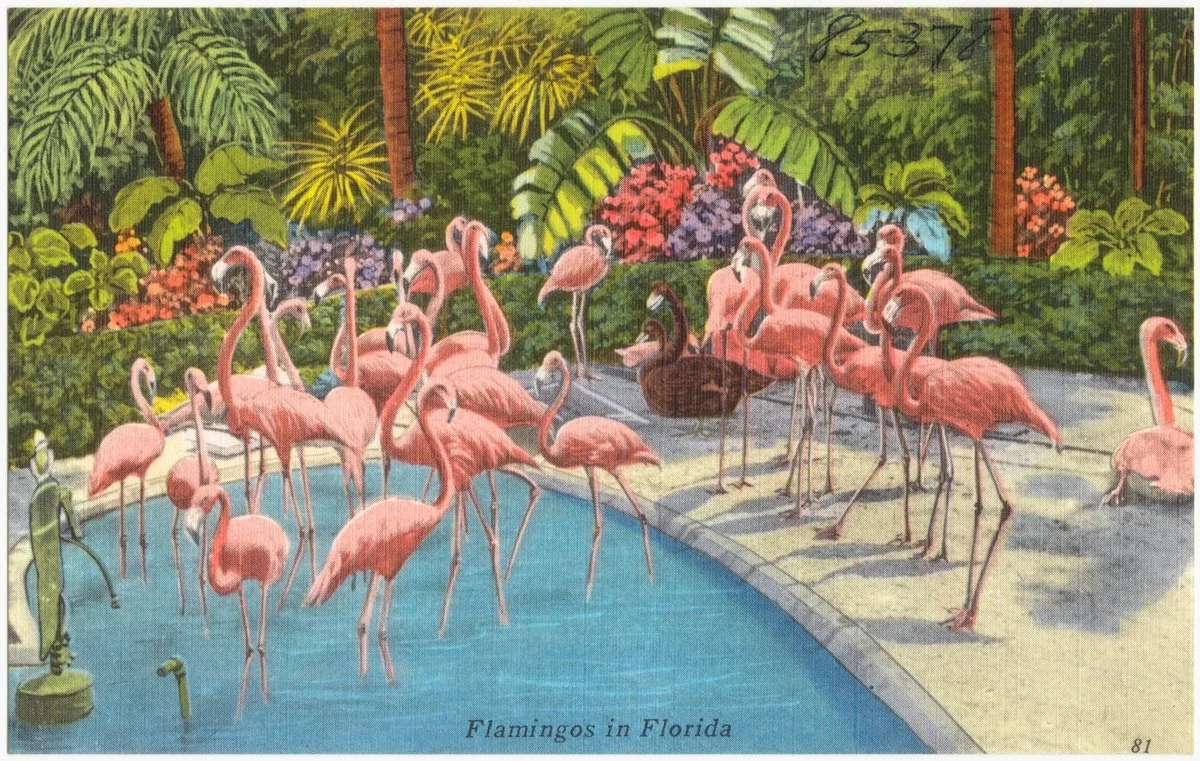
Vintage postcard with illustration of flamingos in Florida; original public domain image from Digital Commonwealth.
Personal history potpourri
WRITING BEYOND MEMORY
“I thought if I couldn’t remember the details, then I didn’t have a scene or a dependable story. That I had something incomplete, something unusable, something I needed to wait on until it returned in completion, but memory does not always return that way.”
ON RETURNING
“Old drafts remind us that we’re still here and there’s more in us and more to us and it is our privilege to keep our own hearts beating with what if?”
ARE WE REALLY DONE?
“Legacy work will always be unfinished in some way. There will always be another photo tucked in a drawer, another relative with a different recollection. The art lies in knowing when the story feels whole enough to share.” Last week I wrote about the emotional work of finishing a personal history book.
A FAMILY SECRET NO MORE
“Up until the last minutes…I wasn’t completely sure I wanted to go through with this family reunion, a century in the making. How do relatives broken by the bizarre rules of racism heal themselves after three generations apart?”
PROCESS: FIGURING IT OUT
“You’re still committed to telling his story, but you want it to be a dialogue with his book, an intergenerational conversation.” On blending family history and lived experience in memoir.
Short takes
Life Story Links: April 21, 2026
Dawn Roode’s curated roundup for April 21, 2026, includes tips for writing your own life stories, plus how the stories fit into the broader context of history.
“Memories of one’s past: the color of a mailbox, the sound of gravel under tires, the scent of lilacs, a dog behind a fence that made you afraid. A list, after all, is a confession. We do not write in typeface. We write in loops and hesitations. In ink smudges. In cursive, if we remember how. Each list is a thumbprint. Each paper a window.”
—Mira Ptacin, “The Accidental Poetry of Found Lists”
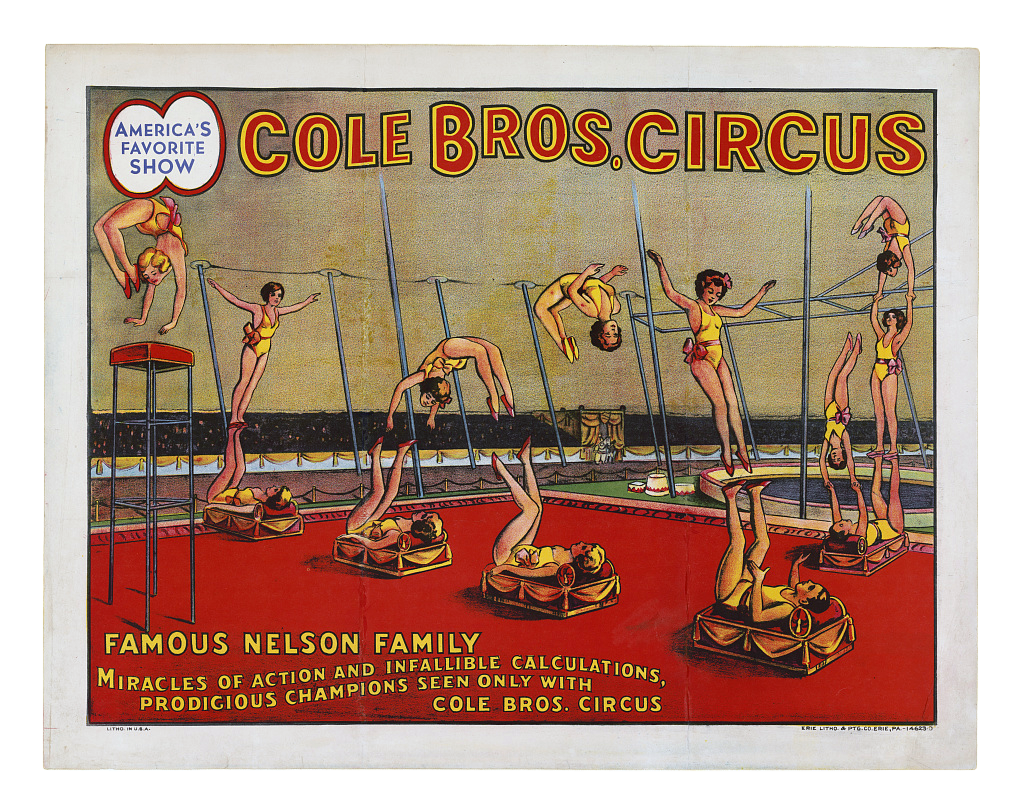
Vintage poster for Cole Bros. Circus, “America’s Favorite Show,” published by Erie Litho., & Ptg. Co., Erie, PA; courtesy Library of Congress Prints and Photographs Division.
Writing Our Lives
START HERE
“Each blank page offers the same quiet invitation: Begin anywhere. Whether you’re journaling your thoughts, recording a memory before it fades, or collecting fragments for a family story, a notebook isn’t just paper—it’s potential.” Last week I wrote about how to use a simple notebook for legacy writing.
THE THINGS SHE CARRIED
“Some of us don’t write just to document; we write to survive.” Lori Lackland on finding the right container for her abuse story and how she finally wrote her memoir.
ON WRITING THE PAST WHEN MEMORY FEELS INCOMPLETE
“There is a kind of permission that begins to open when we release the linear and concrete idea of memory, one that many writers resist at first, because it asks you to trust something more fluid than fact.”
ON WRITING ABOUT HER GRANDPARENTS
“Writing about family history teaches you the most important lesson you can learn as a writer: humility in the face of your material. What you are handling both does and does not belong to you.”
A LIFETIME JOURNALING
“Reading my grandmother’s journals is like having a conversation with her,” said Amanda Close, who has herself kept a journal for more than 40 years and has gone on to inspire countless others to take up the practice.
PRESERVING FAMILY STORIES
“You just can’t wait till after the funeral to realize that you didn’t take the time to listen to the stories,” says gerontologist Sam Cradduck, in conversation about the importance of documenting memories:
Our stories in the context of broader history
ON THE OCCASION OF GENOCIDE AWARENESS MONTH
“I was recently asked if I thought that those descended from the Holocaust have a responsibility to carry their family story. I was surprised by my own answer when I said no,” writes Rachael Cerrotti, whose work has beautifully chronicled her own family’s personal Holocaust history.
A TREASURE TROVE OF PERSONAL HISTORY
“Large sheets of paper folded away for decades detailed a chapter of his father, Captain Warren Ducote’s, life in ink”—an incredible archive of original WWII vignettes preserved in original illustrations and photos found in boxes.
CAN AI BE TRUSTED WITH HOLOCAUST MEMORY?
“As eyewitnesses disappear, AI can preserve their voices and images with startling realism—but the same tools can also fabricate convincing false histories, raising urgent questions about truth, testimony, and the future of Holocaust remembrance.”
SHE LIVED TO WRITE ABOUT IT
An “updated English translation of Vladka Meed’s 1948 Yiddish memoir, On Both Sides of the Wall, breathes new life into her experiences with the Jewish resistance against the Nazis.”
HIDDEN HERO
Siblings whose father survived the Holocaust learned about his heroism through a Life Magazine article—and now the documentary that chronicles his life and the lives he saved is available to stream on PBS. Watch the trailer here:
YANKTON’S YARDBIRDS
Two friends hatched a plan at Starbucks to interview World War II veterans—here’s what happened as they worked against the clock to capture those stories:
MAKING HISTORY PERSONAL
“I now have an ancestral investment in this thing called America and its revolution and independence.” See how these descendants of Texas’s first civilian government are honoring their families’ legacy:
...and a few more links
Gerontologist Sam Cradduck said older adults serve as “living, breathing history books of society.”
93-year-old Idaho man preserves life story through intricate wood carvings.
A new anthology from Hippocampus, Selected Memories, Vol. 2, is available for pre-order.
The latest memoir and creative nonfiction book reviews from Hippocampus.
The 1926 census of the modern-day Republic of Ireland will be released online on April 18, 2026.
Fun genealogy fact: Anna Wintour and Meryl Streep (aka Miranda Priestly) are sixth cousins.
Read an excerpt from Kate Bowler’s new memoir, Joyful, Anyway.
Caroline Bicks spent a year in writer Stephen King’s archives.
Short takes
Life Story Links: April 7, 2026
Dawn Roode’s curated roundup for April 7, 2026, includes stories about writing life stories, giving shape to grief, and confronting the stuff of our memories.
“You cannot interview the dead.”
—John McPhee
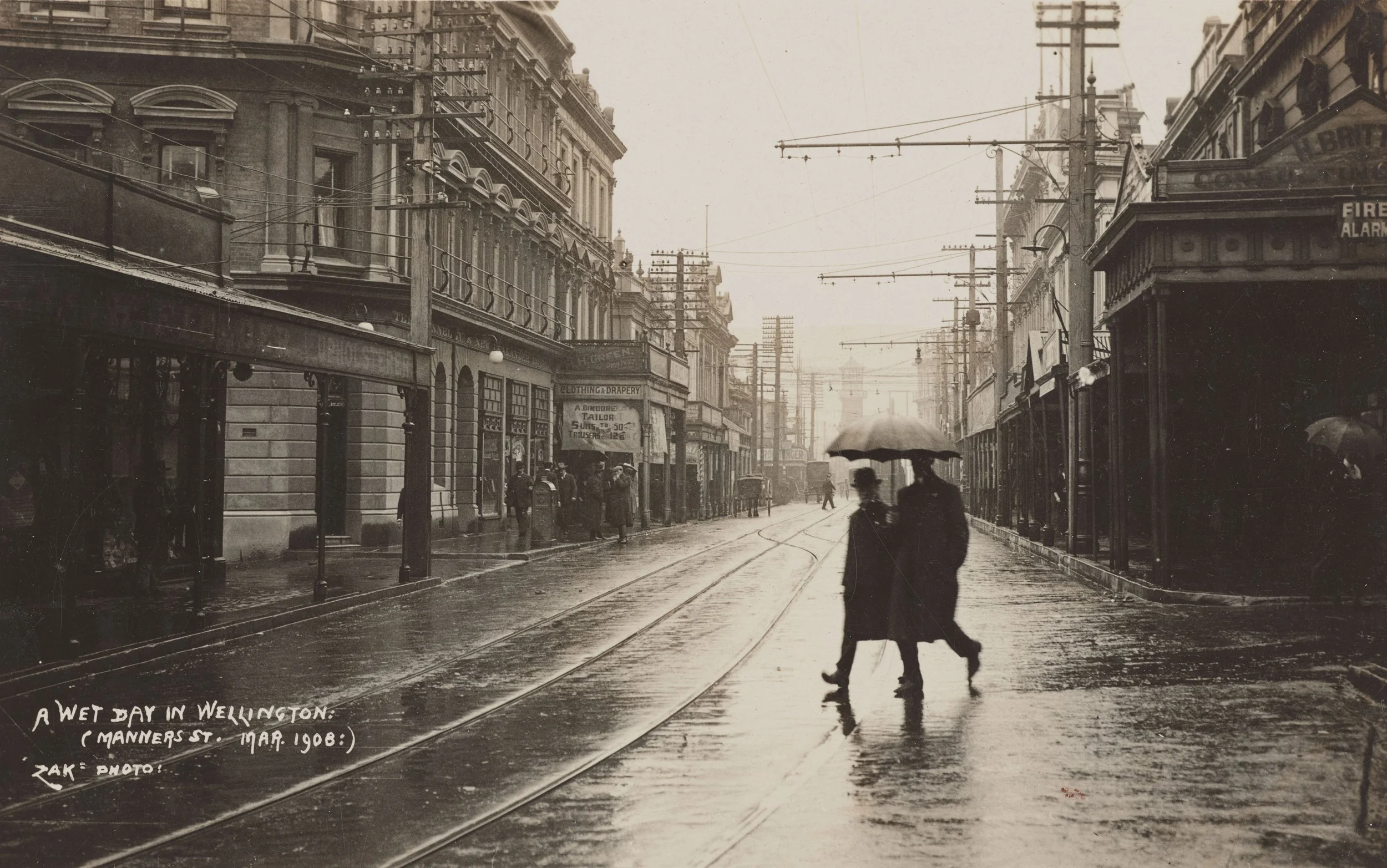
Vintage postcard titled “A Wet Day in Wellington, Manners Street,” 1908, by Zak Joseph Zachariah; original public domain image from Museum of New Zealand Te Papa Tongarewa.
Potpourri of memoir & life writing inspiration
CONFRONTING THE STUFF OF OUR MEMORIES
“Our memories are both hero and villain in our lives. They are malleable and fallible, but also demanding, arrogant and stuck in their ways. Memories haunt us and they can’t hide from us. And in this age of remembrance where every moment is destined to be documented, we are inescapable to ourselves.”
WRITING AS INTEGRATION TOOL
“Someone out there is waiting for your story to come and save them. I really believe that. Some people think we all have one soulmate—I don’t believe that, but I do believe we have mirrors to our story and that writing attracts them.” Lena Dunham on her new memoir.
WORDS FROM WRITERS
This week I’m sharing five quotes about memoir and life writing, all plucked from the pages of my commonplace books—hopefully they inspire you to write a little yourself!
GIVING SHAPE TO GRIEF
“The act of archiving turns into a process of care, a way of giving form to absence and making it visible” in photographer and visual artist Veronica Benedetti photography project, “Ofelia.”
MEMOIR SCANDALS
“As the memoir scandals show, questions of authenticity do not disappear just because they’re hard to detect and what is acceptable is debated.” Lincoln Michel on James Frey, Amy Griffin, Shy Girl, and LLM book reviews.
...and a few more links
Short takes
Dawn Roode’s curated roundup for the week of Sept. 23, 2026, is overflowing with recent reads on memoir, life story writing, and family history preservation.