
Life Story Links: April 21, 2026
“Memories of one’s past: the color of a mailbox, the sound of gravel under tires, the scent of lilacs, a dog behind a fence that made you afraid. A list, after all, is a confession. We do not write in typeface. We write in loops and hesitations. In ink smudges. In cursive, if we remember how. Each list is a thumbprint. Each paper a window.”
—Mira Ptacin, “The Accidental Poetry of Found Lists”
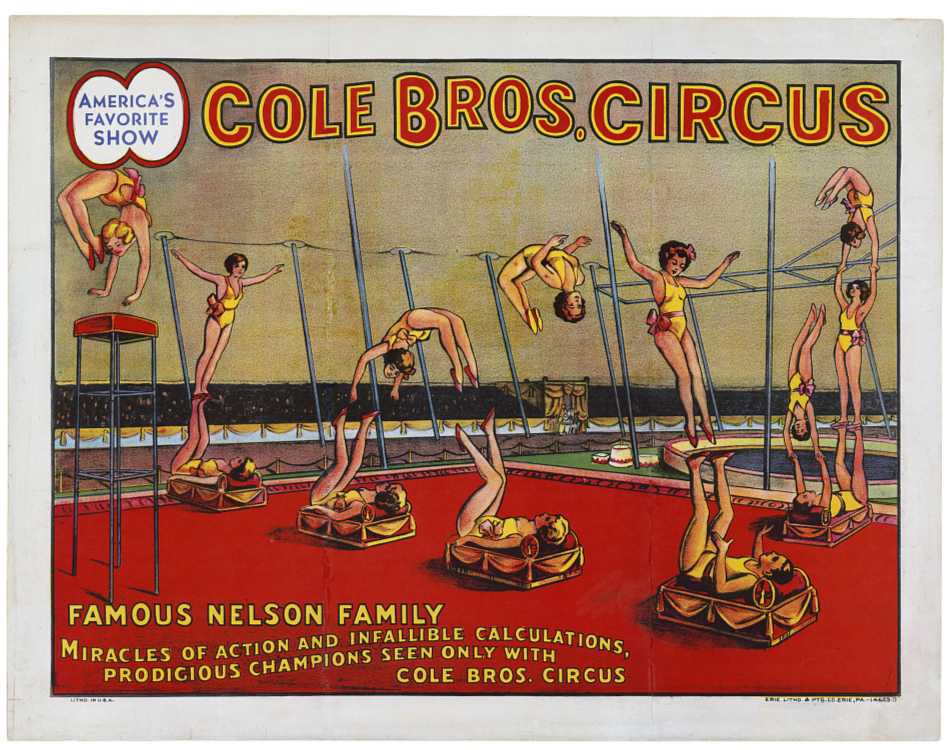
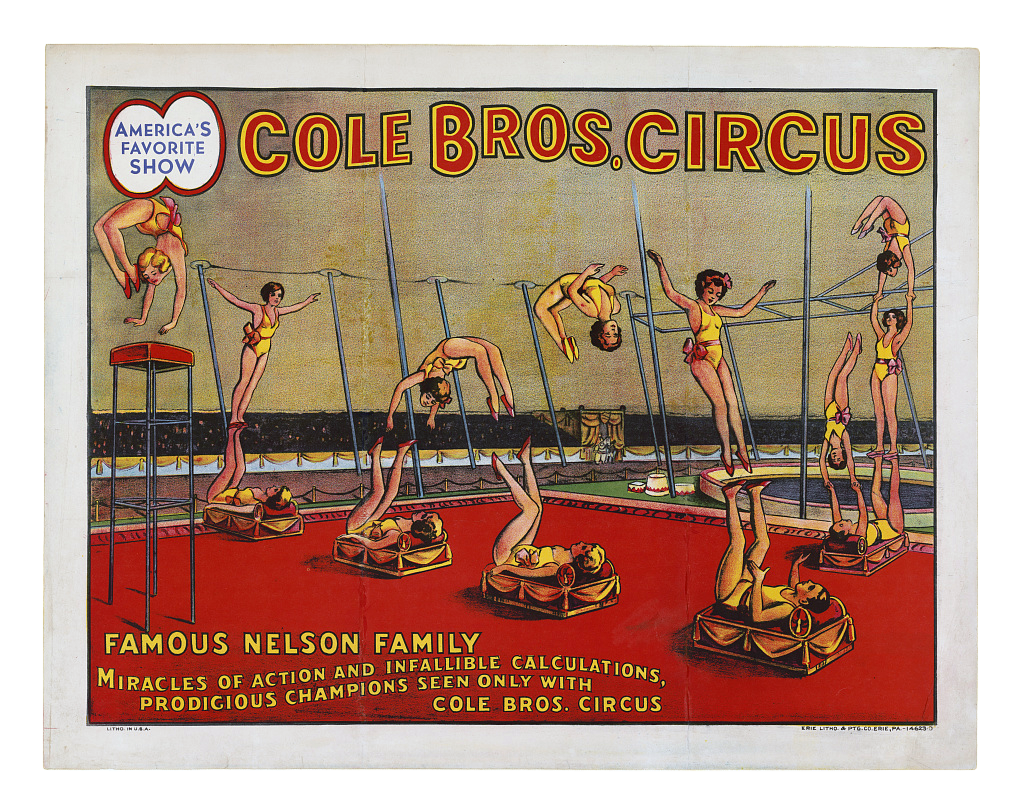
Vintage poster for Cole Bros. Circus, “America’s Favorite Show,” published by Erie Litho., & Ptg. Co., Erie, PA; courtesy Library of Congress Prints and Photographs Division.
Writing Our Lives
START HERE
“Each blank page offers the same quiet invitation: Begin anywhere. Whether you’re journaling your thoughts, recording a memory before it fades, or collecting fragments for a family story, a notebook isn’t just paper—it’s potential.” Last week I wrote about how to use a simple notebook for legacy writing.
THE THINGS SHE CARRIED
“Some of us don’t write just to document; we write to survive.” Lori Lackland on finding the right container for her abuse story and how she finally wrote her memoir.
ON WRITING THE PAST WHEN MEMORY FEELS INCOMPLETE
“There is a kind of permission that begins to open when we release the linear and concrete idea of memory, one that many writers resist at first, because it asks you to trust something more fluid than fact.”
ON WRITING ABOUT HER GRANDPARENTS
“Writing about family history teaches you the most important lesson you can learn as a writer: humility in the face of your material. What you are handling both does and does not belong to you.”
A LIFETIME JOURNALING
“Reading my grandmother’s journals is like having a conversation with her,” said Amanda Close, who has herself kept a journal for more than 40 years and has gone on to inspire countless others to take up the practice.
PRESERVING FAMILY STORIES
“You just can’t wait till after the funeral to realize that you didn’t take the time to listen to the stories,” says gerontologist Sam Cradduck, in conversation about the importance of documenting memories:
Our stories in the context of broader history
ON THE OCCASION OF GENOCIDE AWARENESS MONTH
“I was recently asked if I thought that those descended from the Holocaust have a responsibility to carry their family story. I was surprised by my own answer when I said no,” writes Rachael Cerrotti, whose work has beautifully chronicled her own family’s personal Holocaust history.
A TREASURE TROVE OF PERSONAL HISTORY
“Large sheets of paper folded away for decades detailed a chapter of his father, Captain Warren Ducote’s, life in ink”—an incredible archive of original WWII vignettes preserved in original illustrations and photos found in boxes.
CAN AI BE TRUSTED WITH HOLOCAUST MEMORY?
“As eyewitnesses disappear, AI can preserve their voices and images with startling realism—but the same tools can also fabricate convincing false histories, raising urgent questions about truth, testimony, and the future of Holocaust remembrance.”
SHE LIVED TO WRITE ABOUT IT
An “updated English translation of Vladka Meed’s 1948 Yiddish memoir, On Both Sides of the Wall, breathes new life into her experiences with the Jewish resistance against the Nazis.”
HIDDEN HERO
Siblings whose father survived the Holocaust learned about his heroism through a Life Magazine article—and now the documentary that chronicles his life and the lives he saved is available to stream on PBS. Watch the trailer here:
YANKTON’S YARDBIRDS
Two friends hatched a plan at Starbucks to interview World War II veterans—here’s what happened as they worked against the clock to capture those stories:
MAKING HISTORY PERSONAL
“I now have an ancestral investment in this thing called America and its revolution and independence.” See how these descendants of Texas’s first civilian government are honoring their families’ legacy:
...and a few more links
Gerontologist Sam Cradduck said older adults serve as “living, breathing history books of society.”
93-year-old Idaho man preserves life story through intricate wood carvings.
A new anthology from Hippocampus, Selected Memories, Vol. 2, is available for pre-order.
The latest memoir and creative nonfiction book reviews from Hippocampus.
The 1926 census of the modern-day Republic of Ireland will be released online on April 18, 2026.
Fun genealogy fact: Anna Wintour and Meryl Streep (aka Miranda Priestly) are sixth cousins.
Read an excerpt from Kate Bowler’s new memoir, Joyful, Anyway.
Caroline Bicks spent a year in writer Stephen King’s archives.
Short takes
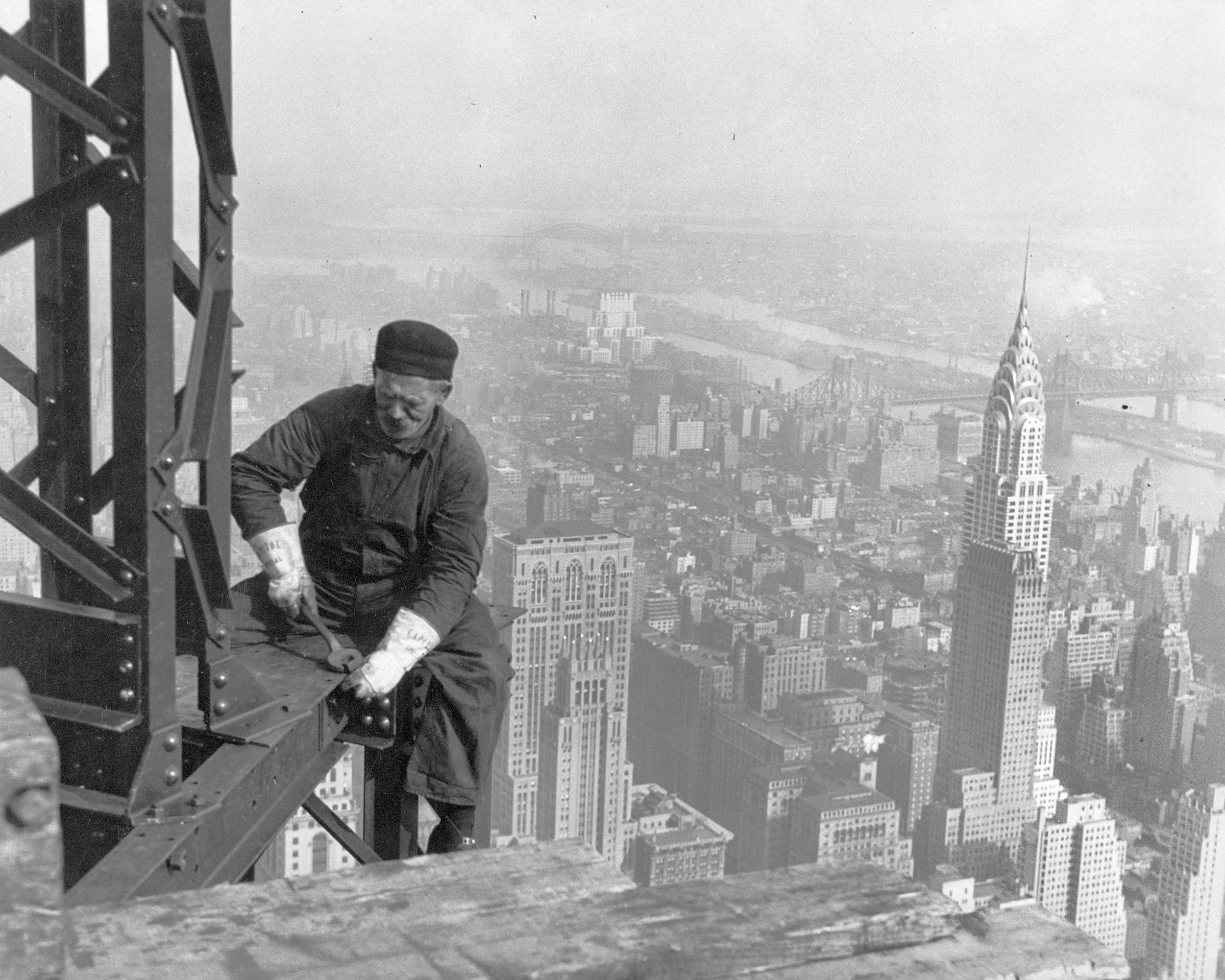
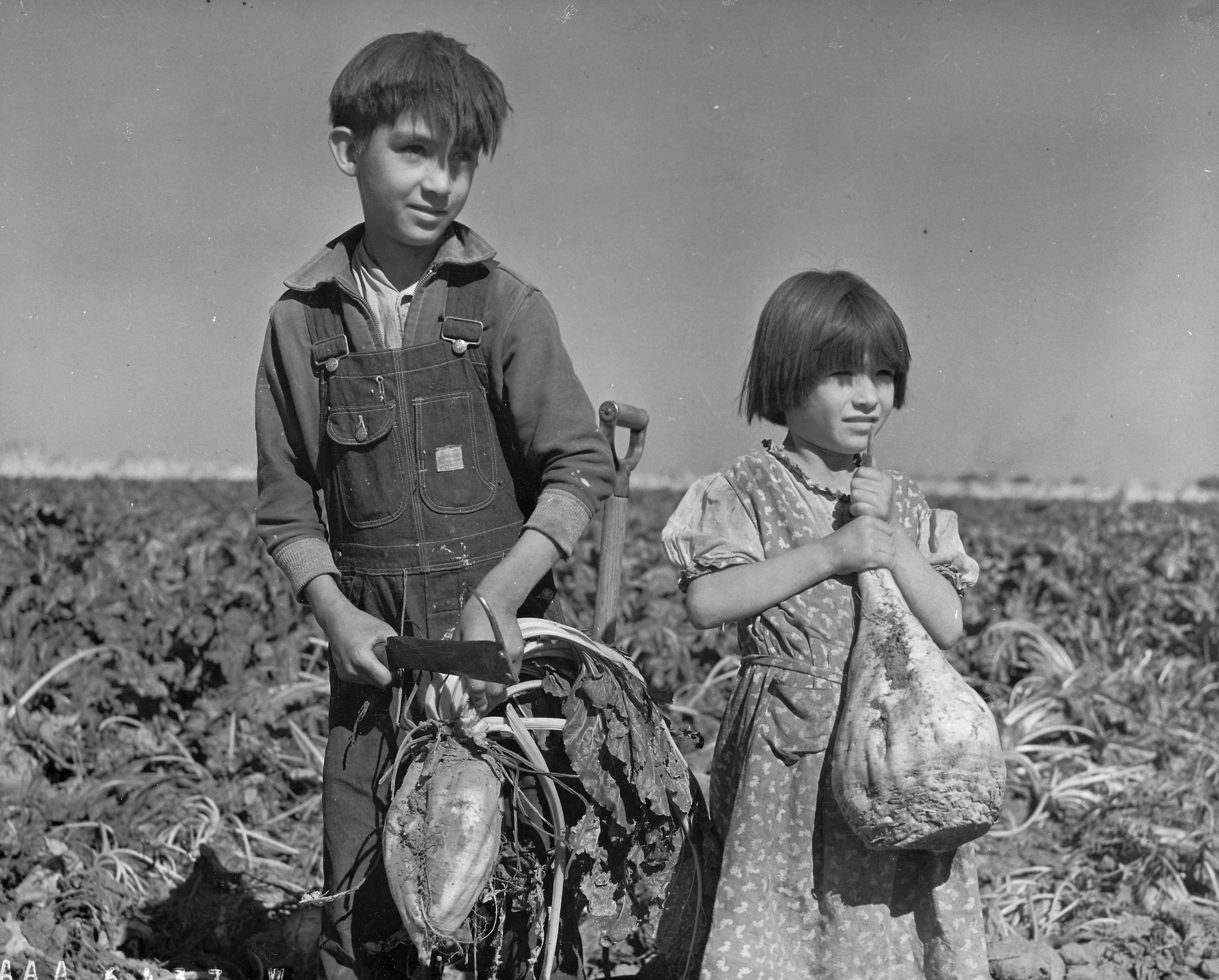
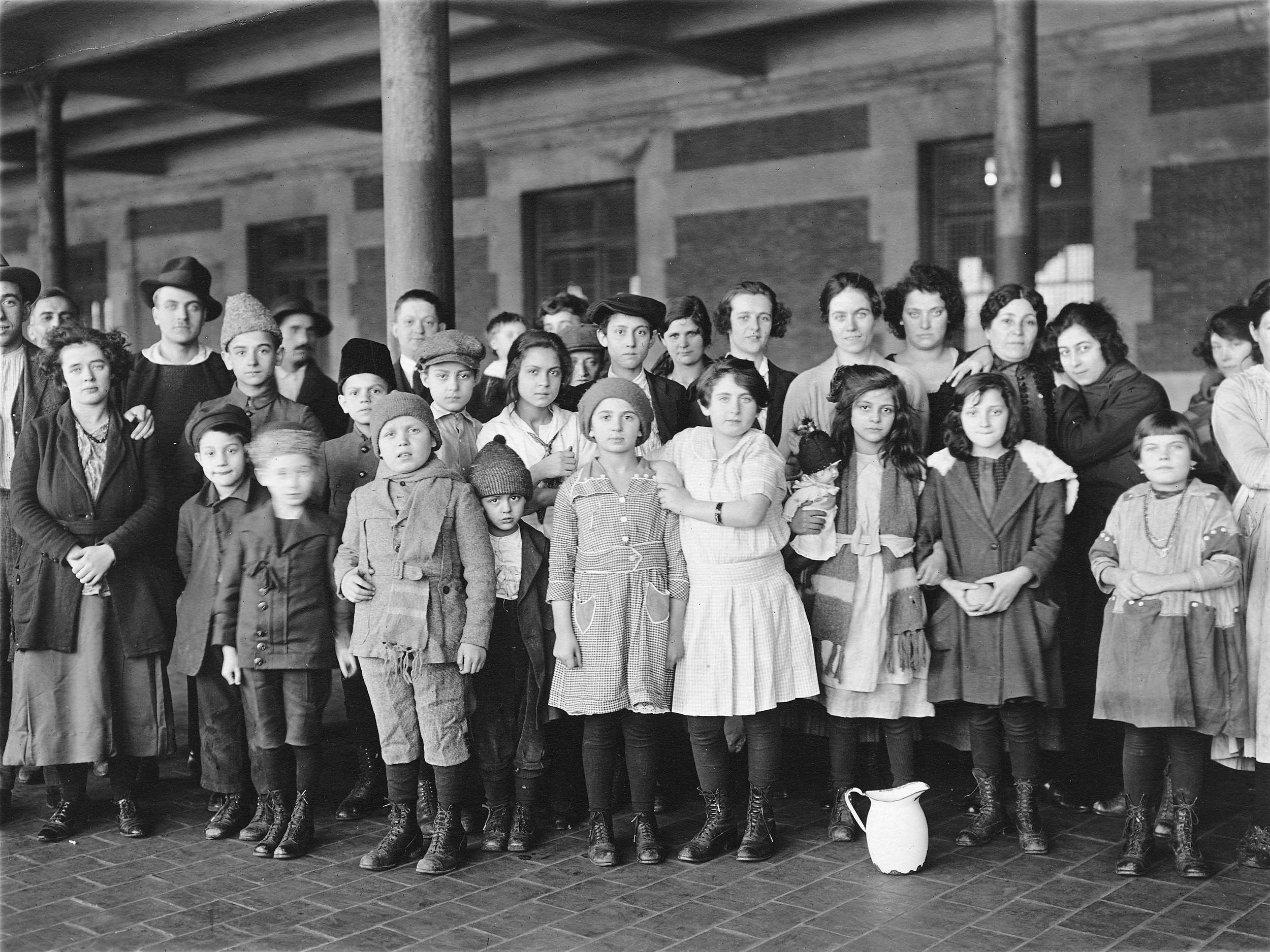
Dawn Roode’s curated roundup for the week of October 6, 2026, includes recommended reads on writing memoir, preserving family history, and autobiographical memory.