
Life Story Links: July 28, 2026
“When I am writing fiction, I am trying to get at the literary truth; when I am writing nonfiction, I aim for both the literary and literal truth. If that seems a restriction on my authorial freedom, it is a small price to pay for retaining belief in the wonderful, gruesome, uncanny shimmer of the facts as they play out in life.”
—Phillip Lopate, To Show and To Tell
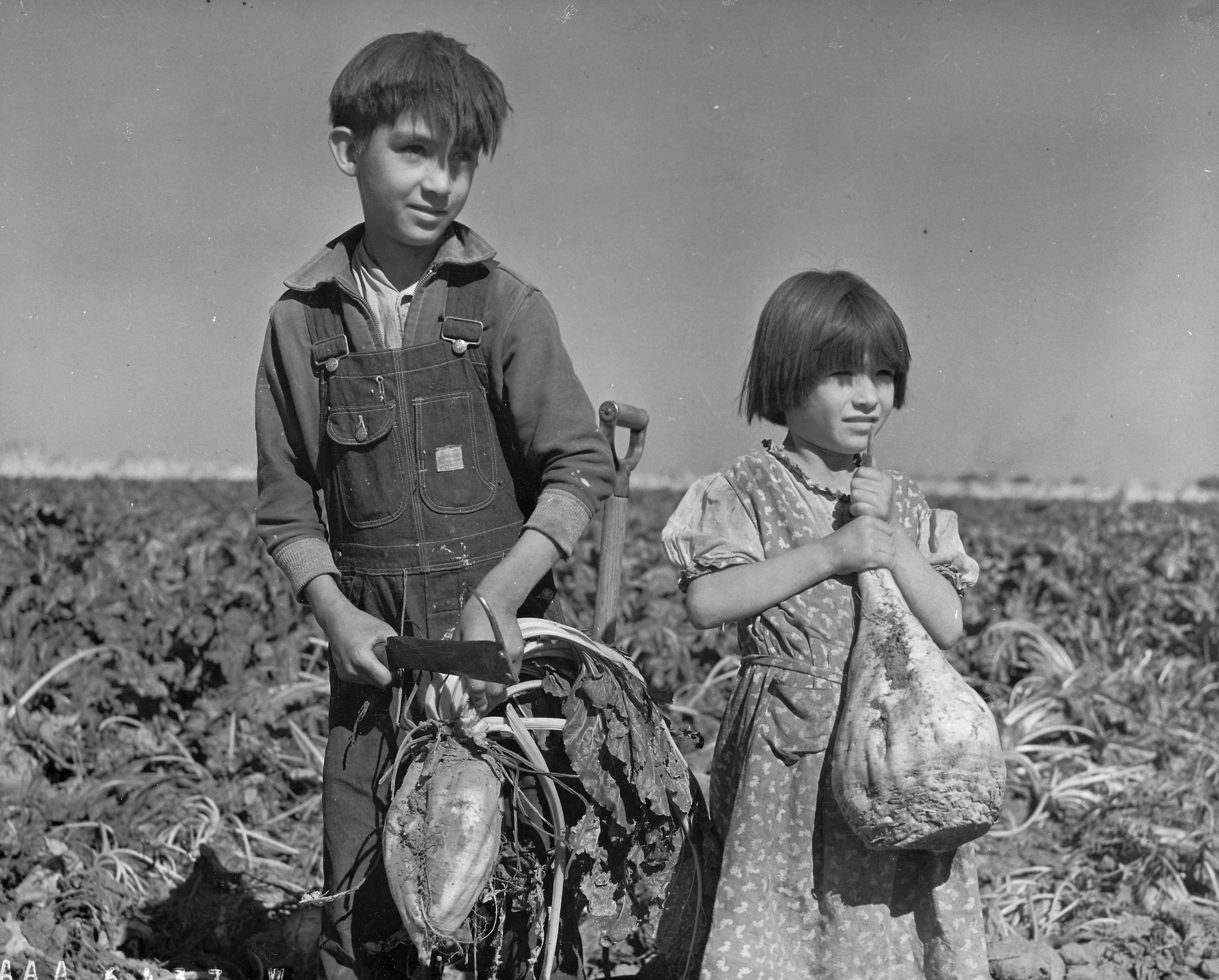
Vintage photograph titled “Children and Sugar Beets,” Hall County, Nebraska, October 17, 1940, by L. C. Harmon. Courtesy Picturing the Century Exhibition, National Archives.
Writing our lives
A FATHER-AND-SON MEMOIR
“I think I learned that there is a lot of myth-building we do as humans about our own experiences, because my dad had grown accustomed to telling his stories in set ways that felt comfortable for him to tell, but also captivated listeners. He was a survivor, a bit of a hero, in those versions.” Jason Prokowiew on turning 50 hours of interviews with his father into an engaging braided memoir.
UNEXPECTED MEMOIR TOOL
“The enduring appeal of the Proust questionnaire lies in its elegant simplicity: a series of deceptively straightforward questions that invite deep reflection.” Last week I wrote about how to use this century-old set of questions for memoir writing.
EMBRACING THE SPIRAL OF TIME
“Our lives are complex and weave in and out of time as our understanding of self and experience matures. And when we are diving deep into the tangled web of our stories, we sometimes need to return to a past self, seek out an ancestor, or lean on the future self all while remaining present and in the now of writing the story.”
ON WRITING LITERARY BIOGRAPHY
“Life is unparaphrasable; no self can ever be fully known. Literary biography is an interpretive art. Like other arts of literary interpretation,…it requires scrupulous accuracy and is at the same time dependent on moments of intuitive engagement.”
PRESERVING SOMETHING PRECIOUS
“Long before the fog of dementia crept in, Nana had been preserving pieces of her memory alongside the fleeting bounty of each season.” Chadwick Boyd writes about the one jar of tomatoes he still can’t bring himself to open.
Personal legacy in the modern age
‘SOMEONE USED A.I. TO WRITE MY BIOGRAPHY’
“Verified-author badges, provenance metadata, and retailer-side disclosure of AI authorship do not really exist at scale today, and the first marketplace to build them credibly will get to define what an "authentic" biography of a living person even means online,” AI Weekly reports on this original NYT article by Kashmir Hill.
CURATING PERSONAL ARCHIVES
“I’m part of a generation trained to scroll and yet I crave turning pages. I don’t want my life to be a tab on the computer screen. I want it to feel real and like a story that can literally fade. And I say all this while simultaneously being dedicated to digitizing what past generations have left behind. It’s a both/and situation.”
HOW WE DISAPPEAR
Stanford professor Thomas Mullaney has spent decades thinking about the unreliability of archival materials in understanding the past, but it wasn’t until his own father died and he scrambled to preserve the evidence of his life that he decided to write about how we disappear from the historical record and from the world. Listen to an interview with him:
EVERY STORY HAS A PLACE
“That’s what storytelling is supposed to do—not just entertain, but help people better understand one another.” Family memories, personal experiences, and historical moments only survive if someone is willing to tell them:
Short takes
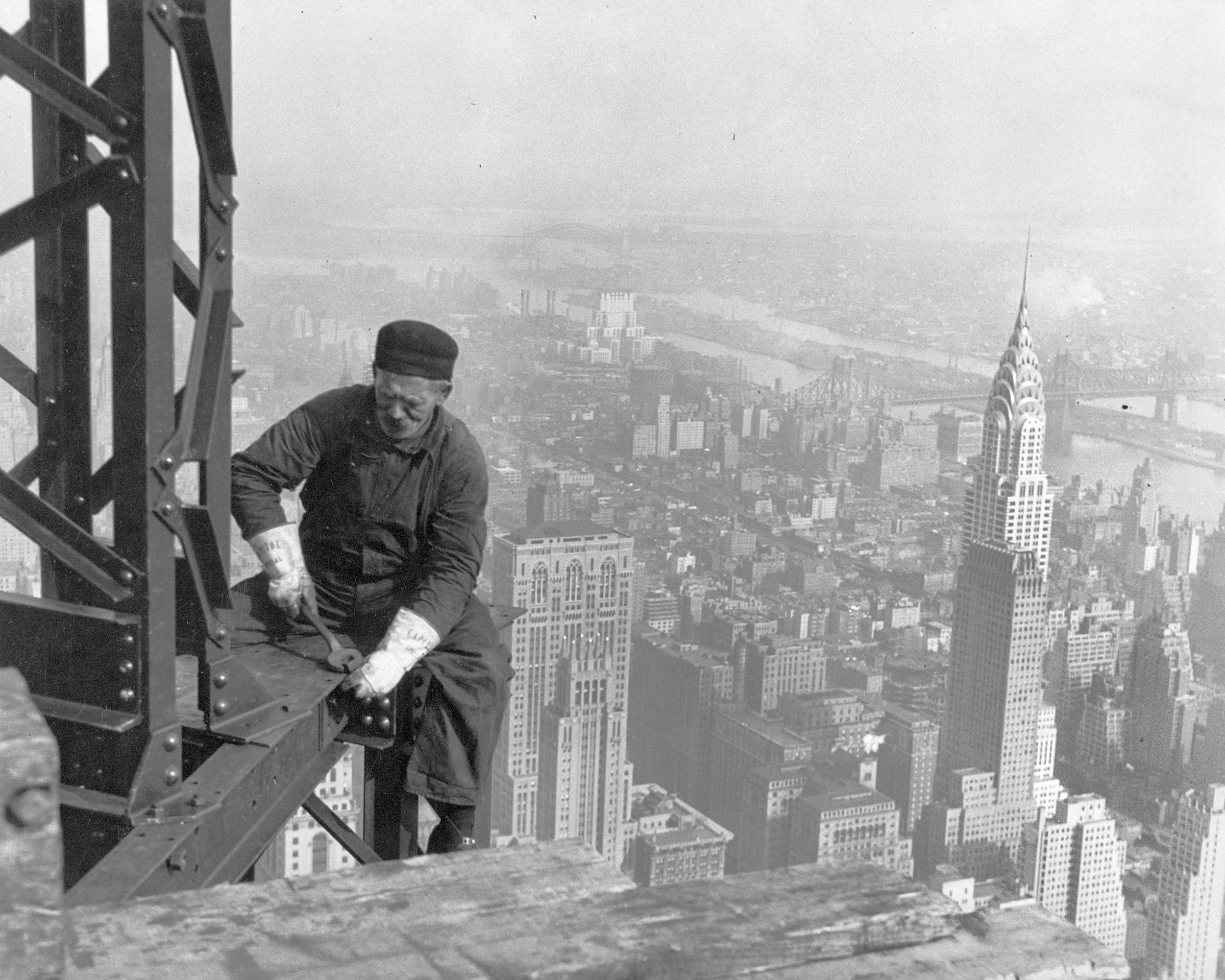
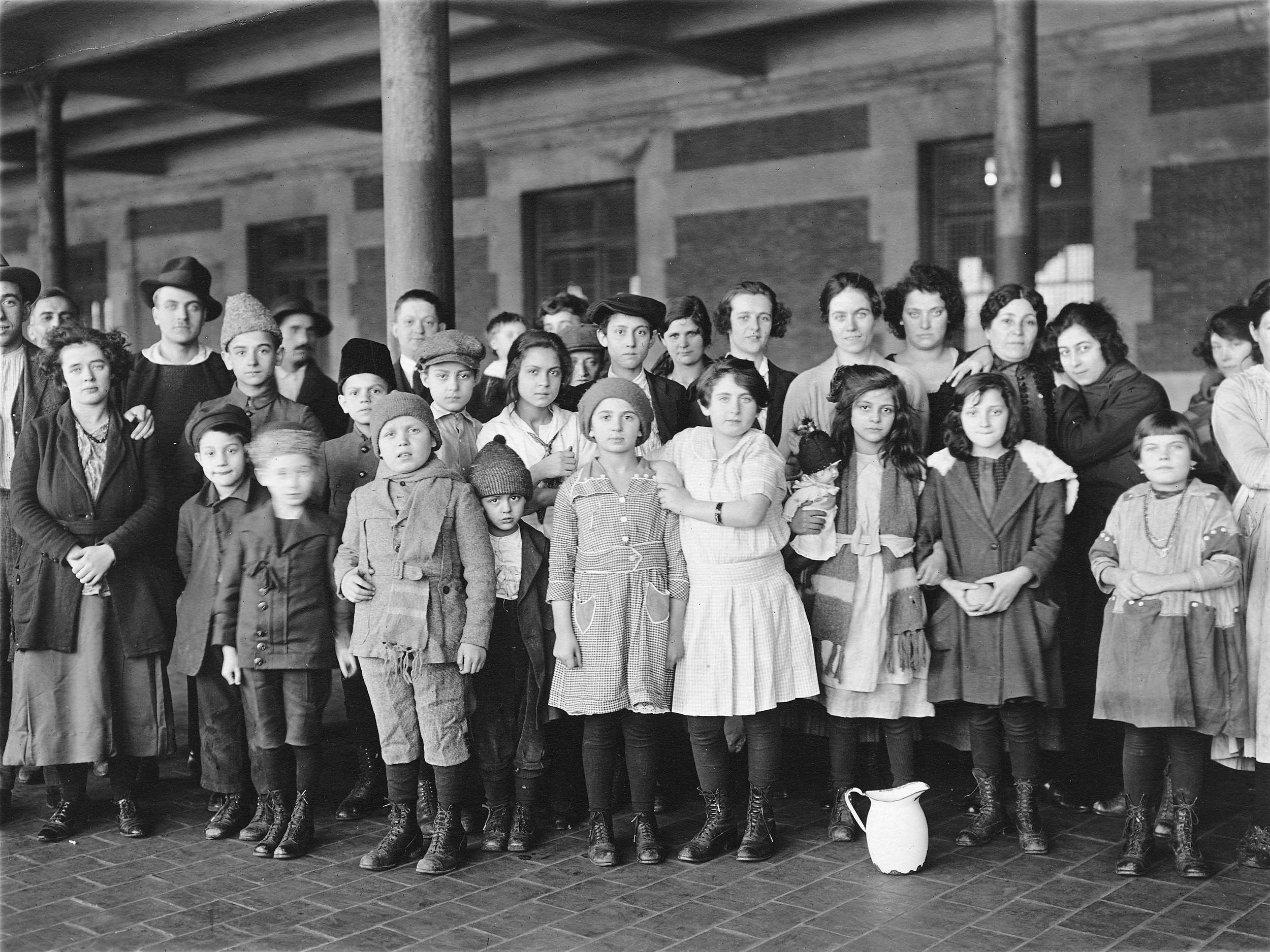
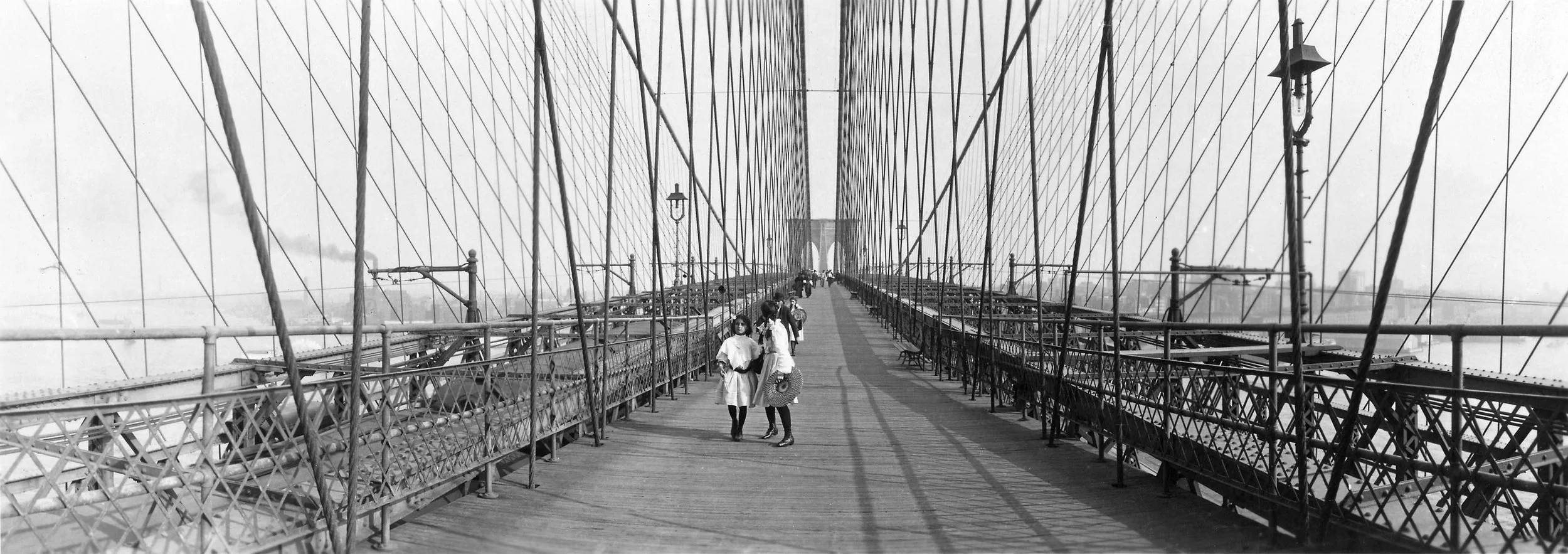
Dawn Roode’s curated roundup for the week of October 6, 2026, includes recommended reads on writing memoir, preserving family history, and autobiographical memory.