
Life Story Links: June 30, 2026
“Be ready to be surprised by the crazy, wonderful events that will come dancing out of your past when you stir the pot of memory. Embrace those long-lost visitors. If they shove aside some events you originally thought you wanted to write about, it’s because they have more vitality.”
—William Zinsser, Writing About Your Life
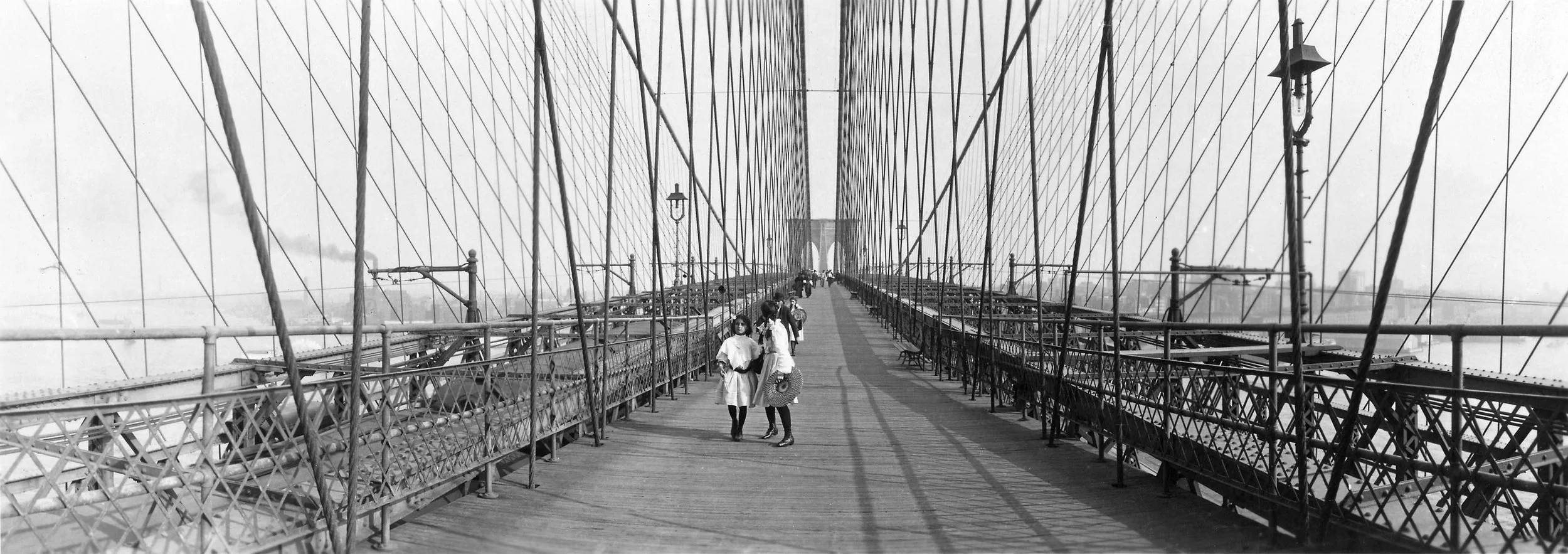
Vintage photograph of pedestrians on the upper deck promenade of the Brooklyn Bridge, New York City, circa 1910, by unknown photographer; records of the United States Information Agency (306-NT-958A-4). Courtesy Picturing the Century Exhibition, National Archives.
Personal history potpourri
LIVING LIFE VS. DOCUMENTING IT
“I asked my mother, as gently as I could. I asked her to promise. Please, can we not move things around too much before we take note of where they are right now? Can we not throw things away until we’ve taken note that they existed?” Read a wonderfully thought-provoking excerpt about from Thomas S. Mullaney’s How We Disappear: A Personal History of Information.
SHARING STORIES REQUIRES TRUST
“Each project requires not just editorial skill, but emotional intelligence. We listen without judgment. We guide with care. We adapt to the boundaries that feel right for each family.” Last week I wrote about why privacy is a top commandment in my personal history work.
ENCAPSULATING WORDS
A.J. Jacobs takes the Six-Word Memoir Interview, a series that invites writers, artists, thinkers, and unexpected storytellers to answer six questions through four Six-Word Memoirs and two backstories.
Historical archives
MAKING SOMETHING FROM (ALMOST) NOTHING
“Endeavoring to make a 12-hour documentary on a subject that predates the invention of photography, and whose sources are written in an 18th-century vernacular, was in other respects a daunting mission.” Incredible insights from Ken Burns on filming his multi-part documentary, The American Revolution.
A REPOSITORY OF LANGUAGE AND CULTURE
“There are few audiovisual recordings of native speakers: Most traditional Amish don’t allow themselves to be photographed or video recorded, as it violates their interpretation of the scripture forbidding the making of any ‘graven image.’”
Short takes
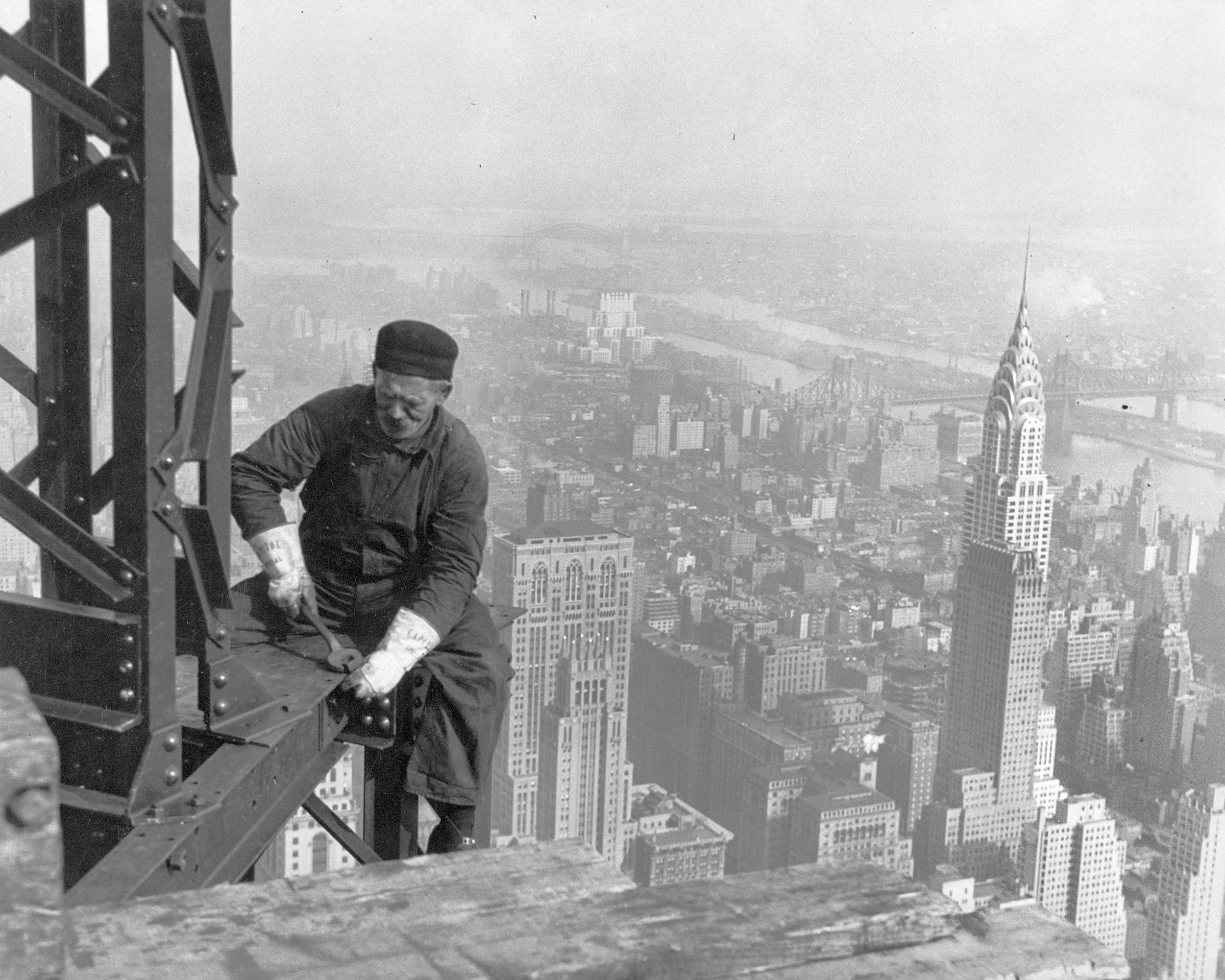
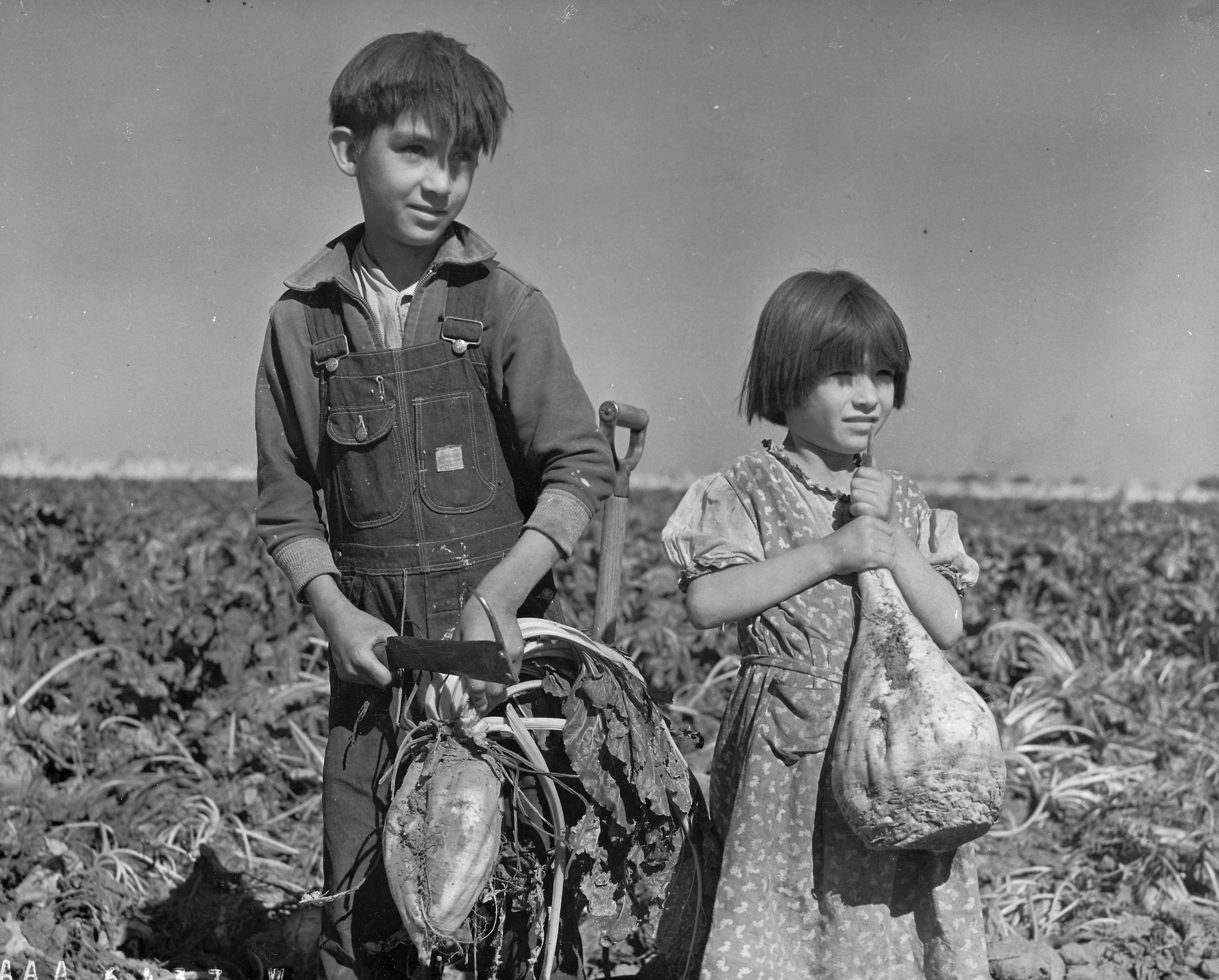
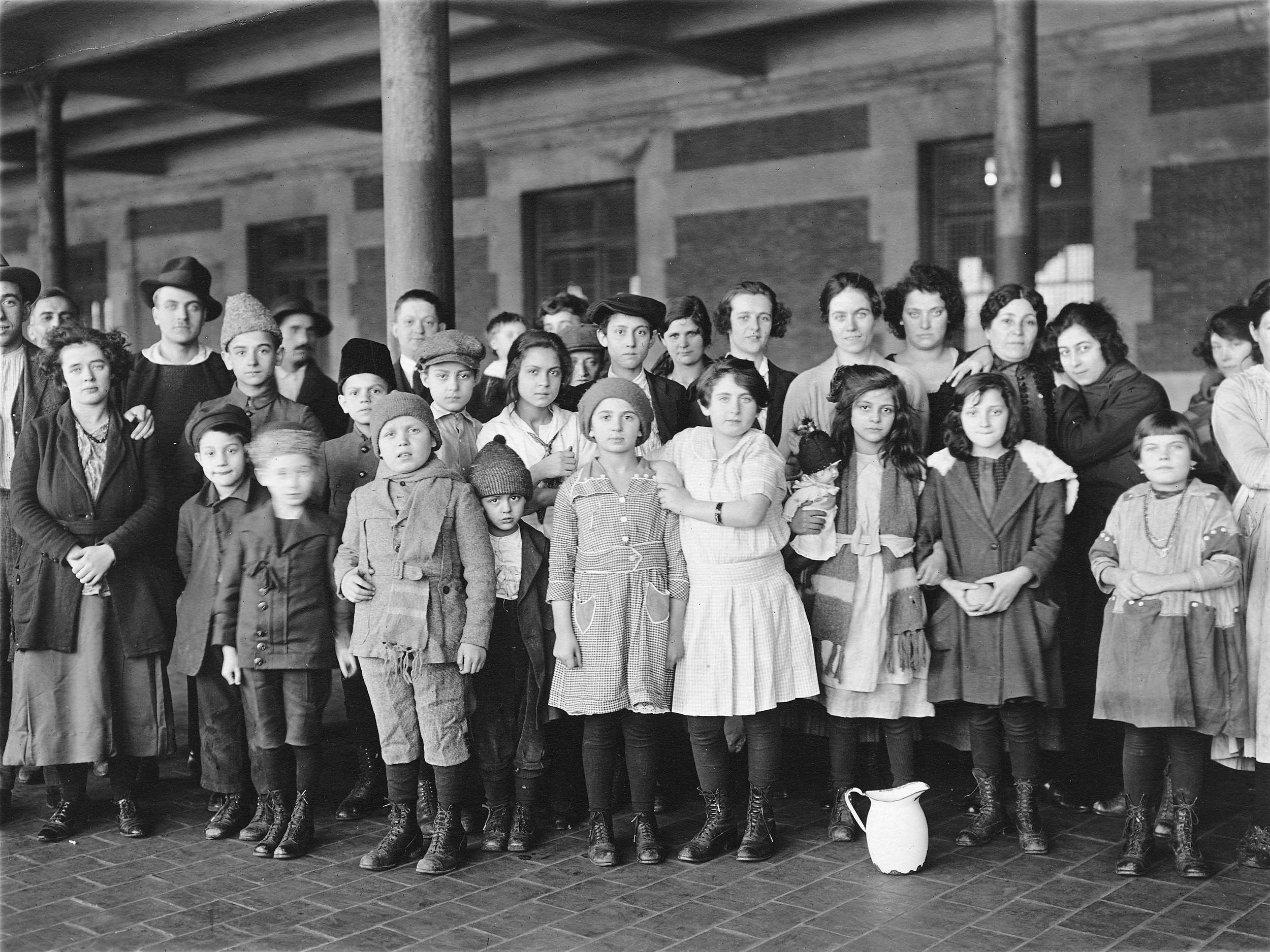
Dawn Roode’s curated roundup for the week of October 6, 2026, includes recommended reads on writing memoir, preserving family history, and autobiographical memory.