
“Stories attach themselves to objects. Touch something you have known for a lifetime. Hold it in your hand or in front of your eyes for an uncomfortably long moment. Ask some questions.”
—Richard Rabinowitz, Objects of Love and Regret
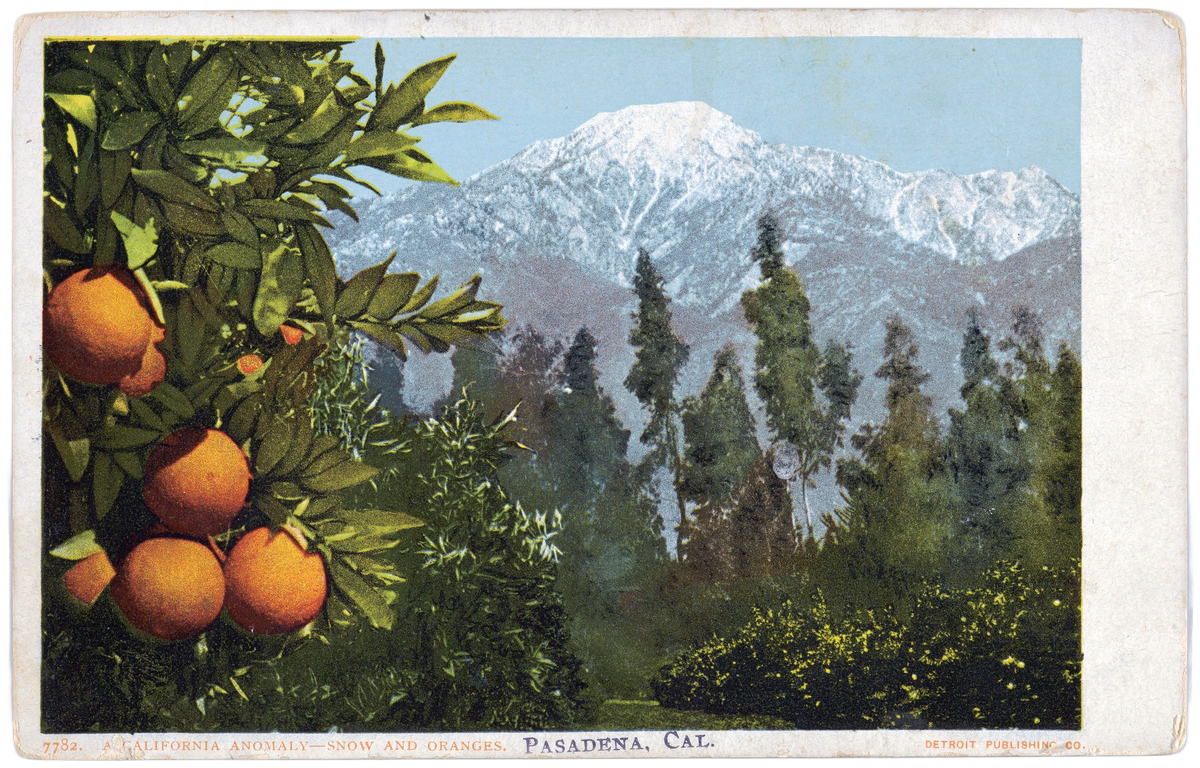
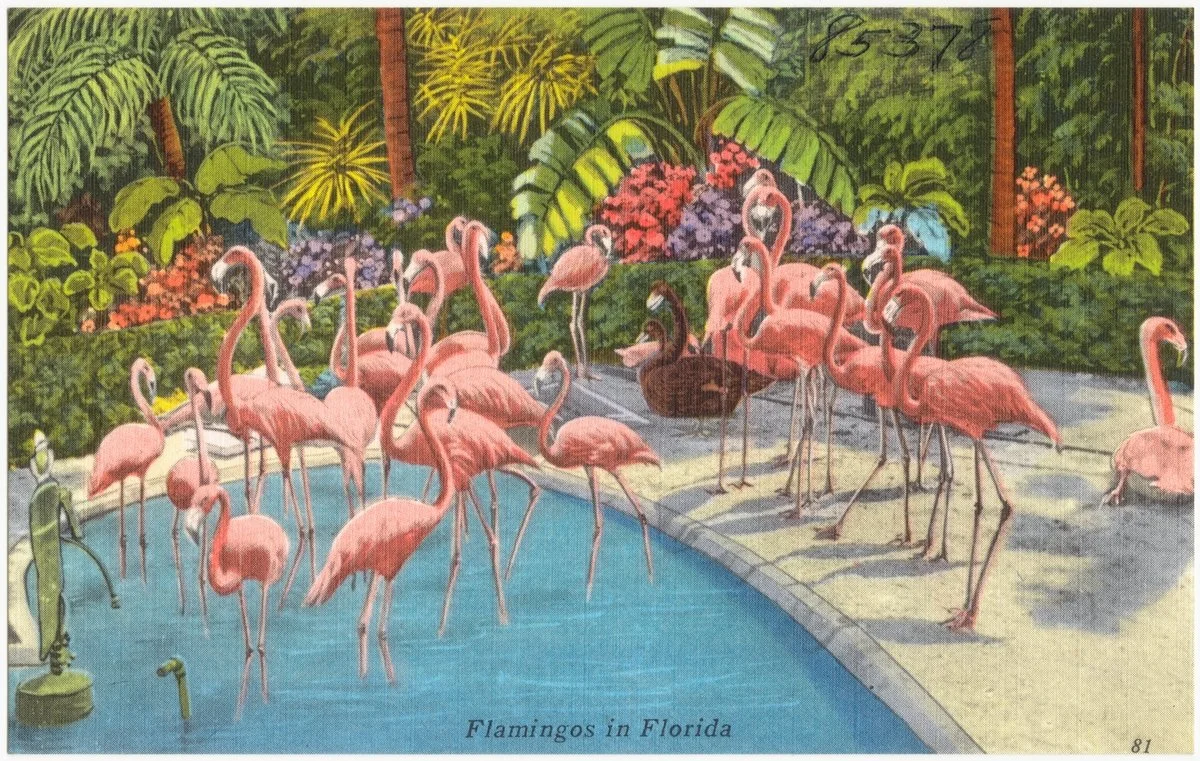
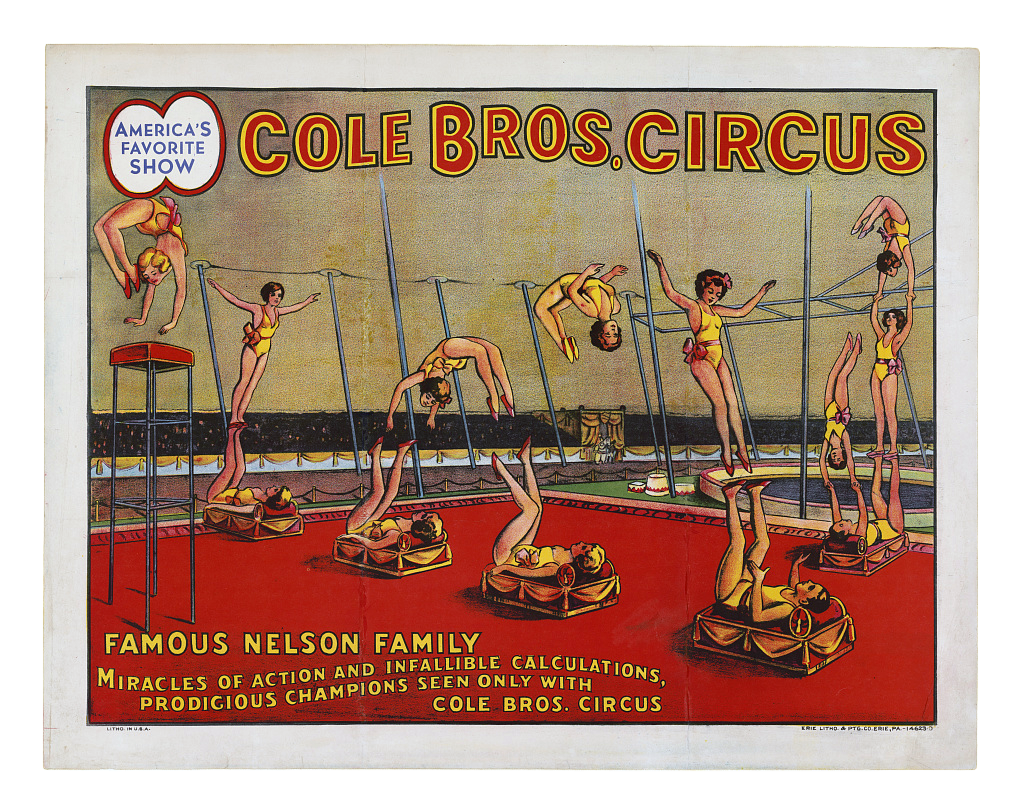
Vintage postcard captioned “a California anomaly, snow and oranges, Pasadena, California,” No. 7782, Detroit Publishing Company. Original public domain image from The MET.
Our parents’ and grandparents’ stories
TURNING THE PAGES OF TIME
“The scorecards held the records but not the memories. Those lived elsewhere and were impossible to catalog…” Laurie Frankel on inheriting her grandmother’s love of baseball—and so much more.
A STRANGE INTIMACY
“There will always be a part of me that sees my dad as simply my dad, the person he has been to me all my life. But at thirty-six, writing this book allowed me to see him more fully as a person in his own right, whose life had begun long before mine.” Josie Adams on cowriting a book in her father’s voice.
THE TRUTH AS THEY UNDERSTOOD IT
“As letters between my father and me went back and forth across the three thousand miles that had separated us for my entire life, my father’s words—the phrases and sentences and paragraphs meant to replace a childhood—and the novels I was reading of food and family, love and regret seemed to come alive…”
ON WRITING THROUGH GRIEF
“Grief appears and disappears like ghosts themselves. But stitching and writing and traveling and making grief an embodied practice, I found ways to reshape my mother’s memory. In those forms I could see both the hard and even horrible parts—and also to remember her at her very best.”
Holocaust stories, captured visually
STORIES OF LOSS, SURVIVAL, AND LOVE
Israeli filmmaker Sharon Pais is transforming Holocaust survivors' most treasured possessions into short animated documentaries, using their own voices to connect younger generations with memories at risk of disappearing.
ART AS TESTIMONY
An art exhibit brings together Boris Lurie’s private paintings and drawings with family photographs, correspondence, and other archival materials that illuminate the Holocaust survivor’s personal history, the loss of his family, and his determination to preserve the memory of the Holocaust.
Listen up!
MEMOIR IN THE IN-BETWEEN
“The notion that writers don’t want to be confined, and that mixed-genre and hybrid forms call for a wider range of expression, of course makes so much sense. Also, many writers come to memoir not from MFA programs but from lived experience,” Brooke Warner writes in her intro to this episode of the Memoir Nation podcast:
AN EARLY PIONEER OF MEMOIR
“Autobiography is really best left for the famous, where we know where they ended up... Memoir is for the rest of us. Memoir is really about one aspect of your life,” Marion Roach Smith says in this wide-ranging interview:
...and a few more links
One thoughtful question can lead to a story you never knew was there.
Why do some dementia patients ‘return’ just before they die?
Scientists find a tiny brain structure that helps keep memories alive.
This letter carrier has been scrapbooking—and winning awards for it—for more than 2o years.
A new study reveals why less is officially more when passing down belongings.
A pesky prominence of men’s point-of-view in women’s biographies
Short takes
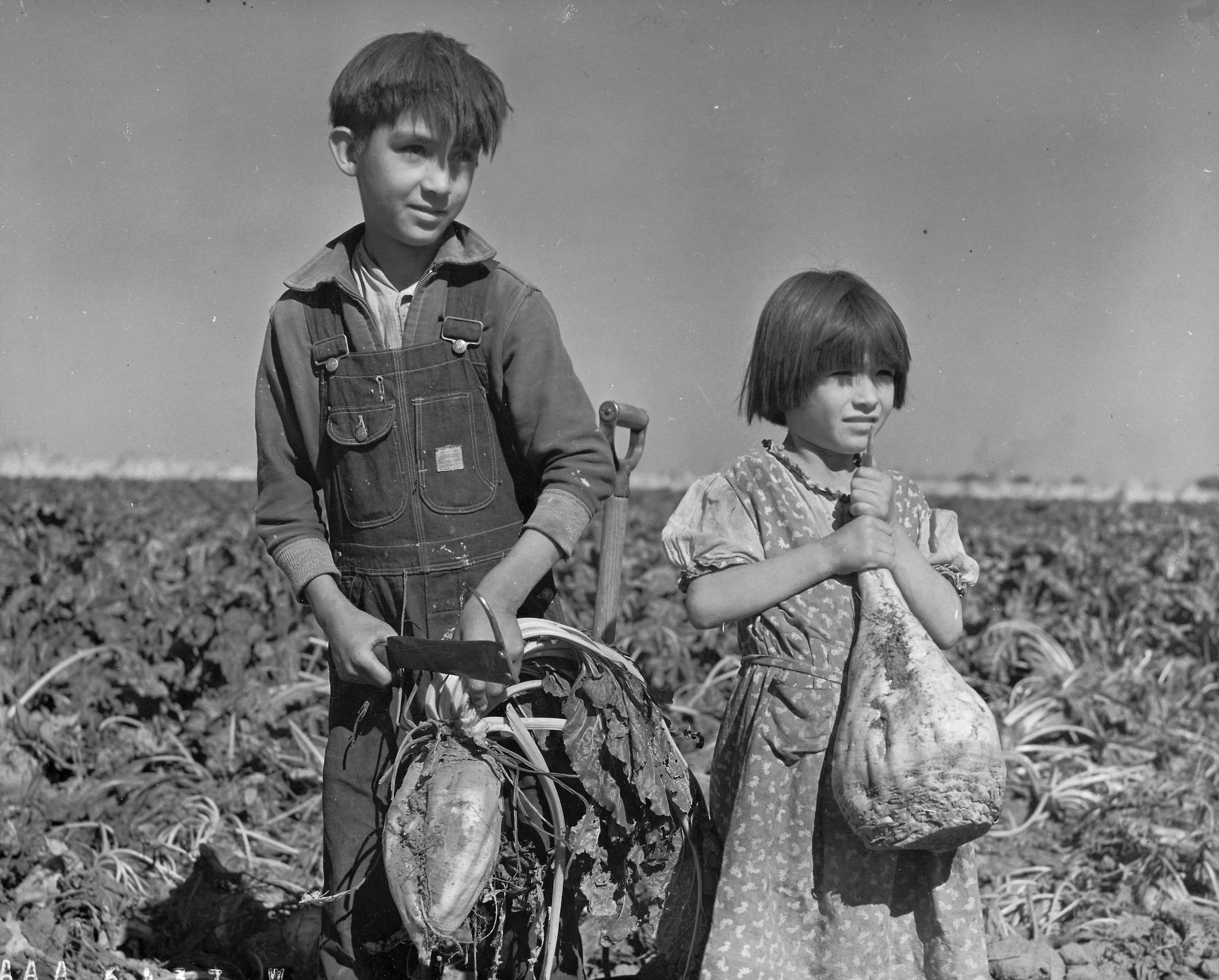
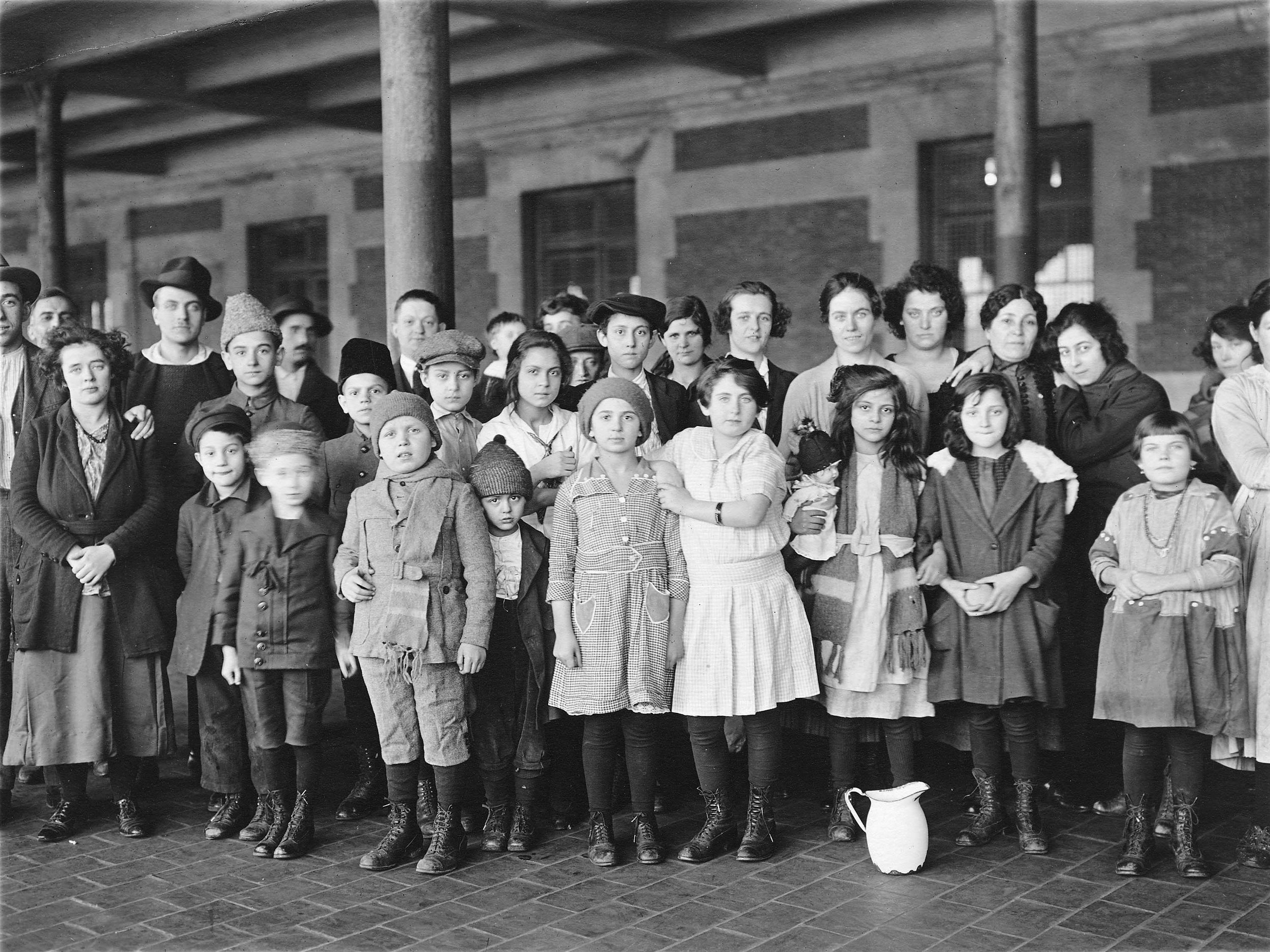
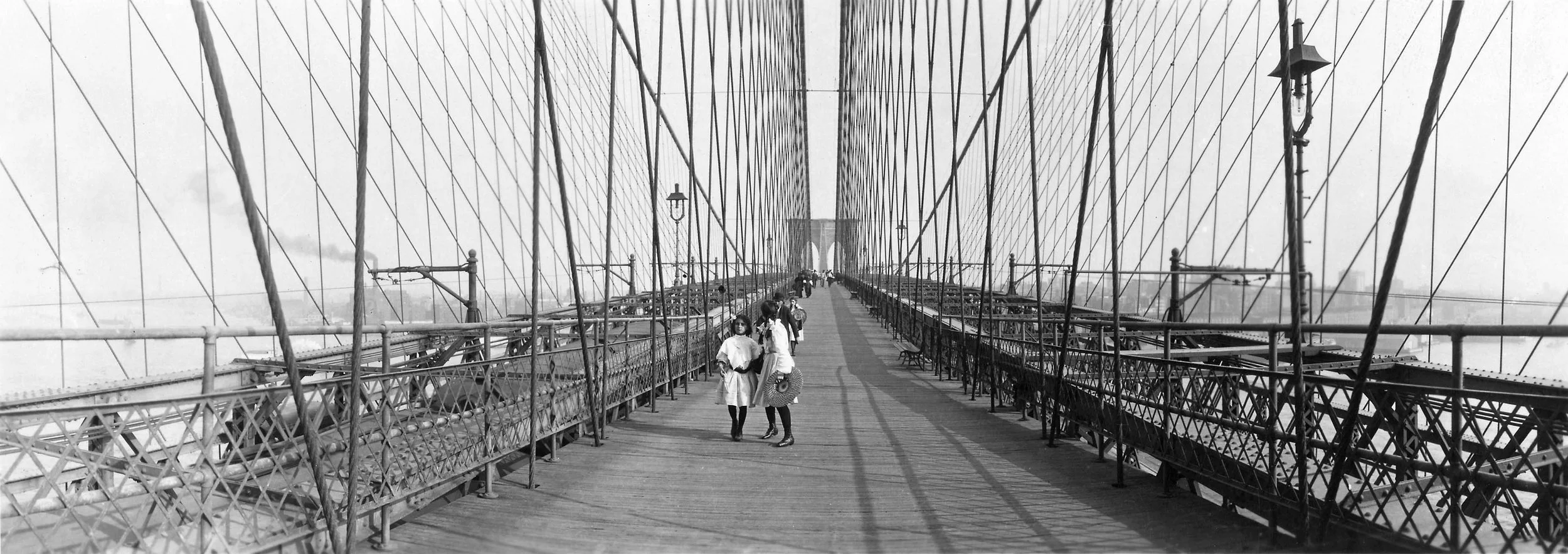
Dawn Roode’s curated roundup for the week of November 3, 2026, includes reads on visual narratives, preserving our parents’ life stories, and more in memoir.