
“Don’t worry about the ancestors. They’re dead. Don’t worry about the young ones. They can’t read yet. Don’t worry about your readers. You tell your truth, and they will turn the page.”
—Nancy Slonim Aronie, Memoir as Medicine
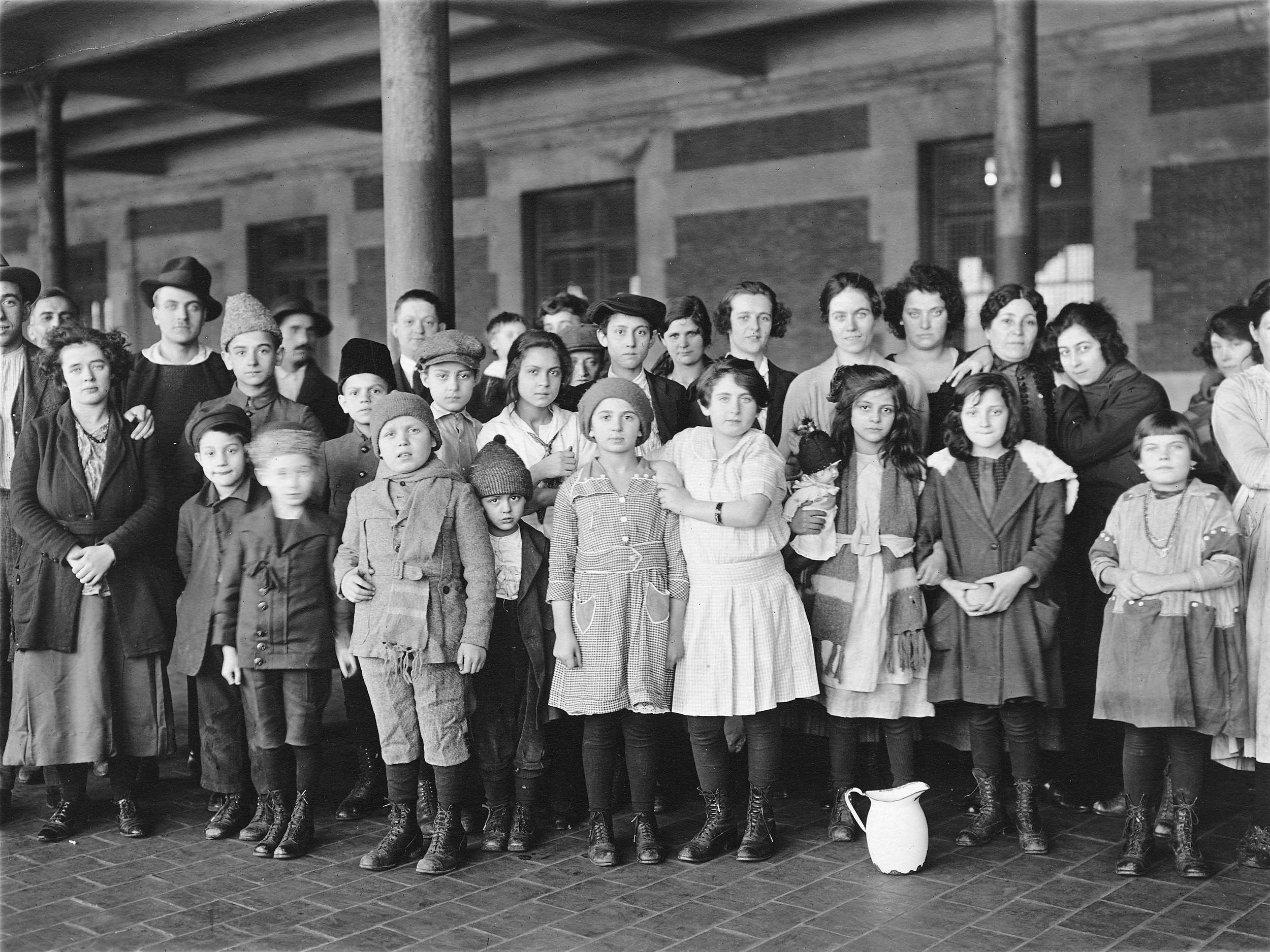
Vintage photograph of immigrant children, Ellis Island, New York, circa 1908, by Brown Brothers. Records of the Public Health Service (90-G-125-29). Courtesy Picturing the Century Exhibition, National Archives.
Life stories on the page
THE CHALLENGE OF ‘THE SILENCE GAP’
“Even when memories fade and voices fall silent, the story isn’t lost. By piecing together fragments—from a letter here, a photo there, a scrap of community history—you can create a portrait that honors your loved one and keeps their life present for future generations.”
CLOSE ENCOUNTERS
“At the beginning, I thought that the replica would be a perfect copy. But it pushes me to stay in this nostalgic dimension, where I’m tied to an idealized father and a bunch of memories it invents.” A fascinating interactive story from The New Yorker blending artwork and interviews with a father and daughter who interact with an A.I. deathbot.
THE HUMAN STORIES BEHIND HISTORY
"I'm not a journalist. I'm not a historian. I'm just someone who wants to document memories with care while allowing the people involved to remain the focus of the story," Stephen Koski says of his work creating The Last Responder.
ON READING OTHER PEOPLE’S LETTERS
“Letters tell stories—within each letter, and from letter to letter. There’s not much of what you’d call plot, but, as in a novel, readers need less plot than we think; we just need to be kept curious.” Alice Mattison on the ethics and considerations around publishing intimate correspondence.
A MISSION, BEQUEATHED
“When I read the letter, I began to cry”: How opening a family history book published by his uncle and discovering a rare letter written by Rabbi Yerucham to his great-grandfather prompted an incredible series of events for one man.
Picture this
FROM THE ARCHIVES
The story behind one of Magnum Photos’ first collective projects investigating the postwar generation and why it’s inspiring the agency’s latest endeavor, Magnum Chronicles: GenZ.
GUIDED IMAGERY FOR LIFE STORY WORK
In this recording from the Birren Center for Autobiographical Studies, certified GAB instructor, hypnotherapist, and Hollywood screenwriter Norman Lesperance introduces guided imagery, a gentle technique that uses descriptive prompts to help writers mentally step back into their memories:
...and a few more links
Short takes
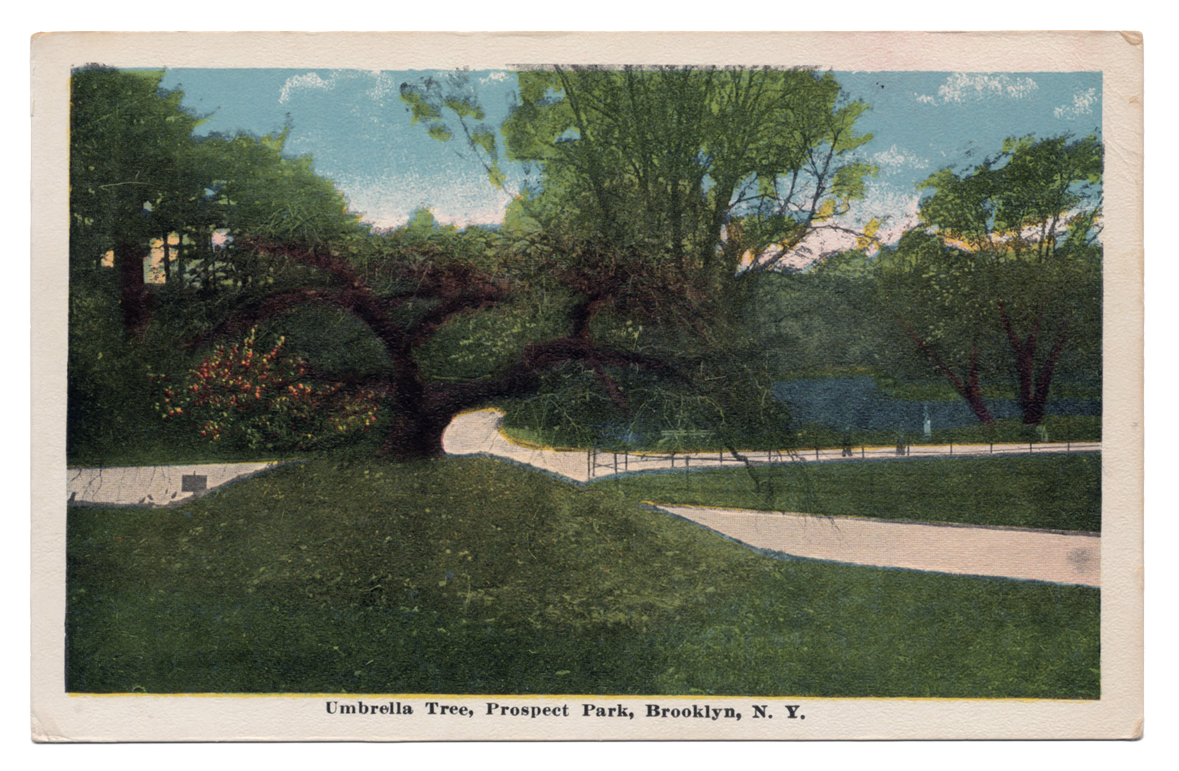
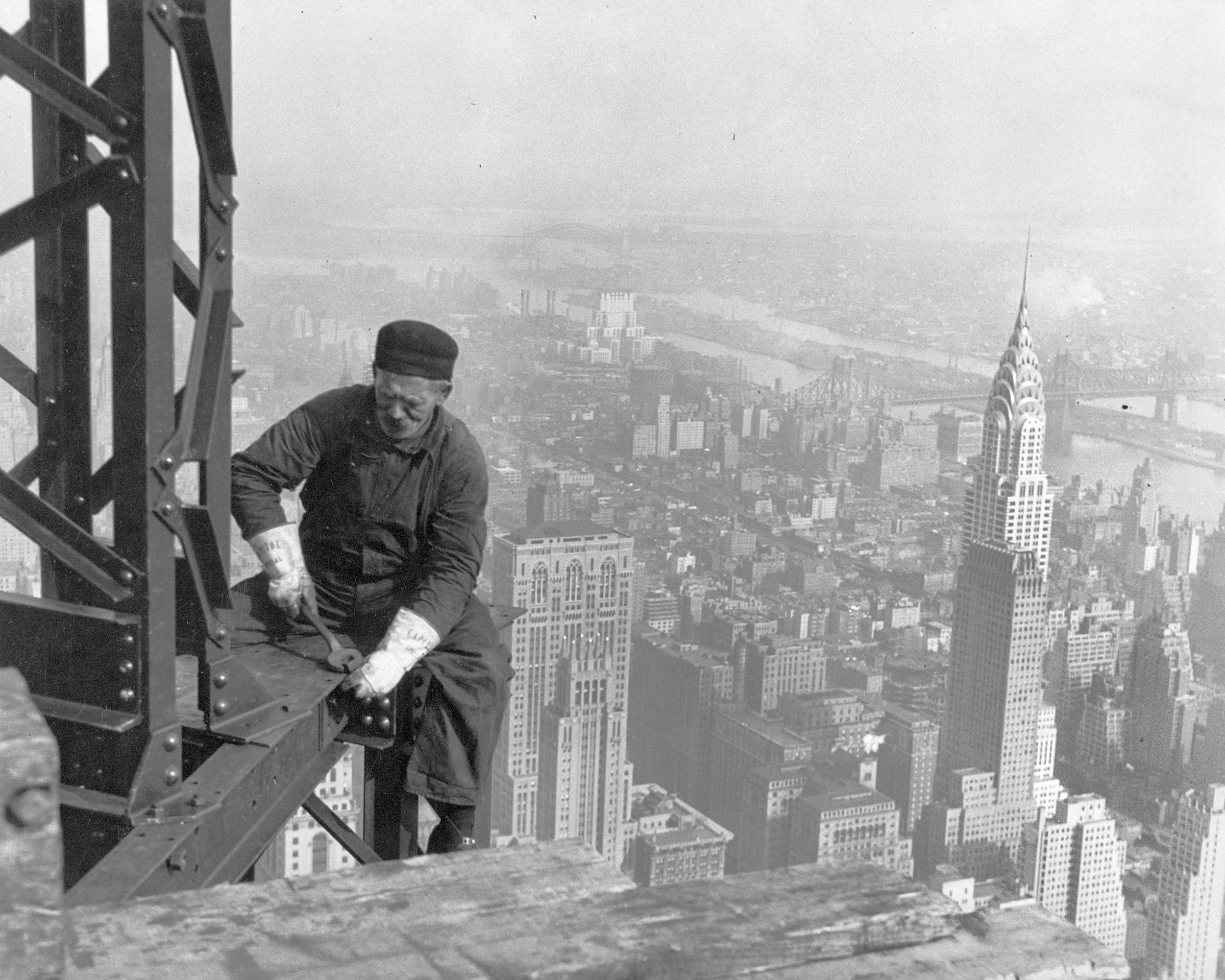
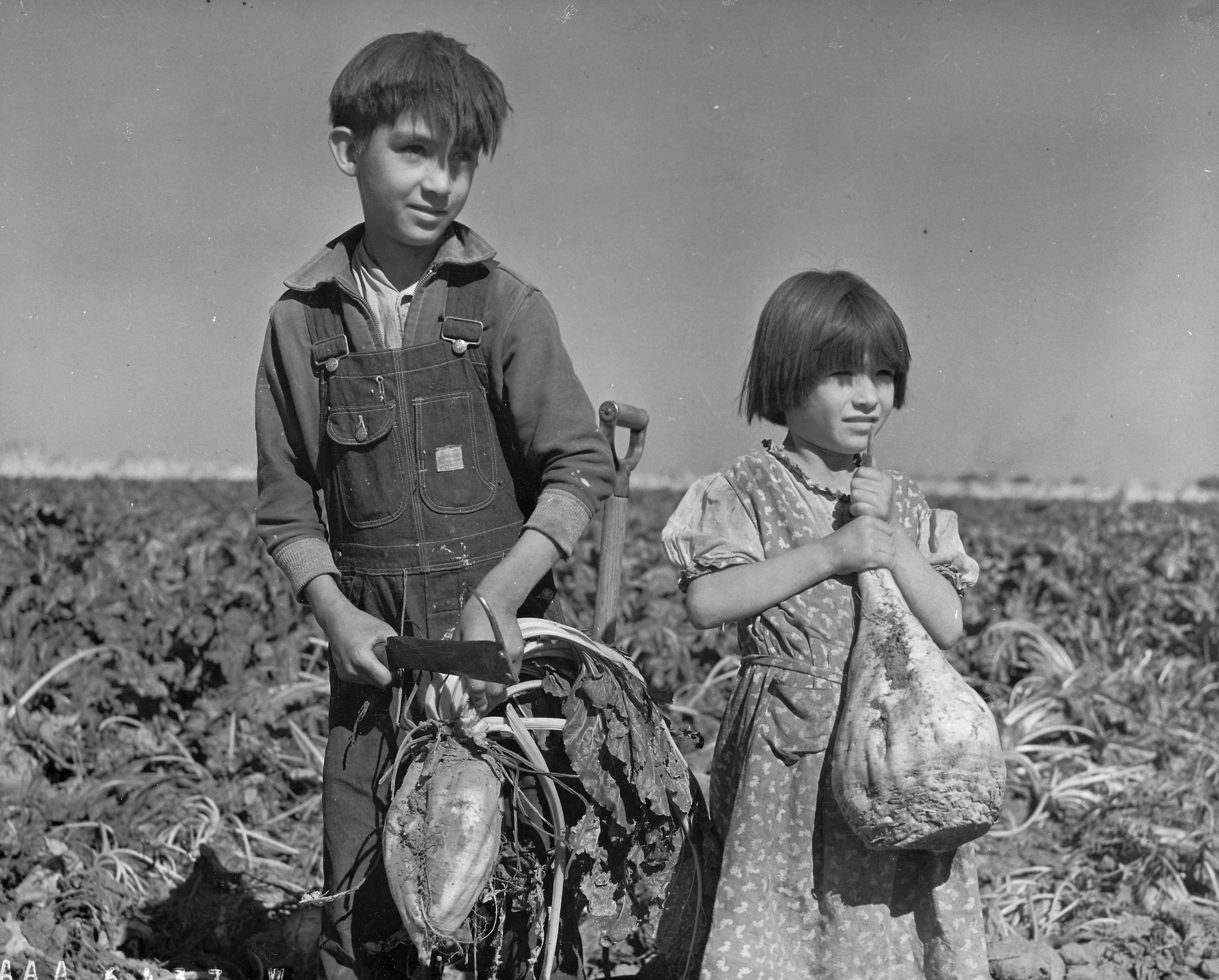
Dawn Roode’s curated roundup for the week of October 19, 2026, includes reads on preserving family stories, writing about our lives, and where memories reside.