
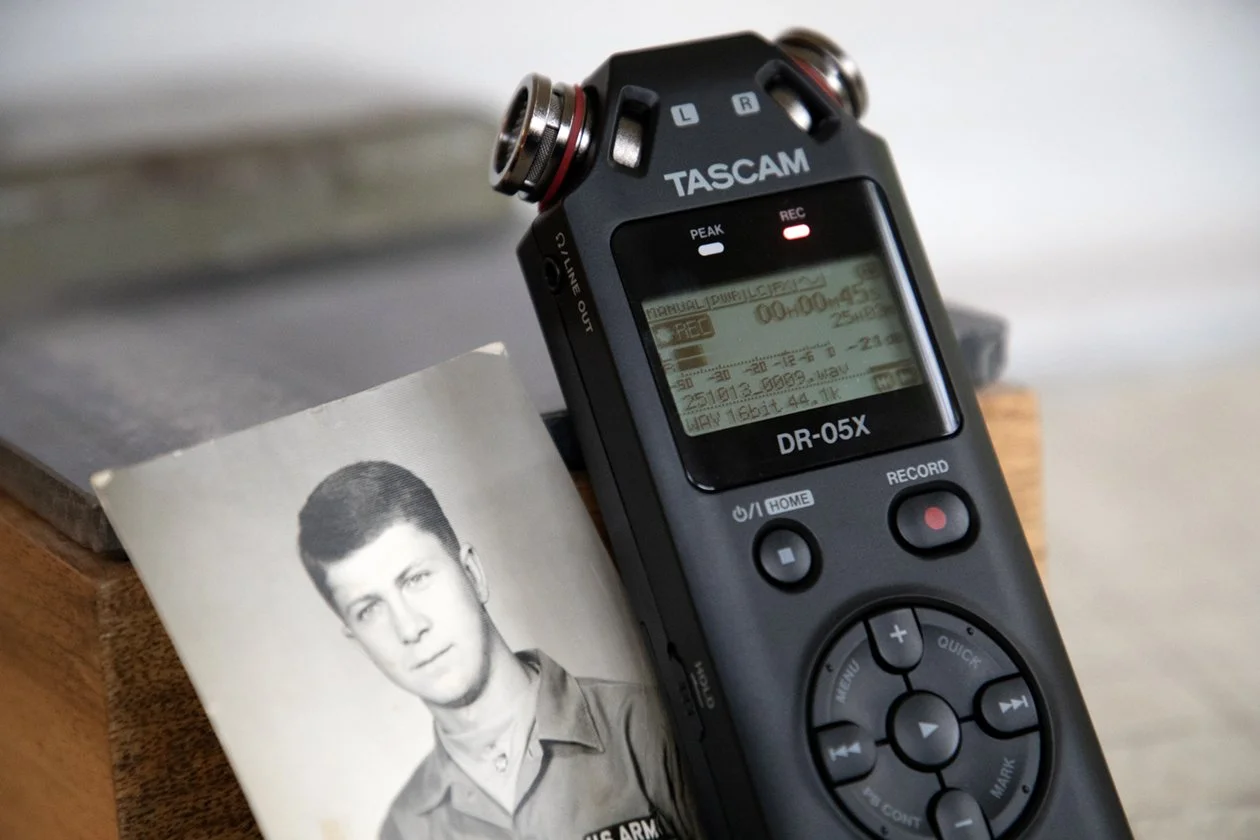
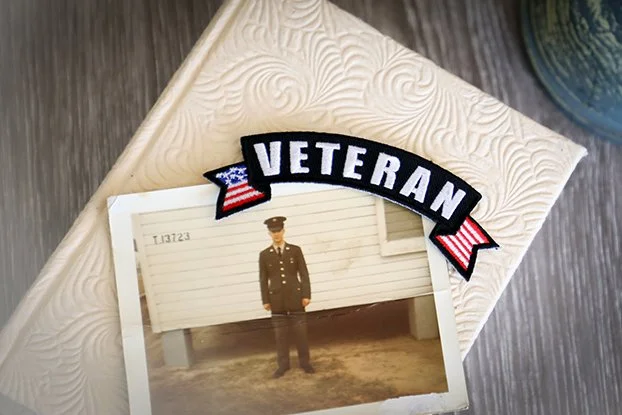
Veterans’ stories often carry the weight of history and the tenderness of humanity. They’re stories of duty, courage, fear, and, often, quiet resilience. For many families, these are the stories that explain who we are and how we came to be—yet they’re also the ones most rarely told.
Interviewing a veteran, whether it’s a parent, grandparent, or friend, requires more than curiosity. It requires care. Military experiences can be deeply personal, and while some veterans speak freely, others carry memories that are painful or private. The key is to listen with empathy, honor boundaries, and create a space where trust can lead to truth.
Before you begin: setting the tone
Lead with gratitude.
Begin by expressing appreciation for their willingness to share their story—not just their service. Make it clear that your goal is to understand, not to pry.
Let them set the pace.
Some veterans may want to talk about camaraderie, training, or travel rather than combat or trauma. Follow their lead.
Avoid assumptions.
Not every veteran identifies strongly with their military years, and not all experiences were positive. Ask open-ended questions and avoid framing things as “heroic” unless they use that language themselves.
Respect emotional boundaries.
Be prepared for pauses or moments of silence. Don’t rush to fill them.
How to prepare for the interview
Do your homework.
Know the basic context — the war or era, the branch of service, and major events. This shows respect and helps you ask informed questions.
Create a calm setting.
Choose a quiet, comfortable place. Have water and tissues nearby.
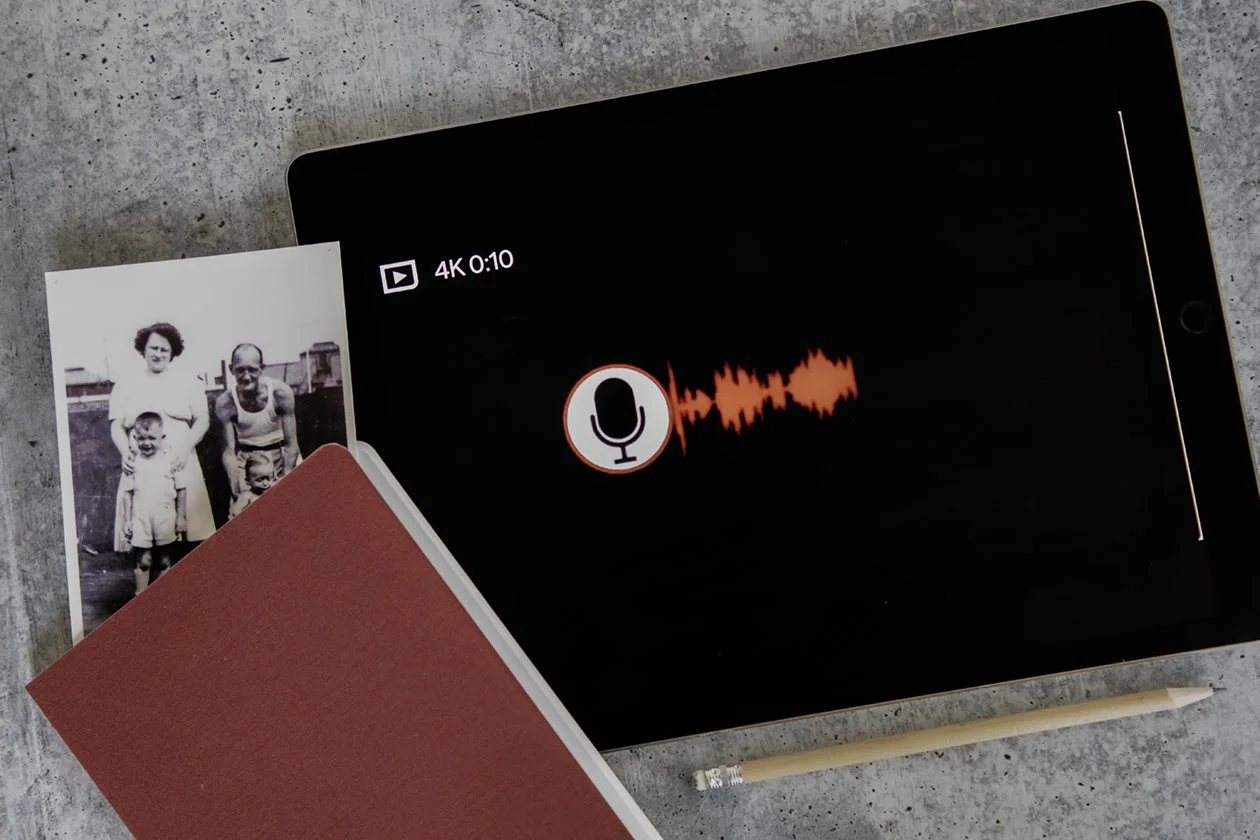
Record with permission.
Always ask before recording, and explain how their story will be preserved or shared.
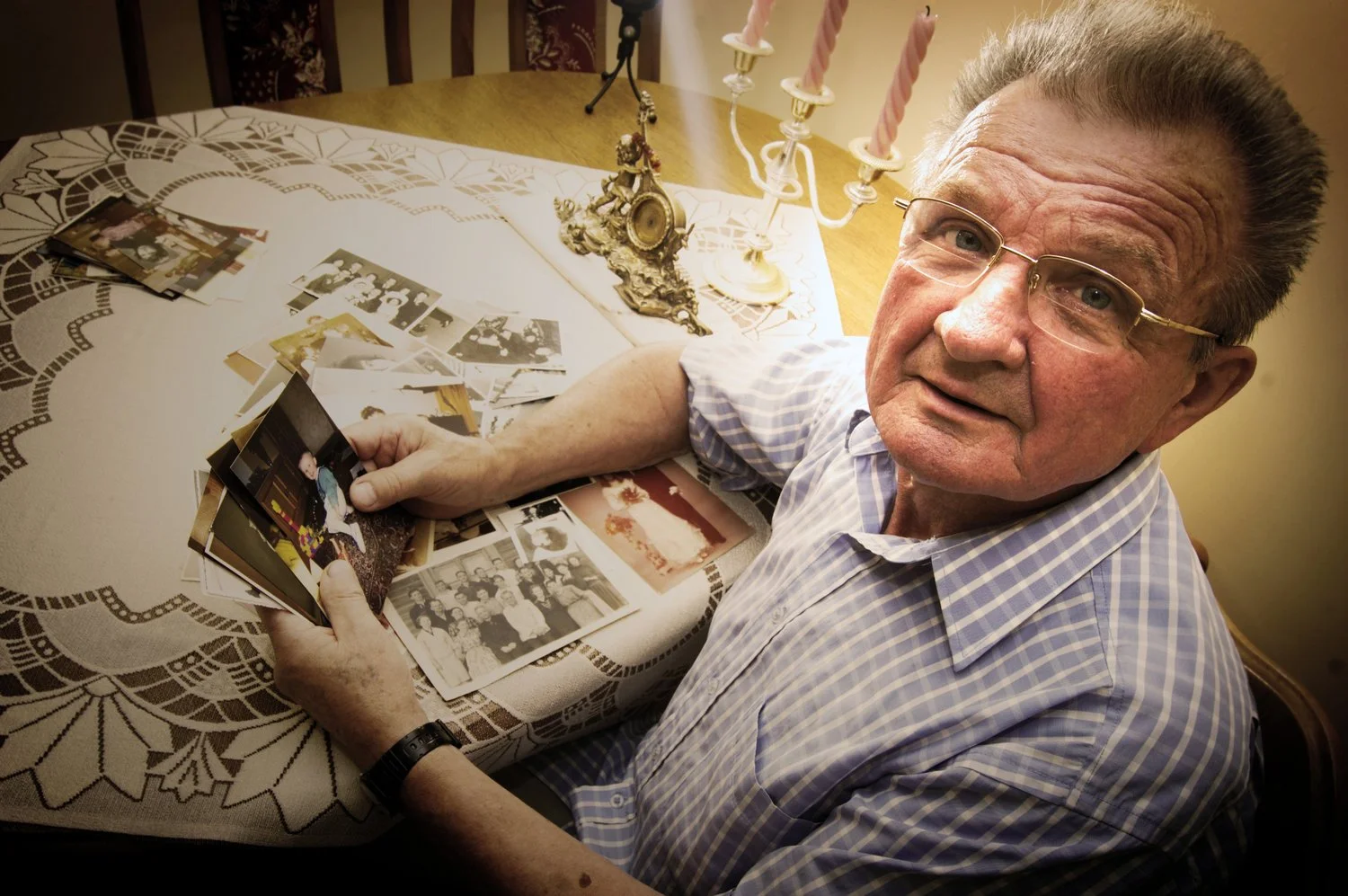
Bring photos, maps, or artifacts.
Visuals can jog memory and help veterans recall specific moments or people. (You may need to ask a family member or the veteran themselves to bring these items to the interview.)
Questions to guide your conversation
You don’t need to ask every question—these are simply starting points. Let their answers guide the flow.
Early Life & Enlistment
Where did you grow up, and what led you to join the military?
How did your family feel about your decision?
What do you remember about your first days of training?
Service Experience
Where were you stationed, and what was daily life like?
What friendships or routines helped you get through challenging times?
Was there a moment when you felt especially proud (or frightened) during your service?
What did “home” mean to you while you were serving?
In what way, if any, did your time in the service broaden your horizons?
Coming Home
What was it like to return to civilian life?
How did your military experience shape your career, relationships, or values?
What misconceptions do you think people have about veterans? Has this changed from the time you were discharged?
Reflection & Legacy
How do you want your service to be remembered?
What lessons from that time have stayed with you?
What advice would you give to younger generations about resilience, teamwork, or purpose?
What to be sensitive about
Every story is different, but these general guidelines can help ensure your conversation stays compassionate and constructive:
Avoid pressing for combat details unless the veteran volunteers them.
Be mindful of triggers. Loud noises, certain words, or even specific questions can bring up trauma.
Don’t correct or challenge memory. Let them tell the story as they remember it—the emotional truth is often more important than the factual timeline.
Honor privacy. Some experiences may be shared “off the record.” Respect that trust.
Closing the interview
End on a positive, grounding note. Ask: “What part of your military experience makes you proudest?” and “What do you hope your grandchildren (or future generations) will understand about your service?”
And always—always—thank them. Not just for their service, but for their openness in sharing something so personal.
Resources for further guidance
If you’d like to learn more about interviewing veterans or preserving their stories, these are excellent, trustworthy resources:
The Veterans History Project (Library of Congress)
Offers guidelines, sample questions, and archival submission instructions for preserving veterans’ oral histories.
StoryCorps Military Voices Initiative
Collects and shares the stories of service members, veterans, and their families.
National Archives Veterans’ Service Records
For those researching service history or requesting official documents.
U.S. Department of Veterans Affairs
Offers programs and resources that can help families understand veterans’ benefits and needs.
Interviewing a veteran isn’t just about recording history; it’s about connection. You’re helping someone articulate a chapter of their life that may have shaped everything that came after. Listening deeply is one of the most powerful acts of honor you can offer.
As I prepare to launch The Legacy Fund, which will help preserve more of these stories of veterans’ service and strength, I’m reminded that history is not only written in records, but carried in the hearts of those who served. May we ask gently, listen carefully, and remember gratefully.
You may also be interested in…
This post was informed by our own personal history experiences as well as the work of organizations dedicated to preserving veterans’ stories, including the Library of Congress Veterans History Project and StoryCorps’ Military Voices Initiative, whose missions inspire our own efforts to record lives of service and resilience.











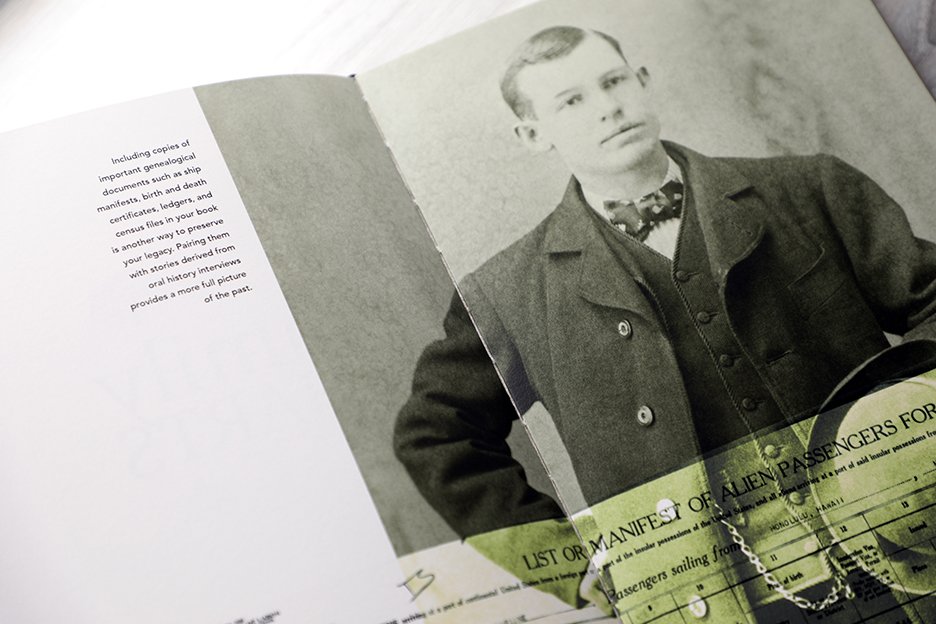


Learn how to interview military veterans with sensitivity and respect. Sample questions, tips, and trusted resources for preserving service stories.