
Why we forget—and what it means for memoir writing

When we look back on our lives, we like to believe we’re scrolling through an archive: a set of neatly labeled folders, each containing exact details of what happened and how we felt. But that’s not how memory works at all.
In truth, our recollections are constantly shifting, reinterpreted with every act of remembering. They’re less like recordings and more like retellings—edited, rearranged, and subtly reshaped each time we bring them to mind.
So: Memory is fallible, yes. Does that mean you shouldn’t tap into your memories to write your own memoir?
Nope. Honestly, that malleability of memory is one of the things that I think makes memoir so compelling.
Why we forget (and why that’s normal)
Scientists tell us that the brain’s job isn’t to preserve everything—it’s to help us survive. So our minds naturally prioritize the information most relevant to our safety, well-being, and identity.
We forget because the brain is selective. It keeps what matters and lets go of what doesn’t. And even what it keeps, it continually revises. Each time we recall a memory, it’s like opening a document, making a few edits, and saving over the original file. Over time, details shift—a color, a date, a conversation.
Layer onto that our human tendency toward confirmation bias (remembering things that affirm what we already believe) and rosy retrospection (looking back on the past more fondly than we felt in the moment), and it’s no wonder that siblings can recall the same event in entirely different ways.
But these imperfections aren’t flaws—they’re texture.
What that means for memoir writers
If you’ve ever worried that you don’t “remember enough” to write your story—or that your memories conflict with someone else’s—you’re not alone.
The truth is, memory doesn’t need to be perfect to be meaningful. Memoir isn’t about getting every detail right; it’s about revealing the truth of experience.
When differences arise (“My sister swears it was raining that day—I remember sunlight”), consider leaving them in. That contrast adds depth and honesty. It reminds readers—and ourselves—that our lives are filtered through perception, emotion, and time.
In the same way, partial memories or emotional impressions can be just as valuable as precise ones. A single sensory fragment—the smell of wet grass, the hum of a neighbor’s radio, the taste of hospital coffee—can transport both writer and reader far more powerfully than perfect chronology.
When you’re unsure what’s “true”: 3 ways to write anyway
Acknowledge uncertainty on the page. If you’re not sure whether a detail is exact, say so: “I think it was autumn—or at least it felt that way.” Readers appreciate honesty, and this kind of transparency builds trust.
Follow the feeling. Instead of forcing accuracy, focus on what the moment felt like: “I don’t remember what we said, but I remember how safe I felt sitting beside her.” Emotion is memory’s most reliable anchor.
Explore the differences. If someone else remembers it differently, include that contrast: “My brother insists we moved out of the house before my grandparents died; I am confident it was after. Either way, we were both impacted by the loss for years to come.”
Small divergences such as these show how perspective shapes story—and how memory itself is a conversation.
The beauty of imperfect memory
Forgetting is part of being human. It’s what makes our stories living things rather than static archives.
When you write a memoir, you’re not testifying in court—you’re offering your version of truth, shaped by love, loss, laughter, and the unsteady work of remembering.
So don’t let uncertainty stop you from writing. Let it deepen your storytelling. Use memory’s flaws as texture, its gaps as space for curiosity, and its contradictions as proof of life lived fully.
Because in the end, what we forget isn’t nearly as important as what we choose to remember—and what those memories reveal about who we are.

Further reading: memoirs that play with memory
If you’d like to see how other writers have embraced the imperfections of memory, these memoirs offer wonderful examples:
Joan Didion, The Year of Magical Thinking
Grief distorts time and recollection; Didion shows how writing through uncertainty can illuminate emotional truth.
Dani Shapiro, Hourglass
A fragmented, time-bending look at marriage and memory, proving that what’s forgotten can be just as revealing as what’s remembered.
Mary Karr, The Liars’ Club
Karr doesn’t hide her hazy recollections; instead, she acknowledges contradictions head-on, using them as evidence of her story’s complexity.
Jeannette Walls, The Glass Castle
Walls reconstructs an imperfect past with honesty and heart, reminding us that emotional accuracy matters more than factual precision.
Alice Walker, The Same River Twice
Juxtaposing journals written decades apart, Walker shows how perspective transforms memory over time.
Philip Roth, Patrimony
The interplay between Roth’s and his declining father’s memories becomes a meditation on what remains when both narrative and life begin to fade.
Each of these writers proves that memory’s flaws aren’t barriers; they’re invitations to look deeper, write braver, and embrace the shifting landscape of truth.











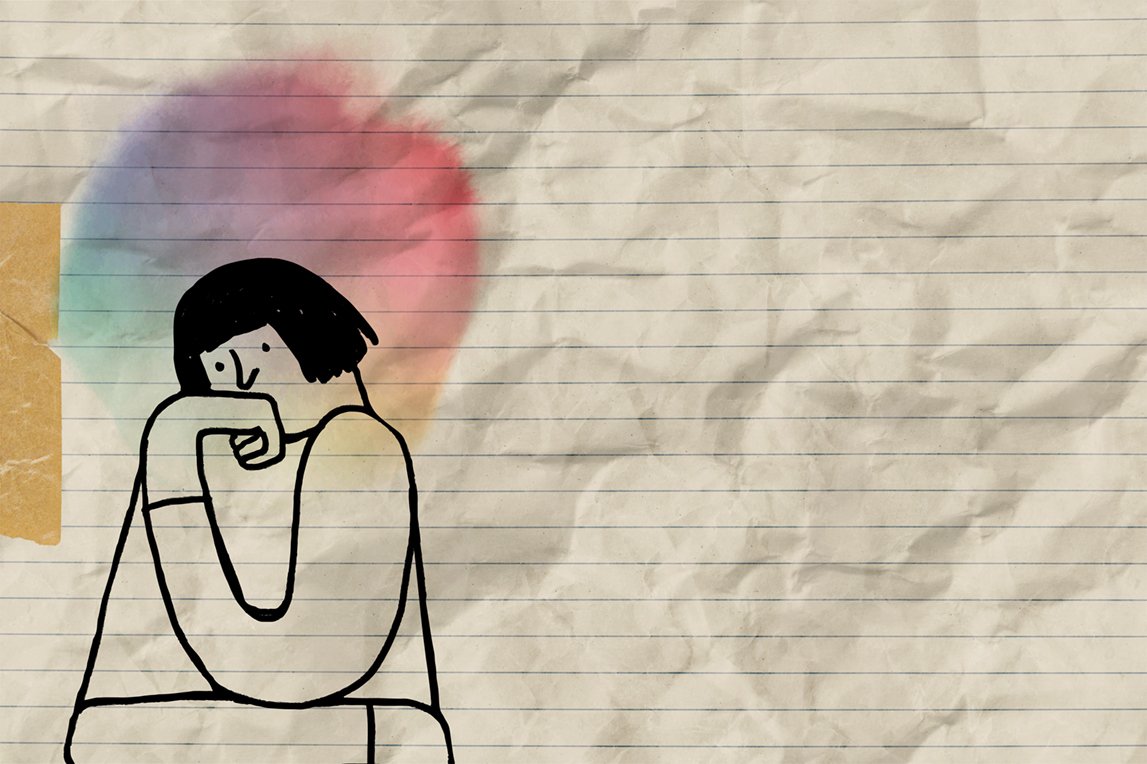











Memory is imperfect—but that shouldn’t stop you from tapping into yours to write your memoir. Learn how forgetting and bias can deepen truth in your life story.