
5 inspiring quotes about writing your life
I’ve got more than one commonplace book filled with words from memoirists and other writers, and I thought I’d pluck a few quotes from those pages to share with you today—along with a few thoughts on why each quote resonates with me.
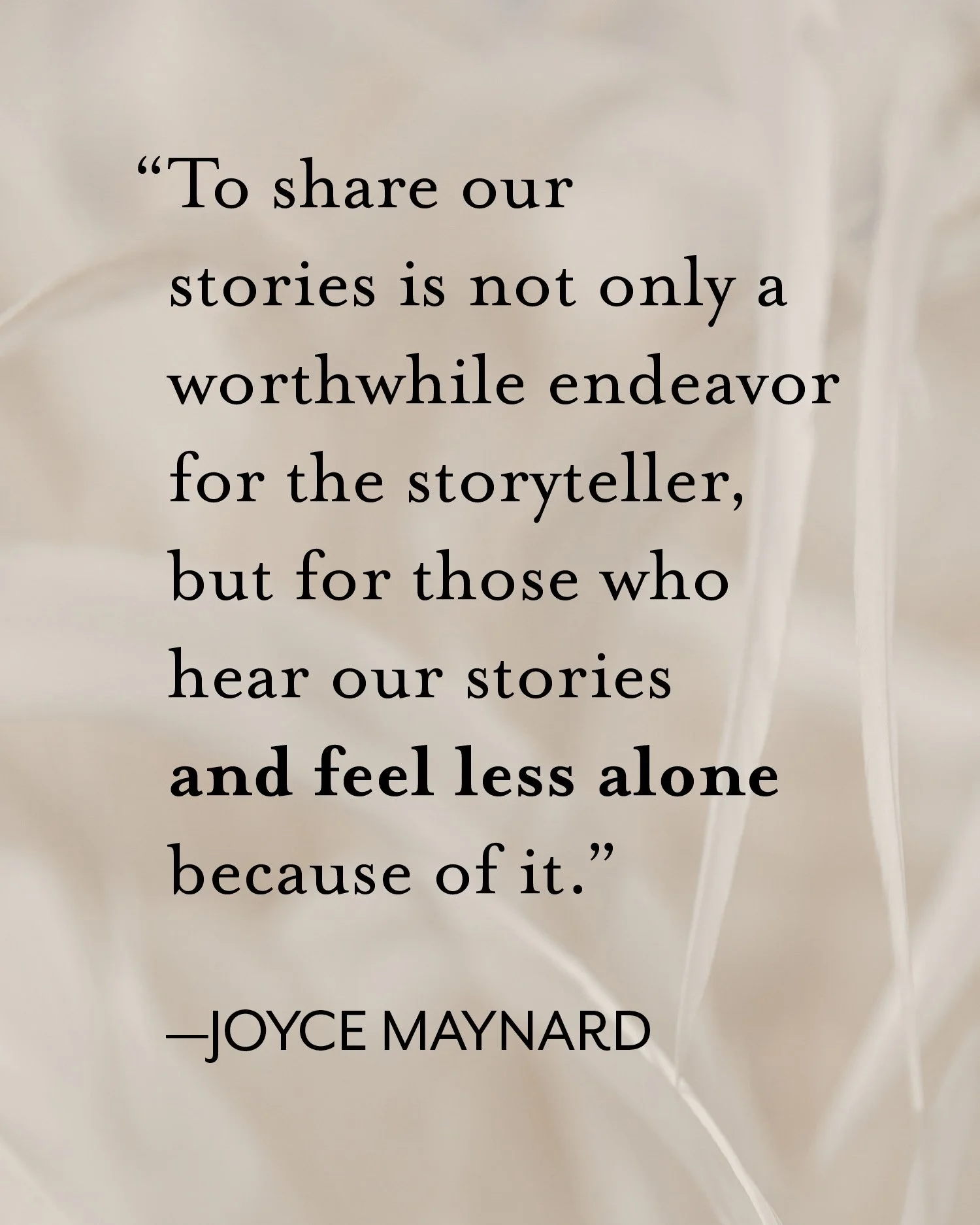
“To share our stories is not only a worthwhile endeavor for the storyteller, but for those who hear our stories and feel less alone because of it.” —Joyce Maynard
Writing about your life is not just for you—it’s for those who come after you. When we share our personal experiences, we offer future generations a bridge to understanding, a source of comfort, and a way to see that they are not alone in their struggles and triumphs.
Our stories contain lessons, wisdom, and emotions that others will recognize in themselves. By documenting our lives, we give others permission to embrace their own stories with courage and honesty. Your story is, indeed, a gift to your descendants.
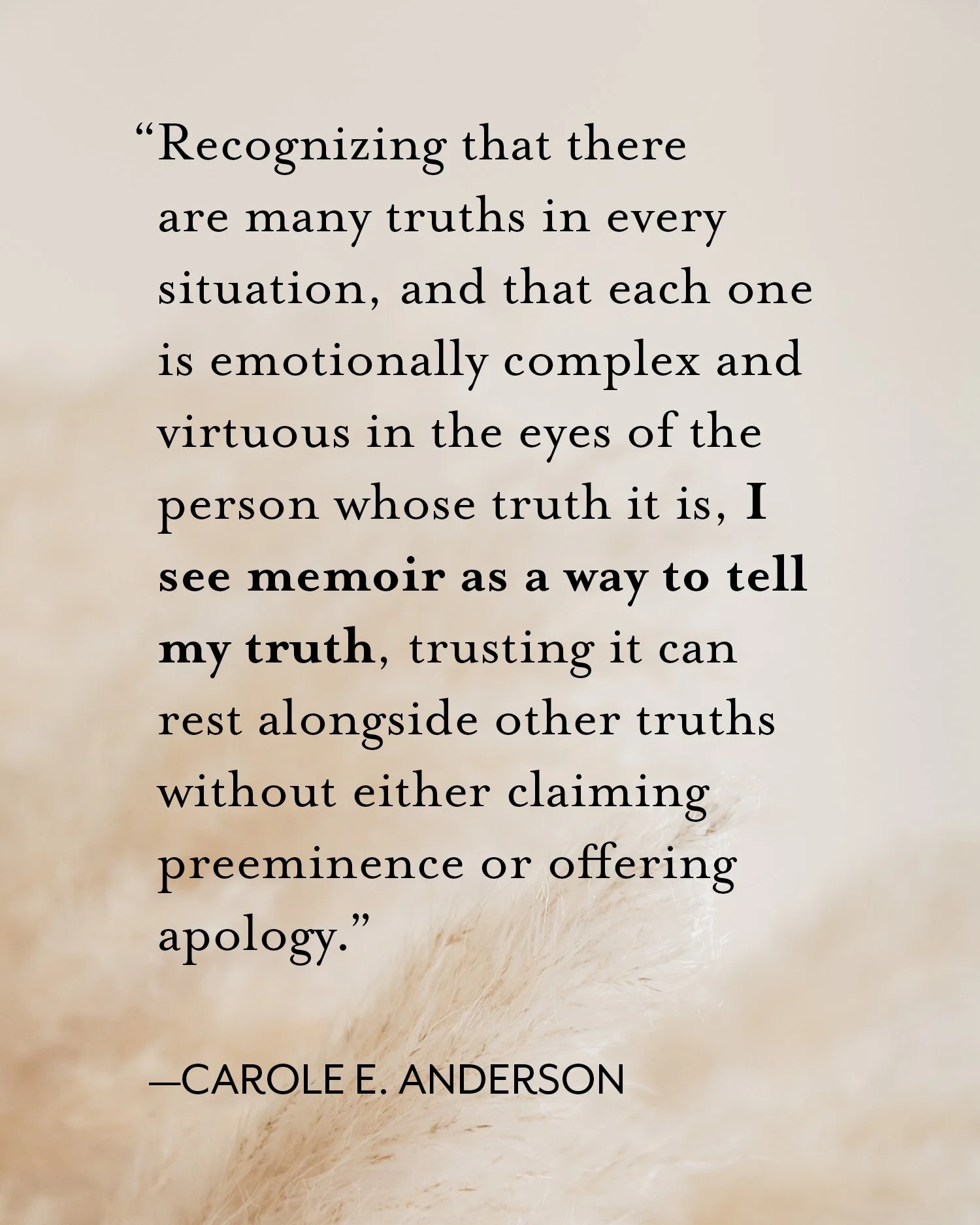
“Recognizing that there are many truths in every situation, and that each one is emotionally complex and virtuous in the eyes of the person whose truth it is, I see memoir as a way to tell my truth, trusting it can rest alongside other truths without either claiming preeminence or offering apology.” —Carole E. Anderson, “What Is It About Memoir?”
One of the biggest fears people have when writing memoir is, “What if others remember things differently?” But memoir isn’t about an objective, single truth—it’s about your truth.
Your perspective is valid, and you have the right to tell your story. That said, it’s also important to approach personal history with respect for others who played a role in it. You don’t have to apologize for your truth, but you can acknowledge that others may see events differently.
Consider: Two siblings may remember the same childhood moment in entirely different ways. Both memories are real; both are true. Memoir allows those truths to coexist.
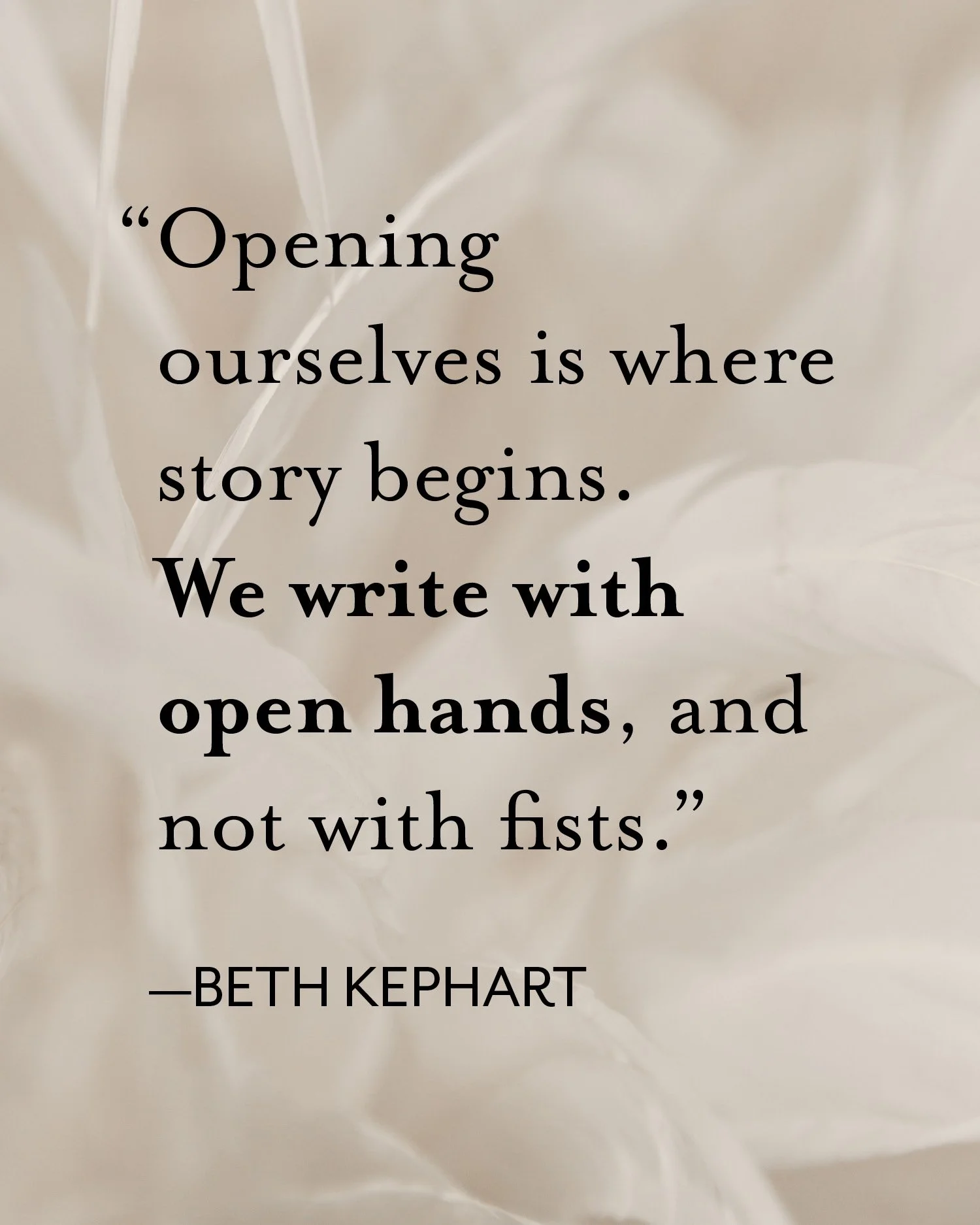
“Opening ourselves is where story begins. We write with open hands, and not with fists.” —Beth Kephart
Great storytelling requires vulnerability. When writing about our lives, it can be tempting to hold back, to protect ourselves from judgment or discomfort. But the most powerful stories invite the reader into real emotions, real struggles, and real discoveries.
If you only write about the polished, curated version of your life, the story won’t feel real. But if you allow yourself to be vulnerable, to tap into raw emotions, to reveal yourself in honest new ways, well, you create something that’s possibly universal, and always deeply meaningful.
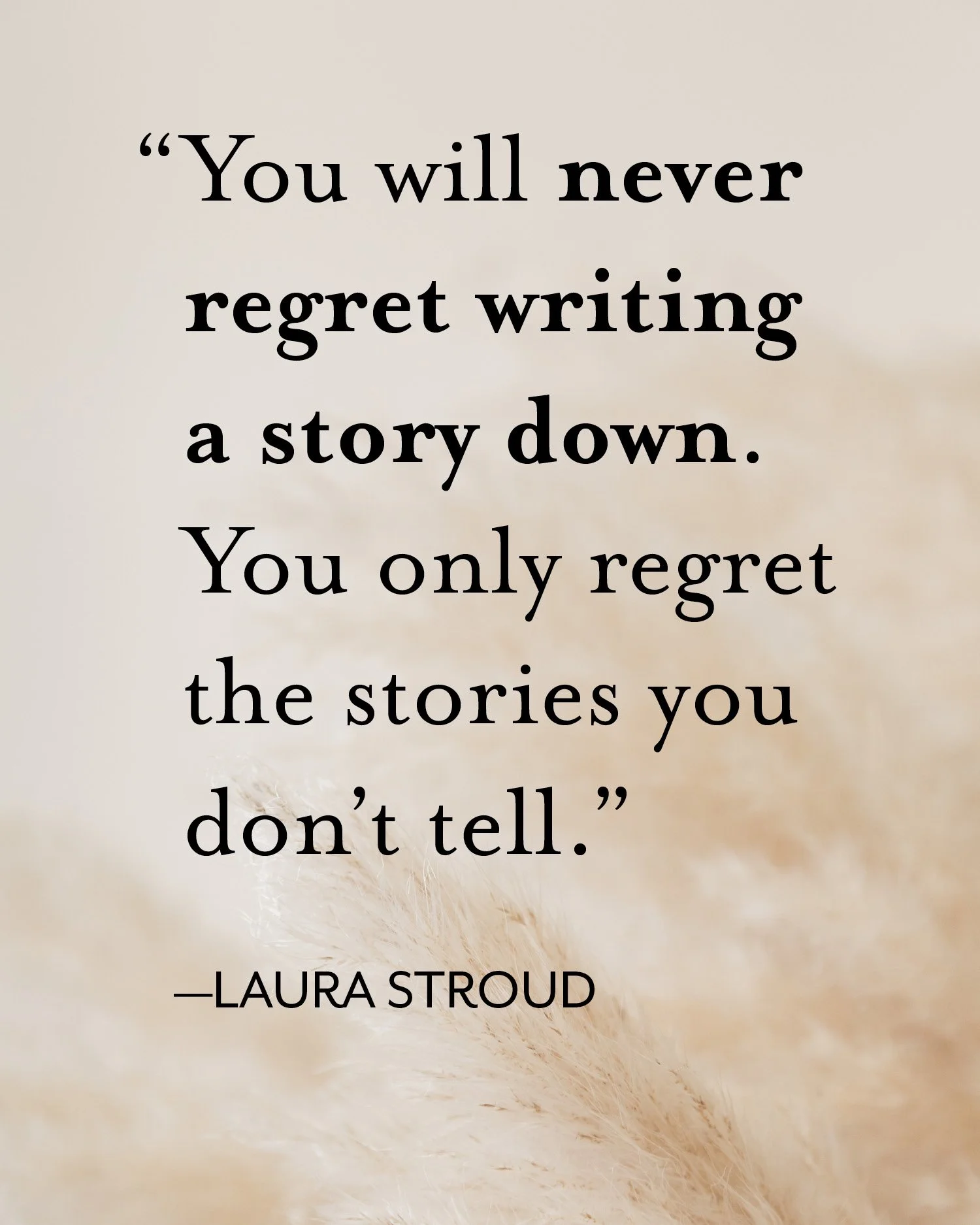
“You will never regret writing a story down. You only regret the stories you don’t tell.” —Laura Stroud
Many people put off writing their stories, thinking “I’ll do it later”—but later is never guaranteed. The only regret most people have is not capturing their memories before they fade.
There’s no perfect time to start writing about your life. You don’t need to wait until you feel “ready” or until your story feels complete. The act of writing itself is what makes your story matter. Even if you never share your writing widely, your words will exist.—your memories, your reflections, your experiences preserved, rather than lost.
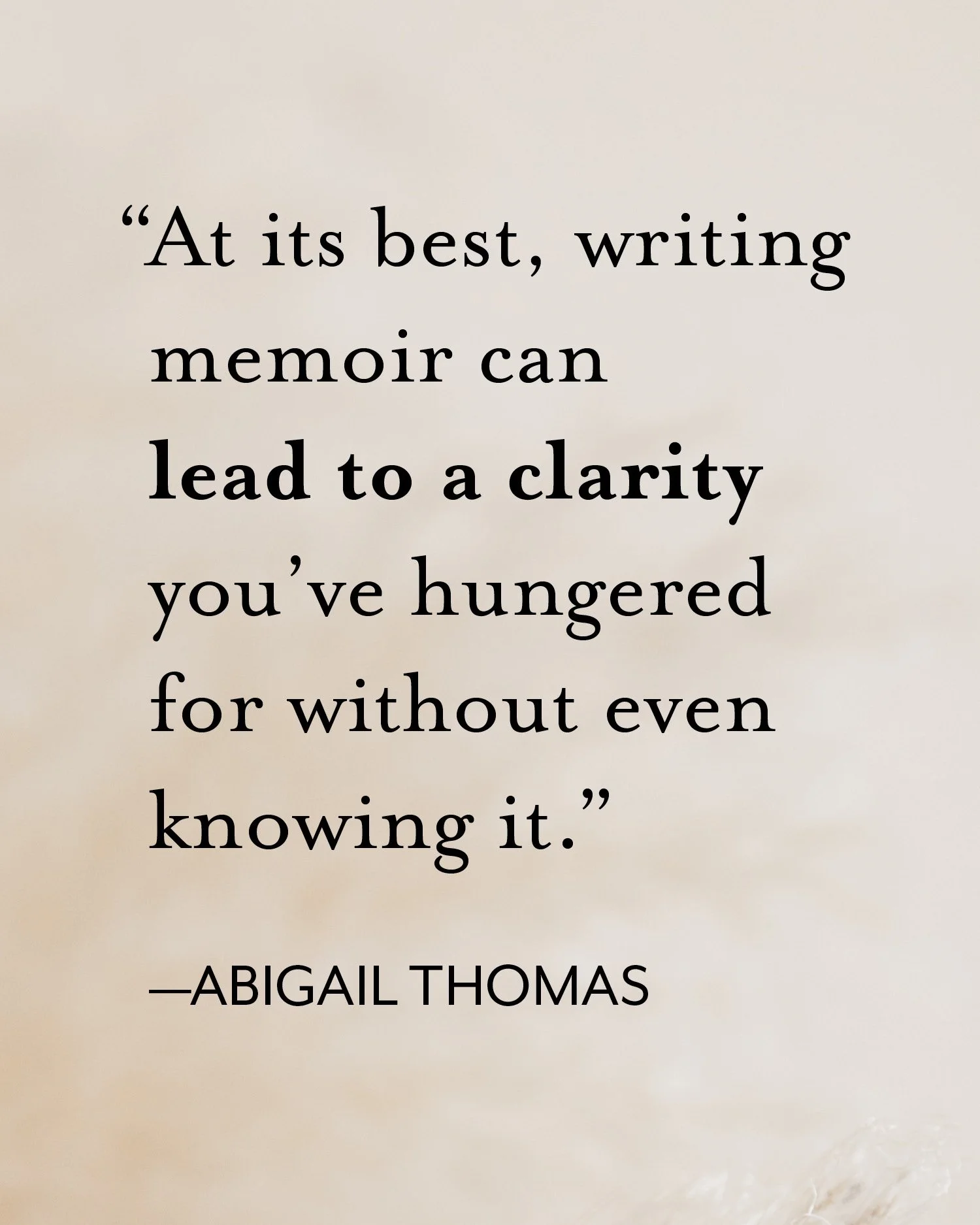
“At its best, writing memoir can lead to a clarity you’ve hungered for without even knowing it.” —Abigail Thomas
Memoir isn’t just about documenting the past—it’s about making sense of it. Writing helps us connect the dots, see patterns in our lives, and discover meaning in experiences we once took for granted.
Often, we don’t realize how much we’ve needed clarity until we start writing. The process of revisiting memories, reflecting on them, and putting them into words can help us understand ourselves in a new way—and even shape how we move forward.
These quotes remind us that writing our lives isn’t just an act of preservation—it’s an act of connection, reflection, and courage. Your story doesn’t have to be perfect, complete, or grand. It just has to be yours.
So, pick up the pen. Open a blank document. Speak your story aloud and record it. However you begin, just begin. As Laura Stroud teaches, you will never regret telling your story—you will only regret not telling it.




















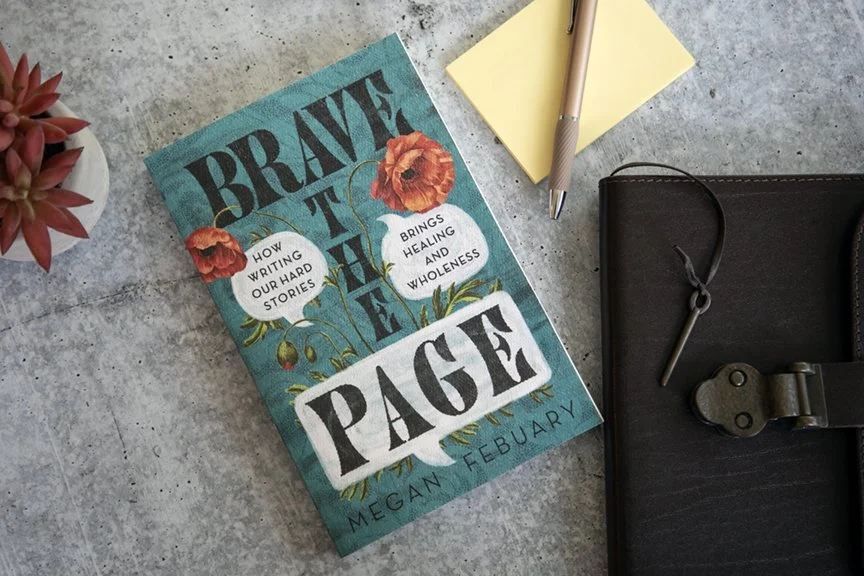















Brave the Page by trauma-informed writing coach Megan Febuary shares how to probe memories, write about your hard experiences, and find healing.