
How to find their stories when they’re no longer here
When a family member is no longer with us, it might seem like their stories have disappeared—but there are ways to ensure that their legacy lives on.
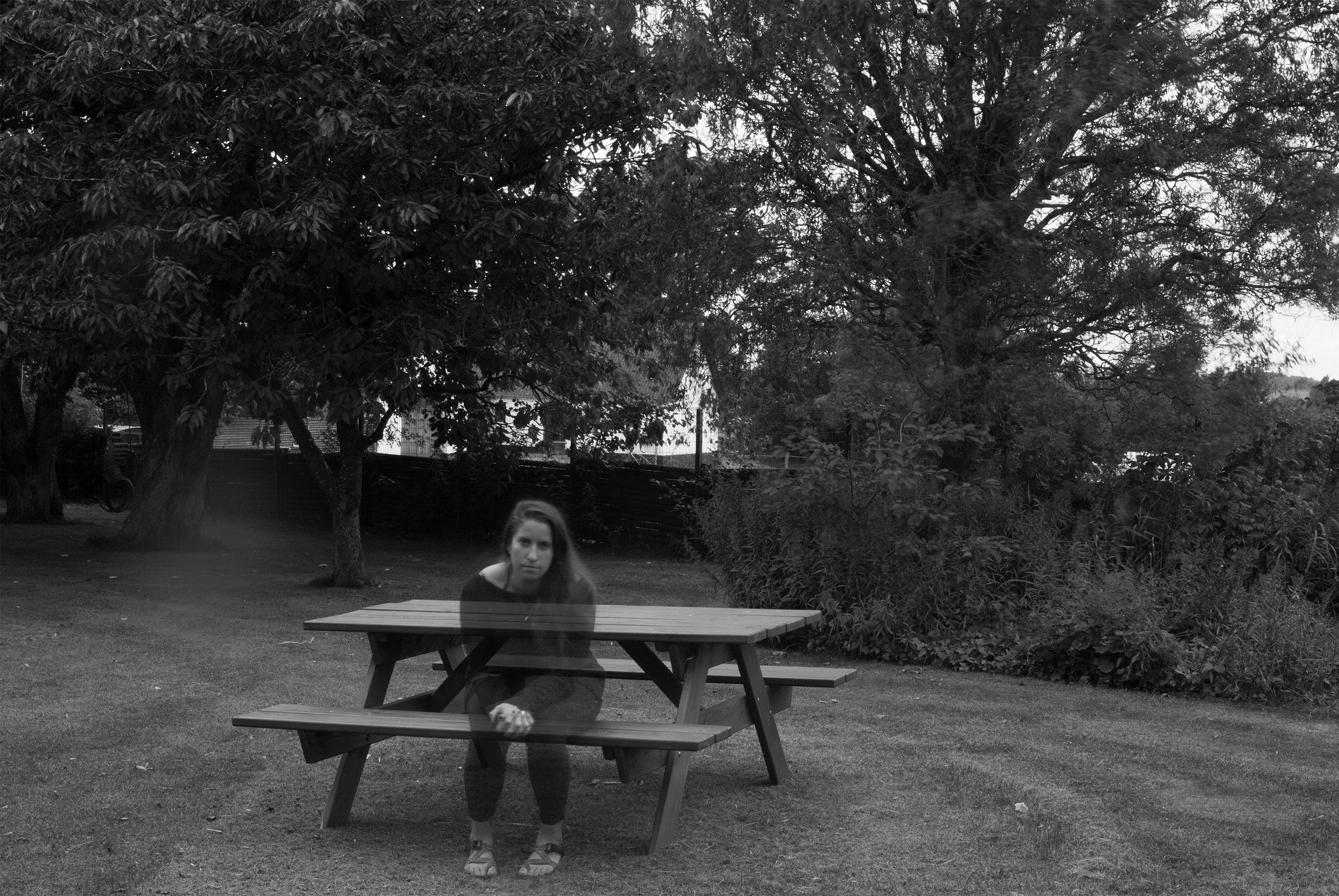
One of the hardest moments in family history work is what I call the silence gap. It’s that point when the people who lived the stories are no longer here to tell them. The firsthand voices have quieted, and we’re left wondering how much we’ve lost.
But the truth is, even when storytellers are gone, their lives don’t have to vanish with them. With care and creativity, you can still piece together a vivid, meaningful picture of who they were and what their world looked like.
Where to look for clues when stories are missing
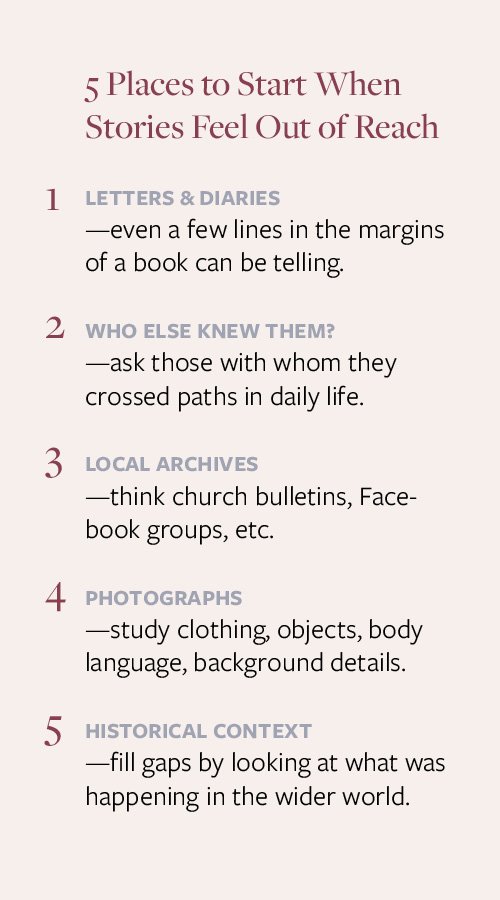
Letters and Diaries
Private writing—whether it’s a carefully kept journal, a series of letters, or a few lines scrawled in the margins of a book—is often the most direct glimpse into a person’s inner life. Look for tone, handwriting style, even what’s left unsaid. (And even if you glean minimal details towards a story, I promise you’ll feel closer to them upon discovering such personal writing!)
Oral Histories from Others
Sometimes the people who knew your loved one best weren’t family at all. Neighbors, classmates, coworkers, or fellow congregants may hold memories worth recording. Even a single anecdote can unlock perspective. (And if you feel shy about reaching out to someone you might not know so well for their memories, imagine this: Wouldn’t YOU feel touched to know you could offer that person something so special just by sharing memories of THEIR loved one?)
Community Archives
Don’t underestimate the power of local sources: synagogue or church bulletins, school records, town newspapers, civic directories, or Facebook feeds. These often capture the rhythms of daily life—and the names of people and families alongside them. (Social media, in this case, may have even greater potential than more traditional sources, as the interconnected web of people your loved one was connected to may surprise and delight!)
Photographs as Texts
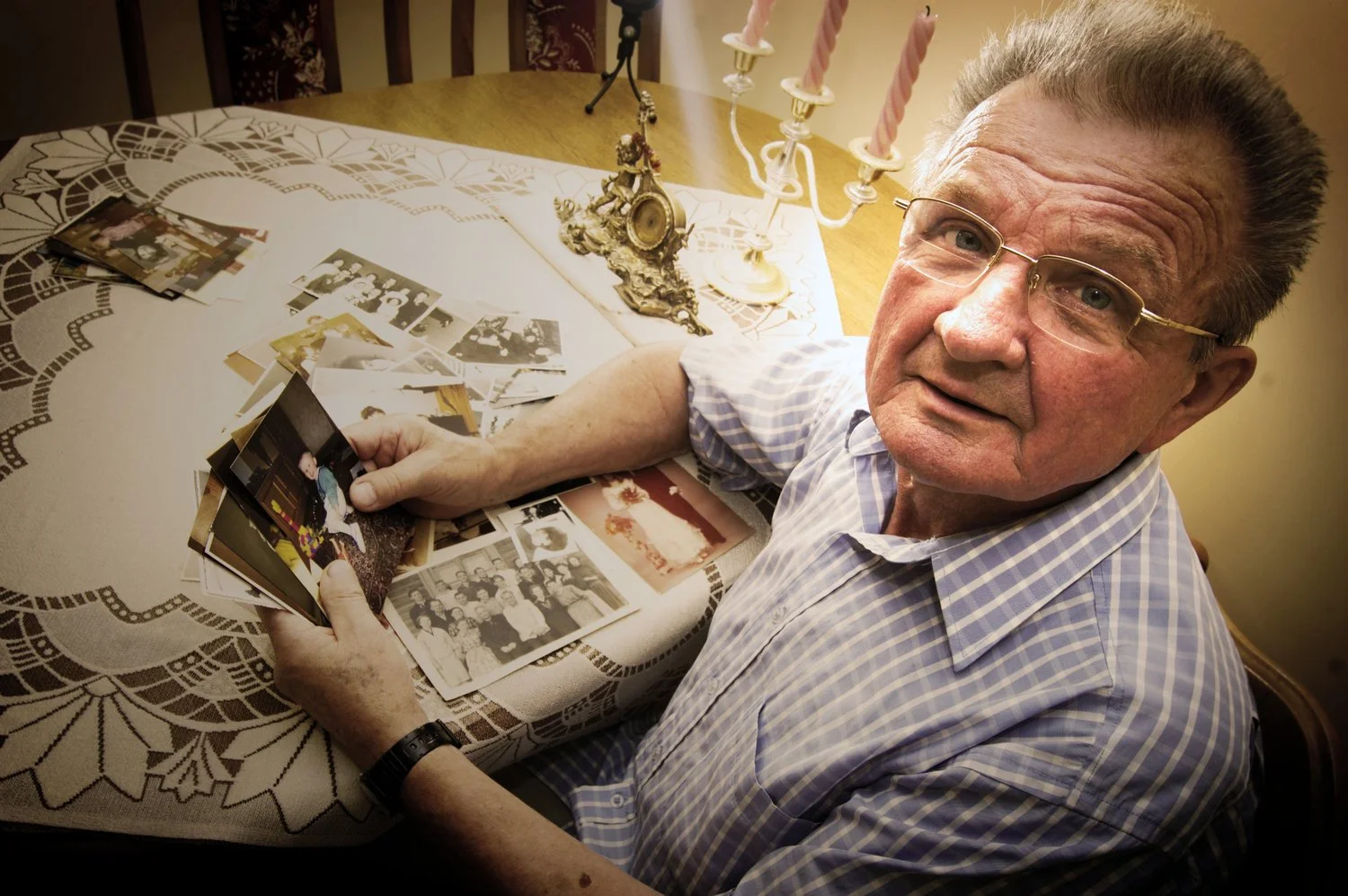
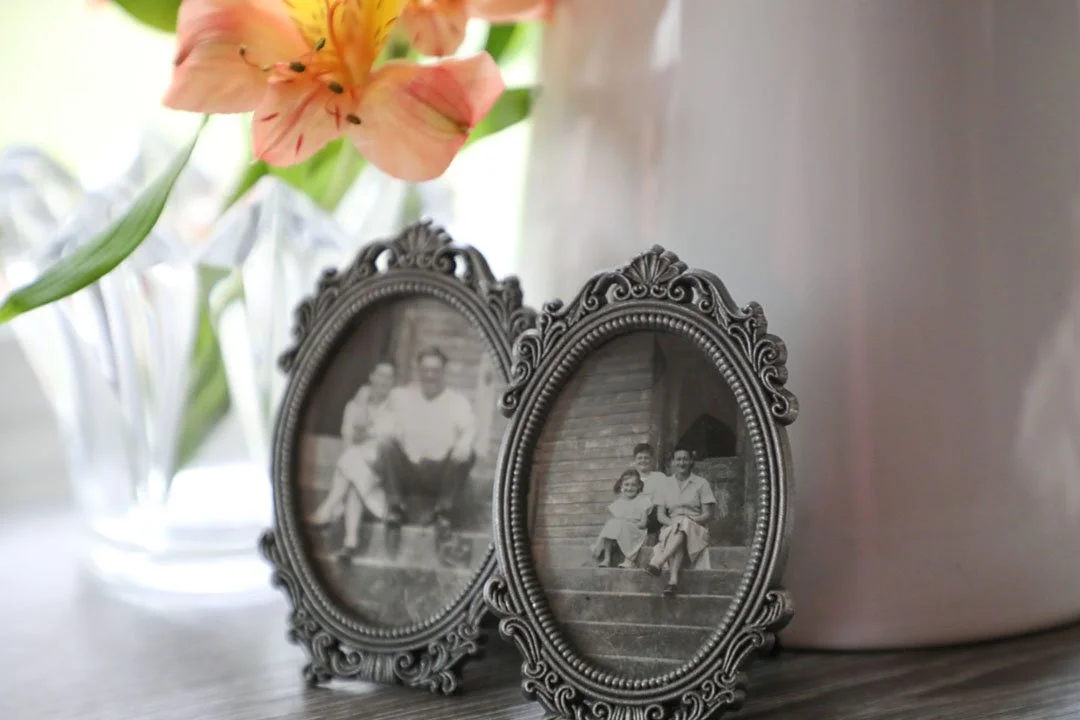
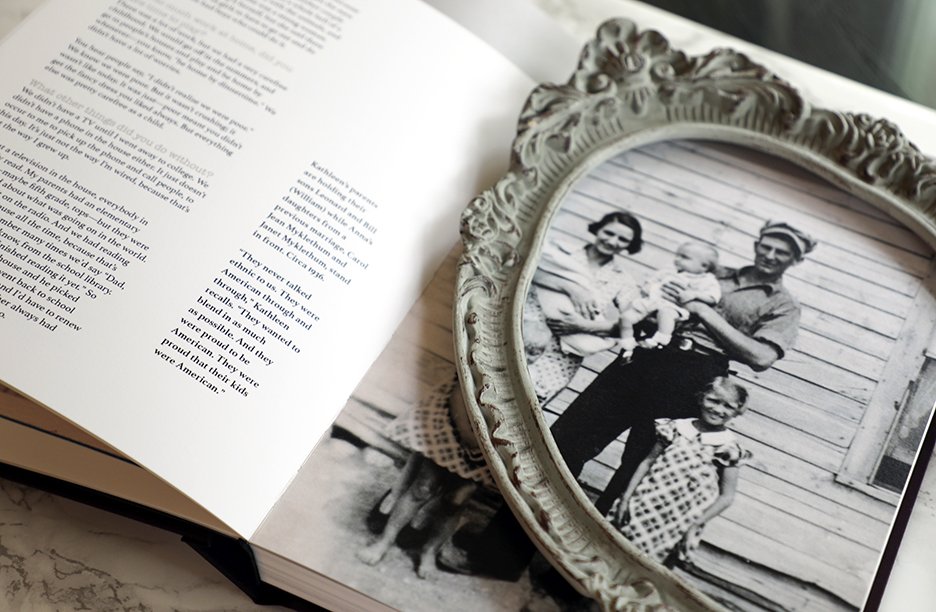
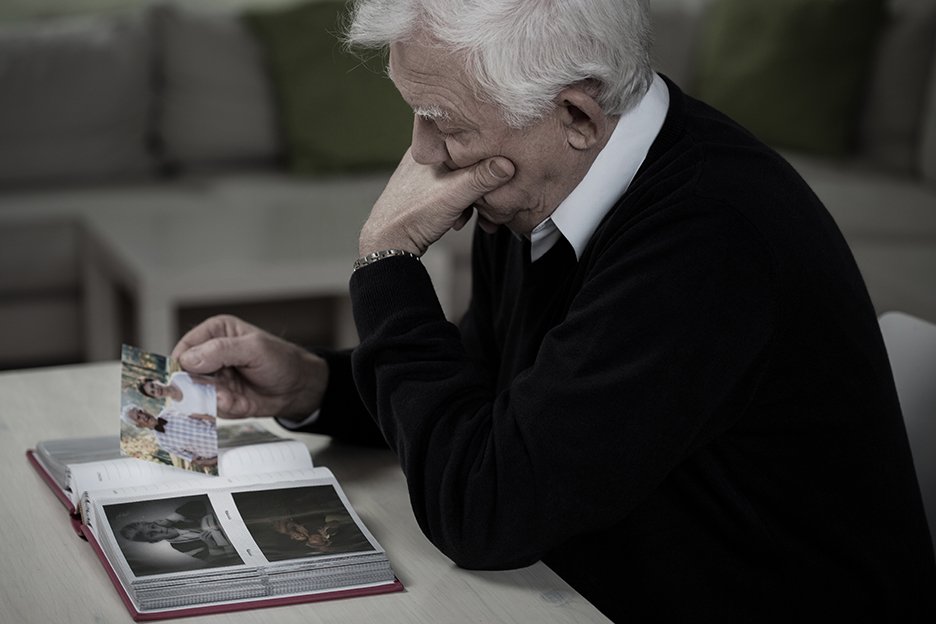
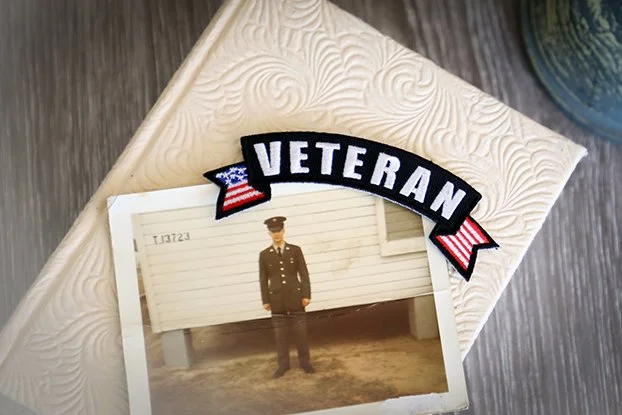
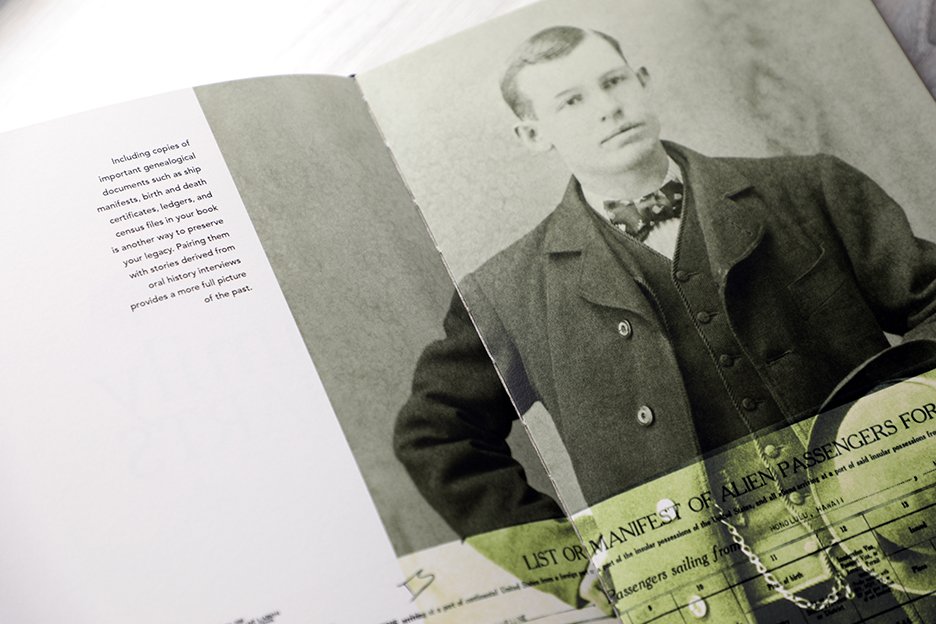
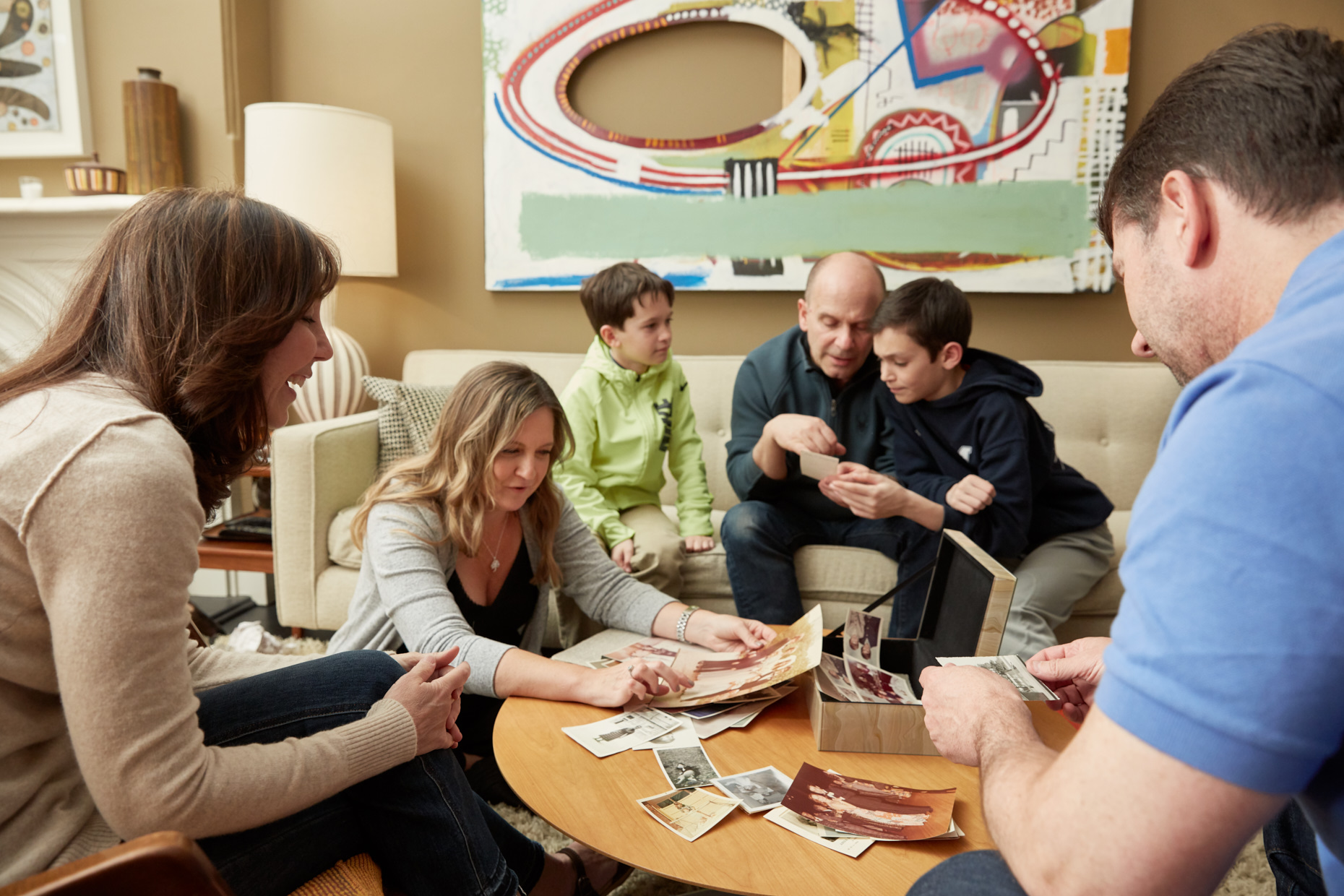
A photograph can be “read” almost like a document. Clothing, hairstyles, household objects, even the way people posed can reveal details about status, personality, and era. (Further reading for this one may prove super-useful: Check out this post for how to choose which photos may hold the best stories. and head here for specific guidance on how to write stories from your family photos.)
Historical Context
If the personal stories are sparse, zoom out. What was happening in their community, country, or the wider world at that time? Context can help you understand what shaped their decisions and daily routines. (If you love books, take a trip to your local library and ASK a librarian in person for their recommendations—it’s a great way to be surprised, and to tap into the wisdom of someone who is trained in the art of research!)
The challenge of the ‘silence gap’ in family history
A note on honesty: As you reconstruct a life, it’s important to be clear about what’s fact, what’s interpretation, and what’s imaginative filling-in. Transparency honors both the truth and the integrity of the storyteller’s absence.
The good news? Even when memories fade and voices fall silent, the story isn’t lost. By piecing together fragments—from a letter here, a photo there, a scrap of community history—you can create a portrait that honors your loved one and keeps their life present for future generations.
Why it’s important to record family stories while you can.
While it’s true that fragments can help us reconstruct the lives of those who are gone, the fullest, richest portraits come from listening directly to people while they are here. Every conversation we have now—every story told in a parent’s or grandparent’s own words—is a gift to the generations that follow.
At Modern Heirloom Books, my work centers on capturing these living voices before they become silent, preserving not just the facts of a life, but the humor, warmth, and humanity that no archive can ever fully replicate. So, please: Do what you can now to preserve your own stories. You’re loved ones will be blessed by that gift (and grateful to you for sharing it 😉).
















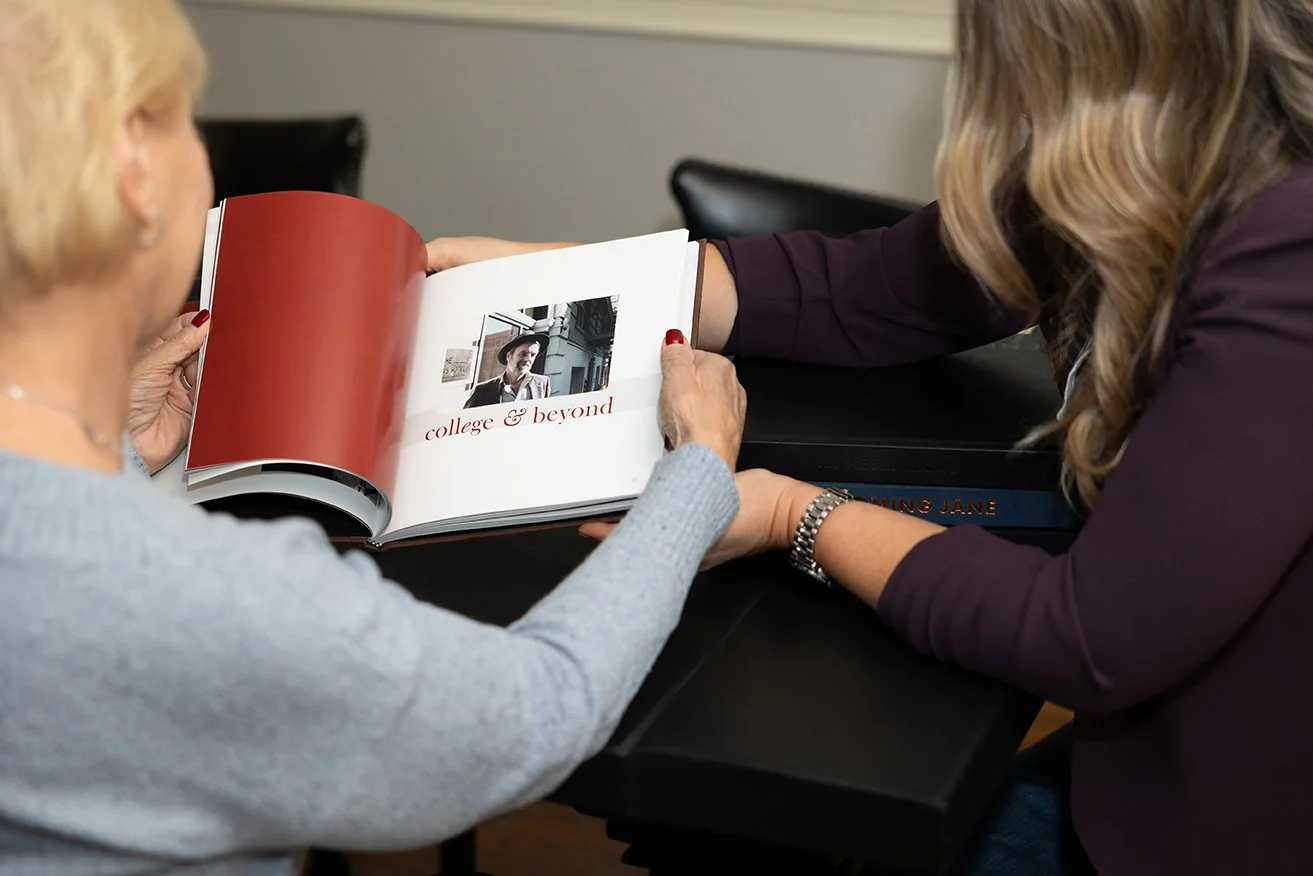



















Sharing family stories keeps memories alive. Discover how to extend your loved one’s legacy—and meaningful ways to share your finished book.