
The power of sharing family stories
After years of work gathering photos, transcribing interviews, or shaping a loved one’s life into a book, the moment of completion can feel both satisfying and strangely empty. You’ve poured your heart into preserving their story—now what?
For many of my clients, the answer lies in sharing.
When you share a loved one’s story, you’re not closing a chapter. You’re extending it. You’re allowing their life to ripple outward—to inform, inspire, and comfort those who come after. In a sense, storytelling becomes its own continuation of relationship: a way to keep the tether alive between generations.
Oh, and it’s one of the most joyful things you can do!
The continuing connection
Telling someone’s story publicly or within your family can feel like reintroducing them to the world. Each time their name is spoken, their image held, or their story retold, they live again—not just in memory, but in action and influence.
Stories have a way of finding their place. A grandchild reads a passage and suddenly understands the origin of a family value. A friend finds courage in a story of resilience. A community member recognizes a shared history. What once lived privately on your desk becomes a bridge to others.
Why sharing matters
It Transforms Grief into Generosity.
Sharing the story moves it from a private expression of loss to a gift of love and learning, and it keeps their spirit alive—for you, for their loved ones, and for their descendants.
It Strengthens Family Identity.
When descendants know where they come from—not just the facts, but the wisdom and lived experiences that came before them—they carry that knowledge with confidence and empathy.
It Invites Reflection and Dialogue.
Family members often begin sharing their own memories, adding richness to the story you thought was finished. (If I had to choose, I’d say THIS is my favorite aspect of story sharing…it’s contagious!)
It Expands theIR Legacy.
What was once a tribute becomes a touchstone. Future generations can return to it again and again, finding new meaning as their own lives evolve.
Ways to share once your book is complete
Host a Family Gathering or Reading.
Gather relatives to celebrate your finished family history book. Read a few favorite excerpts, tell behind-the-scenes stories from the project, and invite others to share memories.
Create a Digital Version.
Scan or photograph key pages to share with distant family members or post excerpts privately online. (Here at Modern Heirloom Books, every bound print volume comes with a digital version of the book, both for backup and for sharing.)
Gift Copies to loved ones.
Thoughtfully Include a handwritten note inside each copy, explaining what part of the story most moved you—or what you hope it will mean to the recipient.
Two suggestions from my years of working with clients:
➡️ Either write on the endsheets or title page if it’s a short dedication; or use archival glue to adhere the envelope to the inside back cover and tuck your handwritten note inside—both approaches will ensure your sentiments are never separated from the book.
➡️ Order more books than you think you need! Privately published books are often printed in short runs, and it’s challenging—and more expensive—to go back and print more. If cost is a major concern, consider printing extras as softcovers.Record Oral Readings.
Use the book as a script for audio or video recordings—either record individual stories or chapters as discrete podcast episodes, or turn the whole narrative into an audiobook. A familiar voice reading aloud adds a new layer of intimacy. (And technology makes it easier than ever to record quality audio!)
Partner with a Local Institution.
Donate a copy to a library, historical society, or cultural archive. Your family’s story may illuminate a piece of community history. (If your book includes stories and photos of family members who are still living, get their permission first—and respect their wishes if they prefer for the book to be kept private.)
Create a Companion Keepsake.
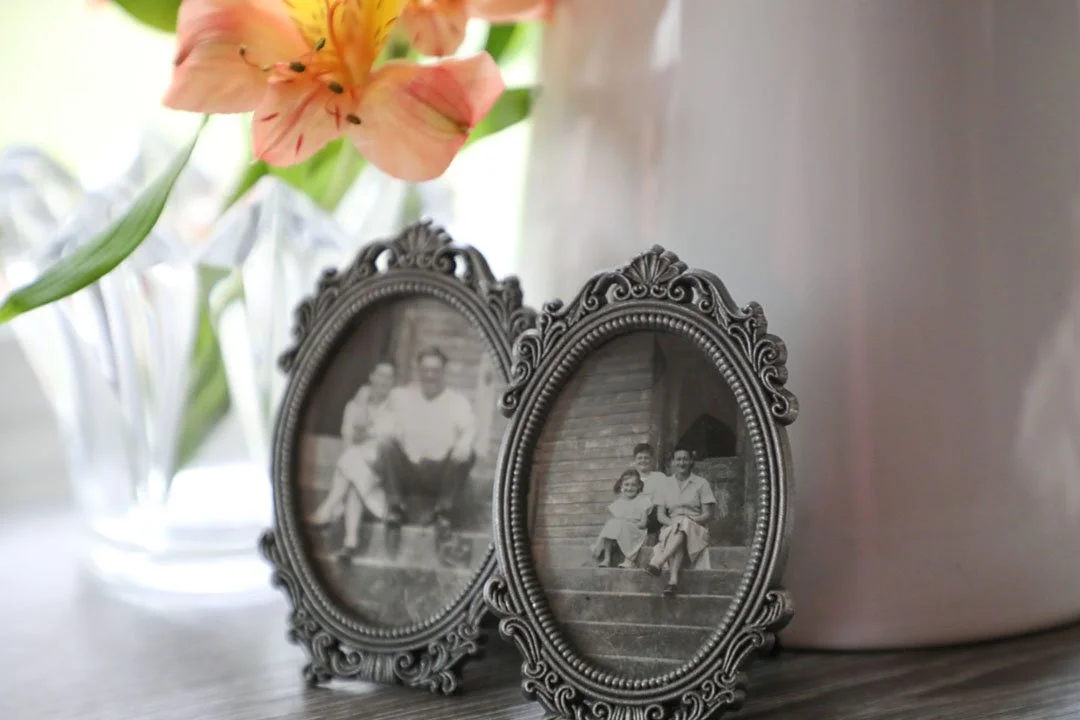
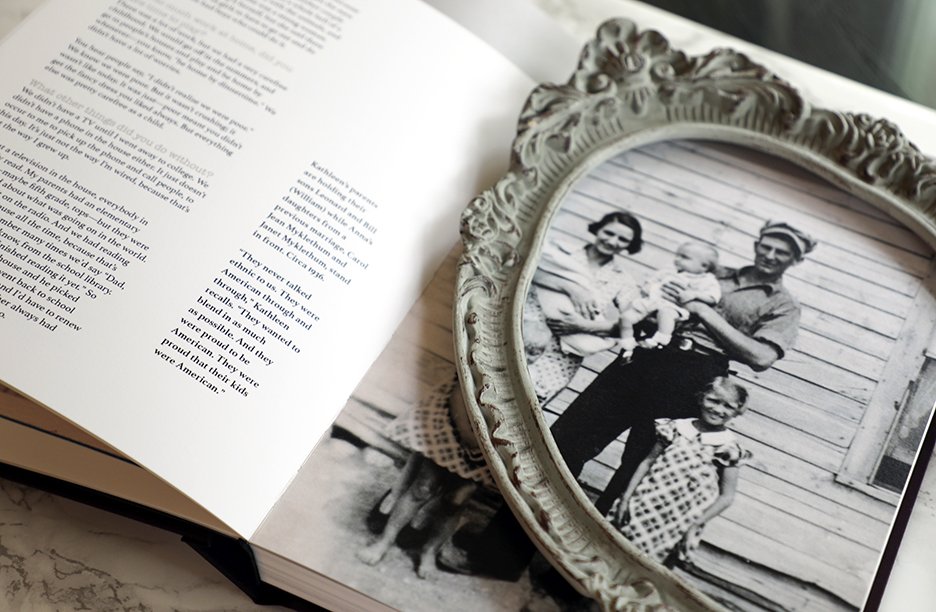
Pair the finished book with a framed photo, a family recipe, or a meaningful object. These small tokens extend the emotional life of the story, and make for an even more special gift-giving experience!
A legacy shared is a legacy alive
Finishing a family history project is not the end of a relationship—it’s the beginning of a new kind of connection. When you share the story you’ve so carefully preserved, you’re giving others the chance to know, remember, and continue the conversation.
The story no longer belongs just to you—and that’s the beauty of it. It lives in the hands, hearts, and words of everyone who receives it.
P.S. I wrote this post about sharing the stories you’ve preserved about your family members, but OF COURSE it applies to sharing your OWN stories, too. Celebrate the life you’ve lived…and the ways you’ve chosen to bind it in the pages of a book ❤️❤️❤️ Your family will thank you.
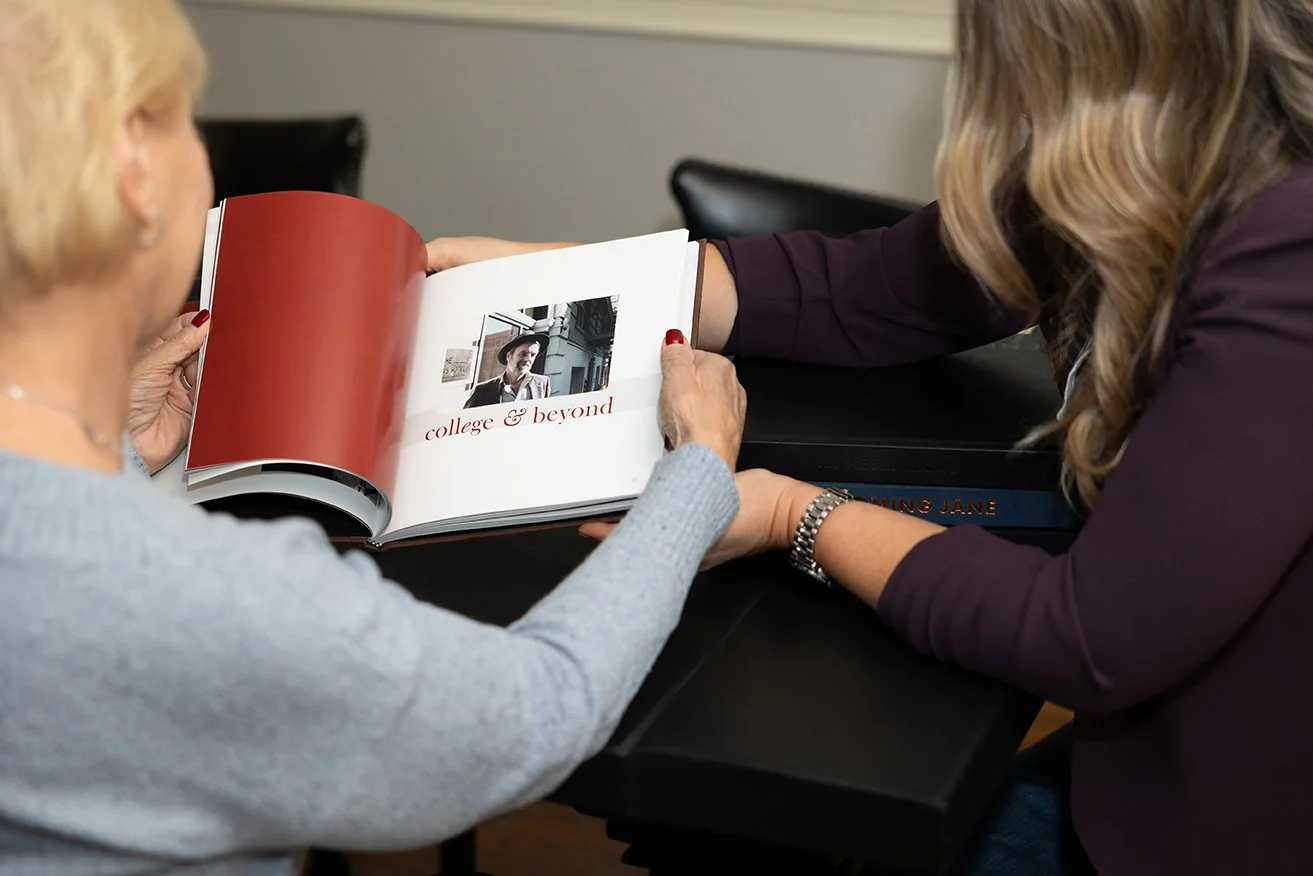
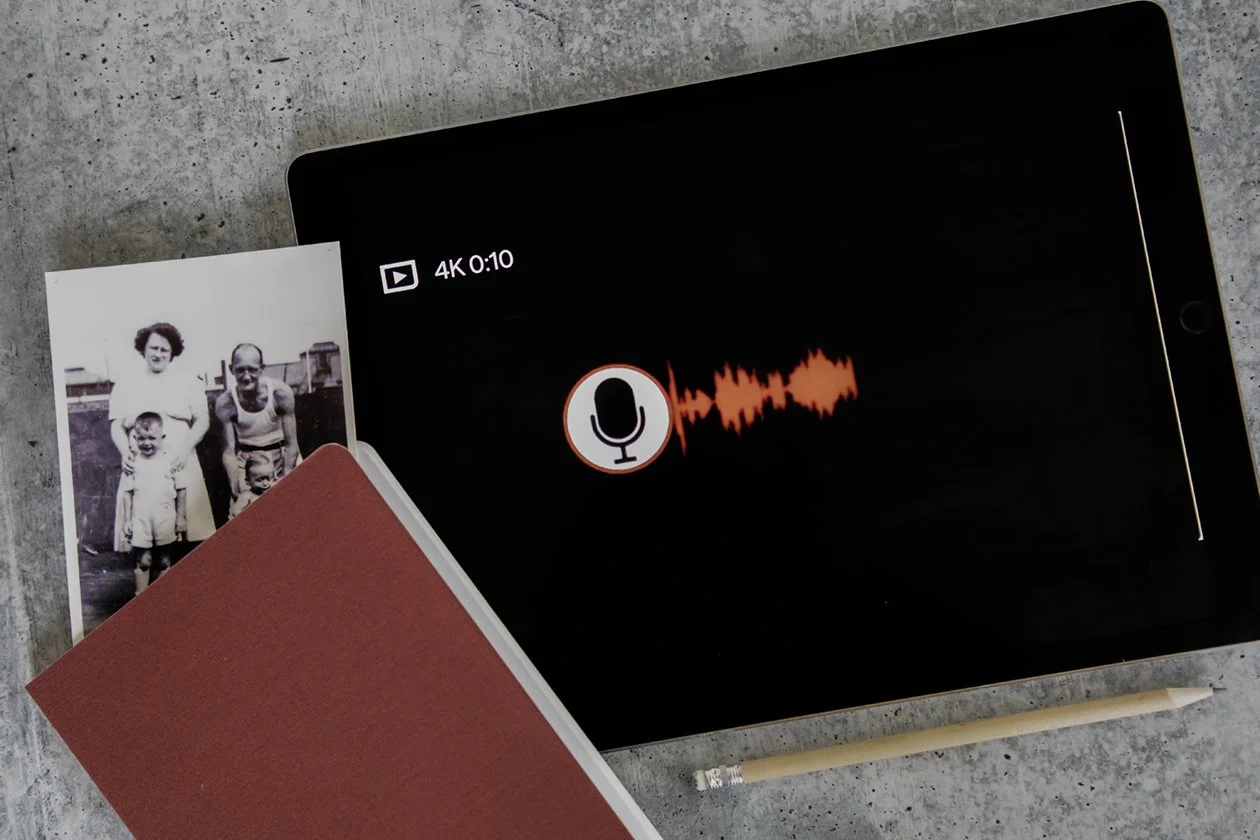
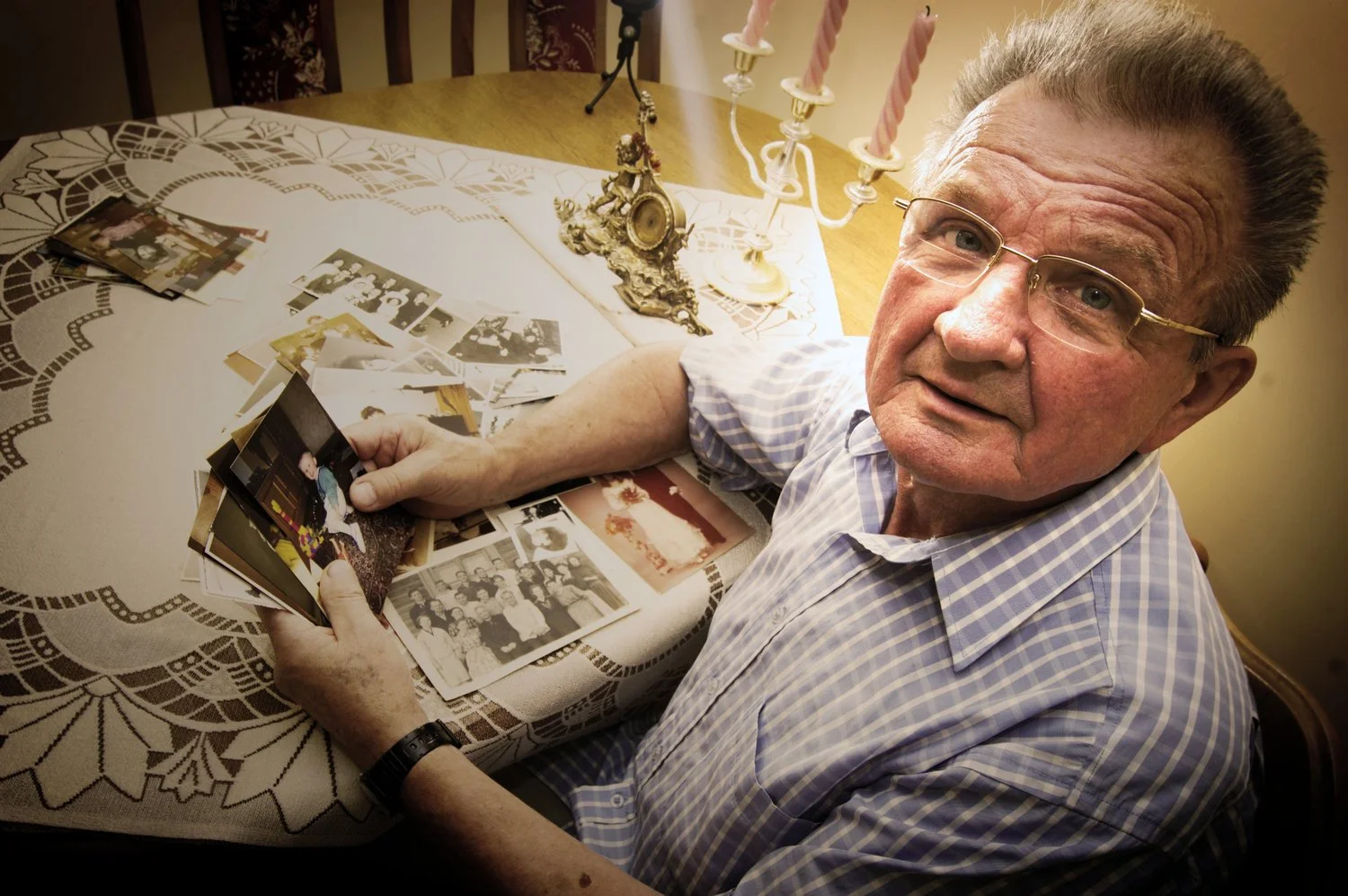






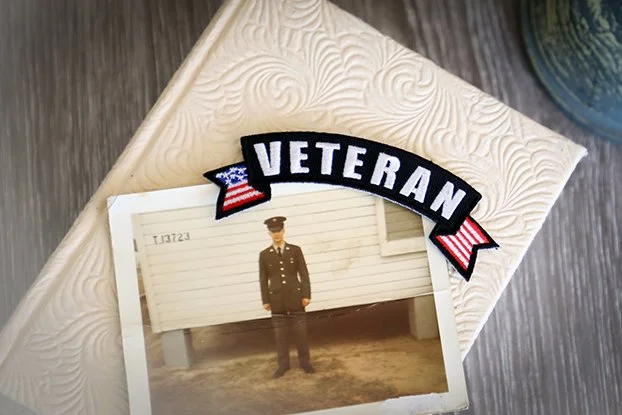


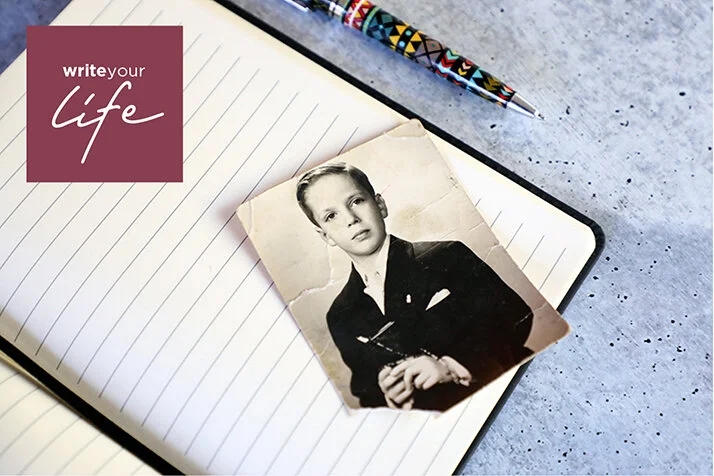




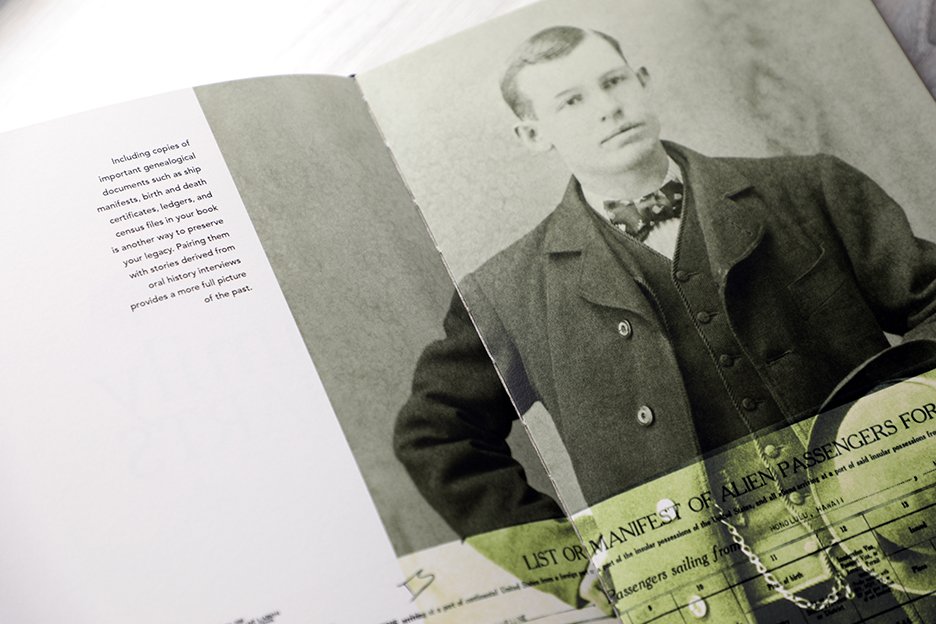



















Sharing family stories keeps memories alive. Discover how to extend your loved one’s legacy—and meaningful ways to share your finished book.