3 ways to bring an oral history interview to life
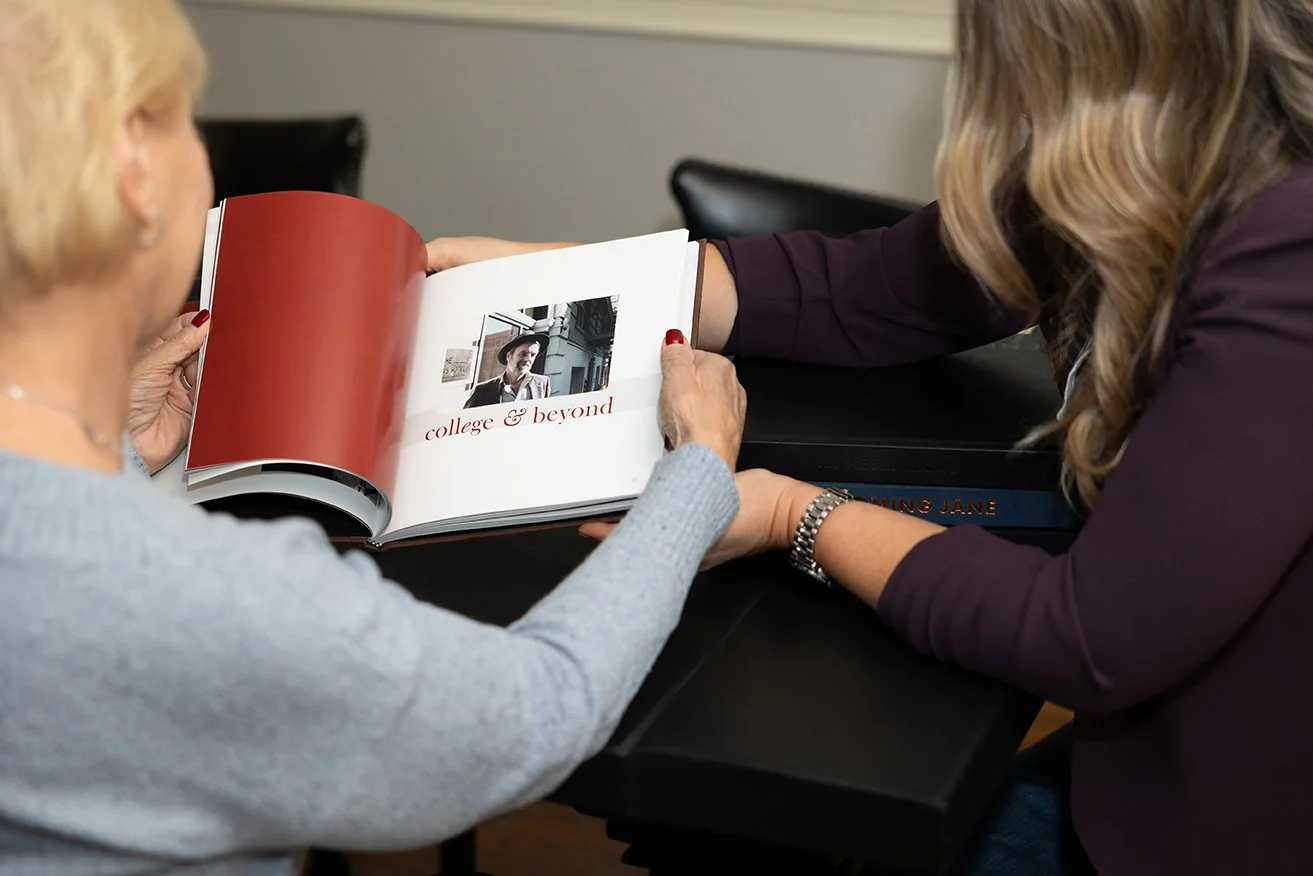
The type of family history interview you have conducted—and what other materials you have to help tell the story—will help you determine which route to take for transforming a straightforward interview into a lasting (and engaging!) legacy.
This post continues our series on preserving oral histories. If you haven’t yet read “Preserving Audio and Video Interviews: From Recording to Storytelling,” start there for tips on how to record, store, and safeguard your interviews before you begin shaping them into something new.
Once you’ve recorded an oral history interview—and backed it up, transcribed it, and maybe even listened again with a cup of tea—you might wonder: What now?
An interview is a living document. It’s filled with stories, emotion, and sometimes meandering details that don’t immediately fit together. But with care and a few creative choices, you can turn that conversation into something your family will actually return to—not just once, but for generations.
Here are three ways to shape your recorded interview into a lasting, shareable legacy.
1. Edit the transcript into a first-person narrative.
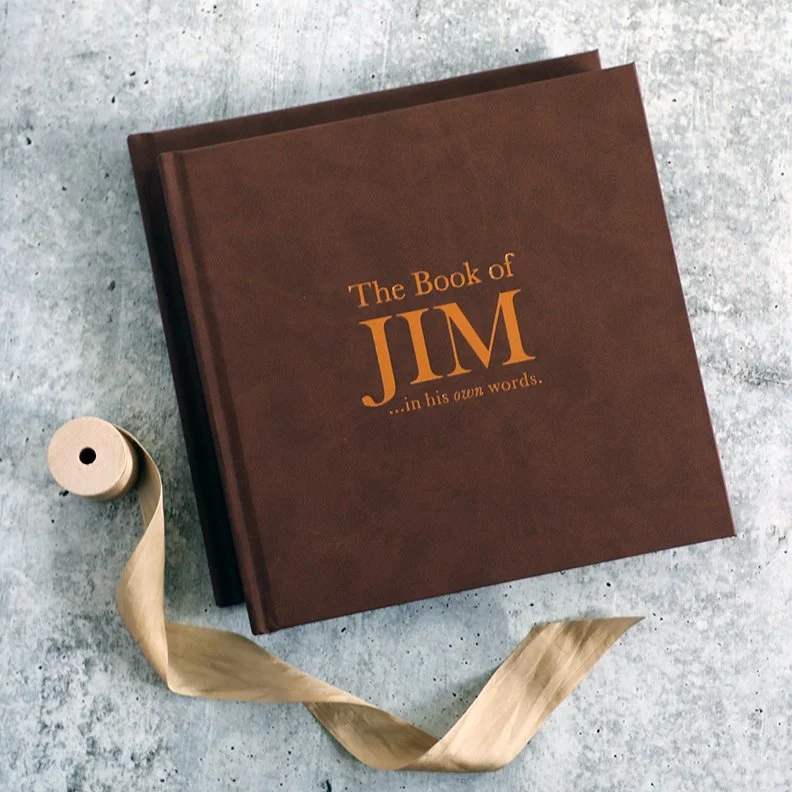
This approach keeps the speaker’s voice front and center—just as it sounded in conversation—while giving it structure and flow.
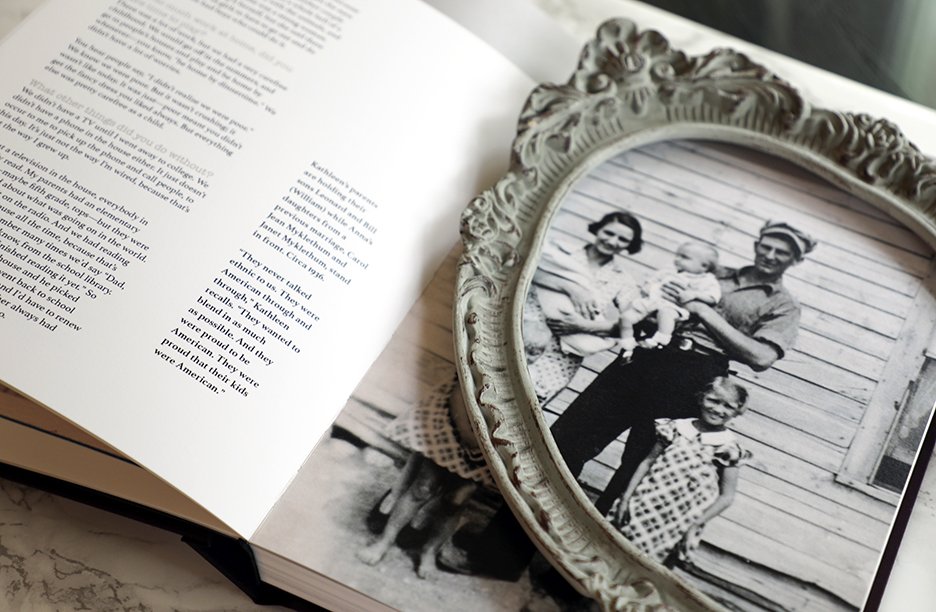
Lightly edit the transcript to remove filler words and small repetitions, then organize the story into natural sections. You might add short third-person lead-ins or subtitles to introduce themes and transitions (“In her early years,” “Life during the war,” “Finding her way in America”).
It’s also perfectly fine to rearrange the content so that related memories sit together—for example, gathering all stories about childhood, even if they appeared in different parts of the original interview.
Think of it as the kind of skillful editing used in magazine Q&As that combine multiple conversations into a seamless piece. The goal isn’t to alter the speaker’s story—it’s to clarify and honor it, allowing their personality and cadence to shine while helping the reader follow along more easily.
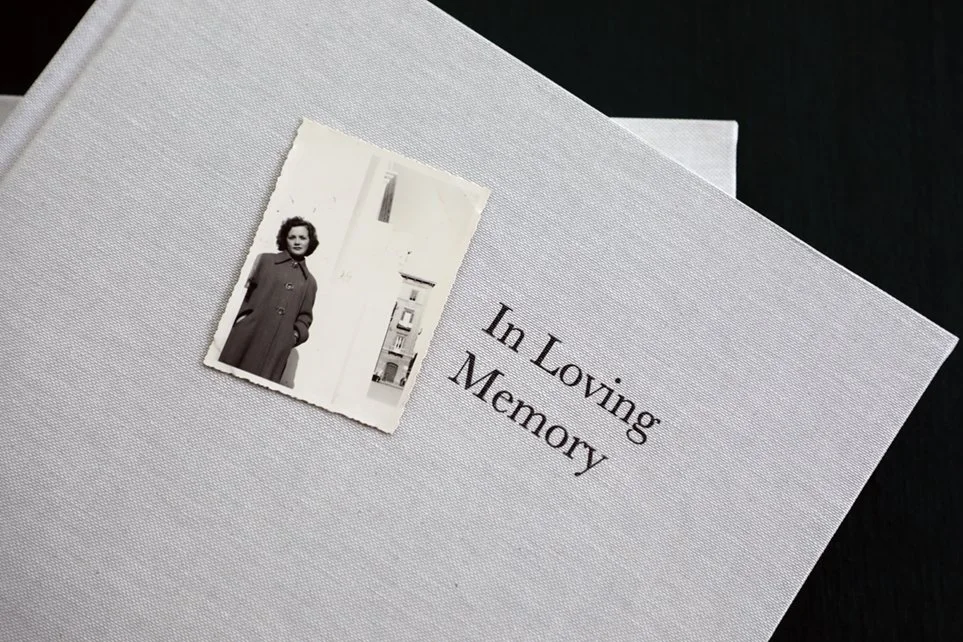
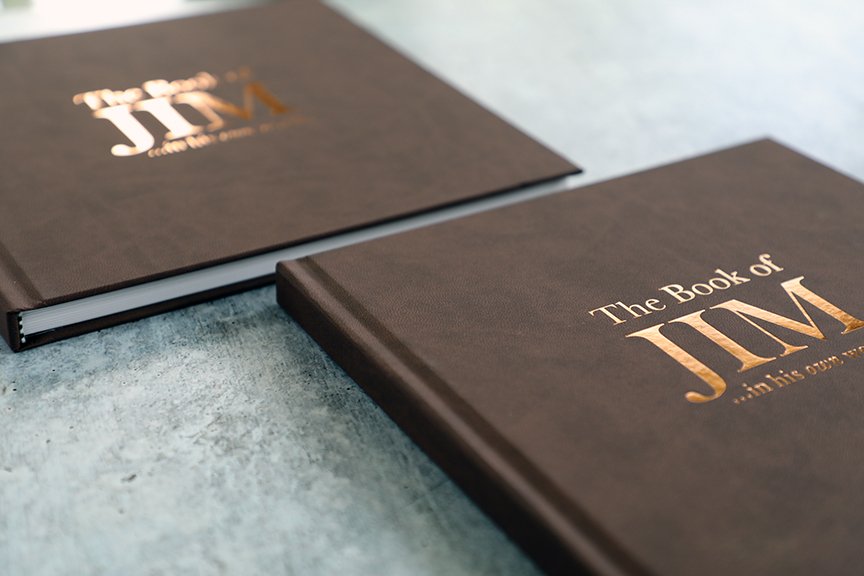
This format works beautifully in tribute books, family memoirs, and even framed story excerpts.
2. Create an edited audio file with themed chapters.
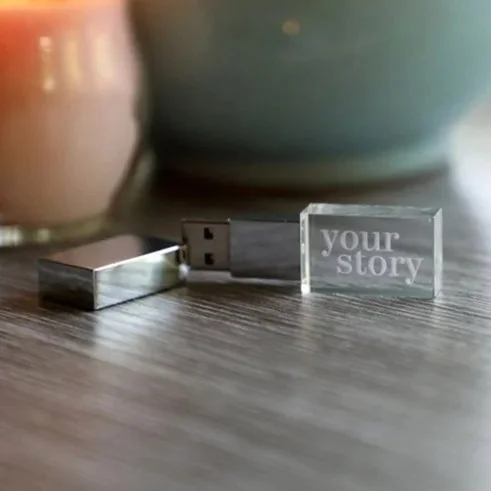
If you love the intimacy of a voice—the laugh, the accent, the pause before an emotional memory—consider turning your recording into a mini “family podcast.”
Using basic editing software like GarageBand, Descript, or Audacity, you can trim long pauses or tangents, then organize the audio into short themed chapters: Early Years, Marriage and Family, Work and Service, Reflections.
You might even add simple narration between segments, recorded by another family member—such as, “In this next section, Dad remembers his time stationed overseas.”
When complete, the result is deeply personal—a collection of spoken memories that future generations can hear exactly as they were told.
Save the edited audio file as both an .mp3 and .wav version, label it clearly, and share copies with your family or store it securely in the cloud.
3. Build a third-person narrative that weaves in the interview.
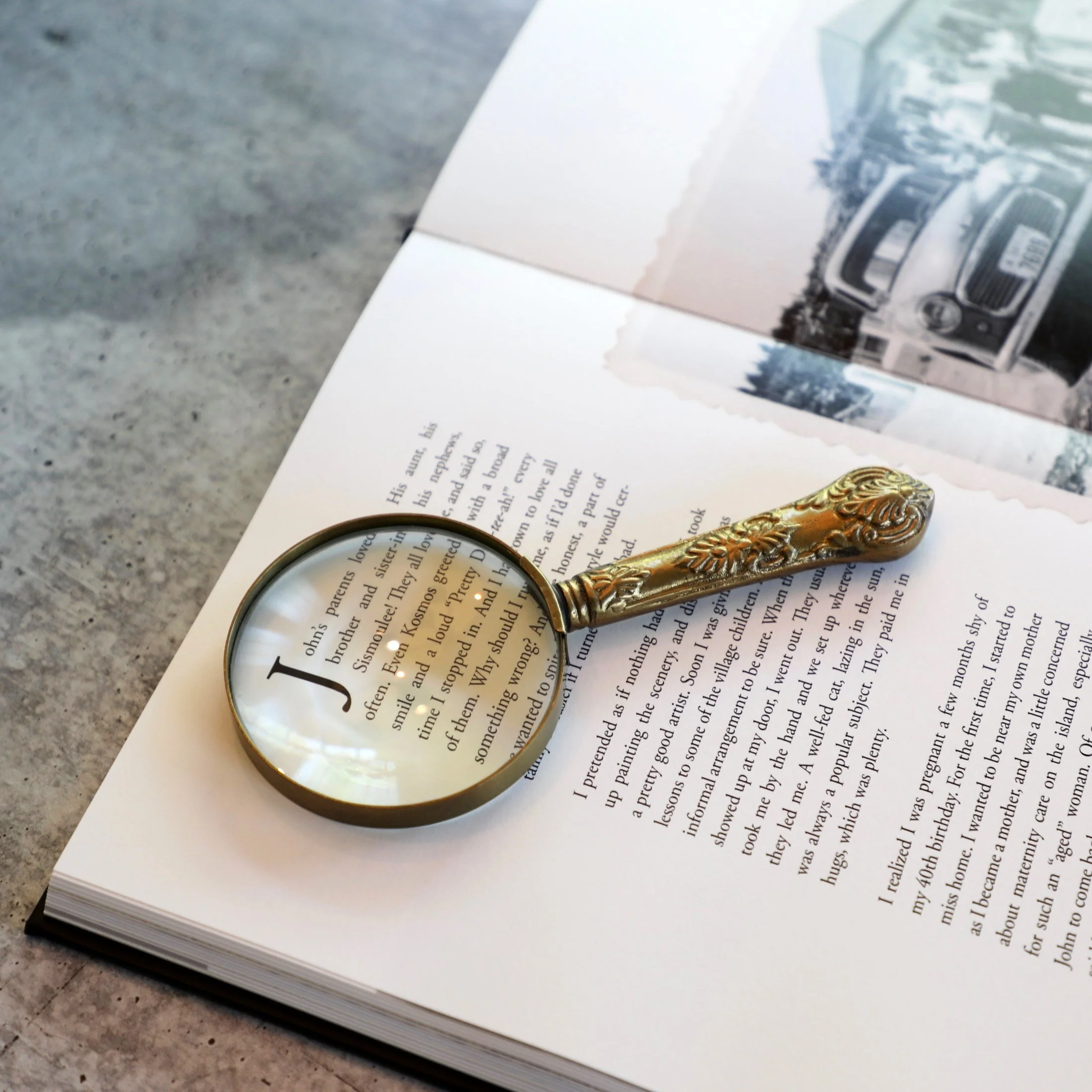
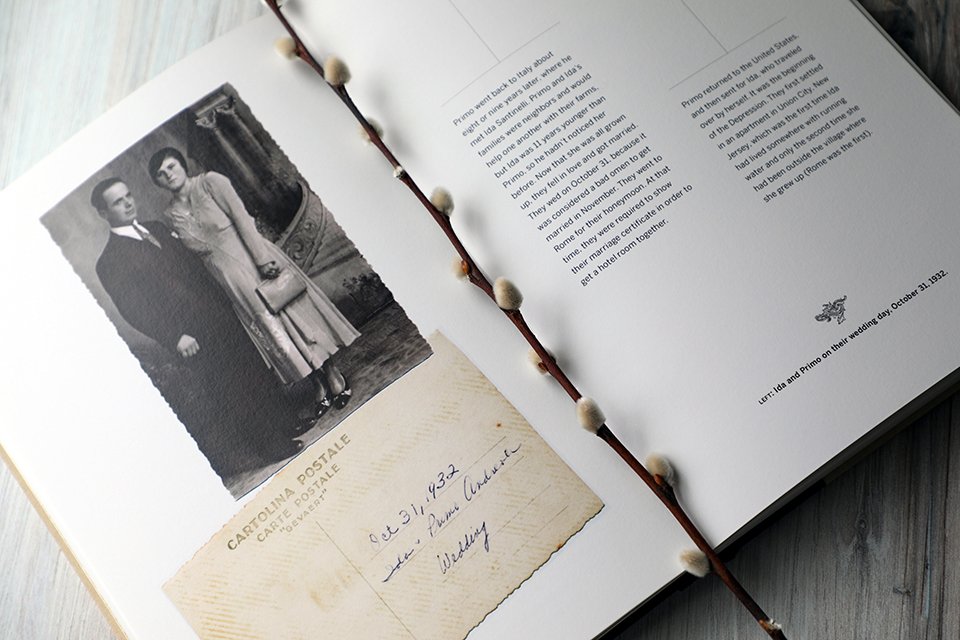
Sometimes an interview is only the beginning. If you’re working on a larger family history, you can use the transcript as a foundation for a narrative written in your own words—while weaving in select quotes to retain authenticity and voice.
This approach allows you to expand on the story through research, context, and reflection. Combine the interview with letters, photos, genealogy records, or other family members’ recollections. The result becomes a richly layered account—one that’s factual, textured, and emotionally true.
For example: “Ruth remembered her first years in Brooklyn as a blur of noise and possibility. ‘It felt like the city was breathing,’ she said—a far cry from the quiet village her family had left behind.”
This format works especially well in memoirs or heritage books where multiple voices and sources come together to form a single, coherent narrative.
An oral history is a gift—but it’s also raw material. Whether you shape it into a readable story, a personal podcast, or a written family chronicle, the goal is the same: to make the memories accessible, engaging, and lasting.
The stories you’ve recorded don’t truly come alive until they’re shared.
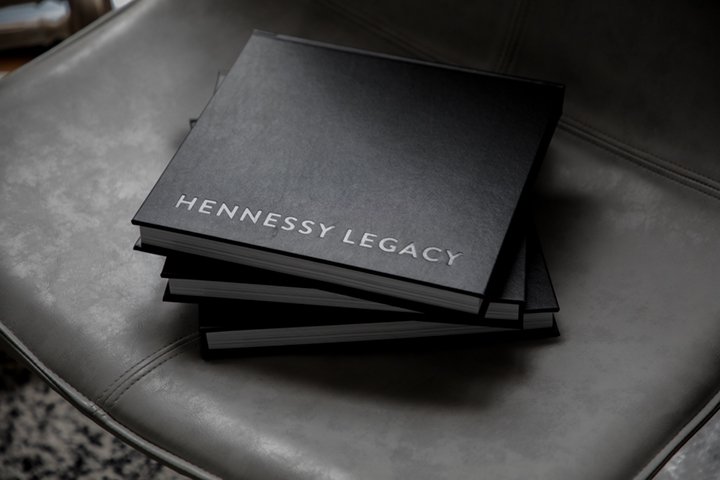
A book that captures your legacy should be designed with longevity in mind, so it remains engaging and accessible for generations. It should be beautiful, too.
Go beyond a memorial slideshow and honor your lost loved one in a more permanent way. These three ideas for tribute memory books are easier than you think.
A love letter (or book!) overflowing with memories makes a thoughtful anniversary gift. Here, 14 writing prompts to help you honor—and surprise—your partner.
You've just returned from a family trip and know you want to make a travel memory book—just not right now! Follow these easy steps so you'll be ready later.
Want to make creating a travel book easy when you return from your family vacation? Follow these steps for easier—and elevated—post-trip memory-keeping.
Whether your family heirloom collection consists of generations’ worth of antiques or a handful of sentimental items, catalog them for the next generation.
Here’s how to make a tribute book for their milestone birthday—your step-by-step guide to the most unique, thoughtful gift you can give someone you love!
After we record your personal history interviews, I craft your story and photos into an heirloom coffee table book—not a video, not an audio file. Here’s why.
From gathering recipes to editing, from design to printing, these steps will walk you through how to create a family cookbook to preserve your food heritage.
From life story books to a family history collection, from travel journals to heritage cookbooks, our founder lists 10 of her favorite heirloom book themes.
A family photo book without captions is nice—but one with captions is an heirloom. A primer on what type of captions to include and how to design them cleanly.
Give your loved ones a gift they will cherish for years to come—one that puts memories front and center. Here are 3 (doable!) ideas to inspire happy tears.
The best posts to help you with memory-keeping, including family history questions, memoir writing tips, family photo preservation ideas & heirloom book themes.
If you’ve wanted to create a surprise tribute book telling your loved one JUST how special they are but cost is a factor, consider asking contributors to chip in.
These 3 photo book themes make it easy to show someone how much they are loved! Perfect for surprise birthday and graduation gifts—or just because.
Knowing your family’s recipes are preserved for the next generation is reassuring. Adding stories and photos, too, brings your food heritage to life. Start here.
When you want to cap off a milestone birthday party with a most meaningful gift, consider an heirloom birthday tribute book oozing with love and memories.
Writing a tribute book is a meaningful way to create a lasting legacy for a lost loved one. These expert tips from a personal historian will help.
If you would like to document your family stories in an adoption journey book, here is a road map for what to save, how to record memories, and when to begin.
Our food memories—sneaking tastes of Nonna’s sauce from the pot, learning to grill ribs from Dad—are worth preserving. Ideas to easily capture stories & recipes.
Searching for a groom gift beyond the traditional watch or cufflinks? Surprise him with an heirloom book expressing your love and gratitude—meaningful, unique.
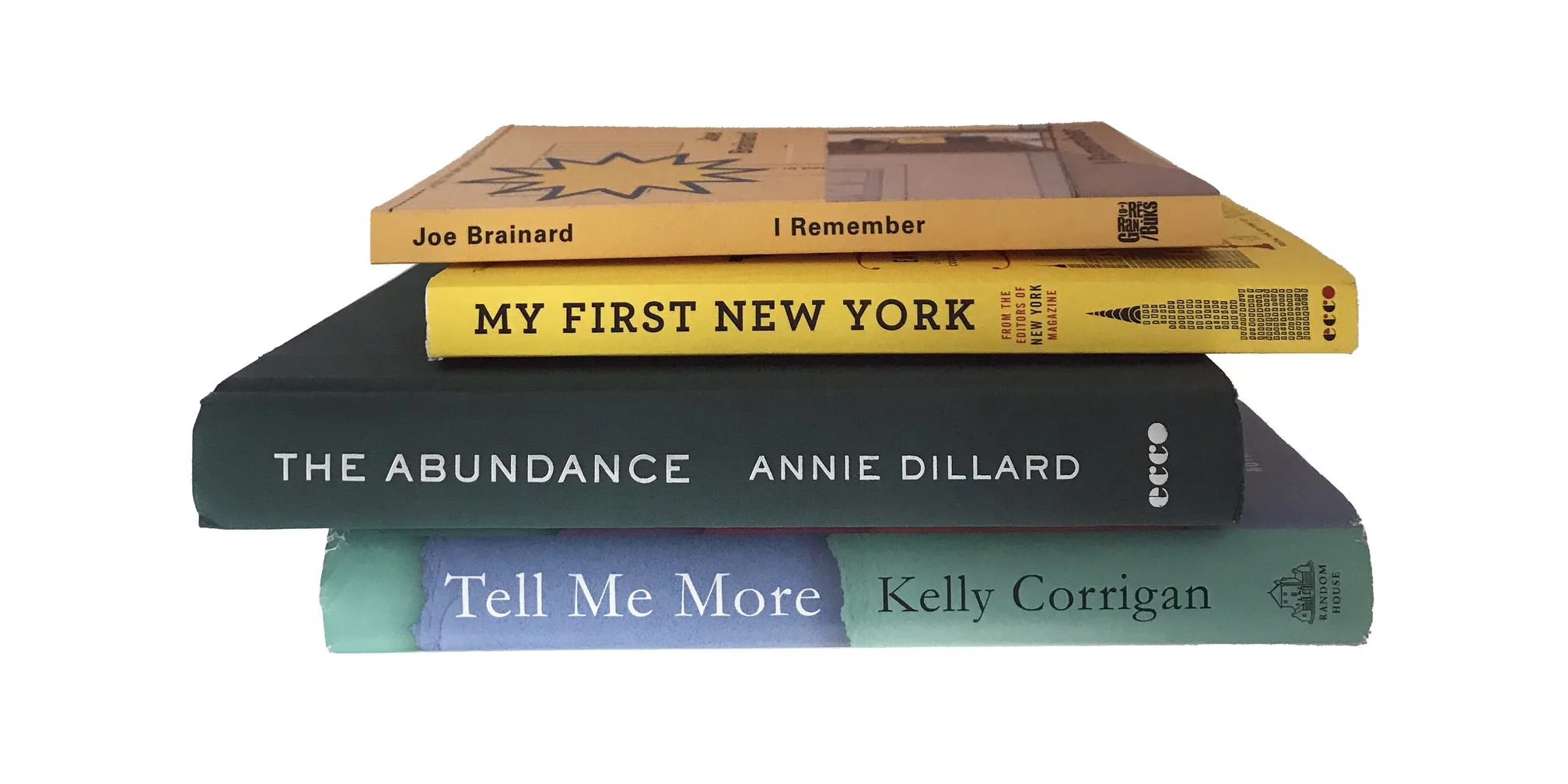
Memoir reading suggestions to inspire your own vignette-style life story writing, from Annie Dillard and Kelly Corrigan to Robert Fulghum and Sandra Cisneros.
In Part Two of our Life Story Vignettes Writing Prompts series, guidance on conducting a probing self interview as an entry point to your stories and memories.
In Part One of our Life Story Vignettes Writing Prompts series, we offer five specific exercises for writing about your memories by engaging all your senses.
Preserving the full story of your adoption journey may mean sharing some of the pain, too—but how much you include is a personal decision. We can guide you.
Do you want to preserve your family stories, but have no idea where to start? We’ve got six special life story book ideas to spark your imagination.
Modern Heirloom Books founder Dawn Roode on her journey from national magazines to bespoke life story books, plus the new signature product lines of books.
Sometimes it’s not a long narrative that most interestingly tells your story, it’s a simple list. How to use lists to add texture to your life story heirloom book.
No one will tell your life stories but you. Start with one, & go beyond sharing it: Do something with it! 5 ideas for preserving one chapter of your life story.
Learn how to record, transcribe, and store interviews with care. Tips on consent, ethics, and turning audio or video conversations into lasting family stories.
Whether you’re interviewing your parents about their childhood or gathering family history info from your grandparents, good follow-up questions are key.
No interest in family history? What if I told you there would be no research involved, no libraries, no family trees—just spoken stories? From mom, from dad?
Sitting both of your grandparents down together for a family storytelling session can be fun—but it’ll yield the best results if you follow these simple tips.
Steal these best practices from professional oral historians to make your next family history interview a success, plus how to set the stage for great stories.
Do you want to write your memoir but don't consider yourself a writer? Don't worry, there's another—easier—way to preserve them. Speak your life stories aloud.
Planning to conduct a personal history interview with a family member? Here are three effective first questions that guarantee their stories will flow freely.
A curated reading list for memory-keepers, memoirists, family historians & storytellers for the week of May 24, 2021, including inspiring first-person writing.
You might be surprised by how much your parents will open up—with fun stories, with meaningful lessons—when your kids interview them about their lives.
How to have meaningful conversation with your loved one on hospice, including the best life review questions & 4 things we all should say when someone is dying.
Use these food-themed family history questions as conversation starters or writing prompts to capture your cherished food memories for the next generation.
Even as families come together, many are still social distancing from family elders. Connect grandkids & grandparents with these cross-generational questions.
Don’t wait until it’s too late—have meaningful conversations with your parents about their past with questions designed to spark memories and make story sharing easy.
Watch recorded sessions from RootsTech 2020, the premier genealogy conference, from home: recommendations for family history storytelling videos and more.
A curated selection of first-person reads to inspire your own storytelling (or just sit back and enjoy!) plus memoir recommendations & life story writing tips.
Holocaust Remembrance Day prompts compelling first-person accounts; new memoir from Dani Shapiro; and two films that take life story narrative to new levels.
Family history questions for Christmas: 75 open-ended, specific interview questions to elicit powerful memories & stories from the older generation.
Family history questions for Thanksgiving: 55 open-ended, specific interview questions to elicit powerful memories & stories from the older generation.
Mid-story memoir sag, storyboarding as a writing tool, questions to spark Thanksgiving story sharing, and more of interest to family historians & memory-keepers
Encourage guests at your Thanksgiving gathering to share memories in addition to gratitude with these four ideas for holiday family history story sharing.
Watch the 2012 film Stories We Tell as much for the dramatic exploration of one family's narrative as for the questions it raises about the malleability of truth.
Stories on staying curious including a conversation starter card deck & ideas for family interviews, plus digging into family history via photos and stories.
Conducting family interviews is a great way to gather the stories of family elders and preserve family history for the next generation. Here are a few tips.
Podcast recommendations for life storytellers, creative entrepreneurs, oral historians, and anyone who loves a captivating first person story.
Learn how to transform oral history interviews into lasting keepsakes—from edited transcripts to personal podcasts and narrative family histories.