
Memories Matter
Featured blog Posts
READ THE LATEST POSTS
The power of sharing family stories
Sharing family stories keeps memories alive. Discover how to extend your loved one’s legacy—and meaningful ways to share your finished book.
After years of work gathering photos, transcribing interviews, or shaping a loved one’s life into a book, the moment of completion can feel both satisfying and strangely empty. You’ve poured your heart into preserving their story—now what?
For many of my clients, the answer lies in sharing.
When you share a loved one’s story, you’re not closing a chapter. You’re extending it. You’re allowing their life to ripple outward—to inform, inspire, and comfort those who come after. In a sense, storytelling becomes its own continuation of relationship: a way to keep the tether alive between generations.
Oh, and it’s one of the most joyful things you can do!
The continuing connection
Telling someone’s story publicly or within your family can feel like reintroducing them to the world. Each time their name is spoken, their image held, or their story retold, they live again—not just in memory, but in action and influence.
Stories have a way of finding their place. A grandchild reads a passage and suddenly understands the origin of a family value. A friend finds courage in a story of resilience. A community member recognizes a shared history. What once lived privately on your desk becomes a bridge to others.
Why sharing matters
It Transforms Grief into Generosity.
Sharing the story moves it from a private expression of loss to a gift of love and learning, and it keeps their spirit alive—for you, for their loved ones, and for their descendants.
It Strengthens Family Identity.
When descendants know where they come from—not just the facts, but the wisdom and lived experiences that came before them—they carry that knowledge with confidence and empathy.
It Invites Reflection and Dialogue.
Family members often begin sharing their own memories, adding richness to the story you thought was finished. (If I had to choose, I’d say THIS is my favorite aspect of story sharing…it’s contagious!)
It Expands theIR Legacy.
What was once a tribute becomes a touchstone. Future generations can return to it again and again, finding new meaning as their own lives evolve.
Ways to share once your book is complete
Host a Family Gathering or Reading.
Gather relatives to celebrate your finished family history book. Read a few favorite excerpts, tell behind-the-scenes stories from the project, and invite others to share memories.
Create a Digital Version.
Scan or photograph key pages to share with distant family members or post excerpts privately online. (Here at Modern Heirloom Books, every bound print volume comes with a digital version of the book, both for backup and for sharing.)
Gift Copies to loved ones.
Thoughtfully Include a handwritten note inside each copy, explaining what part of the story most moved you—or what you hope it will mean to the recipient.
Two suggestions from my years of working with clients:
➡️ Either write on the endsheets or title page if it’s a short dedication; or use archival glue to adhere the envelope to the inside back cover and tuck your handwritten note inside—both approaches will ensure your sentiments are never separated from the book.
➡️ Order more books than you think you need! Privately published books are often printed in short runs, and it’s challenging—and more expensive—to go back and print more. If cost is a major concern, consider printing extras as softcovers.Record Oral Readings.
Use the book as a script for audio or video recordings—either record individual stories or chapters as discrete podcast episodes, or turn the whole narrative into an audiobook. A familiar voice reading aloud adds a new layer of intimacy. (And technology makes it easier than ever to record quality audio!)
Partner with a Local Institution.
Donate a copy to a library, historical society, or cultural archive. Your family’s story may illuminate a piece of community history. (If your book includes stories and photos of family members who are still living, get their permission first—and respect their wishes if they prefer for the book to be kept private.)
Create a Companion Keepsake.
Pair the finished book with a framed photo, a family recipe, or a meaningful object. These small tokens extend the emotional life of the story, and make for an even more special gift-giving experience!
A legacy shared is a legacy alive
Finishing a family history project is not the end of a relationship—it’s the beginning of a new kind of connection. When you share the story you’ve so carefully preserved, you’re giving others the chance to know, remember, and continue the conversation.
The story no longer belongs just to you—and that’s the beauty of it. It lives in the hands, hearts, and words of everyone who receives it.
P.S. I wrote this post about sharing the stories you’ve preserved about your family members, but OF COURSE it applies to sharing your OWN stories, too. Celebrate the life you’ve lived…and the ways you’ve chosen to bind it in the pages of a book ❤️❤️❤️ Your family will thank you.

















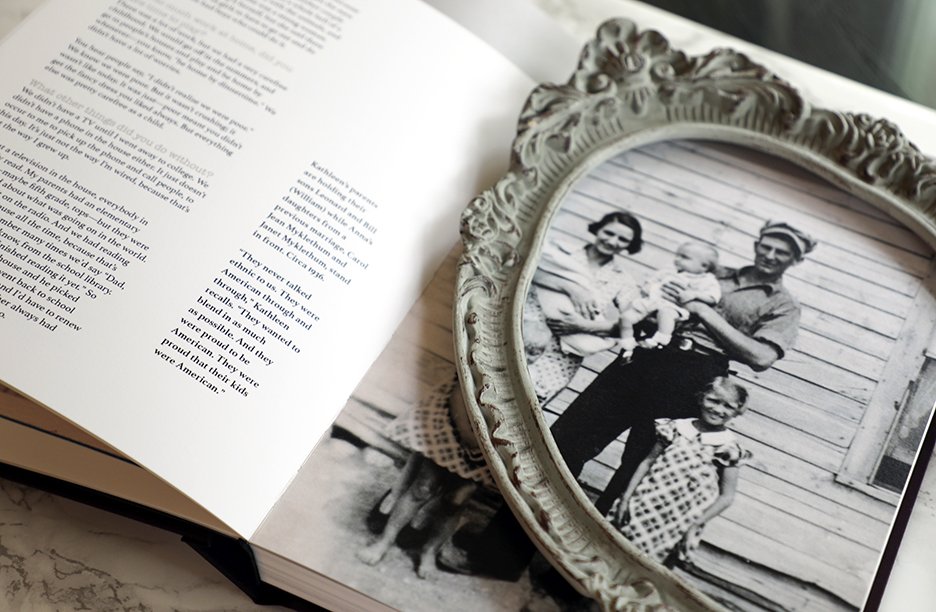



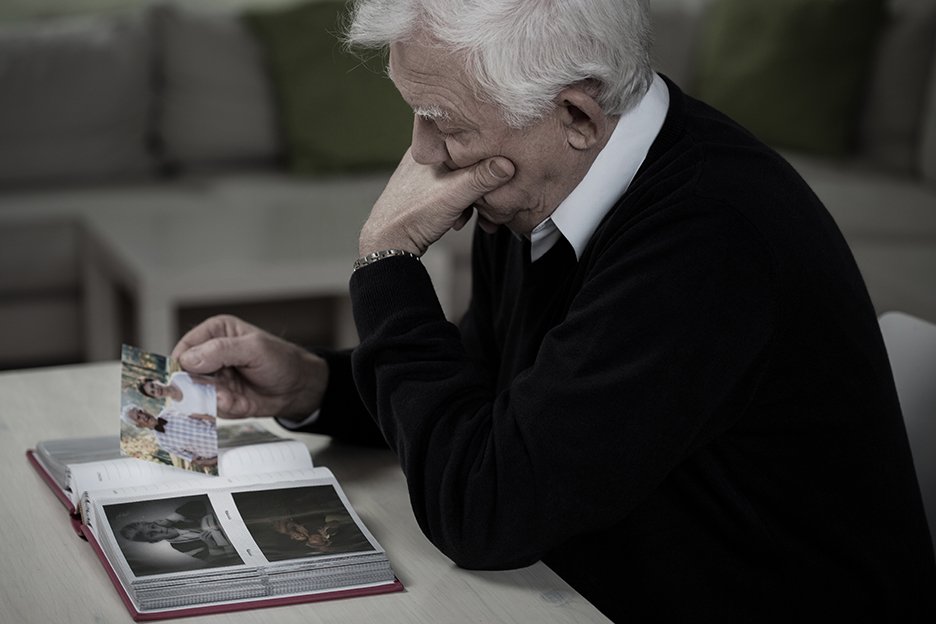
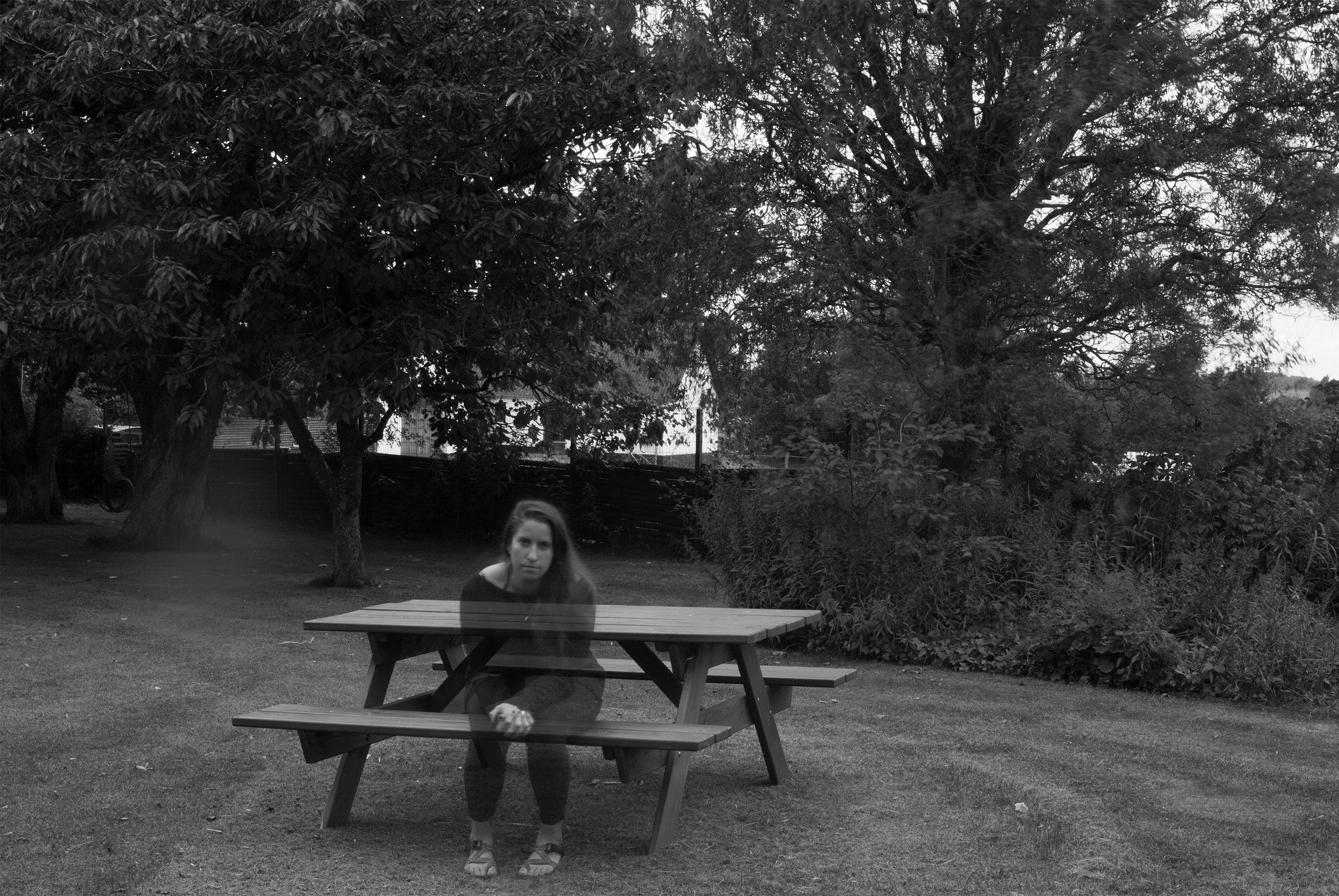






Preserving audio and video interviews: from recording to storytelling
Learn how to record, transcribe, and store interviews with care. Tips on consent, ethics, and turning audio or video conversations into lasting family stories.
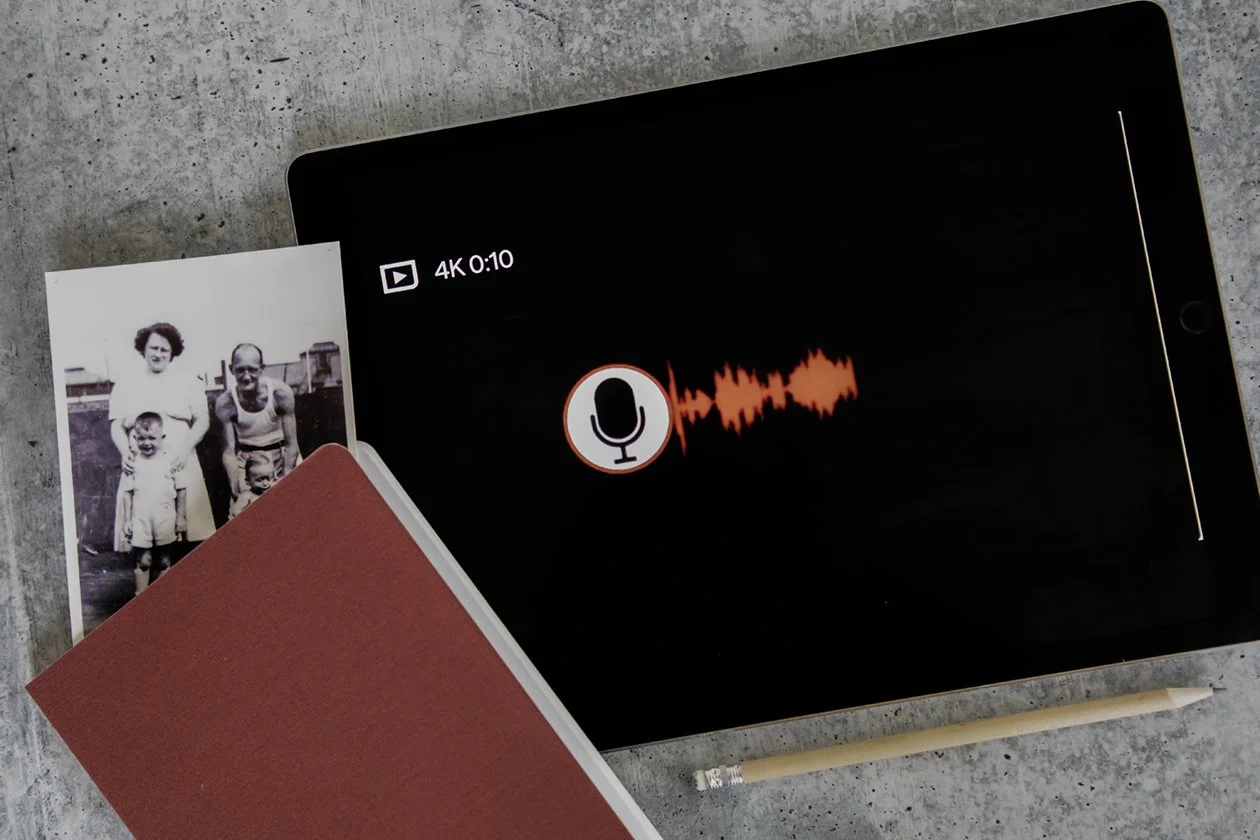
Recording a family history interview is as simple as using a voice recorder on a device such as a tablet or smart phone.
When someone trusts you with their memories—when they sit down in front of a microphone or camera and share their story—you’re holding something precious. But recording a great interview is only the first step. How you handle that recording afterward—from transcription to storage to storytelling—determines whether those memories will endure for years or disappear with a crashed hard drive.
At Modern Heirloom Books, I’ve learned that preserving interviews is as much about care as it is about craft. It’s about listening well, recording responsibly, and treating people’s stories with the respect they deserve.
Best practices for recording family history interviews
1. Recording with intention
The technical setup doesn’t have to be fancy, but it does have to be thoughtful.
Choose a quiet space. Avoid kitchens (appliances hum) and large echoey rooms. Soft furnishings, like curtains or carpets, help absorb sound.
Test before you begin. Record 20 seconds of conversation, then play it back. Adjust mic distance, reduce background noise, and double-check your battery or storage levels.
Back up immediately. Save the file to at least two locations—ideally an external drive and a cloud-based service. Name the file clearly (for example: Interview_MiriamRosen_2025-02-10).
Get permission in writing. Always explain how the recording will be used, and have participants consent—especially important for projects you plan to publish or share.
2. Working with older participants
Many of the most meaningful stories come from older generations—but that also means being sensitive to energy, comfort, and pacing.
Keep sessions short. One hour is usually enough. Fatigue affects memory recall.
Be patient with pauses. Silence often signals deep thought; don’t rush to fill it.
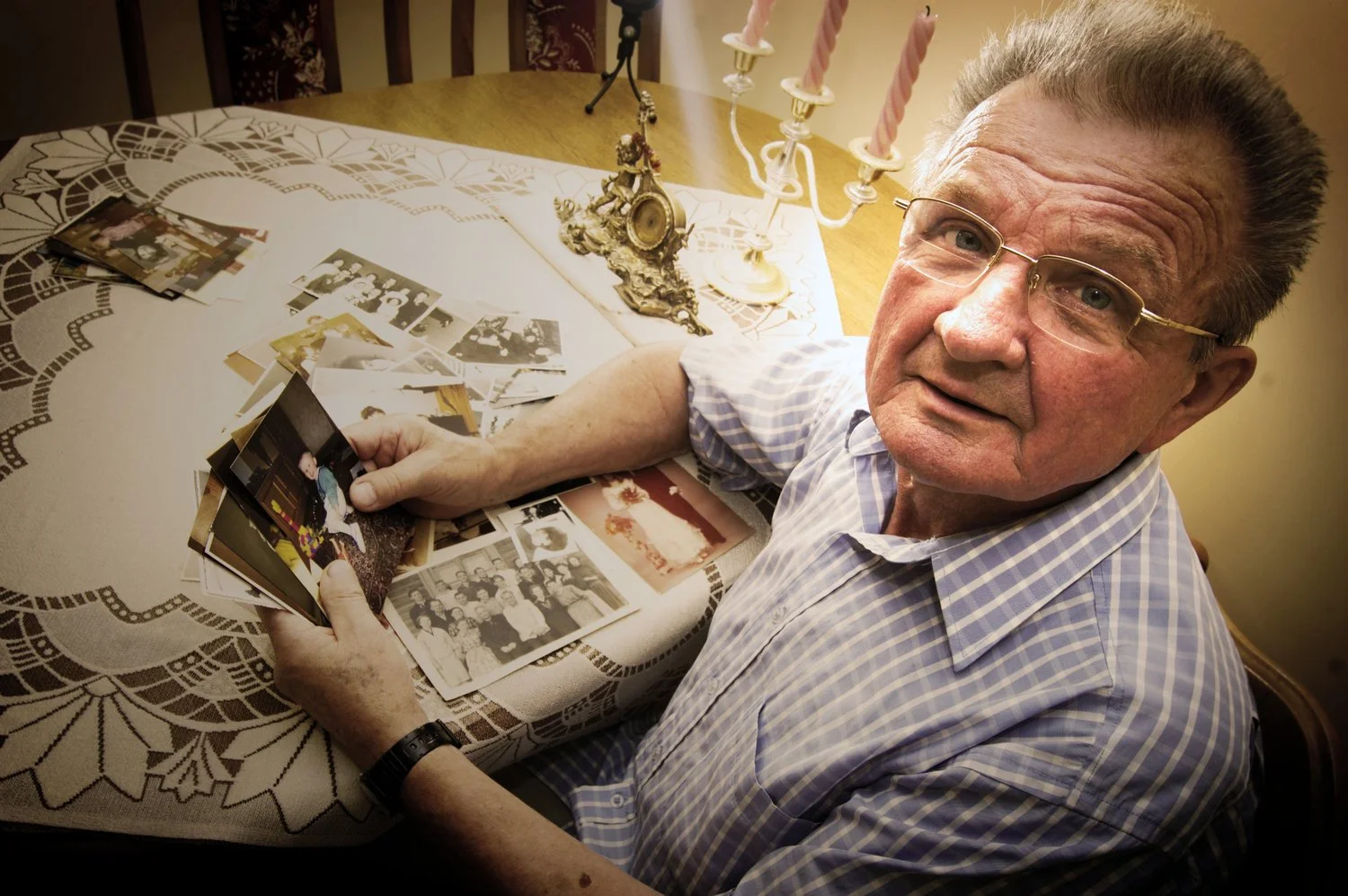
Bring visual prompts. A photo, newspaper clipping, or memento can help unlock memories.
Check the environment. Good lighting, a comfortable chair, and room temperature matter more than you think.
3. Ethical considerations and consent
When you record someone’s story, you become its steward. Handle that role with transparency.
Explain purpose and scope. Let them know whether the recording is for personal use, publication, or archival storage.
Clarify ownership. If possible, have a signed release stating who retains rights to the recording. (At Modern Heirloom Books, the storyteller always does.)
Honor boundaries. If someone asks for a section to be edited or omitted later, do it—no questions asked.
Protect privacy. Store sensitive recordings securely, and think carefully before sharing publicly.
4. Transcribing the conversation
Transcription is where the raw story begins to take shape. While automated tools like Otter.ai, Descript, Zoom, or ChatGPT can help, always review manually to correct errors—especially names, dates, and emotional nuance.
A few tips:
Timestamp key moments. It’s helpful when you later want to pull quotes.
Note tone and pauses. A soft laugh or a long silence can carry emotional weight.
Respect voice. Don’t over-edit for grammar; people’s natural rhythms make transcripts human.
Read aloud. If you’re planning to turn the interview into a narrative piece, read the transcript out loud. You’ll hear the music of their speech—and know which parts to keep verbatim.
5. Storing for the long term
Digital storage is fragile. Protecting your files now ensures they’ll still exist when future generations go looking.
Triple backup. Keep at least one local copy (external hard drive) and two cloud-based backups (like Google Drive and Dropbox, or an archival service such as Backblaze).
Name files consistently. Use clear labels: Lastname_Firstname_Interview_Date.
Store metadata. Keep a simple spreadsheet noting who was interviewed, when, by whom, and where. If you want to go a step further, include key phrases (many transcription software programs now use AI to help with this).
Create a preservation plan. Every few years, check your file formats and transfer them to updated storage—don’t leave them on aging technology. I recommend adding an annual reminder in your calendar for this task, as it’s otherwise likely to fall by the wayside.
6. Turning transcripts into stories
Once transcribed, interviews become rich material for narrative. But they shouldn’t be copied wholesale. Instead:
Look for patterns. Repeated phrases, values, or memories often form a natural thread.
Preserve voice. Keep their expressions and rhythms, even if you edit for flow.
Add historical context. Ground their experiences in time and place—what was happening around them.
Share drafts when possible. Let the storyteller (or their family) review before publishing; it builds trust and ensures accuracy.
Resources for further guidance
If you’d like to explore best practices in oral history and ethical recording, these organizations are invaluable:
StoryCorps
Promotes everyday storytelling and provides interview guides and consent templates.
The Oral History Association
Offers ethical standards, equipment advice, and transcription guidelines.
Library of Congress Veterans History Project
Excellent resource for interviewing veterans and preserving recordings for posterity.
Smithsonian Folklife & Oral History Guide
Comprehensive handbook on oral history methods and cultural respect.
Preserving a recorded story is both a privilege and a responsibility. Technology gives us incredible tools—but it’s the human care behind them that matters most.
When you record a voice, you’re capturing not just sound but presence: the laughter between sentences, the breath before a memory, the emotion carried in a pause. Those moments are what future generations will remember—not just what was said, but who was speaking.
Up next…
Once your interview is recorded and safely stored, the next step is bringing it to life. In Part Two, I share three creative ways to transform a raw conversation into a lasting family story.

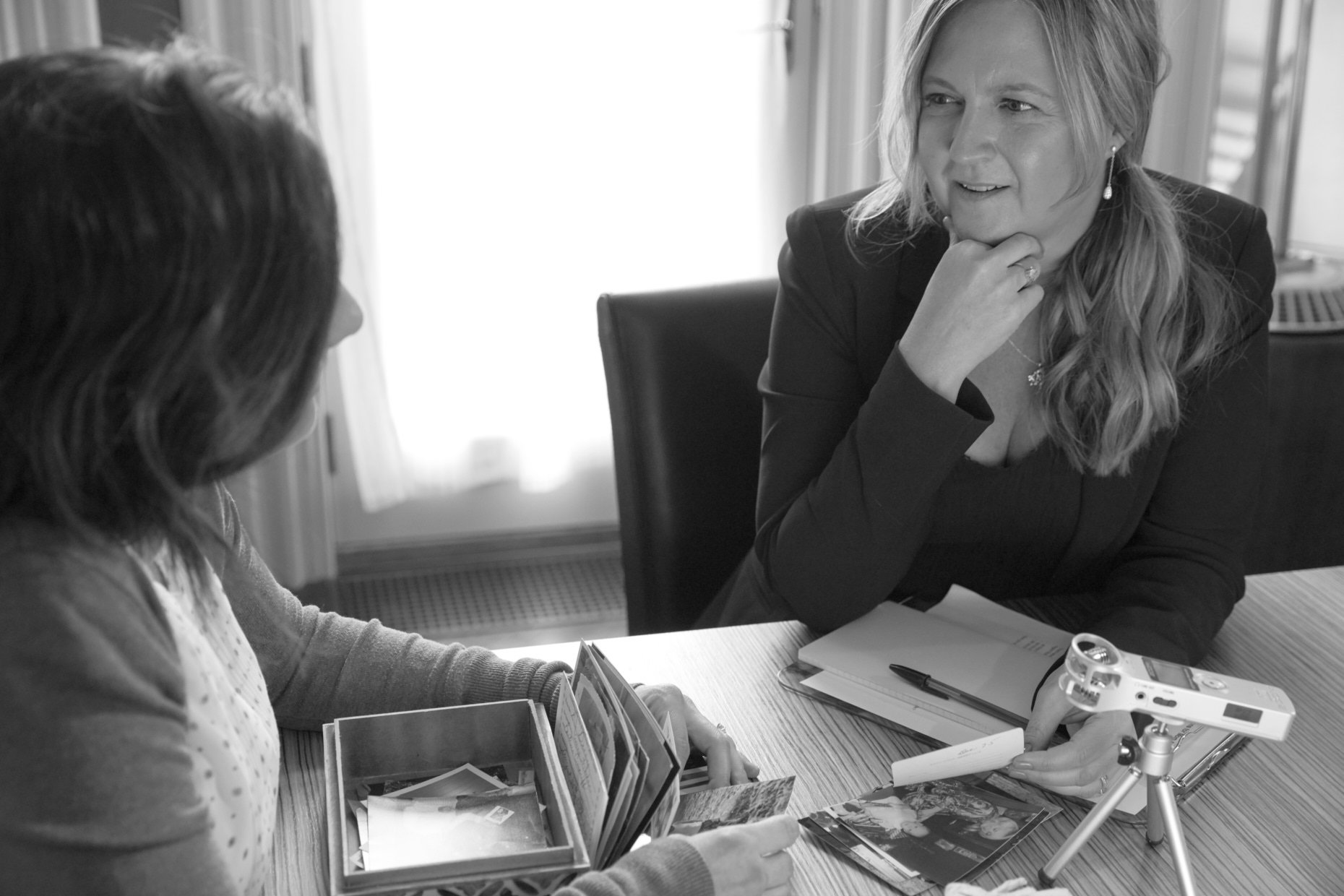










How to find their stories when they’re no longer here
Learn how to preserve family stories when firsthand voices are gone. Use archives, photos, and context to honor loved ones and keep memories alive.
When a family member is no longer with us, it might seem like their stories have disappeared—but there are ways to ensure that their legacy lives on.
One of the hardest moments in family history work is what I call the silence gap. It’s that point when the people who lived the stories are no longer here to tell them. The firsthand voices have quieted, and we’re left wondering how much we’ve lost.
But the truth is, even when storytellers are gone, their lives don’t have to vanish with them. With care and creativity, you can still piece together a vivid, meaningful picture of who they were and what their world looked like.
Where to look for clues when stories are missing
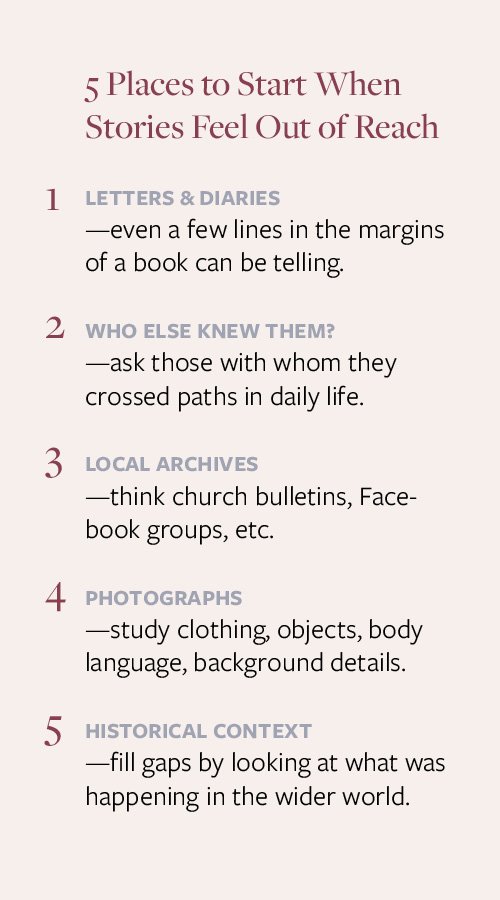
Letters and Diaries
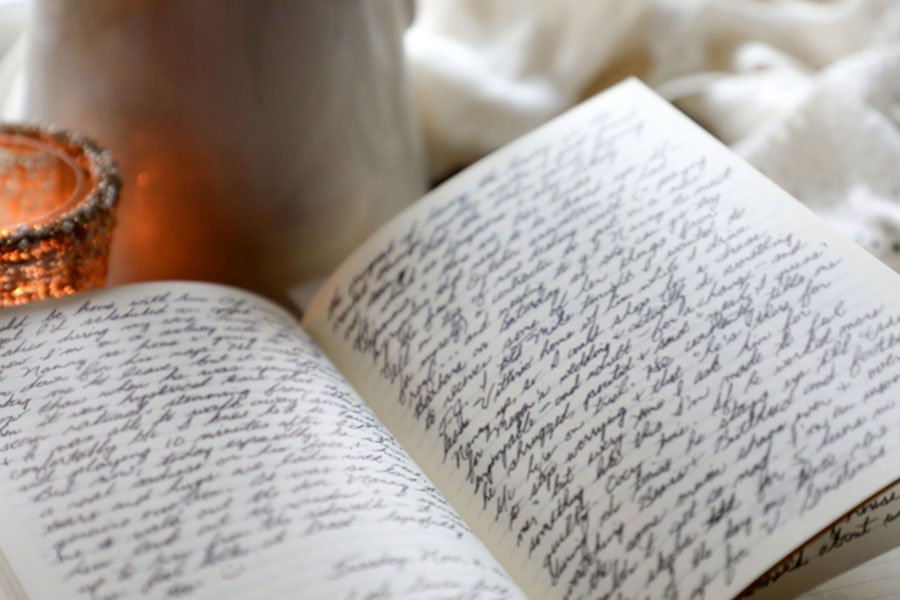
Private writing—whether it’s a carefully kept journal, a series of letters, or a few lines scrawled in the margins of a book—is often the most direct glimpse into a person’s inner life. Look for tone, handwriting style, even what’s left unsaid. (And even if you glean minimal details towards a story, I promise you’ll feel closer to them upon discovering such personal writing!)
Oral Histories from Others
Sometimes the people who knew your loved one best weren’t family at all. Neighbors, classmates, coworkers, or fellow congregants may hold memories worth recording. Even a single anecdote can unlock perspective. (And if you feel shy about reaching out to someone you might not know so well for their memories, imagine this: Wouldn’t YOU feel touched to know you could offer that person something so special just by sharing memories of THEIR loved one?)
Community Archives
Don’t underestimate the power of local sources: synagogue or church bulletins, school records, town newspapers, civic directories, or Facebook feeds. These often capture the rhythms of daily life—and the names of people and families alongside them. (Social media, in this case, may have even greater potential than more traditional sources, as the interconnected web of people your loved one was connected to may surprise and delight!)
Photographs as Texts
A photograph can be “read” almost like a document. Clothing, hairstyles, household objects, even the way people posed can reveal details about status, personality, and era. (Further reading for this one may prove super-useful: Check out this post for how to choose which photos may hold the best stories. and head here for specific guidance on how to write stories from your family photos.)
Historical Context
If the personal stories are sparse, zoom out. What was happening in their community, country, or the wider world at that time? Context can help you understand what shaped their decisions and daily routines. (If you love books, take a trip to your local library and ASK a librarian in person for their recommendations—it’s a great way to be surprised, and to tap into the wisdom of someone who is trained in the art of research!)
The challenge of the ‘silence gap’ in family history
A note on honesty: As you reconstruct a life, it’s important to be clear about what’s fact, what’s interpretation, and what’s imaginative filling-in. Transparency honors both the truth and the integrity of the storyteller’s absence.
The good news? Even when memories fade and voices fall silent, the story isn’t lost. By piecing together fragments—from a letter here, a photo there, a scrap of community history—you can create a portrait that honors your loved one and keeps their life present for future generations.
Why it’s important to record family stories while you can.
While it’s true that fragments can help us reconstruct the lives of those who are gone, the fullest, richest portraits come from listening directly to people while they are here. Every conversation we have now—every story told in a parent’s or grandparent’s own words—is a gift to the generations that follow.
At Modern Heirloom Books, my work centers on capturing these living voices before they become silent, preserving not just the facts of a life, but the humor, warmth, and humanity that no archive can ever fully replicate. So, please: Do what you can now to preserve your own stories. You’re loved ones will be blessed by that gift (and grateful to you for sharing it 😉).





Skip a generation: Share your memories with your grandkids
Story-sharing is a great tech-free connector: How a few phone conversations can help grandparents connect with their grandchildren—and plain-old feel good.
Spending time with your grandchildren—whether cooking together, learning about their favorite things, or telling stories—is not only joyful, but good for your (and their!) mental health.
Early on in the pandemic, when sheltering in place began to seem like it might be our new normal for a while, I was frantic to find things (other than video games) to keep my then 11-year-old son engaged. He was eager to help me with any work tasks, and when the organizational stuff was done, we decided to take on a bigger creative project.
Together we created what would soon become the most popular free offering on my website: an e-book with family history questions designed specifically for school-aged kids to ask their grandparents. We had fun with it, and I felt proud to be offering something of substance that might help bridge generations—and keep folks connected.
Then something magical happened: I began to hear from families who wanted to say “thank you.” And all of their gratitude was tinged with surprise:
“I never could have imagined that I could have such a wonderful conversation with my grandson,” Lila Montgomery of Mountain Brook, Alabama, wrote to me.
“My own daughter never cared to hear my stories, but her daughter couldn’t get enough!” Los Angeleno Charles Naught emailed. “We laughed about my childhood exploits, and I even cried telling her a little about my time in Korea.”
I wrote back to many of these individuals, and was thrilled to learn that what they figured would be a one-time conversation (like a school assignment) often turned into regular chats. All it took was opening those lines of communication across the generations.
A case for being proactive
I have since thought: Why should we rely on our children and grandchildren to prompt these exchanges? Instead, let’s flip the script and reach out. You might not think calling your grandkids on the phone could invoke more than clipped answers—“school was okay,” “I have a flag football game later…”—but I guarantee using video and a few of the ideas below will rouse spirited—and meaningful—conversation.
And you know what? This young-old connection is good for our mental health, too.
“When a grandparent and grandchild are together—in person, on Zoom, or over the phone—they often feel a joyful and unique connection of unconditional love,” Sharon Rose, M.S., a social gerontologist in Florida says. “This intergenerational social engagement can be described as special, even when it’s a brief exchange of simple pleasures.”
“These loving ‘grand-relationships,’ as I like to call them, help build meaningful memories for one another and an appreciation of family heritage—a feeling that this time together really counts for both parties. The feelings of contentment and connection that result contribute directly to increased mental health for both generations, which becomes a foundation for a healthier approach to life.”
3 fun ways to connect meaningfully with your grandchildren
Try a little role reversal.
Ask your grandchild to teach you something! Intentionally inviting them to share their expertise gives them a boost of confidence—and gives you a fun opportunity to broaden your horizons. Anything to do with technology will likely get them excited. A few ideas: How to make a playlist of favorite songs; how to make a TikTok video; how to edit a video on your smart phone; how to play Pokémon, draw Darth Vader, or kick a soccer ball…you get the idea.
Cook up some treats (together).
Does your grandchild have a favorite dish that you prepare? Even if you can’t prep it in the same kitchen, use technology to show them how to make it: Film yourself with your smart phone and—using your newfound video editing skills—cut together an episode of your own cooking show. Or send them a list of ingredients to gather, then prop up your respective tablets on the counter and get cooking over Zoom! Who knows, maybe this will become a new monthly tradition.
Pull out some pictures.
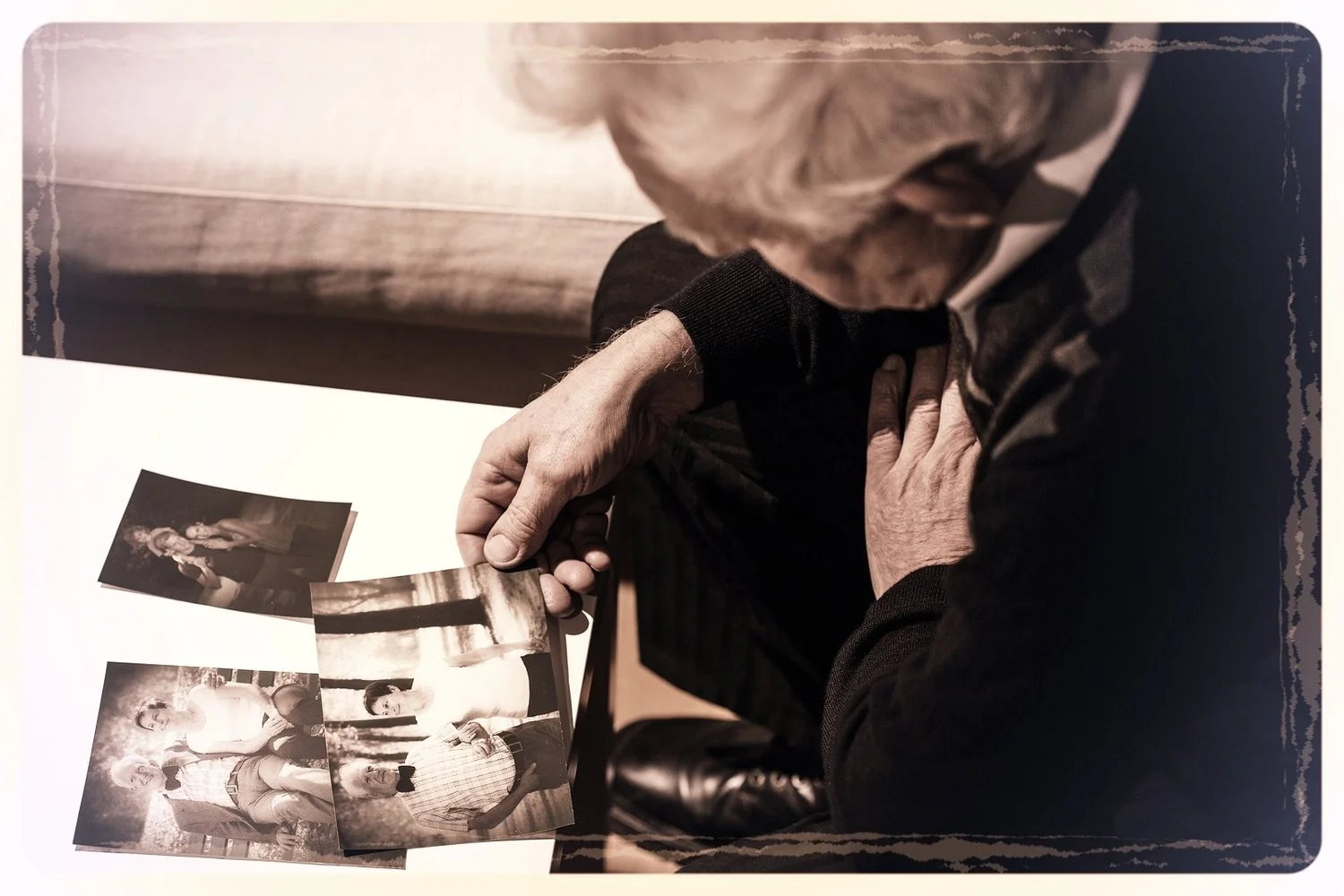
No matter how old your grandchildren are, their idea of a photo is on a screen. Pull out a few old family photos of the print variety that will spark stories (and likely some smirks)—think funky clothes, crazy hairdos, even a cool car. Maybe you want to invite the kids on a photo scavenger hunt—you each find pictures of yourselves at one year old, for instance, or in a Halloween costume. Share them during a video chat or, if your grandchild is older, begin an email exchange where you send photos and stories back and forth regularly.
More than just good old fun
Having a new audience for your tried-and-true family tales will undoubtedly be fun, and seeing your grandkids “see” you in new ways is, well, kind of cool. But there’s more going on here than mere storytelling; there’s self-reflection that can be both healing and revelatory.
“There is power in telling stories, of course,” Bruce Feiler writes in Life Is in the Transitions. “There is power in hearing them. But there is greater power in the interaction between the two.”
Indeed, having an engaged listener helps anyone craft their stories more thoughtfully—and responding to a listener’s questions can help us uncover aspects of our own story we hadn’t considered before. If you're anything like most people, your own kids have never seemed all that interested in life before your were their parent (am I right?). Which makes it all the more thrilling when their offspring ask questions that show they’re really interested—and that help you revisit the past with intention.
As you gather photos from boxes and frames, for example, you’re allowing yourself to reminisce about your life, to follow your winding path and reflect on how you ended up here, now. Sure, chances are you won’t reveal all you’re thinking about to your grandchild, but I bet you’ll weave in a lesson or two—and I bet you’ll continue thinking about your experiences, and shaping them into a cohesive narrative for yourself. And as research shows, that's good for mental health and, believe it or not, for bolstering our immune systems, too.
Even better? Your grandkids benefit from hearing your stories, too. According to research, kids who know parts of their family history are more resilient—they handle stress better (could there be a better skill during this time we're living through?), they're more confident, and they are generally “happier.”
Why not invite the grandkids along for some story sharing? I think you'll both like (and be better for) it.
The emotional work of finishing a family history book
Finishing a family history book can feel like saying goodbye. Learn why it’s so hard to end—and how completing the story can become its own act of love.
Finishing a family history book can feel like saying goodbye. Why is it so hard to end? And how can completing the story become its own act of love?
For many people, the act of documenting a loved one’s life becomes more than a project. It becomes a relationship—a dialogue with the past that can stretch on for years.
One of my clients, Hanna, has spent the last decade immersed in her father’s archive. He saved everything—letters, certificates, paperwork of every sort, from his wartime documents to every continuing education class he took and taught. Her NYC apartment is filled with this stuff of the past: It’s in file cabinets, in boxes, on CDs and flash drives…and swimming in her head. Hanna has meticulously catalogued and researched every piece, determined to understand the life her father lived.
When she came to me, she had already assembled the materials of a lifetime. Over the course of fourteen hours of interviews, we shaped his story into a cohesive narrative and designed a book that was as thorough as it was beautiful—a complete, tangible record of a remarkable life.
And yet, when the book was nearly complete, I sensed her hesitation. Emails trickled in slowly, often with more documents attached—not new revelations, but additions that felt like a way of keeping the conversation going. I realized: She wasn’t stalling the book. She was stalling the goodbye.
The emotional attachment behind the work
Creating a family history or memoir is rarely just a logistical project. It’s an act of devotion—of returning, again and again, to a person or time that mattered deeply. For many, the research, writing, and decision-making become a way of staying in relationship with the person they’ve lost.
When the work nears completion, it can feel like a second loss—the moment when the living connection, the active engagement, comes to an end.
Why it’s so hard to finish
Identity Shift:
The project becomes part of who you are—“the one who’s telling Dad’s story,” for example. Letting go means reimagining yourself outside of that role.
Fear of Finality:
Finishing the book can feel like closing the door on someone’s memory, even though the act of preservation is itself a form of continuation.
Perfectionism as Protection:
Adding “one more document” or “one more edit” can feel like diligence, but it’s rarely about accuracy alone. It’s often a gentle way to postpone the ache of completion.
How to know when it’s time to step back
Legacy work will always be unfinished in some way. There will always be another photo tucked in a drawer, another relative with a different recollection. The art lies in knowing when the story feels whole enough to share.
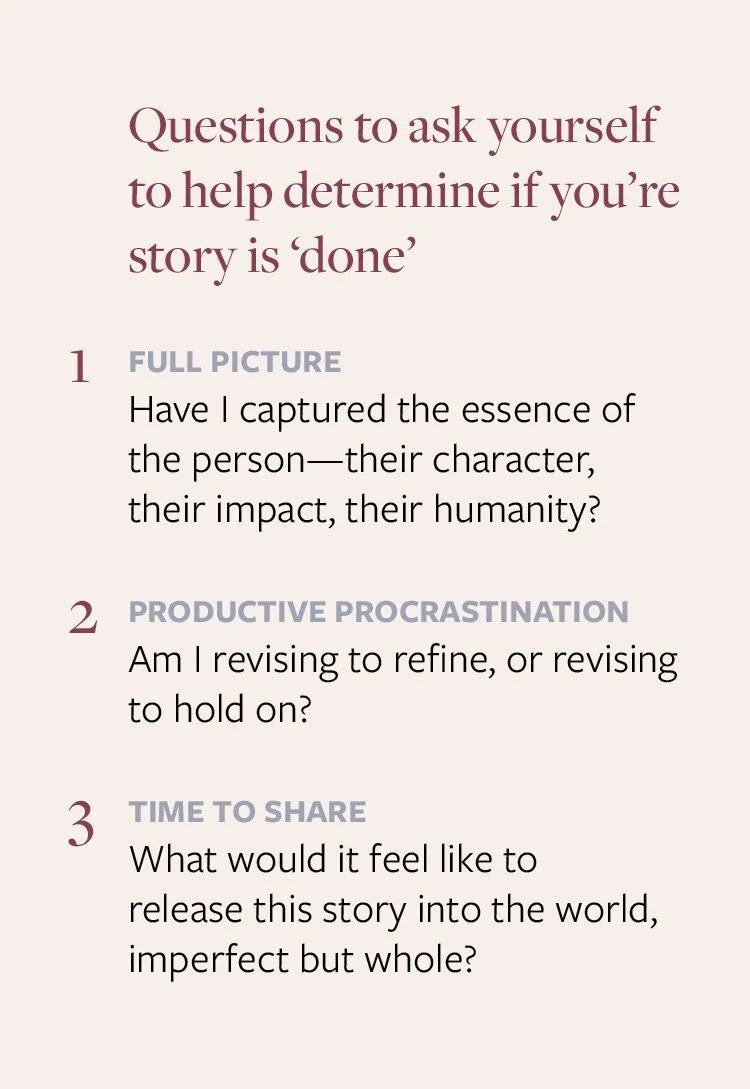
Ask yourself:
Have I captured the essence of the person—their character, their impact, their humanity?
Am I revising to refine, or revising to hold on?
What would it feel like to release this story into the world, imperfect but whole?
Finishing doesn’t mean forgetting. It means you’ve tended the story well. You’ve given it form, context, and love—and created something that will live beyond you.
A different kind of closure
There’s a special moment when a client first holds their finished book. The story that once existed only in notes, folders, and memory becomes something tangible—a keepsake that can be passed, shared, and cherished. The project shifts from being a private labor of love to a living heirloom.
That, to me, is the real completion: when the work becomes a bridge, not between researcher and archive, but between generations.
A note for those still in the process
If you find yourself struggling to let go, be gentle with yourself. Allow yourself the grace of feeling the peace that comes from knowing you’ve done what you set out to do.
The impulse to keep adding, refining, and revisiting is a sign of deep care. But remember that the story’s power isn’t in its perfection—it’s in its presence.
It’s also in the connection the comes from sharing the story; the legacy you’ve built continues through the people who will now read it.
At Modern Heirloom Books, I see this again and again: The beauty of storytelling lies not only in what we preserve, but in the courage it takes to finish—to give the story form and release it into the world, so it can keep speaking long after we do.









How to add historical context to your family stories
Discover the 6 best resources to add context to family history. Historical archives, newspapers, photos, and podcasts bring your ancestors’ stories to life.
At the heart of every family history are the voices and stories of the people themselves—their words, their memories, their lived experiences. But when certain details have been forgotten (or we just want to enrich the stories we already have), historical resources can provide texture and context that make our family narratives more vivid.
By exploring the world our loved ones lived in—the newspapers they read, the communities they belonged to, the cultural traditions surrounding them—we can add dimension without ever losing sight of the personal story at the center.
The following resources are a great starting point for fleshing out the historical context of your loved one’s life story. They’ll help you imagine the backdrop of their lives (What were people talking about around the dinner table? What was in the news? What were the fashions of the day?), fill in missing details (What was the weather like the day your mother was born? What was the status of the war when your grandfather was discharged?), and maybe even find a historical photo or two to accompany their family archive.
6 resources too add historical context to your family history
1 -United States Holocaust Memorial Museum (USHMM) Encyclopedia & collections
👉 Even if you aren’t researching the Holocaust specifically, USHMM’s digital encyclopedia demonstrates the power of context. Detailed maps, photographs, and descriptions of daily life show how environment and history shape individual experiences. For any family historian, this is a model of how deeply place and time can inform a story. Dive deep into the museum’s collections for even more inspiration on how to weave a story around a single artifact.
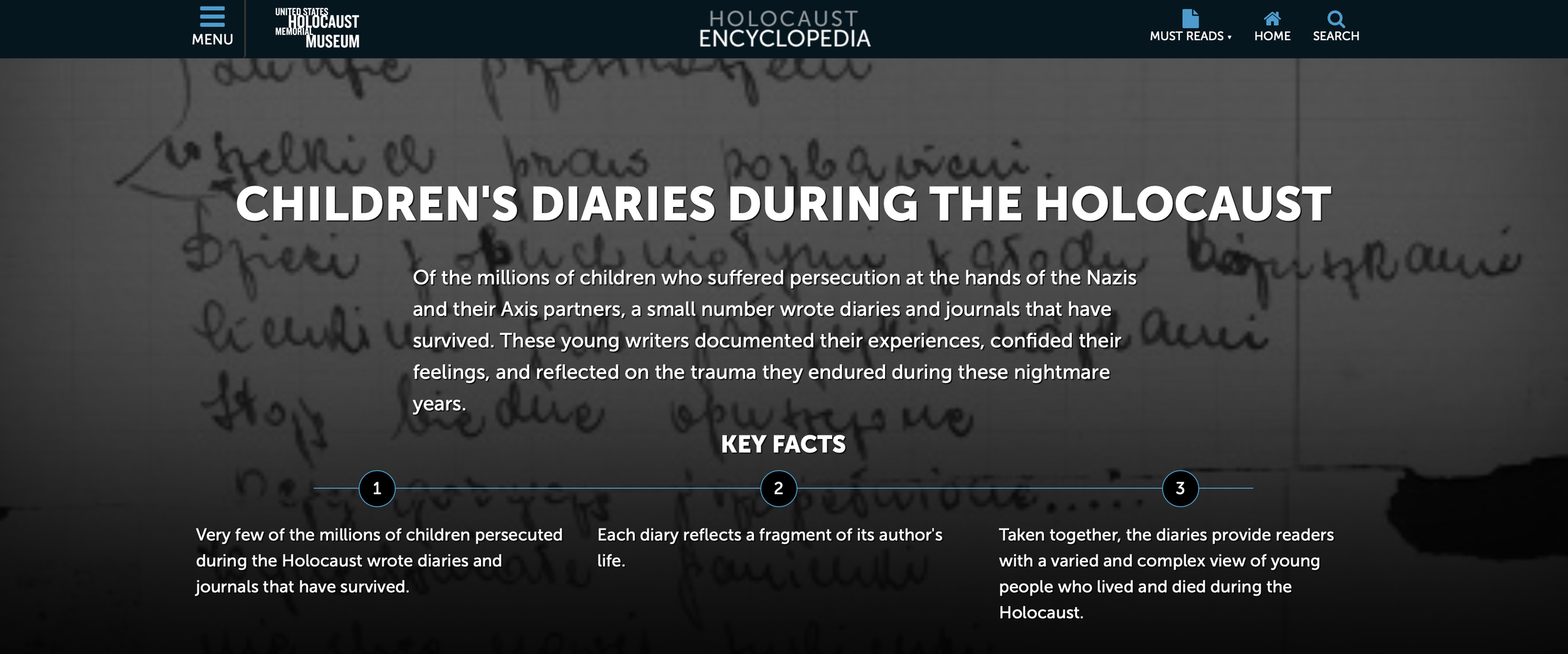
This page from the USHMM website provides an overview of children’s diaries kept during the Holocaust. “Each diary reflects a fragment of its author’s life, but, taken together, the diaries provide readers with a varied and complex view of young people who lived and died during the Holocaust.”
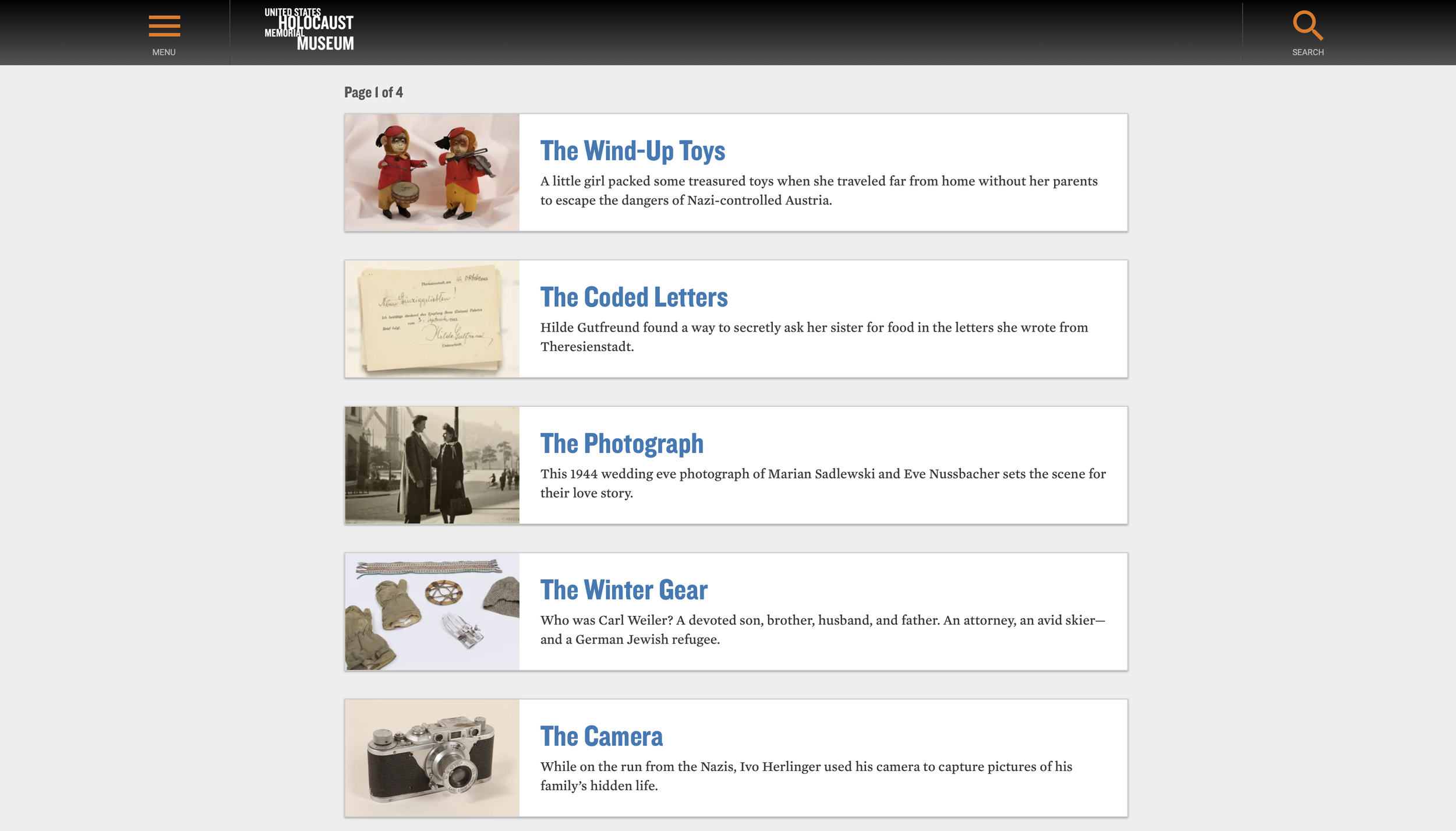
Similarly, the museum’s vast collections offer rich examples that may inspire you to discover the stories behind your own family heirlooms. “Each artifact in our collection has a story to tell. The Artifacts Unpacked video series takes you behind the scenes to learn about the objects the Museum protects and how they keep alive the memory and experiences of victims and witnesses of the Holocaust.” See how a single ID tag reveals the story of a 12-year-old German Jewish refugee, for example.
2 - Library of Congress Digital Collections
👉 The Library of Congress offers a vast range of digitized newspapers, photographs, maps, oral histories, and recordings. These collections can help you see what was happening in your ancestor’s era—from local politics and social issues to everyday fashions and advertisements.
One little-known collection I love to share is the American English Dialect Recordings from the Center for Applied Linguistics Collection, where you can discover audio recordings of famous and not-so-famous folks: “There are Gullah speakers from coastal South Carolina, sharecroppers from Arkansas, Puerto Rican teenagers in New York City, Basque sheepherders from Colorado, Chesapeake Bay watermen, Vietnamese immigrants from Northern Virginia, and many others.” If you’ve never heard your America ancestor speak, maybe you can hear what they may have sounded like!
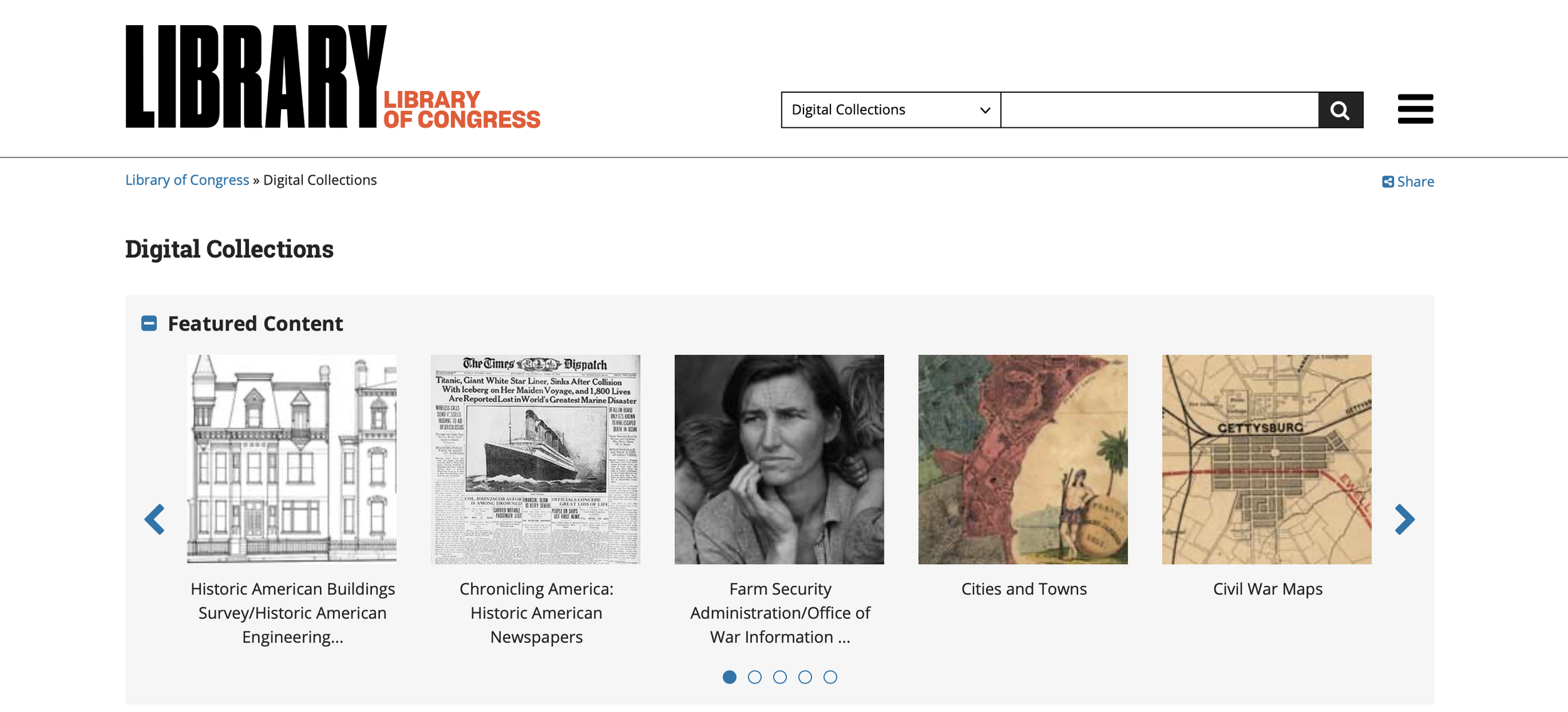
The digital collections from the Library of Congress are vast, including maps, newspapers, historic photographs, and personal papers, which you can explore to learn more about a time period or place that relates to your own ancestor.
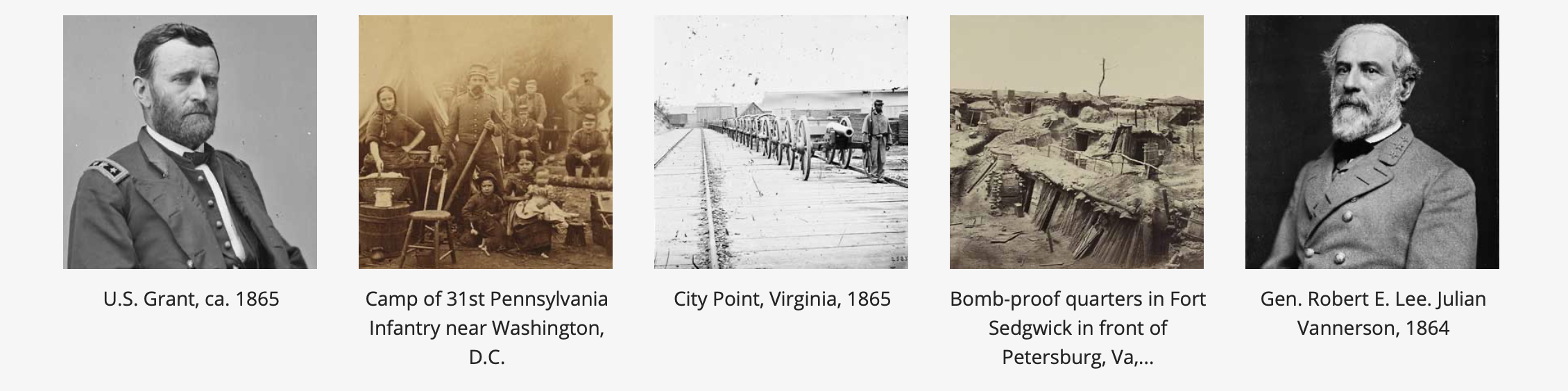
There are more than 7,000 images in this Civil War photo collection alone, one of numerous Civil War collections available through LOC.
3 - Chronicling America (Historic Newspapers)
👉 This free resource makes U.S. newspapers from 1777–1963 searchable online. Imagine reading the same headlines your ancestors did, or discovering how national events were reported in their hometown. Newspapers also reveal what life looked like between the big moments—the weather, the sports results, even the classified ads. Chronicling America is developed and permanently maintained at the Library of Congress; I recommend checking out this valuable research guide before diving in.
If you’re searching for something specific that you can’t find in this free archive, consider one of these paid options:
Public libraries and university libraries often extend their subscriptions to patrons, so you may be able to access these digital resources for free at your local branch.
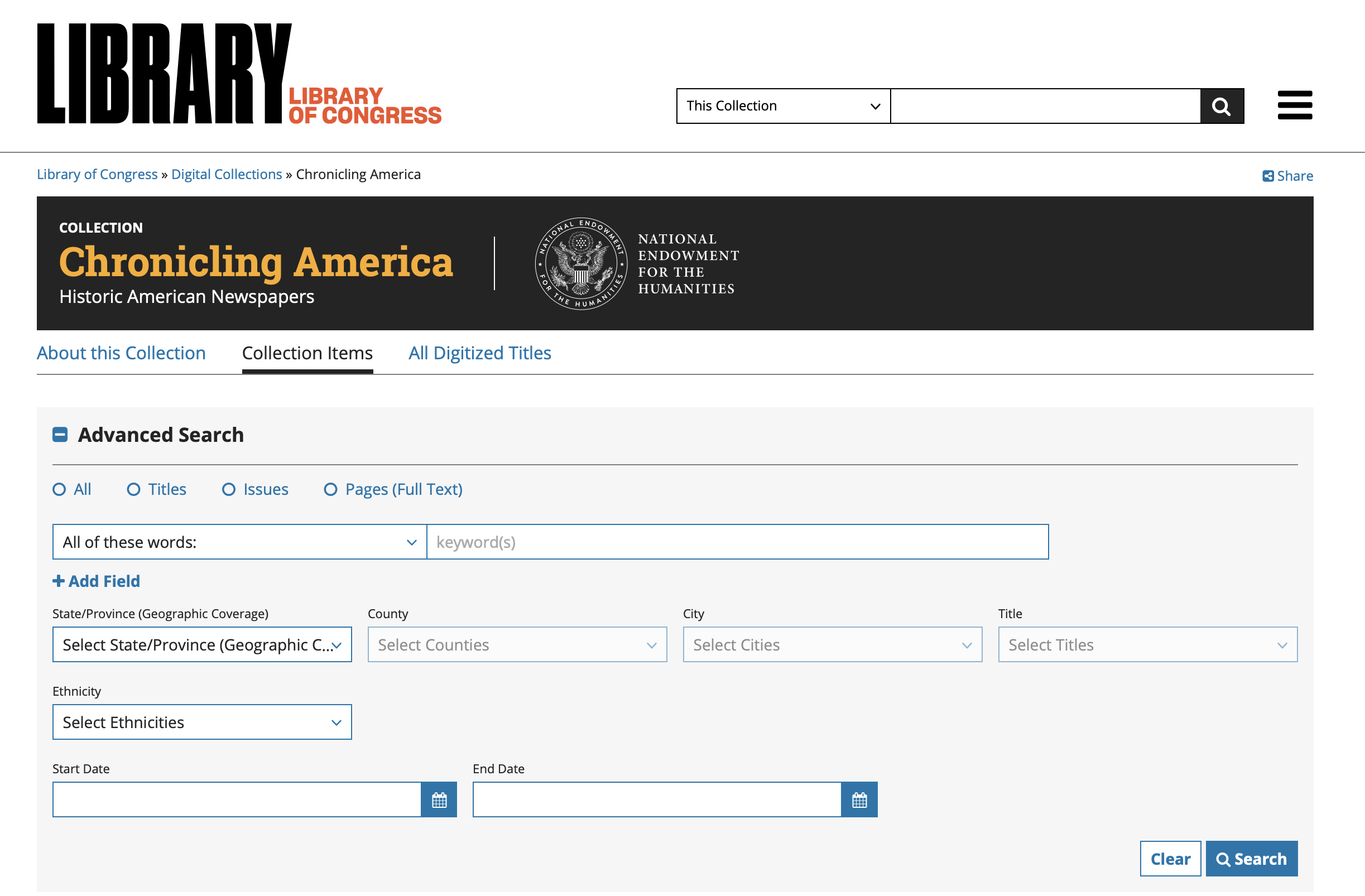
In addition to the search interface on the Chronicling America site, there are over 300 research guides created by librarians at the Library of Congress on topics widely covered in the American press of the time. Visit Topics in Chronicling America for the complete list.
4 - Europeana (for European Context)
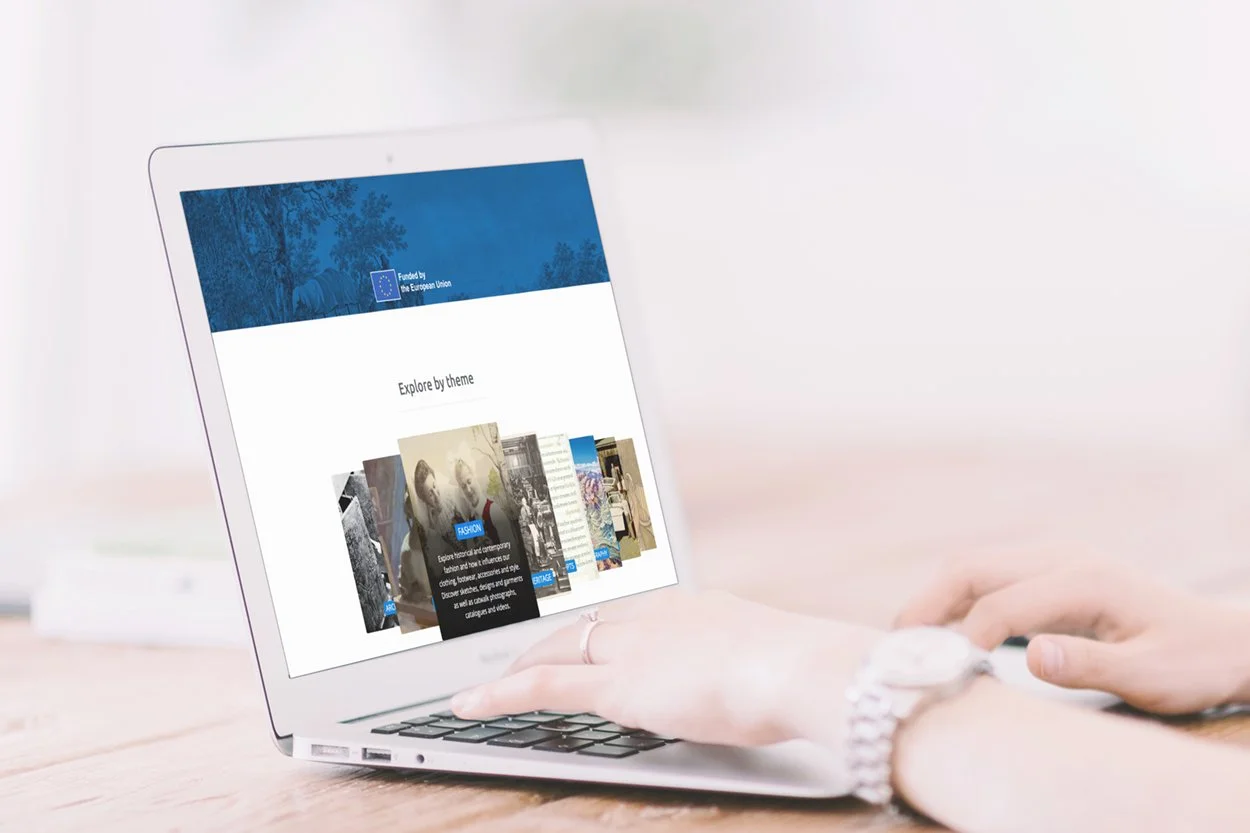
👉 Europeana brings together digitized cultural heritage from libraries and museums across Europe: photographs, diaries, artworks, recordings, and more. For those tracing European roots, it offers a chance to explore the cultural world your ancestors inhabited, far beyond just dates and places.
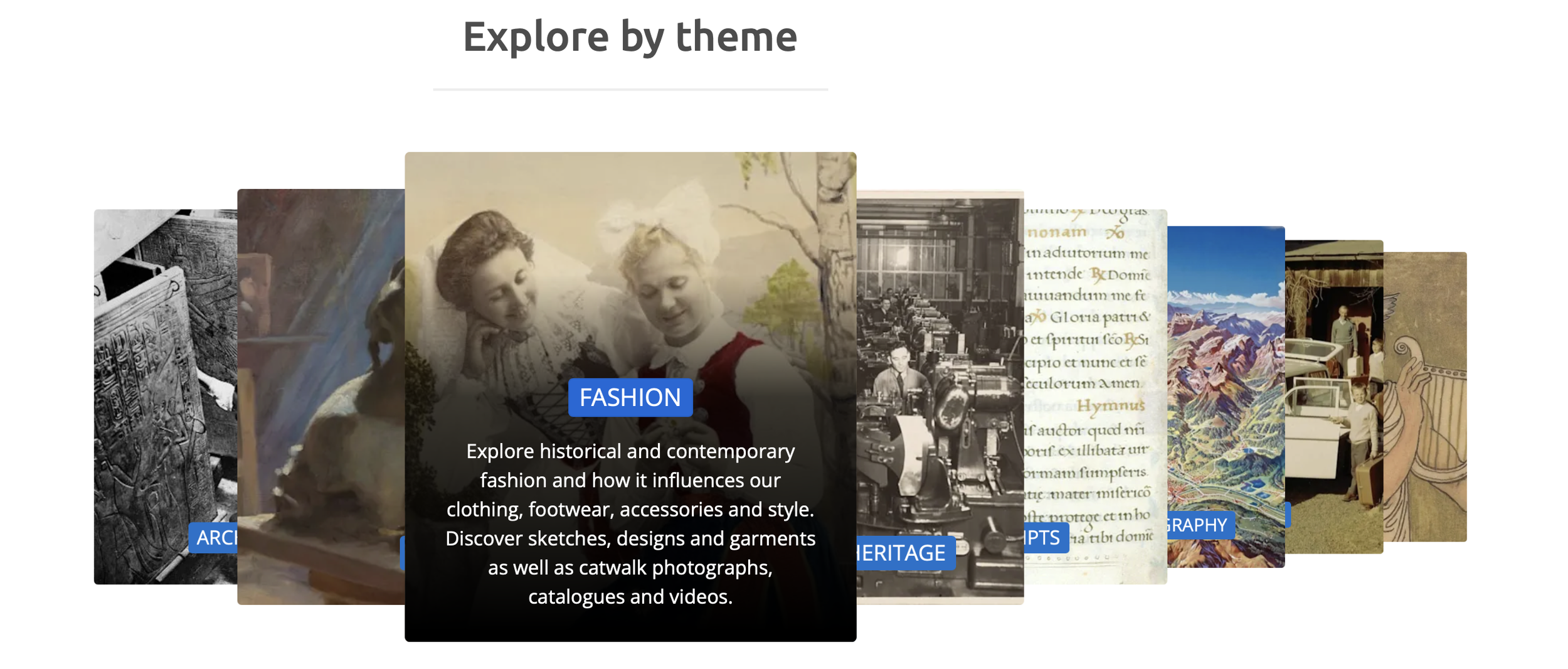
Europeana aims to make Europe’s digital cultural heritage accessible with millions of items from providing institutions across Europe. Discover artworks, books, music, and videos on art, newspapers, archaeology, fashion, science, sport, and other topics.
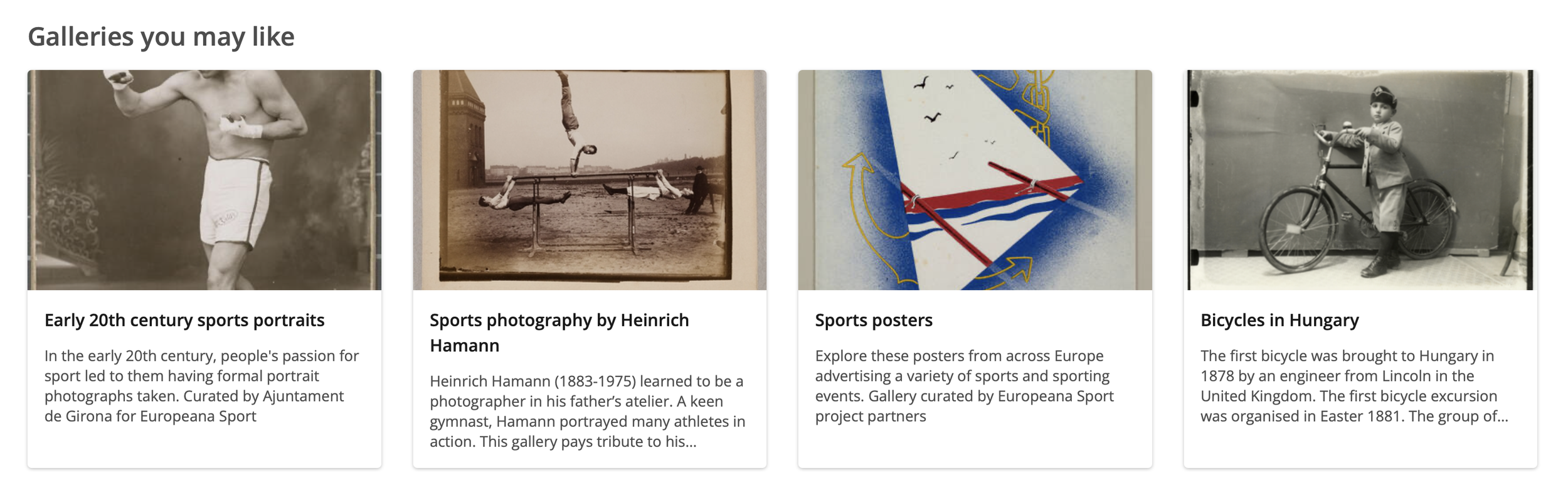
This screenshot from the Europeana site shows a few galleries on offer in the Sports collection.
5 - Local Historical Societies & State Archives
Don’t overlook what’s right nearby. Many county or state historical societies maintain searchable online portals with digitized maps, city directories, and community histories. A quick Google search for “[your county/state] historical society archives” often yields surprising treasures that place ancestors firmly in their local context.
The Preservation Society of Charleston is a wonderful example of an organization aimed at preservation in a prominent U.S. city, while the Madison Historical Society in New Jersey is an example of one located in a smaller town.
You will find that many local historical societies have minimal—if any—digital collections available on their websites. However, they are often staffed by interested and dedicated volunteers who welcome questions and helping individuals with research requests.
6 - Social History Blogs & Podcasts
Sometimes the best way to understand “the world as it was” is through narrative. Podcasts such as the History Extra Podcast (BBC History) or Backstory (archived episodes) are excellent for learning about the everyday aspects of life in different eras. These stories of daily habits, customs, and struggles can help you flesh out the atmosphere of your own family history. Search episodes for specific times or places related to your ancestor, or scroll until something catches your attention. Just be warned: You may go down a (long, enjoyable, albeit unproductive ; ) rabbit hole!
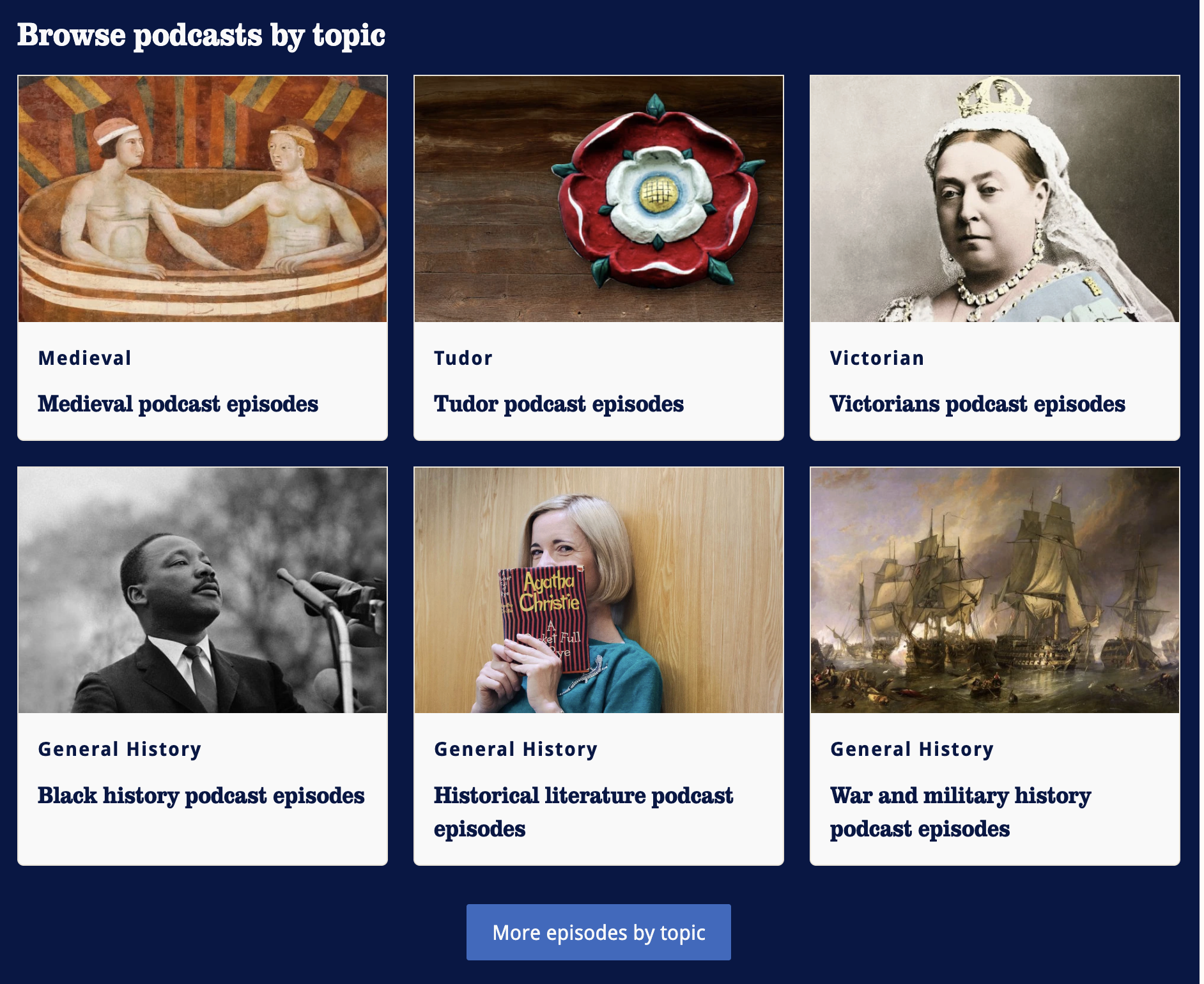
While you can listen to the History Extra Podcast from the BBC on any podcast player, head to their website to search for previous episodes by topics, like those shown here. More topics include the history of food and drinks, for example, and LGBT+ history, while time periods include First and Second World Wars as well as the American Civil War.
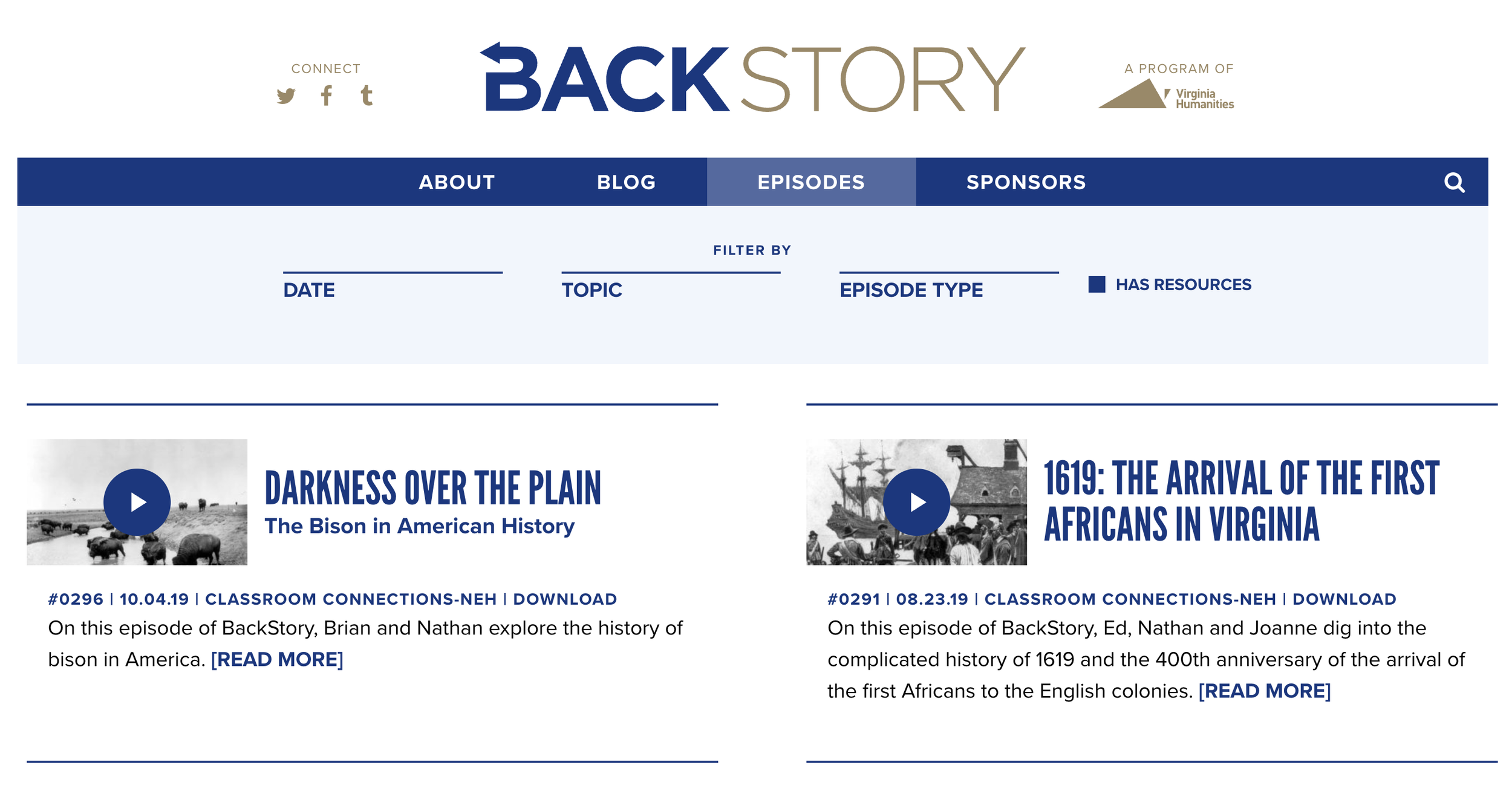
While BackStory ended production in 2020, past episodes continue to be available on their official site and at New American History, where the search interface is rather user-friendly.
Why historical context matters
The facts of a life—birth dates, marriages, children—form the skeleton of a family history. The historical context gives those bones flesh, while personal narrative—the stories your loved one told you or wrote about in letters or diaries—breathes vital soul into it.
Ideally you will have all of the above to tap into as you preserve a family member’s history. But when stories are lacking, the historical context you uncover will go far in shaping their life into something memorable.
And knowing what newspaper they read, what cultural traditions they observed, or what was happening in their community adds color and dimension that makes your family’s story not only remembered, but felt.
4 inspiring quotes about delving into your family history
I hope these quotes from my commonplace book remind you why family history and stories of our ancestors matter—and why now is always the best time to delve in.
Exploring family history is about more than tracing your lineage or collecting names and dates—it’s about understanding where we come from, and even deepening relationships. I hope these four quotes from my own commonplace book remind you why family history matters—and why now is always the best time to delve in.
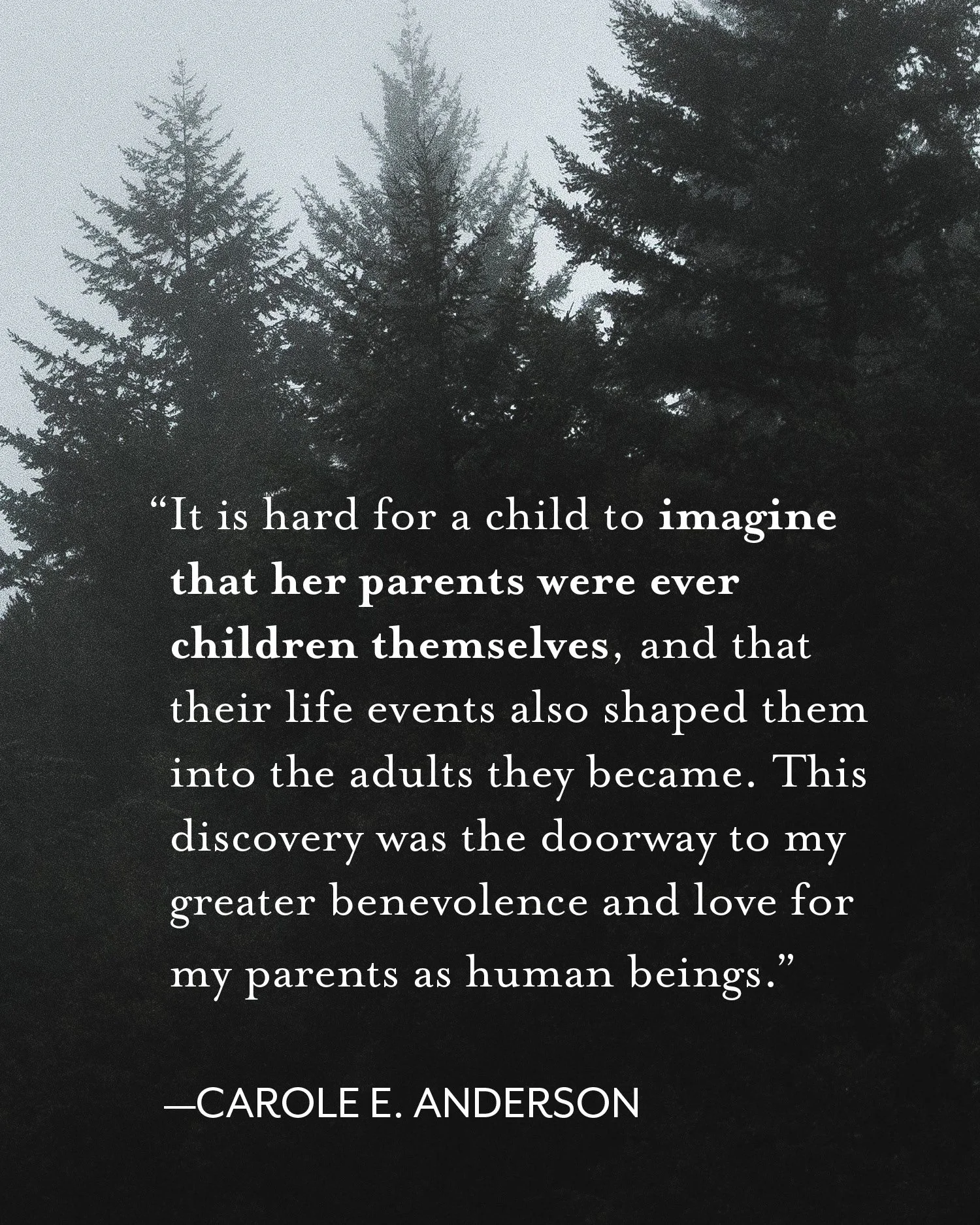
“It is hard for a child to imagine that her parents were ever children themselves, and that their life events also shaped them into the adults they became. This discovery was the doorway to my greater benevolence and love for my parents as human beings.” —Carole E. Anderson
Most of us grow up seeing our parents and grandparents only in relation to ourselves—as caretakers, providers, disciplinarians, or protectors. But they were once young, full of dreams, fears, and experiences that shaped them long before we came into the picture.
Understanding their stories helps us see them as full, complex individuals, not just as Mom or Grandpa. When we learn about our parents’ childhoods, their struggles, and their triumphs, we may come to understand their choices in ways we never did before. This can transform our relationships—sometimes even bringing healing and reconciliation.

“Curiosity is a muscle. Questions are exercise.” —M. Diane McCormick
Family stories are waiting to be told, but they don’t always emerge on their own. The key to unlocking them is simple: Ask.
The more we engage our parents, grandparents, and older relatives in meaningful conversations, the more doors open to family stories we never knew existed (ou never know what incredible stories one thoughtful question might unlock!).

“A family history is not complete until it considers the time and place in which each individual lived. Our ancestors were affected by the events around them, just as people are now; their relationship to their environment is an important part of the family’s story.” —Carmen J. Finley
No one’s life unfolds in a vacuum. The challenges, opportunities, and decisions our ancestors faced were deeply influenced by historical events, social norms, and cultural expectations—just as our own lives are today.
By placing our family history in historical context, we gain a richer, more nuanced understanding of why people made certain choices, moved to certain places, or held specific beliefs.
When we explore family history alongside world history, we don’t just learn about our relatives—we learn about the broader forces that shaped their lives, and in turn, our own.

“Your grandparents’ stories and the memories of your elders…[are] a scaffolding for you to build your identity on—and they will not always be accessible to you.” —Emma Fulenwider
One of the most heartbreaking realities of family history is that it has an expiration date.
The elders in our lives hold stories, traditions, and memories that will one day be lost if we don’t take the time to capture them. There is a limited window to ask, to listen, and to preserve.
Start now. Even if you don’t have a specific project in mind, record conversations, take notes, and gather family photos.
Don’t assume stories will always be there. Time passes quickly, and waiting too long can mean losing precious details forever.
Turn detective work into connection. If you’ve ever wished you could ask a grandparent about their past, don’t wait until it’s too late—start the conversation today.
The stories you don’t collect now will become unanswered questions later. Don’t let the history of your family slip away—preserve it while you can.
Your family’s history is waiting to be told, and you have the power to preserve it for generations to come.
You might also like: 5 inspiring quotes about writing your life (coming next month!)











How to turn an oral history into a compelling story
Four steps to help you turn spoken stories into engaging written narratives—so once the family history interview is done, you can create a lasting legacy.
Once you’ve interviewed your family member(s), you’ve got the most important step under your belt—congrats! But why not take the NEXT step and turn those spoken stories into something more permanent and engaging: an edited narrative that will hold meaning for generations?
So many people land on my website in search of family history interview questions (are you one of those folks?). And while ASKING the questions—and recording them—is literally the best first step (even if you never do anything else with the recordings, you have them!)…it’s always my hope that you’ll go a few steps further and hone those interviews into compelling narratives.
This process involves capturing the storyteller's voice, structuring the narrative effectively, enriching it with context, and editing with care. Each step is crucial in preserving the authenticity and emotional depth of the original accounts, ensuring your stories will be read (happily!) for generations.
If you’d like to conduct the personal history interviews then hand them over for professional editing, please reach out to schedule a phone call to see how we might work together. If you’d like to give it a go yourself, here are some concrete steps—as well as further reading on each topic—to help you turn raw conversation into engaging stories.
4 steps to turn your family history interview into great stories

Step 1: Conduct thoughtful and open-ended interviews.
A compelling narrative starts with a strong foundation: the interview. Whether you’re sitting down with a loved one in person or recording a conversation remotely, the key is to create an atmosphere of trust and openness.
Start with broad, open-ended questions. Instead of asking, “Did you like school?” try, “What was a typical school day like for you?”
Encourage storytelling. Prompt with, “Can you describe that moment in detail?” or “What did it feel like when that happened?”
Follow the unexpected. Some of the most powerful stories emerge when we let conversations flow naturally rather than sticking rigidly to a script.
Record (with permission). This allows you to focus on listening rather than scrambling to take notes.
PRO TIP: Small details often unlock the most vivid memories. Ask about sounds, smells, and emotions to deepen the storytelling experience.
Further Reading: "Best questions to open your family history interview"

Step 2: Preserve the storyteller’s voice.
One of the most powerful aspects of oral storytelling is the subject’s voice. When converting spoken words into written text, aim to retain the unique rhythm, expressions, and personality of the speaker.
Transcribe with care. Capture natural speech patterns, but remove filler words like “um” and “you know” for readability.
Enliven the story with dialogue. If a story includes conversations, write them as scenes rather than summaries. Direct quotes help maintain authenticity.
Use first-person narration when possible. This makes the story feel personal and immersive.
For example, instead of writing: “My grandfather worked in the shipyards during the war. He remembers it was hard work.”
Try: “The shipyards were cold in the winter, blistering in the summer. I’d come home with hands so sore I could barely hold my fork at dinner. But we had a job to do, and we did it.”
Further Reading: “Write the way you talk—your family will thank you”

Step 3: Make the structure easy to navigate—and impactful.
Oral storytelling is often nonlinear—memories surface out of order, details emerge in layers. But written narratives benefit from clear organization.
Consider what structure best serves the story and resonates with the intended audience. This could be:
Chronological: Ideal for life stories or historical accounts.
Thematic: If certain themes (resilience, migration, perseverance) emerge strongly, organize the story around them.
Vignette-style: A collection of short, evocative moments can sometimes be more powerful than a strict timeline.
PRO TIP: When shaping the narrative, think like a reader: What details create tension, curiosity, or emotional connection? What order makes the story most engaging?
Further Reading: “How to create a life timeline for your memoir writing project”

Step 4: Enrich the story with context and details.
While spoken stories often assume shared understanding, the written version benefits from additional historical context. Future-proof your family history book by doing the following:
Add historical and cultural details. If a relative mentions a significant event, include a brief explanation for future readers. The COVID-19 pandemic is fresh in our minds, for instance, but won’t be immediately known by the next generation.
Describe places and settings. What did their childhood home look like? What was the makeup of the neighborhood where they were raised? Were their schools integrated, religious?
Clearly identify people. Use names rather than just “he” or “she,” and clarify relationships whenever possible to avoid confusion.
Further Reading: “How to edit your family history so it will make sense 20 years from now”
By transforming oral histories into written narratives, you’re creating something lasting—something that can be held, reread, and passed down through generations. It’s a labor of love, but also an act of preservation, ensuring that the voices of the past continue to speak to the future.
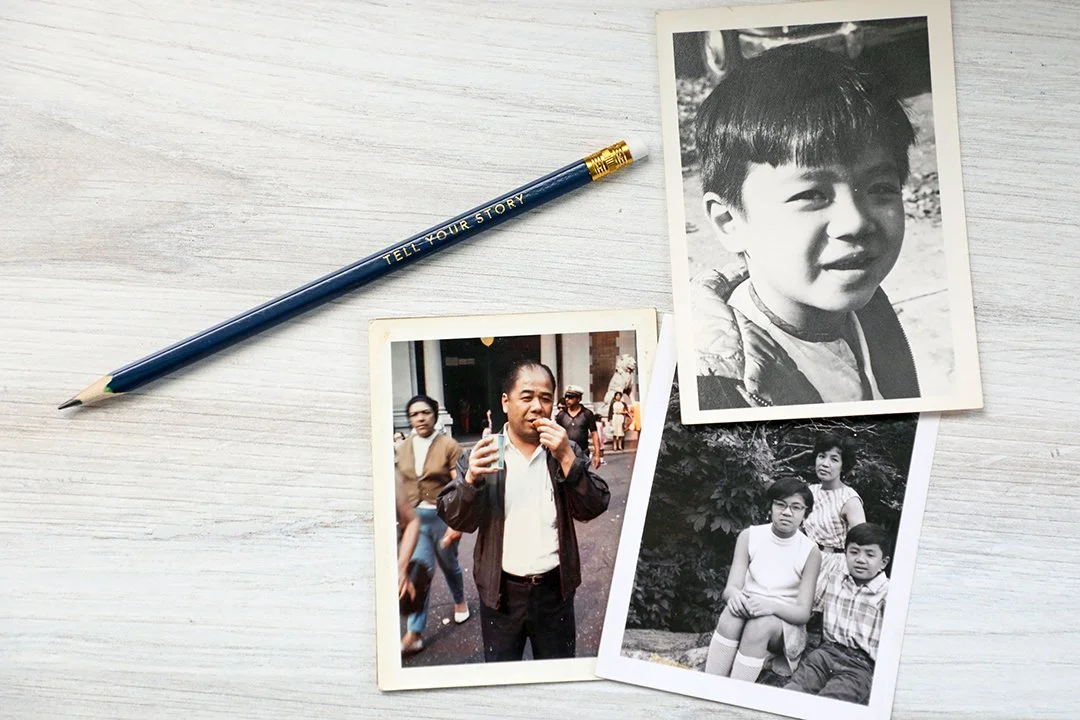









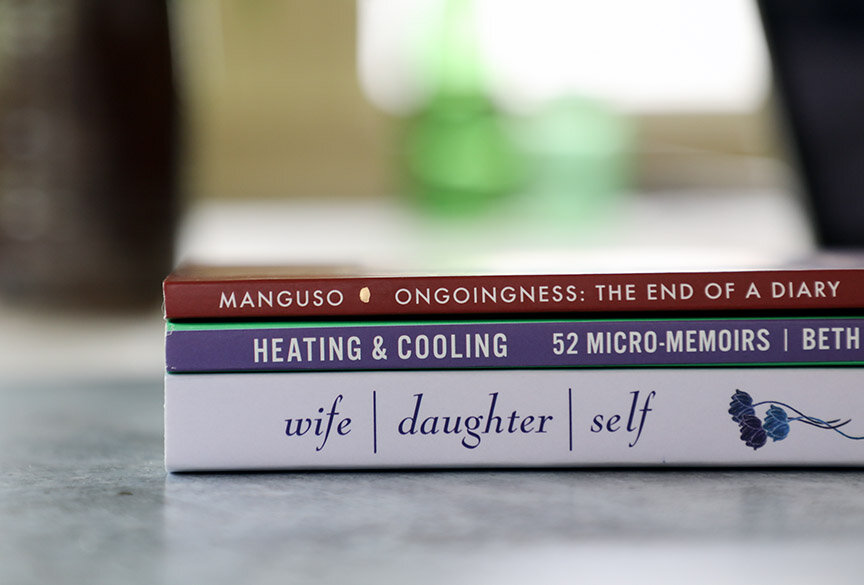
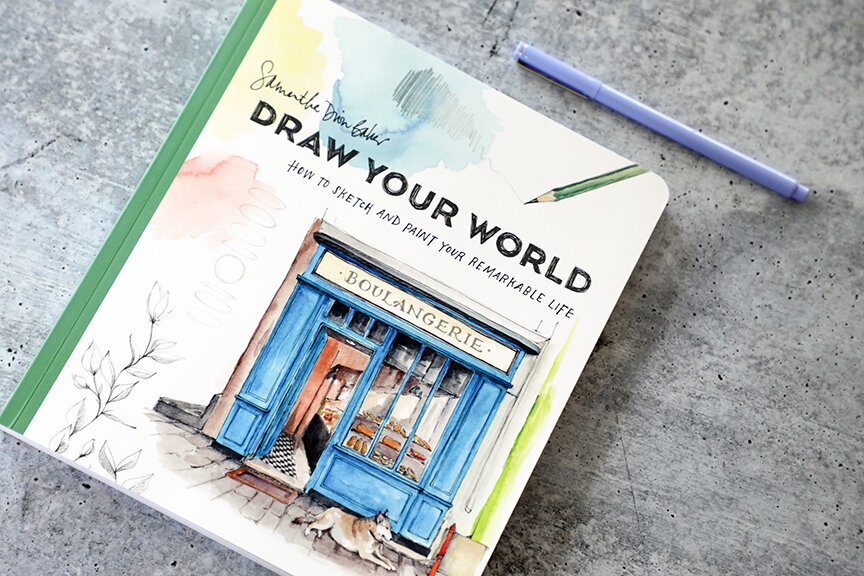
Dawn Roode’s curated roundup for the week of Sept. 23, 2026, is overflowing with recent reads on memoir, life story writing, and family history preservation.