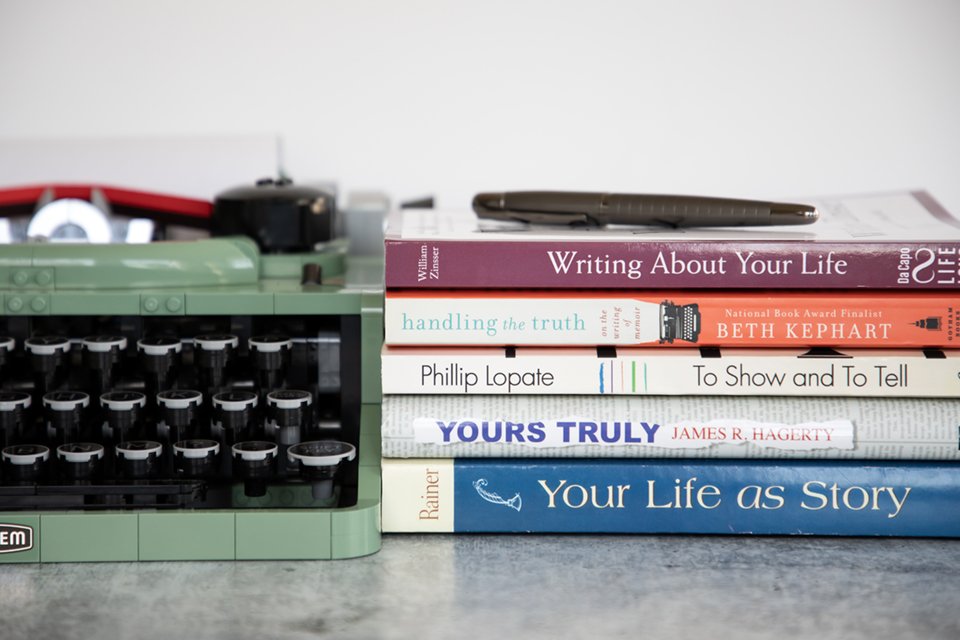
What kind of writing prompts do YOU like?
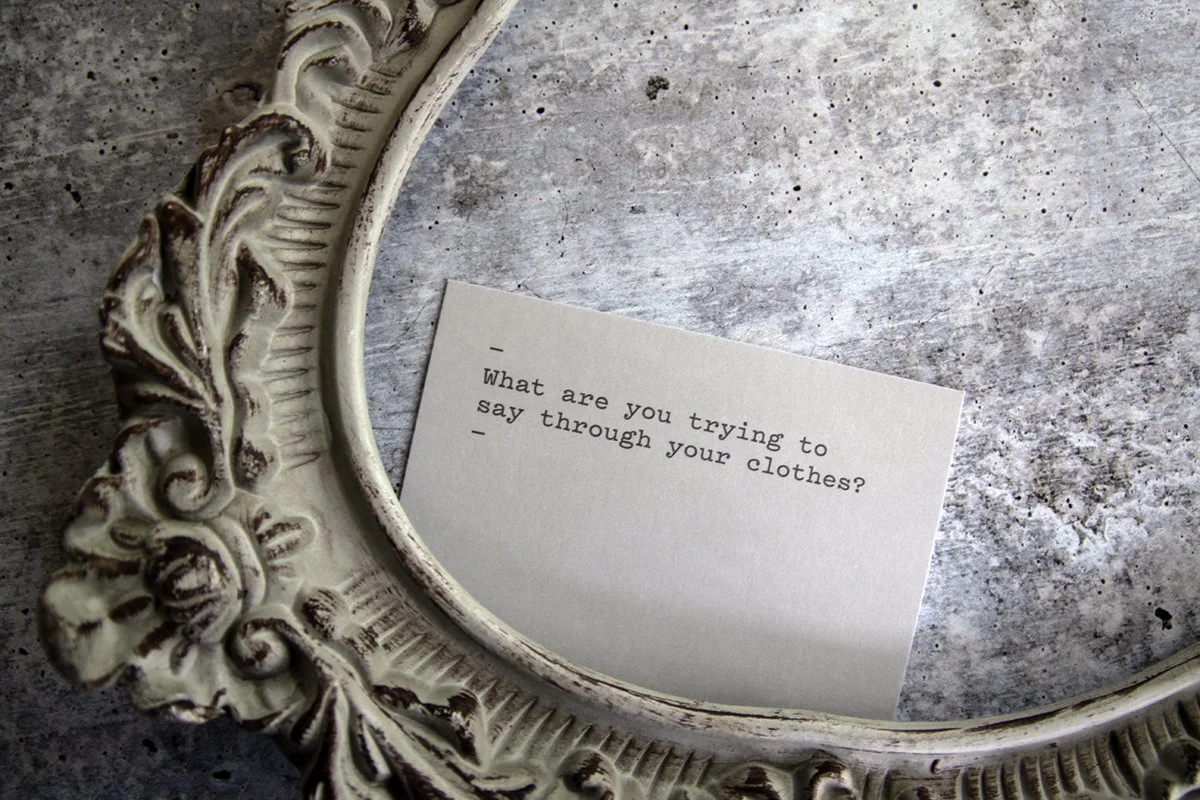
Once you develop a regular writing or journaling habit, you will be attuned to writing prompts everywhere—they key is to remember them. Pictured: a random card drawn from a conversation card deck to use as a life writing prompt.
If you’ve followed Modern Heirloom Books for a while, you know I love a good writing prompt. They’re like little doorways—small enough to step through without hesitation, but often leading somewhere unexpected. Whether you’re working on a memoir, collecting family stories, or simply trying to write more consistently, prompts can spark ideas you didn’t know were waiting.
Still, a prompt is never a rule. It’s an invitation. I always tell my clients and workshop participants that prompts aren’t assignments, they’re springboards. You can follow them closely or veer entirely off course; either way, what matters is that you start.
Writing prompts are not assignments—they’re suggestions
There are many reasons why it’s okay to stray from the topic of a writing prompt. Besides the fact that no one’s grading you (!), here are a few:
To be creative.
Writing prompts are a great way to get your creative juices flowing, but they don’t have to be followed exactly. If you have an idea that excites you, go off on a tangent.
To explore different ideas.
Writing prompts can help you test out different perspectives. If you’re unsure what to write about, start with a prompt and see where it takes you.
To learn more about yourself.
Writing prompts often lead to unexpected discoveries. As you write, you might find yourself exploring thoughts and feelings you didn’t realize you had.
To have fun.
Writing prompts are meant to loosen you up, not lock you in. Don’t take them too seriously—just enjoy the process.
Writing prompts are just a starting point. They’re meant to give you a general idea of what to write about, but they’re not meant to be followed exactly. If you have a better idea for a story, go with it!
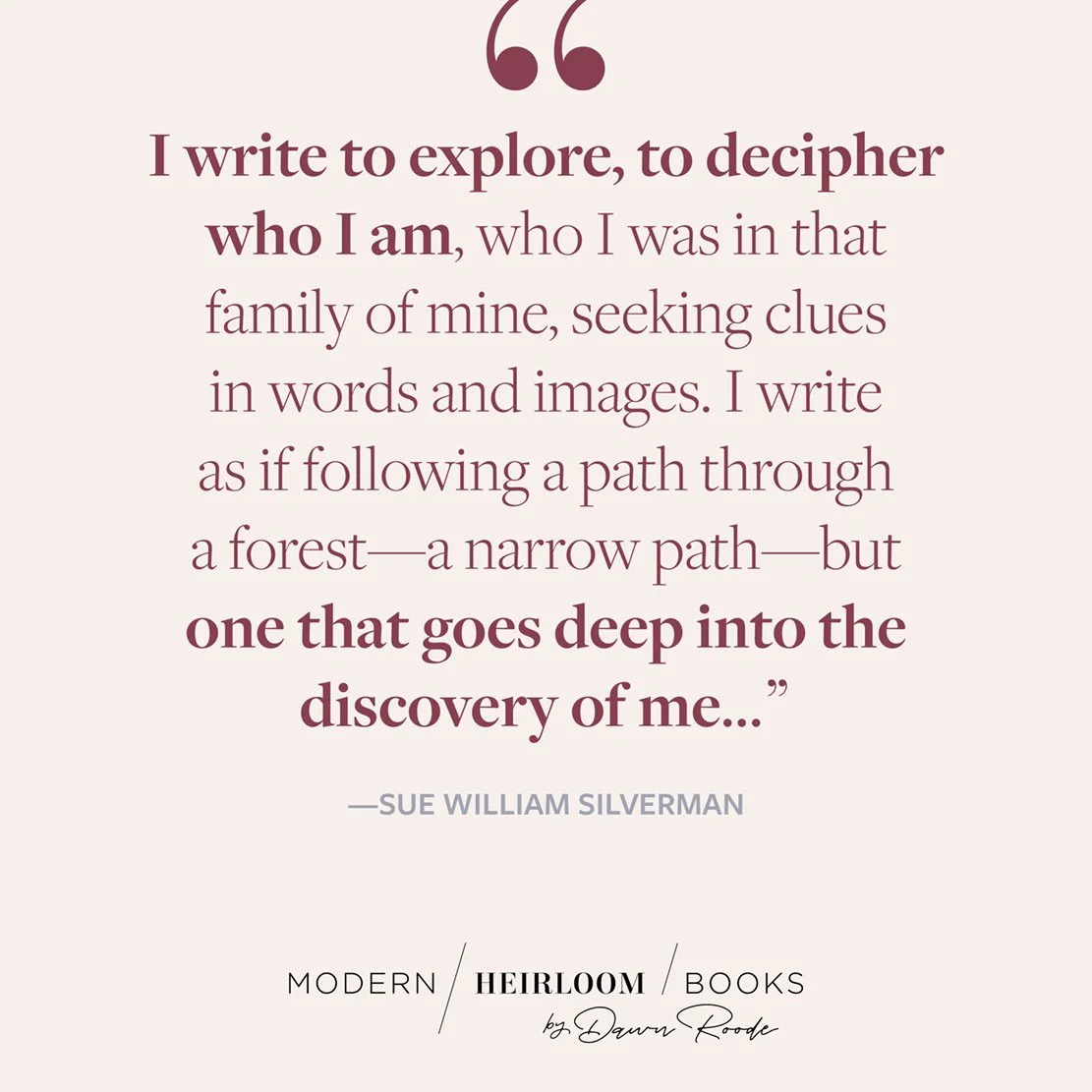
“I write to explore, to decipher who I am, who I was in that family of mine, seeking clues in words and images. I write as if following a path through a forest—a narrow path—but one that goes deep into the discovery of me…” —Sue William Silverman
If you’re in the mood for…
…a tailored-to-you writing prompt, try this.
…a family history–specific writing prompt, try this.
…a sensory writing prompt, try this.
…a timed writing prompt, try this.
…a couldn’t-be-shorter writing prompt, try this.
…a writing prompt about family, try this.
…an introspective writing prompt, try this.
…a weekly writing prompt to hold you accountable, try this.
…a foolproof writing prompt, try this.
…a visual writing prompt, try this.
Writing prompts are really just ways of listening—to memory, to emotion, to curiosity. They remind us that there’s no single path to finding your story; there are hundreds of small openings that lead to it.
I’ll keep sharing new life writing and memory prompts here on the blog and on Instagram (@modernheirloombooks), so you’ll never be short on inspiration. And if one of these sparks a story for you—even a single paragraph—I’d love to hear about it!
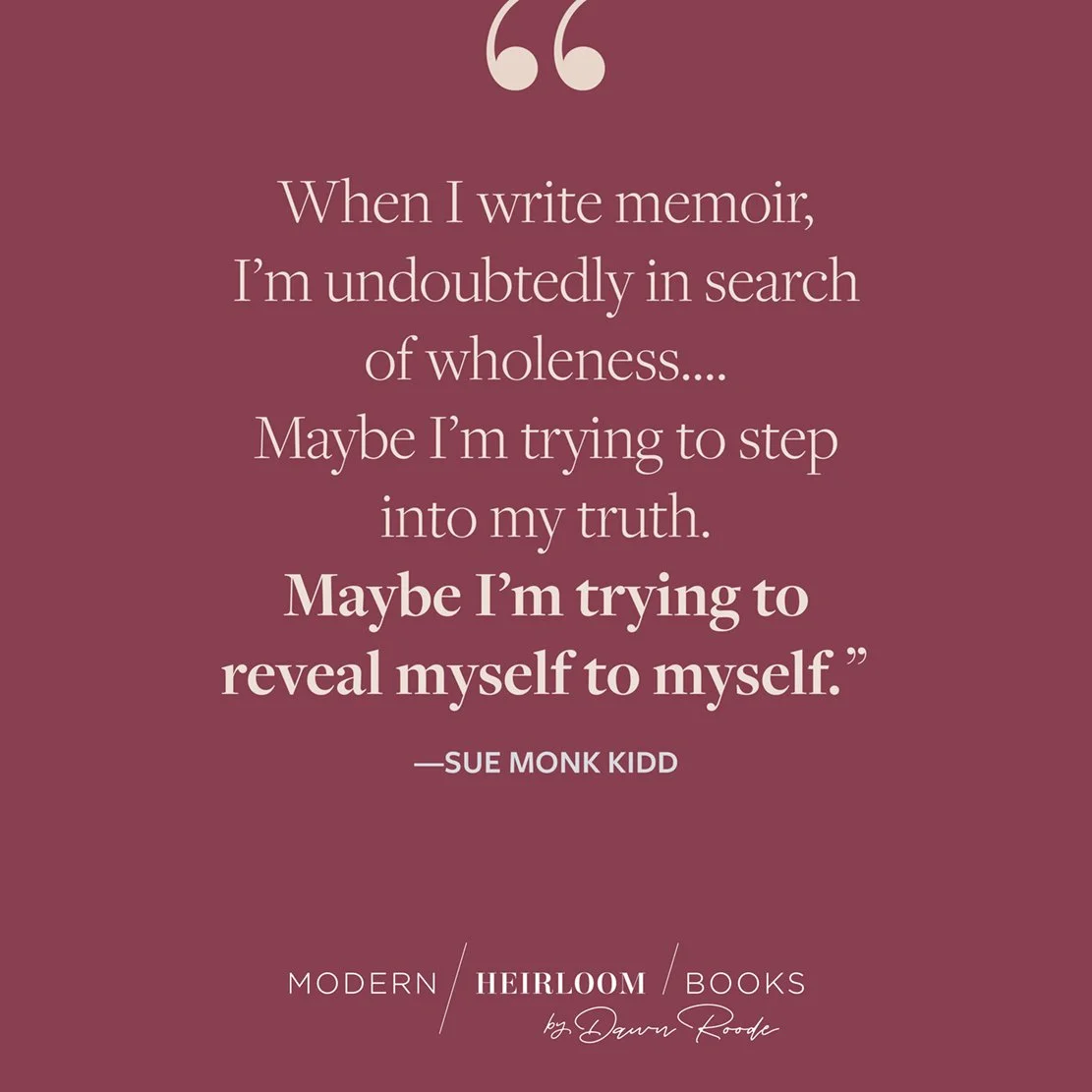
“When I write memoir, I’m undoubtedly in search of wholeness…. Maybe I’m trying to step into my truth. Maybe I’m trying to reveal myself to myself.” —Sue Monk Kidd
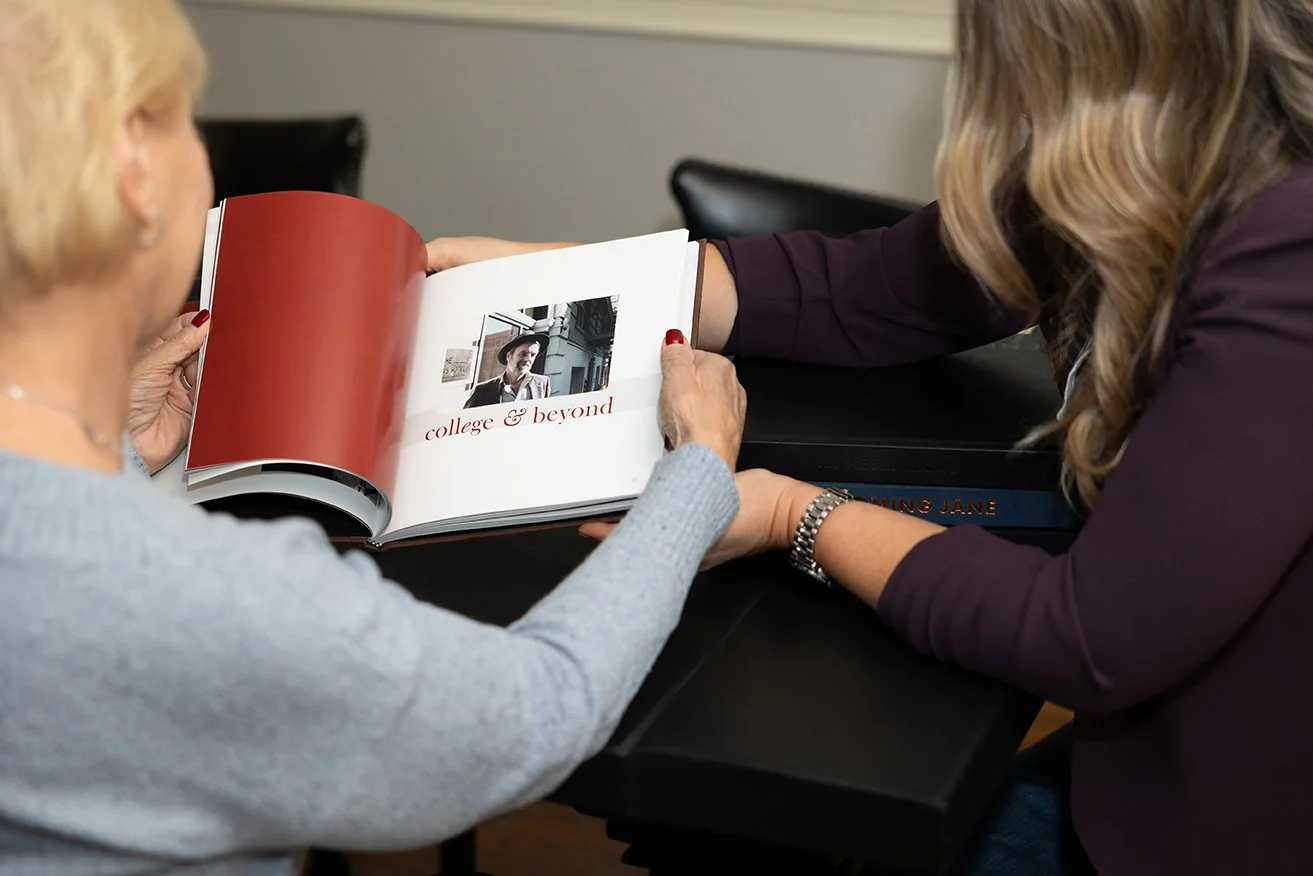
Learn how keeping a notebook can nurture memoir and legacy writing—each blank page a new possibility for memory and meaning.
Words from seasoned memoirists remind us that writing about our lives isn’t just an act of preservation—it’s an act of connection, reflection, and courage.
Stay inspired with 52 weekly writing prompts for journaling and family history. Capture memories, dreams, and stories big and small. Bonus: Downloadable guide!
Go beyond labels with this powerful memoir prompt: introduce yourself without name, job, or age. Includes writing tips and a free downloadable worksheet.
The three most common excuses I hear for not writing about your life “yet,” and how—and why—to overcome them. It’s not too soon for your memoir, I promise.
Discover how (and why) bending certain grammar rules in memoir and life story writing can enhance voice, rhythm, and authenticity in your storytelling.
Even the most seasoned writer sometimes feels hopeless when they sit down to write and nothing comes. Here, 7 helpful resources for budding memoirists.
Four steps to help you turn spoken stories into engaging written narratives—so once the family history interview is done, you can create a lasting legacy.
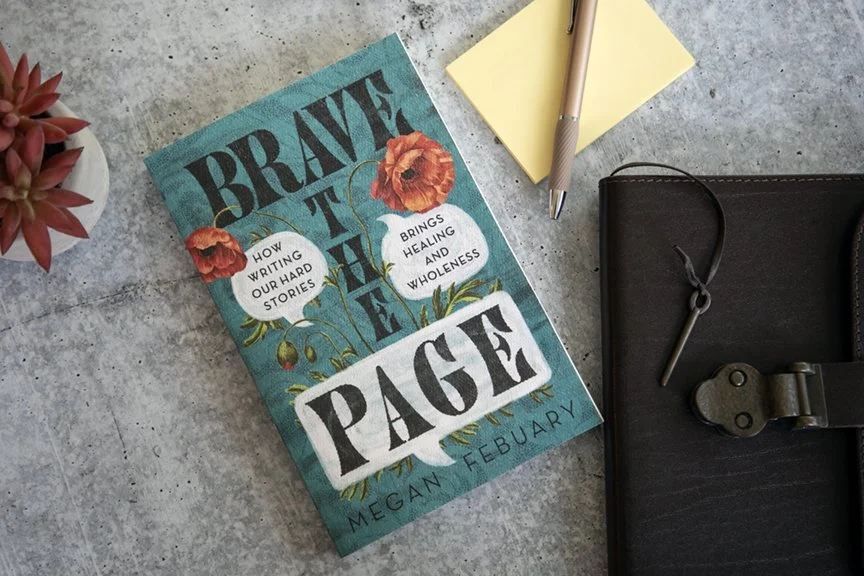
Brave the Page by trauma-informed writing coach Megan Febuary shares how to probe memories, write about your hard experiences, and find healing.
You start out with excitement and fervor—blank pages are feverishly filled with stories about your life. But what can you do when your memoir momentum wanes?
By holding as your goal the idea of ‘writing your memoir,’ you are focused too soon on the end goal. Instead, think about writing towards your memoir.
Are you nervous about undertaking a life story project? Working with a personal historian or memoir coach can help alleviate many of the most common fears.
Is there ever really a ‘right’ time to start writing your memoir? There’s not, in my opinion, but here are two questions to ask yourself to help you decide.
Writer’s block can happen to the best of us. This simple idea—keeping a notebook of self-generated writing prompts—will keep your memoir ideas flowing.
Looking for a meaningful gift for your parents? An annual subscription to our Write Your Life memory and writing prompts may be just the thing—or, maybe not.
Learn about our Write Your Life course, providing memory prompts, writing guidance and a dose of inspiration to anyone who wants to preserve their stories now.
Here’s one time I gave in to my client’s preferences that still haunts me: Why we did not identify people in any of the photos in their family history book.
While your memoir is telling your stories in your words, a family tree chart outlining your relationships has a real place in that book—here’s why.
The first draft of your life story is likely to include some stuff you decide to cut later—but should none of your challenges make it into your final book?
Good writing prompts will rid you of blank-page anxiety—and you can easily write your own! Here, 5 steps to drafting a library of personalized memoir prompts.
While a journal called “Memories from Mom” or “Grandma’s Life Story” may be brimming with good intentions, the fact is that most of them remain mostly blank.
While all five of these books add value to any memoirist or life writer’s library, I’ve identified which is best for you based on your goals and experience.
A love letter (or book!) overflowing with memories makes a thoughtful anniversary gift. Here, 14 writing prompts to help you honor—and surprise—your partner.
Wondering if 52 weeks of memory prompts will help YOU write about your life at last? Here, answers to the most commonly asked questions about Write Your Life.
Every week you’ll get themed prompts to stir your memories, tips to write your stories with ease, and more! A unique gift for your loved one (or yourself)!
Sometimes all it takes to get unstuck with your personal writing is paying attention. Here are some easy (fun) ways to come up with journal writing prompts.
Ready to edit your family history or life story book? Follow these three tips from a personal historian to ensure everything is clear for your descendants.
This new book by Ruta Sepetys, You: The Story, is a great tool for those who want to use their own life experiences to inform their fiction writing.
Have you ever thought about what will happen to your diaries—who will read them, how you may one day use them? Join me as I consider this profound question.
Discover inspiring writing prompts for memoir and family storytelling—from sensory to introspective, short to timed. Find the one that sparks you.