
Memories Matter
Featured blog Posts

READ THE LATEST POSTS

“The most important unknown story of the Holocaust”
A brave group of Jews secretly chronicled their daily existence in the Warsaw Ghetto during the Holocaust. Only one who knew where the archive was buried survived.
“The life of every Jew during this war is a world unto itself.”
So wrote historian Dr. Emanuel Ringelblum, founder of the Oyneg Shabes, an archive of documents and writings created clandestinely by Jews in the Warsaw Ghetto from 1940–1943 and considered to be the most important cache of eyewitness accounts of the Holocaust to survive the war.
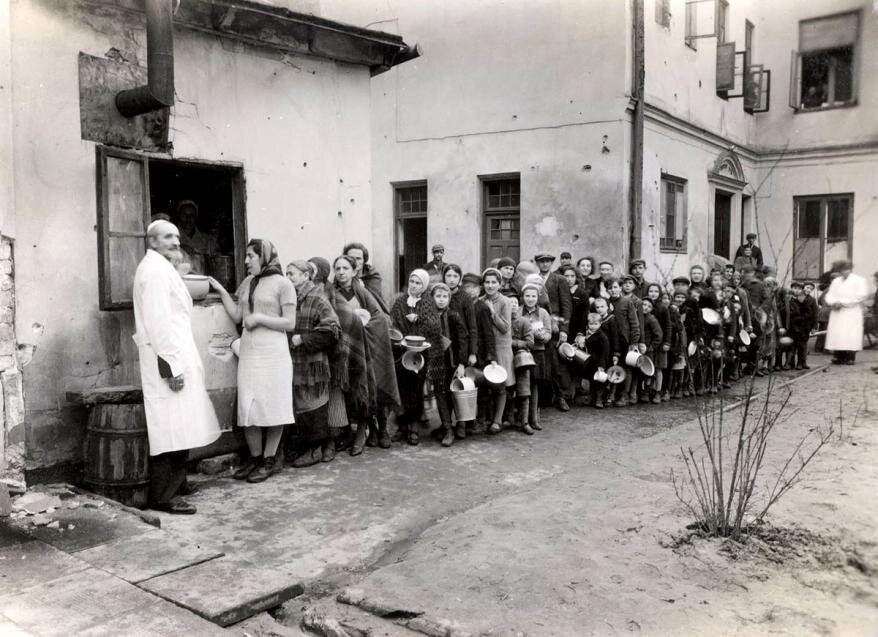
Led by Ringelblum, a group of journalists, scholars, and community leaders in the Warsaw Ghetto vowed to defeat Nazi lies and propaganda not with guns or fists but with pen and paper. By recounting their experiences as they happened, from their perspective as Jews during World War II, these courageous souls were both bearing witness to themselves and risking their lives.
“I do not know who of our group will survive…but one thing is clear to all of us. Our toils and tribulations, our devotion and constant terror have not been in vain,” Ringelblum wrote.
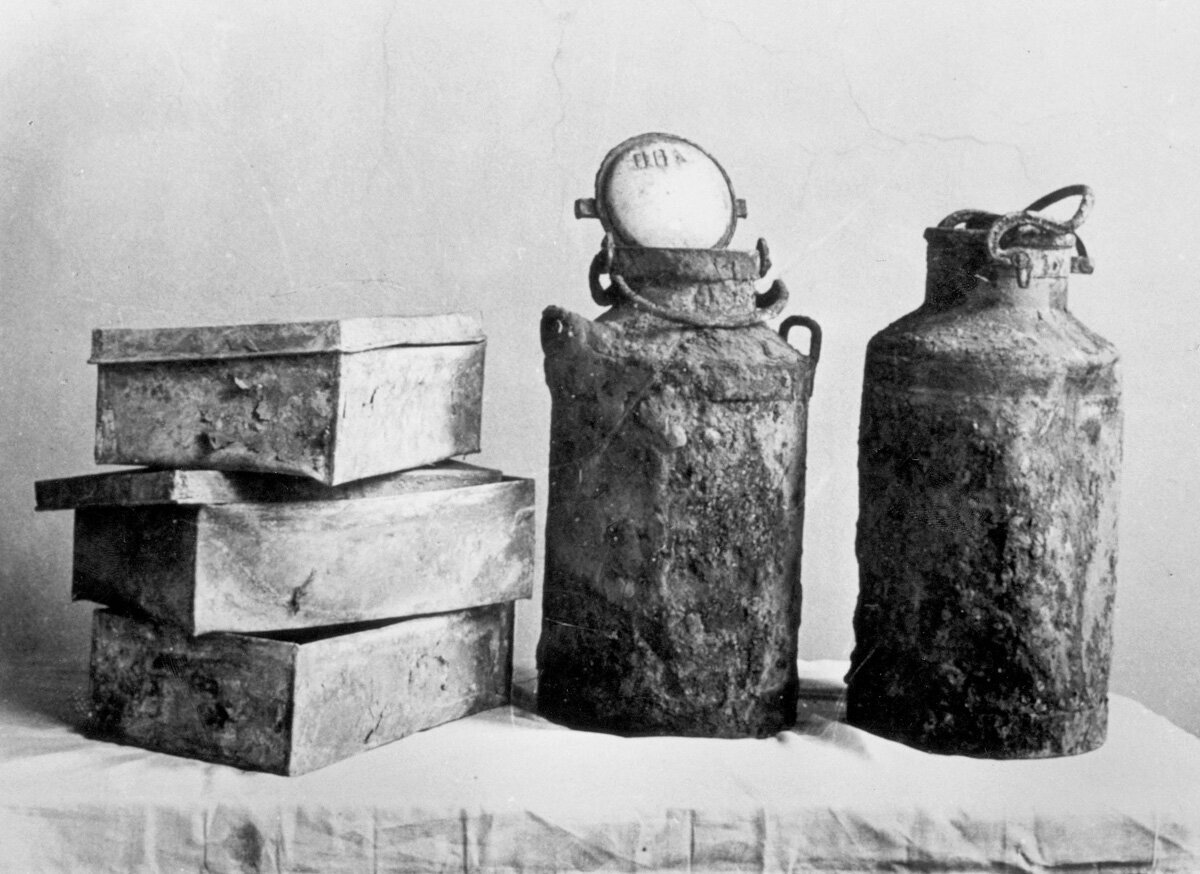
As trains deported them to the gas chambers of Treblinka and the Ghetto burned to the ground, members of the Oyneg Shabes buried 60,000 pages of documentation in the hopes that the archive would survive the war, even if they did not, according to the film Who Will Write Our History, a feature documentary that tells the story of the archive and those who created it.
Of the approximately sixty individuals involved in creating the archive, only three survived; and only one of those three individuals knew where it was buried.
Film director Roberta Grossman declares the efforts of the Oyneg Shabes archivists to “scream the truth to the world” to be “the most important unknown story of the Holocaust.”

The feature documentary Who Will Write Our History blends archival and dramatic footage. “The thrust of the effort was to make the film as authentic as possible,” said filmmaker Roberta Grossman during a post-screening panel at the 92nd Street Y on November 19, 2019. “The overarching goal was to give the film the gravitas of documentary with great scholars like Sam [Kassow] and then to have the emotional pull of a dramatic feature.”
“Who Will Write Our History?”
On November 19 I attended a screening of Who Will Write Our History, a documentary I first read about more than a year ago. In the two days since, my mind—and heart—have been whirling with emotions and thoughts.
As a personal historian, I was heartened by the power of contemporaneous storytelling and the value of each and every person’s experiences.
As a woman, I was inspired by writer Rachel Auerbach, who dedicated her life to the documentation of and research into the Holocaust.
As a creator, I was empowered by filmmaker Roberta Grossman, whose seven-year journey to make this documentary was spurred on by “a sense of personal responsibility to tell a story that would otherwise remain untold.”
As a human, I am humbled and grateful to Dr. Ringelblum and his cohorts for remaining in the Ghetto with the express purpose of documenting the reality of life under Nazi occupation. “We can’t all run away,” he wrote.

The Oyneg Shabes “was one great act of accusation,” historian David Roskies says in the film.
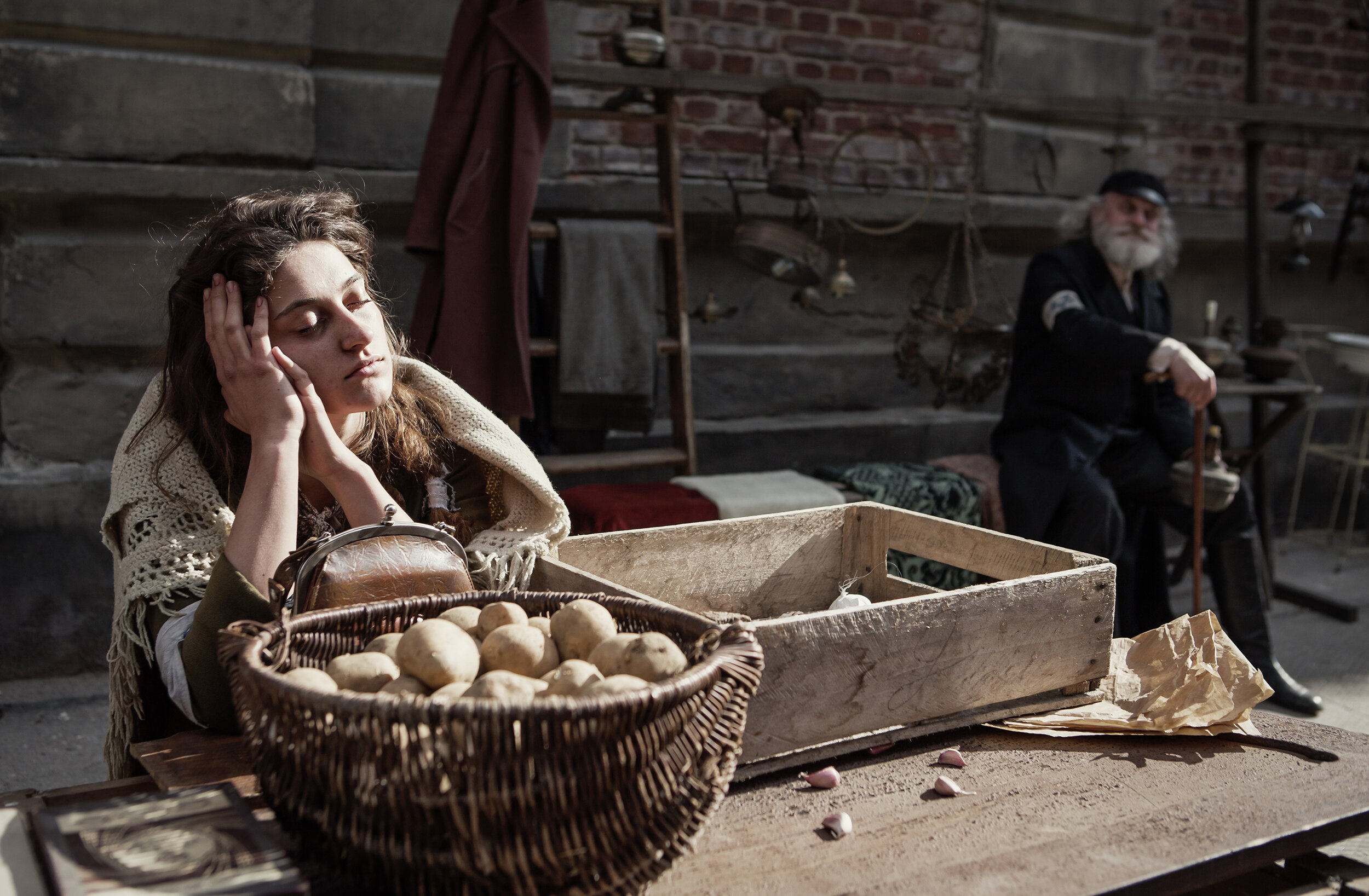
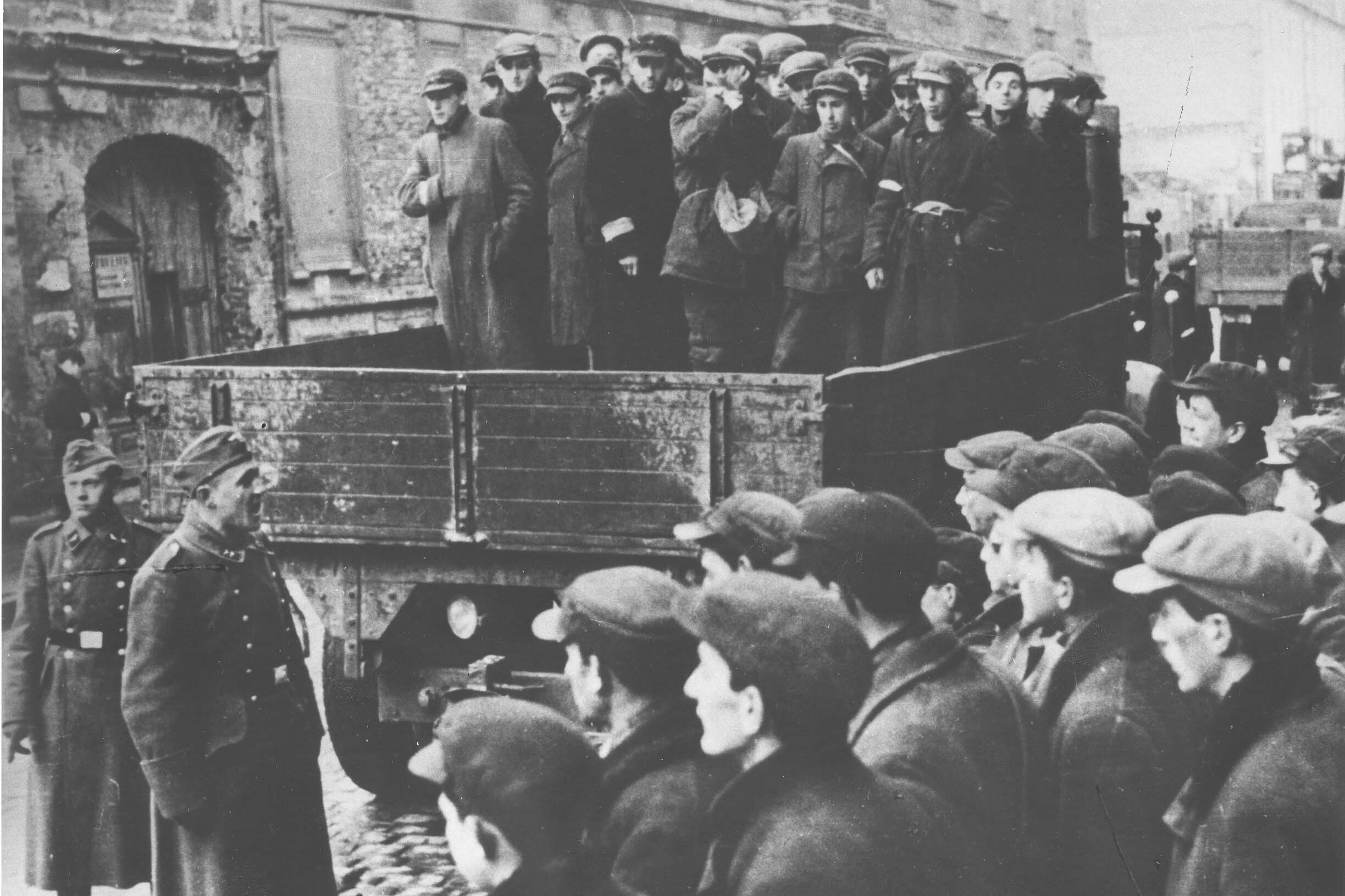
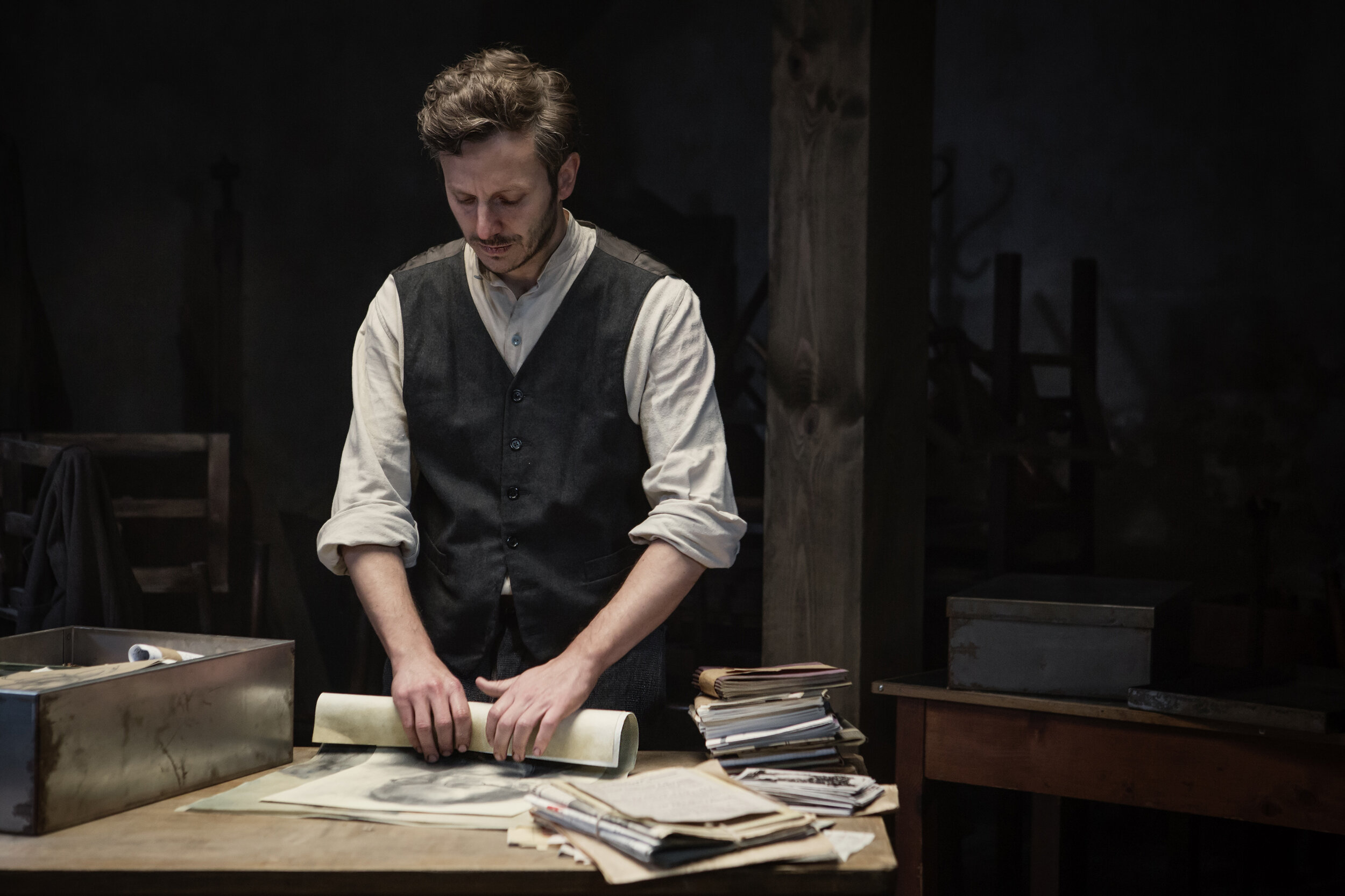
Photo by Anna Wloch, courtesy of Who Will Write Our History.
Here, I share some quotes that moved me, and implore you all to see this film.
As Grossman remarked upon reading Samuel Kassow’s Who Will Write Our History? Rediscovering a Hidden Archive From the Warsaw Ghetto, the book which inspired her film: “I had spent my life voraciously reading about the Holocaust. How was it possible that the equivalent of the Dead Sea Scrolls rising from the rubble of the Ghetto had remained largely unknown outside of academic circles?” Indeed.
Indeed.
Further reading
See the film Who Will Write Our History.
Watch a video of the post-screening panel at the 92nd Street Y with filmmaker Roberta Grossman, producer Nancy Spielberg, and historian and author Samuel Kassow, with CNN journalist Dana Bash moderating.
The filmmakers have released an educational version of the documentary appropriate for younger audiences, along with a rich array of teaching resources—which, I might add, are wonderful for anyone interested in the film, not just students: Check out the guided questions and handouts for watching the film, as well as activities for dealing with the idea of “Countering the Single Story.”
Explore the Ringelblum Archive via Yad Vashem.

The reluctant interviewee: “I’m just an ordinary guy”
In his 1996 documentary Nobody’s Business, Alan Berliner interviews his father about family history. The result is a poignant study of the nature of memory.
“Who the hell would care about Oscar Berliner?” barks…Oscar Berliner.
In Nobody’s Business, Oscar Berliner, the reclusive father, has the spotlight turned on him by his filmmaker son Alan Berliner, and the results are a poignant study in the nature of memory.
Nobody’s Business is not new; it is an Emmy-winning independent (raw and experimental) documentary from 1996. I discovered it only recently, though, and felt compelled to share. I hope the review that follows may inspire you, too, to explore screening Alan Berliner’s most personal film.

Filmmaker Alan Berliner filming his father Oscar on a Florida beach, circa 1993
End of Story
“I’m American.” That answer which my grandmother repeated each time I asked her about her—hence our—background—is echoed by Berliner’s father. He has no idea where his family is from, he says, and he does not care. Who cares?
HIs son the filmmaker cares, and persists in trying to get his father to come around to his way of thinking. After a trip to the Family History Library in Salt Lake City, Berliner shows Oscar photographs of his ancestors, including a picture of the street where they lived.
Oscar: “What does it matter?”
Alan: “Your ancestors walked on that block.”
Oscar: “Really, what does it matter?”
Oscar: “I have no emotional response. They could be taken out of a story book. I don’t know them!”
But the son is as stubborn as his father, and he challenges, probes, pushes.
Didn’t his father ever ask his own parents about where they came from? Well, no: “I never asked. They never said.”
His father remains recalcitrant. “I’m American. Period, that’s it.”
Strange Relatives
Delving into his family history a little further, Berliner interviews cousins and other relatives about their heritage—and the result is no more informative than his conversations with his father.
“No one ever talked about it,” says one cousin.
“We’re strangers who share a common history,” says another.
When a distant cousin is enumerating how he and Alan Berliner are related, he ultimately concludes they are “sort of relatives and sort of strangers…strange relatives.”
Indeed, Oscar sums it up best: “The one thing we share is the one thing we all know nothing about.” Their family history.
And yet the faithfully seeking Alan Berliner travels to the small towns in Poland where his ancestors walked, and to Utah to uncover records of the past. He describes himself in his journal as “questing after people I didn't know, people I will never know. Hoping to breathe in…even one tiny molecule of air once upon a time exhaled by my ancestors that might still be floating around the Polish countryside. Looking to incorporate it into my body, my breath, my being.”
Alan Berliner is the poet, the compassionate descendant, urgently probing the past for connections and meaning.
“Next question.”
Berliner’s journals elucidate his process and travels and struggles to “see how I might tell the story of my father's life, amidst his stoical reluctance to talk about it.”
His father is indeed reluctant, even combative at times (something Berliner visually brings home through footage of boxing matches cut throughout his dialogue with his father), never fully giving himself over to the conversation.
Despite the combativeness of the conversation, though, he tells his son that “yes,” he is enjoying himself during the interview. He is lonely in his old age. He thinks such personal questions—about divorce and marriage and war—are best left for private conversations. Each time the son inches closer to eliciting a truth or a story, though, his father balks: “Next question.”
Oscar Berliner died in August 1996, just months after Nobody’s Business debuted. He had gotten to sit next to his (very nervous) son at the premiere at the New York Film Festival at Alice Tully Hall, and told a friend that it was the happiest night of his life.
“'‘Oscar Berliner & Son’ is now closed for business,” Alan wrote in his journal after his father’s funeral. “We’ve retired. He's moved out, I'm moving on. Like everything else about him, it's a sad melange of ironies and contradictions. But I loved him out loud and people heard, understood, respected, and seemingly—in turn, found a way to love him too.”
A Legacy of Love & Longing
As he gets closer to finishing the film’s editing, Berliner records in his journal:
“The film is beginning to touch a nerve. To reach a kind of truth about ‘identity.’ About some of the hidden places inside of ‘family.’ My father is so honest, so raw, so real. He's incredibly alive as a character. I just need to let him be himself.”
And kudos to Berliner for letting his father be just that.
I felt privileged to witness the interchanges between father and son. To recognize some of their push and pull from my own family experiences (I, like Alan Berliner, have always ascribed a larger meaning to the past, and strive to derive meaning from—and pay respect to—my ancestors’ lives). To be part of this intimate dance.
Watching Nobody’s Business, I felt like I was witnessing a meaningful journey for Alan Berliner, son and filmmaker.
“Somehow in the cauldron of my life’s process, this feels important—both as personal gesture, and as public example,” Berliner wrote of making the film. I hope you will watch it and perhaps discover some meaning for yourself along the way.
Affiliate disclosure: As an Amazon Associate, we may earn commissions from qualifying purchases from Amazon.com.


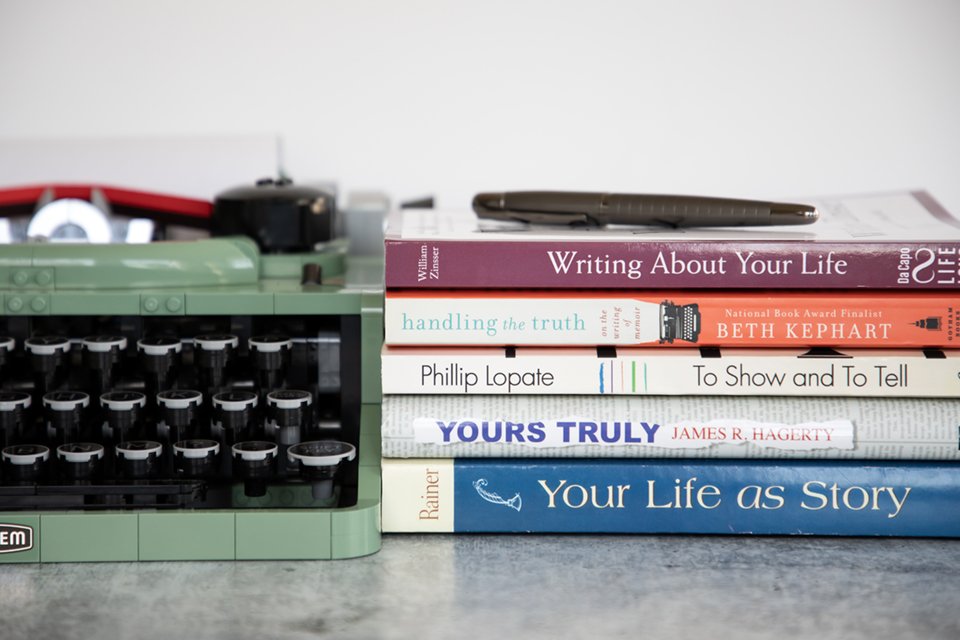



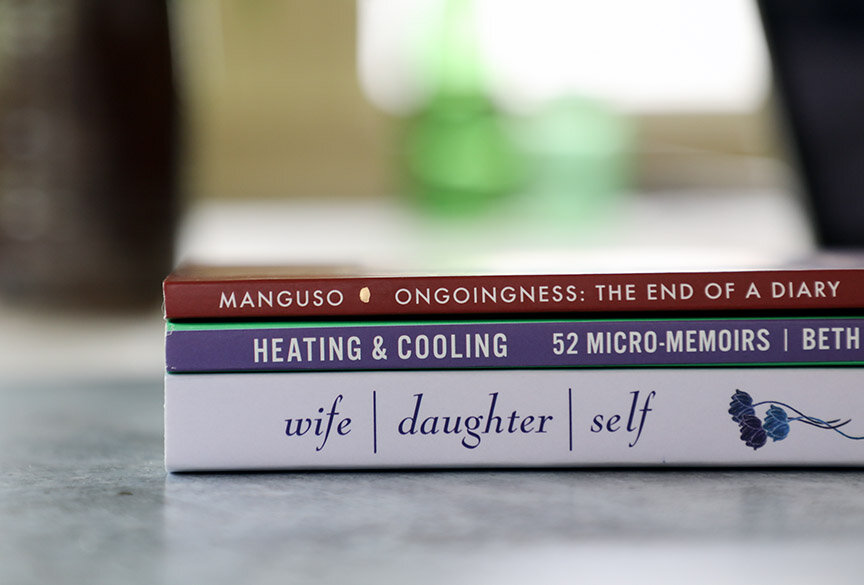



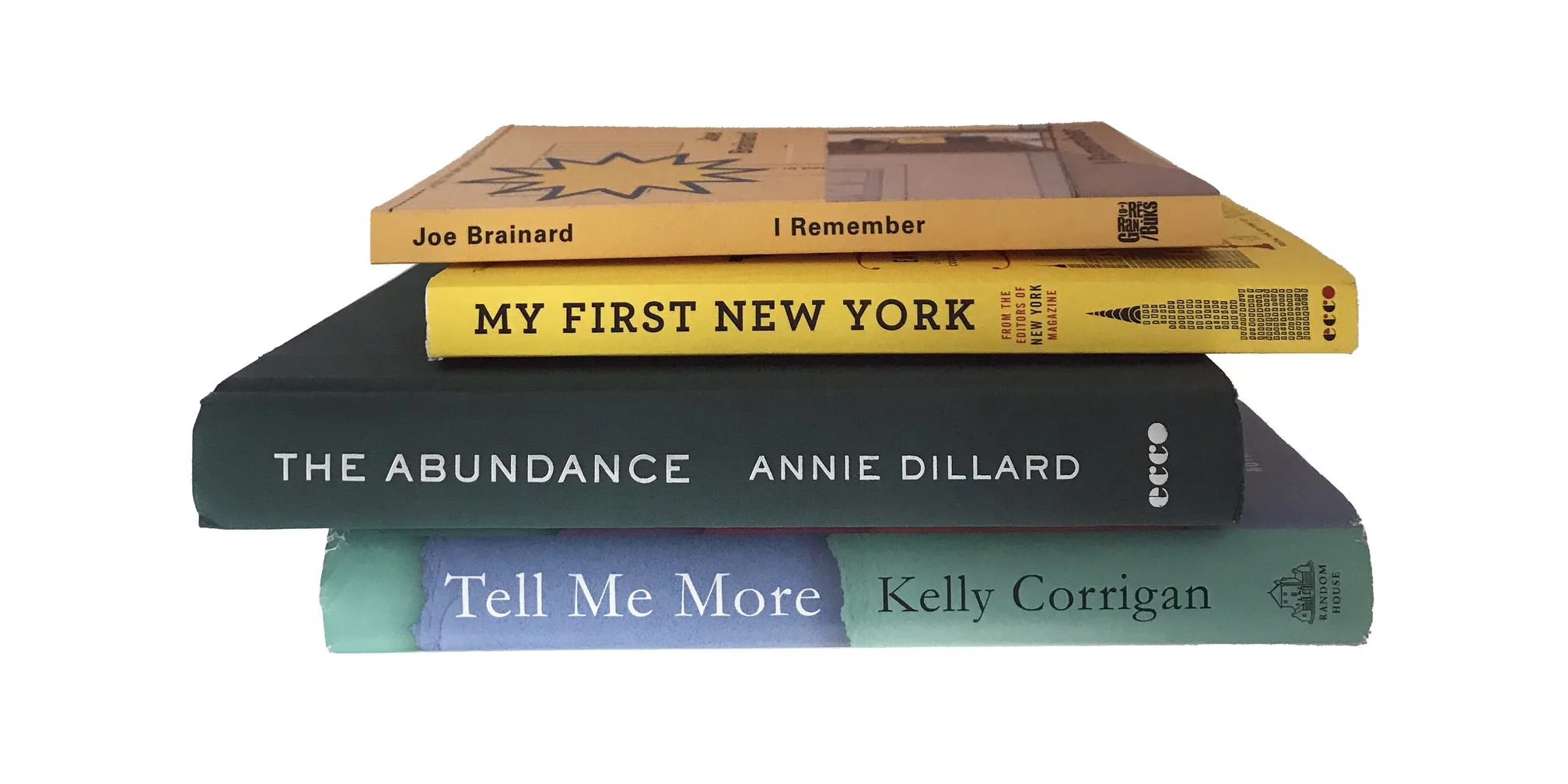



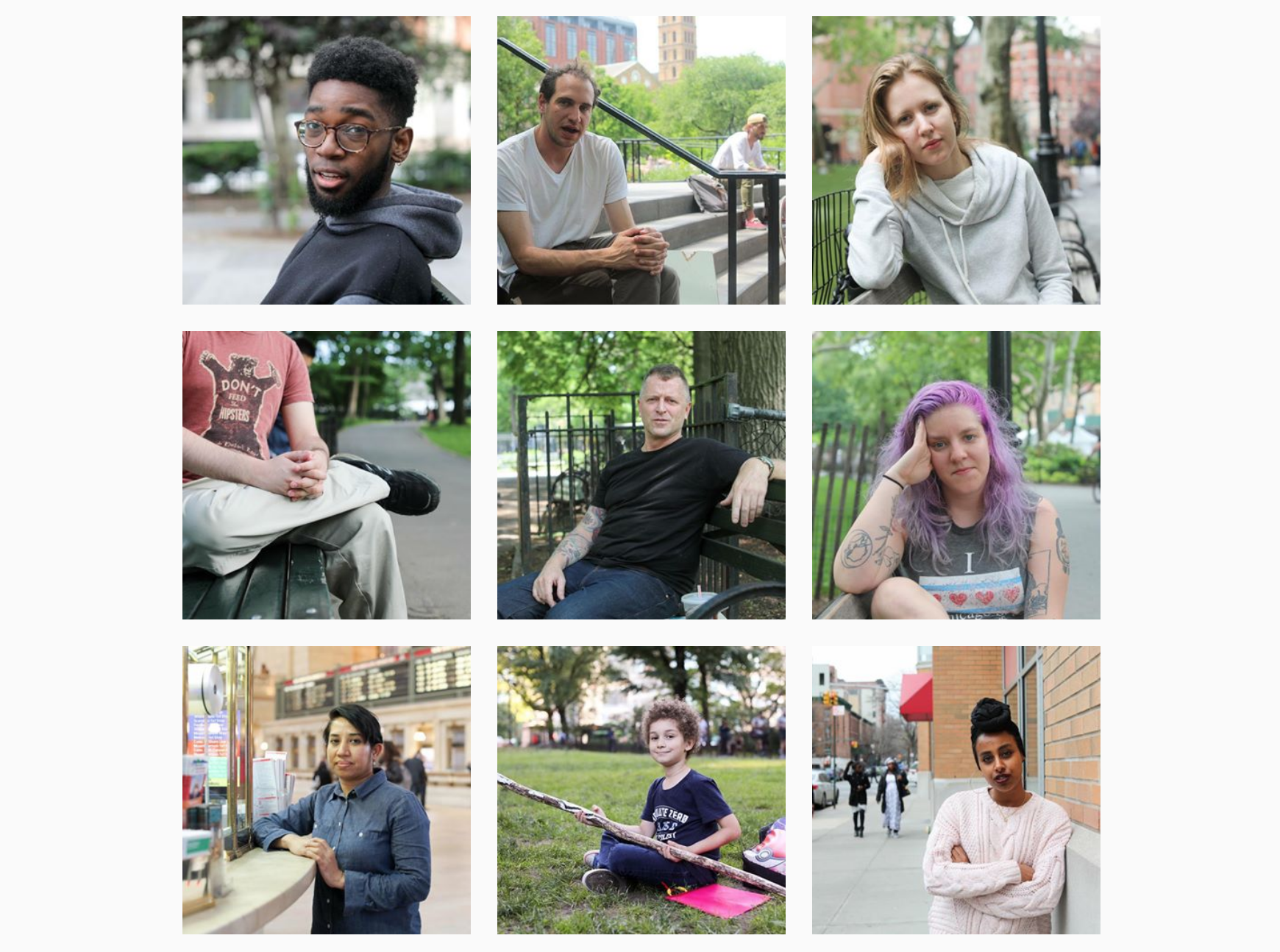


Dawn Roode’s curated roundup for the week of Sept. 23, 2026, is overflowing with recent reads on memoir, life story writing, and family history preservation.