
Memories Matter
Featured blog Posts

READ THE LATEST POSTS

“Who listens to you?”
We are a world of talkers, but what we need is to listen, and to be listened to. Find inspiration from author Kate Murphy and personal historian Dawn Roode.
“When I interview people—whether it’s a person on the street, CEO, or celebrity—I often get the sense that they are unaccustomed to having someone listen to them. When I respond with genuine interest to what they are saying and encourage them to tell me more, they seem surprised; as if it’s a novel experience. They noticeably relax and become more thoughtful and thorough in their responses, assured I’m not going to rush them, interrupt, or glance at my phone. I suspect that is why so many end up sharing such tender things—unsolicited by me and wholly unrelated to the story I am writing. They find in me someone who will finally, at last, listen to them.”
This paragraph is from the introduction to You’re Not Listening: What You’re Missing and Why It Matters by Kate Murphy—I had jotted it down as a reminder to write about this phenomenon someday. The notation about the author and the book title was on the reverse side of the piece of paper I wrote the quote on. So when I unearthed the scrap among my things recently, I thought for a moment I had written these words; the sentiment and the experiences reflected within are as if my own (though, admittedly, it’s been a while since I interviewed a celebrity!).
It’s common—too common, really—for people to feel almost shocked when I maintain eye contact and do not interrupt their story sharing. More than one interview subject has teared up and needed to pause once they get going during our interview sessions—once it dawns on them that I am not going to interrupt them, and that I am listening intently.
Kate Murphy interviewed many people for her book, and among the questions she asked them, she writes, was, “Who listens to you?” The answers, as you can imagine, were not overwhelmingly positive: Many, many of us feel like we are not being listened to, and even, says Murphy, that we are not good listeners ourselves.
If you’re interested in exploring this—how we got here, how we can change course—I recommend picking up a copy of You’re Not Listening.
For a sampling of the author’s thinking and her voice, I recommend listening in to this Fully Booked podcast interview with Kate Murphy:
And for a few of my (very quick!) thoughts on the topic, read on.
Listening is an active endeavor.
Listening is not the same as hearing. Listening is a conscious act—being open to receiving the words and messages of another. “Listening is an act of community,” author Ursula K. LeGuin wrote. So next time you ask someone a question, pay attention to their answer; when it seems like they are done speaking, take a beat—awaiting more from them, perhaps, and listening to your shared silence. There is much there to hear.
Listening makes you a more empathetic person.
Empathy is the ability to understand and share the feelings of others. It can be developed through practice, and it's not a fixed trait. “When you talk, you are only repeating what you already know. But if you listen, you may learn something new.” This is an oft-quoted sentiment from the 14th Dalai Lama, and it resonates for a reason. By listening to (or reading) another’s stories, we are given the opportunity to see ourselves in their experiences—and in so doing, help us understand their perspective.
Everyone is interesting if you listen to them.
It’s partly a matter of asking the right questions, partly of giving someone space to share, but it’s mostly a matter, in my opinion, of listening—if you listen with an open heart and an abundance of curiosity, every person will show themselves to be interesting.
I hope you have someone in your life who listens to you—really listens to you. “Love is listening,” artist Titus Kaphar has said (and, oh, how I agree!)…and we are all worthy of love.
I leave you with this quote, written in my commonplace book years ago, from one of my most beloved writers:
“In the silence of listening, you can know yourself in everyone, the unseen singing softly to itself and to you.”
—Rachel Naomi Remen






“People still buy handmade shoes.”
As AI gets better and more accessible, will there still be a need for in-person story sharing services offered by personal biographers and historians? Yes!
Will there ever come a day when we are so reliant on artificial intelligence that our appreciation for and need for handmade goods and in-person services are gone?
In my professional circles, there is much talk about AI and the impact it will have on our work lives. Some of the talk is excited—how AI can help us streamline processes, for example. Some of the talk is panicked—how we’re being led down a path of no return, when artificial intelligence becomes smarter than people and AI takes over (conspiracy theory?).
Of course, the reality is somewhere in the middle. And with the technology evolving so quickly, how should I, as a professional personal historian, incorporate it into my work for YOU?
This is a question I think about often—and undoubtedly, my answer to this will shift as the technology does.
Despite typically being a tech early adopter, I have currently dipped my toes into the AI waters with caution: I have readily integrated some things such as AI transcription into my workflow (a godsend!!) but have remained more of an educated lurker. I have concerns—privacy chief among them—yet at the same time know that there is a revolution at hand. So, I test the evolving AI interfaces, listen to friends and colleagues who have embraced AI more readily, and learn from them and from experts I trust.
Listening to a recent Tim Ferriss podcast in which he speaks briefly about how we may adopt AI in the long run, I took note of one seemingly offhand remark he made: “I mean, people still buy handmade shoes, right?”
I was driving while listening to this podcast, and I kept turning this phrase over in my mind even after I had reached my destination; it struck a chord. “People still buy handmade shoes.” Sure, the majority of shoes sold around the world are likely made in factories—but there is a market for bespoke shoes, even now.
This led me to think about all the things that make my service as a personal historian unique, and in particular, different from any app- or AI-driven storytelling services out there (they abound, and are proliferating more and more). Because I DO believe that there will always be a place for one-on-one personal history services…even if the day comes when every single individual records aspects of their life story using AI.
What makes in-person storytelling special?
It’s not just about the end-product—it’s about the journey.
All of my experience to date with AI models has shown me one thing: They can be used effectively as tools with me guiding—very carefully—our trajectory. But compelling conversation (a back-and-forth with another being)…well, not so much.
I do believe that story sharing apps and online memory-keeping services are strong tools that make story sharing accessible to the masses—but they are by no means my favorite option. I would much prefer a family member interview their loved ones and hit “record” on their phone than for an email prompt to be sent weekly from a random cache of questions, to be answered in isolation. Because having someone to receive your story, having a person to connect with and reflect pieces of your narrative back to you, is so valuable.
As a personal historian, I am a generous listener who gives my undivided attention to my interview subjects. How rare is it these days to have someone’s full attention? To be listened to and heard? How rare an opportunity is it to give ourselves time to reflect so intentionally?! It’s all of these things combined that have inspired many of my clients to tell me, each in their own words, how the story sharing itself was even more valuable to them than the book that resulted. Would they have felt this way if I weren’t there to receive their stories? I know they would not have.
It’s about community.
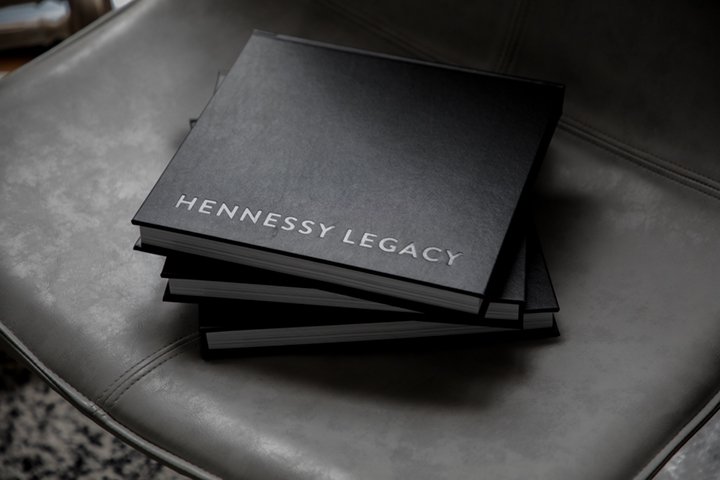
I always, always tell my clients that my greatest hope is that the book they hold in their hands at the end of our time together—the book that holds their stories—will become a vehicle for even MORE story sharing with their friends and loved ones. I hope their readers will ask questions, will learn and feel and grow even more curious about the book’s author. I hope that the authors will pull their book out with their grandchildren, and allow the photos within to spark more memories that they share in person. I hope the next generation will pull the book out with THEIR children and recount stories they heard, and add in their own experiences, too. A book that originates as part of an in-person story sharing experience has this sense of community written in its DNA.
It’s about finding meaning through follow-ups.
Follow-up questions are at the heart of any good personal history interview. We may start with a small script of questions, but I generally prefer to identify a theme for the interview and proceed from there. One story leads to another. Details that are not initially shared by the interview subject may be drawn out by the interviewer. How did you feel? How did it smell? WHY do you think you did that? One day AI will inevitably get better at the art of the follow-up question, but for now I believe in my heart that the connection between an interviewer and their subject yields one-of-a-kind stories and meaning-making—and that connection leads to intuitive, sensitive follow-ups; the rapport that develops leads to a sense of trust that allows a subject to go deep; and the back-and-forth nature of in-person conversation leads to revelations and humor and surprises that can only happen with a fellow human.
It’s about making art.
“That sense of interplay, or the ability to react in the moment, is something that artificial intelligence can’t reproduce,” musician Yosvany Terry says in this piece from The Harvard Gazette that asks the question, “If it wasn’t created by a human artist, is it still art?”
I have a feeling this philosophical conundrum will persist forever, even as AI advances to create art that reliably evokes emotions and is deemed ‘original.’ But I tend to agree with this line of thought: “AI currently requires a level of supervision and feedback that means a human touch and eye still very much have their place in the art world.”
As a human writer and editor, I am creating an original piece of art from my clients’ stories. My decisions—about tone, about structure, about design aesthetic, about what to highlight and what to leave out—are informed by years of experience, and by my human interactions with those clients. There is a dialogue infused with values spoken and inferred; there is a sensitivity to family relationships and other intangibles that may impact how a story is received; and there is a real collaboration towards turning stories into art.
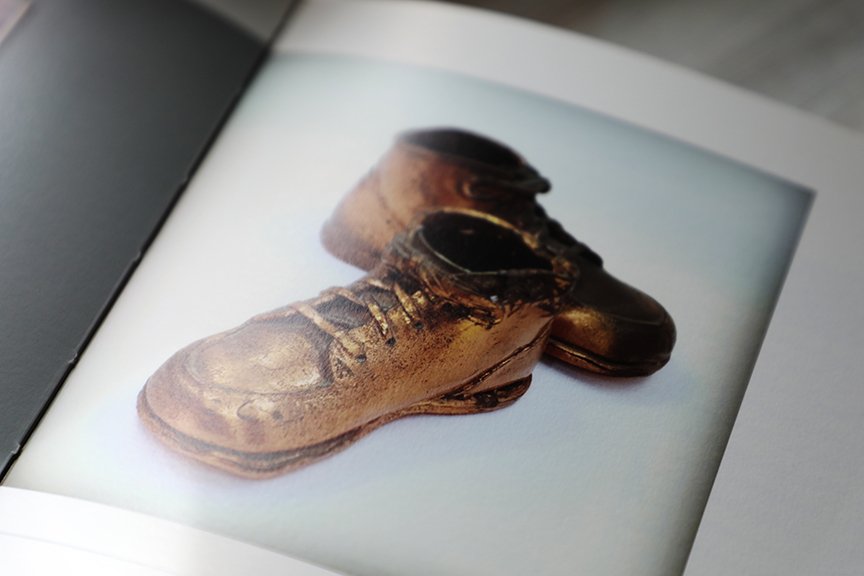
Like those who still buy handmade shoes, there will always be people who prefer in-person story sharing to AI-led preservation—and as a personal historian, I am proud and honored to be the cobbler of your memories.
Conversation starters
I wonder if I read this post in just a few years time whether my thoughts will have changed much?
I wonder what you think about the value of human interplay in story preservation?
I wonder what concrete ways you have found to incorporate AI use into your own work or family history preservation?
I wonder what ways you so far resist using AI, and why?
I wonder if you are interested in collaborating on a personal history project? Let’s talk.















How to ask good follow-up questions in a family history interview
Five easy ways to get the best stories from your family member just by responding thoughtfully to their answers (hint: it starts with really listening!).

Whether your family history interview is being recorded on a couch in the subject’s living room or virtually on an iPad screen, it’s important to show interest through verbal cues and follow-up questions.
You’ve decided you want to interview your parent or grandparent to capture some of their memories and add to the family history book you are creating. You’ve downloaded recommended family history questions, thematically curated the ones you want to ask, and gathered the equipment needed to ensure you record everything smoothly. You’re good to go.
But wait! Just one small thing I’d like to remind you of: Remember to be a good listener, and to ask effective follow-up questions during the interview.
Tips for effective follow-up questions
Whether you are interviewing your mother, who you obviously feel comfortable with, or a great-aunt you have just met and who you really know nothing about, think of your interview somewhat like a conversation (albeit a lopsided one 😉). Ask a question, then provide space for your partner to reply—a quiet moment for them to think, of course, and also eye contact and an open expression on your face that invites trust and conveys real interest.
Then, when they pause and are seemingly finished with their answer, don’t automatically jump to the next question on your page. Instead, follow your conversational instincts and ask a follow-up question.
Be specific.
Instead of “Can you elaborate?”, ask “What was your favorite part about that job?”
Use open-ended questions.
Encourage storytelling with prompts such as, “Tell me about a time when you felt…” or “How did you react when your brother…”
Seek clarification.
If something is unclear, ask for more details without interrupting the flow of the interview. If you have a question now, chances are a future listener (or reader) will, too.
Follow their emotions.
If your interview subject mentions a strong feeling, explore it further. “You mentioned feeling relieved. Can you tell me more about that?” or “How did your sadness shift over time?”
Be an active listener.
Pay attention to their responses and tailor your follow-ups accordingly. Trust me, you’ll get better at this the more experience you have under your belt!
The power of family history interviews lies in both the connections they foster and the richness of the stories captured. By mastering the art of follow-up questions, you become a skilled facilitator, drawing out details, emotions, and lessons that make each story unique and deeply personal.
Remember the magic of “tell me more.” It's a simple phrase that can unlock a world of memories. It’ll also almost guarantee that both interviewer and interviewee will want to engage in yet another story sharing session—helping you create a more complete (and compelling!) family history and weave a tapestry of experiences that will resonate for generations to come.













The power of a follow-up question
Whether you’re interviewing your parents about their childhood or gathering family history info from your grandparents, good follow-up questions are key.
Want a sign that your follow-up questions are working? If your interview subject is engaged—nodding, smiling, or showing other signs of acknowledgement in response to your questions—then chances are their story sharing will go deeper in the best possible way!
There are numerous options out there for memory-keeping journals or email-a-week life story prompts, and they make for sentimental gifts for our loved ones. And when the gift recipient is a motivated self-starter, these gifts can yield amazing stories that can be passed on for generations. More often than not, though, these gifts don’t get much beyond the ‘good idea’ stage
I’ve certainly written about this before, but today I wanted to hone in on one simple aspect of why I think these well-meaning gifts do not always ‘work’: There’s no one listening—and no one, therefore, to ask a follow-up question.
Recently I was conducting a personal history interview with a client named Madeleine. She offhandedly mentioned that her granddaughter had gifted her a popular prompt-a-week story gathering service, and that she had only answered about two questions so far. How long had she been getting the prompts?, I wondered. “I guess about a year and a half,” she replied.
Huh?! “Why?,” I asked her.
“The questions are silly or stupid,” she said bluntly.
I pushed her to share a few of the prompts if she could recall them. Some were indeed silly when considered in the context of the service’s goals of preserving family history, but some were, in my opinion, just poorly phrased, or in need of some probing beyond the initial ask.
One question Madeleine ridiculed was, “What do you like to do to relax?” This nonagenarian rolled her eyes as she repeated it. “Can you imagine—who cares how I relax?” she said.
But when I followed up that “silly” prompt with my own related questions based on my knowledge of Madeleine’s life—Were there things you could do to decompress during the years you were working three jobs? Were there hobbies you wish you had more time for over the course of your life? What replenishes your energy when you are feeling low?—she had story after story. And the more I heard, the more I asked, the more it became clear that there were lessons buried in her stories.
These were stories that would not have come out—in fact, that Madeleine probably would not have even recalled—had I not been present as a curious listener. She initially dismissed the prompt out of hand when it did not immediately resonate for her. But when my follow-up questions helped her see the prompt in a new way—in a way that directly related to her lived experiences—her memories flowed.
Sometimes, a simple “tell me more” or “how did that make you feel?” can unlock a treasure trove of details that elevate a story from good to great. Follow-up questions help an interview subject move beyond one-sentence answers and delve into the details that make a story come alive. They encourage the interviewee to paint a picture with words, describe emotions, and share sensory experiences.
Beyond that, follow-up questions show your subject that you are interested. That you care about what they are saying. That’s so much more powerful than a one-sentence question posed in an email…with no one there to listen to an answer.
“To be continued…”: When breaking up a family history interview is wise
There are a variety of reasons—including traumatic memories—when pausing a personal history interview is the best course of action. Give in to the silence if...
There are many times when it’s good to hit the proverbial pause button during a personal history interview—you can always pick up the topic during another session.
I was in a meeting with fellow personal historians recently when we got on the topic of helping our clients discuss challenging times during their personal history interviews. There was so much wisdom in that (Zoom) room and one thing I jotted down was a simple phrase: “To be continued…”.
In this case, we were talking about a son wanting to hear about specific—difficult—times in his mom’s life: These were things she didn’t talk about with her family, but that certainly contributed to her identity and outlook on life. It’s understandable that he would want to learn more about his mother’s experiences. But—and this is a big “but”—when my fellow personal historian brought up this topic during an interview session, the person answering questions only went so far before getting quiet. Was it too awful to probe? Was the subject paralyzed by bad memories associated with the experiences? Did she even want to “go there”?
As trained personal historians, my colleagues and I are accustomed to giving people space—space to formulate answers, to think, to spend time exploring memories and being heard; it is a sacred space. Often moments of quiet during an interview will lead to meaningful and surprising stories. But sometimes, well, they won’t—sometimes, those extended silences may go nowhere. And that is 100-percent okay.
And sometimes, those silences are productive in another way: A seed has been planted via the question, and that seed needs time to germinate. Hence, that phrase I took note of: “To be continued…”.
Saying those words out loud either at the end of an interview or after a pregnant pause in the midst of an interview gives the subject time and space. The words are a recognition of the fact that, yes, we can continue this topic another time. That, yes, it’s okay to give it some breathing room. And that, no, we don’t need to finish this conversation right now.
Remember, though, that it’s not only a probe of traumatic experiences that may necessitate those words, “to be continued.” You may want to turn the conversation towards something lighter and more fruitful during a personal history interview in other circumstances, too. Here are a few instances where hitting the proverbial pause button on your interview (or at least on a topic that ends in a prolonged silence) can be beneficial:
Decide to resume discussion of a topic in a subsequent family history interview when:
the interview subject feels like exploring the current topic (whether involving trauma or otherwise) is too emotional, too difficult, or too uncomfortable
the interview subject would like to consult with a family member to check details on a sensitive memory or story
the interview subject is feeling tired
the interview subject has expressed that they would like to think about how to approach the topic
the topic being discussed could reveal things that negatively impact a loved one or other individual (in this case, be sure to reiterate that anything that comes up during the interview can be removed later, whether from an edited recording, a transcript, or a book).
One other thing worth noting: All of the above reasons for breaking up a personal history interview involve some form of challenge, but there’s another strong reason for resuming conversation again later—quite simply, because every time we tell a story, new aspects of our memories may come to the fore. So each new telling of a story may add texture, details, meaning. “No memory is ever alone,” Louis L’Amour wrote, “it’s at the end of a trail of memories, a dozen trails that each have their own associations.” So take one trail today, another tomorrow. Give your subject space. Let them know it’s more than okay for your conversation “to be continued…”.
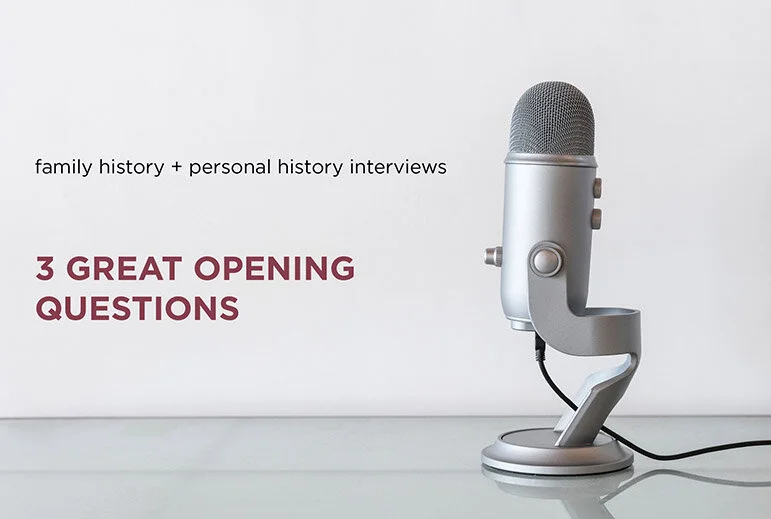
My 3 favorite opening questions to get a personal history interview going
Planning to conduct a personal history interview with a family member? Here are three effective first questions that guarantee their stories will flow freely.
Your subject is excited and comfortable, and you're tasked with interviewing them to capture their memories for posterity. So, what is the first question you ask them?
There are myriad ways to kick off a personal history interview, of course, but here are three of my favorite first questions, along with a little cheat sheet of which question is right in which circumstance.
opening question no. 1
“Please tell me the story of your life in 15 minutes.”
Asking someone to summarize the overall arc of their life—as if they are talking to someone they have never met—invites introspection and a focus on turning points. Bruce Feiler opened the hundreds of interviews he conducted for his book, Life Is in the Transitions, with this very question. It's open-ended nature allows for answers to take many shapes, and the time limit forces subjects to hone in on key chapters and moments that have given their life meaning.
I think this is a great opening question when you are planning to conduct multiple interviews over an extended time period, as it helps to set the scene—as well as expectations of what topics may be forthcoming. Subsequent questions will invite memories of more specific episodes and emotions from the subject's life, and as an interviewer you can help guide the conversation so that bigger themes can be discerned.
Who this question is best for:
A family elder who is being encouraged to share their stories by their kids or grandkids.
What it may yield:
Thoughtful recollections of the most impactful times in one's life.
opening question no. 2
“What is your favorite memory of all time?”
There are many people who would respond to this question with a blank stare (I am probably one of them). I don't relish choosing my favorite, well…anything; and as my family's longtime memory-keeper, I have too many stories at my fingertips to choose just one.
But every family has that reticent storyteller—you know, the ones who say, “Aw, my life isn't interesting enough to talk about,” or, “What stories? My life has been just like everyone else's!” And for those individuals, I am willing to bet this question gets them going. Why? First, its nostalgic focus on a happy time is irresistible. And second, it's not asking for a time that was "interesting" or "meaningful," just fun or joyful—and chances are, some memory will spring to the surface pretty quickly.
This question is a great option for that consummate storyteller in your clan, too—the one who's recounted tidbits from his life around the dinner table for years, the one who the grandkids gravitate to for a cheeky yarn. Why? Because chances are they'll have a fully wrought story on the tip of their tongue. You may have heard it before, but this time—well, this time you'll be hitting "record" to capture it for eternity.
The best part of this opening question? Your interview subject may not be able to stop at just one story (and isn't that your end goal, after all?!).
Who this question is best for:
A reluctant interview subject OR your family's born storyteller (yup, these seem like opposite ends of the spectrum, but the lighthearted nature of this question will work wonders in both instances!).
What it may yield:
Full-blown stories with rich sense details—and the allure of continued story sharing.
opening question no. 3
“Where would you like to begin?”
I find this question especially helpful when interviewing someone who has been thinking about their life story project for a long time. Maybe they wanted to write their memoir but didn't consider themselves a writer; or perhaps they were simply overwhelmed by all that a life story project entails and never started out of fear. Whatever their reasons, a subject who is not only willing but eager to record their legacy likely has plenty of stories brewing—they've probably imagined this conversation many times.
So inviting your subject to identify a starting point for storytelling allows them to dive in with gusto, to get out into the world all that's been simmering inside of them as they've been anticipating this project. As their interviewer it is your responsibility to listen carefully and gauge why they may have wanted to start “there,” then ask probing and insightful follow-up questions to guide them in rounding out their life story and ascribing underlying meaning to their experiences.
This opening question has the potential to yield a lot of shallow memories—meaning, a semblance of a list of memories from throughout the person's life. Use the transcript from this interview session as a planning tool for subsequent sessions—you'll have an outline of memories to probe, and will be able to ask questions to get to the deeper stories that hold real meaning.
Who this question is best for:
A person who has wanted to tell their life stories for a long time but is just now beginning.
What it may yield:
Lots of fodder for future interviews!
Your thoughts?
I'd love to hear from you:
What questions do you ask first in your family history interviews? (I hear, “What is your earliest memory?” a lot, but am curious to know why folks think this is ideal.)
Are there any interviewers whose opening questions strike you as especially effective? (I love, for example, how memoirist and podcast host Dani Shapiro typically kicks off her Family Secrets interviews: “Can you tell me about the landscape of your childhood?” As many of her guests are writers, their answers are often beautiful, both forthright and poetic.)
Special circumstances: Oral history interview questions for particular subject groups
If you are interviewing people who are trauma or Holocaust survivors, these resources may help:
trauma survivors
holocaust survivors
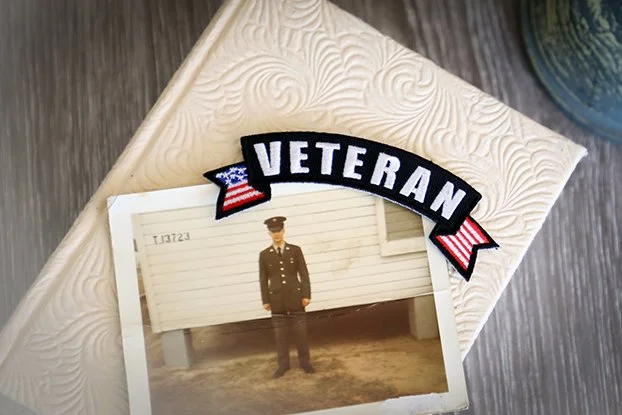
military veterans
Oral history instructions and sample interview questions for vets from the Veterans Project of the National Archives
hospice patients
The alchemy of story sharing: It takes two
Did you ever notice how joyful and empowering it can be to listen to someone else's stories? Magic happens when two people connect over story sharing.
“There is power in telling stories, of course. There is power in hearing them. But there is greater power in the interaction between the two.”
Plenty of people who want to preserve their stories for the next generation do so by writing a memoir or keeping a scrapbook. There are others, though, who take the approach of capturing their stories by recording conversations—one-on-one interviews either with another family member or with a professional personal historian like me.
One of the most common things I hear after an interview is some iteration of, “Wow, I had no idea how fun that would be!”
When we tell stories to an interested listener an exchange happens. As Murray Nossel, author of Powered by Storytelling, has said, “Listening is the air that stories breath.”
Magic happens when a story is received
The title of this post is “The Alchemy of Storytelling” for a reason: “alchemy” is defined by Merriam-Webster as “a process that changes or transforms something in a mysterious or impressive way.” There’s a magic to story sharing that can’t be fully defined.
A story isn’t really a story until it is received, is it?
Hearing a story is powerful. Because there’s a connection that forms between the storyteller and listener. There’s a sense of community and camaraderie that ensues, an actual exchange of ideas and feelings.
Bruce Feiler interviewed hundreds of people as part of his Life Story Project. He describes the exchanges this way: “We created something together that neither one of us could have created on our own. And when it was over, both of us wanted the same thing: To do it again. To hear another story. To share the process with almost anyone we knew.”
They each wanted a little bit more of that magic.
So, why is having a listener to our stories so impactful?
Top 3 benefits of having an active listener to your stories
1 - Your listener helps move the story along.
Research has shown that a listener to a story is not a passive recipient, but a co-narrator of the story being told, especially when they show empathy to the storyteller. And their reactions, both verbal and physical, prompt the storyteller to add more details, slow down, or clarify when necessary.
2 - If you’re paying attention, you’ll know when you’re veering off-course.
You can read your audience’s body language to know when things might be getting a little…boring (are they gazing into the distance or fidgeting?); confusing (are they furrowing their brow?); or even really good (are they leaning forward in their seat?). A storyteller who is attuned to his or her listeners will adjust the pace or level of detail to create an even better all-around story sharing experience.
3 - You’ll (both) feel validated.
No matter how specific and individual your story is, there’s a good chance sharing it with someone else will reveal it’s universality, too. That promotes a feeling of connection that can be elusive in today’s tech-driven world. It’s a joyful feeling to share stories like this—as Bruce Feiler said above, it’s contagious: One story shared leads to another…and another…
So, won’t you share a story from your life with someone you love today? Or ask them to share their story with you! Make some magic happen.
Meaningful conversation when your loved one is on hospice—here’s help
How to have meaningful conversation with your loved one on hospice, including the best life review questions & 4 things we all should say when someone is dying.

“My mom just entered hospice. I would like to create a book—do you have questions I could use? I would like to do this as I am sitting with her.”
This request came to me from someone who filled out a basic form on my website. My heart cracked open as I wondered what I could offer her.
At once I could see myself sitting by my own grandmother’s hospice bedside; I could feel that sense of helplessness and urgency to do something. I could imagine this individual typing that inquiry to me, a stranger, with a blind faith that it would be answered.
Well, I did answer her. It took me a while (and some research) to craft a response that I thought would truly be helpful at this time, as none of the resources I had thus offered online met the need. And then I realized—if she was looking for questions to ask a hospice patient, others were too.
If your family member is on hospice or has been diagnosed with a terminal illness, consider some of the questions and insights below to help you have meaningful end-of-life conversations with them.
Honor the urgency—and sacred nature—of talking with your loved one on hospice
It’s no surprise that when we are hit with the notion that our loved one is going to die, we feel an urgency—an urgency to connect, to hear their stories, to help them find meaning in their life and peace with their imminent passing.
Most of us take for granted that our family members will be around tomorrow. Tomorrow we can ask questions. Tomorrow we can hear their stories.
But when tomorrow is taken away, then what? Is it irrational to try to squeeze a lifetime’s worth of questions into what could be a finite few days or hours?
I have long offered a list of “essential” questions to use in interviews with parents or grandparents—but this is a long list, designed for those who have the luxury of time to conduct interviews.
When a loved one is on hospice, time is of the essence. So I recommend you get to the heart of the matter quickly, and focus on questions that lead them on a journey of meaningful reflection. (Remember, this is more about them than it is about you.)
Help the dying find a “sense of completion”
Research shows that people who are dying feel an urgency to “find a sense of completion” and to feel that they have contributed to others during their lifetime.
Palliative care expert Ira Byock has long written about how we can understand dying as a time of learning, repair, and completion of our lives—and how everyone deserves to “die well.”
One of his fundamental recommendations is that family members help their dying loved ones find that sense of completion by saying four things:
“Please forgive me. I forgive you. Thank you. I love you.”
It’s not a matter of simply reciting the words, of course. Each person must find personal meanings within the words, and find a way to express that meaning to their loved one.
“Thank you for being a mother who always listened to me, Mom.”
“Please forgive me, Daddy, for not helping you to cope better during your divorce”
“Mama, I forgive you for the things you did that caused me pain.”
Conversation may or may not ensue, but the offering of the words, the emotions, the gratitude, is a true gift. It helps both the dying person and their family member feel like important things have not been left unsaid.
Ask questions that help create “a biography of joy”
Like the woman who wrote to me wanting to use the time at her mother’s bedside to ask biographical questions, many people desire to learn more about their loved one as they near death. Perhaps there are things they always wanted to know, but time never seemed of the essence—until now.
There are myriad lists of family history questions out there, but these are designed for interviews where there is less sense of urgency.
When interviewing a hospice patient about their life, a more condensed life review is in order. Ask questions that speak about life transitions (graduation, career change, marriage, becoming a parent, moving homes, etc.) and that lead the subject down a path of happy reminiscence.
Questions that probe big changes in one's life usually prove to have very poignant answers.
Things such as:
Tell me about all you have loved.
What is the best decision you ever made?
What have you loved most in this life?
What has surprised you about people? About yourself?
How would you like to be remembered?
What hopes do you have for your family?
And then, there are times when someone on hospice may not want (or be able) to delve so deeply.
Consider bringing them a smile through lighthearted questions.
Questions such as:
Sing me your favorite song.
Do you remember your first kiss?
What was your favorite toy as a young child?
Did you ever play a prank on someone?
And remember: While you certainly have a deep interest in learning the answers to these life review questions,
“Stories also can be a gift that the ill person gives to others. People living with debilitating effects of illness may struggle with feelings of unworthiness and a sense of being a burden to others. The recording of family stories involving the marriage of matriarch and patriarch, seminal events, and the history of the family during war or natural disasters is a tangible way that people can contribute to their children, grandchildren, and the generations to come.” **
This life review is foremost an opportunity for the dying person to reflect and find meaning in their life. What a gift that is.
Navigate end-of-life conversations with grace
It is a most generous gift for you to go beyond providing comfort and personal care to inviting your family member to reflect on their life. By asking them questions and giving them space to share, you are creating an opportunity for integration—for a sense of self-actualization to happen at the end of their life.
“At the end of the day, or at the end of a life, we want to know that our lives counted for something, that we mattered, that our lives have had meaning,” palliative care nurse Charlene Thurston says. “What matters most to people is not what they’ve accumulated, but whom they’ve touched; whom they’ve loved and been loved by.”
By asking your loved one certain biographical questions, you are helping them take stock of their life—to articulate how it has had meaning, and to name their most special relationships.
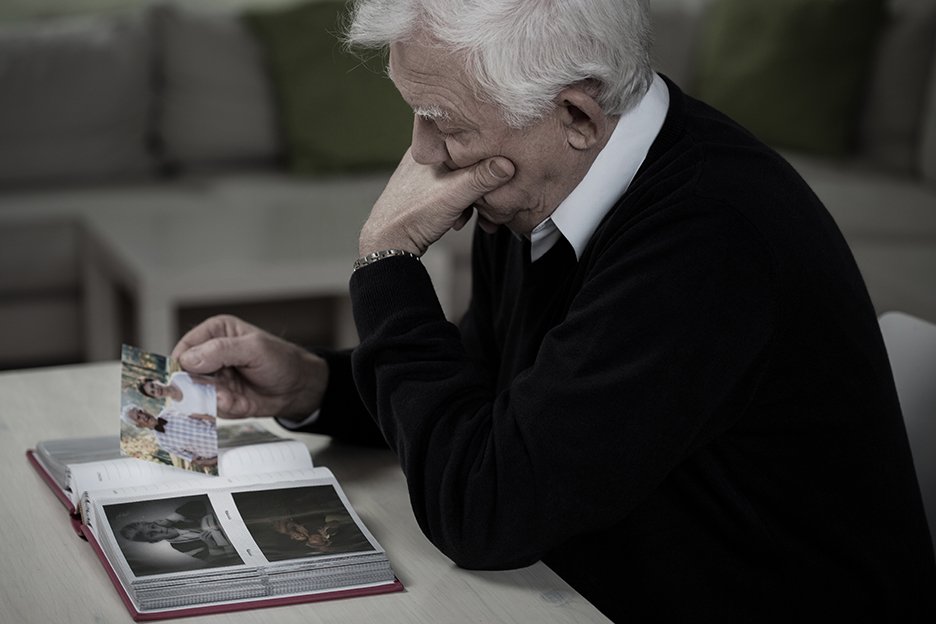
Listen generously. Make eye contact. Use old photos or mementos as memory prompts.
And I urge you to hit "record" on your phone's recording app or on a mini digital recorder. We feel so confident we will remember the things our loved ones say, but I speak from experience when I say this is not always the case, especially when we are in a caregiving role and emotions are so close to the surface.
I hope these things are helpful to you in your effort to capture your loved one’s stories. Cherish the time you have together. Being a caregiver may not be easy, but it is indeed a gift.
** This quote and the idea of creating a “biography of joy” derive from a paper entitled “Caring When Cure Is No Longer Possible” by Ira R. Byock, M.D. and Yvonne J. Corbeil.