
Memories Matter
Featured blog Posts

READ THE LATEST POSTS
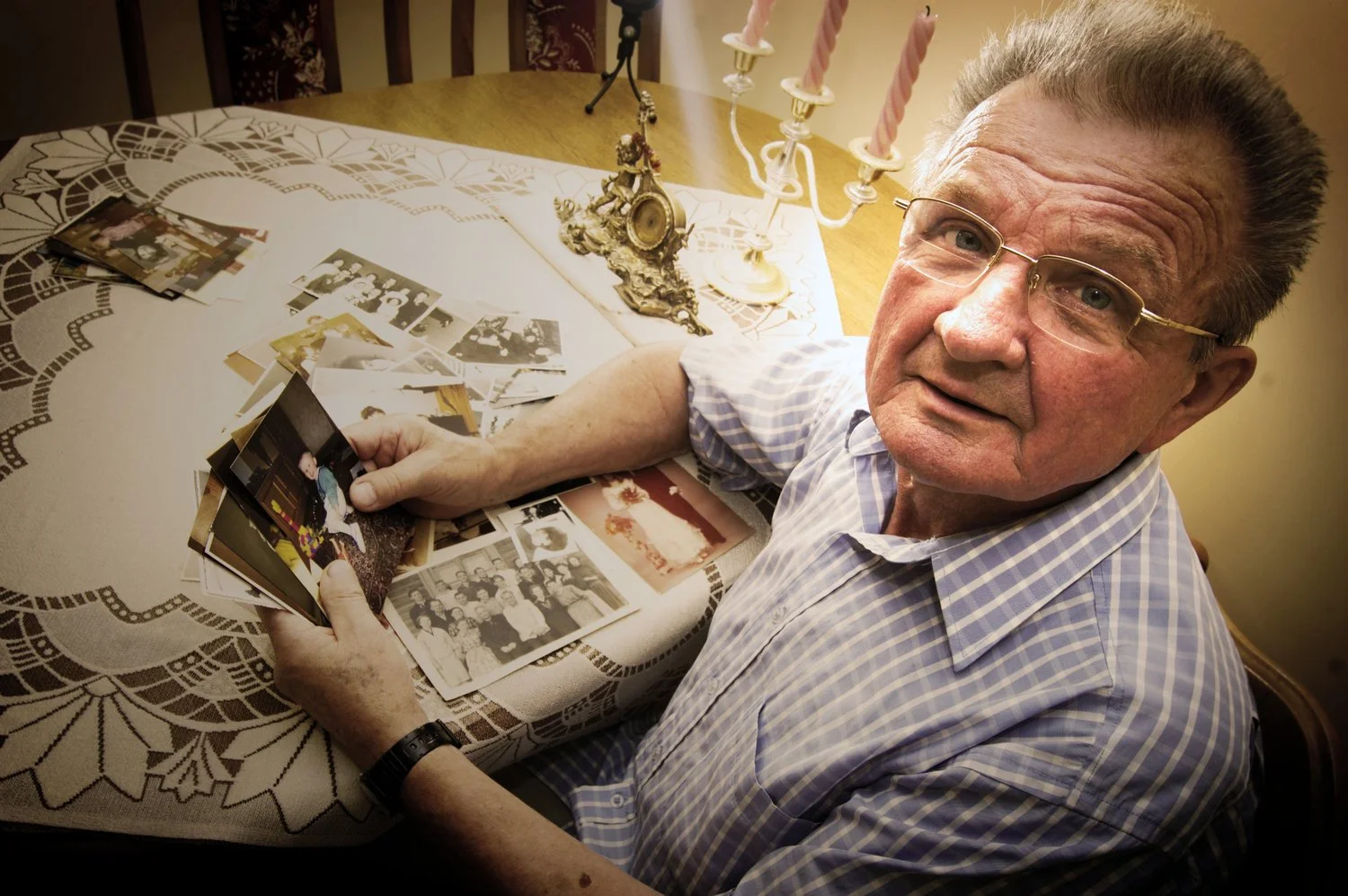
How to find their stories when they’re no longer here
Learn how to preserve family stories when firsthand voices are gone. Use archives, photos, and context to honor loved ones and keep memories alive.
When a family member is no longer with us, it might seem like their stories have disappeared—but there are ways to ensure that their legacy lives on.
One of the hardest moments in family history work is what I call the silence gap. It’s that point when the people who lived the stories are no longer here to tell them. The firsthand voices have quieted, and we’re left wondering how much we’ve lost.
But the truth is, even when storytellers are gone, their lives don’t have to vanish with them. With care and creativity, you can still piece together a vivid, meaningful picture of who they were and what their world looked like.
Where to look for clues when stories are missing
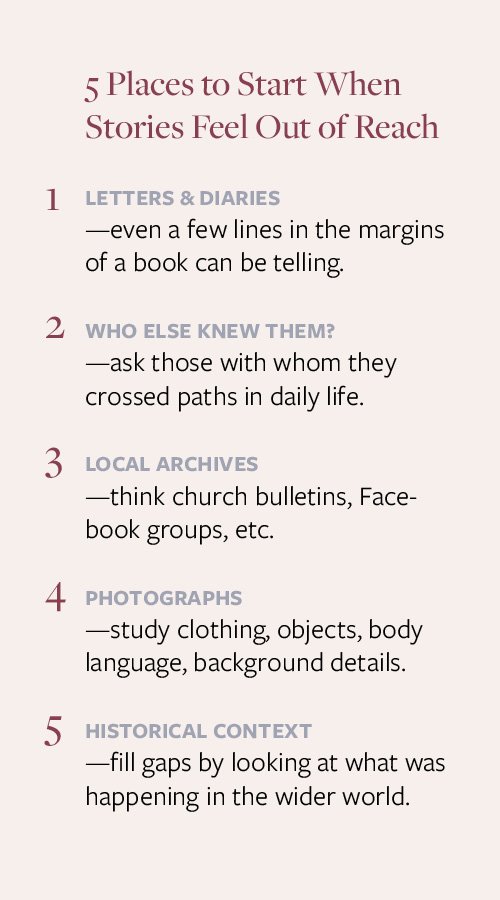
Letters and Diaries
Private writing—whether it’s a carefully kept journal, a series of letters, or a few lines scrawled in the margins of a book—is often the most direct glimpse into a person’s inner life. Look for tone, handwriting style, even what’s left unsaid. (And even if you glean minimal details towards a story, I promise you’ll feel closer to them upon discovering such personal writing!)
Oral Histories from Others
Sometimes the people who knew your loved one best weren’t family at all. Neighbors, classmates, coworkers, or fellow congregants may hold memories worth recording. Even a single anecdote can unlock perspective. (And if you feel shy about reaching out to someone you might not know so well for their memories, imagine this: Wouldn’t YOU feel touched to know you could offer that person something so special just by sharing memories of THEIR loved one?)
Community Archives
Don’t underestimate the power of local sources: synagogue or church bulletins, school records, town newspapers, civic directories, or Facebook feeds. These often capture the rhythms of daily life—and the names of people and families alongside them. (Social media, in this case, may have even greater potential than more traditional sources, as the interconnected web of people your loved one was connected to may surprise and delight!)
Photographs as Texts
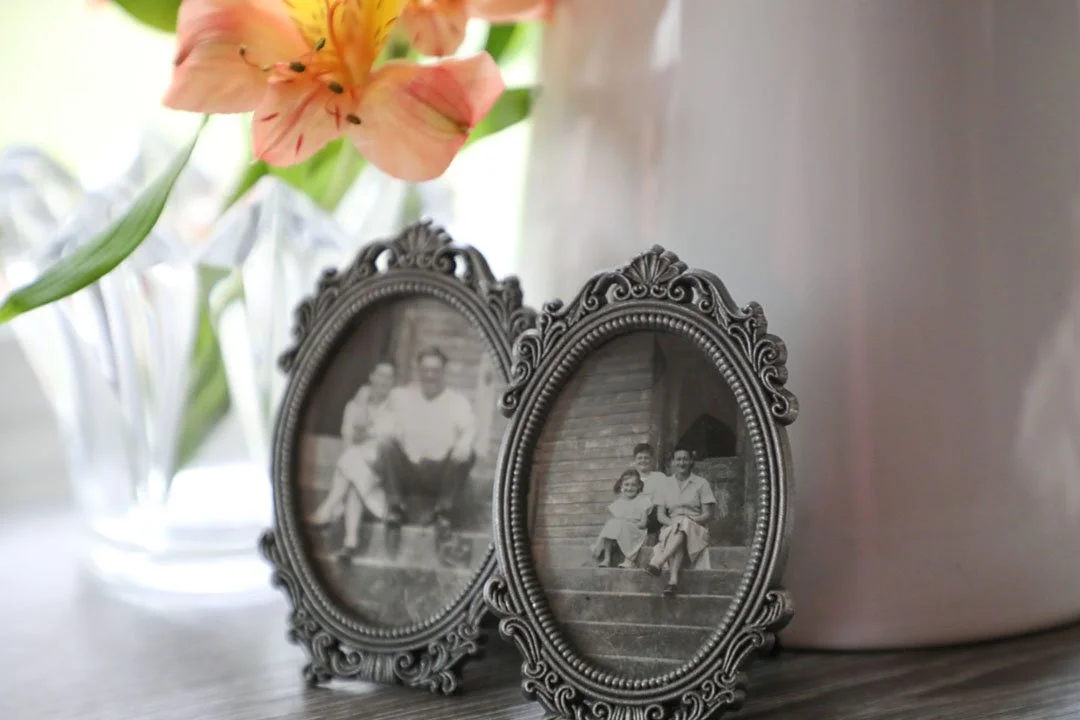
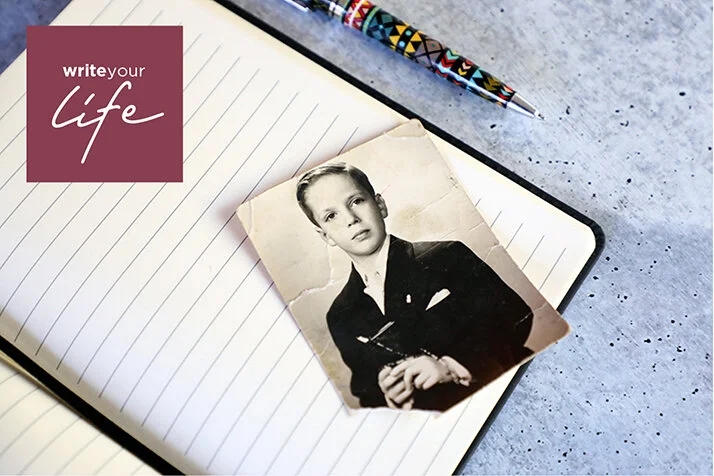
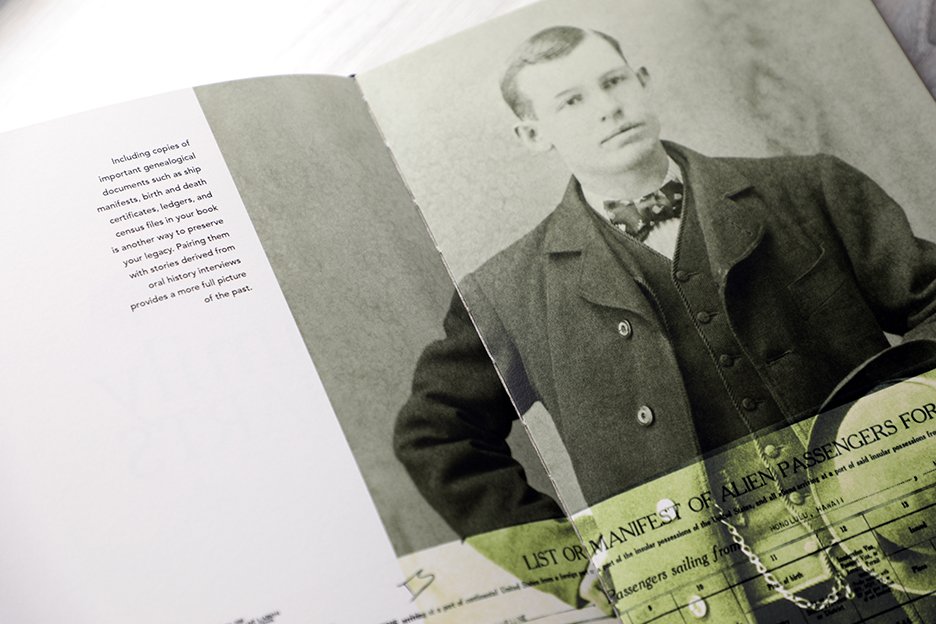
A photograph can be “read” almost like a document. Clothing, hairstyles, household objects, even the way people posed can reveal details about status, personality, and era. (Further reading for this one may prove super-useful: Check out this post for how to choose which photos may hold the best stories. and head here for specific guidance on how to write stories from your family photos.)
Historical Context
If the personal stories are sparse, zoom out. What was happening in their community, country, or the wider world at that time? Context can help you understand what shaped their decisions and daily routines. (If you love books, take a trip to your local library and ASK a librarian in person for their recommendations—it’s a great way to be surprised, and to tap into the wisdom of someone who is trained in the art of research!)
The challenge of the ‘silence gap’ in family history
A note on honesty: As you reconstruct a life, it’s important to be clear about what’s fact, what’s interpretation, and what’s imaginative filling-in. Transparency honors both the truth and the integrity of the storyteller’s absence.
The good news? Even when memories fade and voices fall silent, the story isn’t lost. By piecing together fragments—from a letter here, a photo there, a scrap of community history—you can create a portrait that honors your loved one and keeps their life present for future generations.
Why it’s important to record family stories while you can.
While it’s true that fragments can help us reconstruct the lives of those who are gone, the fullest, richest portraits come from listening directly to people while they are here. Every conversation we have now—every story told in a parent’s or grandparent’s own words—is a gift to the generations that follow.
At Modern Heirloom Books, my work centers on capturing these living voices before they become silent, preserving not just the facts of a life, but the humor, warmth, and humanity that no archive can ever fully replicate. So, please: Do what you can now to preserve your own stories. You’re loved ones will be blessed by that gift (and grateful to you for sharing it 😉).





































35 questions to prompt memories of your lost loved one
After losing someone you love, it can be hard to know where to begin. These 35 gentle, thoughtful questions help spark memories, stories, and meaningful conversations with family.
Gather your family around the living room with a box of old pictures and a laptop full of digital photos of the person who has died, arm yourself with this list of questions, and let the reminiscing process begin.
When gathering memories for stories to include in a legacy or tribute memory book, it can be helpful to have some prompts. The 35 questions that follow should provide fodder for writing, conversing, and sharing memories about your lost loved one.
Gather your family around the living room with a box of old pictures and a laptop full of digital photos of the person who has died, arm yourself with this list of questions, and let the reminiscing process begin.
Oh, and don’t feel self-conscious about using this list as a tool— at the most emotional times in our lives, such as losing someone we care about, any little thing that can help us along the path of grieving is a good thing.
Conversation starters that will provide stories for a tribute book
INTRODUCTORY QUESTIONS ABOUT THE DECEASED:
How would you describe the deceased?
What is your favorite memory of the deceased?
What did you call them—any nicknames or terms of endearment?
Did he or she have a pet name for you?
Is there a particular lesson learned from the deceased?
How long did you know the deceased?
QUESTIONS ABOUT THE DECEASED'S CHARACTER:
What do you think the deceased valued most in life?
What words would you use to describe his or her character?
How would you describe the deceased’s personality?
QUESTIONS THAT ELICIT MEMORIES ABOUT YOUR LOST LOVED ONE:
How did you meet?
What is a particular time you recall the deceased was especially joyful?
A time he or she was embarrassed?
What is your earliest memory of this person?
What was the deceased’s laugh like?
Was he or she chronically late or early?
Do you have any funny stories about times you spent together?
OPEN-ENDED QUESTIONS THAT ALLOW FOR STORYTELLING:
Do you remember any favorite stories about childhood that the deceased loved to tell?
Do your remember stories he or she would tell about:
military
college
getting married
becoming a parent
going to prom
learning how to drive
Did the deceased ever discuss big decisions they made that impacted his or her life?
Were there any major changes to the deceased’s life that affected them in big ways?
If you knew they could drop by and visit tomorrow, what would your ideal day spent together look like?
SEEMINGLY INSIGNIFICANT OR SILLY QUESTIONS THAT MAY SURPRISE WITH WHERE THEY LEAD CONVERSATIONALLY:
What was the deceased’s favorite color?
Favorite flower?
What type of music did the deceased listen to?
Was there a piece of clothing or something else the deceased wore that you found characteristic of them?
Did he or she have a signature saying?
QUESTIONS ABOUT HOW THE DECEASED IMPACTED YOUR LIFE:
How did the deceased impact your life?
How will you honor the deceased’s memory?
What do you wish you had said to them before they died?
How to get family started reminiscing about your lost loved one
Here are a few initial steps to using question prompts to help you record memories of a lost loved one:
Record your memories.
Use a mini audio recorder or the voice recorder app on your phone to capture the conversations about your loved one. Make sure everyone is seated close enough to be captured by the microphone.
Place a copy of the question sheet nearby so anyone can glance at it when they want.
Let conversation flow naturally.
Use the questions to prompt storytelling, but don’t rely on them like a school assignment. Rather, go with the natural course of conversation, allowing the group’s memories of your loved one to flow and meander as they will—it’s the memories themselves, not the answers to any questions, that you want to capture.
Keep in mind: This is just the beginning.
Realize that you will never get through all of these questions at once, and you are not meant to. Some of them may have no relevance to your experiences with the deceased, and one question may prompt an entire evening of reminiscence— that’s good.
BONUS TIP
It’s okay to be funny.
If your loved one was a vibrant and funny person in life, it stands to reason that tributes about them after their death should be infused with humor. It’s okay to step outside your grief and remember them with a smile, even a laugh. Happy memories provide comfort and help us heal, and will be a balm to the soul when you pull out this tribute book to visit with your lost loved one someday in the future.

Free download
Get a free, printable version of this guide, “After a Death: 35 Questions to Ask to Prompt Memories of a Lost Loved One.”
More free resources
Visit my Resources Toolkit to for more free downloads, including lists of questions to spark Thanksgiving and Christmas story sharing; a guide on how to use family photos as prompts for writing life stories; plus more tips for writing about your life in short vignettes.
Interested in turning your memories into an heirloom tribute book? That's what we do.

Modern Heirloom Books founder Dawn Roode looks through the tribute book she made in honor of her mother after her passing in 2009.
If you have recently lost a loved one, first: our condolences. Our founder, Dawn Roode, was inspired to start Modern Heirloom Books when creating a tribute book for her own mother was healing, and rewarding...we understand the feelings of loss. We truly believe that stories have the power to heal, and that remembering those we have lost helps keep their spirits alive in our hearts.
If you are considering memorializing your loved one's legacy in a book, give us a call. Dawn would love to discuss ways to honor their memory and preserve the stories of their life—for you, and for the next generation.
Contact us now at 917.922.7415 to see how we can work together to create a most meaningful heirloom.
This is a recreation of a popular post that was originally written and shared in 2018. That post was somehow lost during a transition to a new web server, so has been recreated and updated on March 26, 2026.


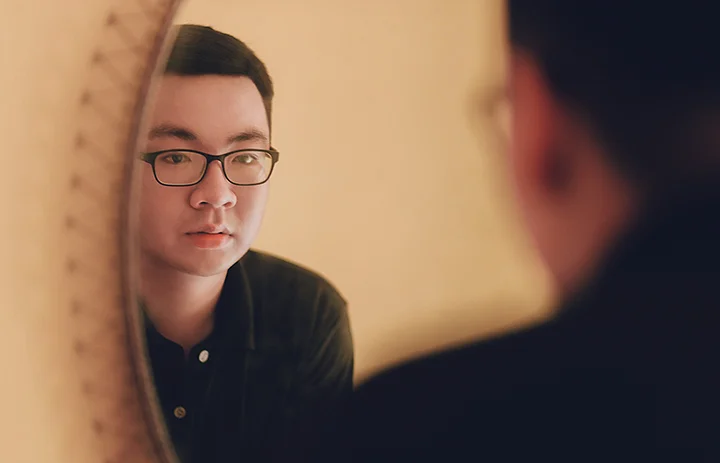

Honoring a life, one word at a time
Learn how to write a heartfelt, engaging obituary that honors your loved one’s life with personal stories and creates a meaningful, memorable legacy.
Writing an obituary is one of the most meaningful ways to honor a loved one after they pass. It’s more than just an announcement—it’s a tribute, a story, a reflection of the life they lived. A well-written obituary captures their essence, celebrates their impact, and helps family and friends remember them as they truly were.
But how do you write an obituary that goes beyond the basic facts? How do you craft something that feels personal, heartfelt, and engaging? Here are some key steps to help you create a tribute that honors your loved one’s memory.
How to write an engaging obituary that truly honors your loved one’s life
The basics: What every obituary should have
1. Start with essential information.
Every obituary includes basic biographical details, and these serve as the foundation of your tribute. Be sure to include:
Full name (including maiden name, if applicable)
Age and date of passing
Place of birth and residence
Key family members (spouse, children, grandchildren, siblings)
Funeral or memorial service details
Example: Mary Elizabeth Carter, 78, passed away peacefully at home on March 5, 2024. Born in Chicago, Illinois, she was the daughter of Robert and Helen Carter and a beloved mother to James and Laura. She lived in Seattle for over 40 years, where she built a life full of family, community, and adventure.
2. Include meaningful anecdotes and details.
One of the best ways to make an obituary feel engaging and personal is to include small details that paint a picture of who they truly were.
Did they have a signature saying or inside joke?
Did they love a particular song, book, or tradition?
What was a moment that truly captured their essence?
Example: Instead of, “He loved gardening,” try: Tom’s garden was his sanctuary. Every spring, he planted tomatoes, roses, and herbs, coaxing them into bloom with the same patience and care he showed to everyone in his life. He believed that a little dirt under the fingernails was a sign of a life well-lived.
3. Write towards establishing a legacy.
How will your loved one be remembered? Who or what did they leave behind? Take a moment to acknowledge their impact and express gratitude.
Mention surviving family and dear friends.
Highlight their lasting influence—on people, projects, or the world.
If applicable, suggest a meaningful way to honor their memory (donations, charities, or actions).
Example: Mary’s legacy lives on in the countless students she inspired, the stories she wrote in her journals, and the garden she nurtured each spring. In her honor, the family asks that donations be made to the local library—her second home and favorite place
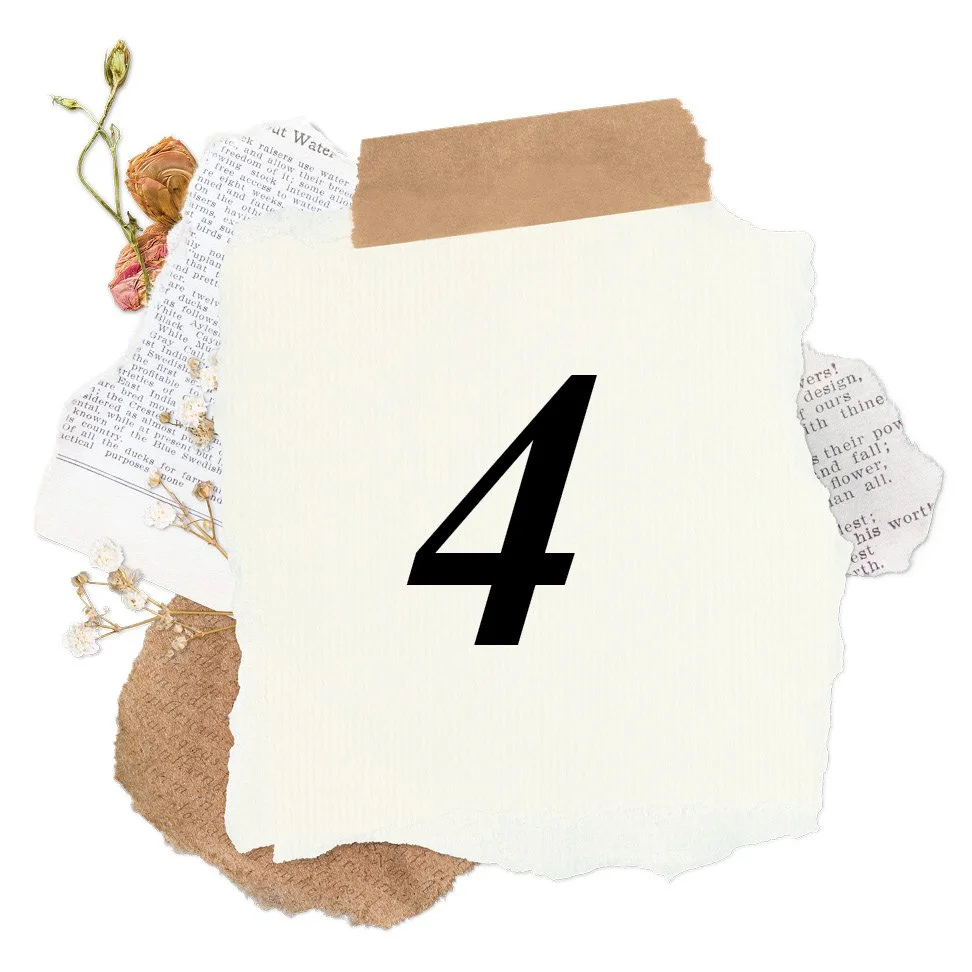
4. Strike the right tone.
Obituaries don’t have to be perfect, polished resumes of a person’s life. They should be honest, warm, and reflective of the real person. It’s okay to acknowledge challenges they faced—just focus on what made them remarkable despite them.
If humor was a big part of their personality, include a lighthearted touch.
If they overcame difficulties, acknowledge their strength.
If their life was simple but full of love, celebrate that.
Example: This example is from the obituary of a famed obit writer himself—someone who “saw himself as the sympathetic stranger at the wake listening to the friends and survivors of the deceased, alert for the moment when one of them would tell a memorable tale that…just happened to define a life,” Robert McG. Thomas:
“Mr. Thomas, a tall man with wavy hair who spoke in a voice soft with traces of his native Tennessee, was an extremely gregarious and social man. Last week he officiated at the annual New Year's Eve party he first started giving at the family home in Shelbyville 32 years ago. About 5 percent of the town's 12,000 people attended, and Mr. Thomas, wearing a blue silk shirt with embroidered sun and moon that he bought for the occasion, cheered his guests and the new century. As in past years, he expressed hopes that the fireworks he had ordered would not set fire to the Presbyterian church across the road.”
Beyond the Basics: Tell Their Story
An obituary, at its essence, is a miniature life story. What’s missing from so many, in my opinion, are actual stories.
What made your loved one unique? Instead of just listing milestones or speaking in generalities, bring them to life through stories that reveal their passions and personality.
What brought them joy? (Hobbies, careers, volunteer work, favorite places….)
How did they impact others? (Contributions to family, community, or their profession…)
What qualities made them unforgettable? (Sense of humor, kindness, resilience, etc.)
Don’t list answers to these questions; rather, tell stories of your loved one that shine a light on their traits. “I remember when Jared…” and “I ’m sure many of you know about the time Sarah…” and “My earliest memory of Marcelle is…”—each of these introductory prompts invites a tale, a fully formed short story that guarantees to make an obituary memorable, and to enhance the deceased legacy in a way true to their spirit.
Example: “Lyle, Ruby Ann’s husband of 55 years, swept her off her feet when he ordered a 5-cent cup of coffee and left her a 25-cent tip where she waitressed at her parents' Palace Cafe. After two weeks of courting, and fun at the roller rink, they married on December 26, 1951.”
Example: “Marshall D. Berger, a latter-day Henry Higgins who taught generations of Noo Yawkahs how not to speak the Kings County English, died on May 28 at a hospital near his home in Orangeburg, NY. He was 77 and had taught speech at City College from 1946 to 1982…. And if he could not always identify the exact Brooklyn block, say, where a student had learned to play stickball, or just which of the Five Towns of Long Island he had moved to as a teenager, he came close enough often enough to awe his students….
A man who made it a point to read his morning newspaper cover to cover, Mr. Berger seemed determined to know everything about everything. If that is impossible, he made such a run at it that his daughters and their husbands, all Ph.D.s, developed a family game called ‘Stump Marshall,’ in a usually vain effort to ask him a question he could not answer.”
An intriguing idea: Write your own obituary
“The most common error I see in obituaries is to underestimate the importance of childhood and teenage years, and the struggles to find a career, a mate, a vocation, or a purpose in life,” James R. Hagerty writes in Yours Truly: An Obituary Write’s Guide to Telling Your Story, a book I highly recommend. “The experiences that shaped you are often what other people least understand and would be most interested to know.”
And it’s exactly those types of stories that our loved ones often don’t know enough about to do justice to our stories at the time of our death. So why not give writing your own obituary a go?
Whether or not your family eventually uses what you write as your actual obituary won’t matter, in the end. What matters is that you leave them something of your deepest self for them to hold onto when you are gone.
In his beautiful book For You When I Am Gone, Steve Leder offers up 12 essential questions for telling a meaningful life story—and each one of them would be useful when contemplating your own obituary. “What memories do you wish for your loved ones to carry?” he asks. “What images will dance in their hearts like a bride twirling in the perfumed air, happy and alive?”
Writing an obituary is a labor of love. Take your time. Write from the heart. And know that in putting their story into words, you’re ensuring that their memory lives on.
Recommended reading:
Eccentric Lives: The Daily Telegraph Book of 21st Century Obituaries by Andrew M. Brown (Unicorn Publishing Group, 2022)
For You When I Am Gone by Steve Leder (Avery, 2022)
Yours Truly: An Obituary Writer’s Guide to Telling Your Story by James R. Hagerty (Citadel Press, 2023)
Overlooked is a series of obituaries about remarkable people whose deaths, beginning in 1851, initially went unreported in The New York Times. Peruse the archive here, or read more in the collected obituaries in the book, Overlooked: A Celebration of Remarkable, Underappreciated People Who Broke the Rules and Changed the World by Amisha Padnani and the New York Times (Ten Speed Press, 2023)
52 McGs.: The Best Obituaries from Legendary New York Times Reporter Robert McG. Thomas by Robert McG. Thomas (Scribner, 2008)
Related, on the blog:












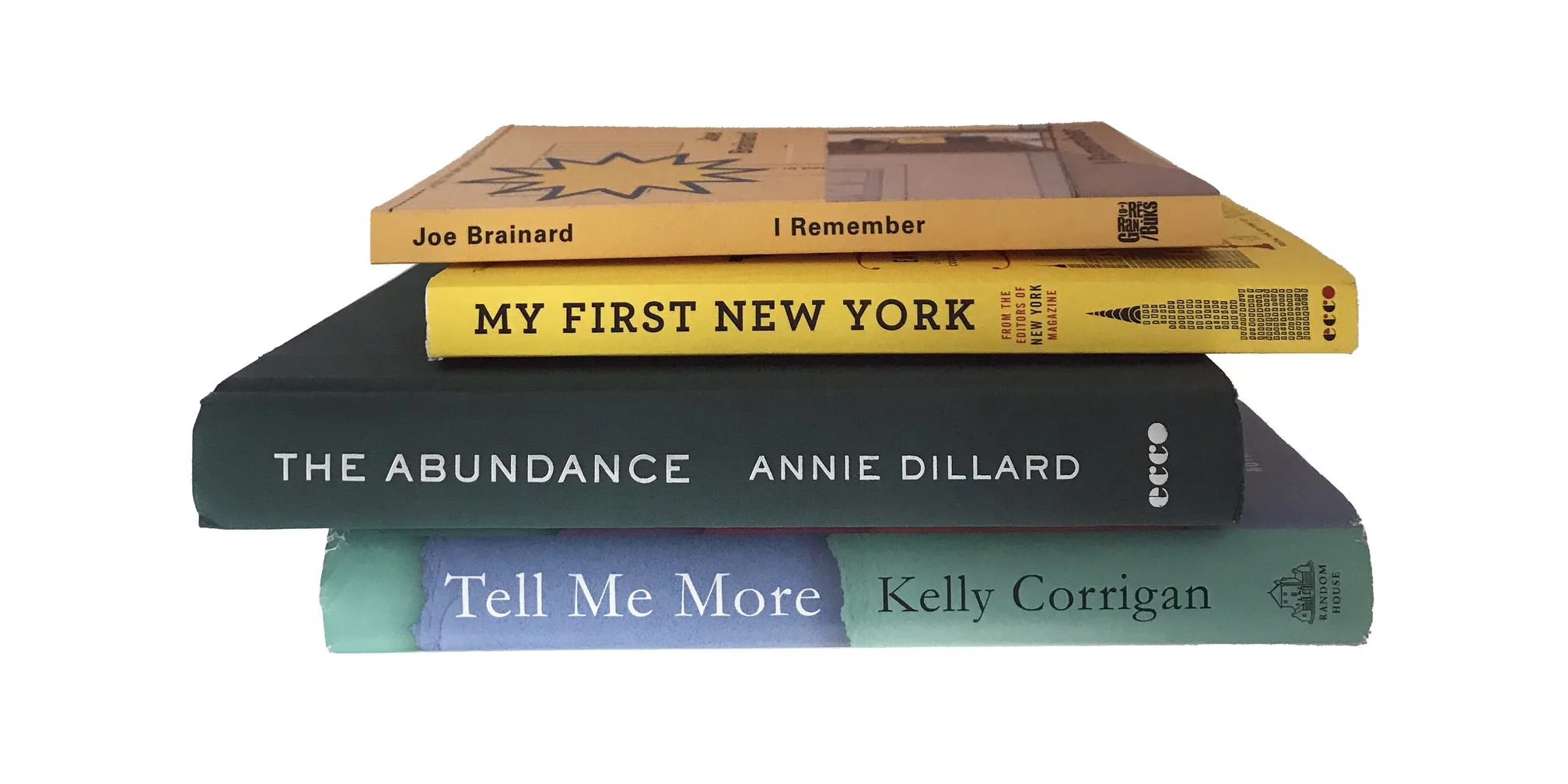


Missing a loved one this holiday season?
Dawn Roode offers up four suggestions for further reading (and listening) for anyone who, like her, is missing a friend or family member during the holidays.

As families celebrate Hanukkah and Christmas in the coming days, we can get caught up in the hustle and bustle, in expectations of mirth and traditions honored… For many of us, though, grief has a way of underpinning everything during this season, even amidst the joy and carols.
Those who have followed my journey for a while or who know me personally understand that loss is a theme I revisit often. I do so because the loss of three loved ones—my mother, in particular—has changed me as a person. The absence of my mom permeates my life. And while there is sadness, and there is a sense of longing—especially during the holidays—I have also gained much; I have become a new me in the wake of her loss. And I feel compelled to help others remember their own lost loved ones, to use story and memory as ways to honor those they have lost, to help them heal—even if it’s a (very) little bit at a time…
But sometimes there is nothing that will make those stabbing moments of grief go away. And maybe we’re meant to feel them. I find some consolation in connecting with others who may feel similarly; of reading others’ experiences with loss and holiday grief. And so I thought this week I would share with you a few things that have resonated with me, and a few I have written myself; I hope one or more of these will help you feel seen anew, will connect you with positive memories of the loved one you are grieving (whether they died yesterday or three decades ago), and will help you find moments of solace and light when grief seems like a shadow darkening all else.
4 ideas for finding solace on your holiday grief journey
personal reflections
I wrote this piece in 2017. I was missing my mom fiercely as Mother’s Day approached. Something compelled me to share some especially personal words on Facebook (and I am not one who is typically vulnerable—or even active, really—on Facebook). That act connected me in a most beautiful and unexpected way with a community of others who felt similar grief—and the bonus these days is that it comes up in my feed periodically as a memory. Rereading my words from that day makes me feel closer to my mom, and gives me hope when I need it. May it do the same for you:
“Wish You Were Here, Mom”
“Because a number of people expressed gratitude for my words—for recognizing my prolonged grief as their own, for glimpsing something universal in my very individual experience—I decided to share the post in this broader setting…”
being there for others who are grieving
What if someone else in your circle is experiencing grief? In a world where rituals around dying are disappearing, where talking to someone about loss feels almost taboo, I find it can be helpful to have some concrete ideas on how to be there for another who is grieving. Take a look at this story for those ideas—and know that some of them may help you, too:

A Balm for Holiday Grief
A few ideas for sharing memories of someone who has died…
LISTENING IN, living on
As an avid podcast listener, I was thrilled to stumble upon the first episode of Anderson Cooper’s podcast “All There Is” back in September 2022. He started recording while going through his late mother’s journals and keepsakes, as well as things left behind by his father and brother, narrating his experiences—and emotions—as he went. The result is a vulnerable, human, necessary meditation on grief (including a series of compelling interviews) that had me feeling seen—and wanting to hug Cooper and others walking through grief. I highly recommend giving it a listen (as for me, I will be revisiting episode two, where Stephen Colbert joins Cooper for a profound conversation).
As of December 2025, Cooper continues to explore the theme of grief in this podcast, and his generosity of spirit with his community of listeners—he says he has listened to thousands of audio messages and read tens of thousands of DMs, and that he is moved by every single one—is powerfully moving. “Listening to your messages, hearing your voices, learning the names of your lost loved ones,” he says, “has been incredibly profound. It’s made me feel less alone in my grief, and I hope these messages you’re about to hear help you feel less alone, as well.” I recommend this episode where he reads from some of those messages.

“All There Is”
I have recommended this podcast to many people this year. Anderson Cooper shares “a series of emotional and moving conversations about the people we lose, the things they leave behind, and how to live on—with loss, with laughter, and with love.”
FINDING COMMUNITY
In the wake of my mother’s death in 2009, I desperately sought community and a safe space for sharing my grief. It wasn’t easy. I eventually found a grief support group in my neighborhood in Park Slope, Brooklyn; it met at the nearby hospital and was a balm to my soul and frazzled nerves—that is, for the two sessions we met. Because it was run by a volunteer and there was no funding or outside support, it disbanded as quickly as I had discovered it. But many of us (a wildly diverse group—all ages, religions, and colors with unique experiences of recent death) had exchanged numbers. So I proposed we meet without a moderator at a local public place…and every single person showed up. That community was necessary for us then. If I hadn’t moved to another state, I would probably still be organizing our make-shift grief support get-togethers.
This year I discovered grief specialist Barri Leiner Grant via Instagram and extend an invitation to you to follow her, too, especially if you, like I was in 2009, are craving community around your loss. She offers memory circles, grief resources, a write-to-heal support group, and beautiful doses of inspiration through her work.

The Memory Circle
Barri Leiner Grant says that grief tending—“time dedicated to your release and relief”—is the foundational grounding of her philosophy. See if the tools she provides can help you maintain a meaningful connection with your lost loved one.
This blog post, originally written in December 2022, has been updated with new content on December 8, 2025.
3 ways to honor the legacy of a family member on Memorial Day
The holiday’s meaning often gets lost amidst long weekends and cookouts, but we’ve got easy ways to remember loved ones who died in service.
Memorial Day has come to be seen as the unofficial start to summer in the United States, ushering in warmer weather (if not the actual summer season). Its meaning is often lost amidst long weekends and cookouts, but let us not forget, it is a day on which those who died in active military service are honored.
Here are three ways to honor the legacy of someone who died in service, whether or not you have a family member who served and died for their country.
Intentionally remember your family member who died in service.
Set aside time to actively remember your loved one. This could mean looking through old photographs, reading letters they wrote, or sharing their story with your family. If they are buried in a military cemetery, consider visiting their grave to leave flowers or a flag. You might also take a moment of silence or raise a toast in their honor during a family gathering. Small acts of remembrance help keep their legacy alive.
Invite stories from other veterans in your family or community.
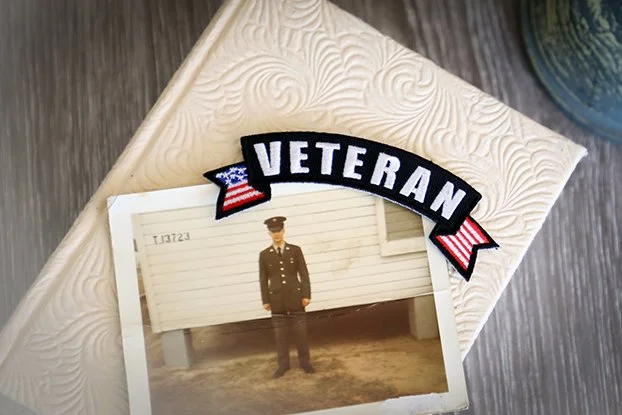
While it may be outside your comfort zone to interact with people you’ve never met, Memorial Day presents a unique opportunity to talk with living veterans in your community. Libraries and senior centers often have intergenerational conversation groups, or consider a senior who is loosely in your circle who you’d like to know more about (the grandparent of one of your kid’s friends, for example, or a shopkeeper who you know casually). Ask them to share memories of any of their fallen comrades, or simply listen to their own experiences. Record these conversations—whether in writing, audio, or video—to preserve their stories. If they are comfortable, consider submitting them to a veterans' history project or helping them create a family archive. These firsthand accounts add richness to history and ensure that the sacrifices made are never forgotten—and moreover, they shine a light on a single individual and create sacred space for them to share stories from their life..
Visit a local cemetery and photograph headstones for the Find-a-Grave website.
One way to contribute to the collective act of remembrance is by helping document gravesites for historical and genealogical records. The Find-a-Grave website allows users to upload photos and information about burial sites, ensuring that the names and legacies of fallen service members remain accessible to future generations. If you visit a cemetery on Memorial Day, take a few extra moments to snap photos of military headstones and upload them to the site. This simple act of digital preservation can be incredibly meaningful for families searching for information about their ancestors.
Honoring a family member who died in service doesn’t have to be limited to Memorial Day, but this holiday serves as an important reminder to pause and reflect. Whether through personal remembrance, community storytelling, or historical preservation, you can help honor a loved one’s legacy in a way that feels meaningful to you.
To read or not to read? How to handle a deceased family member’s personal letters
Discovering a stack of handwritten letters can feel like winning the family history lottery—but is it always the right thing to read (or share) them?
I have created wonderful heirloom books filled with letters that help tell the story of a family. Sometimes, though, we may not feel so comfortable reading our deceased loved ones’ personal reflections. Before you include their letters in your book, reflect on how they’d feel about it—then, make an informed, thoughtful decision.
My parents divorced when I was a child, and I do not have a relationship with my father. But I was close to my mother until her death. She shared a great deal with me, and we spoke openly about our feelings. When I was sorting her estate I came upon things I was excited to find: letters from me that she had saved, a memory-keeping journal where a handful of questions were answered in her pristine penmanship (how I wish she had written more in those pages!), a scrapbook of her youth that she had made in her fifties. I reproduced some things, including favorite handwritten recipes and letters between us, in a tribute book I wrote in her honor about a year after she died. I did not, however, include any of the letters sent between her and her newlywed husband when he was stationed in Korea.
If my mother were alive and we had discovered those saved letters together, I have no doubt she would have shared details with me. She would have told me why she saved them even after a bitter divorce. She would have talked about young love and her dreams and she would have answered any questions I had.
But my mother was no longer here to answer questions or to provide context. At first I was excited to unearth that correspondence; then, as now, I would cherish anything that connected me to my mom. I opened the top letter and began reading. The letter was intimate. It wasn’t sexual, but it was clearly intended for my mother’s eyes only. I refolded the letter, put it back in its envelope, and chose not to read any further. It felt like an invasion of her privacy, and I wanted to respect that.
Was I bound by some moral code not to read my mother’s letters? I don’t think so. To me, it just felt wrong. So I followed my gut.
Indeed, most genealogists regard letters as valuable family artifacts to be mined for family history information and stories. As genealogist Denise May Lovesick writes in her piece “Ethics, Etiquette and Old Family Letters,” “to reject reading old letters on the basis of ‘personal privacy’ seems counter-productive.”
In an online exchange about the ethics of reading letters of a deceased person, questions arise: Can the dead be rights-holders, morally? Is it an invasion of privacy to read letters not intended for you? Does the deceased have a right to have their memory protected? As one contributor shares, “the damage caused to that person is zero (he's dead), while everybody will benefit from the historical knowledge.”
Is it always okay to read (and share) letters from our deceased family?
So while it may not be morally or ethically wrong to read your ancestors’ letters (I have created quite a few books of family correspondence that are treasured parts of those families’ legacies!), if you have reservations, consider these questions:
What is giving you pause?
You may be worried that the letters will reveal a side of your family member you knew nothing about; that may be the case, and you should prepare yourself for that inevitability should you decide to read them. Perhaps you feel like you would be invading their privacy; if you have conviction that if they were alive, they would not want you to read the letters, then it may be prudent to respect those wishes, surmised though they may be.
Are you reluctant to read the letters, to share them, or both?
Remember that there is a difference between you or another loved one reading your parents’ letters, versus digitizing and printing them for a wider audience. You cannot decide whether to share a personal correspondence until you read it, and then you will need to make an informed decision: Will reproducing the letters (in a family history book, for instance) provide insight or historical context without maligning the letter-writer? Then you may want to share them. Will reproducing the letters reveal sensitive information that might hurt someone else, living or deceased? Then you may want to reconsider.
How would you want someone to act if the letters were your own?
Imagine you have a stash of letters hidden in your closet—they are meaningful to you, but private. You have saved them, and hidden them, for reasons known only to you. If a family member were to discover them after you died, would you want them to read them? Such consideration may help you make a mindful decision.
There is no black-and-white answer to the question, Should I read my deceased loved one’s personal letters? It is not morally wrong to read them, nor is it necessarily an invasion of their privacy. But there may be good reasons your gut tells you not to read them—and if that is the case, I hope these reflections will help you come to an answer that is right for you.
If you have a collection of letters that you feel tells an important part of your family history and would like help building an heirloom book around them, please reach out to discuss how we could work together.
3 Tribute book ideas that honor lost loved ones
Go beyond a memorial slideshow and honor your lost loved one in a more permanent way. These three ideas for tribute memory books are easier than you think.

When someone we love dies, it can feel imperative to memorialize them in some way—to honor their memories, their accomplishments, and their stories, and to do so in a way that feels special. That helps preserve their legacy of love.
But the urgency, accompanied by feelings of grief, can also feel paralyzing. Where to begin? How to proceed?
Often we compile photographs into a slide show for a memorial service, or frame some favorite images for a celebration of life. Beyond that, though, I suggest preserving your loved one’s personal history into a more permanent heirloom—a book that you can leave on your coffee table so you can visit with them any time…
Easy ways to memorialize your lost loved one
Here are three tribute book themes to consider that honor your lost loved one and keep their memory alive beautifully:
1. Photo memory book
Don’t overcomplicate things: Choose your favorite images of your deceased family member (or friend) and design a timeless photo book to capture their spirit. Less is more, so follow these tips for curating a tightly edited collection:
Know that you are not dishonoring them by not including every photo you have of them. Quite the contrary, thoughtfully choosing pictures that capture their spirit is an act of celebration.
Choose photos from different periods of their life—ideally from the time they were a baby through present day. For older print photos, scan them at a high-resolution, and consider keeping the old-fashioned photo frames in tact for a vintage feel.
Highlight the most special photos by including them on full pages. Those can be balanced out by grids of smaller pictures or pages with a few thematically linked images.
The idea is to curate a book of photos that commemorate your loved one meaningfully—so you can remember them in years to come—but know this: The process of creating such a book can be healing and even joyful, too.
2. Collected tributes
A particularly fitting project as you near the one-year mark after your loved one’s passing: an heirloom book that gathers short tributes from those who knew them.
Invite family members, friends, and colleagues to write brief remembrances of the deceased and send you 1-3 photos of them with your loved one. Give them a deadline (even if you don’t need the book by a certain date, a deadline is just the prompt many people need to finish!), then compile everything into a narrative book.
My best advice for writing compelling tributes? Be specific (tell a story, include a quote), be funny (yes, that’s more than okay!), and speak from the heart.
And as far as designing the book? I suggest typesetting tributes in a program such as InDesign or Canva, then importing those words into your book publishing platform as images (be sure to place them at 100 percent so all text appears the same size on every page). If assembling the book is your big challenge, consider hiring a professional designer to prepare it for you—the results will be worth it, especially for a book that holds so much meaning.
3. Legacy list: Remembering _______ in 10 ________
Would you like to bring your loved one’s spirit to life beyond photos but feel intimidated by the notion of writing more than a few words? Consider creating a legacy list—a list of something that mattered to them and that embodies their values and personality.
Perhaps they were a fabulous cook, or the frequent host of family gatherings? Put together a book of their 12 favorite recipes accompanied by photos of them entertaining or in the kitchen.
Maybe they were a font of wisdom. Compile the 10 best lessons they passed on. And don’t worry—not every one has to be life-changing (things like “start saving your pennies young” and “never go to bed angry” hold great value!). Typeset each lesson on its own page, and flesh out your tribute book with photos of your loved one throughout their life (no need for the images to correspond to the lessons).
What if you can’t think of a theme for a legacy list that honors them appropriately? Simply choose ten words that describe your loved one. Like above, design each word on its own page followed by a few spreads of photos—in this case, matching the images to the words holds power (if they were “funny,” choose goofy shots or ones that show them and others laughing; if they were “ambitious,” pick images of them at graduation, at work, running a marathon, etc.).
No matter how you choose to celebrate your loved one after their passing, being intentional and keeping your project manageable are the best ways to get it done!
Related reading:
Wish you were here, Mom
When Mother’s Day is hard due to feelings of loss, allowing ourselves to linger in our memories may help (and, yes, hurt). A tribute made in grief, and love.
When Mother’s Day approaches on the calendar, I get a little anxious. No, I’m not worried my husband and son will attempt to make me breakfast in bed (though I wouldn’t complain if they did); rather, I worry how I will balance the grief that simmers just under the surface at all times at having lost my own mother with the unadulterated joy and pride I feel in being a mother myself.
I know I am not alone in feeling my grief bubble to the surface on days such as this. At an event a couple of years ago I heard Henry Louis Gates, Jr., describe his grief at losing his mother as “still as raw and as fresh, almost, as it was when it happened”—in 1987. “If I let myself go there,” he said, “I can start crying in about two seconds. It’s like a stream flowing under this carpet—it’s right there, and I can tap into that grief at any moment.”
Ah, yes. Me, too.

When remembering lost loved ones hurts
I used to love browsing the Mother’s Day cards in the drug store, finding one (or two or three) that captured my heart for my mom—now, however, that aisle is a trigger for a feeling of aloneness. That hollow sense that descended upon me immediately after my mother died returns, and I momentarily feel like my skin is made of eggshell.
I don’t allow myself to linger in those moments (self protection, no doubt), but I have learned that if I allow them to prompt me to visit with my memories for a while, I am the better for it.
When friends or family lose someone they love, I always urge them, at some point, to let their memories provide comfort. To relish the stories they hear from others who knew their loved one. To keep their loved one’s spirit alive. On occasions such as Mother’s Day, I must remind myself anew of this advice.
A few years ago, on what would have been my mother’s 70th birthday, I shared an unusually long update on Facebook about what I was feeling. The responses both public and private from my circle of friends were overwhelmingly supportive, as close to a warm hug as I could get from social media.
Because a number of people expressed gratitude for my words that day—for recognizing my prolonged grief as their own, for glimpsing something universal in my very individual experience—I decided to share the post in this broader setting.
For all of us who have a conflicted relationship with Mother’s Day, know this:
Our mothers live on in our memories, as joyful and as painful as that may be.
Facebook reflections
From my March 16, 2017, Facebook post:
Today my mom would have been 70. It’s hard for me to fathom. And yet how easy it would be to let myself go there—to imagine that she’s been with us these past eight years, grandmother-ing [my son], supporting and guiding and loving me on weekend overnights and hours-long phone calls, making [my husband] chocolate cream pie.
I don’t let my mind go there, ever. I don’t usually imagine her in my kitchen browning oxtails for barley soup. Or sitting on the floor near our fireplace Christmas morning, relishing in her grandson’s joy over opening his piles of presents. I never think of her sipping tea in her bathrobe at my kitchen table, in my home she never ultimately saw. I especially never allow myself to feel her arms tightening around me in a meaningful hug.
My mind never goes there because my heart couldn’t take it. It would be overbearing, distracting.

There are moments that come unbidden, though, thoughts that my mind could not squash because they are made exclusively of feelings, that simply hollow me out some days: When instincts alone move my hand to hover over the phone to connect with her. When I realize anew she is gone (I had not forgotten, exactly, just not remembered, right then, that the worst had happened).
I would have guessed eight years ago that those times would have come when something sad or even a tiny bit bad had happened—when I needed her. But I would have been wrong.
Every time I have been so in the moment that I have *not remembered* that she is gone—every time—has been when I wanted to share my joy with her.
Those who knew her will recognize that, while she was one of the most supportive, least judgmental, and most generous souls to have crossed their paths (oh, the stories I could tell!), she was also gracious and grateful beyond measure—and sharing joy with her always multiplied one’s own joy.
I lost my mom when my only son was just three months old, and it was an unexpected blow to bear. And yet it happened in the midst of the most substantial, indescribable joy I had ever experienced: motherhood. I have been blessed with many great things in the years since, and I am forever grateful (a lesson learned well from her). If only I could share those joys with her. If only I could express my love for her, impossibly amplified since becoming a mom myself. If only I could imagine her as my friend walking this earthly path with me, still.
I don’t let my mind go there, not most days. But today, on what would have been her 70th birthday, I will. I am going to imagine, for just today, what it would have been like. xoxo
And on Mother’s Day, if you, too, have lost your mom, may you join me in “going there”—ruminating on our moms’ lives and love, visiting with their memory and spirit…
Related Reading
Holiday Grief: We may yearn for a lost loved one even more during the holidays, but know that shared memories are a balm to the soul, and that grief is another form of love.
Allison Gilbert shares a multitude of specific ways to keep lost loved ones’ memories alive—to actively remember them—in her book, Passed and Present.
Notes from a Funeral: Reflections from a funeral on remembrance and grief: sharing memories about lost loved ones to heal—and why we don't honor our families through story sharing now.
See how the first legacy book I ever created honored my mother—and eventually inspired Modern Heirloom Books.
NOTE:
The introduction to this post has been updated for timeliness on May 12, 2023. (Original post from May 9, 2017, included details about workshops and talks that have since passed.)
Dawn Roode’s curated roundup for the week of Sept. 23, 2026, is overflowing with recent reads on memoir, life story writing, and family history preservation.