
Memories Matter
Featured blog Posts

READ THE LATEST POSTS

Jump around! Jump around!
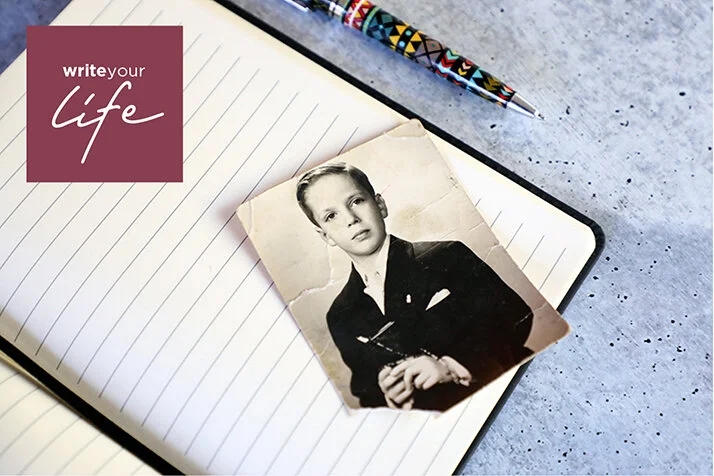
You haven’t lived in a straight line, have you? Ditch your chronological storytelling and instead, jump around. Tips for developing impactful themes for your memoir.

Has the path of your life been one straight line? Yeah, didn’t think so—so why not jump around in time in your memoir for a more compelling read?
A straight line might be the shortest route between two points, but our lives meander and double-back. We haven’t lived in straight lines, so why should a story of our life make it appear so?
You might tell me about your life summarily—an outline quickly sketched. That’s “like the blueprint of a house waiting to be built, the most important details merely suggested by its basic lines,” writes Erica Bauermeister in one of my favorite novels.
What you might say in a single sentence—“we got married, had kids, and lived in that house until my wife died”—holds endless moments waiting to be explored: a lifetime in a string of 14 words.
But if you’re not going to tell your life chronologically—in a straight line—then where the heck do you begin?
Narrowing down themes for a life story book
Rarely do I think it’s a good idea to approach a life story book as a full chronological account of a life. That approach reminds me of history tomes about past presidents, for instance—books that go down like medicine, rather than enjoyable (and enlightening) reads.
Instead, approach your storytelling in smaller bites. One approach I often recommend is writing shorter vignettes and weaving them into a broader tapestry about your life. But even if you prefer a longer narrative in memoir form, it is important to focus on themes that both hold real meaning for you and that you feel will resonate with your family.
In order to narrow down those themes (one of the integral steps in plotting out your life story project), some initial brainstorming is in order.
Writing about one aspect of your life
If you know you want to hone in on a very specific chapter of your life for your book, here are two ways to approach that:
Broken up in chunks of time
A Slice of Life Portrait - remembering a day in the life or one pivotal year in your adolescence, for instance; while this time period is chosen for its thematic resonance, it fits neatly into a specific period of time.
A Discrete Time Period - the war years, your time spent in a certain home, your years in medical school, your months of being homeless, to name a few ideas
Broken up in themes
For example:
Strong Women in the Smythe Clan
Our Family’s Military History
The Annual Road Trips of Our Childhood
Irish Cooking in the O’Sullivan Homes
Four Generations of Stanford Grads
No idea where to start?
It’s more likely that there is not one chapter of your life that you know with certainty that you want to write about. If that describes you, you’re in for an exciting journey of discovery.
EXERCISE 1:
Brainstorm your memories.
Brew a cup of tea or pour some wine and get comfortable: It’s time to let your mind wander back in time to brainstorm—and by that I mean: write down your thoughts willy-nilly, with no concern for order or worth, no editing as you go.
Begin writing your memories via phrases—
that time Marcy broke her leg when we were hiking
the day I found out I didn’t get into Harvard
Nonna’s Sunday sauce
Johnny’s laugh
the Maple Street tree fort
I recommend setting a timer for 20 minutes for this exercise. It’s really about doing a brain dump and seeing what comes to mind first.
These memories may serve as writing or interview prompts later, but for now they are useful in looking for patterns. Did many of your memories fall within the context of lessons learned? Or take place at your childhood home? Did one influential person from your life come up again and again?
If you see repeated themes, those may be ones you want to explore for your book.
If you do not, then hold onto this page for use as memory prompts later, and move onto the next step.
EXERCISE 2:
Interview yourself about important chapters of your life.
Some questions to ask yourself:
What have been the major turning points in my life?
What are the most impactful decisions I have ever made?
Are there times of struggle that serve as examples of resilience, or that hold other lessons?
What are the most joyful times of my life?
What is my biggest personal success? Professional?
What has been my most memorable failure?
What have been the most challenging times of my life?
Is there anything about my career or vocation that is worth telling?
Who had the most impact on me growing up? As an adult? What did I learn from them?
What values do I most want to pass on to the next generation—and are there certain stories that exemplify those values?
What you want is to uncover moments of impact. Portions of your life that hold lessons. That shaped you. That are an integral part of your personal narrative.
You might be surprised by some of your answers. Be open and vulnerable when doing this exercise—allow yourself to remember painful times and regrets, not just happy times; even if these are not at the top of your conscious mind most days, the experiences shaped you and likely hold meaning.
This exercise is similar to one I conduct with my clients during pre-interviews. During this conversation we are exploring life themes and milestones, and determining what stories to explore more deeply, what memories to mine for lessons.
When working together, it would be my job—as someone distanced from your experiences and trained as an observant listener—to suggest possible approaches to your book. If that’s something you would like to explore, please drop me a line. I’d love to chat, and a quick (no pressure) 30-minute conversation usually does the trick.
If, on the other hand, you’d like to continue working on your life story book yourself, I recommend setting aside the pages from these two exercises for a couple of weeks. Then revisit them with a fresh perspective. That little bit of emotional distance can do wonders for helping you be more objective in narrowing down what topics to explore.
No matter what, I hope you give yourself the freedom to express yourself without filters during this exploratory period. It’s not the time to edit—or to judge. Be gentle with yourself, and be open-minded (and open-hearted). Your stories deserve to be told—you might as well be telling the right ones!
In a previous post I wrote about how to break down a life story book project into three broad steps.
Now that you’ve learned how to narrow down themes for your memoir project, find out about the remaining two steps:
Organize your family archive as a resource for sparking memories.


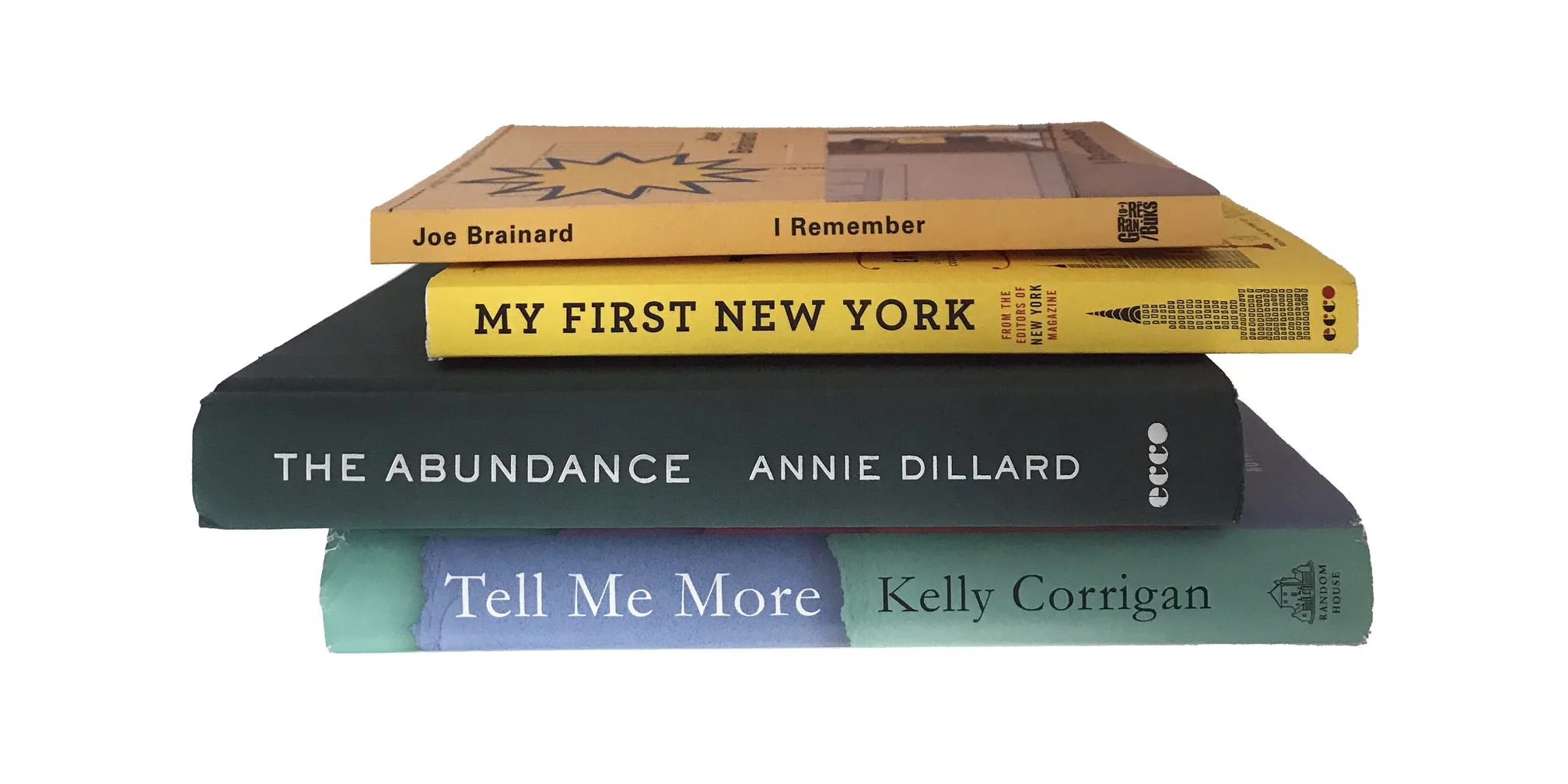





How to use short vignettes to create a mosaic of your life
How the best life story vignettes are powerful ways to capture your past, and why writing short pieces from your memories is a smart way to begin your memoir.
While most of my clients share their stories in a series of one-on-one personal interviews (which we then transcribe and edit into a larger narrative), some have already written—or are trying to write—their memoir. It’s usually when they are stuck that they seek our help, but it’s my goal to empower everyone to be able to write their life stories for the next generation, whatever route you take.
Since one of the most debilitating fears I hear is, “How would I even begin to tell my story?!” I often advise: Start anywhere—just start small.

“What is a vignette?”
vignette (noun)
vi·gnette | \ vin-ˈyet , vēn-\
a : a short descriptive literary sketch
b : a brief incident or scene (as in a play or movie)
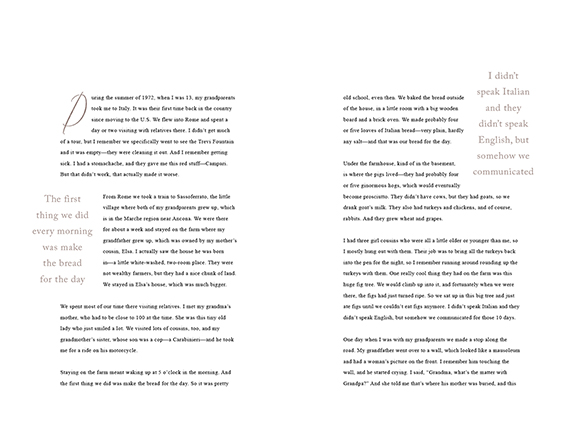
A vignette is a recollection of a memory or an episode from your life told evocatively. It is a snapshot of a moment.
You may describe it in your own voice, or using dialogue reconstructed as best as your memory allows, using language to recreate your sensory experience—what did you smell, how was the light, what textures might you have touched?
“Vignettes are tiny essays, story placards, postcards of injustice, single-image stories, little wisps of big ideas,” Tamara Pearson writes in Red Wedge Magazine.
The best life story vignettes transport the reader to the scene and elicit reactions—feelings.
There are two primary reasons I encourage people (non-writers, particularly) to begin with a vignette:
It is a lot less intimidating to write one scene than “the story of your life.” And any writer will tell you: Just write. The words will not begin flowing unless you start.
If you don’t have to worry about traditional story structure—beginning, middle, end; plot, conflict, resolution—the writing process becomes more straightforward.
So don’t worry about story structure and especially, don’t think about the BOOK. Simply think about your memories.
“How do I create a life mosaic from a series of vignettes?”
Assembling shorter pieces into an extended work is more than copying and pasting the vignettes together in one document. It’s more, indeed, than even thematically grouping them.
Editing the stories, finding the narrative in order to group the vignettes for impact and cohesion, revisiting and embellishing some and discarding others—all of these tasks should come on the heels of writing.
While I have referred to the resulting narrative of assembled vignettes as a mosaic, Tristine Rainer, director of the Center for Autobiographic Studies in California, calls it a quilt. “When you follow the quilt model of assembling a work, you spontaneously write and collect pieces that seem to you thematically related. As you proceed, a pattern or story begins to link the pieces. Certain areas will easily cluster, but you won’t have the whole picture until it is all in place.”
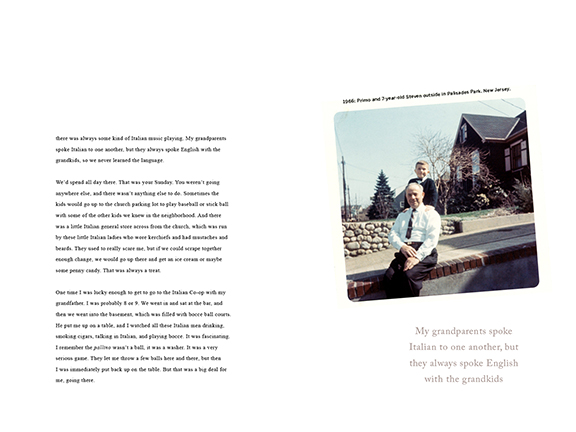
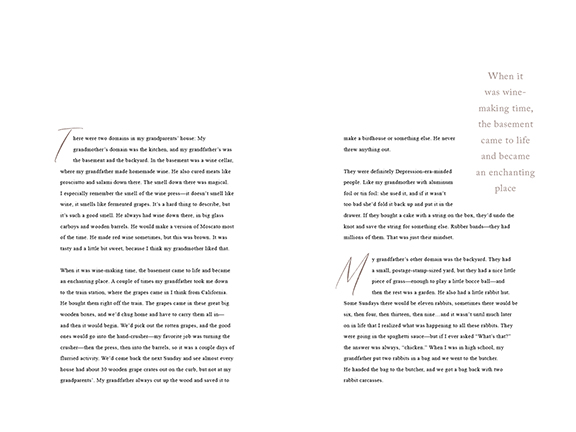
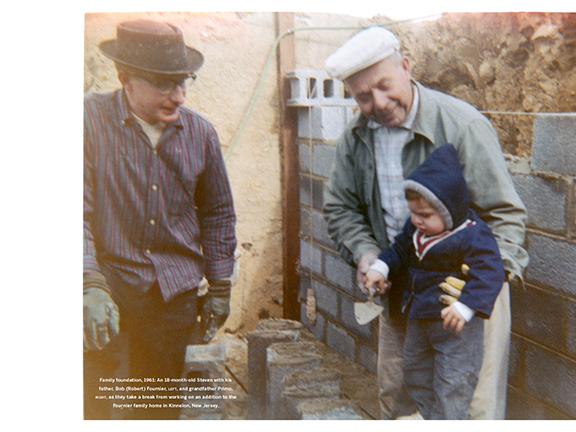
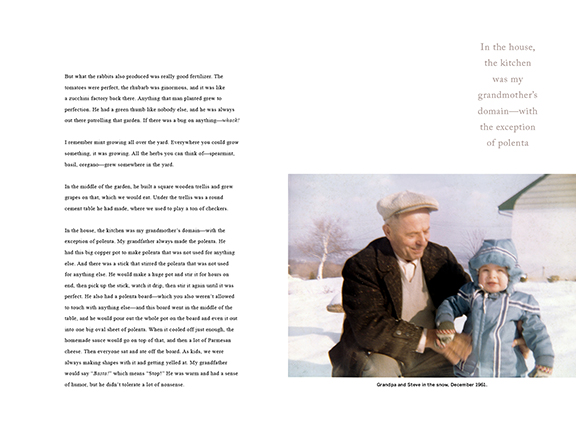
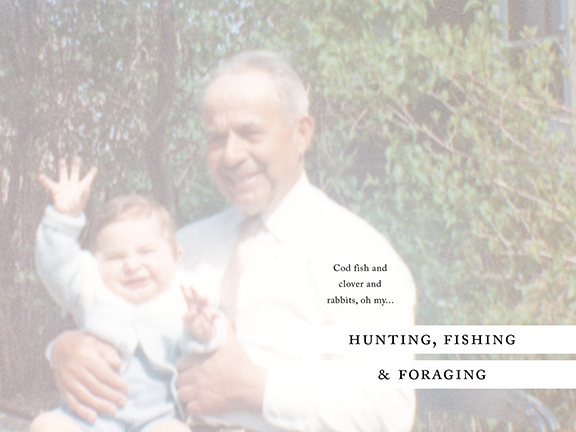
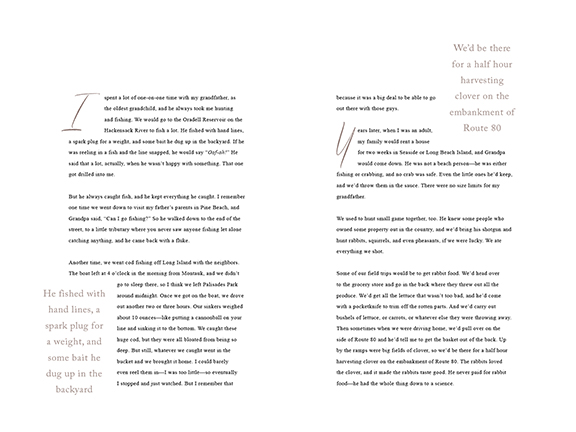
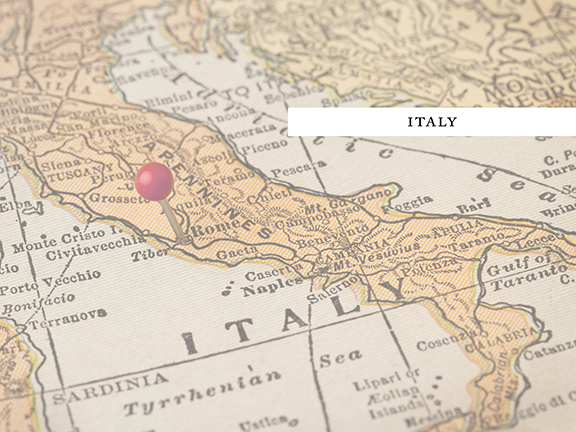
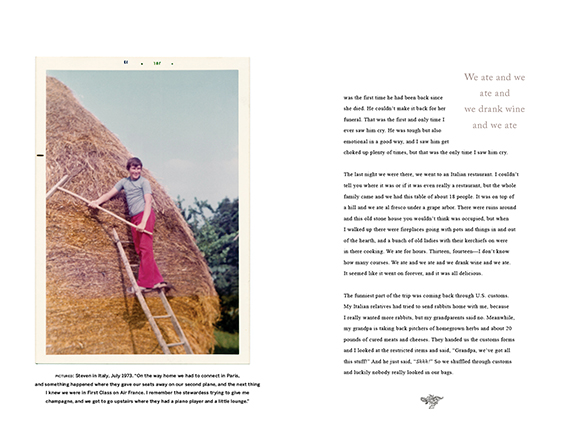
Additionally, I prefer to enhance the written words with photographs that help bring them to life—that allow readers multiple entry points to engage with the text. Imagine a coffee table book about the Civil War sitting beside a 1,000-page tome void of any pictures—which would you pick up? Even if the stories of my ancestor were highlighted in each of these books, I would undoubtedly look at the coffee table book first.
How material is presented makes it more (or less) accessible, and I take the viewpoint that you are writing these stories so they will be read (ideally, often). So let’s invite people in! Taking the time to design a mosaic of these stories cohesively—and beautifully—ensures that they will live on. That your legacy will be recounted and woven into the fabric of your progeny’s lives.
“What if I can’t get past writing the vignettes?”
When you have written a series of vignettes from your life, you will have created a wonderful legacy for generations to come. If taking the next steps seems daunting, consider hiring us to edit, compose, and package your stories into a cohesive heirloom book.
Even if you’re not ready for that, though, remember, as Lois Daniel asserts in How to Write Your Own Life Story: “You may be able to enhance your stories by the way you arrange and connect them, but you can’t diminish them, so move ahead with confidence.”
And no matter what, share your stories with those you love—please.
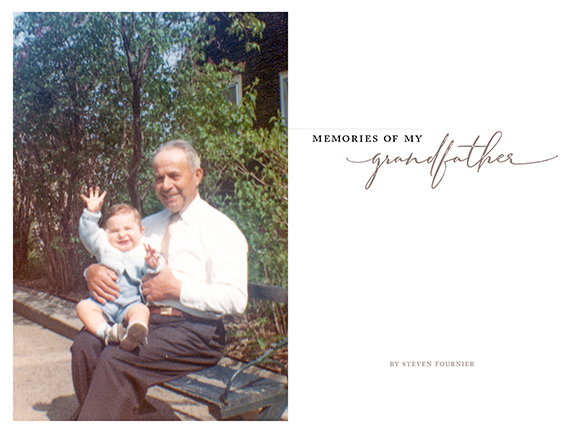
Check out more in-depth posts on memoir-style vignette writing
Here is some helpful content to help you get down to the nitty-gritty of writing your life stories. Check out our writing prompts series and explore more on memoir and life story writing, starting here:

Memory & writing prompts sent weekly to your phone
Short courses for anyone who wants to write about their life—just $15 for 8 weeks of guidance & inspiration!
Get FREE Writing Prompts Guide
All our vignette writing prompts in one easy-to-read, printable guide!
Your life story—or life stories?
Why write your life story when telling your life stories is likely to be more compelling? Thoughts on memoir, biography & the power of first-person narrative.
It can be a daunting endeavor to undertake writing one’s “life story.” It sounds so big—and so definitive. Maybe there’s another way.

The Allure of First-Person Storytelling
When I think of traditional life story books I think of lengthy tomes, told chronologically. The first autobiography I ever read was The Autobiography of Benjamin Franklin, which was assigned by my ninth-grade English teacher; it is undoubtedly a remarkable work, and one I feel compelled to revisit someday soon—but my 14-year-old self was less than thrilled with our focus on remembering the history Franklin presented. I never got lost in his narrative, never felt like I recognized something of myself in the man.
That unimpressive first encounter with the autobiographical form was formative. I was never drawn to biographies, despite my deep love of reading and tendency to have a nose buried in a book at all times.
Then I discovered memoir. I came across first-person accounts that read like literature: Frank McCourt’s Angela’s Ashes, Susanna Kaysen’s Girl, Interrupted. I barely realized I was reading nonfiction. And most staggeringly, How I Became Hettie Jones—a work so moving and resonant to me at the time I read it that I sought out more: more first-person accounts, more poignant and self-reflective takes on life.
Then, in the late nineties I worked at a series of lifestyle magazines where personal profiles were a mainstay. Our highest paid writers were often those who could conduct the best interviews—for while the writing itself was important, it was the substance that the subjects revealed during their interviews that was compelling.
I devoured The New Yorker’s weekly profiles, those journalistic biographical sketches that David Remnick describes as “a concise rendering of a life through anecdote, incident, interview, and description (or some ineffable combination thereof.” I gained a new appreciation for character development through storytelling—and for voice.
And I valued the interview process itself, becoming a fan of Esquire’s Cal Fussman (who “has transformed oral history into an art form,” as Tim Ferriss describes) and Emily Nussbaum, whose byline appeared across myriad titles.
First person writing, when done well, I realized, could be as powerful as any literary fiction. It had become my new addiction.
Memoir vs. Biography
It’s pretty clear, I suppose, that chronological, all-encompassing biographies are not my thing. But is there really a difference between memoir and biography?
One definition of “memoir,” after all, is “biography.” Another is “autobiography.” Merriam-Webster does not consider the words to be direct synonyms, however.
Memoir
: a narrative composed from personal experience
: autobiography
: biography
Biography
: a usually written history of a person's life
Autobiography
: the biography of a person narrated by himself or herself
Most editors consider memoir to be a first-person telling of one aspect or time period of an individual’s life—not the typically chronological account of birth through old age that constitutes biography.
“It’s this greater truth that a memoir is after, the understanding that leads to wisdom and the resounding bell of connection—that’s what drives us to read memoirs,” says Ron Seybold.
One of my favorite memoirists, Dani Shapiro (check out her most recent book, Hourglass), has a keen awareness of the differences between these two forms of writing. “What is the job of the memoirist? Is it to tell all? Or is it to carve a story out of memory?” she asks.
“Autobiography presumes that the person writing the book is important, and the reader is drawn to the book out of a desire to know more about that person…. Memoirs are stories, hewing as closely to the truth of the writer’s memory as possible—but not letting it all hang out. Part of the art of memoir is seeing, and recognizing the story itself.” —Dani Shapiro
There is a legitimate reason that the notion of writing your “life story” (a.k.a. your “autobiography”) feels intimidating. It is a formidable task. Is it the right choice?
Your Stories—Plural
Continued story sharing—THAT is a main goal of every Modern Heirloom Book we create. I want family and friends to not only read your book, but to want to revisit it, again and again. To be able to pick up your book and flip to any page and dive into an alluring story. To “visit” with and feel close to you any time they want via the stories in your book.
Your stories will feel and read like memoir, and yet they are are not fully memoir. We transform your words (captured via personal interviews) into smaller narratives, vignettes that can be read on their own yet when taken all together create a broad picture of your life; a mosaic of mini profiles, if you will (yes, my magazine days have influenced my approach enormously here!).
Another bonus of telling your life stories, plural: It is that much easier to get started.
Tell one story.
Go on, do it. I bet you can’t stop at just one.
Related Reading:
From the New York Times Archives, How to Write a Profile Feature Article
Book Review: In Tell the Truth, Beth Kephart offers up a wonderfully original series of memoir-writing prompts that encourage self-reflection & striving toward the universal.
You’ve got reasons why you aren’t telling your story. I’ve got reasons why you should.
Dawn Roode’s curated roundup for the week of Sept. 23, 2026, is overflowing with recent reads on memoir, life story writing, and family history preservation.