
Memories Matter
Featured blog Posts

READ THE LATEST POSTS
How to add historical context to your family stories
Discover the 6 best resources to add context to family history. Historical archives, newspapers, photos, and podcasts bring your ancestors’ stories to life.
At the heart of every family history are the voices and stories of the people themselves—their words, their memories, their lived experiences. But when certain details have been forgotten (or we just want to enrich the stories we already have), historical resources can provide texture and context that make our family narratives more vivid.
By exploring the world our loved ones lived in—the newspapers they read, the communities they belonged to, the cultural traditions surrounding them—we can add dimension without ever losing sight of the personal story at the center.
The following resources are a great starting point for fleshing out the historical context of your loved one’s life story. They’ll help you imagine the backdrop of their lives (What were people talking about around the dinner table? What was in the news? What were the fashions of the day?), fill in missing details (What was the weather like the day your mother was born? What was the status of the war when your grandfather was discharged?), and maybe even find a historical photo or two to accompany their family archive.
6 resources too add historical context to your family history
1 -United States Holocaust Memorial Museum (USHMM) Encyclopedia & collections
👉 Even if you aren’t researching the Holocaust specifically, USHMM’s digital encyclopedia demonstrates the power of context. Detailed maps, photographs, and descriptions of daily life show how environment and history shape individual experiences. For any family historian, this is a model of how deeply place and time can inform a story. Dive deep into the museum’s collections for even more inspiration on how to weave a story around a single artifact.
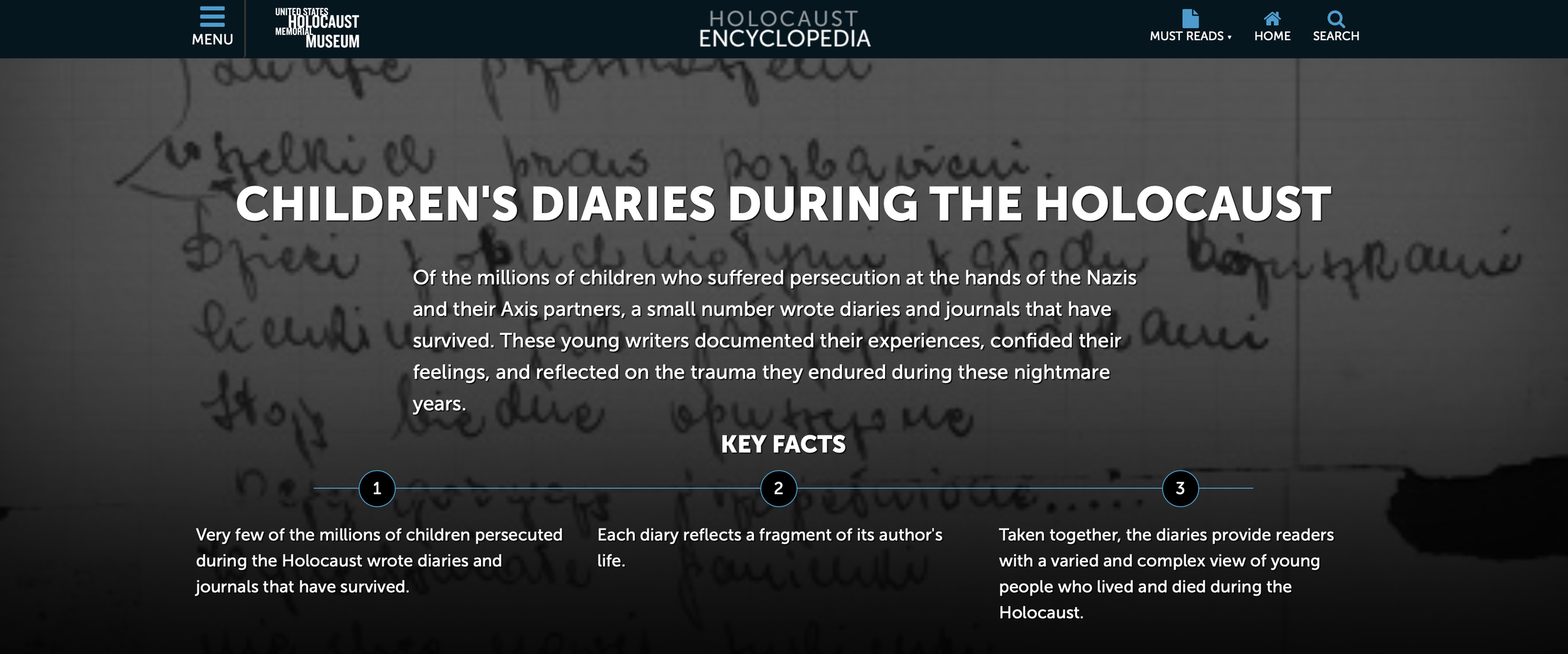
This page from the USHMM website provides an overview of children’s diaries kept during the Holocaust. “Each diary reflects a fragment of its author’s life, but, taken together, the diaries provide readers with a varied and complex view of young people who lived and died during the Holocaust.”
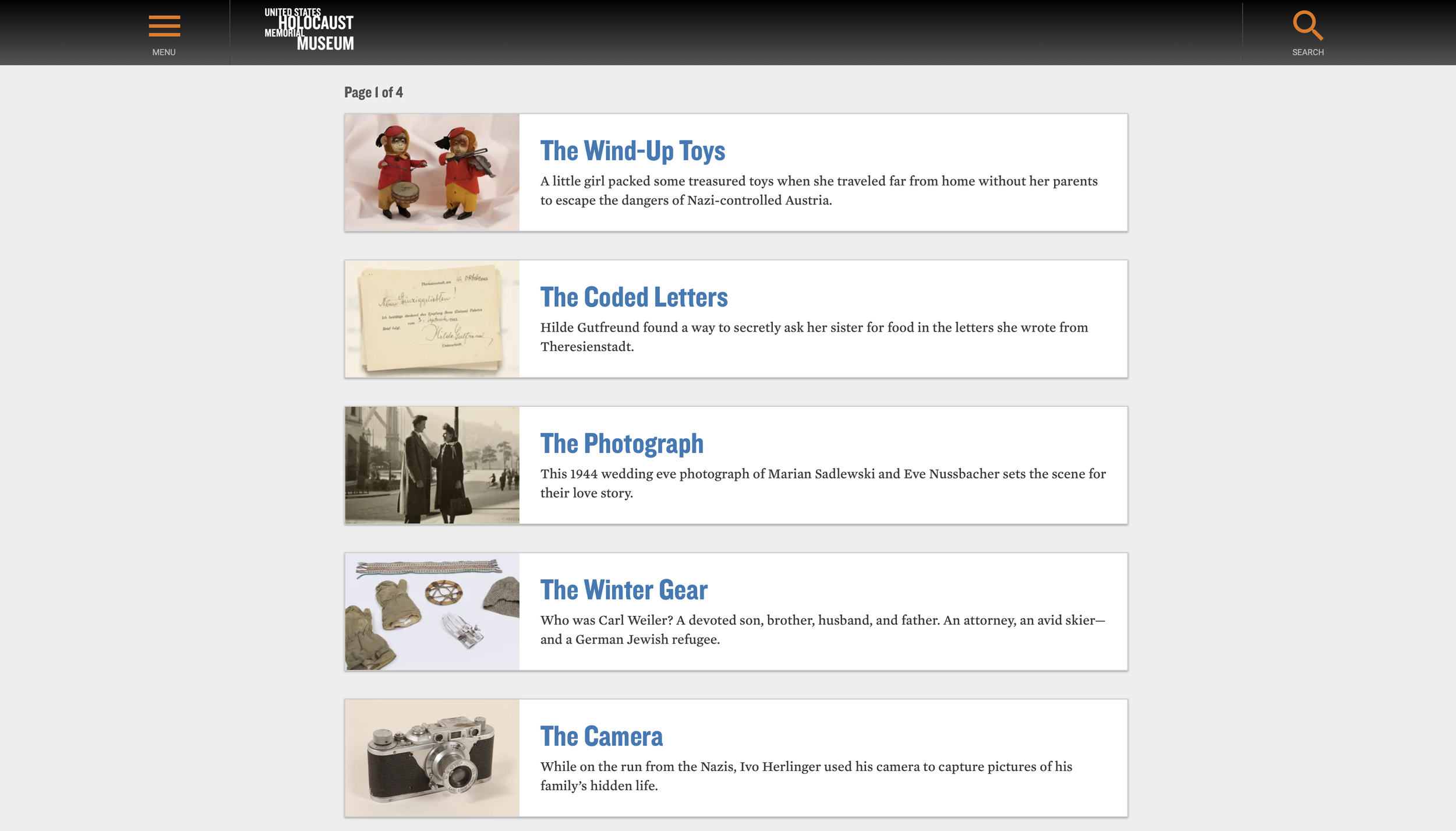
Similarly, the museum’s vast collections offer rich examples that may inspire you to discover the stories behind your own family heirlooms. “Each artifact in our collection has a story to tell. The Artifacts Unpacked video series takes you behind the scenes to learn about the objects the Museum protects and how they keep alive the memory and experiences of victims and witnesses of the Holocaust.” See how a single ID tag reveals the story of a 12-year-old German Jewish refugee, for example.
2 - Library of Congress Digital Collections
👉 The Library of Congress offers a vast range of digitized newspapers, photographs, maps, oral histories, and recordings. These collections can help you see what was happening in your ancestor’s era—from local politics and social issues to everyday fashions and advertisements.
One little-known collection I love to share is the American English Dialect Recordings from the Center for Applied Linguistics Collection, where you can discover audio recordings of famous and not-so-famous folks: “There are Gullah speakers from coastal South Carolina, sharecroppers from Arkansas, Puerto Rican teenagers in New York City, Basque sheepherders from Colorado, Chesapeake Bay watermen, Vietnamese immigrants from Northern Virginia, and many others.” If you’ve never heard your America ancestor speak, maybe you can hear what they may have sounded like!
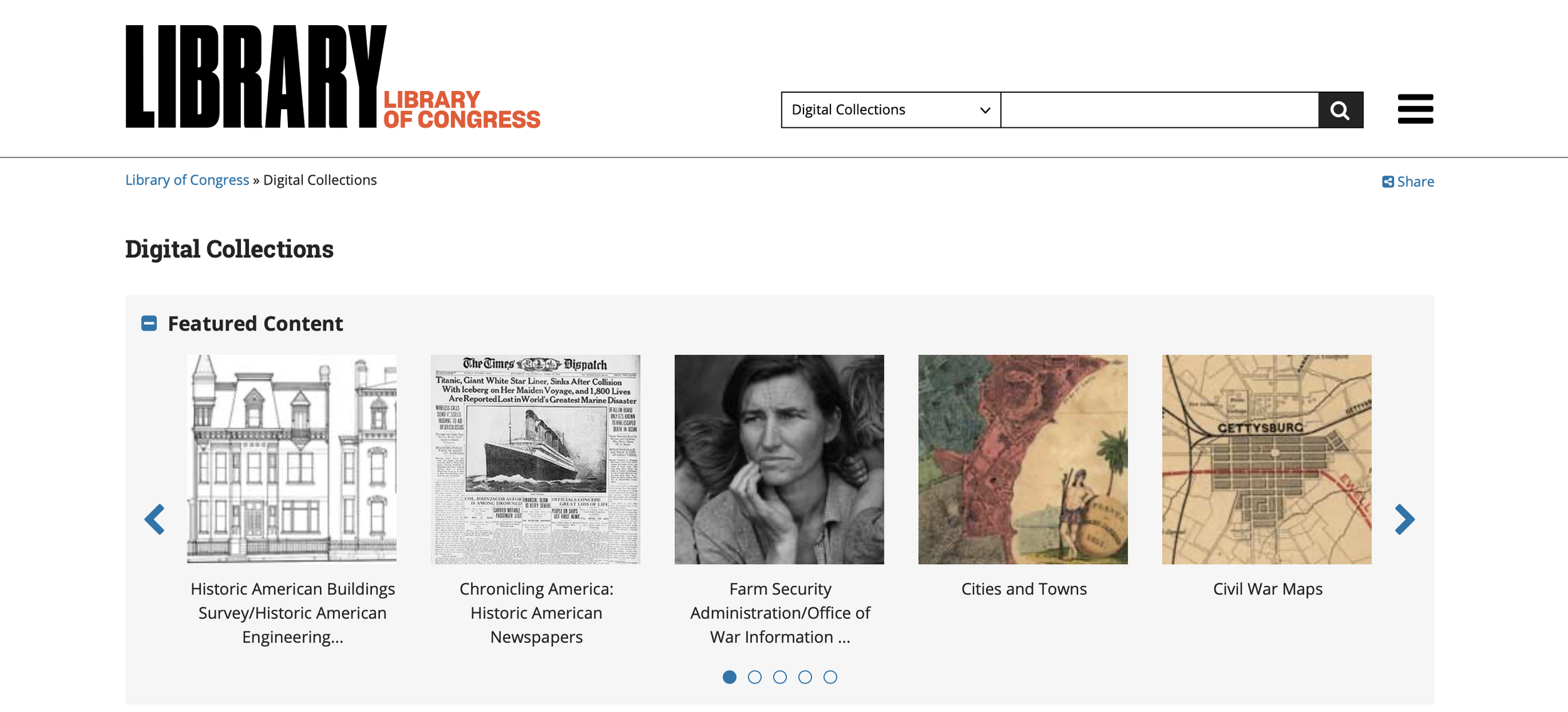
The digital collections from the Library of Congress are vast, including maps, newspapers, historic photographs, and personal papers, which you can explore to learn more about a time period or place that relates to your own ancestor.
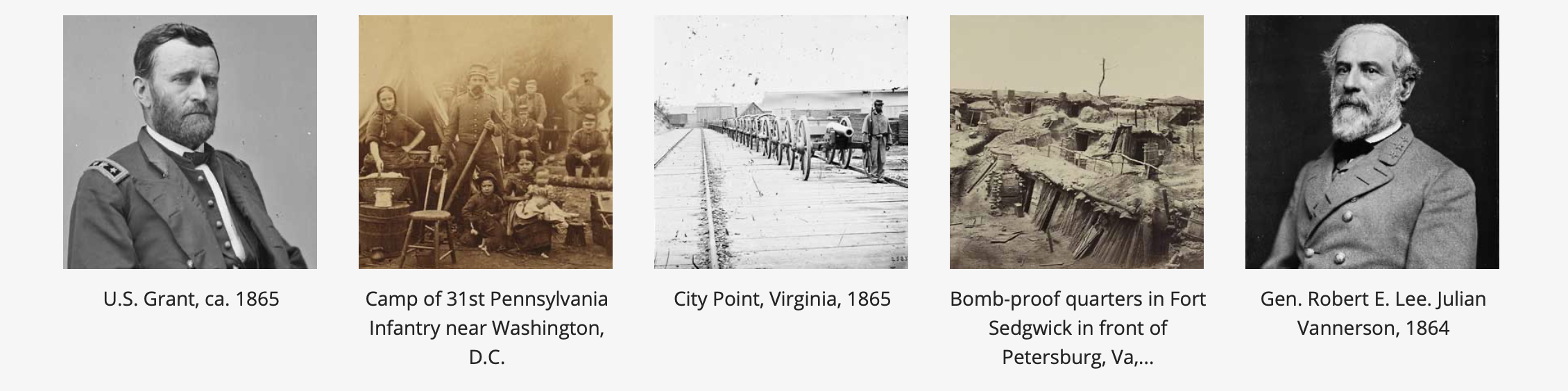
There are more than 7,000 images in this Civil War photo collection alone, one of numerous Civil War collections available through LOC.
3 - Chronicling America (Historic Newspapers)
👉 This free resource makes U.S. newspapers from 1777–1963 searchable online. Imagine reading the same headlines your ancestors did, or discovering how national events were reported in their hometown. Newspapers also reveal what life looked like between the big moments—the weather, the sports results, even the classified ads. Chronicling America is developed and permanently maintained at the Library of Congress; I recommend checking out this valuable research guide before diving in.
If you’re searching for something specific that you can’t find in this free archive, consider one of these paid options:
Public libraries and university libraries often extend their subscriptions to patrons, so you may be able to access these digital resources for free at your local branch.
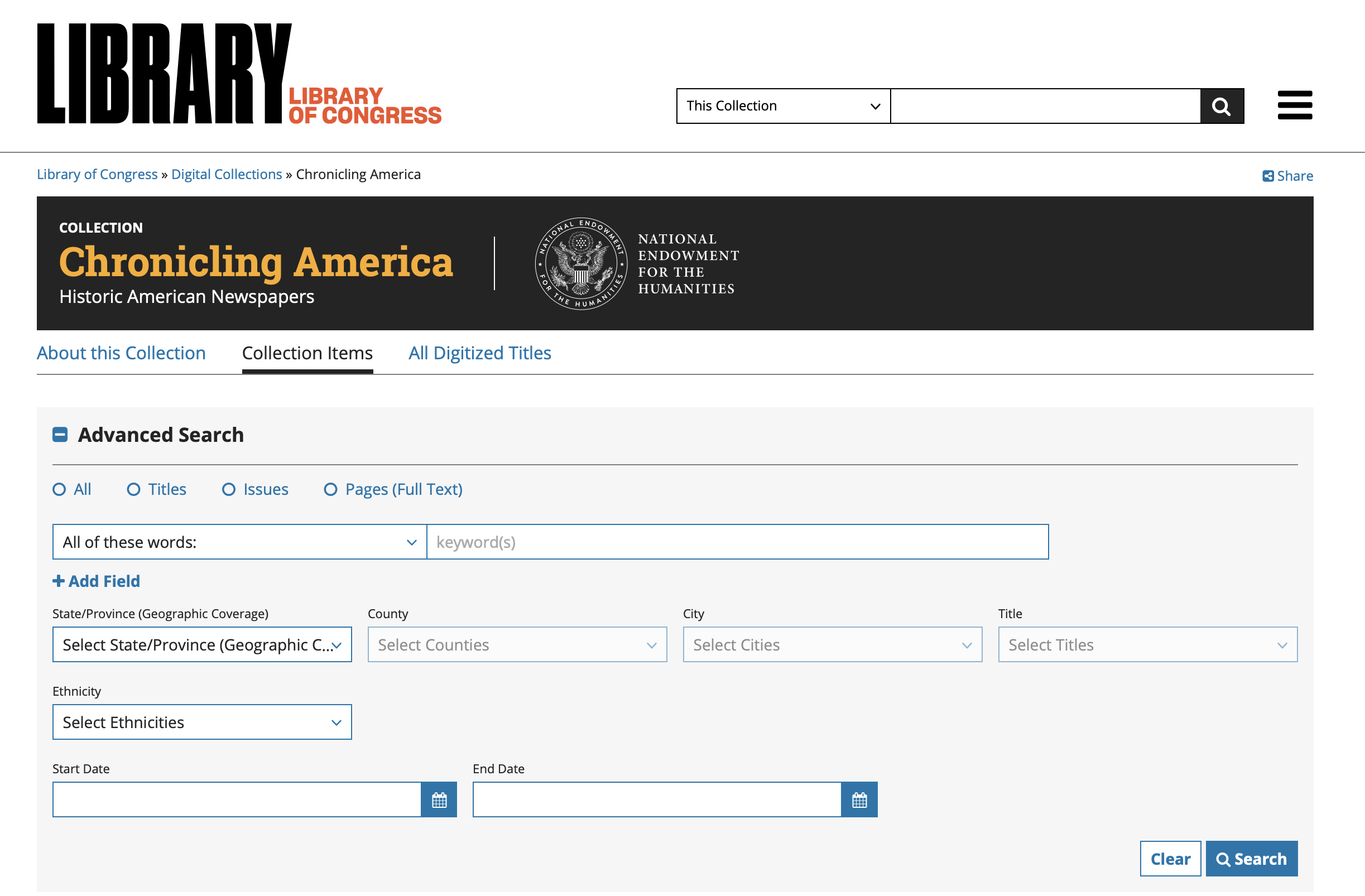
In addition to the search interface on the Chronicling America site, there are over 300 research guides created by librarians at the Library of Congress on topics widely covered in the American press of the time. Visit Topics in Chronicling America for the complete list.
4 - Europeana (for European Context)
👉 Europeana brings together digitized cultural heritage from libraries and museums across Europe: photographs, diaries, artworks, recordings, and more. For those tracing European roots, it offers a chance to explore the cultural world your ancestors inhabited, far beyond just dates and places.
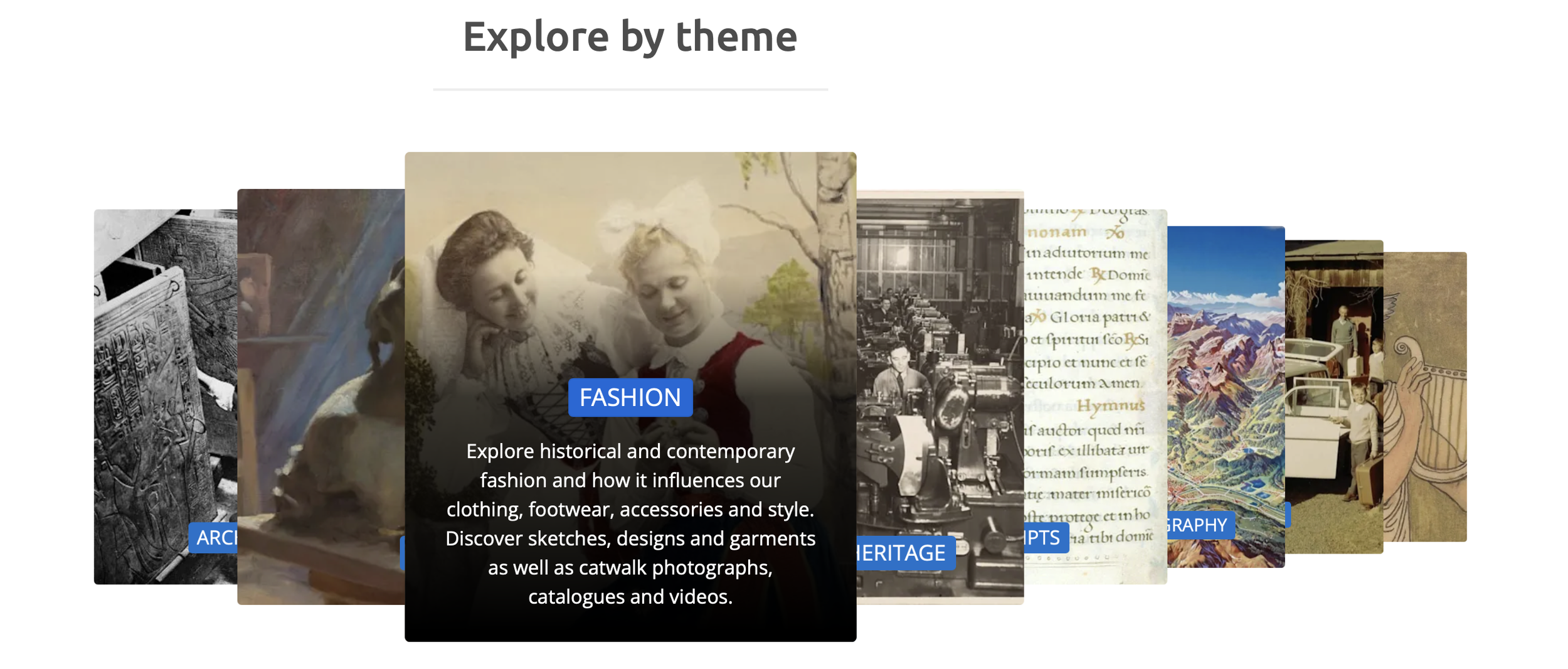
Europeana aims to make Europe’s digital cultural heritage accessible with millions of items from providing institutions across Europe. Discover artworks, books, music, and videos on art, newspapers, archaeology, fashion, science, sport, and other topics.
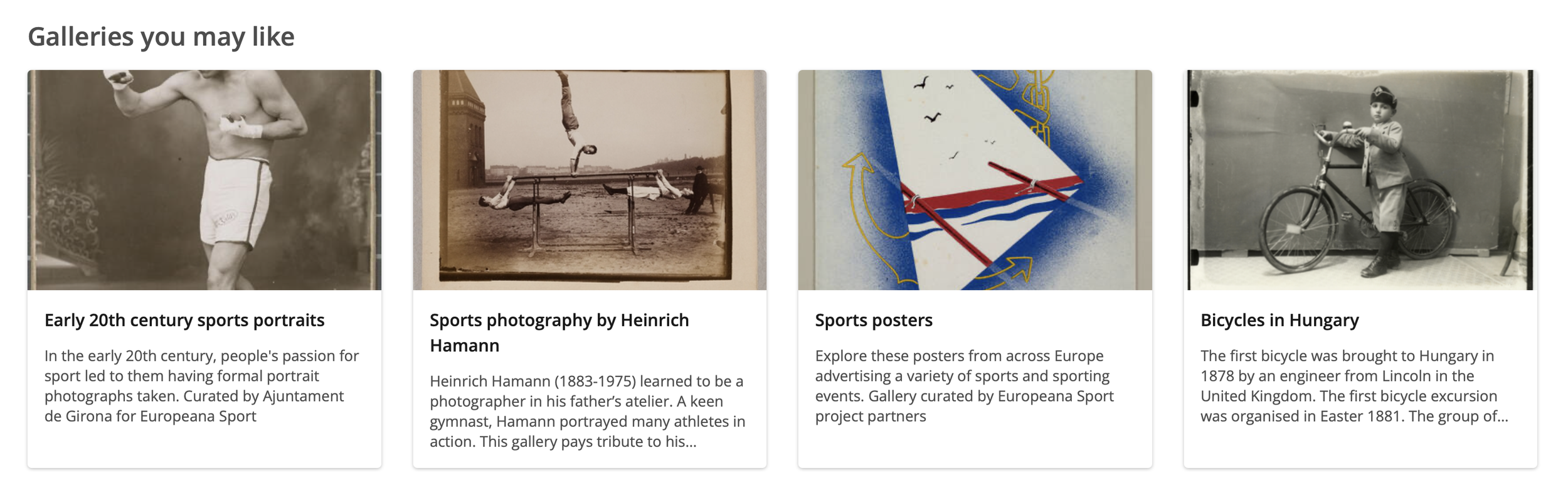
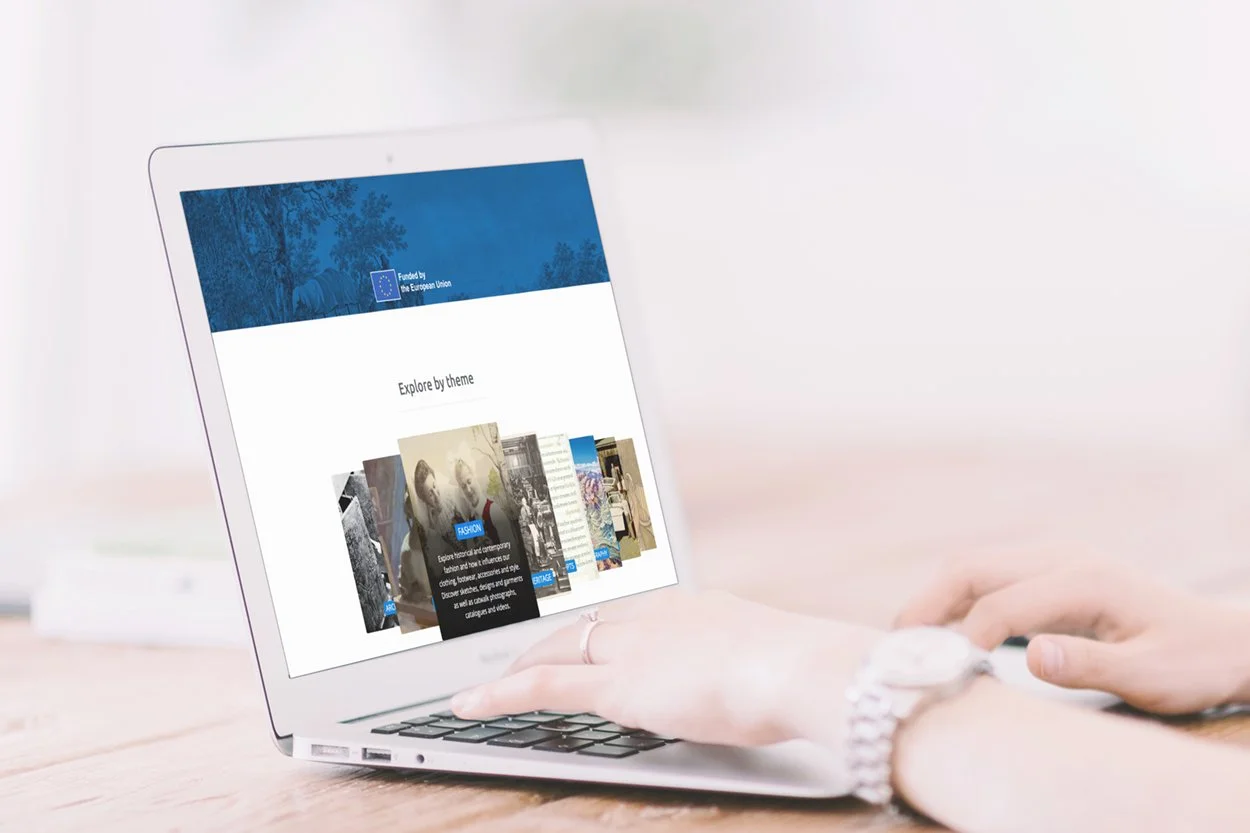
This screenshot from the Europeana site shows a few galleries on offer in the Sports collection.
5 - Local Historical Societies & State Archives
Don’t overlook what’s right nearby. Many county or state historical societies maintain searchable online portals with digitized maps, city directories, and community histories. A quick Google search for “[your county/state] historical society archives” often yields surprising treasures that place ancestors firmly in their local context.
The Preservation Society of Charleston is a wonderful example of an organization aimed at preservation in a prominent U.S. city, while the Madison Historical Society in New Jersey is an example of one located in a smaller town.
You will find that many local historical societies have minimal—if any—digital collections available on their websites. However, they are often staffed by interested and dedicated volunteers who welcome questions and helping individuals with research requests.
6 - Social History Blogs & Podcasts
Sometimes the best way to understand “the world as it was” is through narrative. Podcasts such as the History Extra Podcast (BBC History) or Backstory (archived episodes) are excellent for learning about the everyday aspects of life in different eras. These stories of daily habits, customs, and struggles can help you flesh out the atmosphere of your own family history. Search episodes for specific times or places related to your ancestor, or scroll until something catches your attention. Just be warned: You may go down a (long, enjoyable, albeit unproductive ; ) rabbit hole!
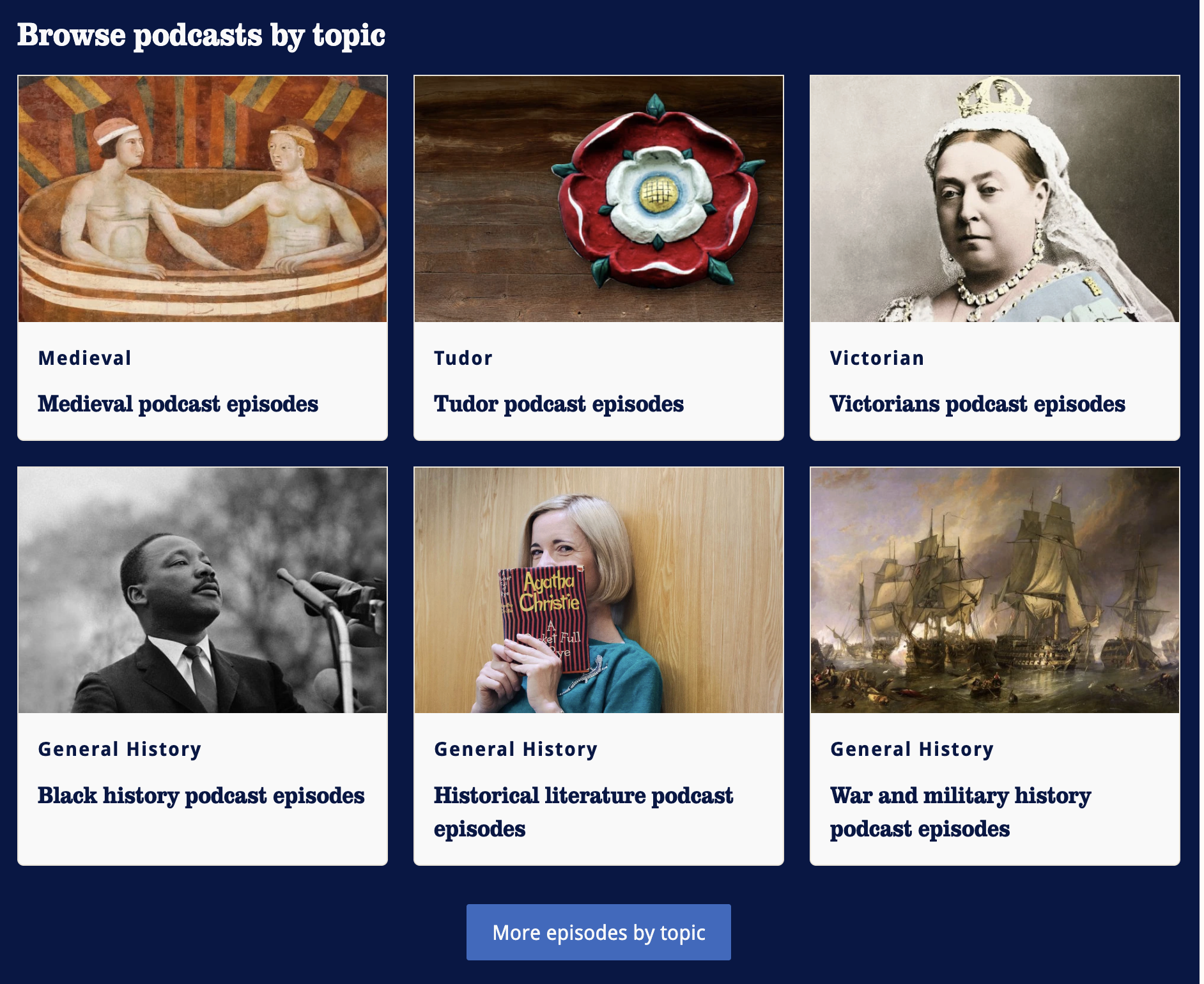
While you can listen to the History Extra Podcast from the BBC on any podcast player, head to their website to search for previous episodes by topics, like those shown here. More topics include the history of food and drinks, for example, and LGBT+ history, while time periods include First and Second World Wars as well as the American Civil War.
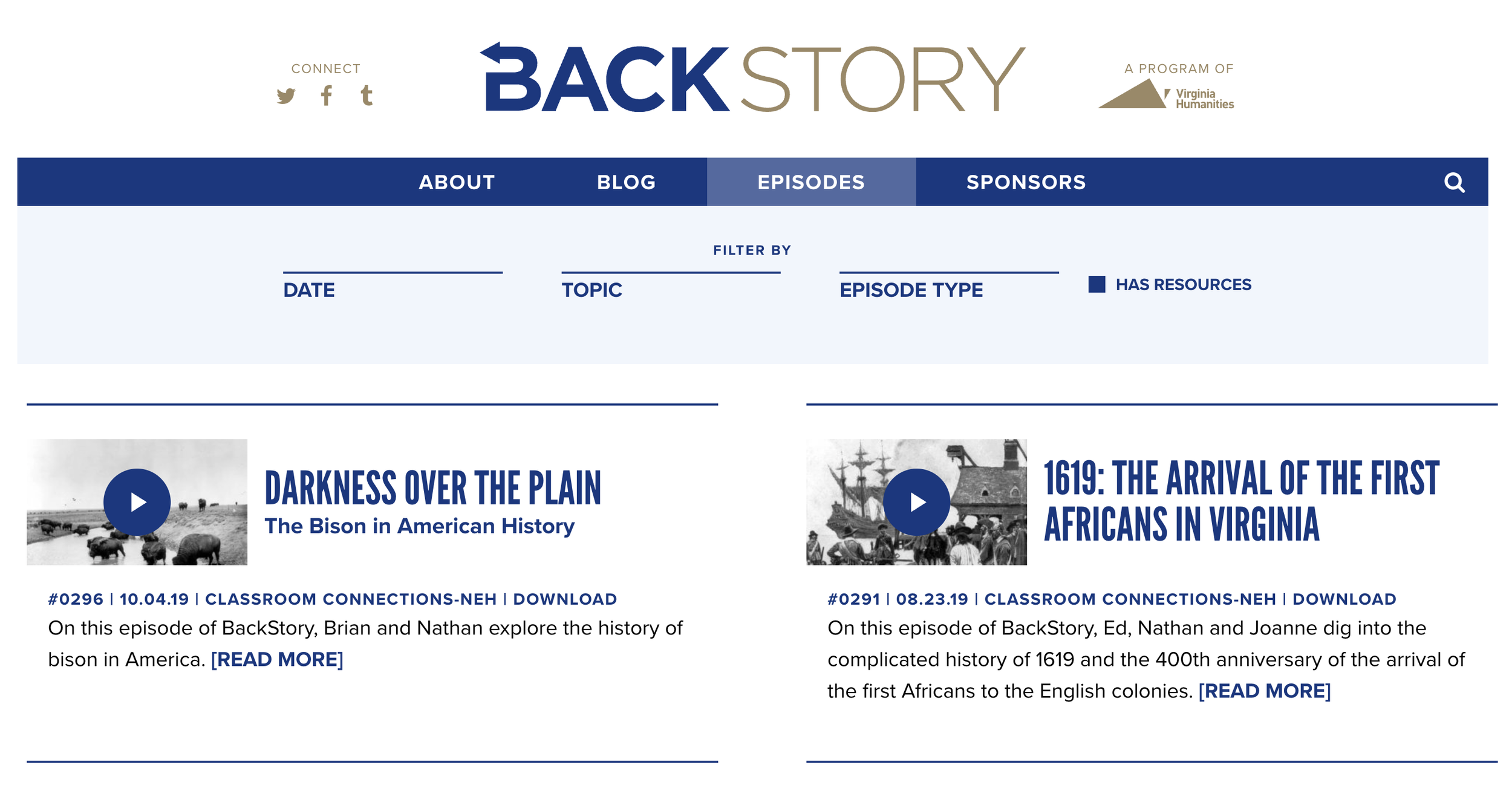
While BackStory ended production in 2020, past episodes continue to be available on their official site and at New American History, where the search interface is rather user-friendly.
Why historical context matters
The facts of a life—birth dates, marriages, children—form the skeleton of a family history. The historical context gives those bones flesh, while personal narrative—the stories your loved one told you or wrote about in letters or diaries—breathes vital soul into it.
Ideally you will have all of the above to tap into as you preserve a family member’s history. But when stories are lacking, the historical context you uncover will go far in shaping their life into something memorable.
And knowing what newspaper they read, what cultural traditions they observed, or what was happening in their community adds color and dimension that makes your family’s story not only remembered, but felt.













Dawn Roode’s curated roundup for the week of Sept. 23, 2026, is overflowing with recent reads on memoir, life story writing, and family history preservation.