
Memories Matter
Featured blog Posts


READ THE LATEST POSTS

Life Story Links: October 22, 2024
Covering a 3-week period (we took a week off!), Dawn Roode’s curated roundup for October 22, 2024, is especially rich—bookmark this one, fellow storytellers!
“Memories aren’t merely scenes; they’re microscopic moments: powder sticking to your fingers after scarfing a funnel cake; holding your right arm out of the passenger window to feel it bounce in the wind; the hilarious whine of middle-school voices singing along with Kurt Cobain or Eddie Vedder.”
—John Hendrickson
Vintage postcard featuring an illustration of a lighthouse near Effingham Yorks, postmarked 1907; from the personal ephemera collection of Dawn Roode.
One story at a time
AND THEN…?
“Whether you’re interviewing your parents about their childhood or gathering family history info from your grandparents, good follow-up questions are key.”
INTERGENERATIONAL BONDING THROUGH STORIES
“I wish I had learned more of [my grandfather’s] stories, but he died before I knew what to ask and how to listen,” Rachael Cerrotti writes in this reflection on Lois Lowry’s new book, Tree. Table. Book.”
“WHAT’S IT LIKE BEING YOU?”
Brandon Doman founded The Strangers Project in 2009, and he’s collected (in person!) more than 85,000 handwritten individual stories. “I want to create a space for people to connect with the stories of the people they share their world with, and to connect with their own story. To put it simply, I do this because someone just might need it.” (Want to contribute or immerse yourself in stories? The project currently has a gallery-style exhibition at The Oculus in downtown NYC.)
A RICH LIFE
“I don’t want people to feel that their childhood needs to be their life story,” Ina Garten told a NYT reporter when discussing how the media has reported almost solely on one portion of her memoir. “You are not who your parents thought you were, or whatever bad thing that happened to you.”
OVERCOMING PROCRASTINATION
“The memories and narratives that form the core of a family’s identity can fade—or worse, be lost entirely—especially if a loved one begins to experience cognitive decline.” Jamie Yuenger, StoryKeep founder, on how procrastination is a thief when it comes to family legacy.
Craft and memoir
MESSY, VULNERABLE STORIES
“For those of us [book editors] who worked on memoir, the egg we carried was a little more fragile, the pieces we sometimes picked up, the shattered part of ourselves.” Betsy Lerner on the act of writing a confessional memoir as both a ray of hope and a cry for help.
A QUEST FOR ‘NARRATIVE COMPLETION’
When Kyo Maclear took a DNA test to learn more about her father’s ancestry, her long-held family narrative deflated. In this interview, we get a glimpse into the thematic layers of the memoir that resulted, Unearthing: A Story of Tangled Love and Family Secrets.
PAINTING ACCURATE SELF-PORTRAITS
“I mined my brain, every crevice, searching for parts of me that only I knew. Even though not all the information I obtained was used in my writing, once I brought my protagonist to life and set him aside from the crowd with oddities and quirks, I began my story.” Travis Harman on the craft of character in memoir.
“PATRIOT,” A POSTHUMOUS MEMOIR
“When you lose somebody who’s very close to you, you want everyone to remember him.” In the case of Aleksei Navalny’s, his wife has published his prison memoirs (in 22 languages) for a greater good, too: “to instill hope in the struggling Russian opposition movement, and to keep her husband present in the world.”
Pictures and stories
SNAPSHOTS OF INTIMACY
“A joint memoir by the Nobel winner [Annie Ernaux] and her former lover [Marc Marie] uses pictures taken during their time together to reflect on the transient nature of passion—and of life.”
FINDING THE UNIVERSAL IN THE PARTICULAR
In Juggling Life’s Threads, photographer Adam Lin creates a pictorial portrait of one man’s life (informed by a series of in-depth interviews that guided the photography), digging deep into his subject’s personal life, “where duty and passion intersect.”
Making history personal
SHAPING HISTORY
“History, as the word suggests, is always personal.... Every episode in human history is built on countless individual memories.” Lessons from Germany on keeping memories of historical wrongs alive.
GENEALOGICAL TRUTH-TELLING
“There’s something deeply moving about Bruno and Mire, descendant of the enslaver and descendant of the enslaved, working together to gain a clear-eyed view of their shared history.” A Hudson Valley Reckoning highlights not only the author’s family roots, but also the erasure of enslavement history in the North.
THE HOLOCAUST’S GRANDCHILDREN
“To be of the third generation [of Holocaust survivors]…is to have just the right proximity to the event—close enough to want to keep it in memory, not so close to want it in the present tense; close enough to think it is a part of them, not so close to think it cannot have different meanings for others.”
...and a few more links
Ideas to write a novel based on your life and family history.
Beth Kephart on the memoir responsible for her “memoir obsessed life”
To Coney, With Love collects memories of a beloved Ohio amusement park.
Keep your memories organized and safe with a photo storage box.
Lily Ebert, who kept Holocaust memory alive on TikTok, dies at 100.
Photographer recaptures childhood memories with his grandfather’s 70-year-old camera.
New research shows how brain records complex aspects of social memory.
Short takes
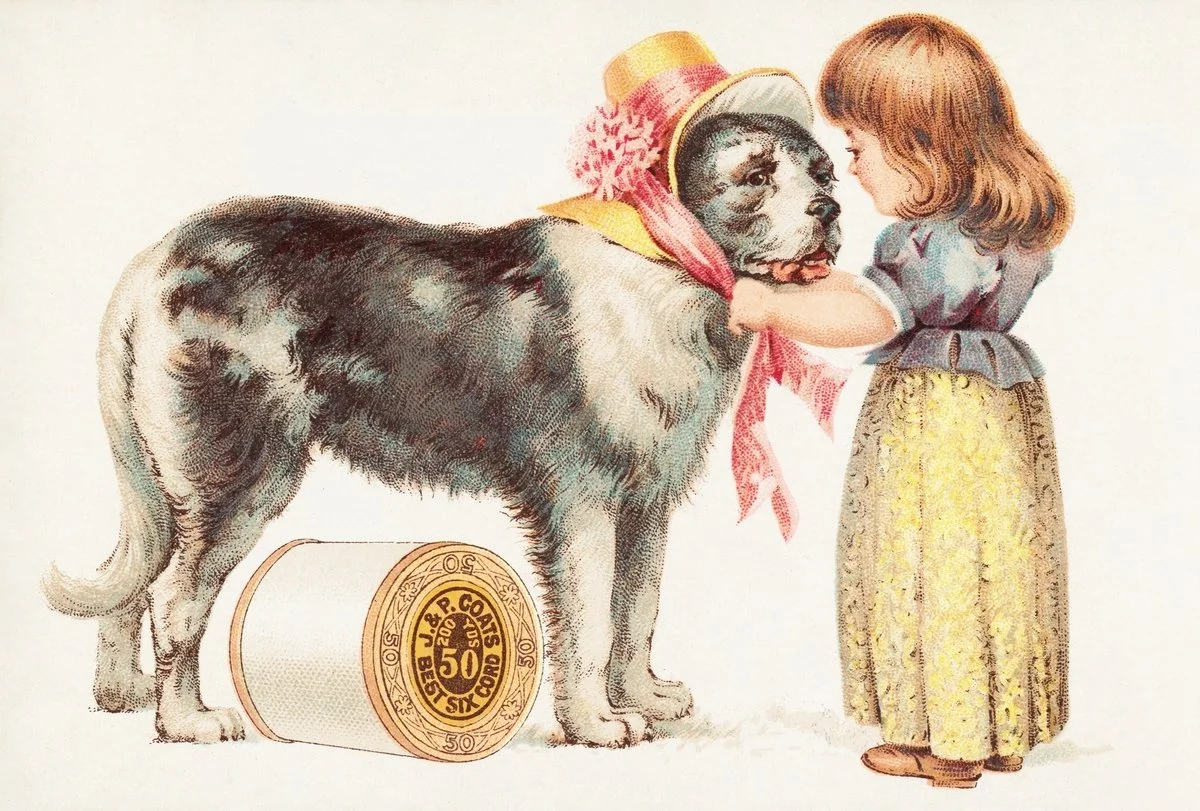
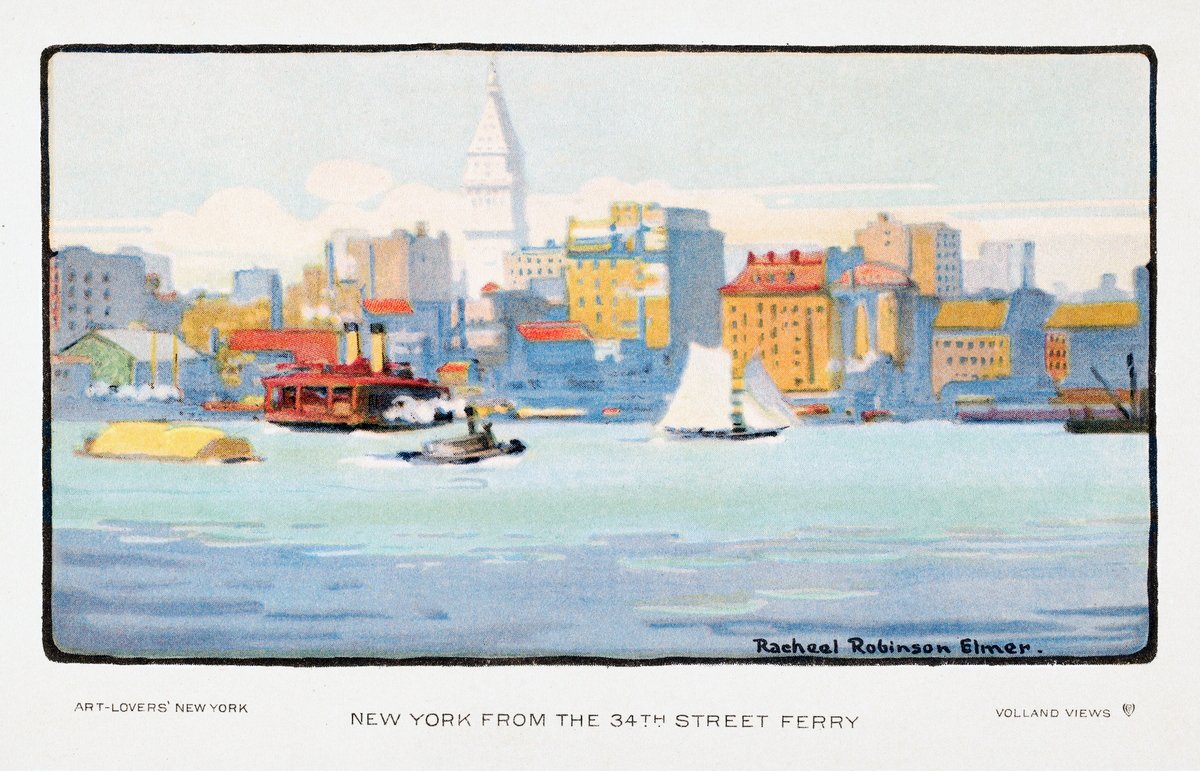
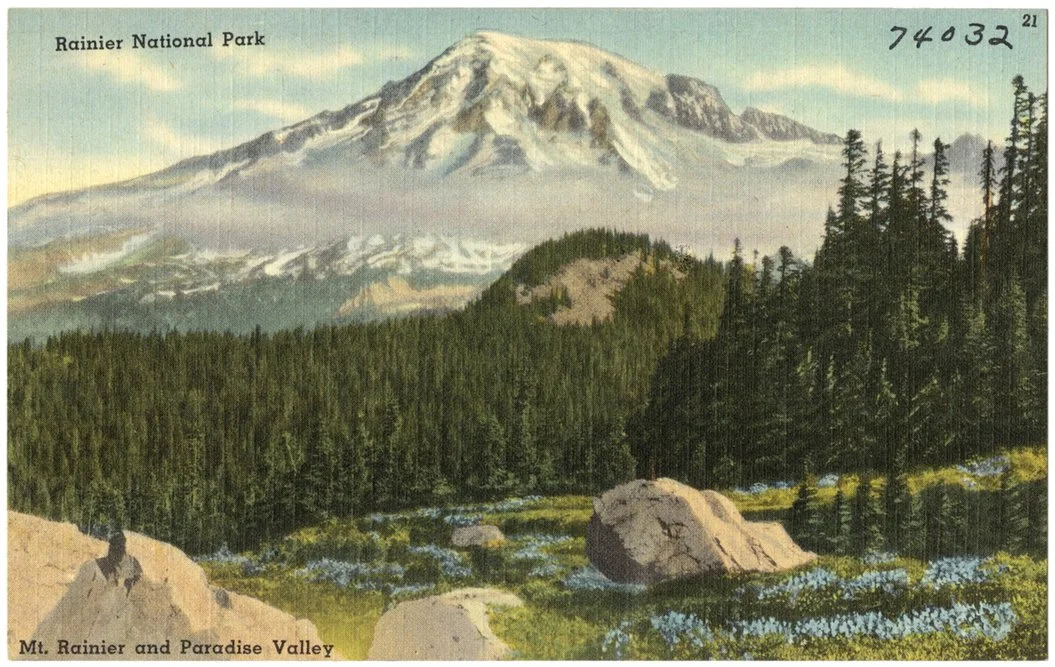


Life Story Links: October 1, 2024
Dawn’s curated roundup for the week of October 1, 2024, includes an array of stories of interest to personal historians, family history lovers, and memoirists.
“Memory arrives in fragments. Truth erupts; it finds us.”
—Beth Kephart
Vintage postcard depicting an illustration of the lake in Prospect Park, Brooklyn, postmarked 1909, Vicksburg, Mississippi; from the personal ephemera collection of Dawn Roode.
Personal history miscellany
WORDS FROM BEYOND
Sarah Leavitt says that years after her partner died, a final voice memo her partner left—called “for my beautiful companion”—helped her heal. “I lost my breath: That was the day before Donimo died. How was this happening?”
WHAT WOULD YOU DECIDE?
I recently published a brief 3-part series about choices I wish my clients hadn’t made, in hopes that sharing a few of these differences of opinion might be instructive for those waffling over similar decisions. In part three, a look at the importance (or not?) of photo captions.
OUT WITH THE OLD, IN WITH THE NEW
A new study explores “how mental clutter—the stuff we can't seem to forget—affects our memory as we get older.” Two Boston University professors break down the science and explain how age impacts working memory.
IMMIGRANT LANGUAGE INHERITANCE
“Why is it...that some families manage to successfully pass their heritage language onto the next generation while other families struggle to do so?”
ONE-WORD TITLE: ‘DIARY’
“As the Nazis performed executions deep in the Lithuanian woods, one local man took detailed, dispassionate notes. He was unwittingly creating one of the most unusual documents in history.”
COLLECTIVE MEMORY
“Zoomed out, the Internet Archive is one of the most important historical-preservation organizations in the world. The Wayback Machine has assumed a default position as a safety valve against digital oblivion.” Why this digital library is in danger.
World food heritage
STORIES FROM INDIAN KITCHENS
In these cookbooks, Indian food “becomes a portal to memories, emotions, and nostalgia. These authors delve deep into their culinary roots, preserving not just recipes, but the stories and heritage that surround them.”
EGYPT’S FOOD LEGACY
In this episode of The Storied Recipe, Dr. Mennat-Allah Al Dorry discusses the role of food in daily life for ancient Egyptians, why food traditions are disappearing for today’s Egyptians, and her own deep commitment to unearthing Egypt’s ancient food heritage and preserving today’s:
...and a few more links
Short takes

Life Story Links: September 17, 2024
Modern Heirloom Books’ Dawn Roode curates a bimonthly roundup of stories of interest to memoirists, personal and family historians, and memory-keepers.
“Telling is how we cement details, preserve continuity, stay sane. We say ourselves into being every day, or else.”
—J. R. Moehringer
Vintage postcard with an illustration of a romantic couple in a small boat on a spring day, postmarked 1906; from the personal ephemera collection of Dawn Roode..
History made personal
BABYLONIAN RECIPE TABLETS
“Even though these people are talking to us from 4,000 years ago, there’s a continuity of civilization in this region that’s connected to living culture and the communities that are there today.” What researchers learned from the world’s oldest cookbook.
BRINGING WAR TESTIMONIES TO LIFE
A Japanese software company is using AI to “capture people’s real emotions and likenesses to pass on the history of the war and the experiences of A-bomb survivors”:
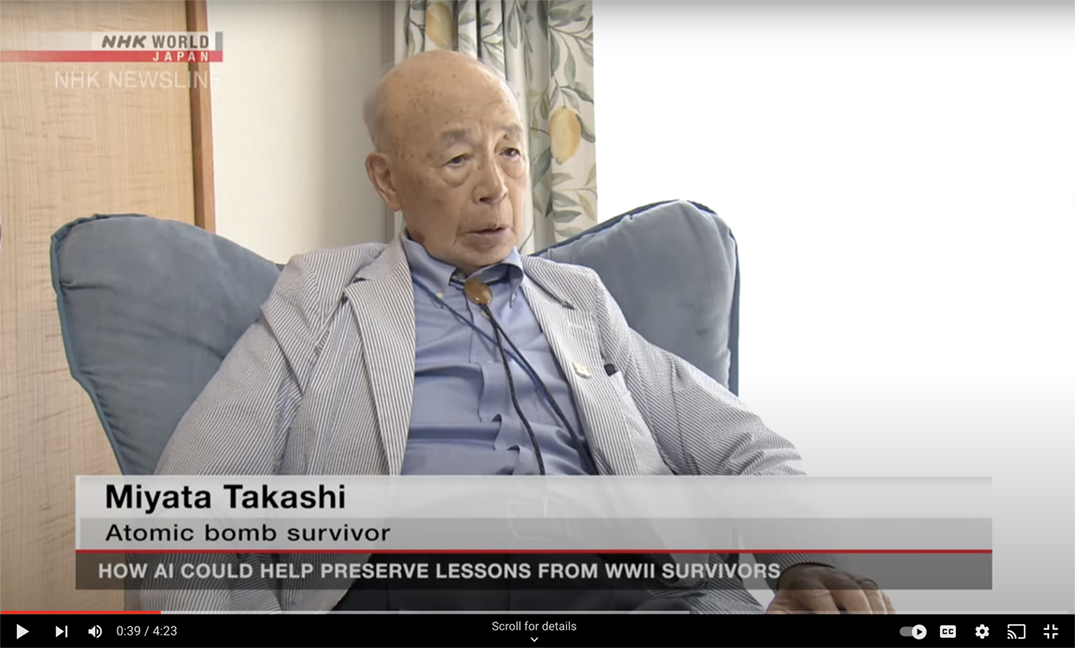
Click to watch a news report about how the new technology is being implemented with survivors who share their stories through oral history interviews.
Visuals help enliven written stories
WHEN IT COMES TO DESIGN…
Your life story book is yours, of course, but it’s one piece of a broader family history, too. Adding this one thing will give your descendants an easy way to map the supporting “characters” in your stories.
WHAT A PICTURE’S WORTH
As a professional book designer, Susan Hood has used her skills to preserve her family’s history in a variety of ways using little or no original text. Here she shares some ideas for telling your life story through images.
A RICHLY VISUAL STORY
Of his graphic novel The Mythmakers: The Remarkable Fellowship of C.S. Lewis and J.R.R. Tolkien, John Hendrix says, “I am really using a dual biography as an avatar for telling a deeper story about the origins of fairy tales, the meaning of myth in the history of the human story.”
FROM MESS TO ORGANIZED ARCHIVE
Avoid overwhelm when preserving research materials: These five easy steps from Family Tree magazine will guide you through a manageable, organized digitization plan.
VOICES FROM THE PAST
Storycorps curated some stories in honor of back-to-school season, including this one they animated below, as well as a collection of history-themed short interviews appropriate for classrooms.
More on memoir & life writing
GETTING PAST GO
“The fear that I won’t find an ending often prevents me from beginning,” Megan Febuary tells a reader who calls themself “Stuck Before I Start.” Here Febuary offers up some tactics and writing exercises to get unblocked.
CONTEMPLATING ANY KIND OF DIY LEGACY BOOK?
“I realized I was the missing link between the past and the future. My connection to her story will help future family members see their connection.” Lisa L. Duncan turned her godmother’s poetry collection into a legacy book, then crafted a thorough and helpful blog post outlining decisions she made along the way.
QUESTIONS, ANSWERS…NOW WHAT?
Inspired by questions from class participants, Rachel Trotter of Utah–based Evalogue Life shares ideas with what to do with personal history recordings once your interviews are complete.
LOOKING BACK ON AN IMMIGRANT CHILDHOOD
“Every memoir has an unseen twin—a book that, if it were written, would chronicle the people, places, and books that made the pages of the memoir possible.”
Short takes

Life Story Links: September 3, 2024
This week’s curated roundup includes insightful interviews with personal historians, new memoirs of note, legacy preservation tips & more memory-keeping ideas.
“A family history is not complete until it considers the time and place in which each individual lived. Our ancestors were affected by the events around them, just as people are now; their relationship to their environment is an important part of the family’s story.”
—Carmen J. Finley
Vintage postcard from a German American Novelty Art Series depicting an illustration of a sailboat, postmarked 1907; from the personal ephemera collection of Dawn Roode.
Interviewers get interviewed!
CREATING LEGACIES
New York–based personal biographer Alan Bergman was profiled in the Scarsdale Insider (as it happens, by one of my former Parenting magazine colleagues 😉).
PERSONAL HISTORIANS IN THE SPOTLIGHT
It’s good for the personal history industry as a whole when one (or in this case, two) of us has a spotlight shone on their business. In this episode of Smart Money, Julie McDonald Zander and Gloria Nussbaum, personal historians based in the Northwest United States, spread the good word. Two of my favorite quotes: “It’s amazing what people will tell you when you ask a question and then shut up and listen.” AND: “We need someone to receive the story.”
Miscellaneous memoir & memory-keeping
FROM DAILY RITUALS TO HISTORIC MOMENTS
“10,000 days, 10,000 photos, 10,000 stories, 10,000 memories,” Michael Deering says of his photo collection. He has taken a photo a day for 27 years, and he’s still at it.
TO CUT OR NOT TO CUT?
“The first draft of your life story is likely to include some stuff you decide to cut later—but should none of your challenges make it into your final book?” Last week I wrote about a time a client and I disagreed on final edits.
THE POWER OF PURPOSEFUL REFLECTION
“Life review arose in the 1960s to help people at the end of their lives articulate and make peace with their legacies. But new research suggests that the process of reflecting on previous experiences has value for people at all ages.”
LEGACIES OF TRAUMA…AND HEALING
Research suggests that engaging with your family history “can boost mental health and act as a powerful tool in helping heal generational trauma.”
INTERCONNECTION OF PHOTOS AND FILM
For people who “can’t decide whether to start with organizing their vast collection of images or focus on recording the rich stories behind those memories,” Texas–based video biographer Whitney Myers has some sage advice.
FOR YOUR MEMOIR TBR PILE
“I feel rich knowing I have all of those memoirs to try out,” Patricia Charpentier says in this video review of the podcast Let’s Talk Memoir, hosted by Ronit Plank:
...and a few more links
How to convert a live photo into a video clip in iOS: a step-by-step guide
When designing books, Claire Huss is unafraid of bold crops and unexpected color combinations
Samantha Dion Baker shares some of her favorite books for creative inspiration
Rejecting denial and embracing sorrow: on writing the story of a husband’s suicide
Using generative AI to perform life reviews at any stage of life
Short takes

Life Story Links: August 20, 2024
A shorter-than-usual roundup of stories (summer break?) with a few gems about memoir, personal history branding, preservation, and the craft of life writing.
“There’s something about a quiet morning with my notepad and pen that opens doors and windows to the ways of my heart.”
—Joanna Gaines
Vintage postcard of Ellis Island, New York, postmarked 1913, from the personal ephemera collection of Dawn Roode.
Miscellaneous stories for family historians, memoirists, and memory-keepers
FAMILY HISTORY STORYTELLING
In a recent episode of the Family Tree Magazine Podcast, Utah–based personal biographer Rhonda Lauritzen offers tips for writing your ancestors in an engaging way, including developing them as characters in your family stories.
REMEMBRANCE AND LOSS
Fifty years ago, the Central Intelligence Agency unveiled a memorial to CIA members killed in service to the country. Today, the memorial has become hallowed ground. “Every star is a life.”
A LITERARY SELF-PORTRAIT
“I really hope that even if my experience isn’t exactly like somebody else’s, that they can see aspects of themself in it,” Anna Marie Tendler says of her new memoir, Men Have Called Her Crazy. “In a sea of mental health memoirs, this stands out,” reads the starred review in Publishers Weekly.
PLEASED TO MEET YOU
A few years ago I had an Aha! Moment: If someone is going to share their stories via interviews, they darn well want to know who they’ll be sitting across from, right? Last week I wrote about how my business branding evolved to include, well…me.
SENIOR STORIES
“I’ve been doing personal writing for so long that I need to remember how brave it is for someone in their 70s or 80s or 90s to take a memoir writing class.” Kate Walter on helping older writers find their voices. (If you like to discover random life writing prompts, there are a few good ones here, too!)
Short takes

Life Story Links: August 6, 2024
Dawn Roode’s curated news roundup for the week of August 6, 2024, includes stories on the art of being a personal historian, plus recent memoirs of note.
“I believe everyone has stories in them. Little snippets of truth and hope. Lessons and ideas. Happiness and gratitude tied up in the day-to-day mundane magic of life.”
—Laura Stroud
Vintage postcard of a scene at le Château de Saint-Florent-sur-Cher, sent by a U.S. Army medic stationed in France during World War I to his family in Arkansas; courtesy of the soldier’s family.
When past and present collide
WHAT CONSTITUTES AN ANCESTOR?
“I keep the family tree, and I’m flummoxed about whom to include.” The New York Times magazine’s Ethicist columnist weighs in on genealogy, record-keeping, and notions of relation.
INHERITING ‘UNWANTED FAMILY SECRETS’
“In your family,” Lori Gottlieb writes in response to a “Dear Therapist” letter, “the clumsily handled revelation of these secrets has left you feeling burdened (‘Why me?’), confused about what having this family history ‘means’ for you, and uncertain about what to do with this knowledge going forward.” Read how she breaks it all down.
AMERICAN LIVES IN FIRST PERSON
“The Schlesinger Library is home to more than 3,000 volumes of personal diaries. One former curator is on a mission to read—and describe—as many as she can.”
ON LOVE AND DEATH IN NONFICTION WRITING
“In writing—an essay or a eulogy—the lost are alive to us for as long as we wrestle with what to put in.... In handling these incongruous details—which never themselves add up to a life—the departed are, for a moment, as mysterious to us as they once were.”
Personal historians weigh in on working with clients
“WHAT WAS IT LIKE?”
I believe one of the best ways to see if a personal historian is a good fit is to talk to them, get a sense of their vibe, experience, and aesthetic. Second best? Read reviews from others who have worked with them (or in this case, me).
CROSSING THE FINISH LINE
“I’ve been trying to figure out for several decades why some people simply cannot seem to finish writing their memoirs.” Ali de Groot of Modern Memoirs Publishing offers guidance on how anyone can get over hurdles and bring their life story to completion.
From memoir to autobiographical poetry
STORIES THROUGH POETRY
“Elina Katrin’s debut poetry chapbook If My House Has a Voice renders the (un)belonging of immigration, the fluidity of the cross-cultural self, and the sensory core of memories in a vulnerable, mesh-like voice woven from three languages.”
STORIES THROUGH VISUAL ART
“There are no pictures. Everything burned up. There was no floor plan, no drawings or photos of the inside of it.... The only thing that remained was Ann’s memory of it.” An artist helped this Holocaust survivor turn her memories into a painting:
STORIES THROUGH (THEIR OWN) WORDS
Newly released memoirs worth consideration include All That Glitters from art world insider Orlando Whitfield;
Too Good to Fact-Check by former celeb–magazine editor Jeremy Murphy; and The Art of Power by the first woman U.S. House Speaker, Nancy Pelosi.
STORIES THROUGH (A BIOGRAPHER’S) WORDS
Newly released biographies getting some attention (for better or worse) include Christopher Isherwood Inside Out by Katherine Bucknell and Catherine, the Princess of Wales: A Biography of the Future Queen by Robert Jobson.
Short takes

Life Story Links: July 23, 2024
Personal historian Dawn Roode shares her curated roundup of stories for the week of July 23, 2024: on memoir, family history, biography & memory preservation.
“The reason I write memoir is to be able to see the experience itself…. Writing is a way to organize your life, give it a frame, give it a structure, so that you can really see what it was that happened.”
—Sue William Silverman
Vintage photograph of boy leaning on a fire hydrant in New York City by Morris Huberland, taken in the mid-twentieth century, courtesy the Miriam and Ira D. Wallach Division of Art, Prints and Photographs: Photography Collection, The New York Public Library Digital Collection.
A mosaic of pieces on memoir, personal history, and preservation
HISTORY VAULT
“‘We are absorbed in thinking about our ancestors,’ [Frederic Harrison] wrote. ‘Why do we not give a thought to our descendants?’ Accordingly, he posed his fix: to ‘prepare a Pompeii’ for future researchers to unearth.”
TRANSFORMATIVE POWER OF SELF-REFLECTION
“Every person I have guided on a life writing journey has discovered profound benefits for themselves. Even without a single other individual having read their words, those words have changed them.”
SHIFTING PERSPECTIVES
“A memoir needs to be anchored by facts, yet each of our individual stories can be seen from unlimited perspectives with slight shifts.” Mira Ptacin on the hard art of seeing one’s own writing through rose-colored glasses.
FOR YOUR TBR LIST?
“Stars may or may not be like us, but there is one thing they all seem to have in common: they love writing about their lives.” Time magazine names the 36 best celebrity memoirs.
ON CREATIVE DECISIONS IN BIOGRAPHY
“I just think that when you’re writing a biography, you have a duty to the chronology. The chronology is almost fundamental to the whole enterprise, in my view.” Ryan Cropp speaks with podcast host Gabriella Kelly Davies:
WISDOM FROM SEASONED WRITERS
“In my conversations with my family members and knowing their history and their struggle, I remember that I'm somebody and [they’re] somebody. And that's a very powerful thing.” Author Min Jin Lee talks to fellow writers experienced in family memoir generally, and the migrant journey specifically, about how to talk to parents about their personal history. Listen in:
Short takes

Life Story Links: July 9, 2024
Dawn Roode curates stories relevant to family history fans, memoirists, personal historians, and modern memory-keepers—and this week’s roundup is a must-read.
“Because right now there is someone out there with a wound in the exact shape of your words.”
—Sean Thomas Dougherty
Vintage baseball card of George Herman (Babe) Ruth issued by Big League Chewing Gum in 1933, courtesy Library of Congress Digital Collection.
Ways we remember
THE SUBTLE ART OF DIARY KEEPING
“Those people who don’t destroy their diaries must have some secret need or wish for them to be read, a need or wish which affects what is written in varying degrees.” Helen Fielding considers the place of confessional narrative in today’s literary landscape.
ARE YOU A REMEMBERER OR A FORGETTER?
“My father, who is a Rememberer, says his nostalgia often borders on unbearable. If he thinks of his cousin, who died years ago, he can slip into a memory of the two of them at 6, playing hide-and-seek in their grandfather’s house. It sounds beautiful and excruciating at once.”
ON WRITING MEMOIR
“When my writing reveals something about my life that I didn’t see until it appeared on the page—that’s a great surprise.” Memoirist Rachel Zimmerman answers Sari Botton’s questions about the craft.
DIVING WITH A PURPOSE
“How can finding and telling the lost history of the slave trade help me, as a Black American woman, figure out where I belong—and to whom I belong?” Storyteller and diver Tara Roberts is helping document some of the thousand slave ships that wrecked in the Atlantic Ocean.
Love, loss, and memories
FINDING SOLACE IN STORIES
“No one could have guessed that A Family Story would also become our companion in grief. We leaf through it when we miss dad, when we need to hear his voice, or if we want to share family stories with our kids.”
PERSONAL PODCASTS
“With today's technology, we can all record our loved ones in some form, and I would encourage people to do so, in whatever way they can.” A look at how some families are turning to audio recordings to remember lost loved ones.
‘A GENTLE MAN’
Memoirist Joe Wilkins remembers: “In all my boyhood memories, my grandfather shines. What kept me close to him? What let me so completely trust? What had me listening so that even now I hear his voice?”
Biography & memoir
AN INVITING AND NUANCED CONVERSATION
Sara B. Franklin, at once friend and oral historian to her subject, Judith Jones, grappled “with how to tell the story of a person with a life as textured, documented, and purposefully invisible as Jones’s” in the new biography, The Editor.
SELF AS LENS
Writing about the radicalism of the ’70s in her new memoir, 1974, helped Francine Prose come to grips with who she was and who she is now.
CELEBRATING THEIR QUEER FAMILY HISTORY
“It is through these conversations I discovered what a rare and complex person he was, the intense draw he had.... With determination, I brought my uncle’s story out of the shadows.”
EMOTIONAL CATHARSIS
New York–based biographer Alan D. Bergman discusses the unexpected outpouring of emotions subjects may experience while sharing their life stories.
...and a few more links
Short takes