
Memories Matter
Featured blog Posts

READ THE LATEST POSTS

3 Must-listen podcast recommendations for life story lovers
Each of these powerful podcasts comes in at under an hour: Listening recommendations on memoir, narrative structure, family secrets, writing prompts, and more.
If only there were more time in a week to listen to all the podcasts I would like to! As a former journalist who often bemoans the state of media these days, I find respite and refuge and inspiration in the podcast arena, where interviews are often in-depth and surprising, and where there is plenty of content aimed at lovers of memoir, life story, and family history.
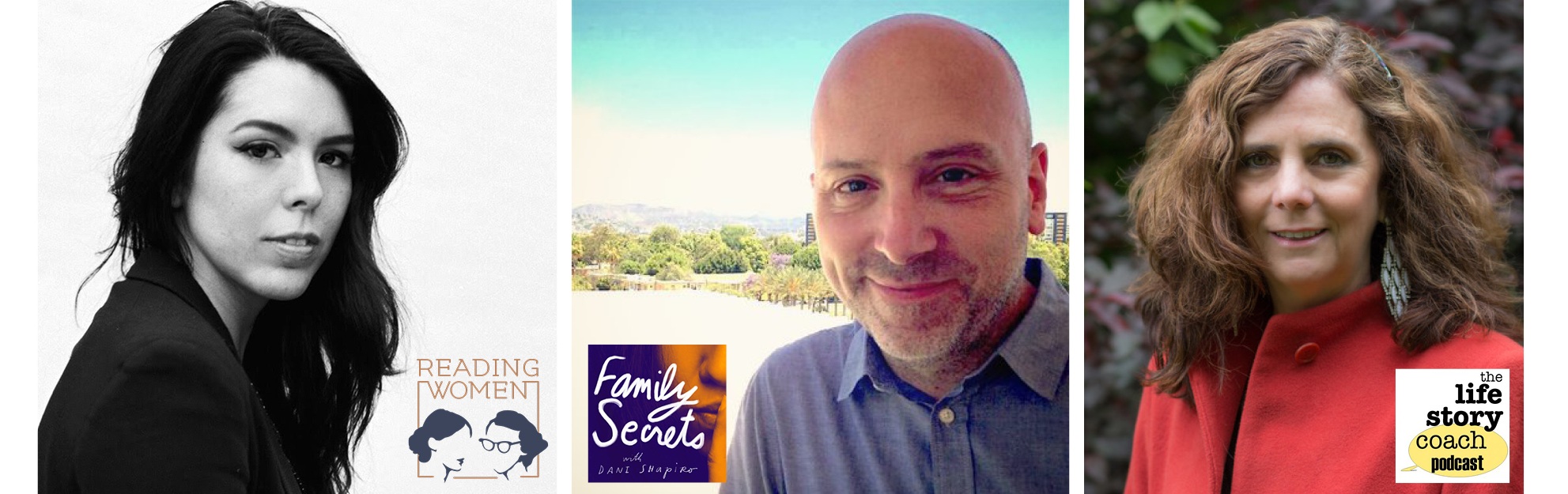
Here are a handful of my favorites in recent weeks—I hope you give them a listen, and please let me know your own favorites in the comments so I can add them to my playlist!
Click on the numbered links below to go straight to that review:
Steve Lickteig on Dani Shapiro’s Family Secrets podcast (41 minutes)
T Kira Madden on the Reading Women podcast (40 minutes)
Beth Kephart on The Life Story Coach podcast (46 minutes)
An Open Secret Revealed
On Dani Shapiro’s Family Secrets podcast, Steve Lickteig talks CANDIDLY about the secret of his own identity that not only his family, but an entire small Kansas town, kept from him. As a child, he was told that he was adopted. But that didn't turn out to be entirely true, or even half of the story.
“There is a real power in crafting a truthful narrative—or at least as truthful as you can make it, your emotional truth,” Steve Lickteig tells Dani Shapiro in this episode of her new Family Secrets podcast. As a longtime fan of Shapiro (Hourglass will always be among my favorite memoirs), I’ve listened to all of the Family Secrets episodes. And while I absolutely suggest subscribing, I will say that her talk with Lickteig is the one that lingered longest with me—and which would make a wonderful introduction to the series for a first-time listener.
Lickteig is a journalist himself, and perhaps it is his deep rootedness in storytelling that makes his conversation with Shapiro so resonant; he is articulate and thoughtful, conscious of creating a narrative out of his family history that enlightens something greater than his own perspective.
Listen to the full episode at left, or head over to the Family Secrets page to hear more from the likes of guests Debbie Millman, Jane Mintz, and Jim Graham.
During Shapiro’s interview with Lickteig he recalls his occasional unease (and simultaneous journalistic pride) at the way he comes across in his 2011 documentary Open Secret, which explores in depth the stories he shares on the podcast. He says the film portrays him in ways that are at times unflattering, but yet true to his experience.
Open Secret is described as Lickteig’s “20-year search for who his real birth parents were; why a whole town kept the truth from him; and how his family's tumultuous history revolves around the hidden lives of two unconventional women.” I haven’t watched the film yet, but indeed, it’s on my watch list.
An Unconventional and Evocative Memoir
T Kira Madden, author of Long Live the Tribe of Fatherless Girls, talks about owning her story with Kendra Winchester and Autumn Privett on the Reading Women podcast.
Topics of conversation include:
getting permission—or not—from her family members to write about them
discovering the form that would best suit her narrative, from weaving a linear thread through disparate stories and ways of storytelling to creating the skeleton that would support her memoir structurally
how reading The Chronology of Water by Lidia Yuknavitch gave her permission to allow “form and content to play with each other,” and to tell her stories in a nonlinear way
how to separate herself from her memoir
the ways in which we inherit parts of our parents’ identities (“understanding myself meant understanding more about my mother and understanding more about my father”)
how the “memory loop [she] was caught in for years” transformed into memoir
I was immediately drawn to Madden’s book when she described it alternatively as a “funky memoir” and “scattered essays that make up my life so far.” It is so much more than a coming of age tale, and trust me, those “scattered” pieces are woven together meaningfully.
“The honesty and vividness with which Madden writes and the tightly controlled structure she utilizes only emphasize the fact that Long Live the Tribe of Fatherless Girls is a deeply compassionate book, though not an apologetic one,” Ilana Masad writes in a review for NPR. “In baring the bad and ugly alongside the good, Madden has succeeded in creating a mirror of larger concerns, even as her own story is achingly specific and personal.”
Give the full 40-minute interview a listen here, or visit the Reading Women podcast page for show notes.
This was my introduction to Reading Women, and I will undoubtedly be listening to more. A couple that are in my listening queue are a discussion of Kindred by Octavie E. Butler and Homegoing by Yaa Gyasi (I recently read Kindred and highly recommend it for history lovers especially) and, of course, their exploration of memoir from last September.
The Questions We Ask
Award-winning memoirist and memoir writing teacher Beth Kephart introduces Amy Woods Butler’s Life Story Coach listeners to ways we can help others write memoirs that matter.
When I sat down to listen to this conversation between memoirist Beth Kephart and life storyteller Amy Woods Butler, I had no idea that I had indirectly introduced them…but how happy I am that I did!
Kephart has fed my writing soul for years; I have personally relished her fiction, endorsed—and continue to use—her writing workbook, and forward her newsletter to friends often. I imagine this less-than-an-hour interview with Kephart will entice you to want to hear more.
In this The Life Story Coach session recorded in 2019, Kephart and Butler hit upon topics including:
the wide variety of her experience teaching memoir and writing memoir
“getting to our stories in sideways fashion”
the power of contextualized and unexpected writing prompts
why she is drawn to memoirs with “that scenic, atmospheric detail-rich quality”
the gap between one’s spoken word and written word
and the Juncture newsletter, where Kephart explores topics such as what makes a memoirist approachable, interviews current memoir writers, and includes reader book recommendations, as well.
If you’d like to hear more of Beth Kephart’s writing wisdom over the years, here are three older podcast interviews with her you may enjoy:
“I’ve written memoir in the quest to answer very specific questions,” Kephart tells Dan Gottlieb in a wide-ranging conversation about the therapeutic value of memoir (also with a social psychologist) and how she helps others learn to tell their own stories. She talks about what memoir is not, and how to get to what it is and should be for each of us.
You can also listen to Kephart speak about Handling the Truth here, and hear her in conversation with Dani Shapiro about her latest memoir Inheritance (which inspired the Family Secrets podcast referenced above!) here.
What podcasts are you listening to—specifically those having to do with memoir, storytelling, and oral history, or any that have just captivated you?

Life Story Links: March 11, 2019
An array of topics, from how to curate family heirlooms and photos to group biography recommendations and a son's loving personal history interview with his mom.
“I wish I had realized that family history is a perishable commodity. It disappears with time, as memories fade, and as loved ones pass on. I wish I had known that the most important aspect of family history is preserving a record of the present for the future.”
—Gordon B. Hinckley

Out of the Boxes
AMONG THE RESIDUE
This book was discovered among the papers not sent to the author’s literary archive in Oxford. "Its yellow and curling title page announced Really and Truly: A Book of Literary Confessions." And inside…the handwritten opinions of the owner’s grandmother, as well as those of Virginia Woolf and Rebecca West.
PRESS PRINT
In last week’s post “Sharing Is Good” I implore everyone to print—and share—family photos. Why? Because besides generating conversation, you will spark joy, find genealogy clues, and discover even more treasures.
CURATE KEEPSAKES LIKE A PRO
“Family curators have been organizing and saving family history for a lot longer than Marie Kondo has been teaching people how to discover joy in decluttering,” observes The Family Curator. "Trends. They come. They go. I’m happy to report that family heirlooms aren’t dead yet."
Storytelling, Your Way
GROUP BIOGRAPHIES
Carolyn Burke’s Foursome is a group biography that interweaves the lives of Alfred Stieglitz, Georgia O’Keeffe, Paul Strand, and Rebecca Salsbury. Here she shares five books that inspired, spurred, or otherwise helped her to think of writing group biography.
GREAT GRANDMOTHER’S GENEROSITY
Personal history varies from family history in myriad ways, though they often do (and should!) complement one another. Here is an example of piecing together a family narrative from documents, a worthwhile step in sharing genealogical research. Just imagine, though, if the people had recorded their own stories—how much richer the narrative would be!
“HAPPY VERY EASY”
“My parents are getting older and even though I have a good relationship with my mom…I’ve never had a super-deep conversation with her,” Kane says. Here he asks her 11 intimate questions “before it’s too late,” and the resulting video, full of playful banter and deeply moving moments, is a wonderful example of how effective—and relatively easy—at-home video interviews can be.
Opportunities Knock
THE LONGEVITY ECONOMY
“According to AARP, the economic activity of Americans 50+ is the equivalent of the third largest economy in the world.” Personal history is one of four career opportunities in the field of aging explored in a recent Forbes article.
SEEKING SUBMISSIONS
Madison, Wisconsin–based personal historian and educator Sarah White publishes first person stories on her blog True Stories Well Told. “Short, true, and diverse in genre—a reminiscence, a reflection on your writing process, a book review, a question—it's all welcome for consideration,” she says.
Voices Carry
“MAMA’S LAST PICNIC”
Margaret-Ann Allison, who would have been 83 years old today, shared a remembrance of “Mama’s Last Picnic” with NPR, where broadcasters were “so charmed by her soft southern accent that they asked her to read it aloud on the air.” While we can’t hear her honeyed voice, we can read it here, as shared by her daughter.
“WHERE THE TROUBLE STARTED”
A traumatic experience changes the course of a girl’s life, and eventually resides deep in a box in her mind. But, she writes from a distance of decades, “it does not belong in a tucked away box like a dark and dirty secret I can’t touch.” Saidee Sonnenberg tries to make sense of experience through writing.
VALUE OF LIFE REVIEW
”What it does when you go back and review your life”—by really digging in, getting to know your parents and their motivations and their parents’ motivations—is it leads you to empathy, Jane Fonda says during this brief interview where she revisits the writing of her memoir and memories of her mother.
...and a Few More Links
Untold story of the Warsaw ghetto: Who Will Write Our History
Help students become oral historians with these complete lesson plans from The Tenement Museum.
Taylor Swift says nostalgia inspires songs: “I love preserving memories”
“Oldtimers, tell your stories. Youngins, start asking.”
Fun tool: What book was the bestseller the year you were born?
See if the StoryCorps Mobile Tour is coming near you.
Short Takes


Sharing is good
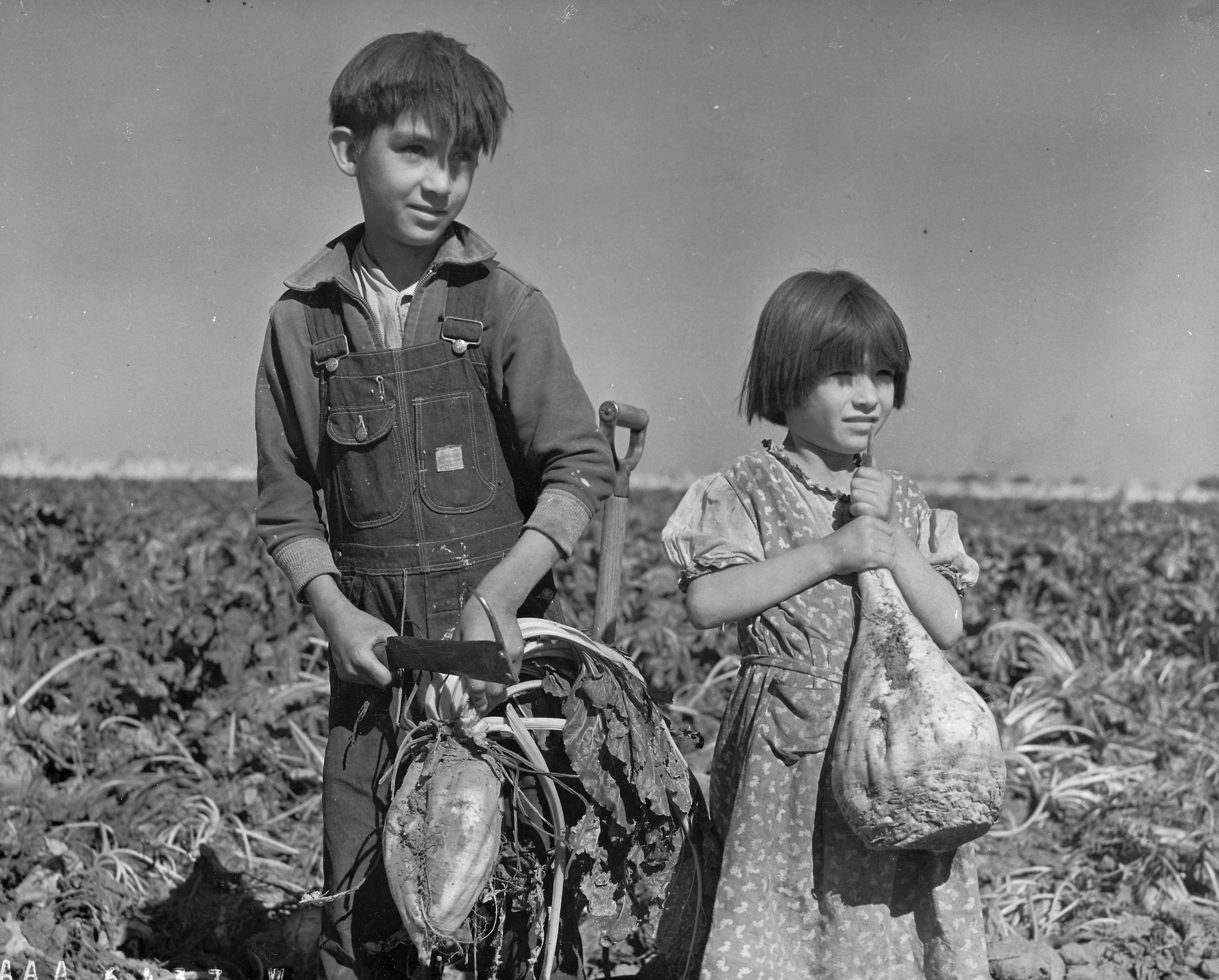
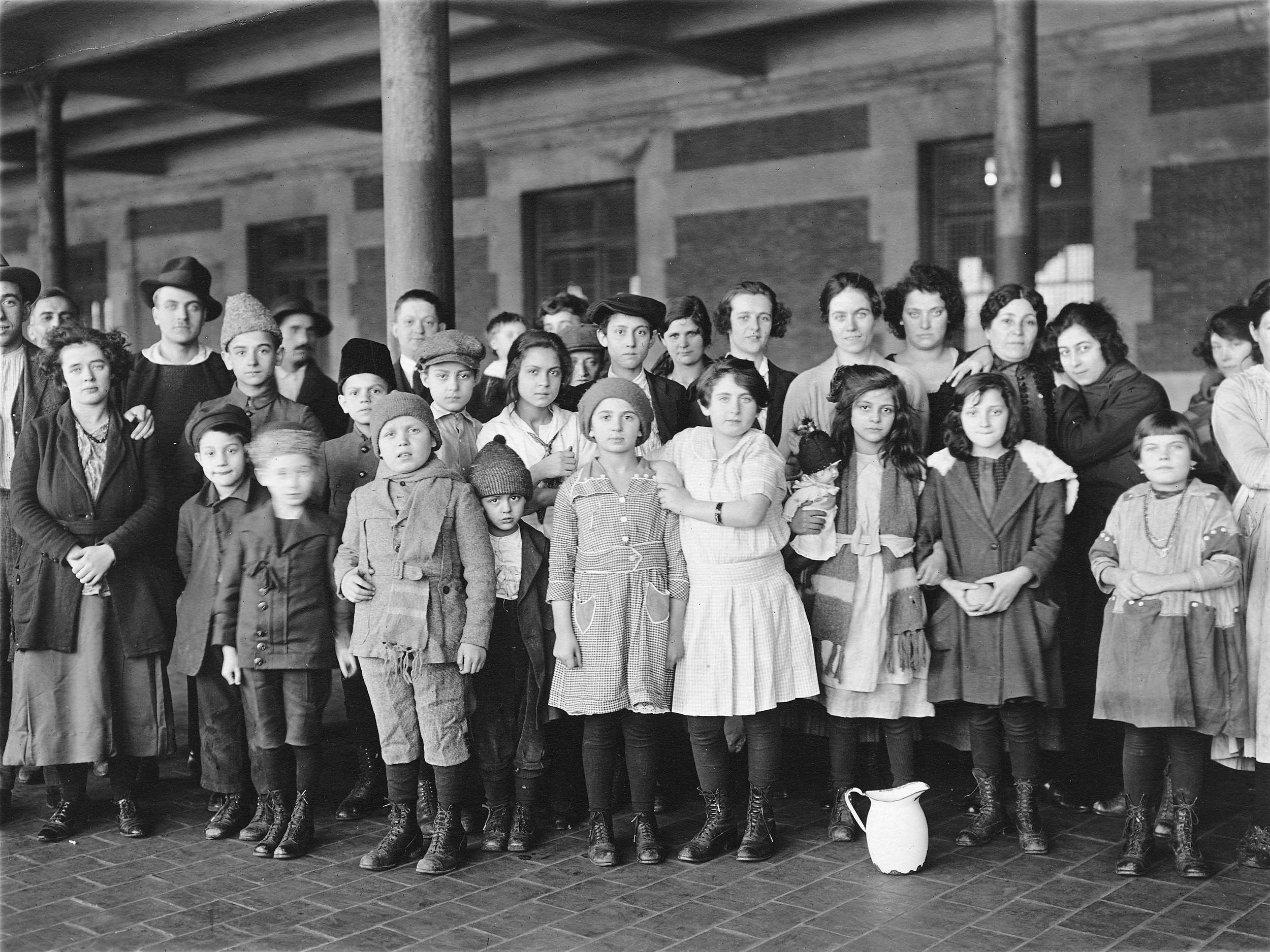
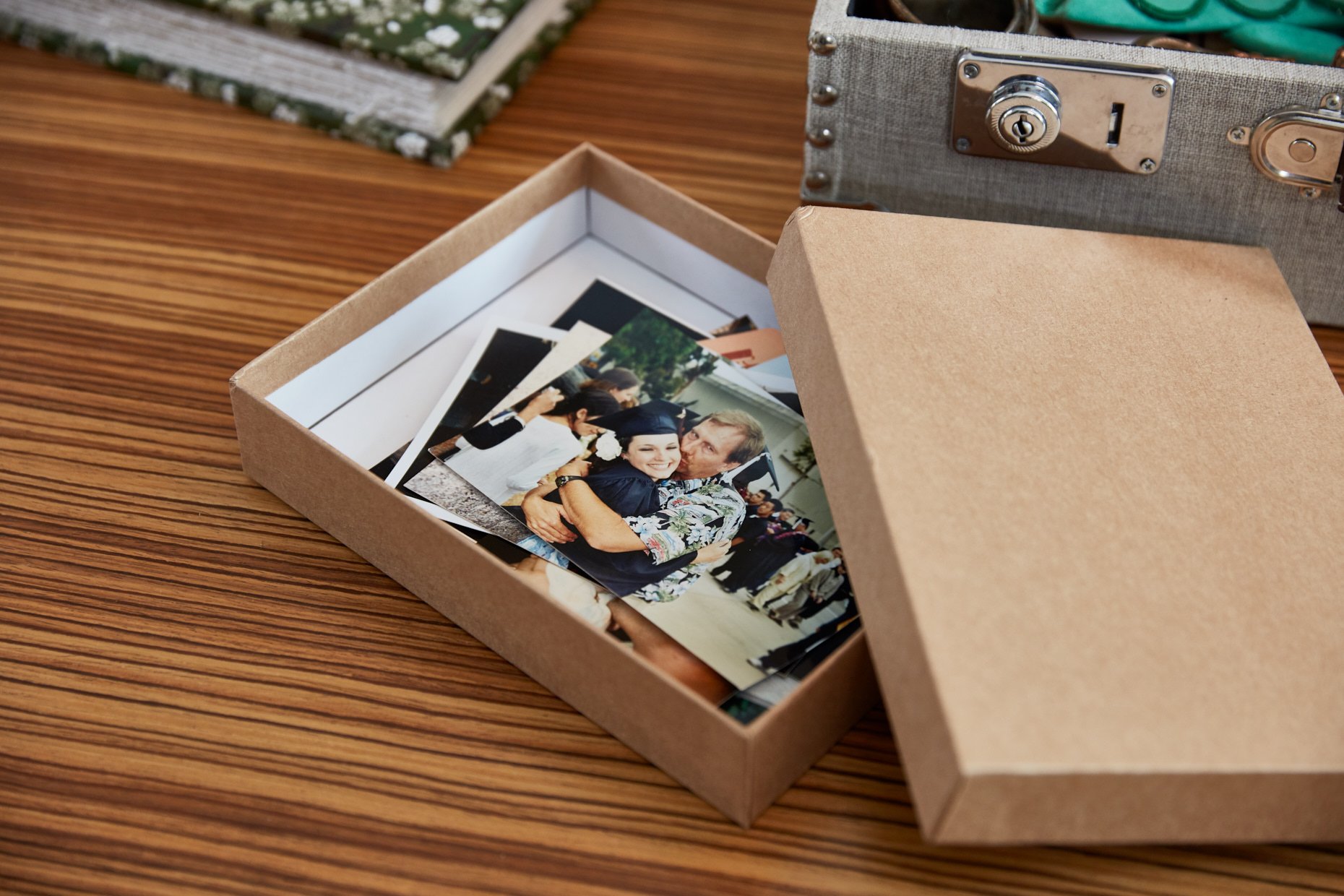
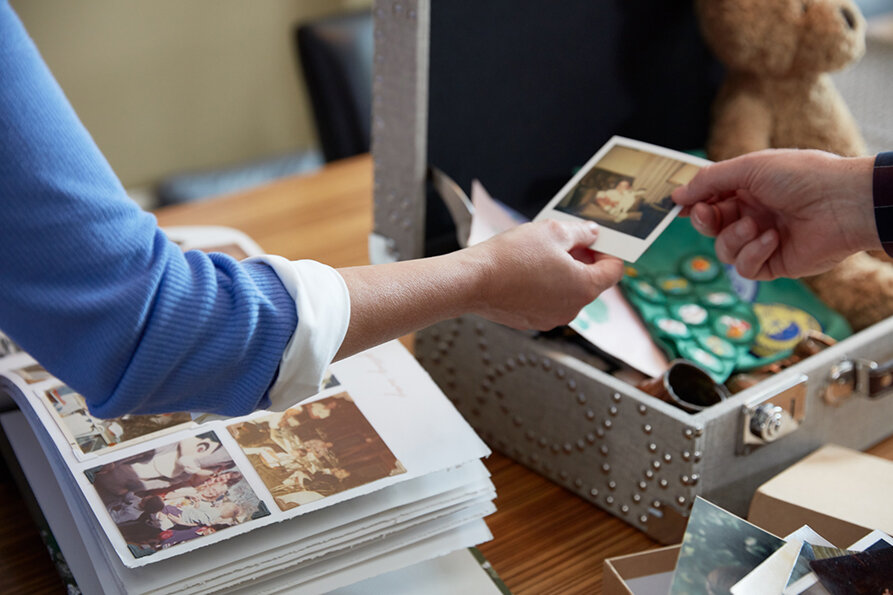
Print and share your family photos with loved ones. Besides generating conversation, you will spark joy, find genealogy clues, and discover even more treasures.
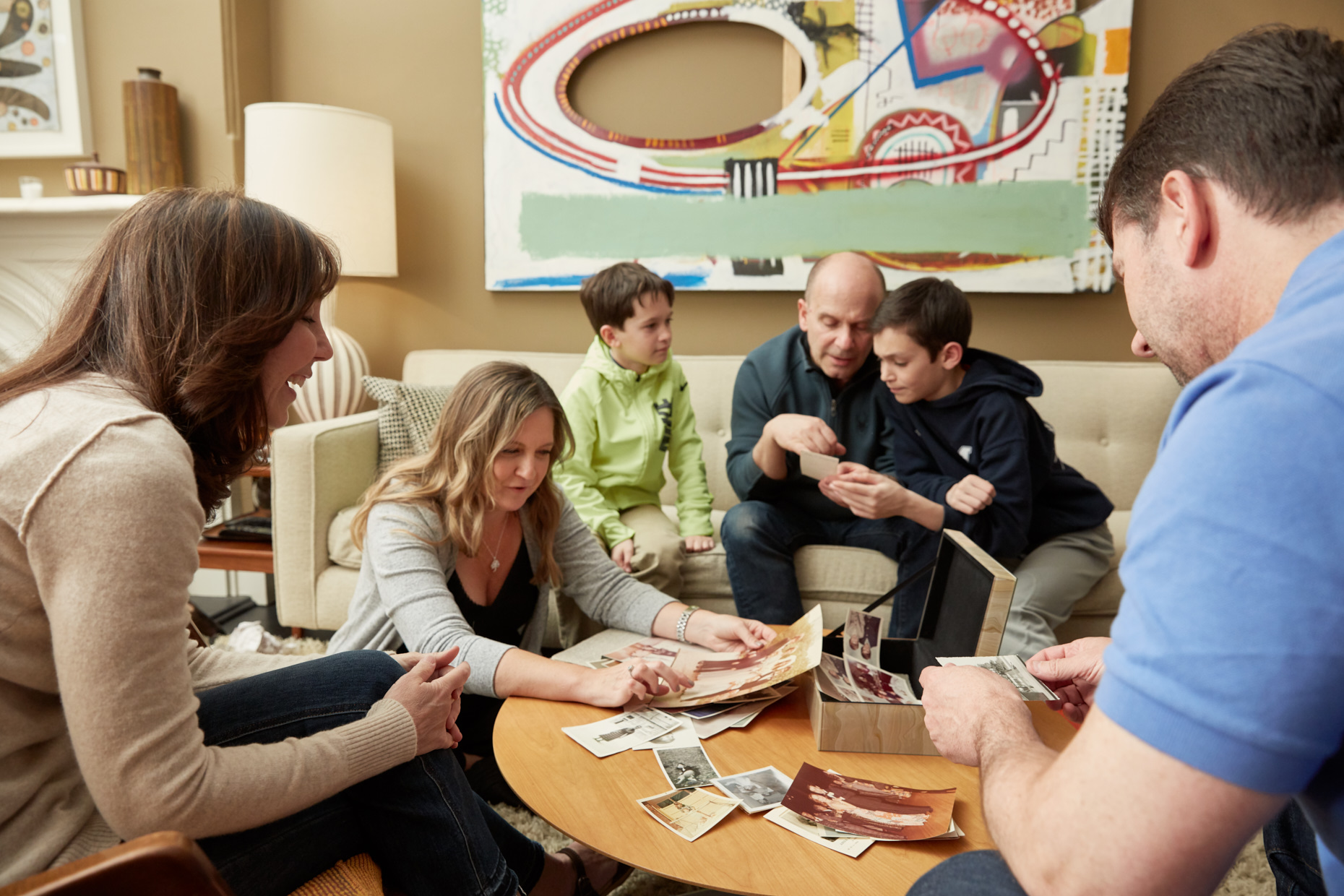
“Sharing is good.“ This childhood lesson is applicable in all areas of life, of course, but today I want to encourage sharing of your family photos.
It’s been written about ad nauseum in recent years: Our digital photo scrolls are out of control…we need to stop taking so many pictures and live in the moment…we never print our pictures anymore.
While I agree wholeheartedly with each of these lamentable statements, it’s the lack of printed photos that troubles me most—specifically, the sense of connection and excitement that gets lost when we neglect to print our photos, and share them in person.
In person, I say.
It’s temporarily gratifying to get lots of likes on an Instagram share, to see heart emojis galore on your Facebook post. But the joy that results from sharing a memory in person—well, that simply can’t compare.
Why You Should Share Your Photos
A family photo holds a story. It is a font of memories, frozen in one still frame.
Amazingly enough, the story shifts with each participant: Your mom, maybe, who took the photo, remembers things just a bit differently than you do; and your sister, a few years older, recalls things from an entirely different perspective. What about your baby brother, who only saw this photo—and heard its associated stories—years later?
Like all stories derived from memories, truth is subjective. And while a photo seems to capture a scene exactly as it happened, well, that’s subjective, too. Can you say “conversation starter”?!
So besides sparking conversation, why should you share your photos—and your photo memories—with loved ones? Here are three compelling reasons:
1 - You share, they share.
It’s contagious. You show someone an old photo from your childhood, and they reciprocate with a shot they had in a drawer somewhere. You pull out your dad’s old scrapbook filled with family photos from his youth to spark conversation with your parents, and they reveal they have two more stored in the basement.
Sharing what you have encourages family members to share some of their own family treasures, too—and what could be better than that?
2 - You might learn something.
From a name scribbled on the back of an old photographic print or a comment made in passing by a family member to whom you are showing your photos, you just may discover something new: details or backstory that enrich your own experience of the picture; or perhaps a surname or location that helps with a genealogical search.
Just because your family elders have not shared such info before doesn’t mean they don’t know it—too often I hear, “Well, no one ever asked me.” So show…and ask!
3 - You’ll feel darn good.
Sharing the joy and love associated with your favorite family photos makes that joy grow. You get that altruistic benefit that comes from sharing of yourself—witnessing another’s enjoyment, and feeling your own heart swell.









Life Story Links: February 26, 2019
Writing the suffering, memoir as therapy, family history come to life in a surprising film from Ancestry, plus a few life story reads worth your time.
“Some writers have a more defined sense of cause and effect. Plot. My sense of life is more moment, moment, and moment. Looking back, they accrue and occur to you at a certain time and maybe you don’t know why, but you trust that they are coming back to you now for a reason. And you make a leap of faith. You trust you can put these moments together and create story.”
—Amy Hempel

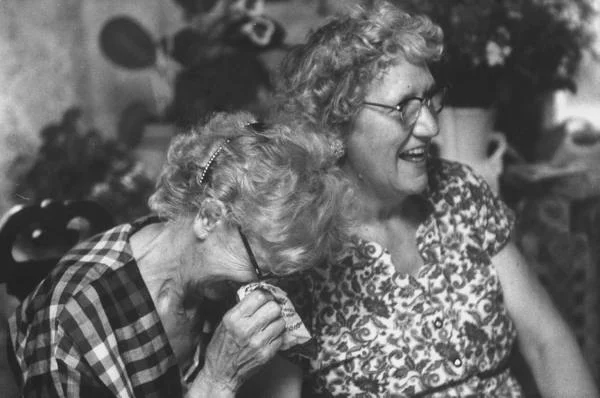
Toom Sisters, July 1957. Photograph by Al Fenn for LIFE magazine. ©Time Inc.
Writing the Suffering
“ARE YOU GOING TO WRITE ABOUT THAT?”
The complicated choices of memoir writing: Judy Goldman on finally being able to write about her husband.
ADOPTION JOURNEYS
“Preserving the full story of your adoption journey may mean sharing some of the pain, too—but how much you include is a personal decision.“ Last week I delved into this topic in the hopes of helping adoptive parents consider how to best shape their personal narrative.
Understanding Blossoms
MEMOIR = POWERFUL THERAPY
“You validated my life.” Such is the nature of the feedback memoir coach Bob Becker receives from senior citizens and other participants in his Connecticut memoir workshops. “Sharing your story is for you first,” he says.
RAILROAD TIES
In this powerful short film (below) created by Ancestry and Sundance, six strangers meet in Brooklyn—and at the historic Plymouth Church, an integral station along the Underground Railroad, learn how they are bound together by the deeply webbed histories of their ancestors.
See also a panel that was recorded live after a screening of the film, including Harvard historian and Finding Your Roots host Henry Louis Gates Jr., Ancestry historian Lisa Elzey, featured historian Melissa Collom, and featured descendant Gayle George.
First Person Pieces
ENGELBERT HUMPERDINCK, WHERE ARE YOU?
Of attending a concert of her childhood musical crush Kavita Das writes that “memories [came] flooding back to me of how it felt to be so small my feet didn’t touch the car’s floor but also to have felt so big that my voice drowned out all the clamor of New York City on those song-filled drives with Mommy.”
STORIES, LONG BURIED
“That grandma told me the story at all was unusual. She lived in the present. Didn’t reminisce.” How one family story leads this writer down a genealogical rabbit hole.
“ME, BY ME”
NYC-based journalist Cynthia Ramnarace learns that, while she is the writer in her family, she was not necessarily the right person to write her own relative’s stories. She explores why, and delves into her inspiration to start Memoiria Pubishing—in the end revealing why she is the perfect catalyst to bring other “people’s stories from minds to lips to paper.”
On Craft
WRITING RETREAT: TWO OPENINGS REMAIN
In honor of her imminent MFA graduation (congrats!), Wisconsin–based personal historian Sarah White is hosting a small-group Nova Scotia writing retreat. Participants will spend three days at Windhorse, a rural farm/eco-retreat, followed by two days in bustling Halifax on the campus of University of King's College.
BUTTERFLY TOWN, USA
On the latest episode of The Life Story Coach podcast, Amy Woods Butler speaks with publisher Patricia Hamilton about a curated community history project for which she received more than 400 submissions—and how she sold out of a 500-print run on launch day.
...and a Few More Links
Chinese immigrants etched their anguish into walls.
Stop sharenting?
View the top 12 finalists in the 2019 RootsTech FilmFest.
A look at how “artful historians” are preserving the past in engaging new ways
On The Life Story Coach podcast: Mike Oke and his unorthodox approach to life story writing
Short Takes

Should you share your full adoption story?
Preserving the full story of your adoption journey may mean sharing some of the pain, too—but how much you include is a personal decision. We can guide you.
Adoptive parents recount memories of wishing and waiting and hoping for their children, but the truth is that the challenges often go well beyond a long wait. So, too, does the joy and fulfillment of adoption. Preserving the full story of your adoption journey may mean sharing some of the pain, too—but how much you include is a very personal decision. We can help you record your stories in a compassionate and meaningful way, preserving your adoption journey exactly how you want to.
When the adoption process is joyful, but not easy…
Your adoption story is worth preserving.
“Adopting one child won’t change the world; but for that one child, the world will change.”
World-changing. That’s what your family’s adoption story has been. And the story of something so profound should be preserved; should be accessible for your family as it matures and grows; should become an origin story so often revisited that it becomes family lore, an heirloom both physical and spiritual.
In a previous post we wrote about 9 Reasons Why Your Adoption Journey Is Worth Preserving. But just because your journey to parenthood was profound and joyful and life-changing, does not mean it was easy.
“I say to everybody: Adoption is not for the faint of heart.” —Mariska Hargitay
Children who were adopted experience feelings of loss, often grieving for the family they have lost and the world they knew before. Transitions to new schools, new homes, often a new country, can be unsettling, profoundly impacting a child’s sense of self. Adoptive children may have histories of trauma, or other types of special needs.
Adoptive parents may face great challenges—emotionally, psychologically, logistically.
Even the adoption process itself may be anything but smooth.
So where does that leave adoptive parents in chronicling their personal adoption journey? Do you include the good, the bad, and the ugly in an Adoption Journey book? Or do you focus on the positive and create an archive of the joys of newfound family, a historical record of how you adopted and how you became a family?
That is up to every family, and the answers may not be immediately clear.
Depending upon where you are in your adoption journey when you make your heirloom book, you may choose to include different things—in particular, different levels of reflection. An adoptive parent whose children are now older may have better perspective to help him talk about the more challenging times with an understanding and open heart. A parent who adopted a child only a year or two ago, on the other hand, may not yet be able to articulate how her own emotions or her child’s challenges are impacting their lives.
Consider what your family will want to remember.
An Adoption Journey book is a record of a milestone in your family's life. It is celebratory, without question, marking a family's reunion with their new child.
But, as with all personal history books we undertake at Modern Heirloom Books, we aim to tell your whole textured story—not every detail, but the experiences that shape and transform you. And, well, life is not all champagne and roses (despite what our Instagram feeds might proclaim!).
Consider that including some of the hard stuff in your book may be revelatory or healing for your children. It may remind you of the anxieties and pressures of the adoption process—but you persevered. Perhaps including glimpses into the struggles you and your children face as you continually evolve as a family will help you better appreciate the joys—and, research shows, it will help your children be more resilient.
What are we talking about here? Some of the more challenging aspects of the adoption journeys we have chronicled in the past include:
agencies that have lost accreditation mid-process
adopted children whose mourning process or transition to their new life was prolonged or painful
lost paperwork (redone only to be misfiled again)
lack of transparency throughout the process
financial, legal, or medical obstacles
We want you to cherish the triumphs, but to appreciate your full journey. That may mean alluding to one or two of your challenges such as these, or delving deeply into one of them that especially marked your family's journey—or rather, focusing exclusively on the good.
Our interviewers are compassionate listeners.
One of the benefits of creating an Adoption Journey Book with us is that you, the adoptive parent, are often able to work out what is best to include through discussions with your editor. Our personal historians have your best interest in mind at all times, and listening is a skill we take seriously. You may even request an interviewer who is an adoptive parent, too, if that makes you more comfortable.
You will recount your story through a series of hour-long interviews, and during those Q-and-A sessions we will hit upon things that may not be right to include. Our editor can make suggestions for ways to present difficult material; or if you simply realize some of the stories are off-limits, then we respect that, as well.
At all times, remember: This is YOUR story of adoption and family and love. We are there to help you tell it the best way possible.
Related Reading:
Why you should preserve your adoption journey in a book—9 compelling reasons!
Have another family story you would like to preserve in a book? Check out our Memories-in-the-Making offerings, our Legacy Books in honor of lost loved ones, and what makes a Modern Heirloom Book special.
No matter where you are in your adoption journey, now is the best time to act: Preserve your adoption story in an Adoption Journey heirloom book. Because you will cherish this story forever.
Life Story Links: February 12, 2019
Ruminations on the nature of memories, inspiration for using letters to inform memoir, a pining for handwritten recipes, plus a few family history reads.
“Certain moments are vividly conceived during adrenaline rushes—falling in love, thinking you’re about to get hit by a bus. But the brain isn’t a file cabinet…and what you forget says as much psychologically as what you remember.”
—Mary Karr

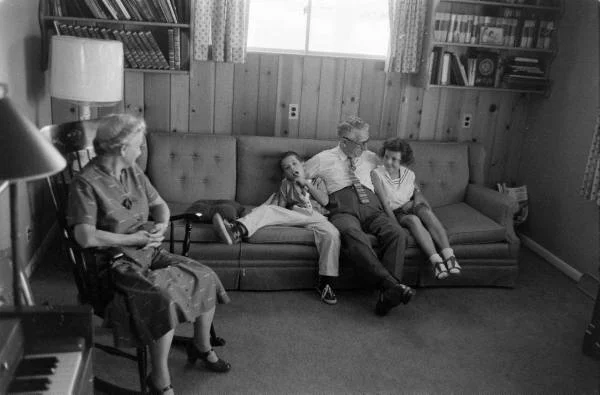
Retired man with family, 1959. Photograph by Stan Wayman for LIFE magazine. ©Time Inc.
On Memories and Memoir
DIARIST AS MEMOIR WRITER
An aspiring memoirist seeking famous writers’ letters and essays for motivation receives an inspired list of book recommendations. I can almost guarantee you’ll find something new to you and revelatory on the list.
“THIS IS MY LIFE”
“The past is a giant ball of tangled yarn that I simply do not know how to untangle,” writes N. West Moss in this keen meditation on the nature of memories. Later: “The thread of my own story spools from me like an endless ribbon. It says to me, ‘This is my life. This is my life.’”
CHOOSING YOUR STORIES
“If you answer a few interesting questions while you still draw breath, you will leave a gift of inestimable value to those who come after you,” writes Alison Taylor of Utah-based Pictures and Stories.
Pieces of the Past
FOOD OF LIFE
A reissue of Ntozake Shange’s If I Can Cook/You Know God Can (Beacon Press, 2019) prompts LitHub to share this deliciously personal excerpt. The book’s subtitle, “African American Food Memories, Meditations, and Recipes” merely hints at the rich and eclectic content within, a tribute to food as a people’s living legacy.
RECIPE FOR NOSTALGIA
“The internet is making paper recipes obsolete, but many modern cooks see the cards as tangible mementos of favorite foods and the beloved cooks who made them over and over again.” Frayed edges and oil stains? All the better.
VOICES FROM LONG AGO
Susan Hood of Remarkable Life Memoirs in New York shares a handful of handwritten letters she revisited among her parents’ things, feeling reconnected to them and gleaning a bit of family history along the way.
OBJECT LESSONS
We all know how photos and family heirlooms tell stories, but what about objects as mundane as bakeware? Are there simple objects that reflect significant truths about who you are?, asks Massachusetts–based personal historian Nancy West.
Family History Reads
DIGGING STUFF UP
“They’re the myths that are a part of the story of yourself, whether you like them or not,” Jaya Saxena writes of uncovering genealogical facts. “Learning your history is forced reckoning, asking you to consider whose stories you carry with you and which ones you want to carry forward.”
#NOTATROOTSTECH2019
You needn’t travel to Utah to benefit from the family history event of the year, RootsTech. Discover how you can learn about storytelling, interviewing, and genealogy from the comfort of your own home.
...and a Few More Links
Urban Archive invites New Yorkers to submit photos for their new crowdsourced history project.
Familygenealogy.online launched tools and resources for exploring family trees.
HippoCamp, a conference in PA for creative nonfiction writers, has opened early-bird registration.
“How to Turn Your Parents’ Stuff into Something Cool”
Short Takes

Experience RootsTech 2019 from the Comfort of Home
RootsTech 2019 offers opportunities for accessing the family history conference from home. Highlights, and how to get the most from your virtual experience.

RootsTech 2019 takes place in Salt Lake City, February 27–March 2, 2019—but if you can’t make it to Utah, you can experience much of the family history conference virtually.
Discover Your Story, Discover Yourself
“Discover Your Story. Discover Yourself.” So reads much of the literature promoting this year’s RootsTech conference. And while a majority of sessions focus on nitty-gritty genealogical exploration, there is plenty to learn about storytelling, family history interviews, and preservation of those stories through technology.
RootsTech is billed as “a global family history event where people of all ages learn to discover, share, and celebrate their family connections across generations through technology.” And while there is much that can be experienced only at the Salt Palace Convention Center—such as the hundreds of exhibitors in the expo hall, one-on-one mentoring opportunities, and the serendipity of new connections forged through in-person meetings—the RootsTech team has provided ample opportunity for experiencing the event from the comfort of your home.
Free Streaming Schedule: Highlights
A full streaming schedule for RootsTech 2019 includes a detailed list of keynote speakers (including Diahan Southard and Kenyatta Berry) as well as breakout sessions that will be made available live during the conference.
Here are my top picks for those interested in family history storytelling and memory preservation:
Hear Them Sing! Social History and Family Narrative
11:00am GMT/ 1pm EST , Wednesday, February 27
Join Rebecca Whitman Koford as she discusses how the addition of social history enhances family narratives and clarifies the songs of our ancestors. She will discuss how to contextualize ancestors’ lives with social history research and use it to inspire others to want to know more about those who have passed.
“Jumping the Broom,” Oil, Inheritance, and African American Marriage in the South
3:00pm, Thursday, February 28
Kenyatta Berry will cover the tradition of jumping the broom, the informal marriage ceremony for the enslaved. Kenyatta will also share the story of her paternal ancestors in Arkansas and East Texas, as well as her methodology to uncover their pasts.
Why and How to Put Yourself into Your Family History
8:00am GMT / 10AM EST, Friday, March 1
In family history, it’s easy to overlook ourselves and the generations we know because we don’t feel like history! But you are a part of your family history. In this Power Hour, Curt Witcher, senior manager of the Genealogy Center, will show you why putting yourself into your family history is so important (along with the science to back it up). Amy Johnson Crow, author and host of the Generations Cafe podcast, will show you how you can include yourself without getting overwhelmed. Scott Fisher, host of the Extreme Genes radio show, will show you interview techniques to get more (and better) stories.
Trace the Story of Immigrant Ancestors in 3 Steps
8:00am GMT / 10AM EST, Saturday, March 2
Susan R. Miller, D. Joshua Taylor, and Frederick Wertz explore 3 key steps to unlocking the story of your immigrant ancestors with the New York Genealogical and Biographical Society.
Personally, I’ll also be watching a few of the other sessions, including The Silent Language of the Stones: Reading Gravestones through Symbols and Carvings on March 2nd (ancient symbols have always intrigued me!) and, if I have time, actress Patricia Heaton’s main stage keynote.
Which sessions have you placed in your own calendar?
The RootsTech Virtual Pass
In addition to the free live streaming detailed above, RootsTech also offers a paid option for a Virtual Pass that grants access to exclusive recorded sessions on demand. The videos will be edited (not available to stream live) and accessible for one full year beginning about two weeks after the conference has ended.
Considering my own recent road blocks uncovering my maternal line’s German roots, I am likely to spring for the $129 Virtual Pass; there are two breakout sessions included in the schedule that speak directly to German genealogy help.
One of the 18 genealogy sessions included in the Virtual Pass may be of particular interest to family history storytellers:
20 Hacks for Interviewing Almost Anyone, and Getting a Good Story
Have you ever gone to interview someone and could not get them to talk? Are they video shy? Are they reluctant to share? Do they have memory loss? Is their story a difficult one to tell? Personal historian Karen Morgan and speech-language pathologist Joanna Liddell share tips for quickly building a rapport with your subject. You will learn how to prepare for the interview, maximize the environment, put your subject at ease, use story prompts, listen actively, handle difficult topics, and discover how the role of an audience affects the stories the subject tells.
Check out the full schedule of Virtual Pass videos here.
I am not affiliated with RootsTech in any way. This roundup is intended as a recommendation based on my own insights and experiences for likeminded family history storytellers.
Life Story Links: January 29, 2019
Holocaust Remembrance Day prompts compelling first-person accounts; new memoir from Dani Shapiro; and two films that take life story narrative to new levels.
“If you’ve remembered something very well—a fight, a kiss, a plane ride, a certain stranger— there’s a reason. Keep writing until you figure out the significance of your most vivid memories.”
—Kelly Corrigan
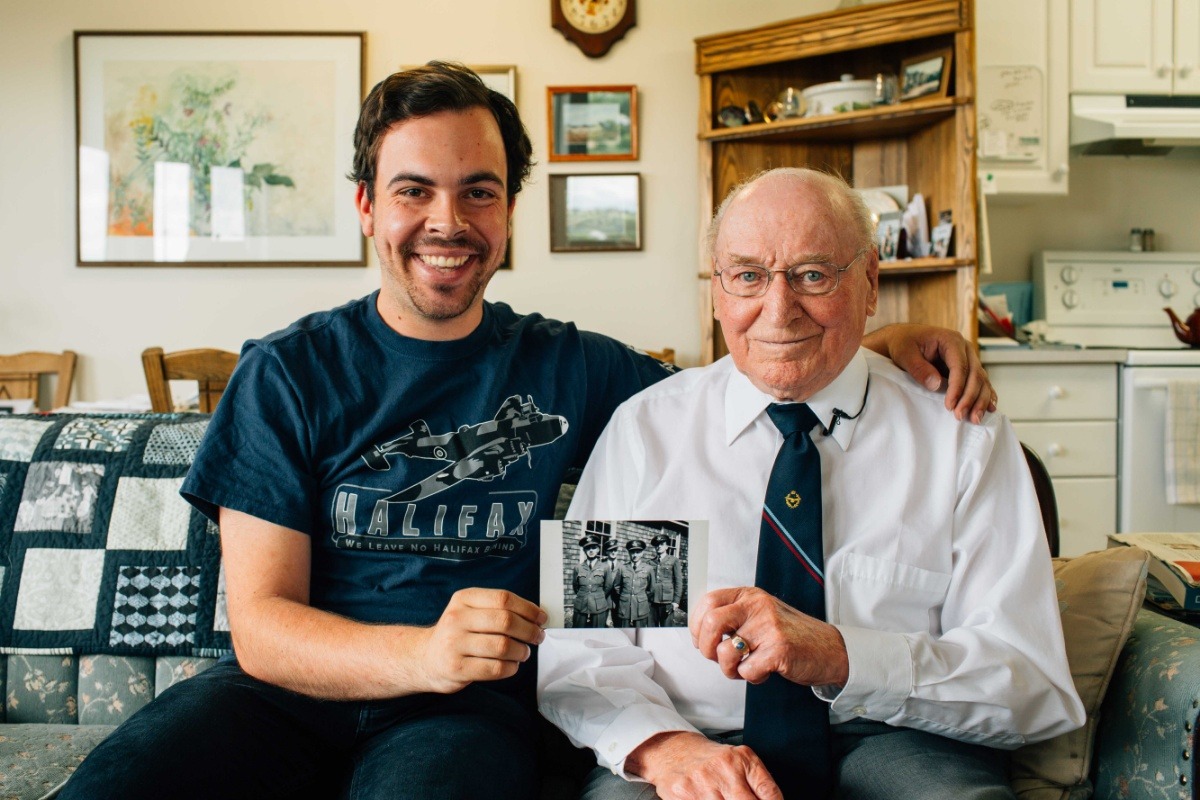
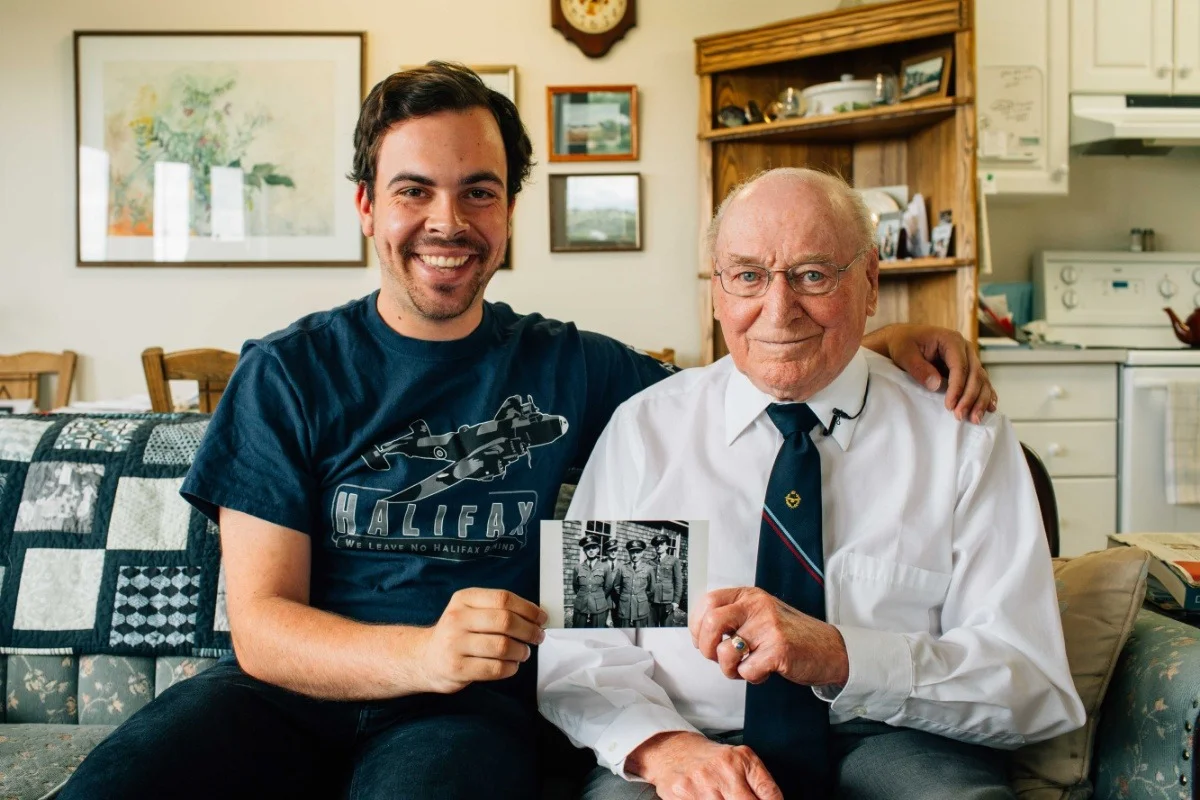
“Very few of these veterans have ever been filmed before,” says documentarian Eric Brunt. “Many have not even shared their experiences with their families.” Learn more about his oral history project, Last Ones Standing, below.
In Their Own Words
FIGHTING FOR HER FATHER
Short autobiographical writing at its best: beautiful, poignant, familiar…and utterly specific. Read award-winning author and memoir teacher Beth Kephart’s recent piece for Catapult, “Here If You Need Me.”
DANI SHAPIRO, AGAIN
“It turns out it is possible to live an entire life—even an examined life, to the degree that I had relentlessly examined mine—and still not know the truth of oneself,” Dani Shapiro writes in her fifth and latest memoir, Inheritance: A Memoir of Genealogy, Paternity, and Love. Listen to her talk to Diane Rehm about how a DNA test uncovered a life-altering secret, and read about her identity-exploring journey here.
DRIVING THROUGH HIS DUTCH HERITAGE
Bruce Summers, Washington, DC–area personal historian at Summoose Tales, digs into his family roots by traveling in the footsteps of his third-great-grandfather.
LAST ONES STANDING
Canadian Eric Brunt has been traveling across Canada in a small van since May 2018. His goal: To interview as many surviving WWII veterans as possible for a documentary, Last Ones Standing. Follow his Instagram account for regular updates from the road, and consider contributing on his GoFundMe page to help underwrite this worthy endeavor.
Your Stories, Your Way
STORYTELLING SPARKS
From sharing food memories to creating a travel journal, from chronicling a life well lived to bringing a longtime family vacation home to life, here are six specific ideas for life story books.
STORY SHARING APPS
If you and your family members are more inclined to take action with tech tools as opposed to pen and paper to preserve your memories, here are my top picks for digital story sharing services.
FROM FAMILY LETTERS TO MULTIGENERATIONAL EPIC
New York–based Remarkable Life Memoirs shares an “exit interview” with writer Michael Barrie, with whom they worked on the recently completed book, How We Got Here: The Barrie Family in America, which spans centuries and continents to tell the complex story of his forebears.
History, Both Personal & Global
BEYOND MLK’S LEGACY
Des Moines–based writer Larry Lehmer rounds up five stories related to black heritage, personal history, and memoir that he found to be most compelling last week.
COMMISSIONING FAMILY HISTORY RESEARCH
“I don’t feel my parents did a very good job of explaining my family history to me,” WebMD founder Jeff Arnold tells a New York Times reporter in a piece looking at generationally wealthy families documenting their past. “I have four children, so explaining to them their roots was an important box I wanted to check.”
ARCHIVISTS AS ACTIVISTS
One clandestine group in the Warsaw Ghetto vowed to defeat Nazi lies and propaganda not with guns or fists but with pen and paper. And they did. Their story is told in the documentary Who Will Write Our History. Read a review of this “vital and sobering” film, and see why some are critical of the re-stagings that bring (unnecessary?) added drama to the testimony.
...and a Few More Links
Self-proclaimed “Old Coots” offer life advice at farmers market
How photography became the ‘dominant form of recording the world’
John McPhee’s new book, The Patch, has been called “a covert memoir.”
Consider studying Reminiscence & Life Review in this online course from University of Wisconsin Superior.
Dip into stories of survivors in honor of Holocaust Remembrance Day.
Learn about James Michael’s new book, Tell Your Story and Save the World.
Discover the meaning and history behind your last name.
Short Takes
Dawn Roode’s curated roundup for the week of Sept. 23, 2026, is overflowing with recent reads on memoir, life story writing, and family history preservation.