
Memories Matter
Featured blog Posts

READ THE LATEST POSTS

Life Story Links: March 3, 2020
A trove of family history finds, compelling reasons to preserve your life stories, and recommended first person reads that bring our ancestors' voices to life.
“To acknowledge our ancestors means we are aware that we did not make ourselves…We remember them because it is an easy thing to forget: that we are not the first to suffer, rebel, fight, love, and die.”
—Alice Walker

In honor of today’s Super Tuesday designation: Two women preparing a women’s suffrage poster for a parade in the nation’s capital in 1914, represented on a vintage postcard. Photo courtesy Library of Congress Prints and Photographs Division, Washington D.C.
Why Preserve Our Stories?
“I WISH I KNEW”
“As significant as parents are in life, their adult children often don’t know what shaped them and what they were like before they became mom and dad.” There is a growing interest, though, in understanding our parents’ lives, and capturing their stories for the next generation.
MEETING LONG LOST FAMILY
“It may be just a few iPhone videos, but it’s treasure to me. And it’s a start,” writes adoptee Jon de la Luz of the oral history recordings he took of his biological mother’s only living sibling, 87-year-old tia Maria Antonia, whom he only recently learned of and met.
Grief & Remembrance
A DEEPER PURPOSE
“The point of all this is to make a difficult thing like dying or loving someone who is dying less difficult. In that sense, creating a When I Die file is an act of love,” and the authors of A Beginner’s Guide to the End: Practical Advice for Living Life and Facing Death here offer some concrete tips for how to do so.
THE GIFT OF MEMORIES
During the grieving process, “all attention is on trying to understand the loss, remembering your loved one, and figuring out how to move forward. All other sounds are now muffled in the background, things that seems to matter before often seem frivolous.” Noelle Rollins on ways to remember our lost loved ones and honor this sacred time.
THE BIG GAME
“For emotionally stunted straight men in the suburbs, sports are one of the few arenas in which one has the freedom to get hysterical. You can yell, you can cry, you can throw a remote across the room, and all will be forgiven as manly, heteronormative devotion.” Chris Ames writes with a sharp, fresh voice about the intersection of father time, basketball, family, and loss—a most magnetic read.
Family History Finds
DISCOVERING HER FAMILY HISTORY
As part of a monthly resolution challenge to learn more about her family's past, journalist Kelsey Hurwitz gathered wisdom from genealogy gurus, and in the process found a stronger sense of self.
#NOTATROOTSTECH, TOO?
RootsTech 2020 ended a few days ago, but if you missed the big family history conference, you can still benefit from many of the presentations. Here I highlighted sessions, available on video, of interest to life storytellers of all kinds.
VAST RESOURCES REPOSITORY
For the first time in its 174-year history, the Smithsonian Institution has released 2.8 million high-resolution images from across its collections onto an open access online platform for patrons to peruse and download free of charge.
A MULTIGENERATIONAL CONNECTION
Taneya Y. Koonce had a broad notion of why her family saved bits and pieces about a pastor her family was close to, but would descendants wonder what the items were doing in the family archive?
Ancestors’ Voices
ARTIFACTS LEAD TO PERSONAL DISCOVERY
In 2017, 13 drivers’ licenses that had been confiscated from Jews during Kristallnacht were discovered in a government office of a small German town. Last month, one of the descendants recounted how the high schoolers got in touch with her, and how she traveled to Germany to unveil a lost chapter of her family history.
FROM FARM BOY TO FEARSOME WARRIOR
February 19, 2020, marked the 75th anniversary of the start of the Battle of Iwo Jima. The last surviving Medal of Honor winner (out of 27 sailors and Marines so honored) recalled his story.
LOVE LETTERS
When Helene Stapinski reads a stash of love letters from her young father to her mother, she discovers a man she never knew: “Now that I knew him better, I missed and grieved for him even more. I wanted him here to draw him out and laugh with. And cry with. I dried my eyes and read on.”
THE TAPESTRY OF AMERICAN IMMIGRATION
The Tenement Museum’s “How to Be an American” podcast returns for a second season, with eight new episodes and stories from the history of stickball in New York City to historic trash to an “out of this world” immigrant success story. Listen to a preview here:
...and a Few More Links
She calls her numerous journals her “mind turned inside out.”
Should there be a code of ethics for archivists?
The Augusta Chronicle shines a light on preserving family history through biographies.
Technology uncovers forgotten graves in Maryland.
Short Takes
Life Story Links: January 21, 2020
For those who value memoir and life story writing, here are some recent recommended reads on leaving lasting legacies, and discovering our stories as we go.
“What is truer than truth? The story.”
—Hasidic proverb

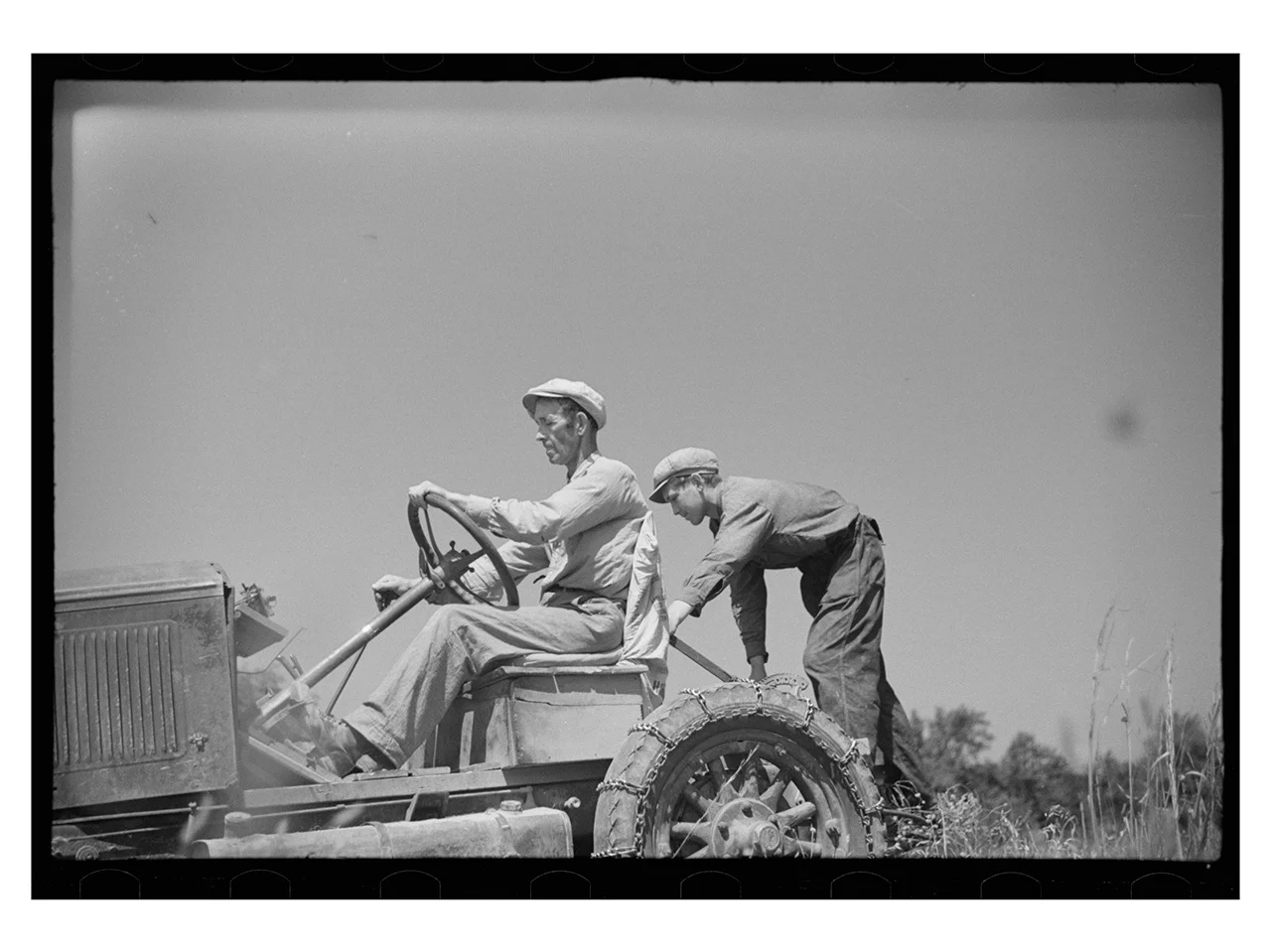
Luke Weldon, small farmer, and his son using an ancient Buick (transformed by cutting down the chassis) as an improvised tractor in New Bridgeton, New Jersey, 1936. The automobile was bought in a second-hand car lot for a cost of fifteen dollars. Photograph by Edwin Rosskam, courtesy Library of Congress.
Discovering Our Stories as We Go
PEN TO PAPER
“I didn’t know when I started to write a memoir my handwriting would unlock the story only I can tell,” Gita Brown says. “Using my hands and a pen, there is no delete key and no option to erase an idea before it starts.”
WRITING AS DISCOVERY
“You can write to a scripted conclusion, and it will be easier. Maybe no one will even notice. But why on earth would you?” Jennifer McGaha on putting pen to paper without a destination in mind and getting to the story behind the scenes.
MIDDLE CHILD
“I’ve known all my life that their story isn’t mine to tell, but that doesn’t stop me from visiting it like the ruins of a dead civilization...” Natalia Rachel Singer entwines the fragments of her parents' story with her own in this poignant brief first-person piece.
SHIFTING TENSES
“Implicit, procedural memories pose less of a problem for me than facts, concepts, names, and dates. Those automatic how-tos live in my fingertips and tongue,” Clare Nauman writes in this exquisite exploration of the overlapping past, present, and future of a survivor of abuse.
WHAT IT’S ALL ABOUT
“‘My story is about me.’ Not if you want anyone to read it, it’s not. It’s not about you. You’re there. You’re present. We could not do this without you. But you are not what the story is about.” Marion Roach Smith on finding your universal theme (the comments on this piece, by the way, are worth a read, too).
Lasting Legacies
HISTORY, PERSONAL AND GLOBAL
A brave group of Jews secretly chronicled their daily existence in the Warsaw Ghetto during the Holocaust. Only one who knew where the archive was buried survived.
SOMETHING OF LASTING IMPORTANCE
A memoir recently ushered into the world by personal historian Pat Pihl includes a woman’s recollection of her time at a tuberculosis hospital in Southwestern New York State and her family’s turbulent years during the Great Depression.
“NOT JOSEPHINE, JUST JO”
“Now that my parents have both passed away, I’ve had faint pulls of longing for the name they chose for me. What does it mean when we untether ourselves from one of the first manifestations of our parents’ love?” Allison Gilbert, author of Passed and Present, on the significance of changing her given name.
IN HINDSIGHT
“Like most of us, Carl Gustin realized too late that he had missed the opportunity to hear his father's life story. He’d do anything to go back and have just one more day with his dad,” says Michigan–based personal historian Lauren Befus.
...and a Few More Links
White House photographer David Kennerly to keynote RootsTech 2020.
How to keep a travel journal
A genealogical look at Irish wedding traditions and customs
Author recognizes need to pass down family recipes in new cookbook.
Congratulations to Lauren Befus, personal historian in Grand Rapids, Michigan, for being featured on her local FOX TV news.
Short Takes

Life Story Links: September 24, 2019
We've got help on your life story writing journey, reasons to tell your stories at all, and some moving examples of first person writing to inspire you.
“…though I try to grip the memories, they blur and shift with time. It seems that the more I take them out to look at them, the more I alter them by looking.”
—Laura Kennedy
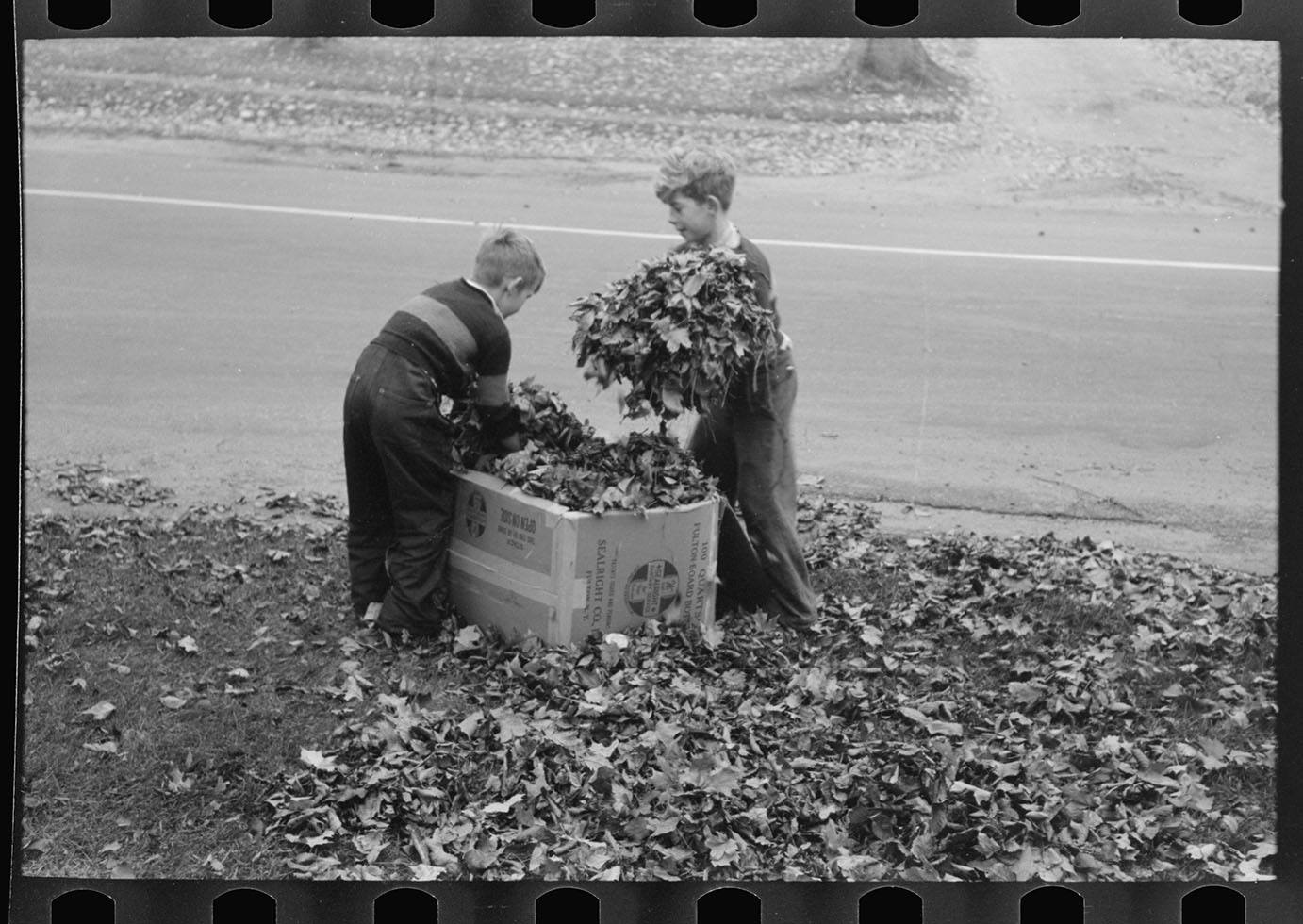
Boys gathering leaves, front lawn in Bradford, Vermont, October 1939. Photograph by Lee Russell, courtesy Office of War Information, Library of Congress.
Writing, and Revealing, Our True Selves
YOURSELF AS CHARACTER
Nicole Breit looks "at ways you can nurture the split between person and persona, and learn a few tricks to develop yourself as a character on the page” when writing memoir.
ILLUSTRATED JOURNAL
From the Amazon description of Journey, a book of visual and literary prompts: “It is a place where private dreams and musings, stories, and sketches come to life—and an ideal gift for those who wish to explore and then record their memories and dreams.”
THE MYTH OF DISINTEREST
When an acquaintance told me that her grown kids have no interest in listening to stories about her formative years and life experiences, I was compelled to revisit this topic once more: Your grown kids may not “care” about your stories now, but they will one day. They will.
WHAT NOW?
Are you stuck with your life story writing? “It’s not the lack of time. It’s not clutter. You don’t have ‘writer’s block.’ It’s probably that you just don’t know what to do next,” writes Alison Taylor of Pictures and Stories in Utah. She responds with some clear, actionable next steps to short-circuit your procrastination tendencies.
Reminders of Times Gone By
IMBUED WITH MEMORIES
"I didn’t want my grandfather’s things to just be another box of stuff. If you don’t pass these stories on, they get lost.” Five families talk about objects they could never part with—heirlooms they have cherished and preserved—because they hold meaning beyond their physical worth.
AS TOLD TO, FOOD EDITION
“Whatever else we put on the table, rice and shoyu was always the linchpin. We had it for dinner every single night of my childhood. It’s intimately tied to my sense of home.” Sanae Yamada on how returning to the foods of her childhood grounds her.
GERMAN PHOTOGRAPHY ARCHIVE
German culture minister looks into creating a central institution charged with archiving and sharing the country’s photographic cultural heritage to secure “the visual memory of our society.”
Celebrating Love
“WE GATHER HERE TODAY…”
At the book launch for one of her memoir clients, Nancy West was struck by how the gathering had all the best aspects of a memorial service: rich details about the person's life, loving tributes from his closest friends and family members. But there was one key difference—he was present to take part in it.
BUBBE DAYS
“I do want [my granddaughter] to remember me, not specific events so much as my presence. I want her to know that I helped care for her, comfort her and celebrate her. That I was there, a part of her life, and loved her ferociously,” Paula Span writes in this thoughtful piece about what our grandchildren will—and won’t—remember about us.
THAT TIME HE SHAVED MY LEGS…
Wisconsin–based Sarah White, who has been leading life writing groups since 2004, created “True Stories Well Told“ as a place to highlight stories of real life. Recently she shared her own sample of object writing, a piece of flash memoir she wrote guided by the prompt, “What is your earliest memory of your longest love partner?”
WAVING GOODBYE
Maria Rivas shares a remembrance of her mom, who was “strong in everything",” with StoryCorps Legacy, a project that gives people with life-threatening illnesses the chance to record their story, and their loved ones a chance to remember. Listen in:
...and a Few More Links
Google Photos hops on the memories bandwagon.
What indigenous stories can teach a new generation of farmers
'A Photo Album of Ireland' exhibit offers insights into personal histories.
Congrats to NYC–based Remarkable Life Memoirs on turning three!
Short Takes

Life Story Links: April 30, 2019
Ways in which the past is ever-present, artifacts made accessible, writing from our lives, the power of personal narrative in medicine, and new memoirs of note.
“No legacy is so rich as honesty.”
—William Shakespeare

Ruth Reichl as a young girl with her mother in the photograph that graced the cover of her 2009 memoir, Not Becoming My Mother: And Other Things She Taught Me Along the Way; Reichl has a new memoir, Save Me the Plums, out this month.
The Ever-Present Past
FACEBOOK’S DIGITAL MEMORIALS
Facebook is no longer just a social network; it’s also a scrapbook. “When users die, they may leave behind accounts containing over a decade of memories, and they might not have specified how they want that archive to be maintained,” Wired reports on the platform’s latest rollout of features for legacy contacts.
A WITCHY LEGACY
“I would never truly know my father or my Polish family, but I could know our homeland, its history.” How Michelle Tea found a spiritual home in her Polish heritage.
ON GRIEF, MEMORY, AND TIME
“When your beloved dies, your memory is at risk. Your past no longer fits your story of who you are,” Matthew Salesses writes. “To remember is not to time-travel; it is to alter how time feels.”
A STORYKEEPING MILESTONE
“Clinton Haby, founder of San Antonio–based StoryKeeping, celebrated a decade in business with a party filled with appreciative clients and likeminded family storytellers. “When you say ‘it’s been ten years’ I don’t believe it, but when I look at the [video] equipment I’m using and the productions I’m working on today I recognize it took a decade to get here,” Haby says. Congratulations, and cheers to the next 10 years!
Memoirs of Note
SAVE ME THE PLUMS
I was as eager to read the new memoir of everyone’s favorite foodie, Ruth Reichl, as much for the inside dish on Condé Nast (where I worked in the late nineties at the same time as Reichl) as for again encountering the author’s poignant and deliciously charming voice. (I brought Save Me the Plums along on vacation and devoured it on one trans-Atlantic flight.)
HER VERSION OF EVENTS
How do you write a memoir when you can’t remember? This conversation between ghostwriter Anna Wharton and Wendy Mitchell, subject of their jointly written memoir Somebody I Used to Know, ranges from using WhatsApp to communicate about the book to waiting for the fog of dementia to clear so their process could proceed.
AUTOBIOGRAPHY OF AN ENSLAVED MUSLIM
Omar Ibn Said was 37 years old when he was taken from his West African home and transported to Charleston, South Carolina, as a slave in the 1800s. His one-of-a-kind autobiographical manuscript has been translated from its original Arabic and housed at the Library of Congress, where it is challenging the American narrative:
Writing from Our Lives
PHOTOS AS WRITING PROMPTS
Family photos can be useful tools to jog memories and call forth stories. In a recent post I share six tips for determining which images will elicit the best family stories.
LOVED IN THE TRANSLATION
In just 15 lines Marie A. Mennuto-Rovello shows us how love and memories and setting can come alive through poetry (not all life story writing need be narrative!).
A LIFE MOSAIC
How the best life story vignettes are powerful ways to capture your past, and why writing short narrative pieces from your memories is an effective way to begin your memoir.
PROJECT PACE
When Massachusetts–based Nancy West isn't writing memoirs she is a journalist for a daily paper: “Tight deadlines and fast turnarounds are in my professional DNA,” she says. But sometimes her personal history clients need more time—so she is “learning to be patient with the process.”
BEHIND-THE-SCENES PEEK
Lisa O’Reilly says that finishing a book about her dad was her greatest accomplishment. “My whole life, he’s been the king of my world and now I can let everyone know why,” the California–based personal historian writes.“That makes it a precious gift to myself, as well as to him.”
Artifacts Made Accessible
FROM A VINTAGE VARSITY JACKET TO AN 1876 DIARY
Unless you live in Plano, Texas, knowing that the Genealogy Center at Haggard Library houses, behind lock and key, thousands of newspaper clippings, pieces of ephemera, and amazing historical and personal artifacts likely wouldn’t interest you. But I, an East Coast girl, was fascinated by the breadth of their collection, and find inspiration in the fact that this local team has, over the last 18 years, digitally preserved more than 30 thousand archives for the public to access!
DIGITAL AGE DIARY
“Being present in the moment doesn't mean I can't ever capture the moment,” Daryl Austin writes in this defense of using Instagram for “photo-journaling” his family’s daily lives. “Captions turn pictures into stories” and, he says, help you remember why a memory was worth safeguarding in the first place.
From Left Field, Perhaps?
A DOCTOR’S EDUCATION
I have written before about narrative medicine, and in this brief piece I was newly reminded of the power of personal story—of listening, of being attuned to someone—in a caregiving setting.
MAKING CONNECTIONS
When Maria Popova discovers books that her great-grandfather had annotated, “it was this sort of intellectual dance with another mind that you could see in the margins of his books,” she tells Krista Tippett on the On Being podcast. Popova’s Brain Pickings website is a treasure trove of interconnected themes and literary gems; she calls it “a record of my becoming who I am.”
...and a Few More Links
Rachel Howard names five great writer biographies.
Connecticut author publishes personal story of the Holocaust and its aftermath.
Is your smartphone already organizing your unwieldy digital photo collection?
An “intensely charming, a tinge eerie, and deliciously nostalgic” repurposing of old family photos
Prince’s memoir, due in August, will include handwritten song lyrics and portions of his own scrapbook.
Spotlight on Naperville, IL, digital preservation business Memory Keepers
Four hassle-free ways to get your Google Photos memories in order
“Surfing My DNA,” a live one-woman show in New Jersey, explores a unique family history.
Short Takes
Life Story Links: February 26, 2019
Writing the suffering, memoir as therapy, family history come to life in a surprising film from Ancestry, plus a few life story reads worth your time.
“Some writers have a more defined sense of cause and effect. Plot. My sense of life is more moment, moment, and moment. Looking back, they accrue and occur to you at a certain time and maybe you don’t know why, but you trust that they are coming back to you now for a reason. And you make a leap of faith. You trust you can put these moments together and create story.”
—Amy Hempel

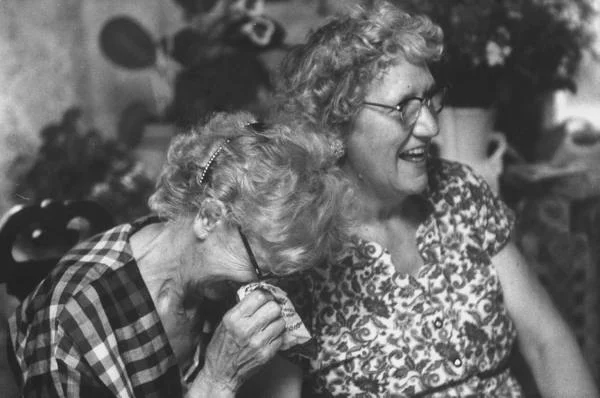
Toom Sisters, July 1957. Photograph by Al Fenn for LIFE magazine. ©Time Inc.
Writing the Suffering
“ARE YOU GOING TO WRITE ABOUT THAT?”
The complicated choices of memoir writing: Judy Goldman on finally being able to write about her husband.
ADOPTION JOURNEYS
“Preserving the full story of your adoption journey may mean sharing some of the pain, too—but how much you include is a personal decision.“ Last week I delved into this topic in the hopes of helping adoptive parents consider how to best shape their personal narrative.
Understanding Blossoms
MEMOIR = POWERFUL THERAPY
“You validated my life.” Such is the nature of the feedback memoir coach Bob Becker receives from senior citizens and other participants in his Connecticut memoir workshops. “Sharing your story is for you first,” he says.
RAILROAD TIES
In this powerful short film (below) created by Ancestry and Sundance, six strangers meet in Brooklyn—and at the historic Plymouth Church, an integral station along the Underground Railroad, learn how they are bound together by the deeply webbed histories of their ancestors.
See also a panel that was recorded live after a screening of the film, including Harvard historian and Finding Your Roots host Henry Louis Gates Jr., Ancestry historian Lisa Elzey, featured historian Melissa Collom, and featured descendant Gayle George.
First Person Pieces
ENGELBERT HUMPERDINCK, WHERE ARE YOU?
Of attending a concert of her childhood musical crush Kavita Das writes that “memories [came] flooding back to me of how it felt to be so small my feet didn’t touch the car’s floor but also to have felt so big that my voice drowned out all the clamor of New York City on those song-filled drives with Mommy.”
STORIES, LONG BURIED
“That grandma told me the story at all was unusual. She lived in the present. Didn’t reminisce.” How one family story leads this writer down a genealogical rabbit hole.
“ME, BY ME”
NYC-based journalist Cynthia Ramnarace learns that, while she is the writer in her family, she was not necessarily the right person to write her own relative’s stories. She explores why, and delves into her inspiration to start Memoiria Pubishing—in the end revealing why she is the perfect catalyst to bring other “people’s stories from minds to lips to paper.”
On Craft
WRITING RETREAT: TWO OPENINGS REMAIN
In honor of her imminent MFA graduation (congrats!), Wisconsin–based personal historian Sarah White is hosting a small-group Nova Scotia writing retreat. Participants will spend three days at Windhorse, a rural farm/eco-retreat, followed by two days in bustling Halifax on the campus of University of King's College.
BUTTERFLY TOWN, USA
On the latest episode of The Life Story Coach podcast, Amy Woods Butler speaks with publisher Patricia Hamilton about a curated community history project for which she received more than 400 submissions—and how she sold out of a 500-print run on launch day.
...and a Few More Links
Chinese immigrants etched their anguish into walls.
Stop sharenting?
View the top 12 finalists in the 2019 RootsTech FilmFest.
A look at how “artful historians” are preserving the past in engaging new ways
On The Life Story Coach podcast: Mike Oke and his unorthodox approach to life story writing
Short Takes
Life Story Links: October 29, 2018
Plenty of first person and personal history reading, from stories of survival told through artifacts of memory to veteran experiences that honor and connect.
“Love is so short, forgetting so long.”
—Pablo Neruda

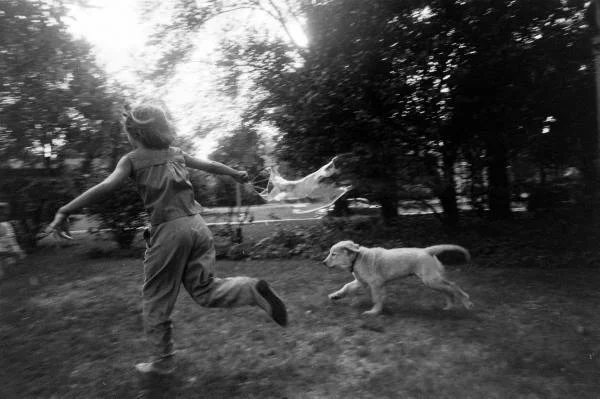
Kid's Bubble-Blowing Toy, 1959. Photograph by Stan Wayman for LIFE magazine. ©Time Inc.
Seeing Is Believing
OBJECT. IMAGE. MEMORY.
“A photo album, a china set, a teddy bear—even the most quotidian of artifacts—all resonate with special poignancy when associated with stories of persecution and loss,” Julia M. Klein writes of a Skokie, IL, museum exhibition called “Stories of Survival.”
BLURRY IS BEAUTIFUL
Blurry photos are often the first to get deleted from your film scroll—but photographer Yan Palmer offers up another perspective.
FILM REVIEW
I finally found time to screen the 2012 documentary Stories We Tell, and I recommend it as much for the dramatic exploration of one family's narrative as for the questions it raises about the malleability of truth.
Life Stories, Listening & Telling
#THEGREATLISTEN
In its 15th year StoryCorps continues to “create a culture of listening that echoes across the nation.” Resources compiled for its annual Great Thanksgiving Listen include a Great Questions List and Interview Planning Worksheet.
“THE ROLLING NOW”
Sarah White of Madison–based First Person Productions shares a short essay she calls an experiment in “The Rolling Now,” a structural technique described as "like rocking back and forth between past and present."
A LIVING TRIBUTE
The new National Veterans Memorial and Museum in Columbus, Ohio, which opened October 27, highlights personal stories of veterans from all branches of the military to inspire, honor, and connect.
CONFESSIONAL STORYTELLING
“I used to reassure prospective clients that they could simply leave out any personal stories that were too difficult to tell, says Massachusetts–based personal historian Nancy West. “But the more people share with me, the more I begin to think that nothing is too difficult for clients to share, once they become comfortable with the process.”
...and a Few More Links
The earliest memory in the first person testimonies of The HistoryMakers dates to the 1700s.
Kickstart your family history project with this November 14 webinar from archivist Margot Note.
In The Library of Congress’s new National Screening Room you can watch hundreds of hours of cinematic history for free, with films from 1890-1999.
Town & Country: “From Gates to Rockefeller, Wealthy Families Hire Personal Historians to Preserve Their Legacy”
Short Takes

Life Story Links: October 2, 2018
A roundup chock-full of life story stuff, from sharing painful memories to honoring a mother's legacy, plus pro tips on talking about money & managing workflows.
“Music does a lot of things for a lot of people. It’s transporting, for sure. It can take you right back, years back, to the very moment certain things happened in your life. It’s uplifting, it’s encouraging, it’s strengthening.”
—Aretha Franklin
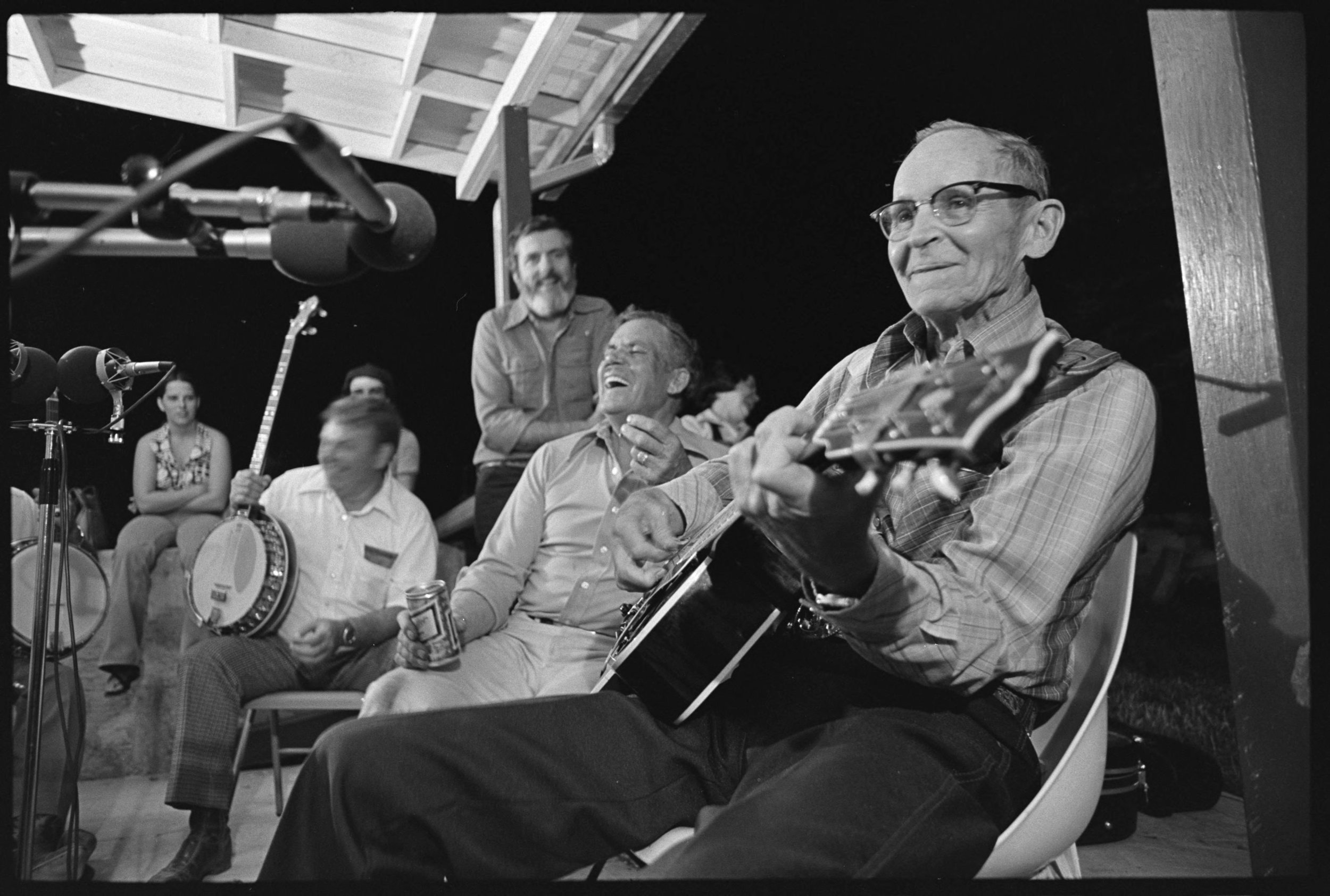
PHOTOGRAPH: Old time fiddling at Bernie Rasmussen's in Polson, Montana, July 22, 1979, from the Montana Folklife Survey collection at the Library of Congress.
Battle Scars
BRUISES AND ALL
“I understand that sharing difficult experiences is decidedly not for everyone,” writes Chicago–based personal historian Betsy Storm. “But nobody can underestimate the power of such stories to lift others up from their own tender and painful places.”
THE RELUCTANT INTERVIEWEE
This week I review the 1996 documentary Nobody’s Business, in which Alan Berliner interviews his (rather pugnacious!) father about family history. You’ll laugh and you’ll cringe at their father-son interplay.
On the Front Lines of History
OBJECT LESSONS
Check out Your Story Our Story, a national project exploring American immigration and migration through a crowd-sourced collection of stories about everyday objects of personal significance.
MOON MAN
Neil Armstrong’s personal papers land at Purdue, his alma mater, including approximately 70,000 pages of fan mail, which Armstrong continued to receive from around the world for years after he landed on the moon. (Archivists: Imagine the time it took to catalog this “finding guide” to the collection!)
Memories that Matter
IN REMEMBRANCE OF 朱苏勤
“She knew only two people who speak English fluently—myself and my father. Not able to tell her story herself, I want to use my voice to tell it for her,” writes Li Jin in “Saying Goodbye to My Grandmother.”
AN APP FOR THAT?
In the hope that preserving “one memory at a time” is less daunting for some than writing a “life story,” I explored digital story sharing services in my latest guest post for The Photo Organizers.
STORIES OF OUR STUFF
In What We Keep, 150 people share touching stories behind their most prized possessions. Read three excerpts here, and listen to co-author Bill Shapiro talk about how things become imbued with memories and meaning.
Pro Tips
UNFORESEEN CONSEQUENCES
Massachusetts–based personal historian Nancy West offers suggestions for looking at your life through a thematic lens. As she writes, “You might be surprised to find out that your life story has governing themes that go well beyond a simple linear list of dates and places.”
THAT (DREADED?) MONEY CONVERSATION
“Life story work is ‘heart-driven’ work, and like other service-oriented professions, it attracts people who may not feel comfortable with the money-making side of their business,” says Amy Woods Butler, founder of the Story Scribe in Kansas City. In the latest episode of her podcast she talks with educator and memoirist Sarah White about money matters.
...and a Few More Links
Is the ‘real you’ a myth? A medical take on the nature of memory
Museum educator discovers unexpected family ties to the place he works.
You don’t have to travel to D.C. or peruse 838 miles of shelves to visit the Library of Congress.
For life story professionals interested in creating efficient systems, download this free guide for creative entrepreneurs on Systems, Automation & Workflow (full disclosure: I authored one of the articles!).
A helpful and thorough comparison of print on-demand services
Short Takes
Dawn Roode’s curated roundup for the week of Sept. 23, 2026, is overflowing with recent reads on memoir, life story writing, and family history preservation.