
Memories Matter
Featured blog Posts

READ THE LATEST POSTS

Life Story Links: September 20, 2022
This week's roundup includes plenty of memoir writing—both first-person pieces and guidance—plus photo archive help and family history media recommendations.
“I believe that the urge to examine life lies at the heart of writing. Engaging in this kind of close examination is enormously difficult—but can be enormously rewarding.”
—Alan Gelb

Vintage photo of three children in New York City taken some time between 1940-1979 by Morris Huberland, courtesy of the Miriam and Ira D. Wallach Division of Art, Prints and Photographs: Photography Collection, The New York Public Library.
Recording angels
LISTENING TO OUR PAST
In each episode of The Memory Generation, host Rachael Cerrotti converses thoughtfully with someone “about what it means to inherit memories and the power of passing stories from one generation to the next.”
A LIVING EULOGY
“‘Mom, we’re gonna do this differently,’ began my second son, Jason. ‘You know how there is always a eulogy at a funeral? A lot of great things are said. We don’t want to wait until you are dead for obvious reasons.’”
HER STORIES, HER HEIRLOOM
“I came to think of Stella as a modern-day Scheherazade who left me hanging, week to week, as she talked me through the story of her youth.” Michael Frank, author of a book that sits atop my to-be-read pile, One Hundred Saturdays, on the importance—and challenges—of oral history.
Writing our lives
SHIFTS, PAUSES, AND JUXTAPOSITIONS
“Narrative pacing addresses the overall speed of storytelling; emotional pacing addresses the impact of events and their associated emotions throughout the narrative.” Aggie Stewart shares lessons on writing a trauma memoir.
READING LIST
Last week I reviewed To Write the Past, a supportive companion for thoughtful memoirists that promises “to hearten and embolden those who pick it up to set their memories and musings on the page.”
“THROUGH THE LENS OF STORYTELLING”
“As you comb through your memories for storytelling fodder, lean into the uncomfortable and the outright embarrassing.” Artistic director of The Moth, Catherine Burns, is interviewed about what makes a good story.
AWAKENING THE EMERGING WRITER
Of the terrain she covers in her forthcoming book, You, The Story: A Writer’s Guide to Craft Through Memory, YA author Ruta Sepetys says: “It is more about the interior landscape. And through that we all have a story. A day is a story. A year is a story. A life is a story.”
ILLUMINATING HISTORY
“In life as it’s lived, there is no obvious plot; the arc of the past is visible only in hindsight. But in historical fiction, the aim is to capture a story, so fidelity to literal facts and timelines is not always the goal.” In the wake of Queen Elizabeth II’s death, an interesting look at the genre of historical fiction.
“BOY”
It doesn’t go without saying that a songwriter will be a talented memoir writer, but this essay, excerpted from his book Surrender: 40 Songs, One Story, shows Bono has earned his life story bona fides.
Managing your family archive
DROWNING IN A SEA OF PAPERS?
This three-step guide from Family Tree magazine promises to yield a “lean, well-curated family history collection” and includes a handy, printable checklist. to help determine which of your family papers to keep and which to toss.
PICTURE THIS
Albuquerque–based genealogist and photo organizer Hazel Thornton shares her take on the popular photo digitization app Photomyne, clearly demonstrating how knowing what scanning method to choose is all about knowing your end goals.
The big short
WORLDS AWAY
Sometimes all you need for a meaningful remembrance is two minutes, as evidenced by this slice-of-life narrative from sisters recalling growing up in their parents’ Hollywood laundry business:
SMALL BUT MIGHTY
The New York Times offers up a guide for their Tiny Memoir Contest (which runs until October 12, 2022), “How to Write a 100-Word Narrative”: “Step-by-step directions for telling a meaningful, interesting and short true story from your life.” Comment—and experiment—here.
A GAME OF STORIES
Storytelling nonprofit The Moth has added a card deck inspired by themes from their live storytelling shows and workshops—orchestrate your own story slam, or use “the story prompts to encourage lively conversation at your next dinner party or family gathering.”
Beyond family history
RECKONING WITH FAMILY HISTORY IN MEMOIR
“These books uniquely tackle the subject of ancestral legacy, leading readers into social and historical questions as one way of understanding the personal past.” Juliet Patterson suggests eight books that investigate family history with imagination.
STORIES OF HER ANCESTORS
What began as a chapter in Mali Bain’s master’s thesis ended up being a five-year journey to extensively research her own family history and connections to colonization in Canada. Now the British Columbia–based personal historian’s book is available in print or as an e-book.
CONNECTING PAST AND PRESENT
“Once again, [Ken] Burns and company have made history come to life — and reminded us that our life, right now, is indeed history in the making.” The U.S. and the Holocaust premiers September 18.
...and a few more links
The art of questioning: simple tips for conducting interviews from the Audio Transcription Center
Commentary by MTSU Professor Larry Burriss: Will your digital family photos be viewable 20 years from now?
“Change the way we listen”: a TEDTalk from Lifestorian Emma Fulenwider
Australia’s archivist on preserving the nation’s official memories
Short takes
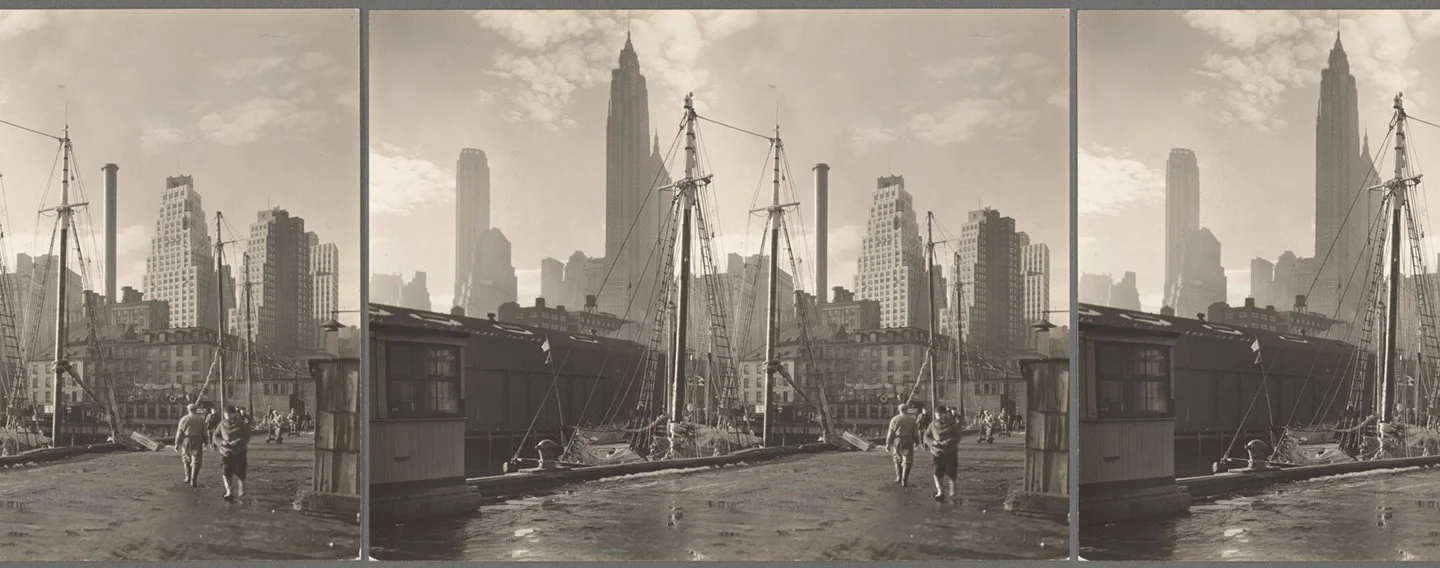
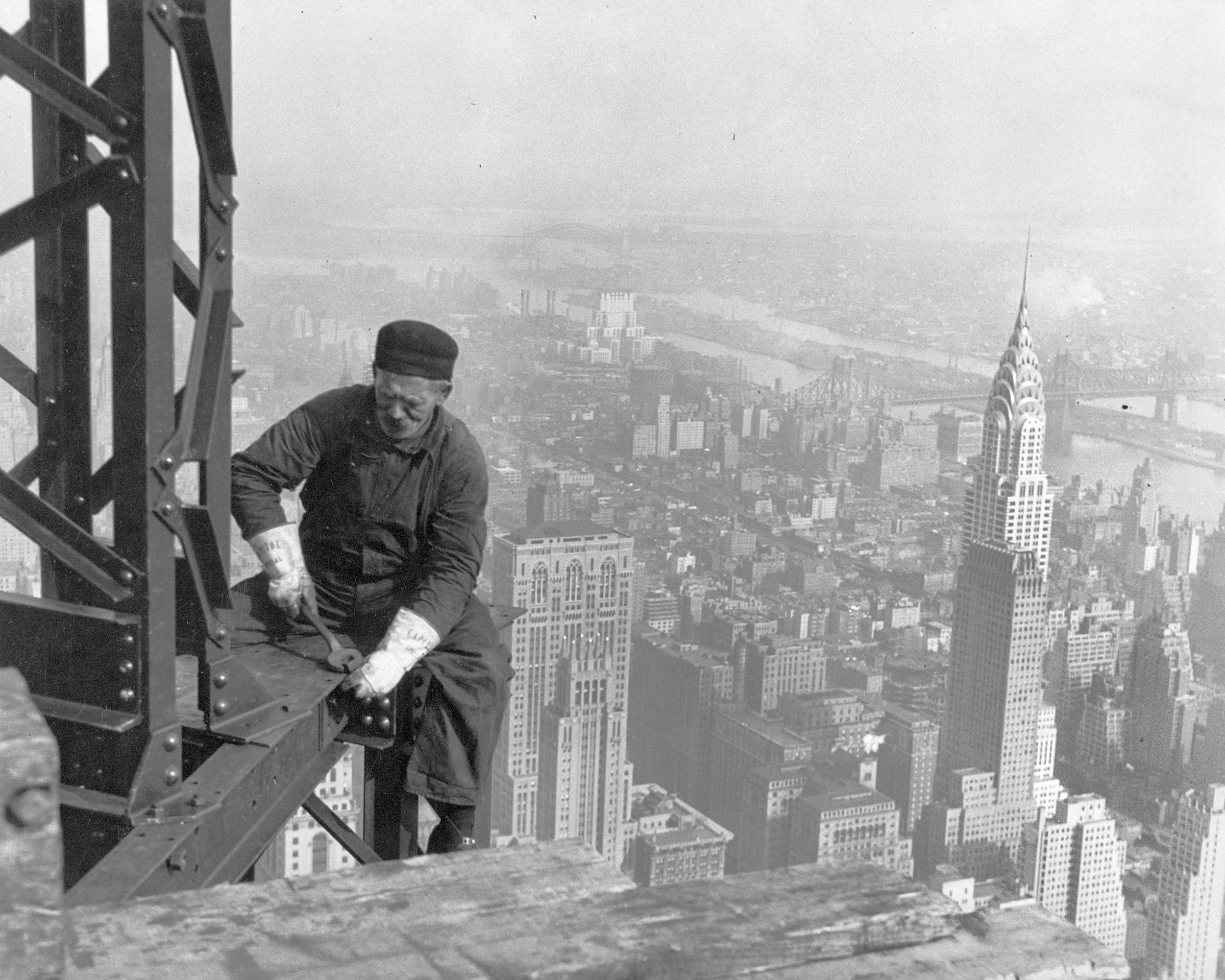
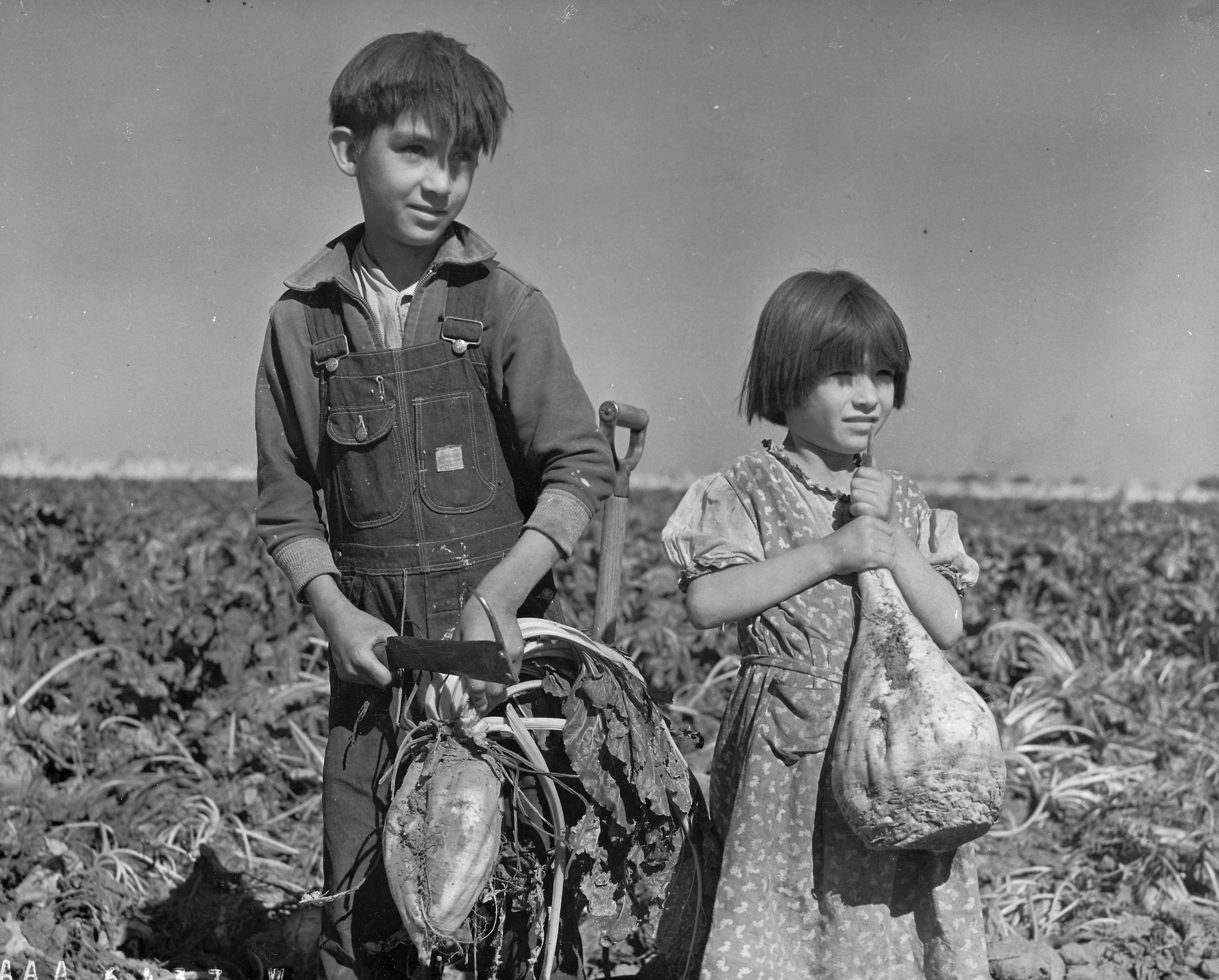
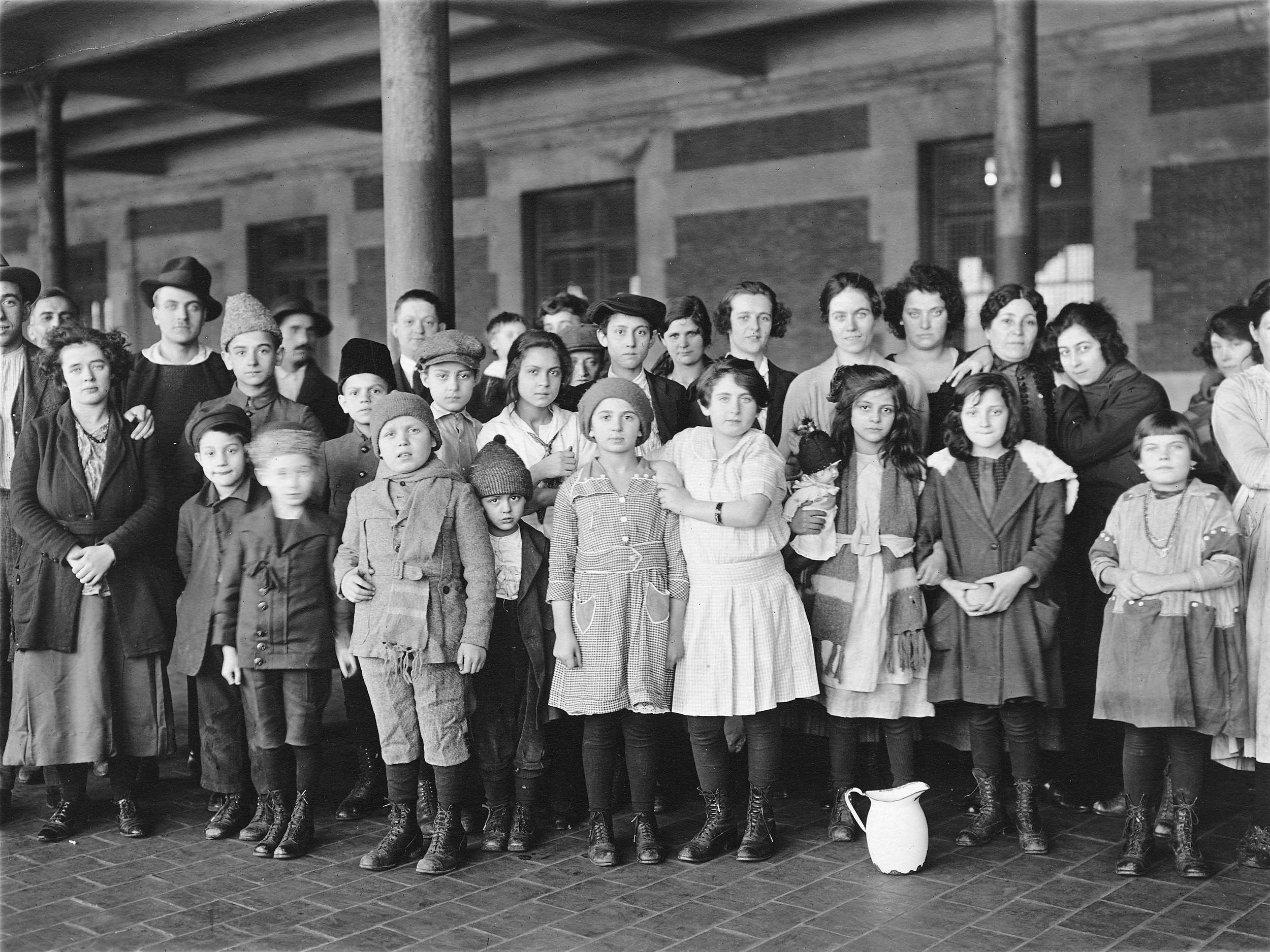
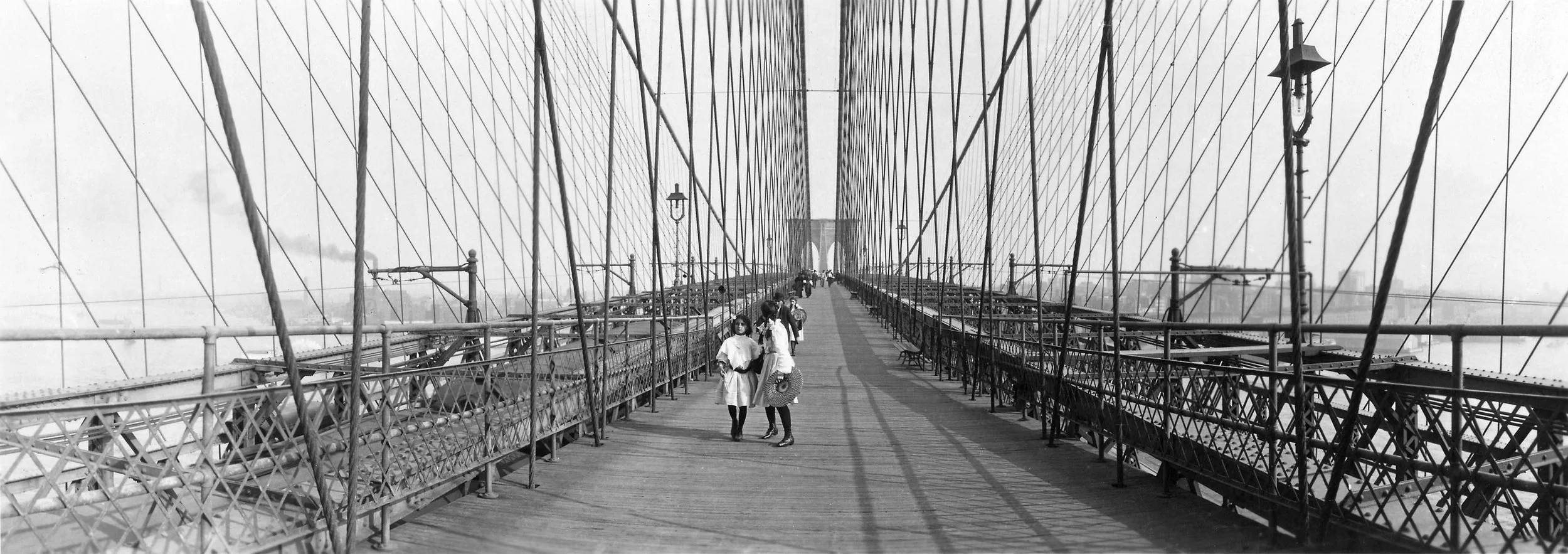
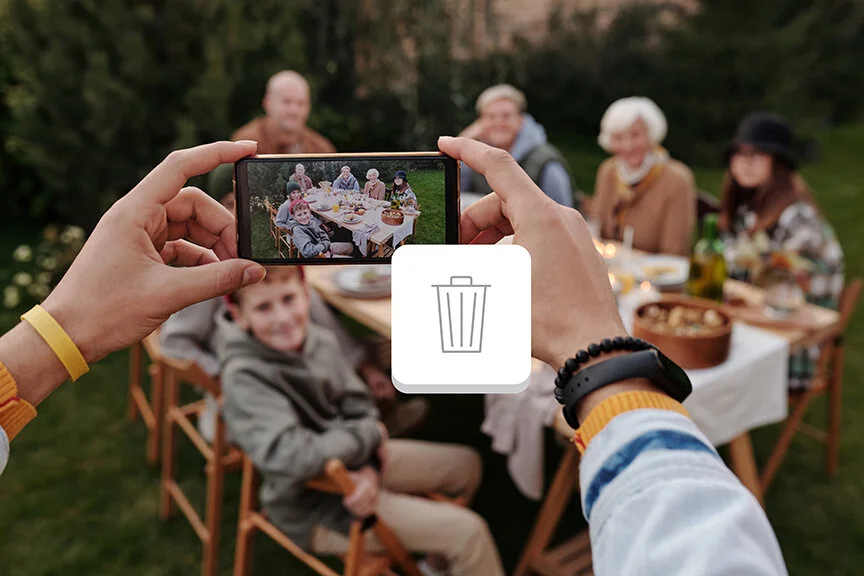
Think YOUR KIDS would never throw away your cherished photos? I wouldn’t be so sure...
Imagine: Your treasured family photos, one day thrown in the trash—by your own kids?! Here, the secret to ensuring your photo memories live on.

I know you didn’t snap all those family pictures just for them to end up in the trash…did you?
What would you grab first if your house were on fire?
Your family photos, if you’re anything like most Americans, would be somewhere atop your theoretical list.
We value those old albums passed down from our parents. We cherish the letters Gram tied with a ribbon from when Pops was at war.
But you know what? Those family mementos of old were typically part of small collections, often curated into albums or stored neatly in a single box. In other words, easy to move—and inviting to go through on occasion.
What of your own photos? Are they curated? (Doubtful.) Is the collection in one place? (Yeah, right.) Is it accessible—emotionally accessible, not easy to reach on a shelf? (Oh, you don’t even understand this question?)
Allow me to explain: If your photos number in the thousands, exist across multiple social media platforms and devices, and finding one image that holds meaning poses a challenge—well, that’s not an emotionally accessible family archive.
What does make for an inviting family photo collection?
Your descendants will be more likely to hold on to your photos if:
they can find ones that matter to them
they know who is in the pictures
the stories behind the photos are evident
they are not overwhelmed by the sheer volume and disarray of the photo collection.
I write often about finding the stories behind our family photos, and I believe those stories are what make those photos valuable in the first place.
There are plenty of approaches to whittling down our photo collections, from Marie Kondo minimalism to genealogy purists’ detailed preservation. And I’m more than happy to connect you with a professional photo organizer who can take on the grunt work for you according to your own values.
But I urge you to go beyond mere organization. Paring down and labeling your collection will certainly go far in making your collection valuable to your kids. Adding stories and curating your collection to convey meaning, however, will make your family photo collection invaluable to them.

Would you like to learn more about how we can work together to preserve the stories behind your photos? Please schedule a time for a free 30-minute consultation.
Would you rather begin such a project on your own? I’ve got some resources for that, too:
free download
Grab your free copy of this helpful guide chock-full of tips and ideas for writing the stories behind your favorite family photos.
recommended read
Your memories live in your head and heart, but family photos, heirlooms, and mementos sure do call those memories forth—here’s how to use them to help you begin to create a life story book.
advanced techniques
Interested in paring down your family photos? Photographers call this process culling, and I’ve put together some best practices for culling your family photo collection with intention.
Dawn Roode’s curated roundup for the week of Sept. 23, 2026, is overflowing with recent reads on memoir, life story writing, and family history preservation.