
Memories Matter
Featured blog Posts

READ THE LATEST POSTS

Life Story Links: April 13, 2021
A curated reading list for memory keepers with recent pieces about the stories of heirlooms and family photos, preserving food memories & connecting generations.
“Don’t be afraid of writing into the heart of what you’re most afraid of. The story of a life lives in what you would rather not admit or say.”
—Kate Christensen

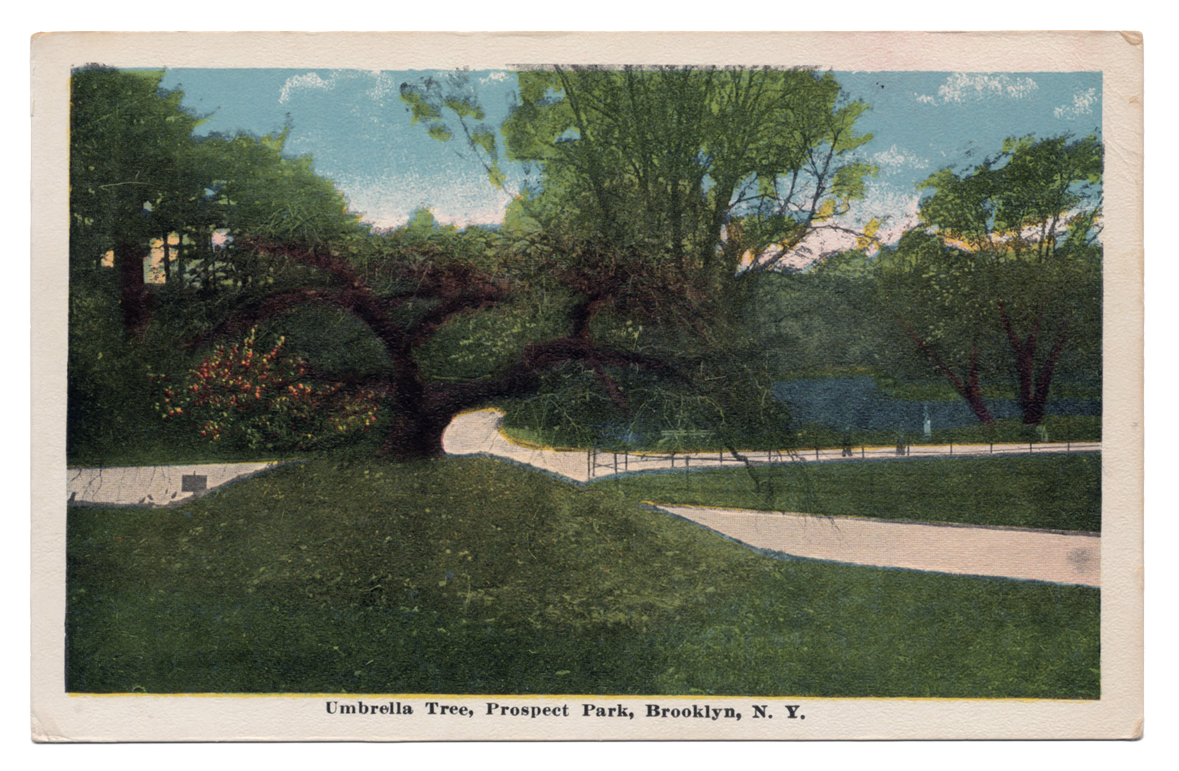
Vintage postcard. Happy spring!
Memory Palace
THE ART OF FORGETTING
“The fragments of experience that do get encoded into long-term memory are then subject to ‘creative editing.’ To remember an event is to reimagine it.” A look at Lisa Genova’s new book, Remember.
LOOKING BACK…
“As we look back on ‘the good old days,’ we need to ask ourselves: Was the past actually as great as we remember it? And what can we learn from all these walks down memory lane?” Is romanticizing the past okay?
STORY TIME
“Grandchildren who come to their grandparents with genuine curiosity will inevitably tap a rich well of stories from their elders.” Last week I wrote about why grandparents are excited to share stories with their grandkids (and how to go about getting them).
Food Memories, Preserved
AN OMNIVOROUS WRITER
In her hybrid memoir-cookbook, The Book of Difficult Fruit: Arguments for the Tart, Tender, and Unruly (with recipes), Kate Lebo explores fruit “as a way to understand her memories of broken hearts and health issues, by giving attention to its messier bits—all with accompanying ways to make jams, smoothies, shrubs, and more.”
SCHMALTZY SALON
Limited spots are available for a short live event on April 20th in which Israeli author Shifra Cornfeld tells a story about her complicated relationship with her father and a quest to discover his past through his love of pecan pie.
The Stories Behind Our Stuff
“WHAT LOSS LOOKS LIKE”
“We couldn’t hold her hand as she left us. But now we had something that represented her at the very end,” Elinor Halligan says of her mother's pendants. Browsing this collection of artifacts—remnants from loved one’s lives, stories collected in the fabric, wood, and stone of things—is an emotional endeavor.
LIFELONG POSSESSIONS NO MORE?
“Isn’t that how this is supposed to work? We pass on possessions that tie the generations together as they move through the family.” Every year or so a major publication tackles the idea that family heirlooms are frequently getting thrown out instead of passed on. This month a Wall Street Journal writers tackles the notion that our kids don’t want our stuff.
The Big Picture
REDISCOVERED CHILDHOOD PORTRAIT
Alice Neel painted two neighborhood boys in her studio in the 1960s, but the finished painting was never seen by them. Decades later, the sole surviving brother saw his likeness hanging in the Met.
PHOTO INHERITANCE
Feeling burdened by all your old family photos? Many people think giving them to the kids now is a great idea—but then stress about how to split them up. Mollie Bartelt, a photo estate planner, has some tips in the video below.
And for families where the parents didn’t divvy up those photos among the kids already, going through boxes and meaningful mementos after the death of a parent can be challenging. Download this free guide for expert—and compassionate—guidance.
The Business of Personal History
MONEY MATTERS
Rhonda Lauritzen of Evalogue Life gets real with an in-depth conversation about what life story professionals do (and should) charge for their services, and why sometimes we do a project “just for love”:
...and a Few More Links
“Everybody's stories matter”: New Haven Museum collects accounts of pandemic life
Filmmaker weaves decades’ worth of home movie footage into film to create “an indelible portrait of a family separated by incarceration.”
Tips for keeping a memorable travel journal
In the Oscar-nominated documentary short A Concerto Is a Conversation, composer Kris Bowers' family lineage is traced through discussions with his 91-year-old grandfather, Horace.
Inspired by a similar project at Columbia University, Bowdoin Moments seeks to create “a living autobiography.”
A review of Wife|Daughter|Self: A Memoir in Essays by Beth Kephart
Short Takes

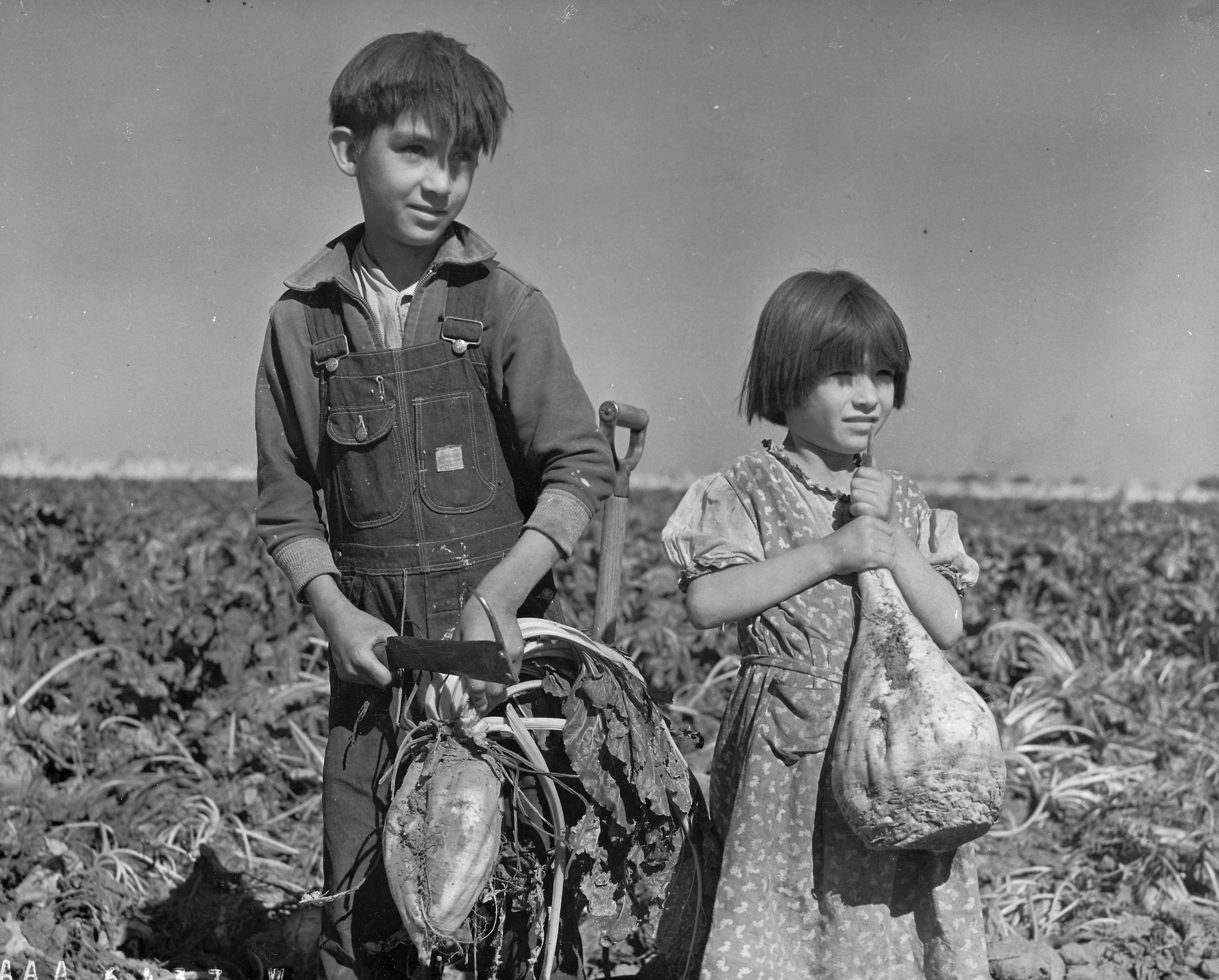
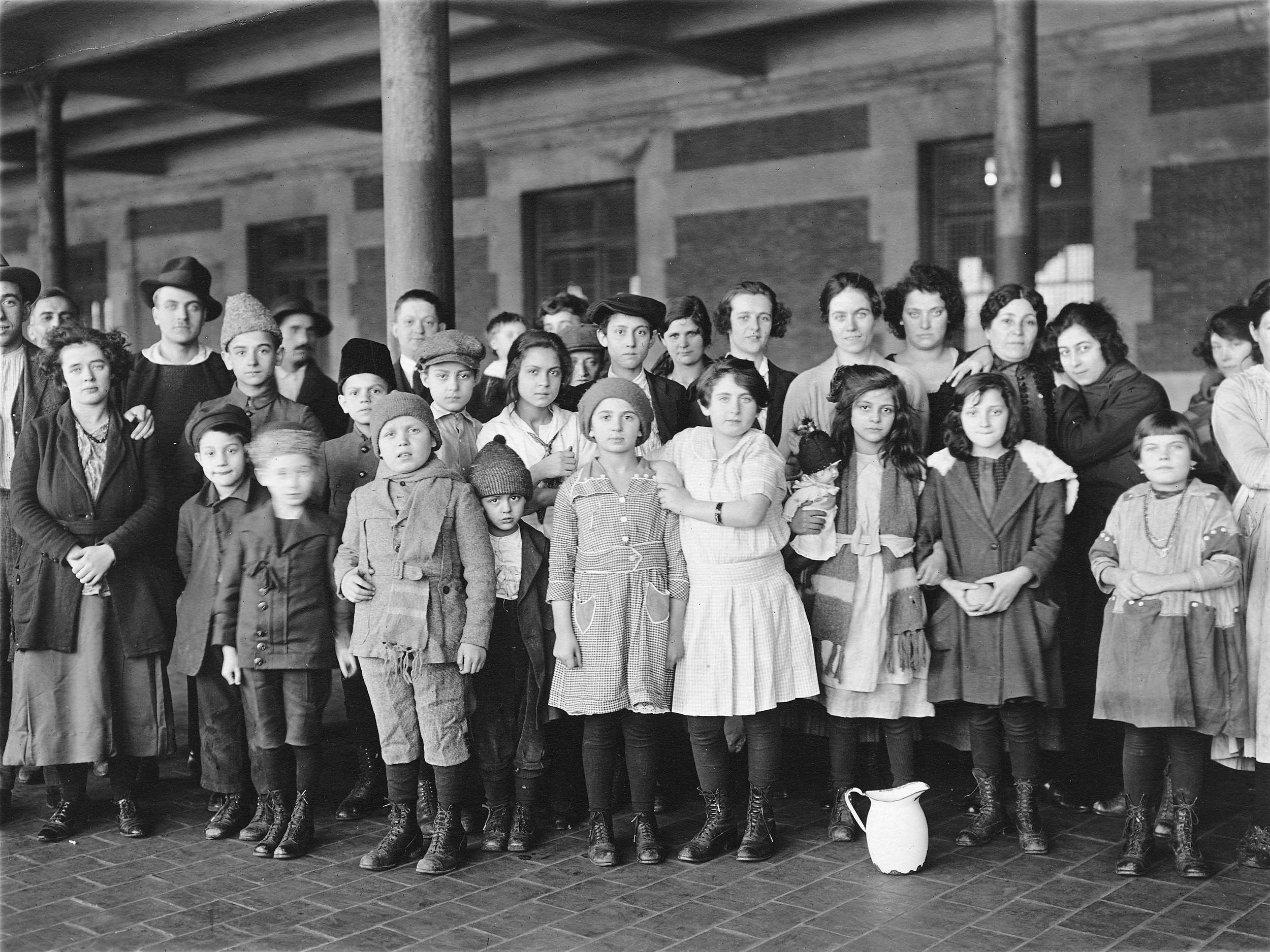

Curious about your parents’ lives? Get your kids to interview them.
You might be surprised by how much your parents will open up—with fun stories, with meaningful lessons—when your kids interview them about their lives.

Kids age seven and older can conduct meaningful family history interviews with their grandparents—even from a distance over Zoom or other teleconferencing software.
What you don’t know about your parents’ lives could fill a book. Actually, multiple books, more like it!
Even those of us who are close to our parents—who speak to them every day on the phone, who love spending time with them, and who rely on them for emotional support or perspective—even we take a lot about our parents for granted. It’s the nature of the parent-child relationship, right? On the children’s end: a built-in assumption that our parents will, quite simply, always be there for us. On the parents’ end: an assumption that our kids see us as “mom” or “dad” rather than “Lillian” or “Jonathon.”
The results of those assumptions? For the kids, that we are less likely to feel any sense of urgency around asking our parents for their stories. For the parents, a sense that their grown kids don’t really want to know about their lives before becoming parents.
Trust me, as a personal historian I have seen this story play out far too often. Grown kids who come to me only after their parents have died, haunted by the guilt that they never got around to asking their mother or father about their lives. Parents who come to me unsure if telling their stories will even matter—“No one has ever asked me,” a father might say, or “My kids don’t care about any of this!”
Sure, you can sit down and interview your parents about their lives (I encourage it, for sure!). But I’ll let you in on a secret: Often folks reveal much more of themselves to a stranger. When I interview someone professionally to capture their stories, I have the advantage of not being emotionally attached to the people or the stories. It’s a guaranteed no-judgment zone. Not to mention that having dedicated time and space for someone to tell their story helps clear the mental clutter and get right to the heart of story sharing.
There’s someone else who can get your parents to speak freely, I bet: your kids. Grandchildren who come to their grandparents with genuine curiosity will inevitably tap a rich well of stories from their elders.

Looking at photos, whether in an old family album or on a device, is a great way to prompt memories and get the stories flowing from grandparent to grandchild (and vice versa!).
A few reasons why grandparents are excited to share stories with their grandkids:
TO IMPART LESSONS: By talking about their life journey—including funny missteps and even big failures—grandparents can share some of their hard-earned wisdom with the next generation.
TO CONNECT MEANINGFULLY: How often do your parents get to have real conversations with your kids? This is a rare—and precious—opportunity.
TO REFLECT INTENTIONALLY: Like writing in a journal, being interviewed for one’s life stories provides a chance for reflection that we rarely indulge in during our busy lives. It’s a practice that’s good for our mental health, according to research, but beyond the research, it just feels darn good.
TO HAVE SOME FUN: Sharing childhood memories and grown-up exploits with the grandkids—what could bet better? It’s a chance for the grandparent to pull out some favorite old photos, to get a little nostalgic, and to share a piece of themselves with someone they love unconditionally. Laughs will ensue, I promise!
If you’d like to encourage your child to interview your parents, I hope you’ll download this popular resource that I’ve been giving away for free since the pandemic began—The Kid Kit: Everything You Need to Interview the Grandparents. Originally available for purchase in the Modern Heirloom Books store, I felt strongly that during this time of separation (and newly-found comfort in connecting over Zoom), I wanted as many people as possible to have it.
Inside you’ll get not only interview questions (and those are AWESOME, if I say so myself—they’re designed with kids aged 7+ in mind and cover a wide range of topics), but you’ll also get bonus activities, a history timeline, and tips for how to continue the story sharing post-interview.

FREE RESOURCE: Questions, Activities & More
Get your kids talking—really talking—to your parents. They’ll get stories even YOU’VE never heard!
Dawn Roode’s curated roundup for the week of Sept. 23, 2026, is overflowing with recent reads on memoir, life story writing, and family history preservation.