
Memories Matter
Featured blog Posts

READ THE LATEST POSTS

Nuances of memory—and how understanding a bit of neuroscience can help us remember
Understanding the basics of how our brains encode memory can help us both remember the things we want in the future & retrieve precious memories from our past.
So many of us think of our memory as a “memory bank” akin to a filing cabinet in our brains, or a video camera recording everything that happens in our life. But according to neuroscientist Lisa Genova, author of the new book Remember, neither of those is correct.
Rather, she says, “Memory is the constellation of connected, linked neurons that can be located all over your brain that represent the sights, the sounds, the smells, the feelings, the information, the language of what you paid attention to, cared about, and remembered in the first place.”
In other words? We remember what we pay attention to. Period.
According to Genova, our brains are designed to remember:
what is surprising and new
what is emotional
what is meaningful
and what you repeat.
(These are all more specific ways of saying “what we pay attention to”!)
So, how can we use this knowledge to our advantage?
Looking forward: Can you influence what you remember?
While our brains are predisposed to create memories around things that are surprising and new, emotional, and meaningful, we can indeed make an effort to remember more mundane things—you know, the beauty in our everyday routine, the little things our kids say that make us smile, the off-the-beaten-path restaurants we loved on vacation…
Because the fourth way our brains encode memories is through what we repeat, doing just that—repeating the stories of those moments—will help us remember them. What might that look like?
It can take the form of journaling (even jotting just a few bullet points will help), posting to social media (yes, what sometimes seems like a mindless time suck can help us intentionally remember!), or telling the stories (to our family around the dinner table, or to ourselves as part of a gratitude practice, for instance). The more we repeat these want-to-remember details, the more we help our brains encode those memories.
Have something you want to ensure you can recall years from now? Repeat it, out loud or in writing, and repeat it often.
Looking back: How can this knowledge help us retrieve childhood memories?
Knowing what our brains are inclined to remember can guide us on our journey of remembering: Focus on asking yourself (or, if you are interviewing another family member for their stories, ask them) about times that were especially emotional. Often that means transitions (moving to a new home, a new school, a death in the family). Think about times that held great meaning (winning an award, being supported during a difficult time). And hone in on times in your life that were surprising and new: Think about firsts (your first love, your first time living alone, your first time…doing laundry!).
You may consider crafting a list of questions that fall into these categories so you can explore them at your leisure. Or you might want to sit down and focus on one broad category at a time (firsts this week, transitions next, perhaps).
And know this: There are ways to activate memories that don’t necessarily fall into these broad categories. As Genova explains, retrieving our memories involves reactivating the neural network, and context is a big part of that. Traveling to your childhood hometown will invariably stir unexpected memories because the again-familiar sights will trigger neurons in one part of our brain that then connect with others on the circuit. Similarly, a smell might call forth memories of a dish your grandmother cooked for you, or a song might transport you to your high school gym on prom night.
Rehashing old times with a sibling is another tried-and-true way to get your memories flowing. Their recollections of shared experiences will never jibe with yours exactly (that’s the fallible nature of memory, after all!), but they will spark related memories in your own brain by providing some context and, yep, reactivating your neural circuit.
So, is your neural circuit lighting up? As you know, I’m always here to help you probe—and preserve—your memories, so reach out when the time is right!

Related Reading
Your Journey of Remembering
Understanding how our brains retrieve memories is interesting and, as I say above, can even have practical implications on how we think about preserving our memories going forward. Here are a few more pieces that explore the nature of memory and, more than anything, aim to help you on your journey of remembering—have fun along the way!
Why not pick questions from my extensive list of interview prompts to help get your memories flowing?
Check out this simple, two-word prompt to brainstorm a list of unexpected memories (which you may want to use as fodder for a memoir one day!).
Interested in discovering your parents’ childhood memories? Start with these questions that explore their fun sides!
These memory prompts delivered straight to your phone every week are a great option for anyone who wants to start a regular practice of writing about their life.

Life Story Links: June 8, 2021
This week's curated reading list includes a handful of stories about the nature of memory and a wealth of good stuff related to memoir and life storytelling.
“People are story”
—Faith Gibson
1917 photograph of lifeguards on the beach in Long Beach, New Jersey, by M. Highsmith, part of her America Project; courtesy of the Carol M. Highsmith Archive, Library of Congress, Prints and Photographs Division.
Treasures from the Past
A CHRONICLE OF HISTORY
Until Anneliese M. Bruner was given a small book bound in red cloth that had been written by her grandmother in 1921, she never knew anyone in her family had been witness to the Tulsa race massacre. “There was no indication that this event had ever happened within my very own family,” she says.
FOUND: FAMILY PHOTO LEGACY
“Hopefully, by reclaiming my mom’s visual heritage, I’ve led the way to healing a bit of her past trauma,” writes Zoe Morrison, a digital archivist based in Florida who tracked down her mother’s family photos decades after they were lost.
The Nature of Memory
“GISTIFICATION”
“New research suggests that much like analog-era photos get washed out and lose perceptual details over time, vivid memories lose their feature-specific clarity through a process of ‘semantization’ or repeated remembering that only focuses on a memory's core elements.”
ON RETRIEVING MEMORIES
“Memory has sights and sounds and smells and emotions associated with it. Can we find those elements and say this is what the totality of one particular memory physically looks like?” Experiments over the years that have shed light on how our brains recover past experiences.
THE SCIENCE OF MEMORY
Neuroscientist Lisa Genova, author of the new book Remember, joins Kate and Oliver Hudson on their podcast to discuss what you need to create memories and why we remember only certain things.
Memoir & More
WRITING HER MOTHER
In Pure Flame: A Legacy, “Michelle Orange skirts the traps of the mother-daughter memoir by going beyond personal history. She interleaves memories of her mother and maternal grandmother with discussions of writing” by famous women, revealing differing views on feminism and motherhood.
WASHED ASHORE
“Each of us has a story, a need for connection, and a sense of whimsy. It’s a deeply human thing to share our thoughts, roll them up, and tuck them neatly inside a bottle…”
‘A RESPONSIBILITY TO REMEMBER’
Unsinkable tells the story of two brothers whose paths crossed on a ship, the USS Plunkett, in WWII. It builds upon a story that one brother told his family repeatedly over the years; and is fleshed out by a nephew who went digging into archives and interviewed shipmates to satisfy his curiosity—and tell a bigger story.
AN ARRAY OF VOICES
“I thought it was such a beautiful thing to have this literal chorus of voices speaking the truth of the African American experience.” The epic audiobook Four Hundred Souls gives voice to a community history of African Americans.
THE INEXHAUSTIBLE STORY OF YOU
“You are writing to bridge yourself to yourself, you’re writing to bridge yourself to family, and you are writing so that who you are in the moment that you are writing will always be there with you.” Beth Kephart in conversation with Alisha Crossley on the art of memoir:
TRUTH BE TOLD
“Some of these books were written by journalists, and a number were penned by writers who wedded research or oral histories to memoir.” Daisy Hernández investigates the intersection between journalism and memoir.
“THE ME YOU CAN’T SEE”
“Just sitting down and listening to somebody, there’s joy in that.” This new docuseries (preview above)—with storytelling at its core—aims to explore varied individuals’ experiences and shine a light on, simply, why we feel the way we do. As all personal historians know and preach, understanding comes from shared experience.
...and a Few More Links
An exploration: What’s worth recording, worth remembering?
The Creative Family Historian offers up ideas for using stock photos in family history books.
The pandemic is “a test case for the making of global memory in the new media ecology.”
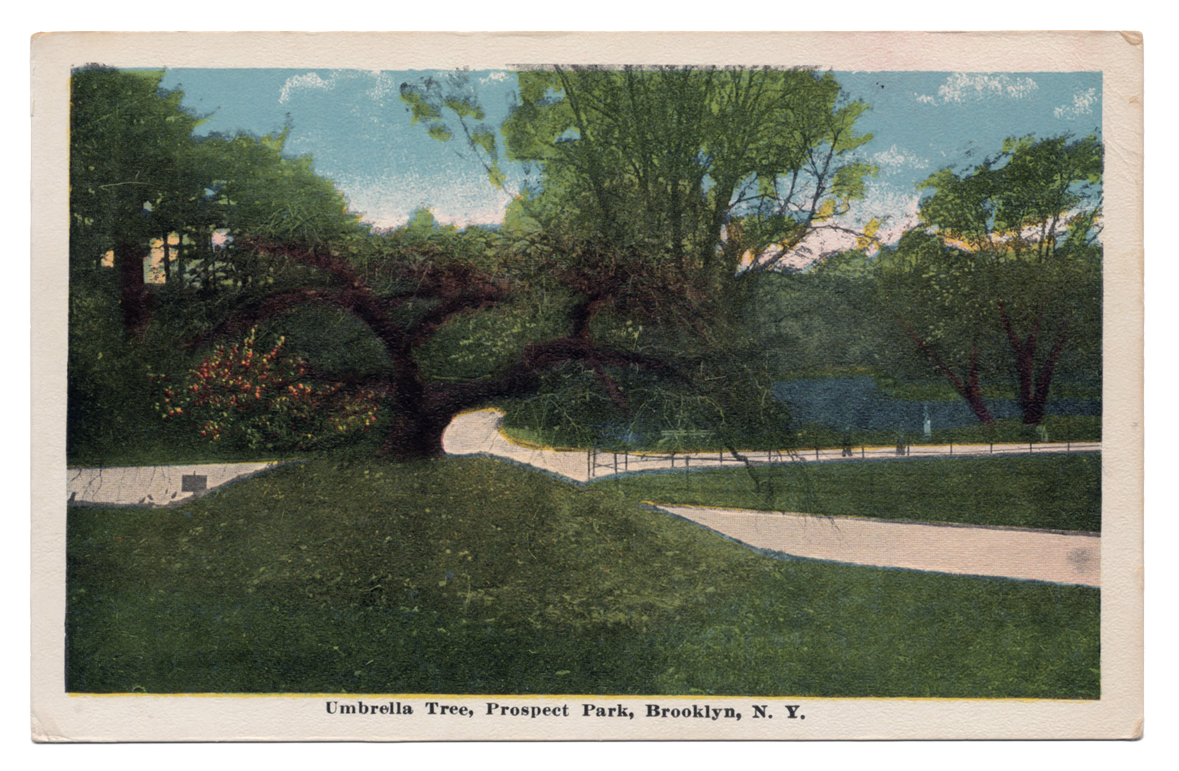
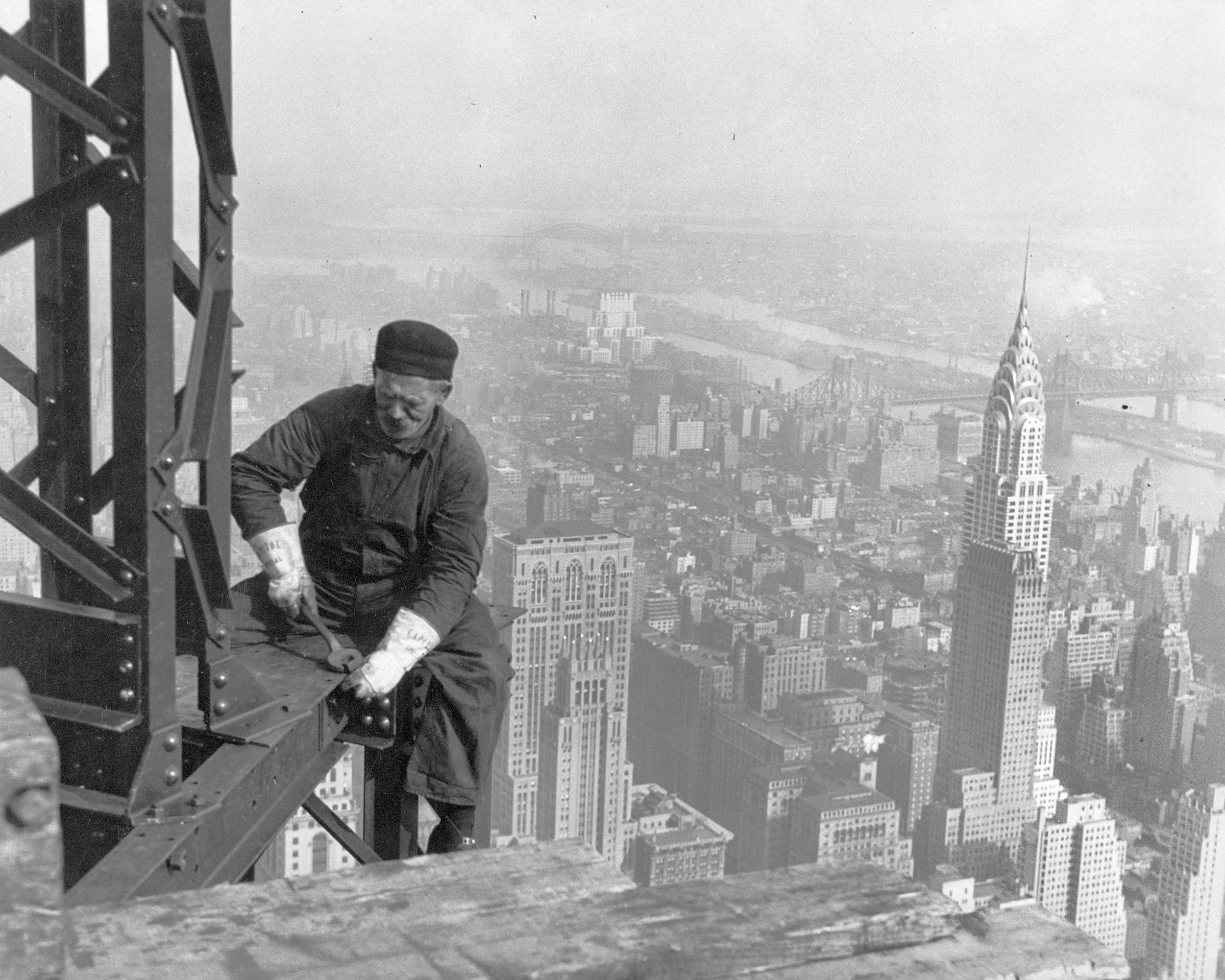
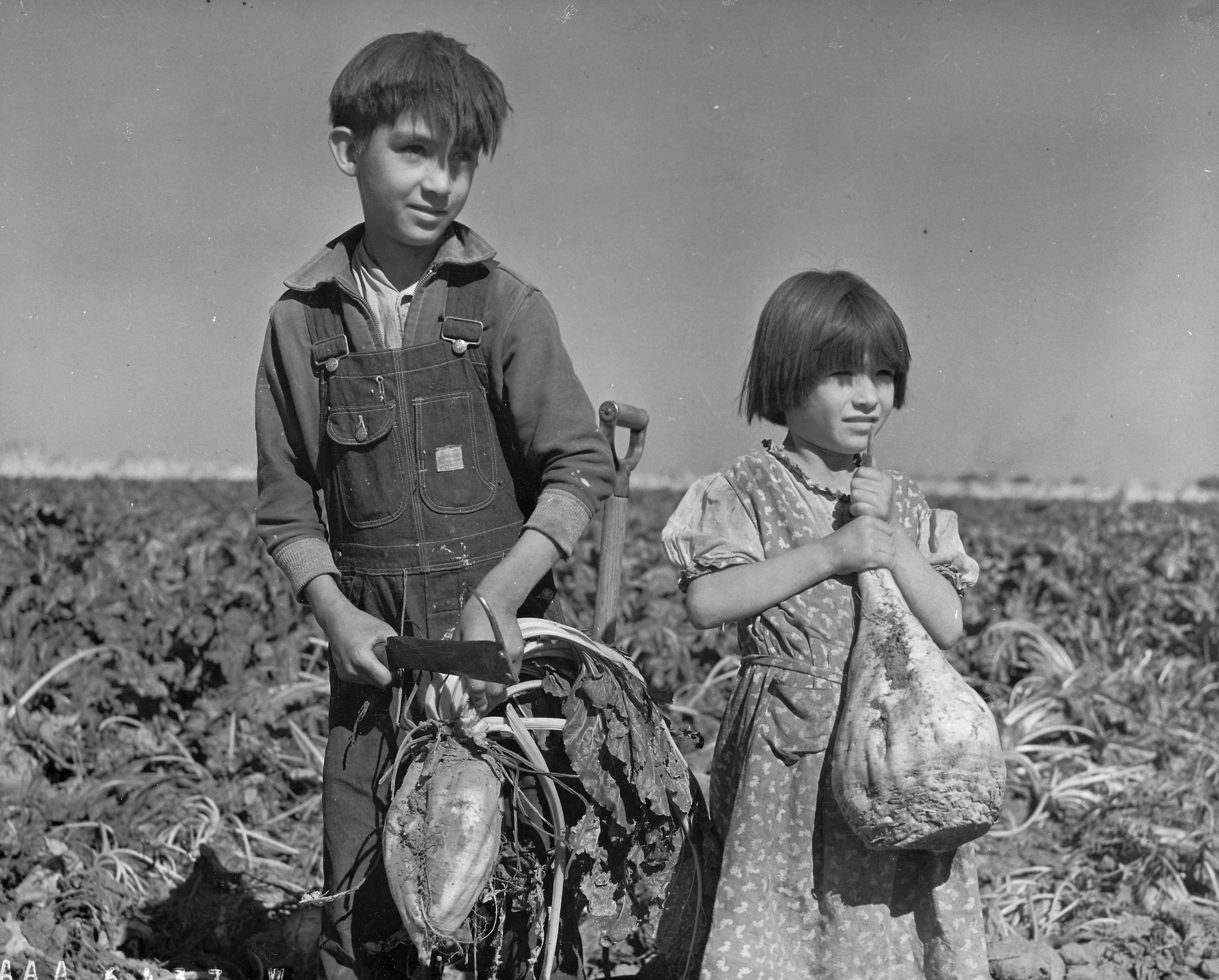
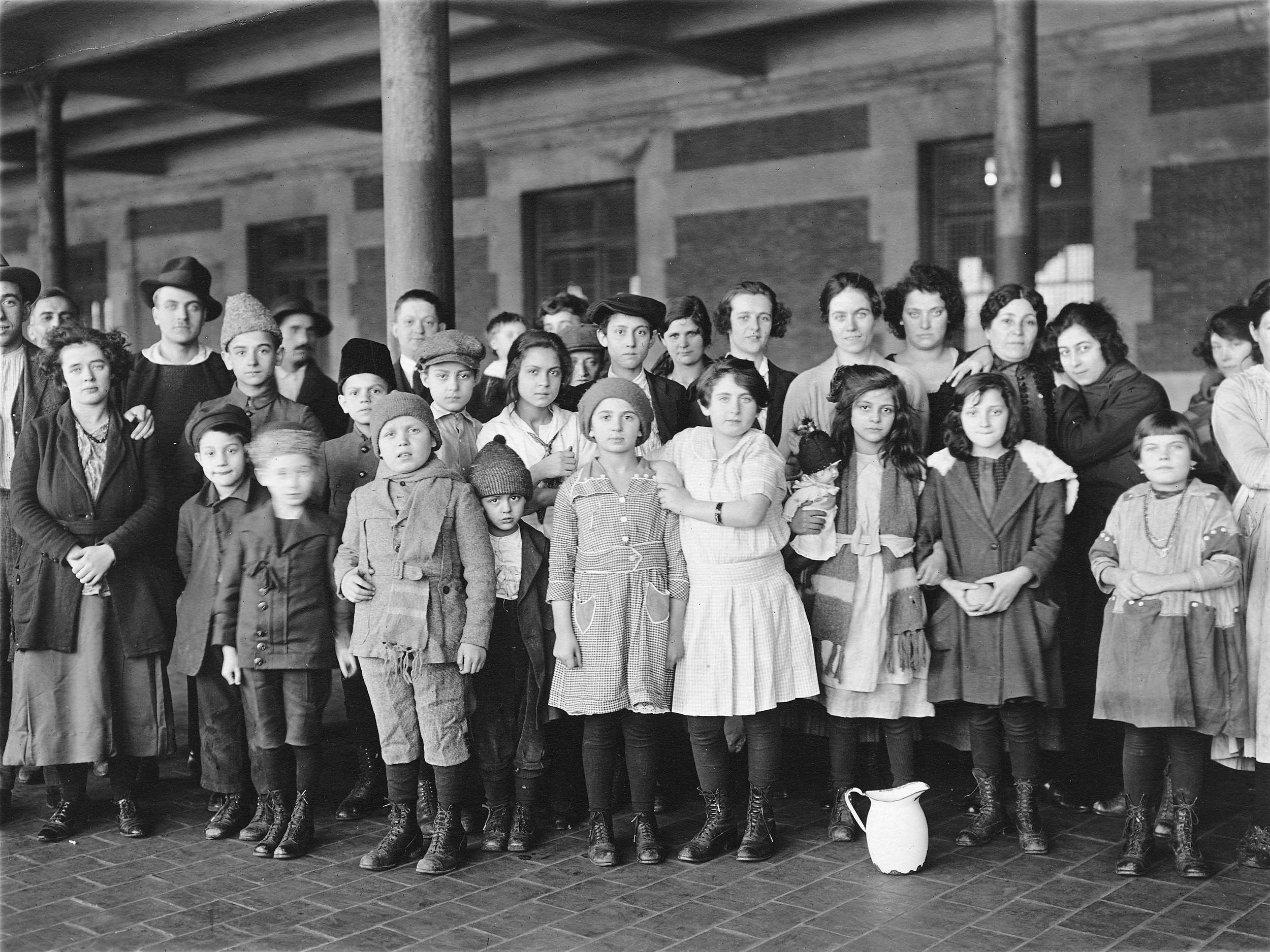
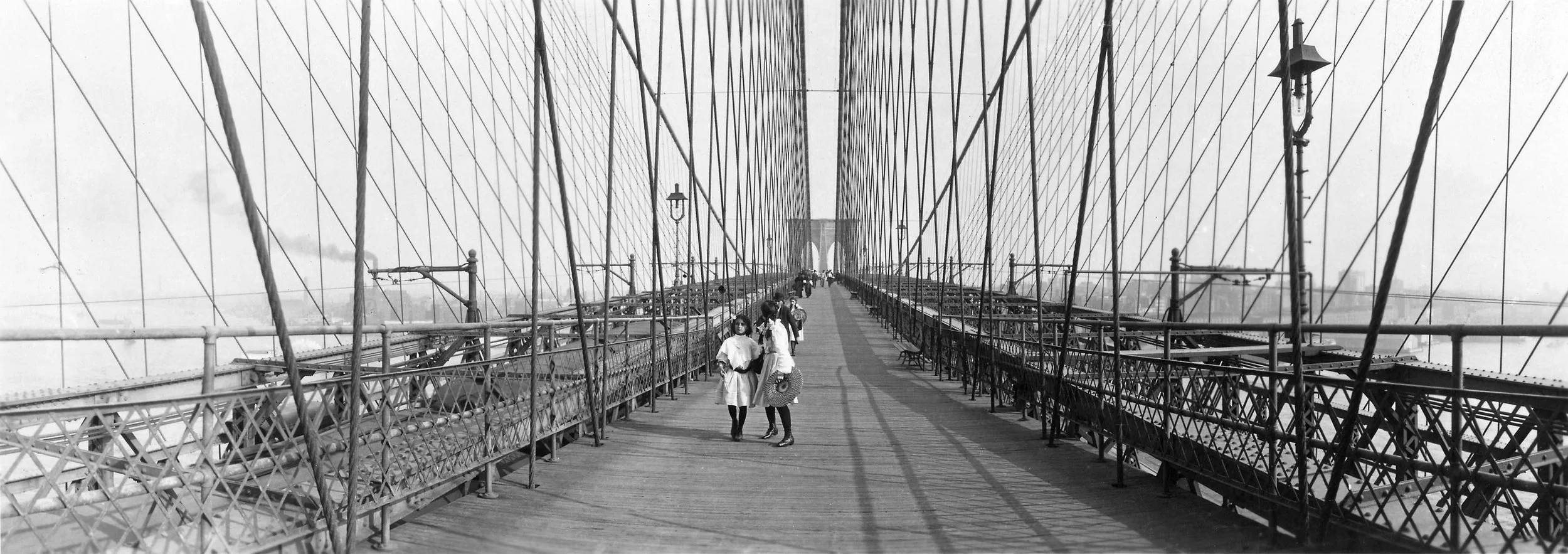
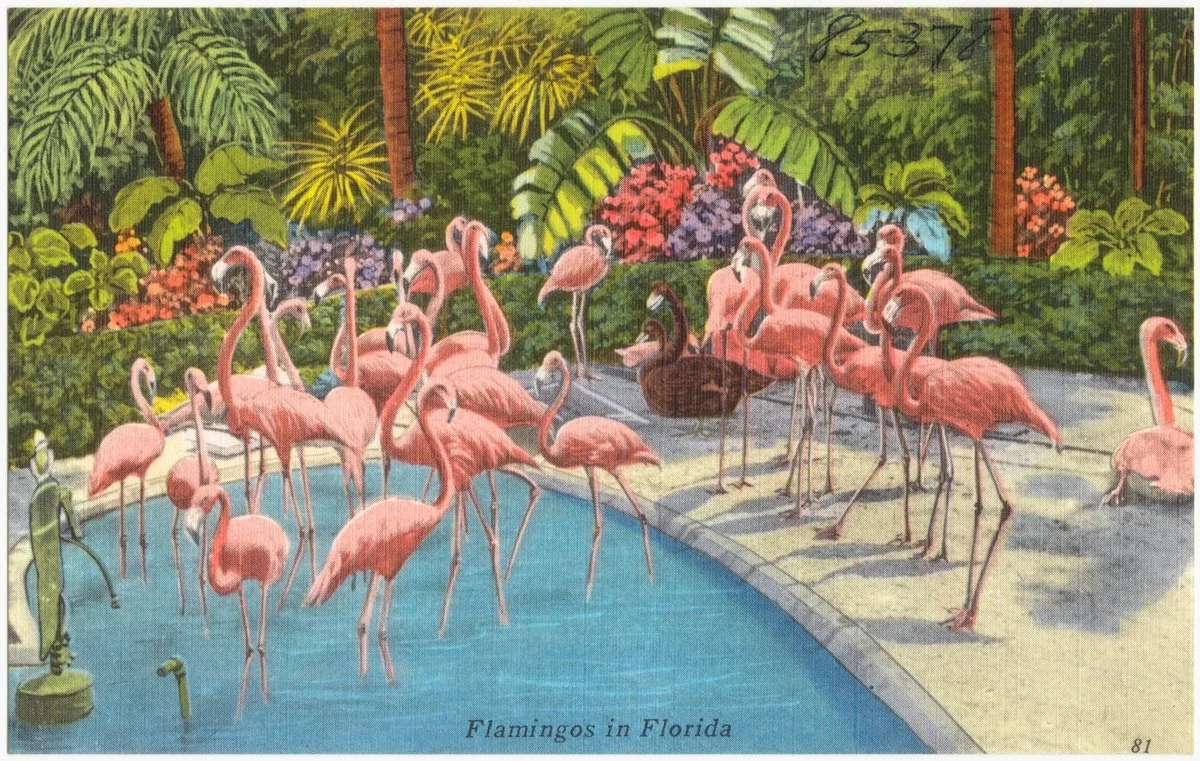
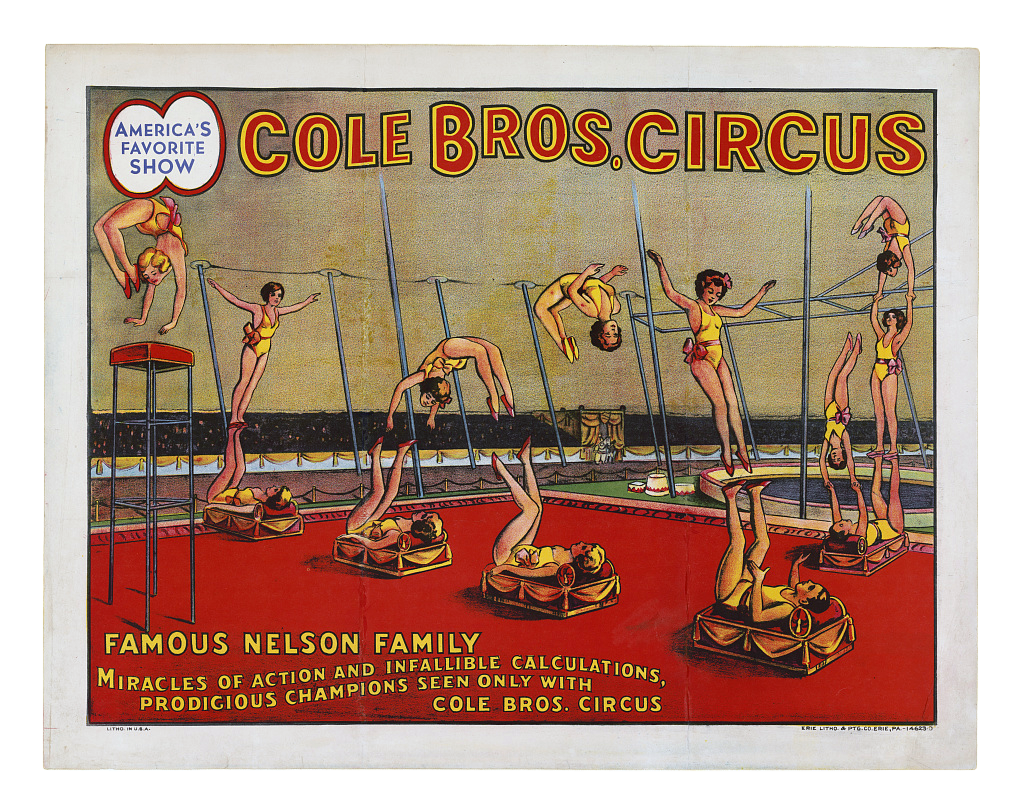
Dawn Roode’s curated roundup for the week of Sept. 23, 2026, is overflowing with recent reads on memoir, life story writing, and family history preservation.