
Memories Matter
Featured blog Posts

READ THE LATEST POSTS

Life Story Links: March 17, 2020
This week's curated reading list includes a number of moving first-person reads, notes on the process and craft of personal history, plus keepsakes and photos.
“Sing your song. Dance your dance. Tell your tale.”
—Frank McCourt, Angela’s Ashes

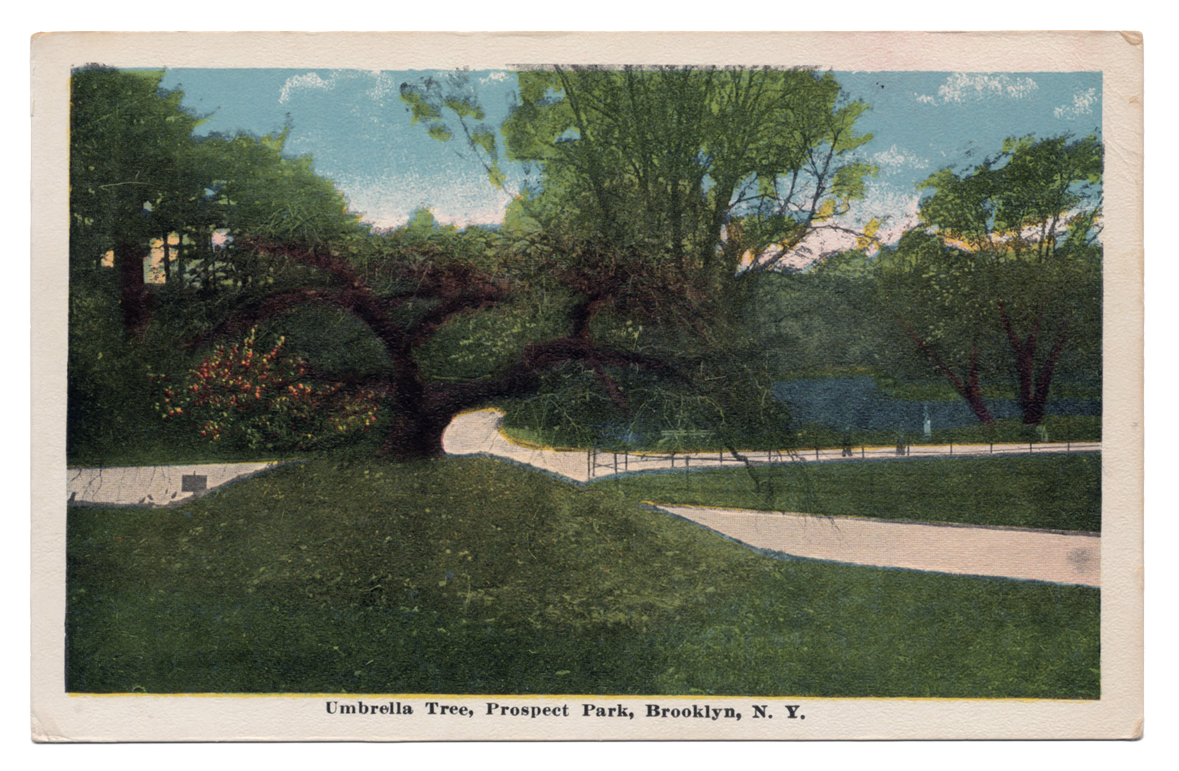
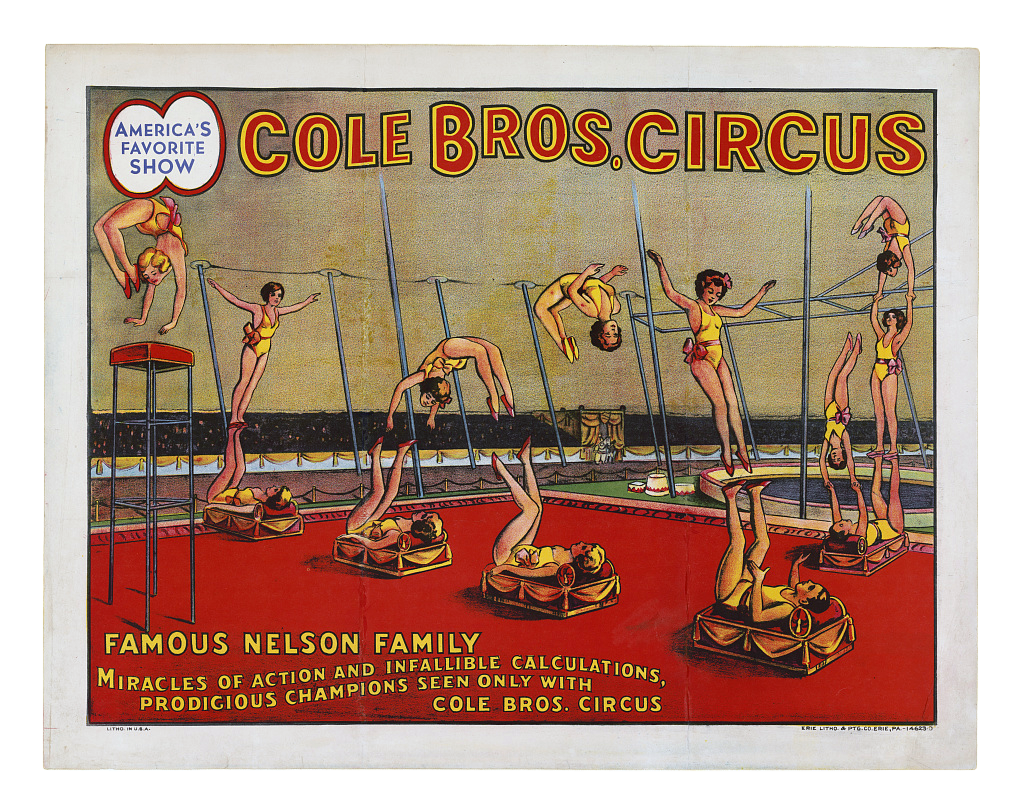
Vintage St. Patrick’s Day postcard
Process & Craft
PEOPLE TALK
Editor Lisa Dale Norton on how to handle dialogue in your memoir writing (is it okay to invent what you haven’t recorded?).
“CHUNKING IT OUT”
There’s a lot of organization and structural editing that goes into crafting a narrative from a series of interview transcripts and a box of photos; I love Lauren Befus’s analogy of “piecing together a large puzzle” of our clients’ lives.”
TRIBAL & PERSONAL HISTORY, CONVERGED
“I don’t know how people write about real people,” Louise Erdrich said. “If you can’t find a direct quote of them saying what you want them to say, how do you put words in their mouth?” Her latest book, The Night Watchman, is a blend of truth and fiction, real people and real events plus a good dose of the imaginary.
FREE LEARNING OPPORTUNITY
Preservationist Margot Note teaches how to organize and preserve your family and personal legacy during a free webinar on Sunday, March 22 at 1pm.
Voices
THE EROS OF ESTRANGEMENT
In this adapted excerpt from Slouching Towards Los Angeles: Living and Writing by Joan Didion’s Light, Joshua Wolf Shenk explores specificity of place; dislocation and alienation; and what we do and don’t reveal in memoiristic writing.
ORIGIN STORY
FamilyScrybe contributor Taneya Y. Koonce’s musings on how interviewing her grandmothers and learning their stories helped shape her identity.
ANTHOLOGY: “WHY WE WRITE”
“The real reason that we're writing is to create opportunities for conversation and empathy and understanding and to have that present in the pages of this book,” says Randy Brown, a military veteran who gathered 61 authors to make a case for writing about war.
“A MEMOIR AND A RECKONING”
“This, I understood finally, was history: not the ordered narrative of books but an affliction that spread from parent to child, sister to brother, husband to wife.” Alex Halberstadt on writing a family memoir when your grandfather was Stalin’s bodyguard.
More Life Stories?
NO REGRETS?
A recent Wall Street Journal article reports that a growing number of adult children are interested in hearing more of their parents' stories. My thoughts on the so-called trend, and what we can do to ensure that such interest abides.
CHILDHOOD INFLUENCES
Who were your heroes when you were growing up? How did they make a difference in your life? Personal historian Carol McLaren of Arizona–based Unique Life Stories shares recollections of her childhood inspiration, Helen Keller.
The Stuff of the Past
PRECIOUS FAMILY RECIPES
The Internet keeps countless recipes in neat, tidy digital files, so handwritten notecards are quickly becoming cherished keepsakes. The folks at Martha Stewart have advice for how to best preserve them (and there are a lot more factors to consider than I imagined).
PHOTOS TAKEN, PHOTOS NOT TAKEN
“I don’t have the answers...around when to put the camera away and when to keep on clicking. But I do believe we owe it to ourselves to authentically examine how photography fits into our own lives—paying mind to when it enriches and when it detracts from our now.”
ADIEUX
Deanna Dikeman’s portrait series doubles as a family album, compressing nearly three decades of her parents’ goodbyes into a deft and affecting chronology.
THE WHISPER OF FAMILY GHOSTS
“I think about the material things—letters, pictures, tablecloths—that connect children to the houses they left behind. Pieces of paper, bolts of fabric, woven together in a chain and stretching across diasporas.” Hannah S. Pressman on the import-export business of our memories.
...and a Few More Links
StoryCorps is pulling some of the more heartwarming stories from their archive to uplift during difficult times.
Combing through thousands of digital images, these photo organizers help to “tell your life story.”
The eclectic museum safeguarding Selma's long and intricate past
Short Takes

Listen up!
Podcast recommendations for life storytellers, creative entrepreneurs, oral historians, and anyone who loves a captivating first person story.
In the past few weeks I have taken two road trips with my family, and while we are huge music lovers and relish this opportunity for uninterrupted song play (not to mention great car acoustics!), there were times when we wanted something else.
Here’s a sampling from our non-music playlist that I hope you, as fellow life story tellers and memory keepers, may enjoy!

The Life Story Coach Podcast Interview
Since I had a captive audience, I previewed my recent interview with Amy Woods Butler, host of The Life Story Coach podcast; I figured my husband and son were as safe an audience as any. I am someone who typically likes to be behind the scenes—taking the pictures, asking the questions—but in this case I was delighted to have the tables turned on me.
Amy’s podcast is geared specifically to life story professionals like myself (so it's a bit of “insider baseball” for those of you who aren't in the business), but I do recommend a listen to this episode for any creative entrepreneur. A few of the topics we discussed:
the pros and cons of publishing your prices
making a highly customizable product easier to buy
trusting your gut over your mentor on occasion
stories deepening over the course of personal history interviews
using lifestyle magazine techniques to tell engaging stories
It was a true pleasure conversing with Amy on topics so close to my heart, and I hope the resulting podcast provides value and food for thought for some of you.
Listen to my interview with Amy and get helpful show notes & links here.
Discover more episodes of The Life Story Coach on iTunes.
Oral History Jukebox
The Oral History Association holds something they call Oral History Jukebox at their annual meeting. I won't be able to attend this year's conference in October, but found many of the clips from last year’s session (which turns an open ear to the granularity of oral history recordings, including insights into interview technique, archiving, and more) interesting.
It is always gratifying when an interview subject hits upon one small story that represents something larger, whether universal in nature or fateful for them. Here are two snippets I found particularly worthwhile:
woman ranger
In the following clip, Major Lisa Jaster recalls the 180 days she spent away from her family in Ranger School. During a long pause at the end (powerful even now for me as a listener), Jaster “is overcome by her intense memories of [a particularly] challenging and emotional moment,” writes oral historian Lieutenant Commander (Retired) Scott Granger. “Those of us in the studio struggled as well, and the interviewer, unable to ask a follow-on question, had to pause the interview to allow everyone to gather themselves before continuing.”
those that didn't make the team
“I think almost every black male friend that I had that wasn’t athletic is now dead due to that war.” Interviewers enter into conversation with Ike Blessit, a former outfielder for the Detroit Tigers, about Vietnam, sports, and friendship, and this two-minute clip speaks not only to the power—and importance—of silences during an interview, but also to ways of suggesting discourse without asking leading questions.
And One More, Just Because
If I'm sharing first-person stories derived through interviews, it's rare that I don't include one from StoryCorps. Not only have I long admired that they are trailblazers in making personal history interviews mainstream, but I am a fan of the ways they make those stories available and oh-so-tempting. Their animations, for example, provide a unique and inviting portal to listen, so here’s a recent one that moved me:
What are you listening to, fellow life storytellers?
Dawn Roode’s curated roundup for the week of Sept. 23, 2026, is overflowing with recent reads on memoir, life story writing, and family history preservation.