
Memories Matter
Featured blog Posts

READ THE LATEST POSTS

Life Story Links: January 18, 2022
Our curated roundup is back, filled to the brim with stories you'll want to bookmark: on memoir (reading and writing), preservation, family history & more.
“A writer—and, I believe, generally all persons—must think that whatever happens to him or her is a resource. All things have been given to us for a purpose, and an artist must feel this more intensely. All that happens to us, including our humiliations, our misfortunes, our embarrassments, all is given to us as raw material, as clay, so that we may shape our art.”
—Jorge Luis Borges
Vintage photo of a young girl in Franklin Township, New Jersey, February 1936, by Carl Mydans for the U.S. Resettlement Administration. Photograph courtesy of Library of Congress Prints and Photographs Division Digital Collection.
First-person stories & memoir recommendations
THE POWER OF RECLAIMING HER NAME
After a wave of racism, her husband challenged her to reclaim her Asian name as a way to be proud of who she is. Marian Chia-Ming Liu re-introduces herself—and shares meaning behind all four parts of her name.
WHAT TO READ THIS YEAR
I compiled a list of my most anticipated books of 2022 in the categories of memoir, letters and journals, and the craft of writing. Which ones will make it onto your bookshelf?
ON SURVIVAL
“This memoir, [Mala’s Cat], rescued from obscurity by the efforts of Mala Kacenberg’s five children, should be read and cherished as a new, vital document of a history that must never be allowed to vanish.”
THE TASK OF REMEMBERING
“The premise of much of Clifton’s work is that memory persists even in the absence of words, details, and all of the trappings of what we know as ‘history.’” A thoughtful examination of poet Lucille Clifton’s 1976 memoir, Generations, which has been reissued.
TWO TO CHECK
A Chicago Tribune reviewer names a pair of memoirs about fresh starts—Lost & Found by Kathryn Schulz and I Came All This Way to Meet You by Jami Attenberg—not only as two of the best books of 2022, but as “the product manuals for two authors, and ultimately, tangentially, for yourself.”
One story at a time
PRESERVING A VIVID LEGACY
“Even though there is a trove of letters between this man and his daughter, they demand a lot of research to provide context and explanation,” Washington–based personal historian Nancy Burkhalter describes of the process behind a recent biography.
BRIDGING DIVIDES
“It’s going to take a lot of stories to bring this country together,” 60 Minutes reporter Norah O'Donnell says to Dave Isay, founder of One Small Step, a StoryCorps. offshoot that pairs people from opposing political views for conversations about their lives, not their beliefs.
UNCOVERING STORIES FROM SLAVE SHIPWRECKS
“Through these ships, we could bring lost stories up from the depths and back into collective memory.” National Geographic dives into the untold history of the Transatlantic slave trade with its new podcast, “Into the Depths,” launching January 27.
LIFE LESSONS
“For those who make it to old old age, there remains the challenge: How do you make a full and meaningful life when you can’t do so many of the things you once did? At the end of life, what turns out to really matter, and what is just noise?” NYT reporter John Leland reflects on a series he did following a group of the oldest New Yorkers—over seven years and 21 articles.
Writing about our lives—why, how, when
BRINGING VOICE TO ANCESTOR’S HISTORICAL NARRATIVE
“I loved my time in the archives. The tedium of transcription alternated with a quickening heartbeat that came with a new discovery.” Sally Merriam Wait’s journal “passed through seven matriarchal descendants before it came my way,” says Mary Tribble, who found kinship with her fourth great-grandmother.
3 WAYS TO TELL A PHOTO STORY
Modern memory-keeping doesn’t have to be time-consuming, but it should be meaningful. Here are three simple and elegant ideas for preserving the story behind one favorite photo (with the hope that it will be the first of many!).
PUTTING LIFE ON THE PAGE
BBC Woman’s Hour host Emma Barnett is joined by psychotherapist Julia Samuel and authors Arifa Akbar, Cathy Rentzenbrink, and Ann Patchett to talk about why so many of us want to put our lives on the page: What stops us, what gets in the way, and is it always a good idea? Listen in below:
Finding family history
INVENTORY OF ARTIFACTS
After a lengthy effort, artifacts from collections in Lithuania and New York that document Yiddish culture in Eastern Europe before World War II will be accessible to scholars and others.
CHIMING IN
“I had set about surrounding myself with heirlooms and other objects connected to my heritage to inform and inspire my efforts to guide others in their memoirs and family-history work,” Megan St. Marie writes of the clock she placed in her Massachusetts office.
KEEP THE STORIES, LOSE THE STUFF?
“Watching the moving men removing bookcases and boxes, my life flashed by like a film running in reverse—whole epochs were excavated and carried out.” Wisconsin–based personal historian Sarah White on giving safe passage to belongings as she takes a step toward downsizing.
“THEIR STUFF, OUR STORIES”
“Our hearts aren’t accountants.” Martie McNabb of Show & Tales, Karen Hyatt of EstatePros, and Before I Die New Mexico festival organizer Gail Rubin delve into the stories behind our stuff in this engaging video:
Experts share knowledge
MAKING A PLAN
New York City–based archivist Margot Note talks to host Rick Brewer on the Let’s Reminisce podcast about creating family archives and making sense of all that gathered family information. Listen in:
SELF PORTRAITURE: YOU ON THE PAGE
What does it mean to write memoir, to engage in the personal, and to quest for universal truths and telling details in your life writing? Listen in (and take notes!) as writer and teacher Beth Kephart shares wisdom and writing prompts:
TAMING PHOTO CHAOS
NYC–based photo organizer Marci Brennan speaks to the host of the Anywhereist podcast about the nitty-gritty of getting your family photo archive under control—and there’s a helpful list of resources here, as well. Surprising tip: Many people should delete about 80 percent (!!) of their digital photos to preserve a meaningful legacy.
...and a few more links
Register for free RootsTech 2022, which will be held March 3-5, 2022.
24 writers help publish a book about living in Alexandria during segregation.
How Kenneth Branagh’s family left turmoil in Belfast
Biographer discusses the life of explorer Ernest Shackleton
Massachusetts–based personal historian Megan St. Marie explores her Acadian heritage through two objects she holds dear.
Soldier’s WWII letter to his mother delivered after 76 years
“Succession star Brian Cox spares no one—including himself—in his new memoir.”
Short Takes
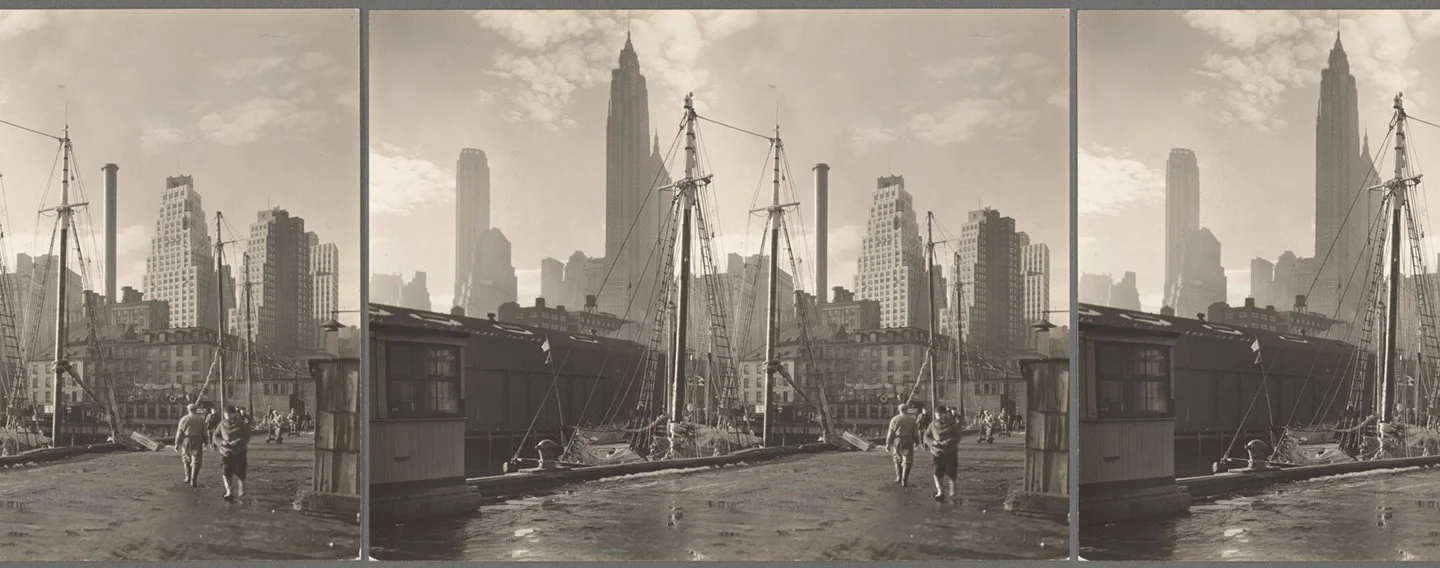
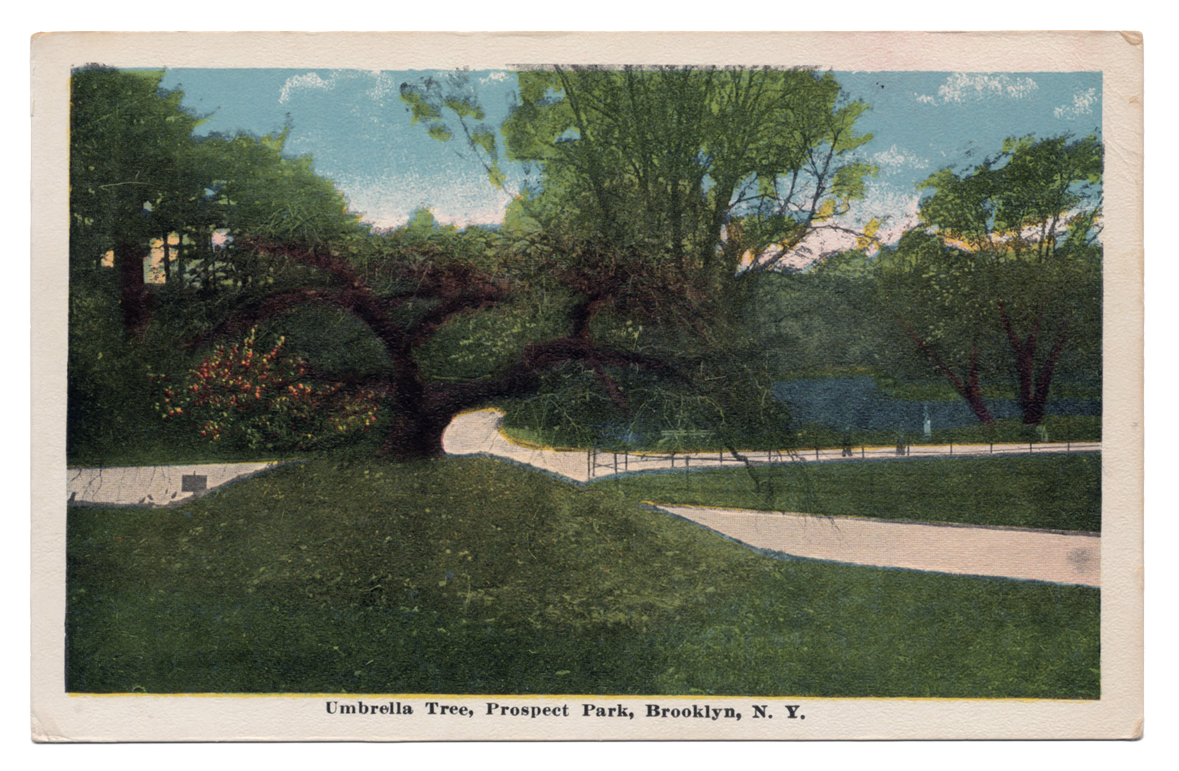
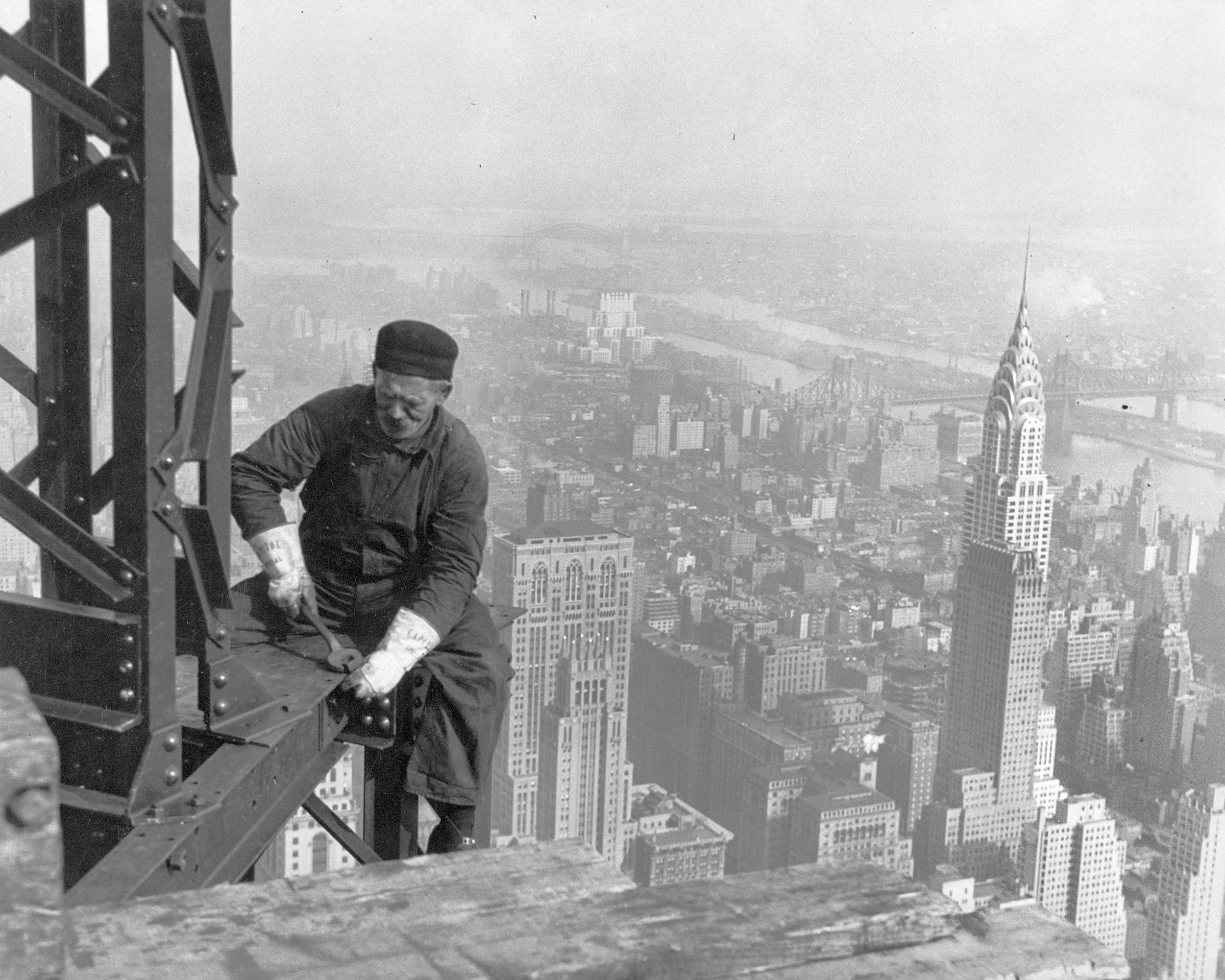
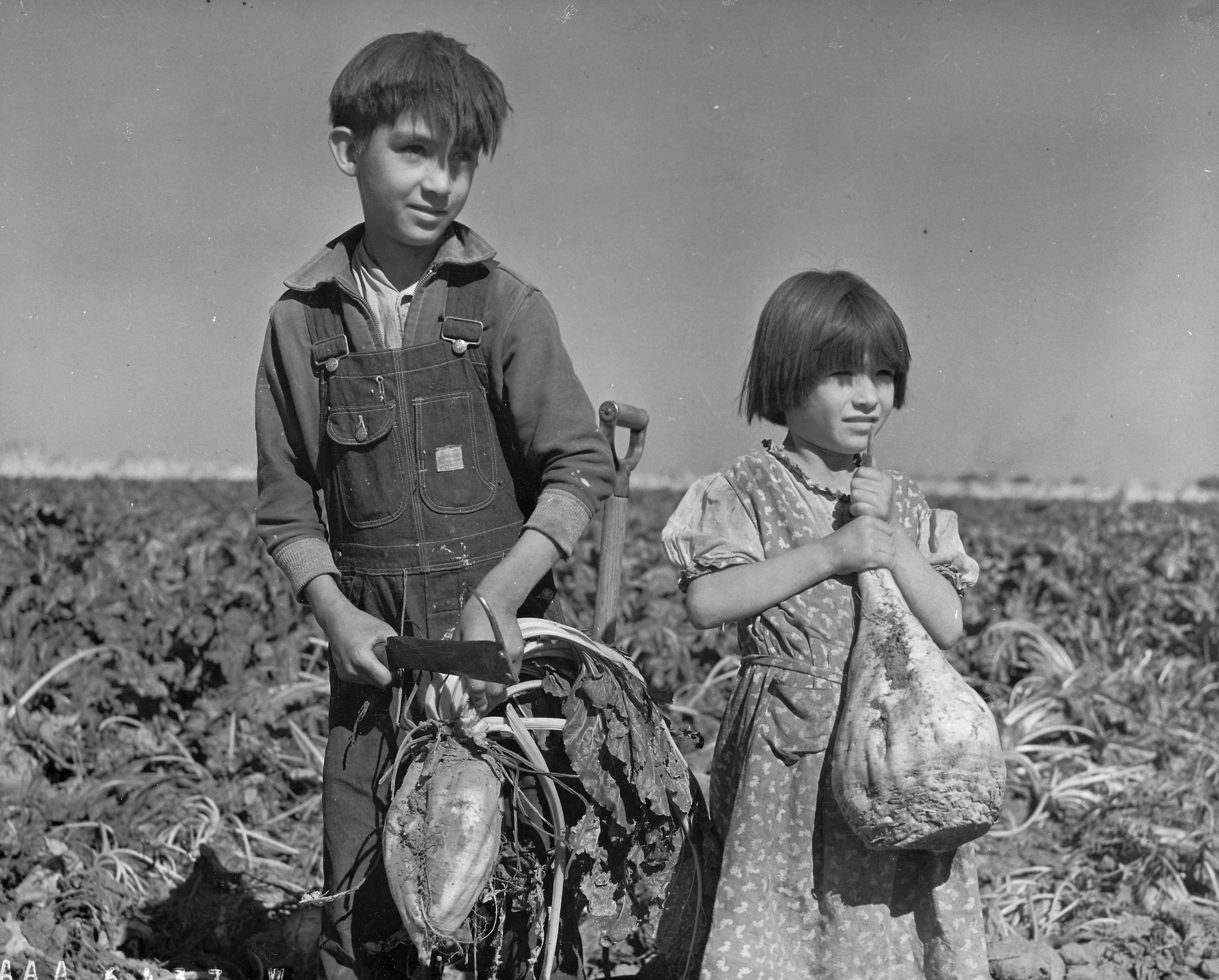
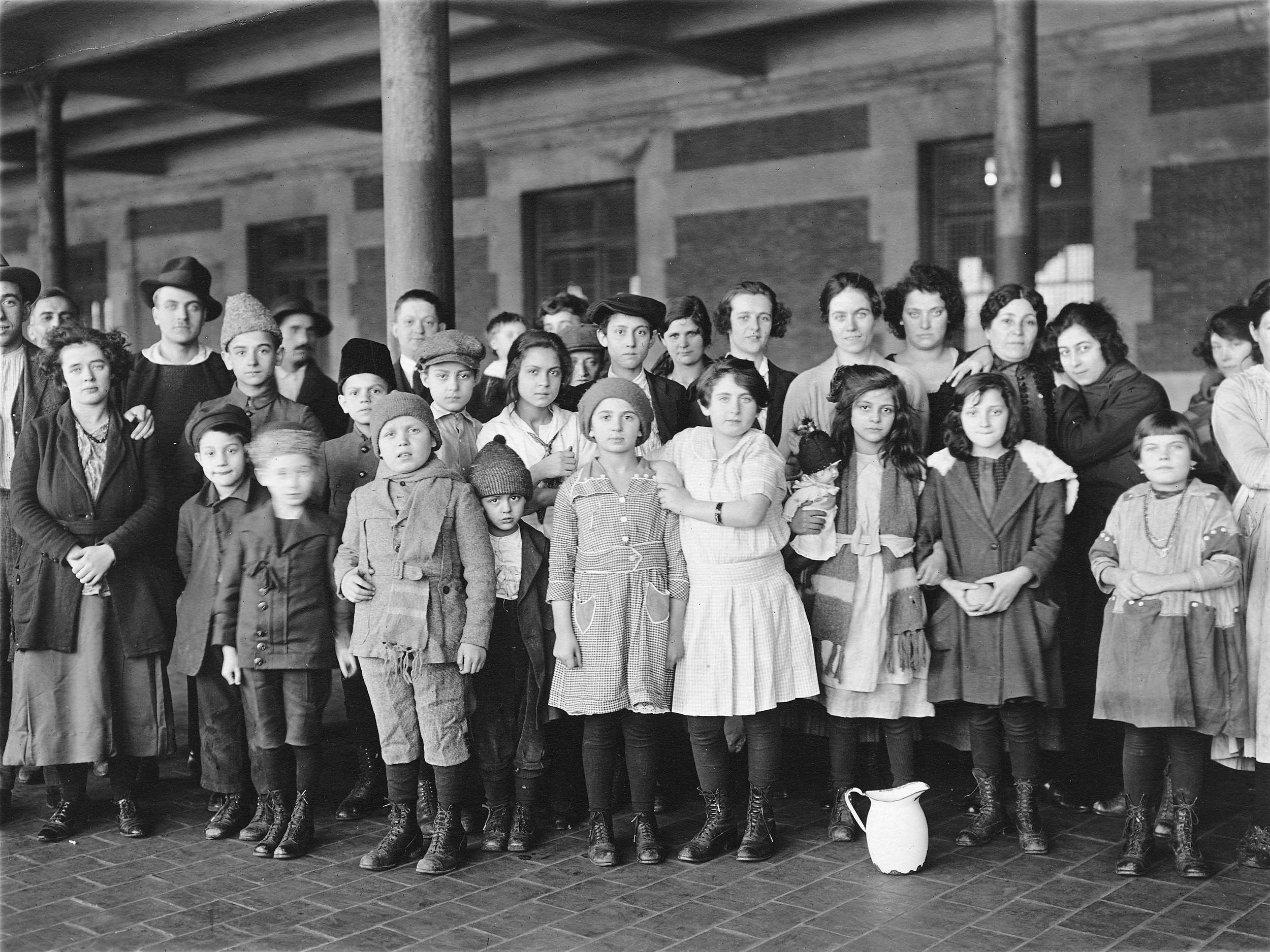
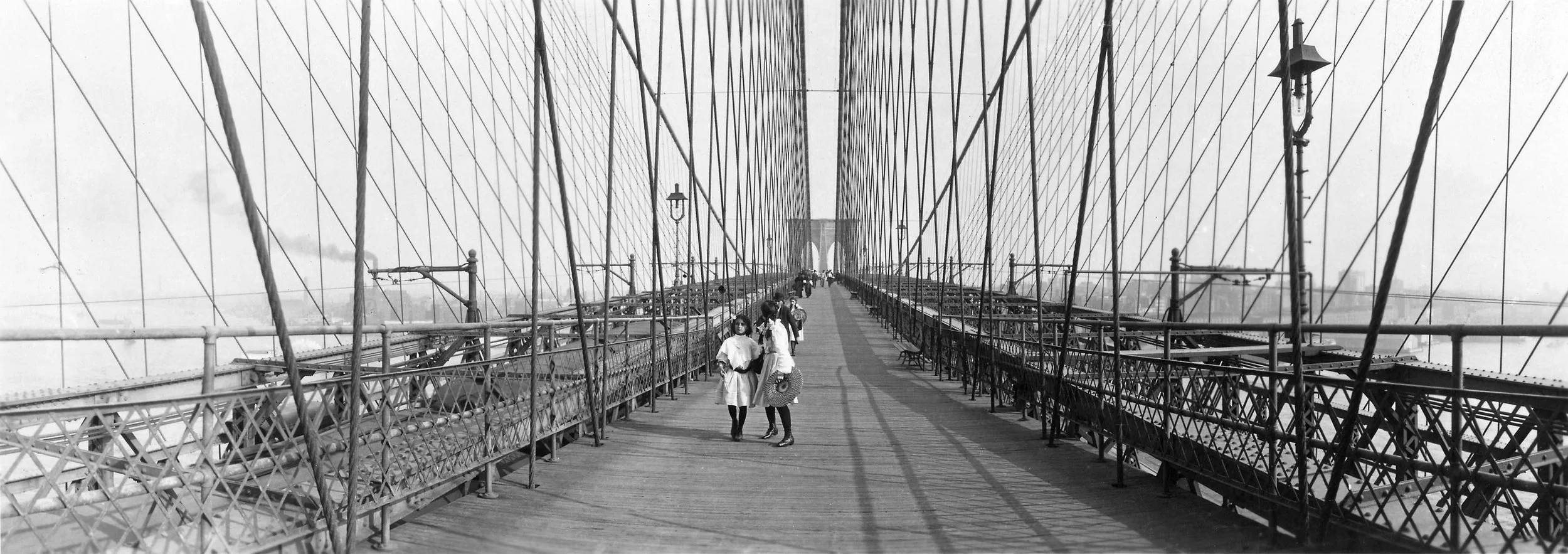
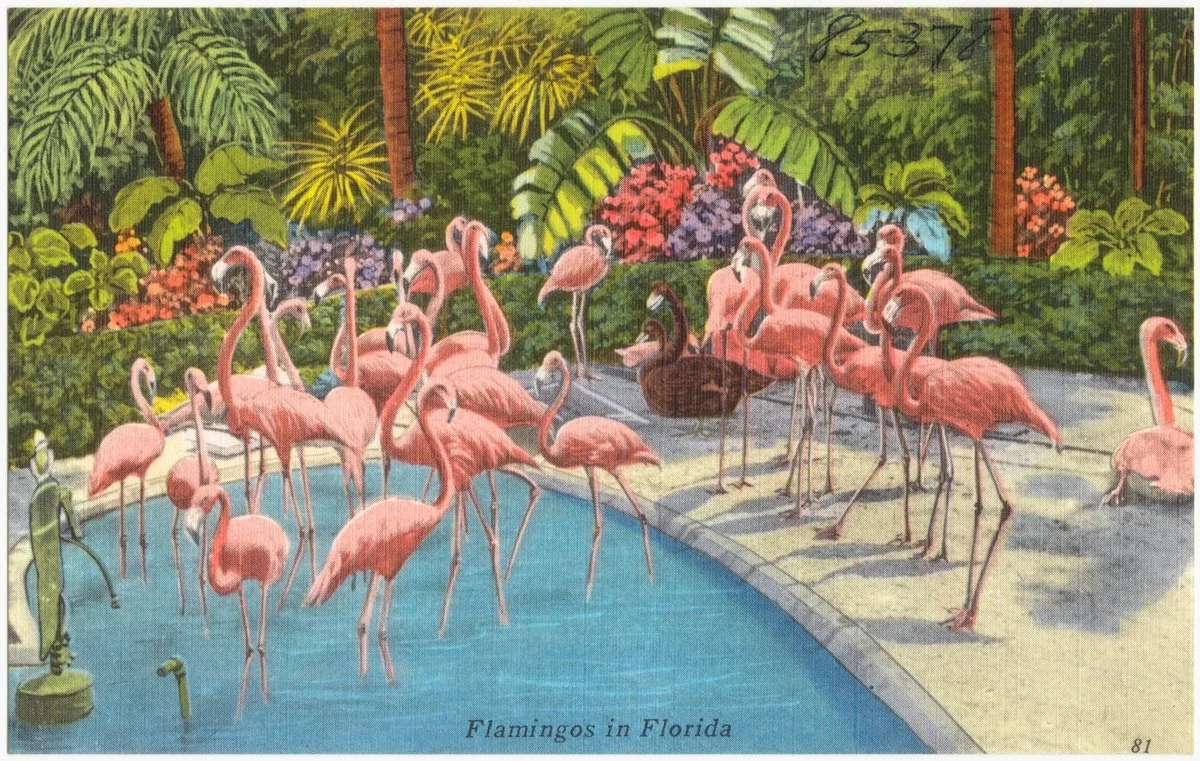
Photographing our everyday
Our photos tell the stories of our lives—and our lives, frankly, are not merely birthdays & weddings. Our lives are lived in the in-between. Capture the moments.

We all take pictures of the milestones, big and little: the first days of school, the first lost tooth, high school graduation, and of course, birthdays. But what of the everyday moments? The in-between that, really, is the essence of our lives?
Ordinary days filled with extraordinary moments
I’m willing to bet you can conjure images in your mind of many of these—they are what make up the fabric of our memories, after all.
dad pulling into the driveway after a full day at work
grandma knitting on the front porch
little brother building Legos
mom doing the crossword with a cup of tea
kids brushing their teeth before bed
spring cleaning the garage
Have you ever taken pictures of these moments?
The extremes of documenting the everyday
There is a genre of photography known as documentary family photography, which takes this idea to great heights, elevating the everyday into beautiful art.
At the other end of the spectrum, some people find the urge (popular among many younger Instagram fans) to document every last morsel of their existence, well, a bit much. As Meredith Fireman wrote in a Fast Company article entitled “How Instagram Almost Ruined my Life”:
“Sometimes I want to talk to my friends and celebrate someone’s birthday without needing to see them blow out the candles in a photo uploaded by five people in attendance.”
I’m not advocating either of these approaches (though for anyone interested in hiring a family photographer, I do think choosing a pro with a strong photo-journalistic sensibility often yields a wonderfully unexpected result!).
I am, however, suggesting that you use the camera that’s with you (most often, your phone) to snap photos that represent your real life. That will remind you down the road of what it was like to live in that house, to go to school in that town, to be you at that age.
Details of time and place
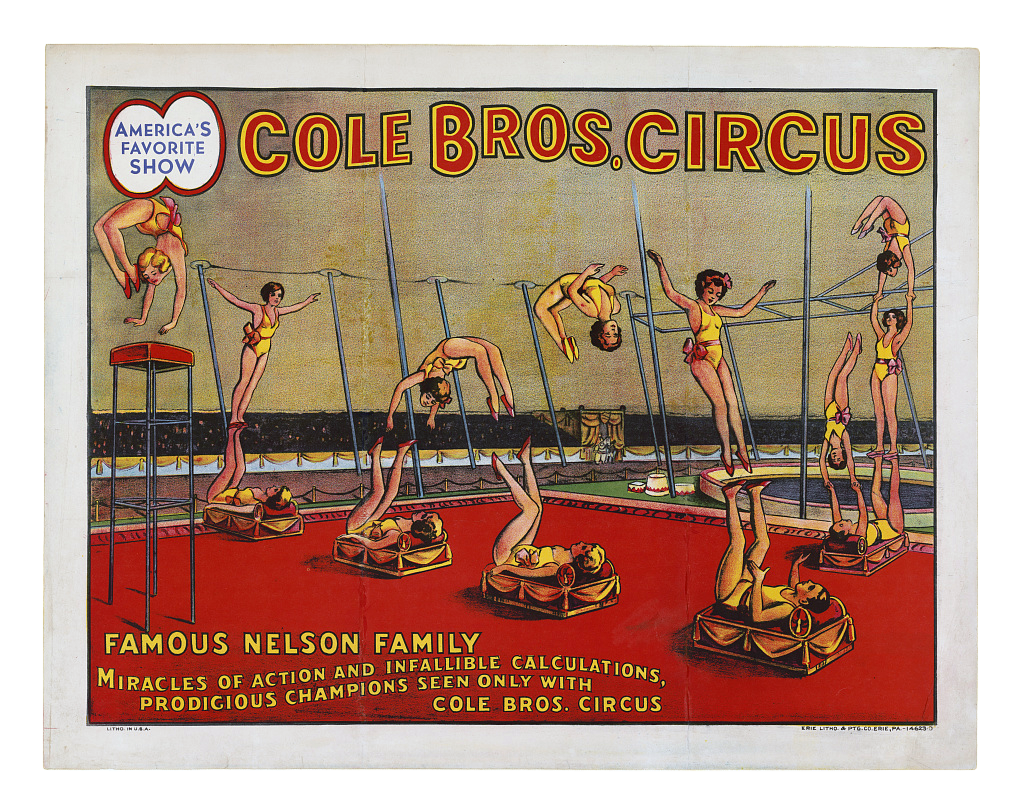
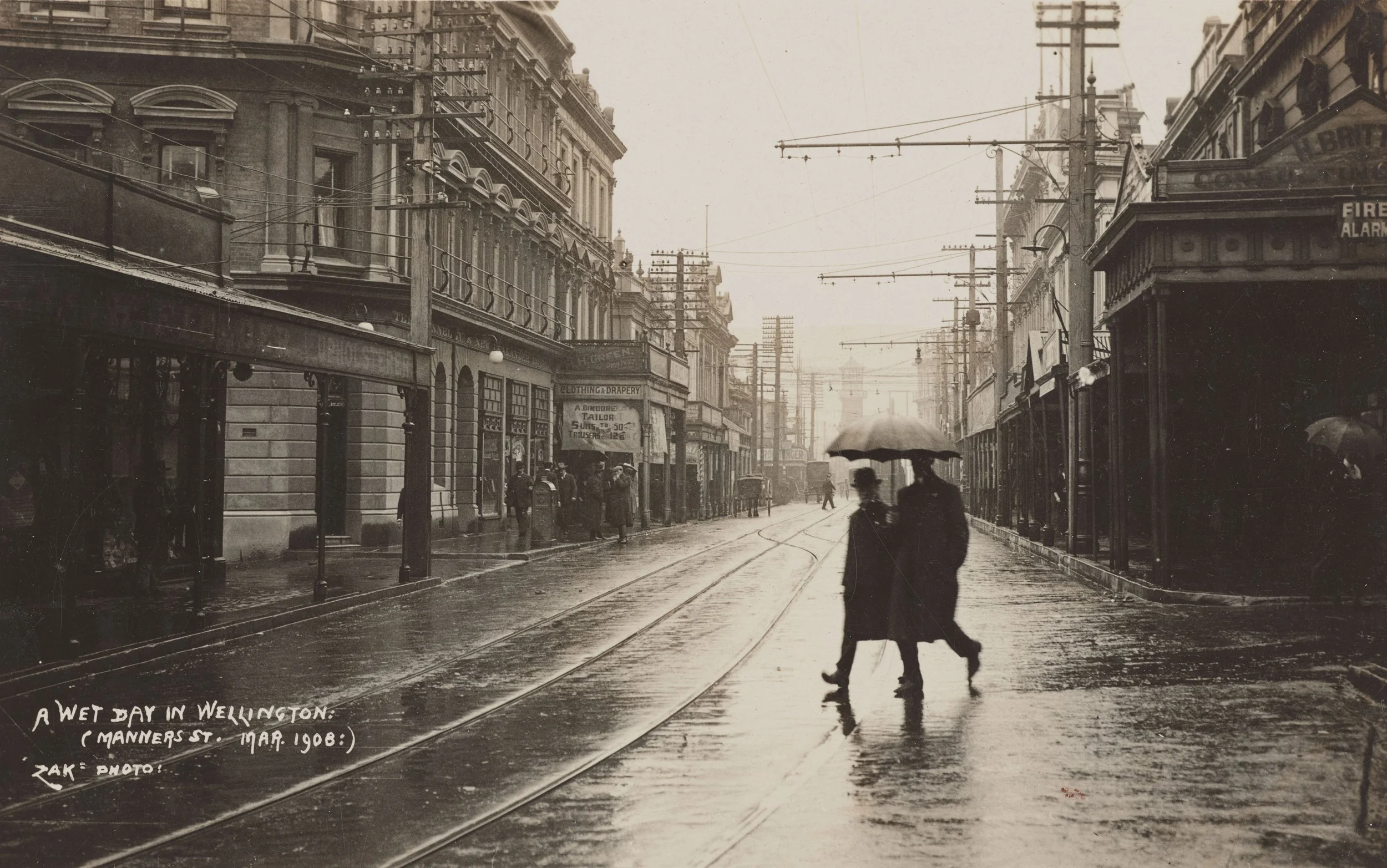
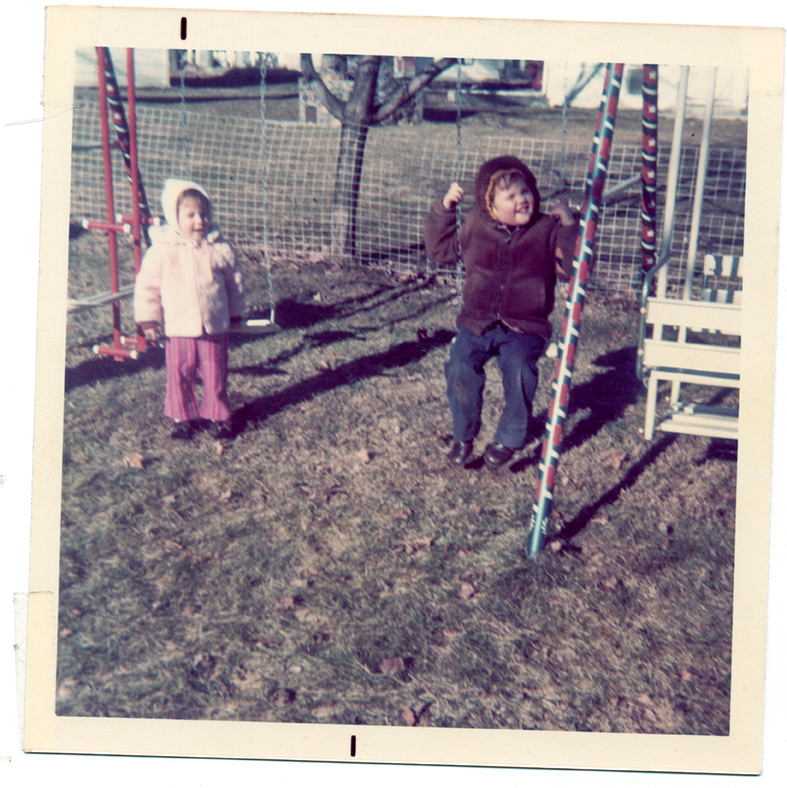
Why do we all love looking at old photos so much? The nostalgia, of course, is infectious and charming. The scalloped edges and white frames of those old black-and-white photos feel cemented in time, like artifacts of another reality.

And they are. It’s not just the fading photographs themselves that lend to this feeling, though; it’s the details within the images that resonate: the curly phone cord tethered to the wall, the wood paneling so indicative of the Seventies, the beehive hairdos of the Sixties, the shape (and size!) of our eyeglasses.
When I look back at pictures of my own son from just a few years ago, I am most drawn to those that reorient me in time. The ones that transport me back to the feelings of new motherhood in a Brooklyn apartment, and the memories of juggling work and home life.
When I shuffle through the boxes of my mom’s old photos, it’s the ones that reveal what her everyday life was like that I cherish. Sure, her high school graduation picture is stunning, and framed in my room. But the shot of her walking down a city street in her Inwood neighborhood as a teenager is compelling—I want to sit down with that young woman and be her friend; I want to hear her stories.

My mom interacting in everyday ways with my cousin Kim (left) in the Seventies, and my brother in the Eighties.
Our stories, in pictures
Our photos tell the stories of our lives. And our lives, frankly, are not merely birthdays and weddings. Our lives are lived in the in-between.
So tell those stories. Write about them, and photograph them.
Your memories matter. Why not make preserving them a priority?
Getting inspired

Photograph Copyright Kristen Lewis Photo
Browse the photo gallery of documentary family photographer Kirsten Lewis for ideas for creative ways to capture your own everyday moments artfully.
On Instagram, search #thefamilynarrative and #lifewellcaptured to see what other families are photographing (and sharing).
Got a box of disorganized photos from your childhood—or even your parents’? Go through it and find the photos showcasing everyday moments: Do you gravitate toward them? Why? Find one or two you might want to recreate from your present-day life.
Tell the stories of your photos. And no, not every story needs to have high drama or represent a major turning point to be interesting.
Track down a copy of Joe Brainard’s classic book I Remember to see how everyday memories can transform from mundane to magical.
Share your own photos on Instagram and tag @modernheirloom #photographtheeveryday —we’ll share a gallery of reader submissions in a future post!
Dawn Roode’s curated roundup for the week of Sept. 23, 2026, is overflowing with recent reads on memoir, life story writing, and family history preservation.