
Memories Matter
Featured blog Posts

READ THE LATEST POSTS

Life Story Links: June 11, 2019
Storytelling in unexpected places, piecing together personal WWII histories, plus writing prompts, Scrivener notes, and curating our own legacies.
“I thought everything you wrote had to be about England; nobody ever told me you could write about growing up in Ireland.”
—Frank McCourt
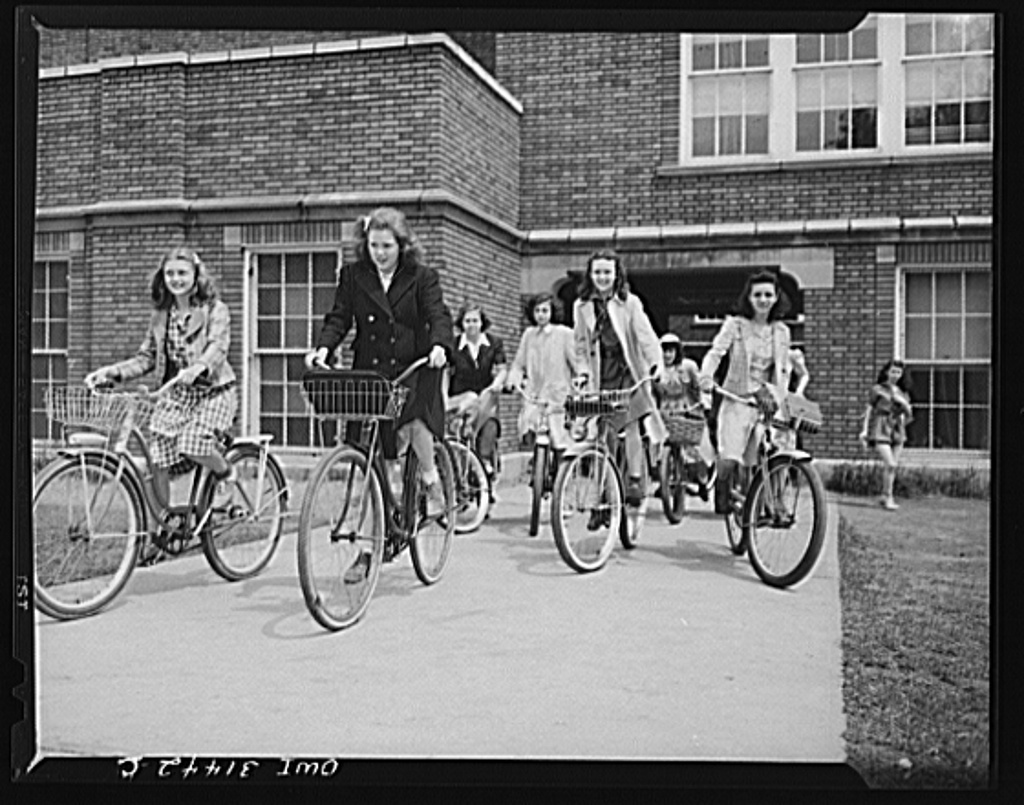
Schenectady, New York, June 1943. Photograph by Philip Bonn, courtesy Library of Congress Prints & Photographs Division.
What We Leave Behind
A MEANINGFUL LEGACY
“It’s easy to leave the house, the car, the money, the boxes of pictures,” Sarasota–based personal historian Curt Werner says. “But it’s much harder to leave pieces of yourself.”
MATTERS OF THE HEART
“I was looking for pictures that had the power to turn bitter memories into sweet. Images that said, ‘I love you more than anything.’ Images that whispered, ‘I can’t express how sorry I am to leave you.’” Mary Bergstrom curates her legacy while decorating a new home.
THE (DIGITAL) PIECES OF A LIFE
“If the only way to preserve her memories was to put together the pieces of her digital life, then we had to hack into her online accounts.” Historian Leslie Berlin recounts her desperation to break into her mother’s phone after she died.
Process of Discovery
A SCRIVENER WORKFLOW
Sarah White, whose First Person Productions is based in Madison, Wisconsin, describes her conversion from an occasional Scrivener user to a devotee who finds it “highly useful in finding the best structure for long-form writing projects.”
THE SELF-INTERVIEW
How interviewing yourself (follow-up questions and all!) can be a useful writing exercise for generating life story vignettes.
FILLING IN THE GAPS OF WWII VETERANS
“Those lauded as the Greatest Generation might just as easily be called the Quietest”—leaving family members to wish they had asked more, and to attempt to recreate their loved ones’ stories through a vast archive of war papers.
ONE FAMILY’S NUCLEAR HISTORY
“Never one to talk directly about his role as a pilot in the Second World War, my grandfather instead told my siblings and I scraps of his story that I would eventually stitch together into an incomplete whole,” Tyler Mills writes.
Storytelling in Unexpected Places
OFF THE CHARTS
“There is research that suggests when caregivers know their patients better, those patients have improved health outcomes.” See how personal storytelling is filling the gaps between patients and staff at VA hospitals.
DEPT. OF STORYTELLING
The city of Detroit has hired a Chief Storyteller. You heard that right—and with a team of storytellers on board, The Neighborhoods has become a platform that shares locals' stories and aims to change the traditional narrative surrounding the place they call home.
...and a Few More Links
Do you have (or need?) a writer’s will?
Some research suggests that events in our lives can affect the development of our children and perhaps even grandchildren.
Unique documentary series follows group of schoolchildren over six decades.
Have you listened to episodes from the new season of the StoryCorps podcast?
D-Day vet bonds with 9-year-old through the magic of music.
If you are interested in learning more about a family member who served in WWII, explore this Research a Veteran Guide.
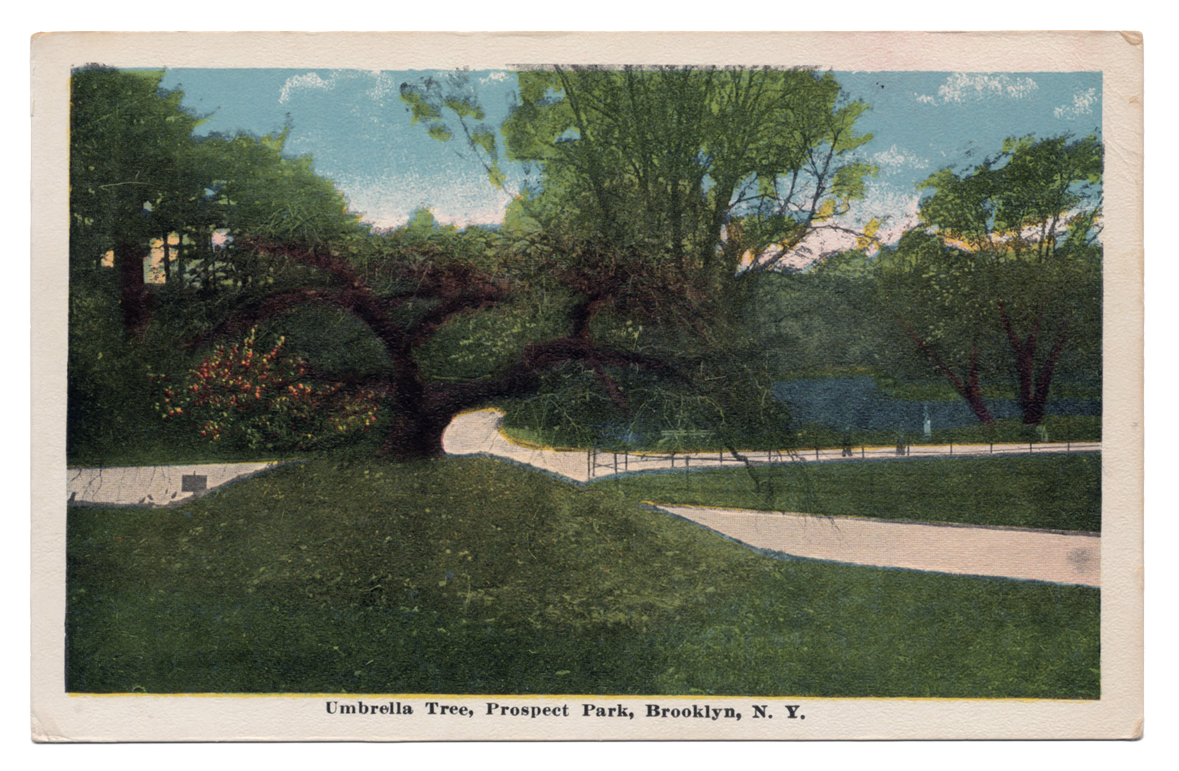
New York State substitutes for the lost 1890 census
Short Takes

Life Story Links: March 26, 2019
The symbiotic relationship between photography and memory; veteran voices and immigrant storytellers; plus lots of life story & family history audio treasures.
“Of course I have no right whatsoever to write down the truth about my life, involving as it naturally does the lives of so many other people, but I do so urged by the necessity of truth-telling, because there is no living soul who knows the complete truth; here, may be one who knows a section; and there, one who knows another section: but to the whole picture not one is initiated.”
—Vita Sackville-West

Writer Vita Sackville-West, a prolific diarist and letter writer, circa 1940
Past and Present
AMERICAN STORIES
In Search of Our Roots by Henry Louis Gates Jr. traces how 19 African Americans reclaimed their past. “All of us have ancestries defined at turns by people on the move—people with far more complicated arcs than might first appear in straight lines of descent,” he writes.
ACCESSING PAINFUL MEMORIES
“Once writing the book became the most important and life-affirming thing I could do, my nightly dreams provided me with the vivid memories that propelled me forward,” writes Holocaust survivor Max Eisen. “I was not aware of how cathartic an experience it would be.”
VETERAN VOICES
A debate about the utility and appropriateness of sharing the experiences of war has been waging over at The Havok Journal. In this three-part series writers contemplate what happens if silence becomes the story of your life; the reality of healing through sharing; and the possibility that you don’t get the chance to “work through” traumatic experiences.
THE AUDACITY OF STORYTELLERS
“If I believe that my own existence matters, I am even more confident that each of us has stories that matter,” Mary Ann Thomas writes in a piece exploring how as a nurse and writer, she works toward a culture of care.
Hear, Hear
FOR YOUR LISTENING PLEASURE
Last week I recommended three recent must-listen podcasts about memoir, narrative structure, family secrets, writing prompts, and more—and with each weighing in at under an hour, they’re easy to fit into your schedule.
AUDIO TREASURES
The Library of Congress has added 25 “audio treasures” to its National Recording Registry, including music from Jay-Z and Neil Diamond as well as a 1968 speech by Robert F. Kennedy. The oldest recordings on the list are the earliest-known recordings of Yiddish songs, made between 1901 and 1905. All of the audio treasures in the collection are available to listen to for free at the National Jukebox.
MEMORIES ON CASSETTE
Leora Troper of Portland-based Artisan Memoirs shares a brief post about why and how to digitize family stories that are currently stored on cassette tapes.
VOICES & GESTURES
In the video below, Steve Trainor of Remember Your Life Video in Hampton, Illinois, shares his enthusiasm for personal history with a local television reporter and gets to the heart of why capturing family stories now is of utmost importance. Kudos, Steve!
Photography & Memory
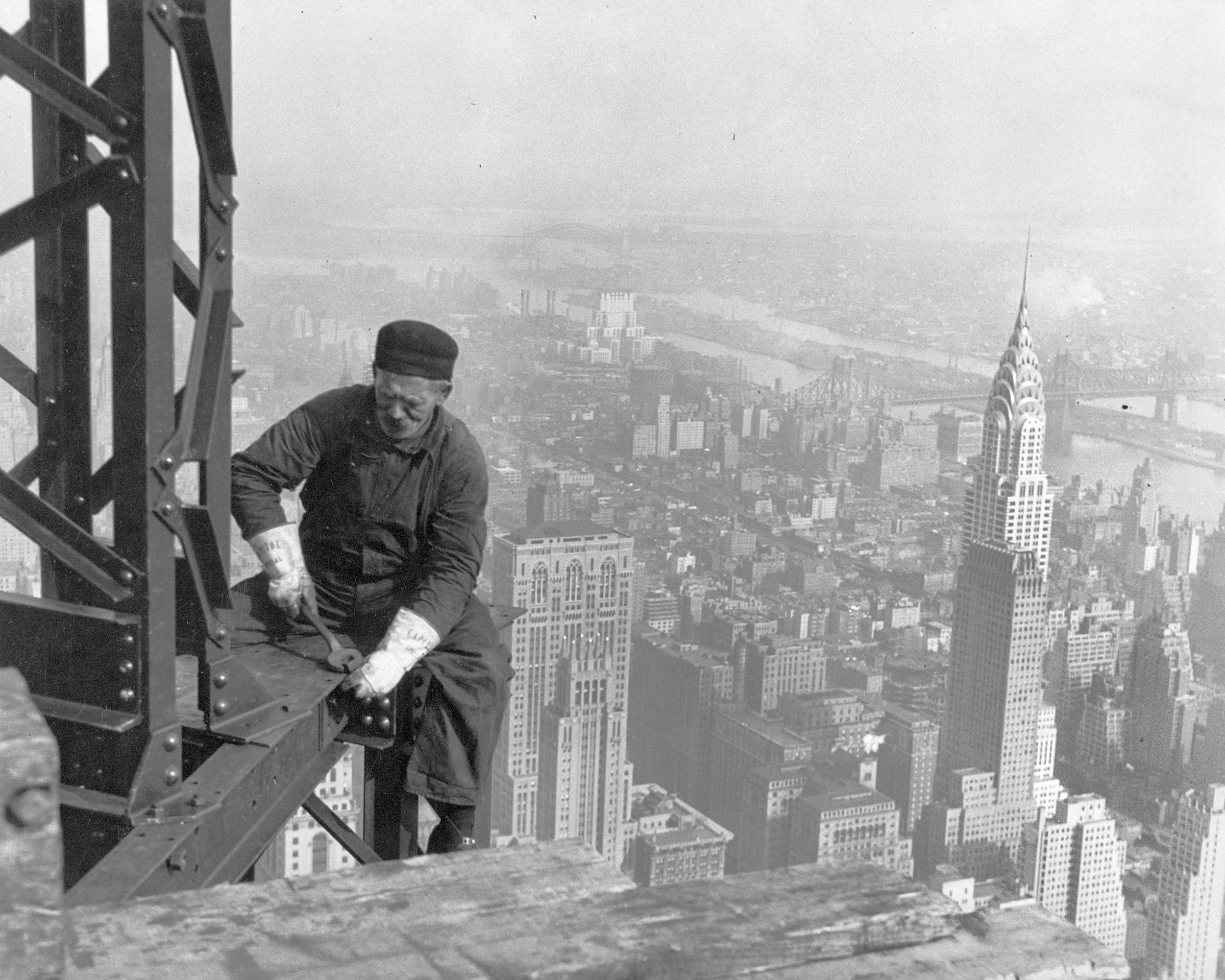
CAPTURING ‘OLD NEW YORK’
“My work is fueled by a sense of loss and nostalgia foretold,” Dimitri Mellos says of his photography project Chinatown. "The act of photographing affords me the illusory comfort that I am preserving a few bits and pieces of what life in this vibrant immigrant community has been like, in a form impervious to the passage of time.”
PHOTO CHAOS
Stumped for what to get someone you love this Mother’s Day or Father’s Day? “One of the greatest gifts that you can give to a parent is to help them to update and organize their treasure trove of photos," suggests Amy Blankson, who offers five steps to guide you through the process.
PHOTOGRAPHIC JOURNEY INTO PAST
“The sheer abundance of mementos, spilling from mobile photo galleries, bestows significance upon ordinary moments,” Veeksha Vagmita writes in this short meditation upon the nature of how memory is impacted by our photographic history, from tattered old albums to present-day phone scrolls.
TOUCH POINTS FOR INDIVIDUALS WITH MENTAL LOSS
“Touch the screen and a memory appears”: The free My House of Memories app has been designed for, and with, people living with dementia and their caregivers. It features historical photographs intended to spark meaningful conversation (personal photographs can be uploaded, as well).
Memoir Love
INSTRUCTIONAL MEMOIR, ANYONE?
”Are you a skilled cook or teacher or technician with a personal story underlying your expertise?" asks Massachusetts-based personal historian Nancy West. Consider combining a retelling of your life with information about how to do something, offering useful instructions that the reader might be able to apply directly to his or her own life.
BOOKTUBE WITH OBAMA
“It’s harder to hate up close. So let’s let each other in a bit more,” Michelle Obama says in this 10-minute interview about her bestselling memoir.
...and a Few More Links
A list to bookmark: The top 25 films that explore memory
Read the March/April issue of Hippocampus Magazine.
Sandra Day O’Connor and Alzheimer’s: a personal story
Social media sites are designed for sharing, not archiving.
Psychological counselor in India develops seven-step storytelling therapy.
An ode to (Australian) family history indexes
What will happen to our cloud-based keepsakes? A millennial’s take
Short Takes
Dawn Roode’s curated roundup for the week of Sept. 23, 2026, is overflowing with recent reads on memoir, life story writing, and family history preservation.