
Memories Matter
Featured blog Posts


READ THE LATEST POSTS
Life Story Links: August 9, 2021
A bi-weekly roundup focused on ideas and practical tips for preserving your legacy, writing about your life, and reading memoir and biography as inspiration.
“I had already planned the journey back. During quiet afternoons I spread maps onto the floor and searched out possible routes to Ceylon. But it was only in the midst of this party, among my closest friends, that I realized I would be traveling back to the family I had grown from—those relations from my parents’ generation who stood in my memory like frozen opera. I wanted to touch them into words.”
—Michael Ondaatje, Running in the Family
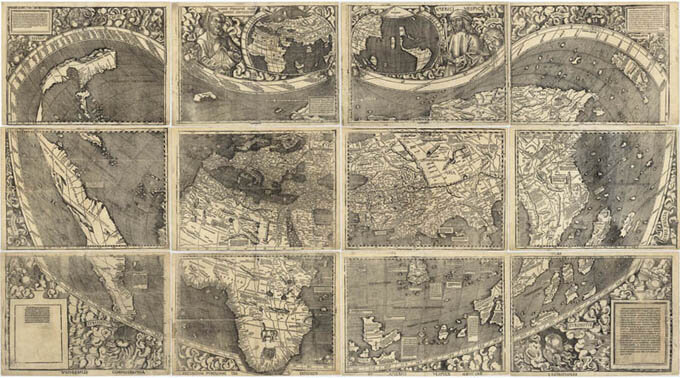
A little “on this day in history” trivia: On August 3, 1492, Christopher Columbus set sail for the New World. It is commonly believed that his contemporaries feared he would sail off the edge of the Earth, but the fact is that 15-century Europeans did not believe the Earth to be flat. This reproduction of a 1507 world map by Martin Waldseemuller (image courtesy of Library of Congress) is the first to label America and show it as a separate land mass.
What’s New in Memoir & Biography
FORWARD GLANCE TO POSTERITY
American writer Shirley Jackson “fully expected her correspondence to be published one day. (She implored her parents to save everything she wrote to them.)” This newly collected collection of her letters covers a range of quotidian concerns as well as her experience making a living as a writer while raising four children.
BY QIAN JULIE WANG
“Searing and unforgettable, Beautiful Country is an essential American story about a family fracturing under the weight of invisibility, and a girl coming of age in the shadows, who never stops seeking the light.”
AN EXPANSIVE BIOGRAPHY
“Even at the end of this extraordinarily intimate book, Mildred remains somewhat of an enigma. ‘Despite her wish to remain invisible,’ Donner writes, ‘she left a trail for us to follow.’” Why All the Frequent Troubles of Our Days is “a remarkable work of family history.”
HAPPY-GO-LUCKY
“‘Who are you?’ I want to ask the gentle gnome in front of me. ‘And what have you done with Lou Sedaris?’” A new personal essay by David Sedaris charms and intrigues.
Storytelling Miscellany
OPENING QUESTIONS
Last week I wrote about my three favorite questions to start a personal history interview with, and when to use each to initiate free-flowing and interesting family stories.
VISUALIZING FORGOTTEN STORIES
“Are women real keepers of our past? … How important in the context of collective memory is personal history, and should it be part of the school textbook? Is it possible that the carefully listened story will teach us sensitivity and openness to other people?” Questions raised by the Art & Memory exhibit based on oral histories of Polish women’s wartime memories.
FROM SUITCASE TO THE CLOUD
A new advertising campaign for cloud storage provider Dropbox portrays the company as a trusted partner for storing—and sharing—our most cherished digital mementos. Here’s a clip:
Learning from Memoir Masters
ANNE LAMOTT, UNCENSORED
“Now, we all love stories about ourselves, right? That’s what the tribal storyteller tells. And that’s what people like about my stories, because they’re the stuff in me that I know is universal and holds up a mirror to them.” Anne Lamott in conversation with Tim Ferriss about “the really real,” the writing life, and so much more.
BETH KEPHART, REFLECTIVE
Through teaching memoir, Beth Kephart has explored “how it feels to go unseen, how the fear creeps in when our stories keep their distance, how it is essential, always, to live with purpose so that we might write with meaning.”
Leaving a Legacy
ETHICAL WILLS
“You might make the mistake of believing you are in control of your legacy, when it is largely determined by the people who have been influenced by you in some way.” Massachusetts–based personal historian Susan Turnbull offers two-hour ethical will workshops.
INHERITING STORIES—AND RESPONSIBILITY
As the generation that experienced the world’s first atomic attack fades away, Hiroshima is training younger volunteers to share the experiences of nuclear survivors. The memory keepers, called denshosha, spend three years learning to tell a survivor’s story as the survivor wants it told.
LIFE WRITING AS RESPONSIBILITY
“Without stories imparted from grandmother to mother, to son to daughter, our DNA is as sterile as computer code, a raw set commands with no context.” A co-founder of Biograph on preserving generational wealth through intergenerational storytelling.
...and a Few More Links
Book publishing cost calculator: What to expect to pay for everything from manuscript editing to promotion
“Don’t be afraid to tell your stories. The world will be better because you tell them.”
Google Photos releases a memories widget for Android.
Show-and-tell for grownups in Toronto
Tips for how to make photography help, not harm, your memories
A list of things millenial kids might actually want to inherit from their parents (hint: they all involve family memories!)
Short Takes

Life Story Links: July 27, 2021
An array of reads for memory-keepers of all kinds including great autobiographical writing, thoughts on what we remember, and the stories within our heirlooms.
“If any one faculty of our nature may be called more wonderful than the rest, I do think it is memory. There seems something more sneakingly incomprehensible in the powers, the failures, the inequalities of memory, than in any other of our intelligences. The memory is sometimes so retentive, so serviceable, so obedient; at others, so bewildered and so weak; and at others again, so tyrannic, so beyond control! We are to be sure a miracle every way—but our powers of recollecting and of forgetting, do seem peculiarly past finding out.”
—Jane Austen’s Fanny Price, Mansfield Park
Vintage postcard, “Two of a Kind” (1898 - 1931), courtesy The Miriam and Ira D. Wallach Division of Art, Prints and Photographs: Photography Collection, The New York Public Library Digital Collection.
Recent Autobiographical Writing Worth Your Time
“A VERY GOOD LIAR”
“My mother is home from the hospital after being sick, and I want to stay close to her. It is a beautiful day outside, but I would rather be here, inside with her, than outside playing. I am seven, in the second grade.”
RECOLLECTIONS OF HER MOTHER
“Years later, while staring out my Brooklyn apartment window, [my mother] said with genuine bafflement, ‘I assumed you kids would be exactly like me. It horrified me that you weren’t. You were a separate narrative.’” Bex O’Brian on her wildly permissive mother.
A BRIEF HISTORY OF AN APOLLO MISSION WALK
“Pulling a two-wheeled, rickshaw-like contraption for their tools and rock samples, they set out confident that they knew just where the crater was—‘right over that way,’ as Mitchell put it.” A captivating third-person look at what it was like to walk on the moon in the summer of 1971.
On Film
A RECORD OF PIONEER LIFE
Lora Webb Nichols created an intimate record of Wyoming in the early twentieth century including what “might be the largest photographic record of this era and region in existence.” Browse not only her photographs but also transcripts of her diaries (1897-1907) and an unfinished manuscript for her memoir, I Remember, via the American Heritage Center.
ONE MAN’S QUEST FOR HAPPINESS
Filmmaker Morgan Neville, who “specializes in unknotting the real story from the public narrative,” says it was helpful that he never met the subject of his most recent documentary, Anthony Bourdain.
What Gets Remembered
LET THE MEMORIES BEGIN
After months in lockdown, we all seem keen to “make memories”—memories that “will become, we hope, stories we will tell and retell, cherished flashbacks that will become part of our personal history.” But can we really ‘make’ them?
TELL YOUR STORIES, IN SPITE OF IT ALL
Two things no one tells you about writing your own story: that it can be really hard (but it’s still worth the effort), and that your family members might not care (but they will, one day)
Heartfelt Possessions Hold Memories
A PRICELESS MEMORY BANK
“While a picture may be worth a thousand words, a captioned photograph is worth at least double that.” Ally Bunbury on the comfort to be found in memories and remembering.
THE BOOK OF OUIDA
“I felt a bit of her soul attached to those objects, talismans that would make me feel like I was closer to her,” HGTV star Erin Napier says of her grandmother’s things. But it was finding her Mammaw’s handwritten recipes that was the real family treasure.
ARTIFACT, RESTORED
“An amateur genealogist, he cared less about preserving the Book of Psalms…than the family history—the first of it penned by his great-great-great-great-grandmother.” A man’s 250-year-old family Bible is brought back to life—and good for another century.
USED WITH LOVE
“Not only do heirlooms matter more when they have a story, but they are treasured when we associate them with love,” writes Elizabeth Thomas, a personal historian based in Salt Lake City. How to continue infusing those objects with love? Use them, of course!
...and a Few More Links
Prince Harry to publish memoir next year that he calls “wholly truthful.”
Family History Library reopens after long pandemic closure.
Library's vintage postcard collection is a timeline of Phoenix history.
Archivists at the University of Michigan-Flint campus hope to write history books from the perspective of “real” people.
Memoir review: Crossing the River: Seven Stories that Saved My Life by Carol Smith
Personal history gift ideas for celebrating the trailblazing women in your life
Short Takes

Life Story Links: July 6, 2021
During this Fourth of July week our roundup includes thoughtful pieces on the nature of memory, how vulnerable to get in autobiographical writing, and more.
“There were so many stories in just her life alone. And what about all the lives before and after her? The mothers and daughters that had bred her, that had bred me, that I myself would breed? I sat there fingering the crinkling, yellowed diary with new energy now and lost in thought.”
—Carmit Delman, Burnt Bread and Chutney
Foster’s Freeze ice cream stand in Cloverdale, California, photographed by John Margolies, 1991, part of his Roadside America photograph archive (1972-2008), courtesy Library of Congress, Prints and Photographs Division.
From the Research Files
GRIEF, A TIMELESS EMOTION
Holding onto everyday items as keepsakes when a loved one dies was as commonplace in prehistory as it is today, a new study suggests. “Even the most mundane objects can take on special significance if they become tangible reminders of loved ones no longer physically with us,” archaeologist and author Lindsey Büster says.
MEMORY WORKS
After reading Lisa Genova’s new book Remember, I wrote about why understanding the basics of how our brains encode memory can help us both remember the things we want in the future and retrieve precious memories from our past.
Our Lives in Stories
A BLACK FAMILY KEEPSAKE
“All That She Carried focuses on a worn, cotton bag given to a girl by her enslaved mother before the child’s imminent sale. The sack would re-emerge decades later, adorned with [an] embroidered family history.”
VULNERABILITY AS A TOOL
“The thing that’s so difficult about personal essays is that they’re awfully personal. There’s an answer to this conundrum, and it has to do with cows.” Jess Zimmerman on being vulnerable in first-person writing.
THE THERAPEUTIC EFFECTS OF STORY SHARING
“I had all the material for my book, and I needed to guard my time to write it. But she was reluctant to give up my undivided attention.” Debra Dean on the complex relationship between subject and biographer.
“A RIP VAN WINKLE HOLIDAY”
Pam Pacelli Cooper reflects on how different this Fourth of July is from last—what was lost, what’s still here—and why it’s important to preserve our memories “before they are papered over and lost forever.”
...and a Few More Links
Are self-hosted photo management apps strong alternatives to Google Photos?
“You will very normally forget most of your life.” A Q&A with Remember author Lisa Genova
Three personal historians highlight their pandemic quest for home in varied media.
Short Takes


Life Story Links: June 22, 2021
This week's curated list for family historians, memory-keepers, and memoirists includes new book reviews, great first-person reads & thoughts on story sharing.
“For many who reminisce, the story—the end product—is the most important outcome; but for others it is the therapeutic process of revisiting and reconsidering memories which is more important.”
—Barbara Haight
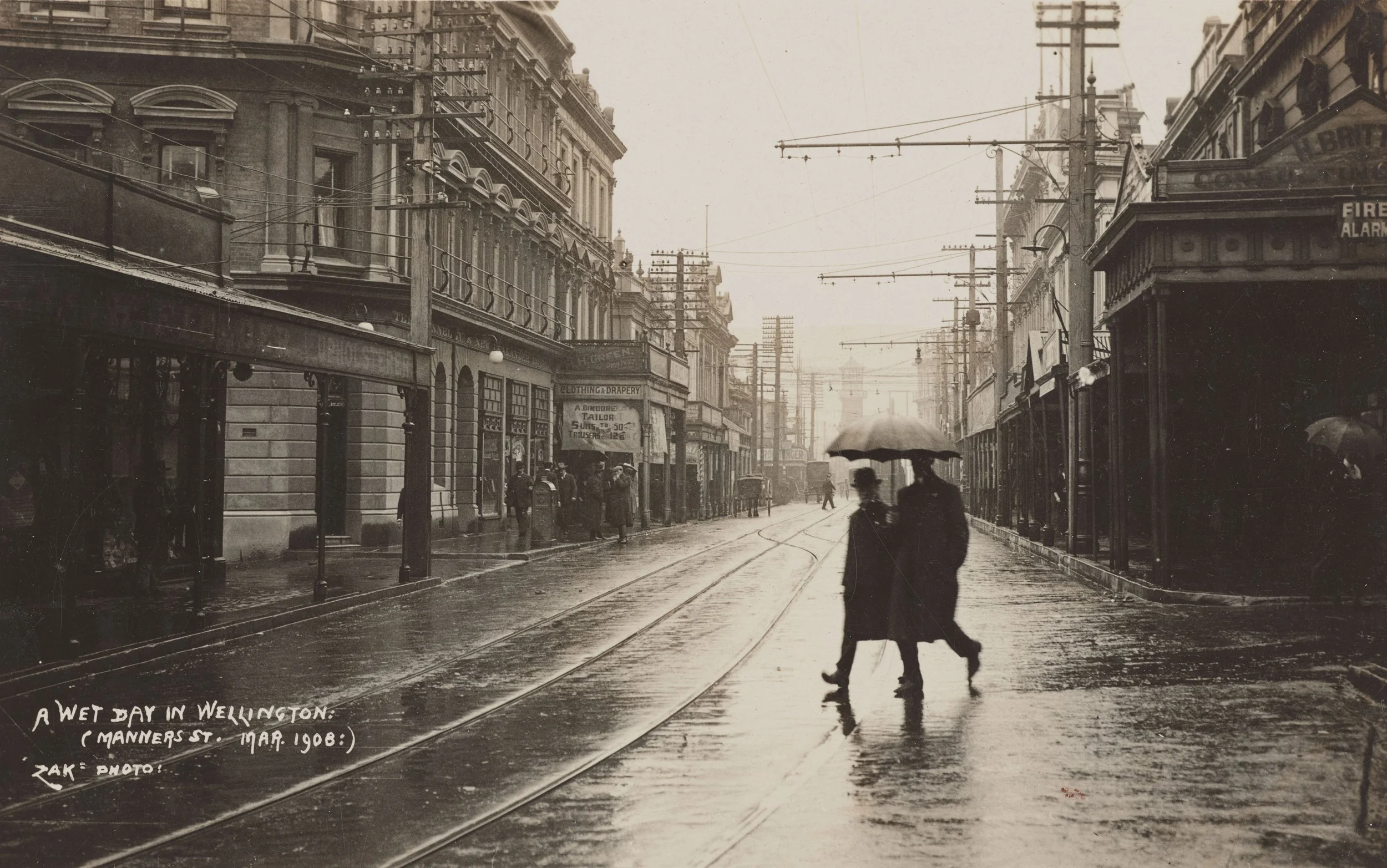
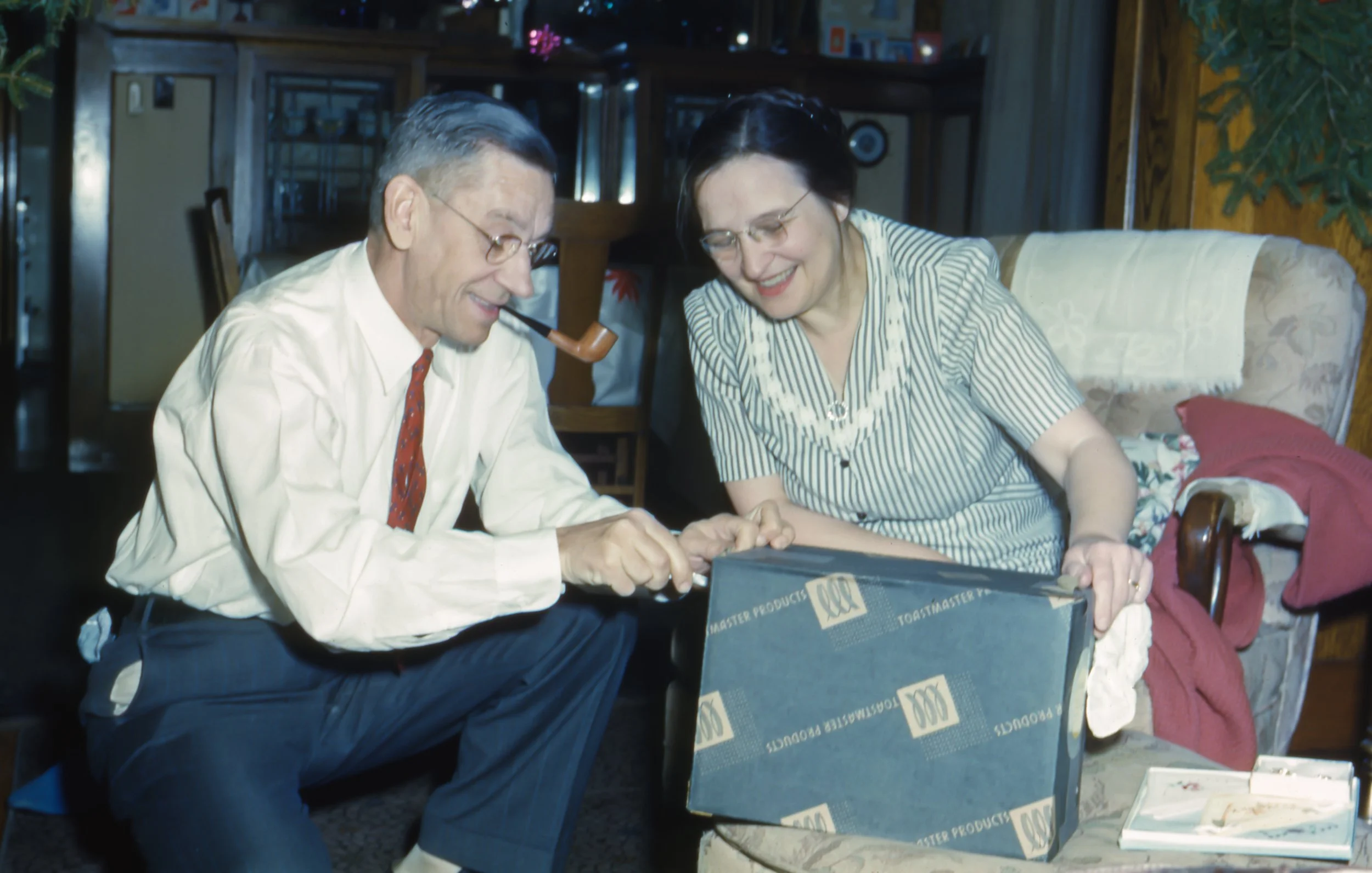
Vintage photo for LIFE magazine; uncredited. © Time.
Objects of Affection
BETWEEN THE PAGES
A visit to novelist Philip Roth’s personal collection at the Newark Public Library in New Jersey (just opened on June 8) promises to delight with books crammed with Roth’s handwritten marginalia, personal letters tucked between pages, and one of seven scrapbooks his mother kept about his life.
“MY FATHER’S SHOES”
“His dress shoes, wingtips and oxfords told a straightforward story.... But the beat-up shoes he wore at home and in the yard were mysteries, and their images lingered with me,” Clorisa Phillips writes in this short personal essay.
Memoirs & Personal Essays of Note
TRAVEL GUIDE TO THE HEART
“Even though [Bad Tourist] is full of exciting, accidental, ill-advised experiences while on the road, [Suzanne] Roberts just as deftly moves into writing about those moments when “the world itself shifted” and finds the deeper revelations in her discomfort.”
CHILDHOOD, CATHOLICISM, AND CONFESSION
“We were a baptized bunch, but regular church attendance was never on the menu…. If Sunday was the Lord’s day, we were only taught to pray to the gods of the split-finger fastball and John Wayne.” A delightful excerpt from Danielle Henderson’s new memoir The Ugly Cry.
“THE MIGRANT RAIN”
“All this lives on in me, in the tense and aching body I’ve inherited. They are the things that make these words possible. This is how the story, with its many gaps, continues.” Vinh Nguyen is haunted by the ghosts of migration.
PROOF OF LIFE
A theorem has a teleological cast; one idea follows another, in a steady march toward a concise conclusion. A life isn’t necessarily like that. My dad still marvels at a career and a life that he never could have anticipated.
A YEAR IN THE LIFE OF A 16-YEAR-OLD ACTIVIST
From the diaries of teenage naturalist Dara McAnulty: “Mum thinks I invented this memory from a photograph, because I wasn’t even two years old. But I’m convinced it’s real. Maybe I processed more of it when I was older, attached new memories, but that moment left such a deep, warm feeling.”
Stories Told, Stories Received
IT TAKES TWO
Did you ever notice how magical it can be when two people swap personal stories? Last week I wrote about the top three benefits of having an engaged listener to your stories.
WE BELONG TO EACH OTHER
StoryCorps has released a new season of animated shorts that bring poignant moments from participants’ interviews to life. I was moved by this one in which a grandson recounts his relationship with his grandmother, his “first roommate”:
CHAIN OF REMEMBRANCE
“What might I pass along that will be experienced—by those I will someday leave behind, and those to come—as something of value?” Andy Schmookler embarks of what he calls “the heirloom project.”
A SURVIVOR’S LEGACY
Chicagoan Fritzie Fritzshall, a survivor of the Auschwitz concentration camp, recently died at the age of 91; she dedicated her life to fighting against hatred. In the clip below, she remembers a family member who saved her life:
...and a Few More Links
Ever read a graphic memoir? Check out a brief excerpt by Rebecca Hall (I recommend viewing on a full screen).
Lisa Kagan of Family Heirloom Arts has released a new book, Coming Home to Myself.
Short Takes

Life Story Links: June 8, 2021
This week's curated reading list includes a handful of stories about the nature of memory and a wealth of good stuff related to memoir and life storytelling.
“People are story”
—Faith Gibson
1917 photograph of lifeguards on the beach in Long Beach, New Jersey, by M. Highsmith, part of her America Project; courtesy of the Carol M. Highsmith Archive, Library of Congress, Prints and Photographs Division.
Treasures from the Past
A CHRONICLE OF HISTORY
Until Anneliese M. Bruner was given a small book bound in red cloth that had been written by her grandmother in 1921, she never knew anyone in her family had been witness to the Tulsa race massacre. “There was no indication that this event had ever happened within my very own family,” she says.
FOUND: FAMILY PHOTO LEGACY
“Hopefully, by reclaiming my mom’s visual heritage, I’ve led the way to healing a bit of her past trauma,” writes Zoe Morrison, a digital archivist based in Florida who tracked down her mother’s family photos decades after they were lost.
The Nature of Memory
“GISTIFICATION”
“New research suggests that much like analog-era photos get washed out and lose perceptual details over time, vivid memories lose their feature-specific clarity through a process of ‘semantization’ or repeated remembering that only focuses on a memory's core elements.”
ON RETRIEVING MEMORIES
“Memory has sights and sounds and smells and emotions associated with it. Can we find those elements and say this is what the totality of one particular memory physically looks like?” Experiments over the years that have shed light on how our brains recover past experiences.
THE SCIENCE OF MEMORY
Neuroscientist Lisa Genova, author of the new book Remember, joins Kate and Oliver Hudson on their podcast to discuss what you need to create memories and why we remember only certain things.
Memoir & More
WRITING HER MOTHER
In Pure Flame: A Legacy, “Michelle Orange skirts the traps of the mother-daughter memoir by going beyond personal history. She interleaves memories of her mother and maternal grandmother with discussions of writing” by famous women, revealing differing views on feminism and motherhood.
WASHED ASHORE
“Each of us has a story, a need for connection, and a sense of whimsy. It’s a deeply human thing to share our thoughts, roll them up, and tuck them neatly inside a bottle…”
‘A RESPONSIBILITY TO REMEMBER’
Unsinkable tells the story of two brothers whose paths crossed on a ship, the USS Plunkett, in WWII. It builds upon a story that one brother told his family repeatedly over the years; and is fleshed out by a nephew who went digging into archives and interviewed shipmates to satisfy his curiosity—and tell a bigger story.
AN ARRAY OF VOICES
“I thought it was such a beautiful thing to have this literal chorus of voices speaking the truth of the African American experience.” The epic audiobook Four Hundred Souls gives voice to a community history of African Americans.
THE INEXHAUSTIBLE STORY OF YOU
“You are writing to bridge yourself to yourself, you’re writing to bridge yourself to family, and you are writing so that who you are in the moment that you are writing will always be there with you.” Beth Kephart in conversation with Alisha Crossley on the art of memoir:
TRUTH BE TOLD
“Some of these books were written by journalists, and a number were penned by writers who wedded research or oral histories to memoir.” Daisy Hernández investigates the intersection between journalism and memoir.
“THE ME YOU CAN’T SEE”
“Just sitting down and listening to somebody, there’s joy in that.” This new docuseries (preview above)—with storytelling at its core—aims to explore varied individuals’ experiences and shine a light on, simply, why we feel the way we do. As all personal historians know and preach, understanding comes from shared experience.
...and a Few More Links
An exploration: What’s worth recording, worth remembering?
The Creative Family Historian offers up ideas for using stock photos in family history books.
The pandemic is “a test case for the making of global memory in the new media ecology.”

Life Story Links: May 25, 2021
A curated reading list for memory-keepers, memoirists, family historians & storytellers for the week of May 24, 2021, including inspiring first-person writing.
“The only thing that counts in your journal is your passion and the freedom to write what is in your heart. This is your life, your portrait, and the person you are choosing to become all rolled up into one. Be juicy.”
—Terry Tempest Williams

Vintage postcard, circa 1915, depicting the Brooklyn Bridge and New York skyline, courtesy of the Miriam and Ira D. Wallach Division of Art, Prints and Photographs: Picture Collection, The New York Public Library Digital Collections.
Preserving Our History
RECORDING RESOURCES
“Our elders have rich stories to share. There’s no better time than now to sit down and hit Record.” Wired magazine turns its attention to using technology to capture family history.
THROUGH A NEW LENS
Having conducted 250 interviews over a decade, Luke Holland’s documentary Final Account aims to preserve the memories of Germans who lived through the Holocaust. “The USC Shoah Foundation will incorporate these ‘perpetrator testimonies’ into its program for high-school students, preserving the recollections of this last surviving generation for posterity.”
Pictures & Stories
DIGITAL PHOTO MEMORIES
When Google Photos’ free storage ends on June 1, should you upgrade to a paid plan? The Wall Street Journal reports on cloud photo-backup options for ensuring that your family photo archive is preserved.
DON’T DO THIS
There’s one big mistake people make when resizing their digital photos for print, and I am on a mission to help you all avoid it.
BATTLE OF THE SUBWAY MAPS
When is a single conversation worthy of being recounted in a book? In this case, when the resulting decisions impacted both how NYC residents got around for decades and how designers approached real-world challenges.
The Stuff of Life
“THE THINGY-NESS OF THINGS”
“The odd object essay cannot hinge on ‘this tchotchke reminds me of my mother,’” Kren Babine writes. “Memory is faulty, subject to a thousand factors, and evidence—an object which shows that something exists or is true—holds no inherent value, because it is always subject to interpretation.”
HOUSE AS HOME
“As memoir writers we must ultimately wrestle with our beliefs about home.” Beth Kephart suggests a handful of starting places for writing the places that raised us.
FAVORITE THINGS
“Our thumbprints are all over the items we have collected and saved over the years.” Kate Manahan, an oral historian in Maine, finds that “for some people, talking about the things they love is just way easier than telling a ‘story.’”
MITIGATING OUR LOSSES
When disaster strikes, the loss of family treasures can be an unfortunate and devastating consequence. Archivist Rachael Woody offers help for channeling your emotional response into action, and preparing those treasures for the worst (checklist included).
Recent First-Person Reads Worth Your Time
VISITING (DEAD) ANCESTORS IN PRAGUE
“While couples embrace, while college students drink pivo, Czech beer, while parents push strollers, their kids licking zmrzlina, ice cream dribbling down chins from August heat, I curve inward with the weight of inherited memory.” Claire Sicherman connects her 13-year-old son with his roots.
LEARNING TO FIGHT
“Did I need to train like a superhero just to be a person in America? Maybe,” Alexander Chee, author of the essay collection How to Write an Autobiographical Novel, writes. “But if I thought of superheroes, it was because my father was like one to me, training me to be like him.”
DEPOSITS IN THE BANK OF MEMORY
“Something came into my head, and it was this: I must remember this moment for the rest of my life. It was a random resolution that arrived with the force of an epiphany.” Stephen Harrigan writes about his lifelong need for dropping memory anchors.
OUTSIDE, INSIDE
“The first time I dressed in men’s clothes, I looked in the mirror and cried. I pressed myself against the reflection. I wanted to press myself to the other side.” SJ Sindu writes “A Measure of Men.”
GOD AND GHOSTS
“My brother granted it was probably for the best that I didn’t attend the funeral. I was still in middle-school at the time and didn’t exactly have the neural wherewithal to process that sort of thing.” Barrett Swanson on the ones we leave behind.
...and a Few More Links
Registration is open for HippoCamp: A Conference for Creative Nonfiction Writers.
Book review: The Best of Brevity, an anthology celebrating the online journal’s 20 years of publishing flash creative nonfiction
New celebrity memoirs of interest: Rememberings by Sinead O’Connor and Brat by Andrew McCarthy
Short Takes
Life Story Links: May 11, 2021
Your biweekly dose of all things personal history—including fresh first person reads, photo printing help, and lots about the memories held in our possessions.
“One of the most significant facts about us may finally be that we all begin with the natural equipment to live a thousand kinds of life but end in the end having lived only one.”
—Clifford Geertz

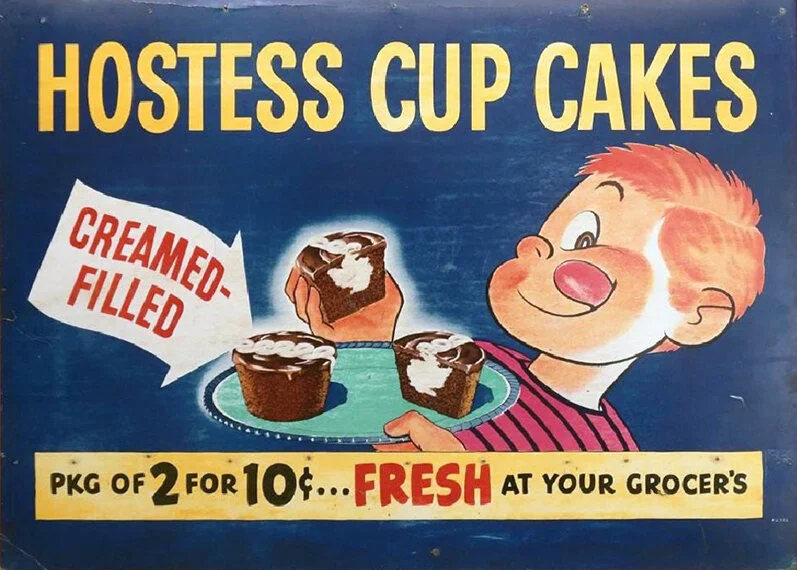
Yes, today is Hostess Cupcake Day here in the United States! Rather than indulging in the sugary treat, let’s celebrate with a vintage advertisement, shall we?
Discover: Recent First Person Reads I’ve Loved
“MY MOTHER IN THERE”
A few weeks after her mother dies, writes Marie Mutsuki Mockett, “I am forgetting that my mother was sick. Her essence has clarified…and my mind is furiously picking through memories, panning for gold, holding on to the nuggets that were her.”
LIFE IN MINIATURE
“More recently, I’ve felt that the worthier challenge may lie not in resisting the occasional backwards glance, but in trying to see that child [I was] and her fictions with compassionate eyes.” Kate Guadagnino on the solace of her childhood dollhouse.
FIGHTING THE INEVITABLE
“The ‘law’ was passed down in my family like a hideous heirloom.” Anna Dorn on doing everything possible not to follow in her father’s footsteps.
“WHAT ARE YOU WAITING FOR?”
“I never tired of talking to [my nieces and nephews] or playing with them; I’d happily volunteer for their parents’ less-favorite tasks, from diaper changes to dips in the pool. Pregnancy, though, still felt future state. But it would happen when the time was right. Right? Right.” Shelia Monaghan on the legacy of children.
Mementos, Memories, and Overwhelm
DISASSEMBLING A LIFE
Literary left-wing legend Frances Goldin had hoped that after she died, friends and loved ones could hold a “potluck shiva” in her home, “where people could take memorabilia and items they wanted or needed or that she had designated for them, while celebrating her life.” Covid had other ideas.
GRIEF, HIDDEN IN A STORAGE LOCKER
“My mother was kind and overly loving, yet she’d never told me about her life before me.” More than a decade after her mother’s death, Blake Turck finally has the emotional resolve to go through the stuff of her mom’s life—and learns that memories live inside us, not in things.
TCHOTCHKE CHALLENGES
“Especially with items of high sentimental and low financial value, documenting and sharing the stories and feelings associated with possessions can be a big step toward letting go.” Philadelphia–based personal historian Clémence R. Scouten offers advice for dealing with passed-down items to which we may hold an emotional attachment.
An Instinct to Preserve
FIGURING IT OUT AS SHE GOES
“Part of why I write about my own life, it’s my attempt to freeze all this ceaseless, endless, constant change,” says Alison Bechdel about her new memoir. “I just want to put down something that doesn’t move. Life is change.”
RECORDING LIFE
This senior “began making books for [each of her four children] on the day they were born, and presented each with a personal life history on their 60th birthday.” Now she is typing her memoir on a laptop her kids gave her.
VIDEO: UNINTENDED MEMOIR
Amy Tan: Unintended Memoir is an “intimate portrait [featuring] archival home movies, personal photographs,…as well as new interviews with Tan,” who speaks about traumas in her life and how writing helped her heal.
JEWISH STORY PARTNERS
“There is nothing like storytelling to foster connections and help us understand life’s deepest truths.” A new foundation aims to expand the range of stories told about Jewish lives.
Nitty Gritty Help
UM, WHY SO SMALL?
When many members of a family are contributing images to a memory book, chances are some of those pictures (maybe even your own) will not print well. Here are three common digital photo mistakes and how to avoid them.
...and a Few More Links
three new books about memory—and keeping it sharp
interesting infographic on the power of storytelling
Author Rachel Kushner’s new essay collection includes “eloquently written features about her personal history that are equal parts gripping and revealing.”
“The pandemic shaped my family for generations. Not COVID—the 1918 flu”
A new biography of Marjorie Kinnan Rawlings, author of The Yearling
Short Takes

Life Story Links: April 27, 2021
For memory-keepers: A curated collection of recent stories about memoir (reviews & first person excerpts) and family history (as preserved through narrative).
“In guided autobiography, we encourage the use of metaphors; in the case of major branching points in life, we ask, ‘If your life is like a river, what caused it to flow in the directions it did?’”
—James Birren

Today, April 27, is National Tell a Story Day. This vintage photograph by Russell Lee shows the wife of a Farm Security Administration client reading to her son, April 1939. Image courtesy Library of Congress Digital Archive.
Exploring Family History Through Narrative
“THE WHOLE STORY“
“Listen to the songs your ancestors sing to you. Be mindful of the songs you sing to others.” The 2021 UCSF Last Lecture, delivered by Peter Chin-Hong, MD, encouraged exploring one’s personal history in order to find one’s true voice.
HERITAGE, QUESTIONS, STORIES
“We can’t tell the full story without each other.” Two women researched slavery in their family, but what they discovered held different meaning for each.
FORGING MEANING FROM TOUGH TIMES
“Survival becomes a pivotal point in our story that needs to be preserved. It is the part of our story that reminds us what we are capable of, what we can endure, and what we overcame.” Lisa Lombardi O’Reilly on “the times that remind.”
“DEAR FAMILY…”
Collected letters from Australian and New Zealand soldiers “held a sense of mana in the families, keeping the memory alive of someone that, in some cases, had died over a 100 years ago.”
MY GRANDMOTHER, THE SPY
“I was going through her things and found myself staring at a letter that I had seen in childhood and I didn't really understand. It had to do with some sort of covert work she had done for the British.” In a new podcast Enid Zentelis shares the story of her grandmother, who she learned was a WWII spy:

Click the image for a 3-minute video about Enid Zentelis’s mission to learn the truth about her late grandmother, a Hungarian-Jewish Holocaust survivor—and a spy. “I wondered how I could serve my grandmother’s story, and simultaneously communicate the effects of generational trauma; the way some family members succumb to it, and the way others turned it into a source of strength and determination,” Zentelis says.
Recommended First Person Reads
LOW COUNTRY LEGENDS
“Were those really the voices of loved ones long gone who called out my name in subway cars and expensive restaurants and while I brushed my teeth?” J. Nicole Jones on familiar ghosts and family legacies.
CROSSING BORDERS
“‘Berlin? Seriously?’ my Jewish friends marveled. If you want to bring conversation to a halt at your local Purim carnival, try mentioning that you’re relocating to the city where the Gestapo was headquartered.” Laura Moser on moving to the neighborhood where her grandfather lived before fleeing the Nazis.
LIFE IN THE DARK CITY
“When you are forty-three in New York City, raising children, you have already lost the New York that mattered to you at age twenty-three. The loss I am talking about is something else entirely.” Emily Raboteau on pandemic NYC.
THEIR STORIES ARE OUR STORIES
“Our stories are even richer and more complicated than we sometimes realize, especially stories that are the most familiar to us, the stories that have been passed down.” Menachem Kaiser in conversation about the ever-evolving nature of Holocaust memory and storytelling.
WRITING THROUGH GRIEF
“I wanted to write that person, share her writings, immortalize her in a small way—she who had not been able to author her legacy.” Maryanne O'Hara on turning to personal writing in the wake of her daughter’s death.
Hodgepodge
STORIES UNTOLD
“My life is not interesting enough” and “it’s too self-centered to write my memoir” top the list of reasons I hear for not writing about one’s life. Click to read about why I think these reasons are bunk.
FOUR MEMOIRS WITH REMARKABLY DIFFERENT APPROACHES
The University of Pennsylvania’s alumni magazine turns its attention to the writing lives of four of its cohorts including stories about “middle school memories, meditations on motherhood, a prismatic accounting of the self, and a long life well and furiously lived.”
AN ARCHIVAL PROJECT IN THE AGE OF COVID-19
In “Portraits of an Epicenter: NYC in Lockdown,” a group of creative college students share photo essays and written reflections of living through the pandemic. “Although the city was unified in this experience, no two experiences of the lockdown were the same.”
HONOR HER STORY
Mali Bain, a personal historian in British Columbia, Canada, says she has been inspired by her clients’ unique ideas for Mother’s Day gifts. Here, she shares a few of them.
Virtual Events that May Interest You
April 30: First conference of International Institute for Reminiscence and Life Review at its new home, UCONN School of Nursing
May 1: Virtual (paid) workshop: “The Power of a Legacy Letter and How to Write One”
May 19: Storykeep presents a free live webinar to acquaint you with private podcasting, a new tool for documenting and sharing family narratives and connecting family across generations.
...and a Few More Links
Short Takes