
Memories Matter
Featured blog Posts


READ THE LATEST POSTS

Life Story Links: June 6, 2023
Compelling reads from the past two weeks about uncovering family stories, preserving legacies, writing memoir, and creating meaningful personal history.
“Even the most random memory is retained as a kind of code for emotional information.”
—Pat Schneider
Vintage poster depicting the Old Swedes Church produced by the Work Projects Administration; image courtesy of the Library of Congress Prints and Photographs Division, Digital Collection. The posters were designed to publicize exhibits, community activities, theatrical productions, and health and educational programs in seventeen states and the District of Columbia between 1936 to 1943.
Family legacies
BOXES OF MEMORIES
“Years from now, I will be sitting by a fire, looking through cherished photos I’ve saved, and fondly recalling unforgettable moments and loved ones from the past.” How one woman sorted 30 albums of print photos—and the relief she finally felt!
REUNION GOODIES
Last week I shared some fun and easy ideas for capturing family stories at your next family reunion gathering, including preservation and sharing tips as well as bonus memory-keeping activities.
UNCOVERING FAMILY STORIES
“It was the scene from that drawing, the one I had been thinking about for what felt like my entire childhood, of that little girl on the deck of a ship staring out over the water, that image of hope.” Kori Suzuki interviews his grandmother to shed light on her personal history as a Japanese American during World War II.
DELVING INTO HIS FAMILY HISTORY
The renowned playwright Tom Stoppard speaks about seeing himself in his play Leopoldstadt, about several generations of a Jewish family living in Vienna.
“MEMOIRS FOR EVERYONE”
“What is our legacy? What do we leave behind after we’re gone?” Jeffrey Brown asks in this PBS News Weekend clip on the increasing accessibility of life story books:
Memoirs, biographies, oral history
WHAT’S THE REAL STORY?
“Given that it is about a real person whose words apparently were never written down, can it be a biography, or does it illustrate a truth about biography, that its subjects can only ever offer the illusion of being known?” A new biography of Cleopatra’s daughter—and a Netflix docuseries about Cleopatra—raise questions.
CENTENARIAN WISDOM
“Charlie made an art of living,” David Von Drehle writes in The Book of Charlie, a personal history he wrote about the 102-year-old neighbor who was an engaging teller of tales—and who lived a lot of life across two centuries.
WRITING WHILE WOMAN
The female writers who are the subjects of chapter-length biographies in her memoir, A Life of One’s Own, “supplied [Joanna] Biggs a measure of clarity in mapping a new life for herself; their voices helped her, as a writer, to find a new voice.”
OBAMA ORAL HISTORY PROJECT
“Researchers interviewed 470 Obama administration veterans, critics, activists, and others who were in the thick of major events back then, including Mr. Obama and the first lady, Michelle Obama, amassing a total of 1,100 hours of recordings. Transcripts of the interviews are being released in batches over the next three years.”
On the craft of life writing
ON THE MEMOIR-IN-PIECES
“Edges and joinery. Right-sized gaps. Isn’t that what lies at the heart of a true memoir-in-pieces?” Beth Kephart on the “meta interplay between the living of a life, on the one hand, and the writing of a life, on the other.”
REVEALING HARD TRUTHS
“At our best, memoirists hope it is silence we are breaking, and not another person. At our worst, we create anyway, knowing it will.” Kelly McMasters on the ethics of family memoir.
The stuff of memories
THE FACEBOOK GENERATION
“In the United States, parental authority supersedes a child’s right to privacy, and socially, we’ve normalized sharing information about and images of children that we never would of adults.” Beyond memory-keeping: How posting our children’s lives on social media impacts them.
HEIRLOOMS’ LONG LOST STORIES
“Every single artifact tells such a different story. I actually favor the letters and the diaries more than any other artifacts because they can tell you things that no record ever could.”
FINISHING YOUR FAMILY ARCHIVE
“When we talk about what to leave behind and what not to leave behind for the next generation, it seems wiser to spend the most time on curating your legacy. Your knick knacks go when you do, but your legacy?” Caroline Guntur on what Swedish death cleaning gets wrong.
PHOTOGRAPHIC EXPLORATION
Through her photography, Arin Yoon says she is able “to tap into my own forgotten memories, conjuring the past, creating new memories, all while exploring my connection to the natural landscape, to my children, and to our past and future selves.”
WHEATON, ILLINOIS EXHIBIT HIGHLIGHTS SOLDIERS’ STORIES
“The items in 65 Years represent the mundane and the momentous, from boots, helmets, and cigarette lighters to heroic patches, medals, and flags. They depict the everyday lives of soldiers while commemorating exceptional lives of service and sacrifice for our country.”
Short takes


Life Story Links: May 23, 2023
This week’s curated roundup is all about memoir, memories, and myth—from how to write (and where to end) your memoir to which new autobiographical work to read.
“To speak incessantly about the wounds or triumphs of I and My Family can get pretty tiresome; the trick is to project one’s experience on the page in such an enhanced, objectified way that it acquires, or merges with, a larger significance.”
—Phillip Lopate
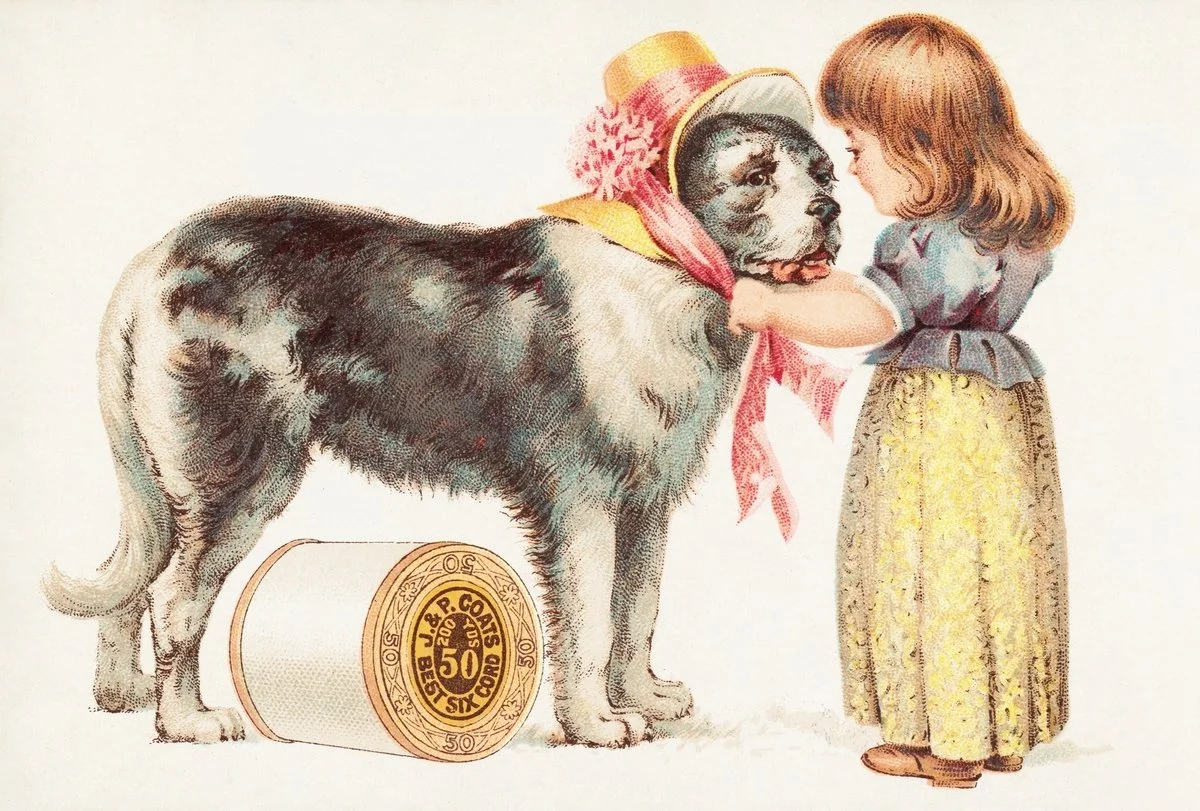
Vintage poster depicting an illustration by Arlington Gregg produced by the Work Projects Administration circa late 1930s; image courtesy of the Library of Congress Prints and Photographs Division, Digital Collection. The posters were designed to publicize exhibits, community activities, theatrical productions, and health and educational programs in seventeen states and the District of Columbia between 1936 to 1943.
Memories, memoir & myth
ON WRITING THE SELF
“If you write a memoir that ends where you thought it would, you’re probably doing something wrong,” Abigail Thomas says in this Q&A about her latest memoir, Still Life at Eighty.
DIPPING INTO THE PAST
Of her early work as a biographer, Anne Berest says, “Listening to the answers [of the people I was interviewing], I learned that every life is a novel for those who are curious enough to look into it.”
SECOND GENERATION SURVIVORS
Jill Sarkozi, a fellow member of The Biographers Guild of Greater New York, wrote this insightful, actionable post about how to preserve your parent’s story if they are a Holocaust survivor.
BUT WAS IT TRUE?
“When I started to rework these [family] stories in my writing, I called what I was doing fiction, but I wasn’t actively trying to make anything up, I was trying to uncover what the humor had kept hidden.” Luis Jaramillo on the unlikely discovery of an old family recipe.
STARS—THEY’RE JUST LIKE US!
“Creating a personal myth allows celebrities to create just that—a myth.” Landon Y. Jones traces the evolution of celebrity memoirs, from Charles Lindbergh to Will Smith.
PUTTING HERSELF IN PERSPECTIVE
“I’m old enough to feel deeply just how universal vulnerabilities tend to be—and to trust that my editors will save me from myself by cutting confessions that venture too far.” Susan Dominus on using first-person narration in her reporting.
ON BEDS AND MEMORIES
Tamzin Merivale recounts all the beds she can remember—including “the bed where [she] woke to the sound of a church choir in Slovenia, holding beauty and mourning together in [her] heart”—and in doing so, traces a life’s trajectory.
INHERITANCE & INTERGENERATIONAL HEALING
How memoirist Dionne Ford (read a review of her memoir here) found healing in the story of her enslaved ancestors and created “space to name and celebrate and mourn members of [her] family”:
REMEMBERING HIS MOTHER
In the new memoir Irma, Terry McDonnell “writes that what passes between a mother and a son is not defined by her love in the moment, but later by the echoes of her motherhood.”
THE FRAGILITY OF OUR DIGITAL “ARCHIVES”
On May 16, Google announced that starting in December 2023, it would delete personal accounts that haven’t been active in over two years. Photos, emails, and docs attached to inactive accounts will all be eradicated as part of the policy.
...and a few more links
New Yorker uses documentary photography to capture family life during the pandemic
nine people share the best life advice they ever got from their mom
Beth Kephart on designing the cover of her upcoming memoir, My Life in Paper: Adventures in Ephemera
an excerpt from A Renaissance of Our Own: A Memoir & Manifesto on Reimagining by Rachel E. Cargle
on succumbing to “ghostitis, that common illness of ghostwriters”
Short takes

Life Story Links: May 9, 2023
The allure of journals as a place to experiment; interviews with memoirists Maggie Smith and Ava Chin; the oral stories and digital scraps that make a legacy.
“It is a captivation like no other—to hear about the adventures of those that have come before, those whose legacies are entwined with ours.”
—Joy Callaway
Vintage poster produced by the Work Projects Administration; image courtesy of the Library of Congress Prints and Photographs Division, Digital Collection. The posters were designed to publicize exhibits, community activities, theatrical productions, and health and educational programs in seventeen states and the District of Columbia between 1936 to 1943.
Writing our lives
“A NORMAL, TERRIFYING CHILDHOOD”
“I spent many nights in Cuba sitting on the porch with my family, listening to their stories, and likely learning from the way they told them. This book feels very much like the storytelling I experienced as a child.”
WORDS AND PICTURES
I write a lot about the big-picture aspects of preserving our personal histories, but last week I offered up some nitty-gritty advice about how to write the best captions for your memoir or life story book.
MINING THE DETAILS OF OUR LIVES
“So, which elements are more true, the ones penciled on notebook pages as a teen, or the ones whose impact set a course for my life, even if recalled inaccurately?” Amy White writes in this thoughtful piece about ways of remembering.
WORK, DIVORCE, WOMANHOOD
“I was angry at myself, and more than a little ashamed, that I allowed this to happen, and that I had unwittingly modeled to my children what women’s work was…. Caregiving.” Read an excerpt from Maggie Smith’s memoir, You Could Make This Place Beautiful, and read an interview with the author here.
FROM THE BACK CATALOG
Gregory Cowles is drawn to journals “for their conscious dance between private and public, for the freedom they grant writers to experiment with style and with self, and not least for their inherently fragmentary nature, each entry a new beginning.”
Honoring the past, one story at a time
HISTORIC SILHOUETTE PORTRAITS
“We just realized that [the digitized archive] will be of real interest to people who are descendants or who have relatives represented in this album, who have no other image of a great-great-grandfather, great-great-grandmother.”
FRAGILE YET ENDURING
“I really do believe that archives and collections are always telling us new stories,” a professor said of the exhibition Toni Morrison: Sites of Memory, at Princeton University through June 4, 2023.
POIGNANT GLIMPSES INTO THEIR LIVES
In this affecting piece NYT readers share “the digital scraps they found after a loved one passed away,” from a to-do list note (“remind Linda that I love her”) to a photo of the back of one dad’s head…each moving in its own way.
Form and function
BEFITTING THE OCCASION
Six staff at Shepherds, Sangorski & Sutcliffe, one of the oldest bookbinders in England, spent over 300 hours binding and finishing four bibles for His Majesty King Charles III’s Coronation.
AN EXPLORATION OF FORM
“How, I ask myself, do writers generate ghost narratives—a turn we didn’t see coming, an unexpected destination?” Leslie Jill Patterson explores the flash nonfiction ending that appears from nowhere.
THOUGHTS ON GHOSTWRITING
“That’s the mystic paradox of ghostwriting: You’re inherent and nowhere; vital and invisible. To borrow an image from William Gass, you’re the air in someone else’s trumpet.” J. R. Moehringer on collaborating on Prince Harry’s memoir, Spare.
...and a few more links
Short takes

Life Story Links: April 25, 2023
This week’s curated roundup for family historians and memory-keepers includes life writing lessons, memoir reviews, and thoughts on generational storytelling.
“When interviewing your elders, you’re the anthropologist who wants to understand the world from someone else’s point of view, and the key is getting details about ordinary life.”
—Elizabeth Keating, Ph.D.
Vintage Japanese print of Gotenyama cherry blossoms by Hiroshige Andō, circa 1846, courtesy of The Miriam and Ira D. Wallach Division of Art, Prints and Photographs: Print Collection, The New York Public Library Digital Collections.
Lessons in craft
KEEN SENSES
Last week I wrote about how smells (such as of Mom’s perfume or Grandpa’s grease-stained clothes) and sounds—especially music—can trigger long-buried memories helpful for writing memoir.
CLASS IS IN SESSION
This lesson from Storytelling School with The Moth focuses on the importance of conflict in storytelling, with a video story from Tig Notaro, suggested activities for your own compelling storytelling, as well as creative prompts.
ALL THE INGREDIENTS YOU NEED
Before you begin editing and designing your family cookbook, here are a few specific things you can do to elevate it from run-of-the-mill recipe guide to an essential family tool and heirloom.
DESIGN FORWARD
This limited-edition printed showpiece is an example of a unique way to treat family history (in this case, the entire British royal family!) through a graphic approach.
MEMOIRIST ABIGAIL THOMAS IN CONVERSATION
Memoir doesn’t consist of stacks of neat unalterable facts. Writing memoir is a fluid, messy process—there are rough patches, maybe a tsunami or two, and what you are writing might take you somewhere you hadn’t imagined.”
Writing our lives
DIARY AS MAP OF CREATIVE WORK
John Steinbeck had two requests for his diary: “that it wouldn’t be made public in his lifetime, and that it should be made available to his two sons so they could ‘look behind the myth and hearsay and flattery and slander a disappeared man becomes and to know to some extent what manner of man their father was.’”
THE SPIRIT OF AN ERA
“Unlike the inward-focused journal intime (a personal diary) the journal extime is outwardly focused, captures something of the times, of life as it is lived collectively, but of course, it also inevitably paints a portrait of the person who’s writing down the details of that outside world.” Annie Ernaux’s translator on the memoirist’s latest book.
LIVING & AGING JOYFULLY
“I could just hear his voice ringing through every page,” Rob Schwartz says of the manuscript he discovered years after his his father’s death, which he has now edited and released as The Wisdom of Morrie:
ONE FAMILY, THREE GENERATIONS
“Father and daughter never establish much of a connection, but the author begins to pull other threads of her family’s past and present. A lot of material comes loose” in the memoir Mott Street by Ava Chin.
The undeniable power of story
HIS HISTORY IN HIS WORDS
“Most of the time [my daughter] Debbie tells my story, because I have certain points where I start to cry, and I can’t go on,” Gerald Szames said. He finally told his own survival story 80 years after the Holocaust.
GENERATION STORYTELLING
In this recent podcast episode (listen below), StoryKeep’s Jamie Yuenger discusses the growing trend among multi-generational family offices and businesses to document their history professionally amidst a shifting media landscape:
PROBING KOREA’S HISTORY & ANCESTORS’ STORIES
“In memorializing, remembering, and holding onto pieces of stories which belong to parents and grandparents only a couple decades before, [Kyung-sook] Shin finds unity in the ‘things that went missing between her and her parents.’”
HEALING THROUGH NARRATIVE
“Storytelling can be a powerful skill to develop to help others understand their own narrative but also for you to better understand yourself.”
Always learning…
FREE PRESERVATION LECTURES
During Preservation Week, libraries across the U.S. hold events that highlight what we can do, individually and together, to care for our personal collections and to support broader public preservation efforts. This page from the Library of Congress compiles presentations from previous years in one place.
PASSWORDS, PHOTOS & MORE
From naming legacy contacts for online accounts (including those housing your precious photos) to safeguarding social media history, how to secure your digital life before you die.
...and a few more links
Steven Spielberg and Paul Thomas Anderson discuss film preservation as “the protection of memories.”
The U.K.’s Police Gazette: What it is and how to search it online
“The Making, Keeping, and Losing of Memory”: Ferrier Prize Lecture 2023 given by Professor Richard Morris
Broadway legend Chita Rivera dances through her life in a new memoir
Short takes
Life Story Links: April 9, 2023
This week’s curated roundup includes conversation with memoirists of note, life writing book recommendations, and recent family history reads and tips.
“And trust me when I say—again—that no one wants to read the story of your whole life, not even your sweet, forbearing mother who thinks everything you do is fascinating.”
—Rachael Herron
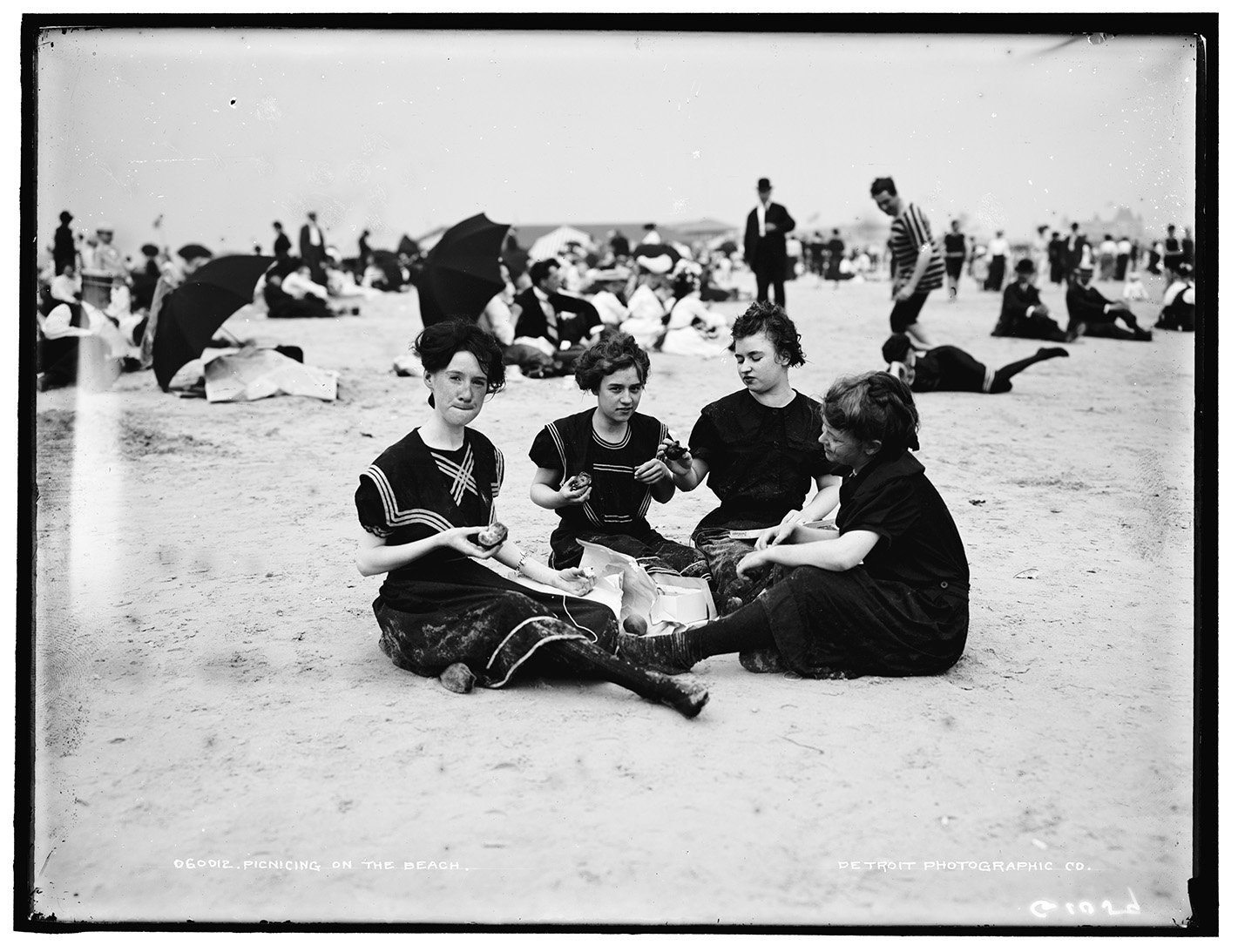
Vintage photo of women having a picnic on the beach in Coney Island, Brooklyn, New York, circa 1905. Photograph originally from the Detroit Publishing Company, courtesy of The Library of Congress Prints and Photographs Division Digital Collection.
Memoirs and more
AN HOUR WITH MASTER MEMOIRISTS
This delightful conversation between Beth Kephart and Abigail Thomas about her latest memoir, Still Life at Eighty, includes thoughts on juxtaposition, chronology, being an intuitive writer, getting unstuck, and how the body remembers.
STORIES OF PERSEVERANCE AND TRIUMPH
Three debut memoirists chart paths of chaos and survival: reviews of Deborah D.E.E.P. Mouton’s Black Chameleon, Laura Cathcart Robbins’s Stash, and Christine Barker’s Third Girl From the Left.
MAPPING HISTORY
“A lot of survivors want to tell their stories, and not everybody can write a book. Not everybody actually knows how to tell a story.” A look at an interactive mapping platform sharing stories of adoptees from the Sixties Scoop.
HIDING BEHIND PHOTOGRAPHY
“So much has to be added to still pictures, no matter how evocative, in order to tell a story,” Carl Rollyson writes in this thought-provoking review of Janet Malcolm’s “oblique” memoir, Still Pictures.
“OUR HOMES ON INDIGINEOUS LANDS”
Mali Bain’s new book uses family history to thoughtfully interrogate Canada’s settler past and ask: What stories are we passing on to our children?
A NEW DIMENSION
“Perhaps I am an invisible man lurking behind my father’s face, waiting to be born. And, eventually, to grow into my father’s face. Not exactly, but somewhat.” Viet Thanh Nguyen ruminates on the cover design of his new memoir.
Records of lives well lived
MEMORIES, ERASED
“I was the only historian of our short-lived universe and now it was lost for ever.” Our phones and computers have become hosts for our pasts. What happens when the backups fail?
NYC PHOTOG JAMEL SHABAZZ’S INSPIRATION
“When I would go to [my uncles’] homes, and my grandfather’s house, the first thing I would do was hit the photo album up, because it allowed me to time-travel and get a greater understanding of who they were.”
VINTAGE WEDDING ALBUM
Lest we think that only digital representations of our memories can get lost, I am sharing this heartwarming snippet of a lost wedding album being reunited with the family decades later—a scenario that plays out all too often:
Media recommendations
DEAR DIARY
Suleika Jaouad writes about how to develop a “sticky” journaling practice and shares some evergreen writing prompts to help you get in the flow.
FROM OBIT TO MINI-MEMOIR?
Last week I shared five life writing tips derived from the book Yours Truly: An Obituary Writer’s Guide to Telling Your Story by James R. Hagerty (which I recommend regardless of your writing level or experience).
EXPLORING INTERGENERATIONAL MEMORIES
In “The Memory Generation,” podcast host Rachael Cerrotti “sets an example of how the stories we inherit can initiate insightful conversations that help us not only reflect on the memories that define us but also build upon our capacity for empathy.”
Miscellaneous
THE LEGACY OF FOOD
“It happens gradually, the relinquishing of one’s past, and something that once felt so potent, one day simply stops being as important.” Finding memories of a distant home through milo toast in this excerpt from Rachel Heng’s The Great Reclamation (a novel that feels memoir-ish in the best possible way).
FOLLOWING THE CLUES
“Elvira and her brothers, Ricard and Ramón, were left at a train station in Barcelona aged two, four and five. As an adult, when Elvira decided to look for her parents, she discovered a family history wilder than anything she had imagined.” A mystery solved through childhood memories and DNA.
...and a few more links
Short takes

Life Story Links: March 28, 2023
Dawn Roode curates the best of what she’s read this week on the topics of family history, life stories, memoir writing (and reading), and leaving a legacy.
“The great stories are alive.”
—Ariel Burger
Vintage photo of a young girl, with other children in background, in a vacant lot behind tenement housing in East Harlem, New York City. Photograph by Rómulo Lachatañeré, courtesy of Schomburg Center for Research in Black Culture, Photographs and Prints Division, The New York Public Library Digital Collections.
Preserving our legacies
“BOOKS HAVE MY HEART”
Last week I answered a question I’m often asked: Why life story books, and why coffee table books in particular? Why not video? Why not audio?
PARTS UNSPOKEN
“It requires a certain level of trust for someone to be vulnerable and share their story. The person at the center of this exercise becomes the subject of their own life.” A look at educational biography.
MEMORIAL REFLECTIONS
How do you want to be remembered?, Patricia Charpentier, a Florida–based life writing teacher, asks in this short piece written after a funeral stirs questions of legacy.
NARRATING OUR LIVES
“Over the years, I have realized a parenting inversion: Just as we narrate our children's lives when they're quite young, our children eventually narrate our lives when we're quite old.”
First person reads worth your time
WHEN A ROAD ENDS
“I wrote the kernel of this piece over ten years ago, and still work to make sense of parts of this story,” Marjorie Turner Hollman writes in this piece on life-changing events in her own life, and lessons learned along the way.
UNLIKELY OASIS OF PEACE
“I am sometimes not sure which is the more remarkable: that life lives up to great paintings, or that great paintings live up to life.” This excerpt from Patrick Bringley’s memoir takes place at The Cloisters in upper Manhattan.
HOW WE SEE AGE
“The first person who portrayed old age for me was my grandmother, my father’s mother, Erma King Aldrich, the woman who bore my last name, the woman I called Nana, the only woman in my family who made me feel loved.”
Memoir notes
THE ‘FIRST JOB MEMOIR’
In this piece looking at the evolution of the “first job memoir,” one author “sees her job as simply a job, rather than as a crucible for forging her identity,” while others take different approaches to their work narratives.
SELF PORTRAIT
“For a writer so relentlessly suspicious of the accounts we give of ourselves, and so attuned to the meager defenses we muster against self-exposure, memoir is a risky medium.”
ON THE THEME OF AGING
“The mystery of what makes you and your childhood self the same person despite a lifetime of changes is, after all, one of the most interesting questions of philosophy.” Grace Paley on the art of growing older.
...and a few more links
“4 powerful reasons to write your family history even if no ane else cares”
An intriguing look at how an admired figure in the literary world essentially forged his identity
It’s never too late to solve your adoption mystery
Short takes

Life Story Links: March 14, 2023
This week's curated roundup includes a quick guide to RootsTech 2023, lots of conversation about reading and writing memoir, plus notes on legacy and research.
“What is writing but we put our heart on a piece of paper and then we hand those pages to somebody else?”
—Megan Stielstra
Vintage St. Patrick’s Day postcard
Reading memoir…
MORE THAN A LIFE ON THE PAGE
“Sometimes, a writer can use more than their own recollections to tell a personal story.” John Hendrickson, author of the reported memoir Life on Delay, offers up six memoirs that go beyond memories.
FORMATIVE FRIENDSHIP
“By the time I was a junior at college, I’d already met everyone I cared to know.” This short excerpt from Will Schwalbe’s new memoir, We Should Not Be Friends, is as irresistible as the unlikely friendship he chronicles.
“STILL LIFE AT 80”
“Sometimes the present is interrupted by a memory so vivid that I am in two places at once.... These are the moments in which past and present are fused. I like to imagine them as little paperweights, holding my life together before it all blows away,” Abigail Thomas writes in her new memoir. Read a review here.
…and writing memoir
A LITERARY QUADRANGLE
“Only you and I know who wrote this book,” Gloria Swanson said to Wayne Lawson at a launch party for her memoir, Swanson on Swanson, in 1980. The ghostwriter sets the record straight four decades later.
THE SELF, REVISED
“It’s the human imperative, this piecing together of a life. And so, word by word, we lay down our tracks.” Dani Shapiro on discovering that her family’s secret was embedded in her writing before even she knew the truth.
TO BETRAY OR NOT TO BETRAY?
“I had anchored myself in the why—not just why I’m writing the book, but also why I included certain details.” This story about the ethics of writing about others has a paywall, but you can get a free trial subscription if you’re interested. (I am a paid subscriber to The Isolation Journals with Suleika Jaouad and highly recommend it both for her heartfelt, raw first person writing and her interviews and writing prompts.)
HISTORY AND IMAGINATION, CONVERGED
“A writer is interested only in his origins. That’s why you’re here, isn’t it? A writer wants to know, at every level, where it is he comes from.” Chris McCormick on visiting the Armenia he had brought to the page via his imagination.
FICTION’S BLURRY BORDERS
“Now I think we all are...living our lives and making up stories at the same time, our brains running smoothly down both tracks.” Jesse Lee Kercheval tries to figure out where life ends and fiction begins.
Sending messages across time
BEQUEATH YOUR VALUES
Last week I shared recommendations for resources to help write your ethical will—including a nitty-gritty workbook and a book with 12 guiding questions and a wealth of inspirational examples.
LOVE LANGUAGE
After her father’s cancer diagnosis, Google Translate became Mium Gleeson’s tool for survival—and then, remembrance. Read her beautiful meditation on keeping her dad close.
Contextualizing research
“A WILD ARCHIVE”
Imagine being one of the researchers invited to sort though a centuries-old cache of undelivered mail, all seized from merchant ships during wars from the 1650s to the early 19th century? Here’s a fascinating look at what some of the letters reveal.
UNCOVERING AN 1860S NEIGHBORHOOD
As a visitor to NYC’s Tenement Museum, I have wondered at the wealth of research that goes into creating the stories of the everyday families they highlight. Listen in as a museum VP walks through some behind-the-scenes research into a new exhibit:
RootsTech recap
The world’s largest annual family history conference was held earlier this month and a flurry of posts around the interwebs chronicled the goings-on. Here are a few highlights:
“Making family history discoveries is one thing. Learning how to craft those discoveries into stories that will capture the attention of the next generation is another matter entirely.” Watch the hour-long presentation, “The Anatomy of a Story,” by Crista Cowen, here.
The Church of Jesus Christ of Latter-day Saints, the organizers of RootsTech, share recent research that provides some empirical evidence that learning family history has a positive influence on adolescent identity development. Read the study abstract here.
Ancestry announced the launch of Storymaker Studio, a new suite of tools on the Ancestry app.
There is a rich back catalog of classes that you can watch on-demand at the RootsTech site.
You can also virtually browse the exhibitors that were in-person at the event this year.
...and a few more links
From The Atlantic: “20 Biopics That Are Actually Worth Watching”
A look at a new documentary, Film, the Living Record of Our Memory
iMemories named to Fast Company’s annual list of the world’s most innovative companies for 2023
“Stories my father told me shaped my life. Later, I learned they weren’t true.”
On this episode of Things That Matter with Martie McNabb: A pen, a purpose, and a passion
A publisher who was arrested while preparing to release an unauthorized biography of Xi Jinping has been freed after serving a 10-year sentence.
Boy recreates grandmother’s photos from 1955 to help her after she was diagnosed with Alzheimer's
Vintage photos show what life was like in the White House during John F. Kennedy’s presidency.
Short takes

Life Story Links: February 28, 2023
This week's curated roundup has a focus on first-person narratives and how they inform history, plus stories on artifacts of memory, memoir, and family photos.
“I have always encouraged collecting memories—it helps people form a connection with something that makes their lives more meaningful.”
—Martha Stewart
Vintage illustration of diners at the Hotel St. Regis in New York City, circa 1905, courtesy of The Miriam and Ira D. Wallach Division of Art, Prints and Photographs: Picture Collection, The New York Public Library Digital Collections.
First person narratives, for the record
“AMERICA’S MISSING STORIES”
Julieanna Richardson has been preserving Black Americans’ first-person stories for decades. The digital archive she created “had grown so vast, the collection so significant, the Library of Congress agreed to become its permanent repository.” Explore The History Makers archive here, and learn about Richardson’s extraordinary journey here and below:
SCHOLARLY RESEARCH INTO FAMILY MEMORY
A new study “focuses on how memory is constructed, communicated, accomplished, negotiated, and hindered in the family context” in a changing media environment.
PANDEMIC PROJECT
“Most Americans think they know the story of the pandemic. But when I immersed myself in a Covid oral-history project, I realized how much we’re still missing.” One reporter delves into the stupefyingly large archive.
“IT IS MY JOB TO SHARE OUR STORIES”
“Lately, I’ve wondered how my son will view Black History Month. I don’t want him to feel like his history is an aside. I want him to know that his history is a part of who he is.”
Artifacts of collective memory
A NEW LIFE FOR HEIRLOOMS
Don’t let your family mementos sit in boxes collecting dust, advises Clémence Scouten. On the blog for The Biographers Guild of Greater New York, she shares tips to curate family artifacts and preserve their stories in a book.
LOST AND FOUND
The result of one man’s extraordinary efforts, the Museum of Lost Memories helps reunite misplaced family mementos with their owners. Listen in to “the Sherlock of TikTok” as he describes his why:
FOLLOWING THE VISUAL CLUES
A photo album found on the shrapnel-strewn beaches of Okinawa in 1945 made an incredible journey across decades and an ocean, with serendipitous help from a friend of a friend of a friend…
THE BIGGER PICTURE
Even photos with no context submitted by community members of Black Archives are “still filled with stories. I think it’s so beautiful when people recognize something in that photograph that resonates with them, and they think back to their childhood...”
REVEALING RESEARCH, RESPONSIBLE STORYTELLING
“To create the narrative, I had the mindset of ‘start chipping away at the archives.’ In the end, we wanted to display the truth being an equally painful and uplifting story because that is the history of the continuous battle for racial equality.”
Memoir through various lenses
ART APPRECIATION
“My heart is full, my heart is breaking, and I badly want to stand still a while,” Patrick Bringley writes in his memoir, All the Beauty in the World: The Metropolitan Museum of Art and Me, reviewed here.
FOOD AS A PORTAL TO THE PAST
“There’s a cozy vibe, like a church supper cookbook (with famous congregants),” writes this reviewer of My First Popsicle: An Anthology of Food and Feelings edited by Zosia Mamet, a collection of personal essays that explore memories and identity through food.
A HOUSE WITH MEMORIES
On a recent meandering through the archives of The New Yorker, I encountered this wonderful piece by Jamaica Kincaid. “It is only now that I can think of the luxury of a man’s children choosing to dispose of the substantial things he might have left for them, choosing to keep only the recipes for pies and cuttings of old roses—choosing memories, as opposed to the real thing, the house.”
THE CHALLENGES OF PERSONAL NARRATIVE
“I’ve been writing about myself and my family for two decades, but masking it in fiction. And that made it easy. But now I’m putting myself out on Front Street. Who do I write about? Who don’t I write about?” After 15 books, Bernice McFadden says her first memoir is the most difficult thing she’s ever written.
Miscellaneous
RECIPE FOR SUCCESS
Last week I shared a detailed primer on how to create your own heritage cookbook, from recipe gathering and testing to editing, designing, and printing your family cookbook.
TWO JEWISH KIDS AND AN IDEA
“From time to time, Joe would pause and look in the mirror, striking a pose or screwing up his face he imagined a character would make, then go back to his paper and try to re-create it.” The bedroom origins of Superman.
AUTOMATED “MEMORIES”
“When your smartphone tosses up a photo memory, it’s a bit of a crapshoot. Sometimes you get to…enjoy a compilation of your children’s birthday parties over the years. Other times, it’s heartache.”
...and a few more links
March is Women’s History Month, and this year’s theme is “Celebrating Women Who Tell Our Stories.”
an interview with Annie Brewster, co-author of The Healing Power of Storytelling: Using Personal Narrative to Navigate Illness, Trauma, and Loss
Review: NYC Storefronts by Joel Holland, a book of colorful pencil drawings of well- and lesser-known mom and pop shops around greater New York.
Arthur Balfour’s parents’ love letters published by the National Records of Scotland
Read an excerpt from the new memoir Sink: A Memoir by Joseph Earl Thomas.
Short takes