
Memories Matter
Featured blog Posts


READ THE LATEST POSTS

Life Story Links: August 6, 2024
Dawn Roode’s curated news roundup for the week of August 6, 2024, includes stories on the art of being a personal historian, plus recent memoirs of note.
“I believe everyone has stories in them. Little snippets of truth and hope. Lessons and ideas. Happiness and gratitude tied up in the day-to-day mundane magic of life.”
—Laura Stroud
Vintage postcard of a scene at le Château de Saint-Florent-sur-Cher, sent by a U.S. Army medic stationed in France during World War I to his family in Arkansas; courtesy of the soldier’s family.
When past and present collide
WHAT CONSTITUTES AN ANCESTOR?
“I keep the family tree, and I’m flummoxed about whom to include.” The New York Times magazine’s Ethicist columnist weighs in on genealogy, record-keeping, and notions of relation.
INHERITING ‘UNWANTED FAMILY SECRETS’
“In your family,” Lori Gottlieb writes in response to a “Dear Therapist” letter, “the clumsily handled revelation of these secrets has left you feeling burdened (‘Why me?’), confused about what having this family history ‘means’ for you, and uncertain about what to do with this knowledge going forward.” Read how she breaks it all down.
AMERICAN LIVES IN FIRST PERSON
“The Schlesinger Library is home to more than 3,000 volumes of personal diaries. One former curator is on a mission to read—and describe—as many as she can.”
ON LOVE AND DEATH IN NONFICTION WRITING
“In writing—an essay or a eulogy—the lost are alive to us for as long as we wrestle with what to put in.... In handling these incongruous details—which never themselves add up to a life—the departed are, for a moment, as mysterious to us as they once were.”
Personal historians weigh in on working with clients
“WHAT WAS IT LIKE?”
I believe one of the best ways to see if a personal historian is a good fit is to talk to them, get a sense of their vibe, experience, and aesthetic. Second best? Read reviews from others who have worked with them (or in this case, me).
CROSSING THE FINISH LINE
“I’ve been trying to figure out for several decades why some people simply cannot seem to finish writing their memoirs.” Ali de Groot of Modern Memoirs Publishing offers guidance on how anyone can get over hurdles and bring their life story to completion.
From memoir to autobiographical poetry
STORIES THROUGH POETRY
“Elina Katrin’s debut poetry chapbook If My House Has a Voice renders the (un)belonging of immigration, the fluidity of the cross-cultural self, and the sensory core of memories in a vulnerable, mesh-like voice woven from three languages.”
STORIES THROUGH VISUAL ART
“There are no pictures. Everything burned up. There was no floor plan, no drawings or photos of the inside of it.... The only thing that remained was Ann’s memory of it.” An artist helped this Holocaust survivor turn her memories into a painting:
STORIES THROUGH (THEIR OWN) WORDS
Newly released memoirs worth consideration include All That Glitters from art world insider Orlando Whitfield;
Too Good to Fact-Check by former celeb–magazine editor Jeremy Murphy; and The Art of Power by the first woman U.S. House Speaker, Nancy Pelosi.
STORIES THROUGH (A BIOGRAPHER’S) WORDS
Newly released biographies getting some attention (for better or worse) include Christopher Isherwood Inside Out by Katherine Bucknell and Catherine, the Princess of Wales: A Biography of the Future Queen by Robert Jobson.
Short takes


Life Story Links: July 23, 2024
Personal historian Dawn Roode shares her curated roundup of stories for the week of July 23, 2024: on memoir, family history, biography & memory preservation.
“The reason I write memoir is to be able to see the experience itself…. Writing is a way to organize your life, give it a frame, give it a structure, so that you can really see what it was that happened.”
—Sue William Silverman
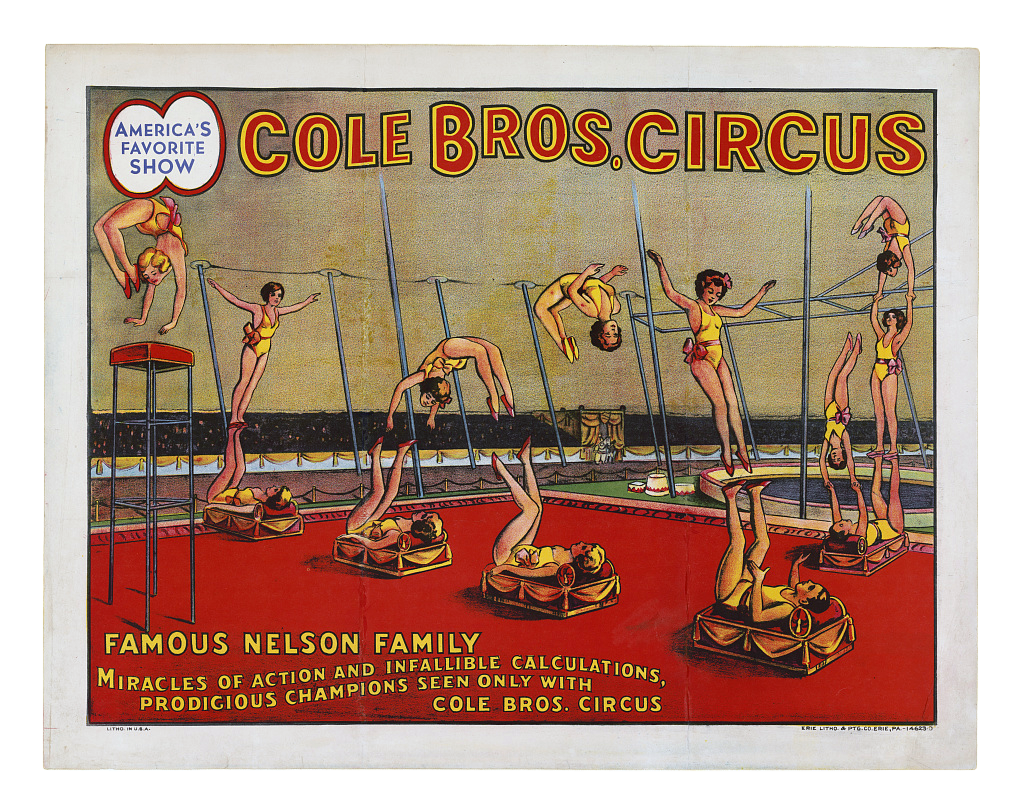
Vintage photograph of boy leaning on a fire hydrant in New York City by Morris Huberland, taken in the mid-twentieth century, courtesy the Miriam and Ira D. Wallach Division of Art, Prints and Photographs: Photography Collection, The New York Public Library Digital Collection.
A mosaic of pieces on memoir, personal history, and preservation
HISTORY VAULT
“‘We are absorbed in thinking about our ancestors,’ [Frederic Harrison] wrote. ‘Why do we not give a thought to our descendants?’ Accordingly, he posed his fix: to ‘prepare a Pompeii’ for future researchers to unearth.”
TRANSFORMATIVE POWER OF SELF-REFLECTION
“Every person I have guided on a life writing journey has discovered profound benefits for themselves. Even without a single other individual having read their words, those words have changed them.”
SHIFTING PERSPECTIVES
“A memoir needs to be anchored by facts, yet each of our individual stories can be seen from unlimited perspectives with slight shifts.” Mira Ptacin on the hard art of seeing one’s own writing through rose-colored glasses.
FOR YOUR TBR LIST?
“Stars may or may not be like us, but there is one thing they all seem to have in common: they love writing about their lives.” Time magazine names the 36 best celebrity memoirs.
ON CREATIVE DECISIONS IN BIOGRAPHY
“I just think that when you’re writing a biography, you have a duty to the chronology. The chronology is almost fundamental to the whole enterprise, in my view.” Ryan Cropp speaks with podcast host Gabriella Kelly Davies:
WISDOM FROM SEASONED WRITERS
“In my conversations with my family members and knowing their history and their struggle, I remember that I'm somebody and [they’re] somebody. And that's a very powerful thing.” Author Min Jin Lee talks to fellow writers experienced in family memoir generally, and the migrant journey specifically, about how to talk to parents about their personal history. Listen in:
Short takes

Life Story Links: July 9, 2024
Dawn Roode curates stories relevant to family history fans, memoirists, personal historians, and modern memory-keepers—and this week’s roundup is a must-read.
“Because right now there is someone out there with a wound in the exact shape of your words.”
—Sean Thomas Dougherty
Vintage baseball card of George Herman (Babe) Ruth issued by Big League Chewing Gum in 1933, courtesy Library of Congress Digital Collection.
Ways we remember
THE SUBTLE ART OF DIARY KEEPING
“Those people who don’t destroy their diaries must have some secret need or wish for them to be read, a need or wish which affects what is written in varying degrees.” Helen Fielding considers the place of confessional narrative in today’s literary landscape.
ARE YOU A REMEMBERER OR A FORGETTER?
“My father, who is a Rememberer, says his nostalgia often borders on unbearable. If he thinks of his cousin, who died years ago, he can slip into a memory of the two of them at 6, playing hide-and-seek in their grandfather’s house. It sounds beautiful and excruciating at once.”
ON WRITING MEMOIR
“When my writing reveals something about my life that I didn’t see until it appeared on the page—that’s a great surprise.” Memoirist Rachel Zimmerman answers Sari Botton’s questions about the craft.
DIVING WITH A PURPOSE
“How can finding and telling the lost history of the slave trade help me, as a Black American woman, figure out where I belong—and to whom I belong?” Storyteller and diver Tara Roberts is helping document some of the thousand slave ships that wrecked in the Atlantic Ocean.
Love, loss, and memories
FINDING SOLACE IN STORIES
“No one could have guessed that A Family Story would also become our companion in grief. We leaf through it when we miss dad, when we need to hear his voice, or if we want to share family stories with our kids.”
PERSONAL PODCASTS
“With today's technology, we can all record our loved ones in some form, and I would encourage people to do so, in whatever way they can.” A look at how some families are turning to audio recordings to remember lost loved ones.
‘A GENTLE MAN’
Memoirist Joe Wilkins remembers: “In all my boyhood memories, my grandfather shines. What kept me close to him? What let me so completely trust? What had me listening so that even now I hear his voice?”
Biography & memoir
AN INVITING AND NUANCED CONVERSATION
Sara B. Franklin, at once friend and oral historian to her subject, Judith Jones, grappled “with how to tell the story of a person with a life as textured, documented, and purposefully invisible as Jones’s” in the new biography, The Editor.
SELF AS LENS
Writing about the radicalism of the ’70s in her new memoir, 1974, helped Francine Prose come to grips with who she was and who she is now.
CELEBRATING THEIR QUEER FAMILY HISTORY
“It is through these conversations I discovered what a rare and complex person he was, the intense draw he had.... With determination, I brought my uncle’s story out of the shadows.”
EMOTIONAL CATHARSIS
New York–based biographer Alan D. Bergman discusses the unexpected outpouring of emotions subjects may experience while sharing their life stories.
...and a few more links
Short takes

Life Story Links: June 18, 2024
This one’s worth a bookmark: Thoughts on memoir (limitations, joys, challenges), how and why we preserve our stories for posterity, family history finds & more.
“…writing your life story is not painful, not morbid, and not a sign of vanity. Instead, it is an exercise that will enrich your life and the lives of those who read and learn from it.”
—James R. Hagerty
Vintage photograph of woman picking carrots in Camden County, New Jersey, in October 1938, by Arthur Rothstein, courtesy Farm Security Administration, Office of War Information Photograph Collection Repository, Library of Congress Prints and Photographs Division.
Preserving for posterity
REFRAMING OUR STORIES
“My stories are grounded in grief; they are wrapped up in being widowed young or in my family’s Holocaust survival story,” Rachael Cerrotti writes. In this piece she confronts “certain narratives of self” and offers up inspiring writing prompts connected to three podcast guests with different insights about the stories we tell ourselves—there’s lots of great stuff to digest here!
AN INVITATION TO REMEMBER
I spoke with Melissa Ceria of the thought-provoking podcast The Loss Encounters about discovering the richness of our lives through storytelling. Listen in below, or click here to read a transcript and find more in-depth episodes about what we create from loss. (This short episode was inspired by an autobiographical book Melissa’s father bequeathed to his family.)
EVER AFTER?
“Several companies have emerged in the last few years to develop grief-related technology, where users can interact with an AI version of the deceased—but will that help with grief?”
The craft of life writing
WHAT WE REMEMBER
Last week I wrote about why I chose not to recommend one recent life writing book—and while I don’t mention the book’s title or author, I do share the reasons it didn’t make the grade.
GETTING TO KNOW YOU
Having come from a magazine background, I have a particular affinity for a well-written feature profile, and view the form as a cousin to longer-form biographic writing. In this excerpt from What Makes Sammy Jr. Run?, editor Alex Belth hones in on “the golden age of the celebrity profile.”
CONNECTING THROUGH STORY
CBS Mornings’ David Begnaud interviews Louisiana ghostwriter Olivia Savoie about how one series of client personal history interviews led to a special friendship.
Deep thoughts on memoir and biography
FASCINATION, OBSESSION, INFATUATION…
When the famously elusive Elaine May fails to respond to any of a writer’s pleas for interviews, the would-be biographer, Carrie Courogen, “wondered how a person could have such little interest in or curiosity about the person daring to write the story of their life.”
WRITING AS TEACHER AND FRIEND
“Writing feels inadequate, but it is also how you keep your parents alive—in your own memory at least, which is the best you can do until you can get something published.” Grace Loh Prasad on the memoir that took her more than 20 years to write.
LIMITATIONS OF AUTOBIOGRAPHY
“‘The point of view in a memoir is curious,’ [Jill] Ciment writes. ‘The writer must trick the reader (and herself) into believing that she actually remembers how she felt decades ago. A memoir is closer to historical fiction than it is to biography.’”
THE INHERITED WEIGHT OF EXPERIENCES
“The more we learn about how our body and mind work together to shape our experience, the more we can see that our life story is woven into our biology. It’s not just our body that keeps the score but our very genes.”
Family history, community history
DISCOVERING HER ROOTS
“How odd and surprising it might be, to chance upon a part of your own history on museum walls.” How one woman connected with her family, past and present, through the photographs of two men.
FROM FIRE HAZARDS TO FAMILY TREES
“We create maps to make the unfamiliar familiar. To show us how to get home.” This is a wonderfully interesting look at the history and afterlife of the Sanborn fire insurance maps, which have been reclaimed by historians and genealogists seeking proof of the vanished past.
‘COMMON PEOPLE’S HISTORY’
These four entities act as modern digital archives of personal histories in India, preserving stories as diverse as those covering tattoos and homes, family traditions and family heirlooms, through both images and oral histories.
...and a few more links
“At the Coal Seam of Motherhood”: On writing about our children
Dissecting the pitch deck for startup Kinnect, a new app that aims to preserve family stories
BBC One’s Who Do You Think You Are announces 2024 celebrity subjects.
National History Day keeps pushing students to rigorously examine the past.
Read about the launch of digital legacy platform Please Remember Me Forever.
Short takes
Life Story Links: June 4, 2024
This week’s curated roundup is overflowing with thought-provoking stories about how we preserve our personal histories, memoir tips and recommendations & more.
“Comb through your experiences. Look through a different lens. Walk around a memory, a time period, or a specific event. Interview the memory and jot down questions about it.”
—Rita Sepetys
Vintage postcard of black bear cubs from the New York Zoological Park, circa 1914, courtesy of The Miriam and Ira D. Wallach Division of Art, Prints and Photographs: Photography Collection, The New York Public Library Digital Collection.
When our stories overlap
‘IT DEPENDS ON WHO TELLS THE STORY’
Her father “knew how to tell a good story because he grew up in Appalachia, where life is rich with history and the best storytellers are both born and made.” Memoirist Bobi Conn on her family’s long tradition of unreliable narrators and morally gray characters.
NOW OR LATER?
Lilly Dancyger did not let her family read her first memoir before it was published, but she had a very different approach with her second. Here she weighs in on navigating hard (subjective) truths and who you should invite to read your memoir in advance.
A LAYERED NARRATIVE & A STAR TURN
Launching June 5, Pack One Bag is an audio podcast that “tells the epic true story of an Italian family, split apart by love, fascism, and war. Through shocking discoveries—and Stanley Tucci’s artistry—an enthralling personal history comes to life.” Watch the trailer:
How we tell stories
THE CHANGING SHAPE OF NONFICTION
“I was struck then and am struck now...by the notion that confessional writing is subversive.” Christy Moore reviews The Fine Art of Literary Fist-Fighting by Lee Gutkind (the book is subtitled “How a Bunch of Rabble-Rousers, Outsiders, and Ne’er-do-wells Concocted Creative Nonfiction”).
CONVERSATION-BASED STORYTELLING APP
A new app called Autobiographer, which has partnered with Katie Couric to help spread the word, uses “generative AI, voice interfaces, and robust privacy tools” to help individuals preserve their life stories.
Put it in the post
LOVE LETTER
“I like the feeling of knowing that whoever is on the receiving end will smile when they see my letter in their mailbox. That a small slice of me made its way by truck, car, boat, or plane to my receiver’s hands.” Samantha Dion Baker shares some of the most creative letter-writing ideas I’ve ever seen—a joy to scroll through even if she doesn’t inspire you to act!
SEALED FOREVER?
Last week I shared thoughts on the ethics and obligations around reading personal letters that belonged to a deceased family member—I’d love to know, after you read the blog post, how you think you’d react to such a newfound family history bounty!
HISTORICAL CORRESPONDENCE
A letter about harp singing and squirrel stew is one of the primary documents Michael Aday chose to help tell the story of Great Smoky Mountains National Park in his book, Letters from the Smokies. The librarian had 1.4 million records in the park’s archival collection to sift through to help tell its stories.
Memoirs and those who’ve gone before us
THE RESTRICTIONS OF TRADITION
“For Mom and me, visiting our grandmothers was going to be more complicated this time—not just because they were deceased, but because access to graves in Taiwan isn’t straight forward.” Eve J. Chung on tradition, family, and mourning in Taiwan.
GENERATIONAL SHIFTS
Claire Messud’s autobiographically inspired new novel includes characters modeled after late family members. “It was a joy to be with them and to be trying to understand their thoughts. It felt like the opposite of passing judgment.”
THIS WRITING IS ‘AN ACT OF SERVICE’
“Every time I learn something new about a lost loved one, I can’t quite say that it’s like they’re alive again—but man, it’s still a beautiful feeling to discover that there is still more to discover.” Professional speechwriter Chandler Dean provides partly satirical, partly genuine advice for how to write a eulogy.
A MEMOIR HE NEVER THOUGHT HE’D WRITE
Sebastian Junger, whose writing I have long been a fan of, has a new book, In My Time of Dying—a memoir that weaves his journalistic sensibility with his personal experience. Because I plan on reading the book, I have not watched this video, but the hourlong interview looks interesting (find a briefer dive with Anderson Cooper here):
Journalist Sebastian Junger interviewed by Miwa Messer about his new memoir, In My Time of Dying.
Before it’s too late…
GIVE THEM A LITTLE NUDGE
“As I watch my friends grow older and enter new phases of life, I’ve noticed a common thread: Year after year, many of us happen upon questions we wish we’d asked the loved ones who are no longer with us.” Isabel Fattal shares three stories about the power of family stories.
‘I’VE HAD A GOOD LIFE’
“Also known as a pre-funeral or a life celebration, a living funeral is like a unique memorial service held for a person before he or she dies.”
A GRANDFATHER’S WISDOM
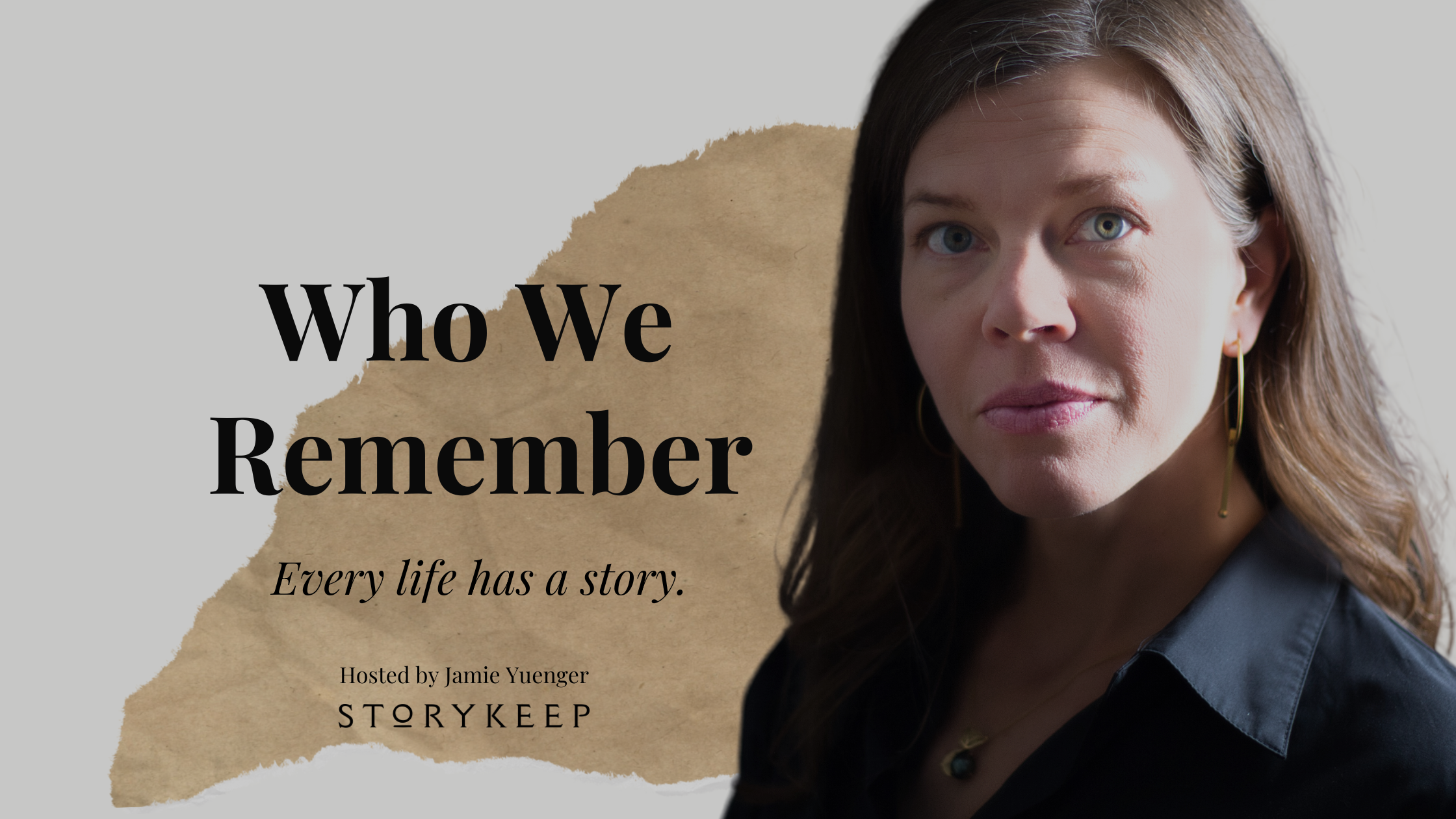
In the most recent episode of the podcast Who We Remember, video biographer and host Jamie Yuenger speaks with Liam McCormick about his desire to document the life story of his grandfather and the importance of knowing one’s family history and how it can help make sense of oneself. Watch below, or listen in here.
...and a few more links
California mother helps others cope with loss through new children’s book.
Memoir review: The French Ingredient: Making a Life in Paris, One Lesson at a Time by Jane Bertch
Book review: First Love: Essays on Friendship by Lilly Dancyger
Ta-Nehisi Coates returns to nonfiction and explores the power of stories in upcoming The Message.
How a new biography makes sense of Carolyn Bessette-Kennedy’s short life
Short takes

Life Story Links: May 21, 2024
“Until we make the unconscious conscious, it will direct our lives, and we will call it fate.”
—Carl Jung
Photograph of female workers gathered outside the Dix Building in New York City, by Lewis Wickes Hine, courtesy of The Miriam and Ira D. Wallach Division of Art, Prints and Photographs: Photography Collection, The New York Public Library Digital Collection.
Memory, memories, and memoir
THE SELF IN RELATIONSHIP
“My father wrote half of me into being, I suppose. My mother wrote the other half.” Jane Wong “on memoir, permission, and the thorny terrain of writing about family.”
TURNING PAGES OF OUR HISTORY
“Perhaps one of the most memorable treasures women of the Civil War passed onto future generations were letters they sent to their husbands. These chronicles of daily life embraced sorrow, joy, fear, and love.”
WHO ARE THEY?
“What if we began our own character development work with this mandate in mind: Tell the stories they told, the lessons they taught, and the mind that has become our own.” Beth Kephart on lessons from Amy Tan.
“THIS IS MY LIFE”
I’m not sure why LitHub is now presenting an excerpt from Working, Studs Terkel’s classic oral history of Americans’ working lives originally published in 2004, but I’m glad they did: Meet Babe, a checker at a supermarket somewhere in America.
WHY FORGETTING IS BENEFICIAL
“‘Memory,’ writes neuroscientist Charan Ranganath in his new book Why We Remember, ‘is much, much more than an archive of the past; it is the prism through which we see ourselves, others, and the world.’”
‘NAMING ONE’S OWN EXPERIENCE’
“Reconciling a writing life with the life of a mother has always felt like an impossible task,” memoirist Emily C. Bloom writes in this look at the legacy of Pearl S. Buck’s The Child Who Never Grew.
What a picture’s worth
THE HEIRLOOMIST
Last week I wrote about a new coffee table book from photographer Shana Novak, aka “The Heirloomist,” in which the stories of the unexpected family heirlooms within “will play your heartstrings like a symphony.”
PAIRING ANNIE ERNAUX WITH PHOTOS
“With photography...there’s this presumption of the ‘truth’ of the camera, which is also an expectation that a writer like Ernaux, who uses the first-person deliberately, comes up against. In her case, the presumption that the first-person is ‘true’ and not fictive.”
DYNAMIC, CROWD-SOURCED ARCHIVE
The nonprofit cultural heritage organization Permanent.org shares details about its public gallery, a “rich collection of public archives” that they say are a celebration of “the power of personal stories and the impact they can have on future generations.”
FINDING THE ‘SOUL THREAD’
Have you ever heard of a legacy doula? Meet Nancy Rose from the Compass Rose Legacy Foundation and hear her thoughts on how exploring one’s own legacy (through words and photos) helps bring wholeness to individual storytellers in this podcast:
Stories told through food
FROM MAMA’S KITCHEN
“Her food was there all my life, part of my most literal sustenance, and yet I took for granted that the meaning and memory baked into everything she produced would always be there.”
HER EXPERIENCE AS A GREEK JEW
Becky Hadeed talks with a Holocaust survivor about her complicated story “of sacrifice, love, and gratitude,” about the long legacy of a good deed, and the enduring comfort of a jar of cookies (in this case, Greek Koulourakia). Listen below:
Short takes

Life Story Links: May 7, 2024
A roundup overflowing with podcasts, videos, and articles on the topics of memoir, life story writing, family history preservation, and family photo legacy.
“Writing, then, was a substitute for myself: if you don't love me, love my writing and love me for my writing. It is also much more: a way of ordering and reordering the chaos of experience.”
—Sylvia Plath
Vintage poster produced between 1936 and 1938 by the Work Projects Administration; image courtesy of the Library of Congress Prints and Photographs Division, Digital Collection. The posters were designed to publicize exhibits, community activities, theatrical productions, and health and educational programs in seventeen states and the District of Columbia between 1936 to 1943.
Pieces of the past
VERSIONS OF ONE’S STORY
“It took me decades merely to infer that my grandfather’s life and character surely included more than the mere few funny stories suggested.” Octogenarian Sydney Lea tries to shape his grandfather’s narrative.
VIRAL TIKTOK BEGAN AT GOODWILL
“April’s decision to bring Lucy’s treat jar home adds another layer to this tale. It’s a testament to the power of empathy, a reminder that the things we cherish tell our stories long after we're gone.”
THE TABLE WAS SET
“It’s such a deeply spiritual, fulfilling thing that I can bring my safta’s memory back to life in this plate of food.” Jennifer Ophir on the very last meal her grandmother cooked for her family.
I SAY: DELETE WITHOUT GUILT…
Last week I wrote about why a recent iPhone ad got my hackles up—preview the ad here, then click through to read why I think having more digital memory isn’t necessarily good for holding onto our memories:
Family history finds
UPCOMING GENEALOGY CONFERENCE
The National Genealogical Society 2024 Virtual Family History Conference, “Expanding Possibilities,” will be held May 16–18. Check out the preliminary program schedule here or visit their website to register.
‘SOMETIMES IT’S NOT SO EASY’
Experts from Ancestry dive deep into how to find the stories behind the names and dates on a family tree and “helping people connect.” Click through to watch this hourlong video with behind-the-scenes tips and tricks:

2,400 GENERATIONS
Archie Moore, a Kamilaroi/Bigambul artist, traced his family tree back 65,000 years—then, in chalk, created an ephemeral artwork that documented that genealogy and won a top prize at the Venice Biennale. Called “kith and kin,” the installation “is a memorial to Indigenous lives lost—but it’s also about global common humanity.” Read more here (“Moore’s ancestral connections—real and imagined—branch out onto the ceiling. The dimly lit gallery becomes a church, a cave, and a classroom”) and watch below:
NEW FROM THE BAREFOOT GENEALOGIST
And last up in the family history world, a new podcast from genealogist Crista Cowan, Stories That Live in Us. “I know that sharing the stories that live in you can change everything,” she says. Listen to the trailer here:
Making memories last—on craft and conversation
STORYTELLING INSPIRATION, PROMPTS, ACTIVITIES
“In between what we expect to happen and what happens, there’s this delicious tension that often lends itself to some amazing true stories.” This month on Storytelling School with The Moth: Expectations vs. Reality.
‘NOSTALGIC APPEAL AND STAYING POWER’
“I’ve always appreciated a nicely curated photo album because the subpar pics rarely make it in. It’s all first class. It requires thought and effort to compile your life’s greatest hits in images.”
‘SMALL MOMENTS MATTER’
I couldn’t choose just one quote to share from this wonderful conversation between Rachael Cerrotti and Micaela Blei, so listen in below as they talk about how personal narratives change with time, how to get comfortable sharing your story on stage, and how memories of their grandmothers brought them together. (Dive even deeper into Micaela’s storytelling here, and read more about the connection between these memoirists here.)
Lives in print
CELEBRATING LIFE THROUGH FOOD
Aimee Nezhukumatathil weaves a personal memoir through food in her new book, Bite by Bite. “Food can be a map toward home, toward memory, toward lineage, her book argues. And with it, she beckons us to explore.”
PERSONAL HISTORY OF AN INTERVIEWING LEGEND
“As Susan Page relates in The Rulebreaker, her compelling, deliciously readable biography of [Barbara] Walters, for Cronkite and the other giants of broadcast journalism, the idea that Walters...would be elevated to TV journalism’s most august position was beyond the pale.”
CHRONICLING THE SIXTIES
“An Unfinished Love Story is, as the title indicates, an account of personal loss. It also turns out to be a reflection on the process of constructing history, suggesting how time, perspective and stories left unwritten can shape our view of the past.”
PRIVATE LIFE, PUBLIC PERSONA
Letter by letter, former N.F.L. player Steve Gleason typed his memoir with his eyes. In A Life Impossible, he shares “the most lacerating and vulnerable times” of his life.
REMEMBERING PAUL AUSTER
I am often advising people on the best way to honor their lost loved ones in print, and I think these two examples of remembrances about the late Paul Auster are wonderful examples: One after the Joe Brainard book I Remember, and the other a life in quotes—both revealing and intimate in different ways.
...and a few more links
Year-long research project imparts personal histories to West Virginia students
In a recent Life Writers Vlog, Patricia Charpentier talks about Alice Sebold’s memoir, Lucky.
“Can memoir help us find our true selves?” asks ghostwriter Pat Pihl
The best autobiographies to entertain and inspire, according to Vogue
TikTok photographer’s powerful photo restorations tell stories of love and culture
“British parents’ peculiar keepsakes: Teeth, locks, and tiny treasures”
Short takes

Life Story Links: April 23, 2024
Personal historian and Modern Heirloom Books founder Dawn Roode curates a bi-weekly selection of what she’s reading and liking—here, for week of April 22, 2024.
“Words that come from the heart enter the heart.”
—the Torah
Vintage poster produced between 1936 and 1938 by the Work Projects Administration; image courtesy of the Library of Congress Prints and Photographs Division, Digital Collection. The posters were designed to publicize exhibits, community activities, theatrical productions, and health and educational programs in seventeen states and the District of Columbia between 1936 to 1943.
Memories, memoir, and more
LIFE AS STORY
“We live in the tribe, in story, in lyric and meter and song that does not end,” Dorothy Allison says. “In story—the ones we share and those we have not yet crafted—we live forever.”
WRITE ON, MY FRIENDS!
Good writing prompts will rid you of blank-page anxiety—and you can easily write your own! Last week I shared five easy steps to drafting a library of personalized memoir prompts.
FAMILY HISTORY PRESERVATION TIPS
In honor of preservation week, Permanent.org shared two posts on intentional, effective memory-keeping: “Gathering & Transferring Your Digital Materials in One Place” and “Tips for Preserving Your Physical Materials.”
LIFE WRITING WISDOM
“This is sacred work, so you should have a bit of fear; otherwise, what are you writing for?” Megan Febuary writes about memoir. Here, the memoir writing checklist she says she could have used years ago.
DRAWING HER WORLD
“The other day one of my boys said to me, after looking at my stack of sketchbooks, ‘Mom, this is a crazy amount of memories… whenever we decide to sit down and look through these, it will take weeks!’” Samantha Dion Baker shares some of her favorite sketchbook pages with thoughts on why they resonate.
CROSSROADS
“Some moments [in our lives] stand out as particularly poignant, ripe for reflection, celebration, and preservation,” legacy filmmaker Jamie Yuenger writes in this piece identifying seven of these times when beginning a legacy project may make great sense.
INVITING FAMILY STORIES
“A kind of genealogical amnesia was eating holes in these family histories as permanently as moths eat holes in the sweaters lovingly knitted by our ancestors.” Elizabeth Keating on the questions we don’t ask our families but should.
Stories, across generations
“FOR VANESSA TO WRITE A BOOK”
“Is that why you left me these stories? You couldn’t give me the love and nurturing I needed, but you could give me this, your version of your life in your hand. You could give me answers, so that with them I could do what I’ve been trying to do for more than fifteen years—‘Para que Vanessa escriba un libro.’”
INTERGENERATIONAL TALE OF A DIVIDED LAND
“While living in Vietnam, my father remained a constant presence in my thoughts, despite our minimal communication. I began to contemplate the concept of the motherland, the land of our ancestors, and think more about the hardships my father had endured to rebuild his life.”
ABUELAS’ INTANGIBLE HERITAGE
A new project from Latinos in Heritage Conservation is transforming research and geodata into rich and engaging StoryMaps to honor and preserve Latine histories, changing the way we remember the past.
On recent memoirs of note
‘PATRIOT’
Before he died in prison, Aleksei Navalny wrote a memoir. It’s coming this fall, and has already been translated into 11 languages, including Russian.
REMEMBERING A DISAPPEARING PAST
“I am looking for the past, I say.” Suzanne Scanlon on the act of ‘walking into the past’ to write her memoir, Committed, and of returning to fact-check her memories, pre-publication.
MATZO BALLS AND MEMORIES
“Joan Nathan has spent her life exploring Jewish culture through recipes. Now in her 80s, her new book is her most personal work yet—excavating her own culinary history.” Listen to the story:
Short takes