
Memories Matter
Featured blog Posts


READ THE LATEST POSTS

“Stories We Tell” isn’t new, but it’s worth a watch
Watch the 2012 film Stories We Tell as much for the dramatic exploration of one family's narrative as for the questions it raises about the malleability of truth.

Stories We Tell is a 2012 genre-bending documentary from director Sarah Polley. I recall being intrigued by the film trailers, but never made my way to the theaters to see it at the time of its release. A fortuitous sighting of the DVD in my local library led me to check it out this week, and I am so glad that I did.
In the film Polley brings together her siblings, father, and friends of her family, to explore the past in ways that are both seamless and contradictory, each individual weaving their own narrative threads to form a story much more complex than perhaps even Polley envisioned at the outset.
The subject? Well, one the one hand it is Polley’s deceased mother, Diane, whom the director lovingly brings to life through family stories and lots of colorful family video footage (and how glorious much of that is!). On the other hand, however, the subject is truth itself, and how elusive and malleable it inevitably is.
A Search for the Vagaries of Truth
Ultimately, Polley seeks to explore the past primarily through personal history interviews of those involved in her mother’s life, and to come as close as she can to some kind of truth.
“Can you tell the whole story from beginning to end, in your own words?” Sarah asks each of her subjects as prelude to her interviews.
Those interviews begin almost innocuously, with some discomfort at the prospect of delving into family secrets amidst bits of embarrassed laughter. But Polley deftly draws out the stories in a most compelling way, and we are privileged to be witnesses to a gradual unfolding of truths that feels especially intimate.
We are drawn into her mother’s story—into the dramas of infidelity and the banality of everyday life. And while that drama is captivating, it is the rather meta exploration of getting to the story—of watching it reveal and fold back in on itself—that makes this film a true gem, in my opinion.
“I am interested in the way we tell stories about our lives,” Polley says in one scene. “About the fact that the truth about our past is often ephemeral and difficult to pin down. And many of our stories, when we don’t take proper time to do research about our pasts, which is almost always the case, end up with shifts and fictions in them, mostly unintended.”

Watch the trailer for Stories We Tell.
Concentric Circles of Experience
Polley began conducting interviews and filming of her family members before she had a clear sense of what the project might become. Would it even be released, or remain a private undertaking? Through five years of production she let the stories speak for themselves.
In a letter to one of the players, Harry, she wrote: “I wouldn’t even pretend at this point to know how to tell [this story] beyond beginning to explore it through interviews with everyone involved, so that everyone’s point of view, no matter how contradictory, is included.”

“Why is that we talk and talk, or at least I certainly do, without somehow conveying what we’re really like?”
—Michael Polley
But is giving everyone’s perspective equal weight truly the best way to get to the truth, Harry wonders? Those who were “direct witnesses to the events” are more reliable narrators, after all, are they not? Or are the peripheral reactions and relationships that contribute to a family’s entire narrative all worthy?
These questions are explored and alluded to throughout, giving weight to the film and making Sarah Polley’s late appearance in the film all the more powerful. Particularly near the end, when Sarah herself begins to ruminate on why she feels compelled to tell this story and expose it to the world, the telling is eloquent and moving and raw in a most beautiful—and recognizable—sense.
Who owns these stories? Is there one version of personal history?
Polley’s brother Michael wonders aloud that while doing an interview might bring you as close to truth as you can get, does Sarah’s editing of it turn it into something different?
The questions amidst the stories are at the heart of Stories We Tell. What questions will they raise for you?
Related Reading
View a discussion guide from Influence Film Forum with thought-provoking questions and a few suggestions for exploring your own family stories.
Discover another documentary, Nobody’s Business, that explores the nature of memory through the lens of family history.
See where to stream or rent Stories We Tell, or buy the DVD.
“The truth was becoming more and more ephemeral as opposed to closer,” said Sarah Polley in a brief interview about her film.
Affiliate disclosure: As an Amazon Associate, we may earn commissions from qualifying purchases from Amazon.com.













4 ideas for family interviews
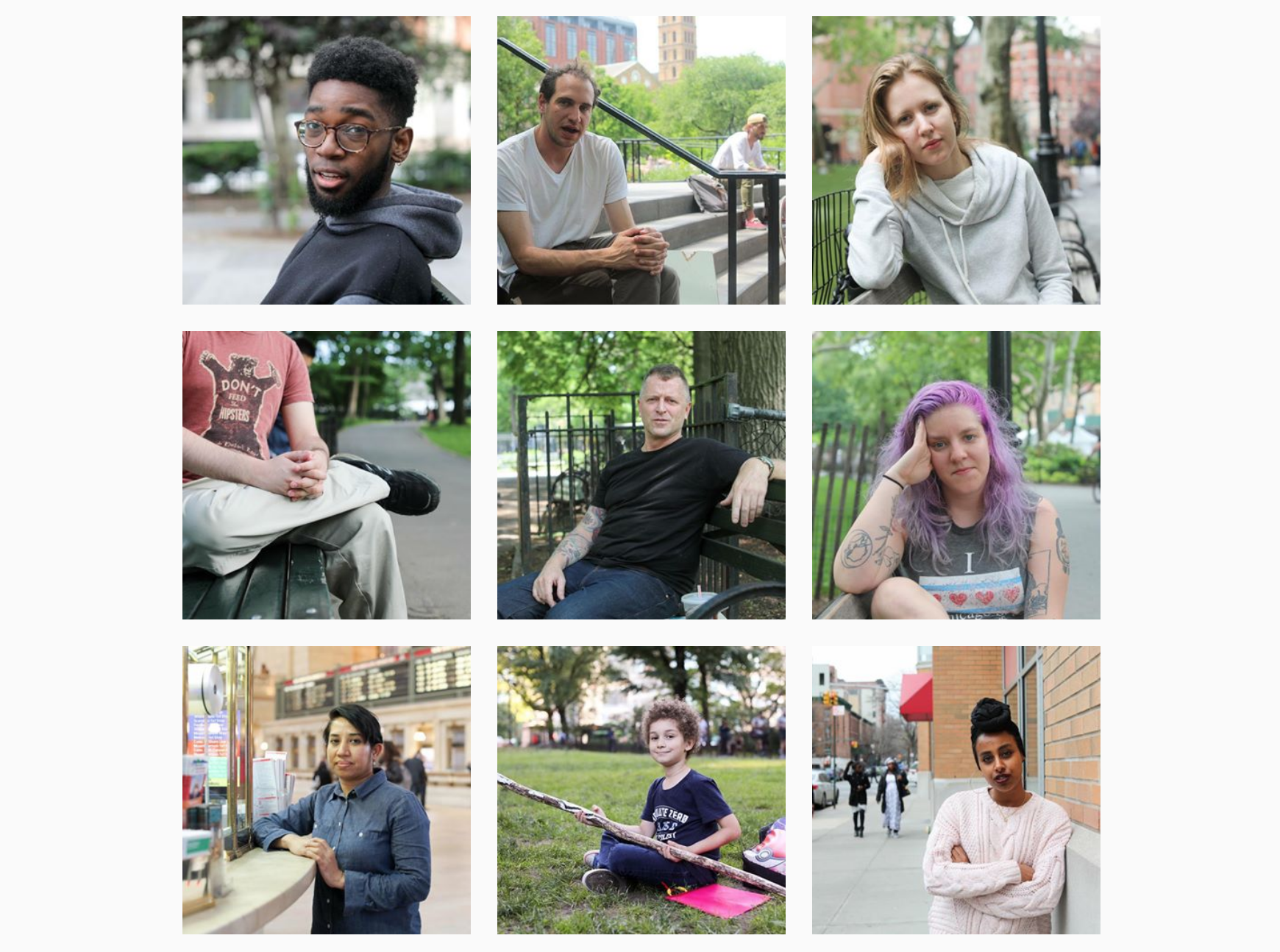
Conducting family interviews is a great way to gather the stories of family elders and preserve family history for the next generation. Here are a few tips.

The next time your parents are around (Thanksgiving, perhaps?) why not have your children interview them about their lives?
I come back to this quote from William Zinsser again and again for its poignancy and power:
“One of the saddest sentences I know is ‘I wish I had asked my mother about that.’ ”
How does that make you feel? If you have lost your parent(s) or other elders in your family, it can be like a punch to the gut. If, on the other hand, older family members are still around, I hope it creates a sense of urgency in you—to wonder about their personal history, to ask questions and, most importantly, to engage in meaningful conversation about the past.
I suggest recording these conversations—perhaps to transcribe later for use in a book, or perhaps to be edited down so your children’s children can hear snippets of their ancestors’ stories in their own words. There are plenty of digital recording apps out there; just don’t forget to use two different recording methods to ensure those memories are, in fact, captured (trust me, technical errors happen…and the feeling of losing those stories, well, it’s not good).
Which interview approach is right for you?
1 - group interviews
For families with multiple generations or family members who see each other only infrequently, group interview sessions during holiday get-togethers can be a fun and fruitful process. How to fit them in amidst all the holiday preparations, though? Some ideas:
After Thanksgiving dessert, keep the coffee flowing and the cookies on hand, but make a voice recorder the new table centerpiece. Share your purpose with your family (“I love hearing our family stories, and want to make sure we capture them for the future”), then ask for volunteers to begin the storytelling.
Do you have family members spending the night after a holiday celebration? Send someone out for bagels the next morning, and turn brunch into a reminiscence session. Keep it casual but focused to get the best stories out of your guests.
At a family reunion or other big gathering, set aside a room specifically for story gathering. Either designate one person as the ringleader (if you have a de facto family historian in your family, this will be right up their alley) or pair people together who you think will have meaningful conversations. Make a list of topics on a white board (or put them on slips of paper for guests to pick, à la charades) and give out time slots for the interview sessions. There is a fair amount of upfront organization involved here, but once the ball is rolling it’s fairly easy to maintain momentum.
2 - kids interviewing grandparents
Setting up “official” interviews with grandparents is a wonderful home-schooling or scouting project for tweens and teens. Have them ask grandparents to gather a few favorite photos in advance to use to help get the conversation flowing. You just might be surprised how many stories are revealed that even you had never heard before (there’s just something about sharing with the grandkids!!).
3 - regular conversation dates
Consider visiting with a close relative regularly to gather stories—perhaps bi-weekly coffee chats or monthly pot-luck dinners, each with a theme (think childhood adventures, momentous decisions, the war years, becoming a parent, etc.). I wish my mother were still alive for me to have such dates with her!
If you have a relative in assisted living, for example, such “interview” sessions may help with their self-esteem and general attitude, as well as giving you both something to focus on rather than day-to-day drudgery.
Keep the pressure off by maintaining a conversational tone throughout your get-togethers. While you are indeed trying to elicit memorable stories, the time together should itself be enjoyable.
4 - telling your own stories
Maybe YOU are the one who wants your stories captured? If you are not a writer, see if there is someone in your circle who might sit with you to converse. It might seem like a good idea to turn on a tape recorder and just start talking, though my experience indicates that having an interested listener—someone nodding or smiling, asking follow-up questions—is a compelling motivator!
If your child or a close friend is unable to fulfill this role, you can always set up a session with a personal historian such as myself (I consider it a privilege to listen to your stories!).
Sharing stories is an endeavor with immediate value, bringing joy to the participants and connecting family members more closely.
I would implore you to go a step further, too, and do something with your stories to ensure they are around for the next generation.
Imagine if your own grandparents had left you such a treasure?
related reading:
A good conversation begins with good questions.
Best practices for recording family history interviews at home
3 easy ways to get your parents’ stories
Meet the man who said he had no stories—until he had an absorbed listener, that is!
The reluctant interviewee: “I’m just an ordinary guy”
In his 1996 documentary Nobody’s Business, Alan Berliner interviews his father about family history. The result is a poignant study of the nature of memory.
“Who the hell would care about Oscar Berliner?” barks…Oscar Berliner.
In Nobody’s Business, Oscar Berliner, the reclusive father, has the spotlight turned on him by his filmmaker son Alan Berliner, and the results are a poignant study in the nature of memory.
Nobody’s Business is not new; it is an Emmy-winning independent (raw and experimental) documentary from 1996. I discovered it only recently, though, and felt compelled to share. I hope the review that follows may inspire you, too, to explore screening Alan Berliner’s most personal film.

Filmmaker Alan Berliner filming his father Oscar on a Florida beach, circa 1993
End of Story
“I’m American.” That answer which my grandmother repeated each time I asked her about her—hence our—background—is echoed by Berliner’s father. He has no idea where his family is from, he says, and he does not care. Who cares?
HIs son the filmmaker cares, and persists in trying to get his father to come around to his way of thinking. After a trip to the Family History Library in Salt Lake City, Berliner shows Oscar photographs of his ancestors, including a picture of the street where they lived.
Oscar: “What does it matter?”
Alan: “Your ancestors walked on that block.”
Oscar: “Really, what does it matter?”
Oscar: “I have no emotional response. They could be taken out of a story book. I don’t know them!”
But the son is as stubborn as his father, and he challenges, probes, pushes.
Didn’t his father ever ask his own parents about where they came from? Well, no: “I never asked. They never said.”
His father remains recalcitrant. “I’m American. Period, that’s it.”
Strange Relatives
Delving into his family history a little further, Berliner interviews cousins and other relatives about their heritage—and the result is no more informative than his conversations with his father.
“No one ever talked about it,” says one cousin.
“We’re strangers who share a common history,” says another.
When a distant cousin is enumerating how he and Alan Berliner are related, he ultimately concludes they are “sort of relatives and sort of strangers…strange relatives.”
Indeed, Oscar sums it up best: “The one thing we share is the one thing we all know nothing about.” Their family history.
And yet the faithfully seeking Alan Berliner travels to the small towns in Poland where his ancestors walked, and to Utah to uncover records of the past. He describes himself in his journal as “questing after people I didn't know, people I will never know. Hoping to breathe in…even one tiny molecule of air once upon a time exhaled by my ancestors that might still be floating around the Polish countryside. Looking to incorporate it into my body, my breath, my being.”
Alan Berliner is the poet, the compassionate descendant, urgently probing the past for connections and meaning.
“Next question.”
Berliner’s journals elucidate his process and travels and struggles to “see how I might tell the story of my father's life, amidst his stoical reluctance to talk about it.”
His father is indeed reluctant, even combative at times (something Berliner visually brings home through footage of boxing matches cut throughout his dialogue with his father), never fully giving himself over to the conversation.
Despite the combativeness of the conversation, though, he tells his son that “yes,” he is enjoying himself during the interview. He is lonely in his old age. He thinks such personal questions—about divorce and marriage and war—are best left for private conversations. Each time the son inches closer to eliciting a truth or a story, though, his father balks: “Next question.”
Oscar Berliner died in August 1996, just months after Nobody’s Business debuted. He had gotten to sit next to his (very nervous) son at the premiere at the New York Film Festival at Alice Tully Hall, and told a friend that it was the happiest night of his life.
“'‘Oscar Berliner & Son’ is now closed for business,” Alan wrote in his journal after his father’s funeral. “We’ve retired. He's moved out, I'm moving on. Like everything else about him, it's a sad melange of ironies and contradictions. But I loved him out loud and people heard, understood, respected, and seemingly—in turn, found a way to love him too.”
A Legacy of Love & Longing
As he gets closer to finishing the film’s editing, Berliner records in his journal:
“The film is beginning to touch a nerve. To reach a kind of truth about ‘identity.’ About some of the hidden places inside of ‘family.’ My father is so honest, so raw, so real. He's incredibly alive as a character. I just need to let him be himself.”
And kudos to Berliner for letting his father be just that.
I felt privileged to witness the interchanges between father and son. To recognize some of their push and pull from my own family experiences (I, like Alan Berliner, have always ascribed a larger meaning to the past, and strive to derive meaning from—and pay respect to—my ancestors’ lives). To be part of this intimate dance.
Watching Nobody’s Business, I felt like I was witnessing a meaningful journey for Alan Berliner, son and filmmaker.
“Somehow in the cauldron of my life’s process, this feels important—both as personal gesture, and as public example,” Berliner wrote of making the film. I hope you will watch it and perhaps discover some meaning for yourself along the way.
Affiliate disclosure: As an Amazon Associate, we may earn commissions from qualifying purchases from Amazon.com.

Family history in the 21st century
Family history is more than names on a chart; it's people's experiences that hold meaning. A curated list of resources for the genealogist who cares about story.

So much is written about the overwhelming popularity of genealogy, and the proof is all around: accessible (and inexpensive) DNA tests, fun (and memorable) Ancestry commercials, stylized family tree art as gifts…you get the idea.
It’s quite possible you are one of the millions of family history enthusiasts who consider tracing your roots a worthwhile hobby. I count myself among them, too.
But I worry that with all the focus on discovering distant cousins and fleshing out the family tree, we may be losing sight of what makes family history so important: the history behind the names.
I am heartened that so many others, like me, are refocusing their genealogy lens onto discovering, sharing, and preserving the stories of those who came before us.
Sure, the research must happen, and the documents will hopefully be preserved; but the life experiences of our ancestors, when they are known, should be told in ways that are accessible. Trust me when I say that it is highly unlikely your ancestors will be thrilled to sort through 18 boxes of census records and ship manifests, no matter how meticulously catalogued they are.
They will, however, read a story.
Family History Told Engagingly
A recent survey indicated that American readers don’t respond so much to literary writing as they do to the power of story. Stories resonate. Stories make us feel, and relate. They inspire. Just imagine how much more powerful stories can be when they are about—or by—your own family!
So no, you don’t need to be a writer to begin writing your family stories—your kin will not care about a misplaced comma or a run-on sentence when they are being gifted with a story of someone whose blood they share.

“If history were taught in the form of stories, it would never be forgotten.”
—Rudyard Kipling
There are so many ways to go about preserving your family stories. I think it is important, though, to pick one and begin. To inspire you, I’ve compiled some resources to make dipping your toes into the narrative family history waters easier.
Resources for Telling Family Stories
Storytelling, Writing & Oral History
In her well-organized Step-by-Step Guide to Oral History, Judith Moyer writes: “Many people become concerned about ‘doing it right,’ yet they also recognize that a voice on tape is better than nothing at all. So they try just a simple interview, just talking to someone for an hour. Ten years later such people are thankful that they made the effort, and those who did not …well, they have regrets.”
On my own site, check out Books to Help You Write Your Family Stories, Even if You Are Not a Writer; and download the popular resource How to Use Photographs as Prompts for Writing Life Stories.
I’m a big fan of Family Search's #52Stories initiative, which provides the inspiration to write down one story every week for a year, bringing you 52 steps closer to completing your personal history. Plus, see how two folks have taken up the challenge successfully.
If you are considering interviewing family members to capture their stories, first, congratulations! Second, browse some questions in advance, but remember to use them only as a guideline—curiosity will assuredly be your best guide.
Genealogy & Family History
Your genealogical research will become the bare bones onto which you build the flesh of your family stories. So whether you spend just a few days confirming names and birth dates or you make genealogy a lifelong endeavor, these links will prove helpful.
This Ultimate Beginner’s Guide to Genealogy is a whopper of a resource, with useful links, records overviews, step-by-step guides and more.
Preservation and archival basics, from what materials to use to protect your oversize genealogy documents to proper environmental control and photo and heirloom preservation.
The National Archives has catalogued an easy-to-navigate treasure trove of genealogy resources including tools for genealogists; genealogy events; downloadable family tree charts and forms; and how to start your research at the National Archives.
If you are considering hiring a professional genealogist to help with your research, search the Association of Professional Genealogists for specialists near you.
Consider yourself a history detective? Head to the far right column on this page for highly specific checklists for keeping track of your family history clues as well as “case files” of mysteries they have solved.
Branching Out
I am curious to see where your family history research takes you! Good luck in tracing your roots, and please, please remember to preserve family stories—your own as well as your ancestors’—as part of your genealogical journey.




The plague of procrastination
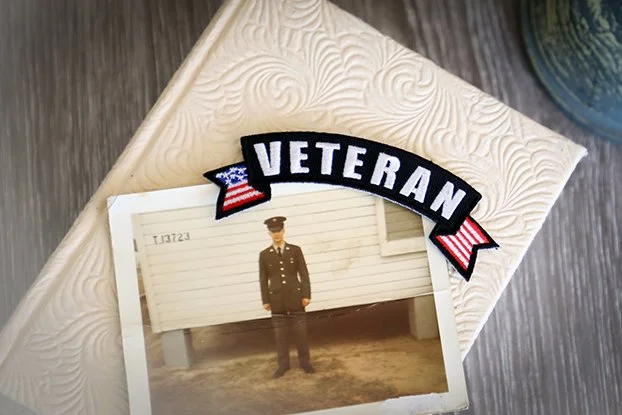
Ignoring your instinct to preserve your family stories can be an expensive trade-off. And most of us know this—so we do we wait? The perils of procrastination.

One of the first things I ever had published was an essay in defense of procrastination. It was somewhat tongue-in-cheek, but then, as now, I do find a certain allure to “productive procrastination”—that is, I often put things off because an idea is still germinating, and needs time. Many of my creative endeavors are enriched by time spent doing other things; I often sort out editorial structure while exercising, or brainstorm and troubleshoot while running mindless errands. Maybe “procrastination” isn’t really the right word for that, after all.
True procrastination, however—undesired delay—is too often self-defeating.
Recent studies have indicated that procrastination is not simply a matter of poor time management, but that there is a clear emotional element to our tendency to put things off. “You know what you ought to do and you’re not able to bring yourself to do it. It’s that gap between intention and action,” says Timothy Pychyl of Carleton University, in Canada.
Lately I have been faced with a rash of such procrastination among friends and potential clients. I am not talking about leaving a sink full of dishes for tomorrow, but rather a box full of photos and a head full of questions for…well, for “someday.”
It’s one thing to be self-defeating by putting off homework or exercise. It’s another to ignore big things that we know hold tremendous meaning.
From “Must Do” to Forgotten Task
When people learn what I do for a living, their eyes light up, and so often they recite a list of people whose stories they wish to preserve:
“I am visiting with my entire extended family next month and I absolutely should capture their stories.”
“My father is in the hospital with signs of early dementia, but he still has days of clarity. His stories of growing up in Prague are so precious—I must do something to preserve them soon!”
“My son adores sitting with his grandmother listening to her tales of childhood in Brooklyn! I hope he remembers them when he gets older!”
“My dad was in the Secret Service during my entire childhood. He is retired now, and sometimes I overhear him telling incredible stories to his cronies. I wonder if he would share them with me?”
Every one of these statements, while not quoted verbatim, is from actual conversations I have had in the past few months.
And every one of these individuals continues to find ways to put off gathering stories from their loved ones.
Why Wait?
While on a professional level I of course would love for these individuals to hire me to help preserve their stories in an heirloom book, on a personal level it saddens me that their procrastination just may result in a loss of family stories. Photographs will become mysteries for the next generation to solve. Memories will be lost to time. Their undocumented family history will become a genealogical puzzle.
If no one cared about these stories and memories, none of this would matter. But they not only care, they care deeply. I hear it in their voices when they are talking to me; I know it from my own experience.
Ignoring your instinct to preserve your family stories can be an expensive trade-off. And most of us know this. So we do we wait?
Studies show that we are most likely to procrastinate when we are unsure how to proceed—and that is often the case with “big” preservation projects.
Moreover, we tend to jump more quickly on tasks that provide instant gratification—and most of our storytelling efforts take time.
Lastly, when our perceived value of the task is high (how fun, how meaningful?), we are more likely to do it.
I am here to help you figure out how to proceed—so there is no worry (and no excuse!) in saying “yes” to starting today. And what could be of greater value than preserving your stories—your wisdom, your experiences, your adventures—for the next generation?
Knowing those two things, please don’t let the draw of instant gratification keep you from beginning. Some things in life are worth the wait, and preserving your memories, meaningfully and beautifully, is certainly one of them.
As the motivational wizards at Nike say:
Related Reading:
While there are lots of lists of family history questions on the web, here are 3 places to find unexpected questions that lead to meaningful life story writing.
Meet Josh: He plans to write his biography someday. Yet he has told his adult kids none of his life stories. How about you—are you waiting for “someday,” too?
No one will tell your life stories but you. Start small by saving family photos & preserving stories so you create a lasting, meaningful legacy, one step at a time.

Vintage, unknown
While I love browsing nostalgic #foundphotos on Instagram, my scrolling is always accompanied by a twinge of sadness. It’s the storytellers who renew my hope.
As an avid Instagrammer, I have followed with interest—and plenty of enjoyment—many vintage photo collectors. It is fun to scroll through a feed of old black-and-white images that bring to life times past: to see families gathering in their linoleum-floored ’60s kitchens, kids adorned in their ’70s patterned outfits playing outside in their yards, multiple generations sitting around on ’50s-era lawn chairs while someone barbecues. And all those car shots—what could feel more nostalgically American?!

Vintage “found photos” from the Anonymous Project’s Instagram feed.
These photos are weighted with a sense of time that is palpable. The curvy edges of print snapshots are often included in the digital representations of these images—they are clearly of another time. And yet, they are recognizable; they capture moments and milestones and emotions that often mirror our own. In their anonymity they become universal...in a most personal way.
I find the whole “found photo” movement intriguing. I am attracted to it for the aforementioned reasons. And yet, while I am “liking” image after image that makes me smile and remember, I feel a twinge of sadness. For while these photos are recognizable to me in their universality, their individual stories have been lost.
A recent New York Times article explores the phenomenon in “Moments Big and Small in Vintage Photos.” It’s what got me thinking about found photos again, and what renewed that ache I often feel when looking at them.
Sarah Moroz writes:
And while fashion and fads may have changed, these faintly remembered slices of life still resonate with contemporary viewers. “I realized that what a guy was doing in the 1940s, I did in the ’70s and ’80s,” Mr. Schulman said of the range of both playful and emotional vignettes. “The themes of today are also the themes of earlier times — we’re not different.”
So true, and so clearly why I, like thousands of others, gravitate to these images.
And yet…
I wish the stories attached to these photos were real.
I wish the memories associated with them belonged to the subjects and their kin, not anonymously to the world at large.
I wish we all valued our personal family archives enough to preserve and document them.
And yet…
I will continue to follow accounts such as The Rescued Photo and China Lost and Found, and to double-tap the pictures that resonate with me.
But I will cherish even more the vintage family photos shared by storytellers: the people who attach slice-of-life vignettes to their images, who share personal recollections and memories, places and dates and names to their pictures. The family archivists, personal historians, and memory keepers who use photographs as a means to remember to remember.
I am talking about:
Rachel Labour Niesen, the steward of the #savefamilyphotos movement and one of the best at promoting this message.
Kay Evans Little, who is “remembering my ancestors and family, one photo and story at a time,” and others like her using social media to share and celebrate the stories behind their family photos (two of my favorites: Rosa Rucco and Vivian Love).
And the many folks who have taken up the #genealogyphotoaday challenge.

On the Save Family Photos Instagram feed, it is not only about the photos: what’s not pictured here are the captions that accompany the photos, which are submitted by the more than 34 thousand followers and tell the stories behind the photos!
I’d love to hear your thoughts below! Please comment and share—
Who are your favorite #familyphoto storytellers on Instagram?
What is your take on the attraction to #foundphotos (also often referred to as vernacular photography)?
Are YOU doing anything to capture the stories behind your photos???
Photographing our everyday
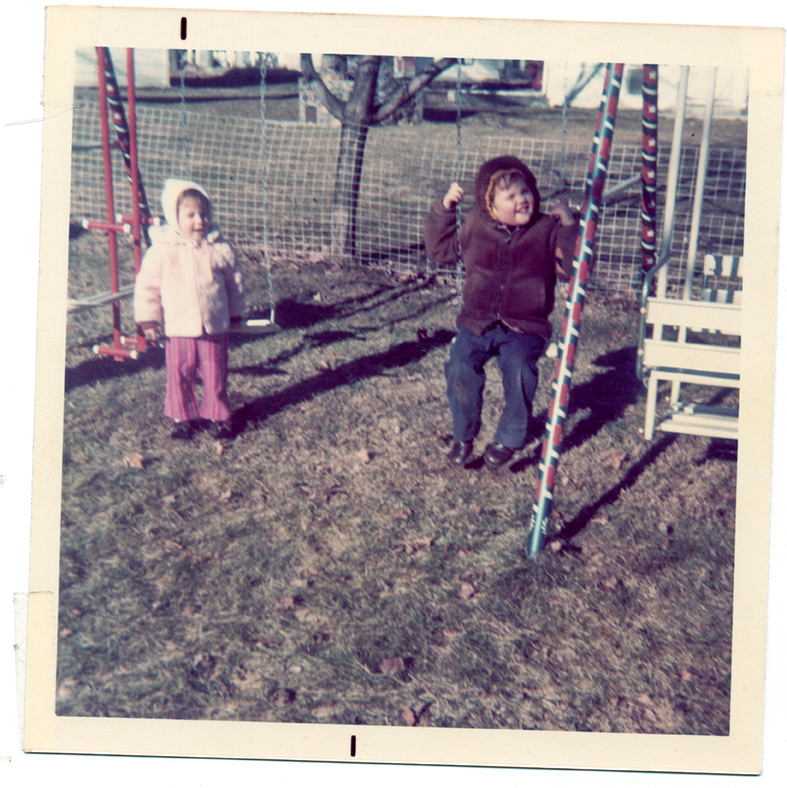
Our photos tell the stories of our lives—and our lives, frankly, are not merely birthdays & weddings. Our lives are lived in the in-between. Capture the moments.

We all take pictures of the milestones, big and little: the first days of school, the first lost tooth, high school graduation, and of course, birthdays. But what of the everyday moments? The in-between that, really, is the essence of our lives?
Ordinary days filled with extraordinary moments
I’m willing to bet you can conjure images in your mind of many of these—they are what make up the fabric of our memories, after all.
dad pulling into the driveway after a full day at work
grandma knitting on the front porch
little brother building Legos
mom doing the crossword with a cup of tea
kids brushing their teeth before bed
spring cleaning the garage
Have you ever taken pictures of these moments?
The extremes of documenting the everyday
There is a genre of photography known as documentary family photography, which takes this idea to great heights, elevating the everyday into beautiful art.
At the other end of the spectrum, some people find the urge (popular among many younger Instagram fans) to document every last morsel of their existence, well, a bit much. As Meredith Fireman wrote in a Fast Company article entitled “How Instagram Almost Ruined my Life”:
“Sometimes I want to talk to my friends and celebrate someone’s birthday without needing to see them blow out the candles in a photo uploaded by five people in attendance.”
I’m not advocating either of these approaches (though for anyone interested in hiring a family photographer, I do think choosing a pro with a strong photo-journalistic sensibility often yields a wonderfully unexpected result!).
I am, however, suggesting that you use the camera that’s with you (most often, your phone) to snap photos that represent your real life. That will remind you down the road of what it was like to live in that house, to go to school in that town, to be you at that age.
Details of time and place
Why do we all love looking at old photos so much? The nostalgia, of course, is infectious and charming. The scalloped edges and white frames of those old black-and-white photos feel cemented in time, like artifacts of another reality.

And they are. It’s not just the fading photographs themselves that lend to this feeling, though; it’s the details within the images that resonate: the curly phone cord tethered to the wall, the wood paneling so indicative of the Seventies, the beehive hairdos of the Sixties, the shape (and size!) of our eyeglasses.
When I look back at pictures of my own son from just a few years ago, I am most drawn to those that reorient me in time. The ones that transport me back to the feelings of new motherhood in a Brooklyn apartment, and the memories of juggling work and home life.
When I shuffle through the boxes of my mom’s old photos, it’s the ones that reveal what her everyday life was like that I cherish. Sure, her high school graduation picture is stunning, and framed in my room. But the shot of her walking down a city street in her Inwood neighborhood as a teenager is compelling—I want to sit down with that young woman and be her friend; I want to hear her stories.

My mom interacting in everyday ways with my cousin Kim (left) in the Seventies, and my brother in the Eighties.
Our stories, in pictures
Our photos tell the stories of our lives. And our lives, frankly, are not merely birthdays and weddings. Our lives are lived in the in-between.
So tell those stories. Write about them, and photograph them.
Your memories matter. Why not make preserving them a priority?
Getting inspired

Photograph Copyright Kristen Lewis Photo
Browse the photo gallery of documentary family photographer Kirsten Lewis for ideas for creative ways to capture your own everyday moments artfully.
On Instagram, search #thefamilynarrative and #lifewellcaptured to see what other families are photographing (and sharing).
Got a box of disorganized photos from your childhood—or even your parents’? Go through it and find the photos showcasing everyday moments: Do you gravitate toward them? Why? Find one or two you might want to recreate from your present-day life.
Tell the stories of your photos. And no, not every story needs to have high drama or represent a major turning point to be interesting.
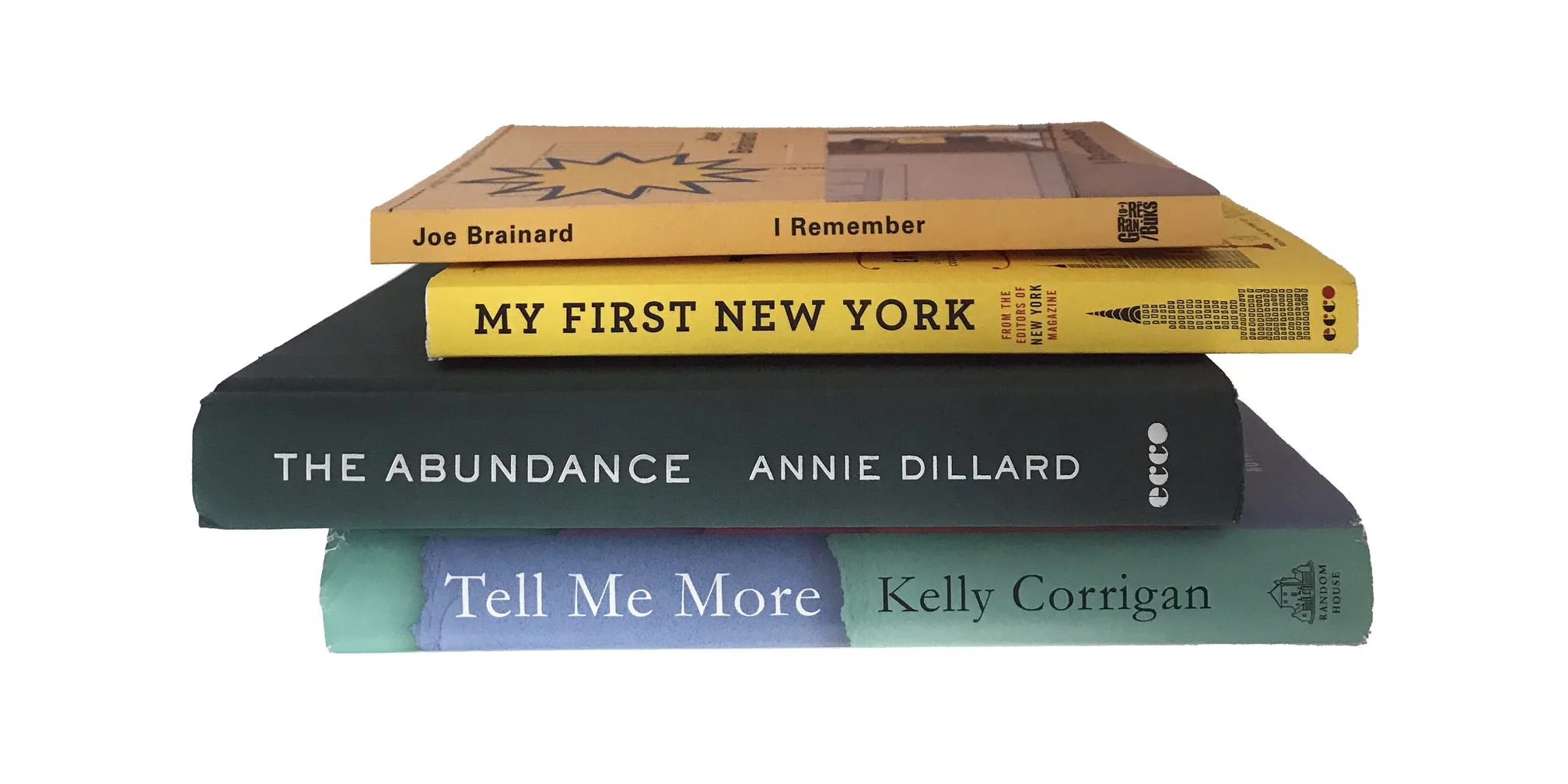
Track down a copy of Joe Brainard’s classic book I Remember to see how everyday memories can transform from mundane to magical.
Share your own photos on Instagram and tag @modernheirloom #photographtheeveryday —we’ll share a gallery of reader submissions in a future post!

The (real) value of your parents’ stuff
When aging parents have lots of stuff, their children often do not want it when they die—but it’s the memories associated with the stuff that makes them heirlooms.
My friend Donna has no space to store the fine china her mother would love to pass on to her. Derek has no desire to display his deceased mother’s antique Chippendale furniture—the mahogany color and elaborate carving don’t mesh with his home’s modern decor—yet he wrangled with guilt and family pressure when he decided to sell it.

I have written before about the Tyranny of the Family Heirloom: Many people simply don’t want to hold on to much of their parents’ “stuff,” but often their “things” may hold memories. When an object from a loved one’s life holds stories, they can become the best heirlooms.
Of course, they still amount to “stuff,” and stuff you very well may not have room for. Discover meaningful ways to preserve the stories behind those items that do hold emotional value before you donate or sell them: the process of remembering, of reflecting on what your parents meant to you while they were alive, is healing and rewarding unto itself, and at the end you will have a family heirloom that is beloved—and takes up less physical space.
It’s the memories of the things that matter, after all.
Why am I revisiting this topic? Because an article in this week’s New York Times reminded me that it is a topic that is not only incredibly relevant now, but that will become even more so in the near future:
“As baby boomers grow older, the volume of unwanted keepsakes and family heirlooms is poised to grow—along with the number of delicate conversations about what to do with them. According to a 2014 United States census report, more than 20 percent of America’s population will be 65 or older by 2030. As these waves of older adults start moving to smaller dwellings, assisted living facilities or retirement homes, they and their kin will have to part with household possessions that the heirs simply don’t want.” —Tim Verde, NY Times, Aug. 18, 2017
Resources for Handling the Things You Inherit
If you are facing the quandary of soon disposing of the beloved things your parents would love for you to inherit, here are a few articles that may be of assistance:
Which heirlooms matter—and which ones are even “heirlooms”? How to determine which items hold dear memories, and how to capture those stories for posterity.
After a death: How to make the process of going through your parent’s photos easier.
Check out Allison Gilbert’s book Passed and Present: Keeping Memories of Loved Ones Alive, which describes 85 practical and innovative ways to remember and celebrate deceased family members, including how to transform their things into meaningful keepsakes.
And read Gilbert’s grief and resilience blog, which is worth a visit for anyone who has lost a loved one, no matter how long ago.
The Healing Power of Remembrance: Memories are the connective tissue that binds one generation to the next, and the active nature of remembering is healing.
Notes from a Funeral: Memories of even the smallest moments, once shared, provide comfort and connection. Stories are a balm to our bruised hearts.

Reflections on What to Do with All that “Stuff”
The comments section of the aforementioned NY Times article is rich with ideas that provoke thought—and are sure to keep this important conversation going. A few of my favorites:
Hasty Pudding
“...what I wish I held onto? [My father’s] journals and other writing. After the pain of grief subsides, it's a way to get to know someone over again. Hasty disposal of many things can lead to regret.” —Andrea
Antidote to Angst
The joy of giving your stuff to people who will really appreciate and use it (after all, the sterling silver fork is still only a fork) while you can still realize the benefit that these folks will receive is, to me, the antidote to the family-related angst... —Sfojeff
Downsize Now
“The best gift you can give your kids is to downsize BEFORE you're too sick to do it, and for the love of God, when your kids say they don't want your stuff, believe them and don't lay on the guilt trip.” —Layla1st
Go Green
“I do not expect my kids to want much of what we have, and this does not hurt my feelings at all.... However, as far as furniture goes, I might remind the younger folks that if they are really as environmentally conscious as they profess to be, they should realize that ‘antiques’ are furniture being recycled and reused.” —Coopmindy
Generations of Junk
“...you’re not only inheriting your parent’s items, you’re taking on everything they received from older generations that they couldn't part with.... Now they’re my problem. I’m 53; I don’t plan to pass on the problem to the next generation.” —Larry
Unnecessary Conversation?
“Ms. Beauregard doesn’t have to keep the Lenox dinnerware, but why does she have to ‘break it to her mother’ that she’s going to get rid of it? What will that accomplish except for causing her mother pain?” —Diane
The Practical Approach
“Just use the china and silver—for everyday use. It doesn't need to sit in a closet.” —Arb
One Millennial’s Perspective
“I donate every month just to clear my clutter because it drives me nuts and I know others my age who do the same. It's just a different mentality. It’s not that we don’t care about memories or treasured items from generations past—we just connect with those memories differently. (In a simpler, less-cluttered, no-storage-unit-required kind of way). :) —Andrea
Verdict?
“Stuff is not memories.You get to keep the latter when you get rid of the former.” —Peter Scanlon