Memories Matter
Featured blog Posts
READ THE LATEST POSTS
How to find their stories when they’re no longer here
Learn how to preserve family stories when firsthand voices are gone. Use archives, photos, and context to honor loved ones and keep memories alive.
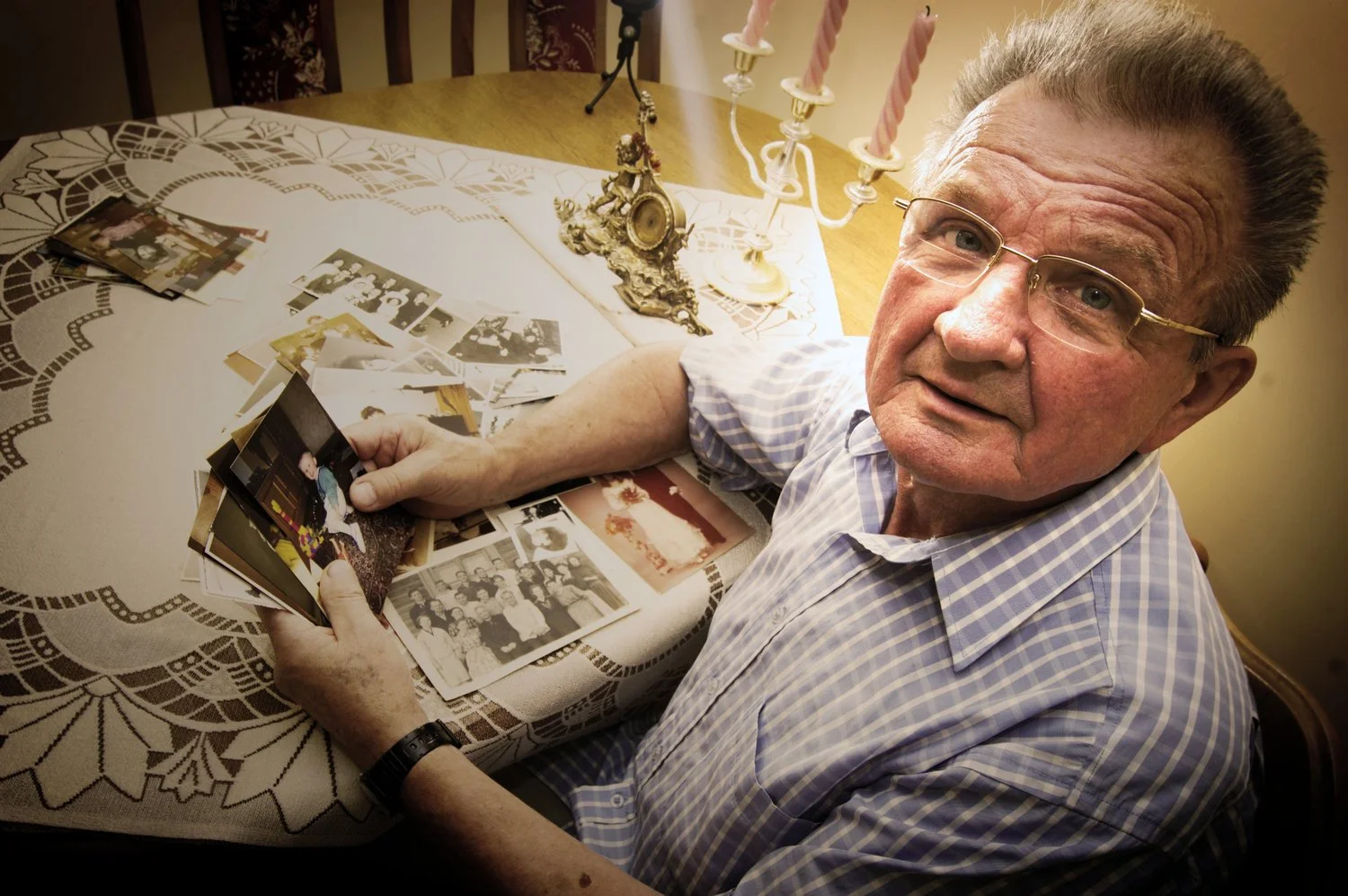
When a family member is no longer with us, it might seem like their stories have disappeared—but there are ways to ensure that their legacy lives on.
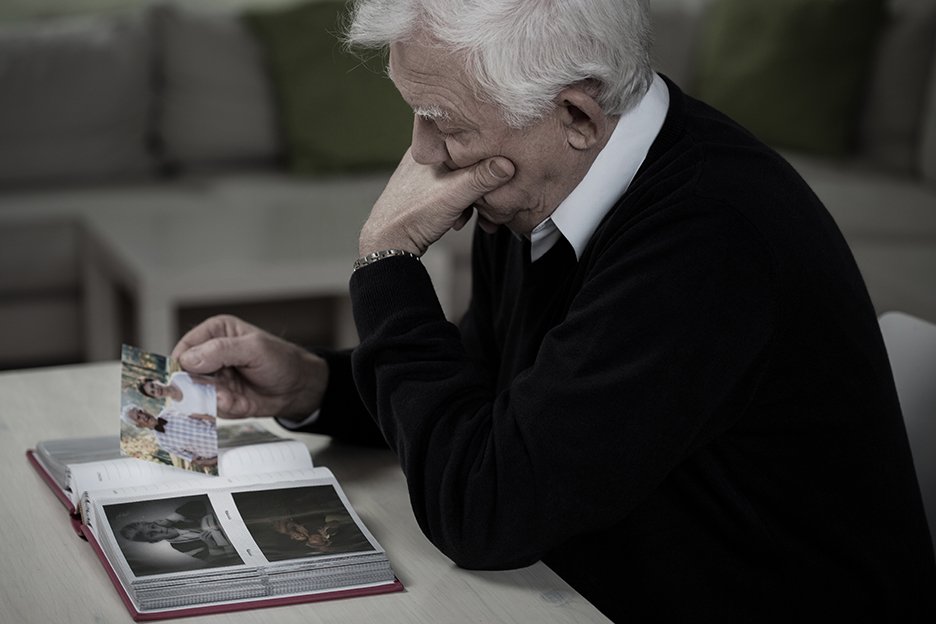
One of the hardest moments in family history work is what I call the silence gap. It’s that point when the people who lived the stories are no longer here to tell them. The firsthand voices have quieted, and we’re left wondering how much we’ve lost.
But the truth is, even when storytellers are gone, their lives don’t have to vanish with them. With care and creativity, you can still piece together a vivid, meaningful picture of who they were and what their world looked like.
Where to look for clues when stories are missing
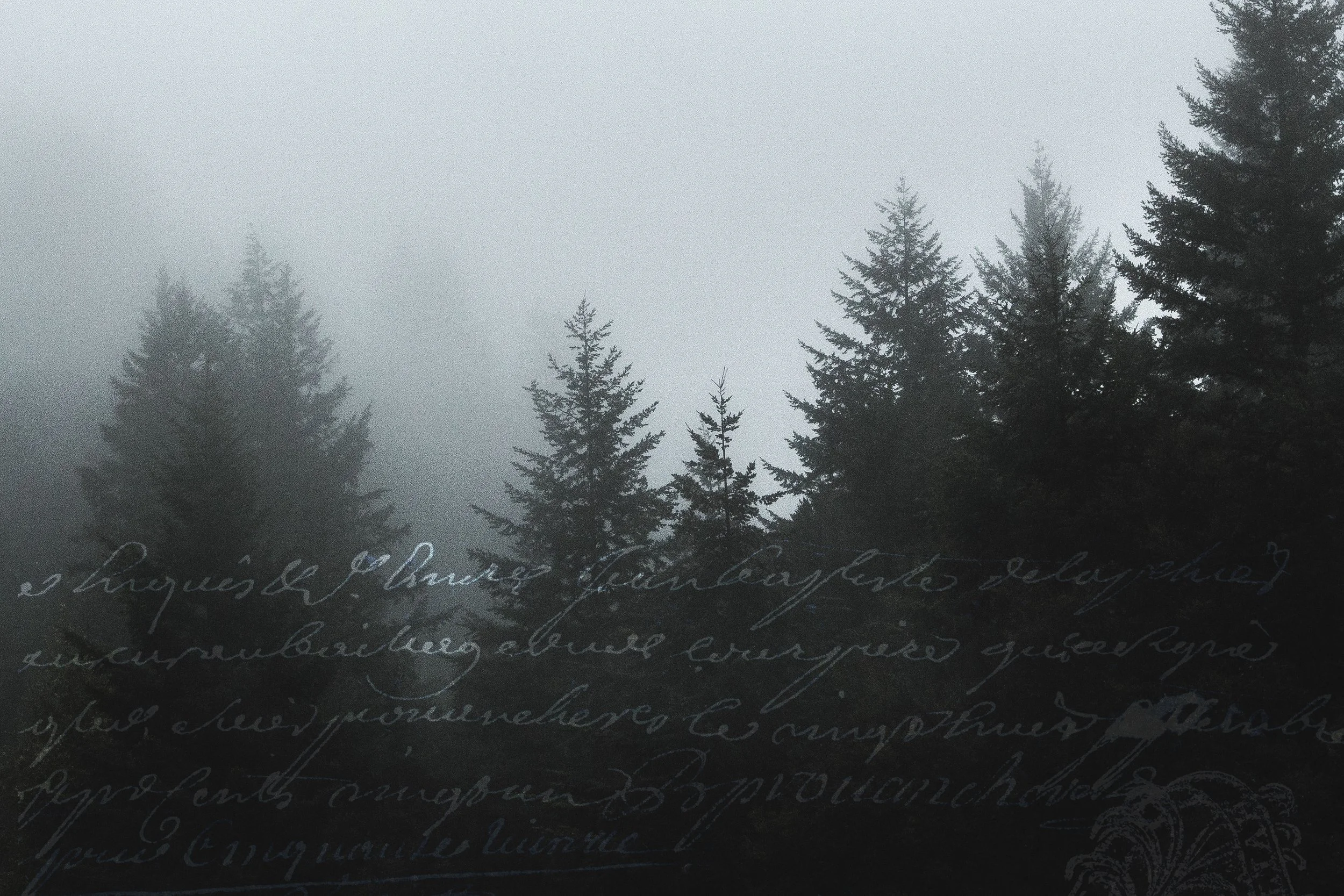
Letters and Diaries
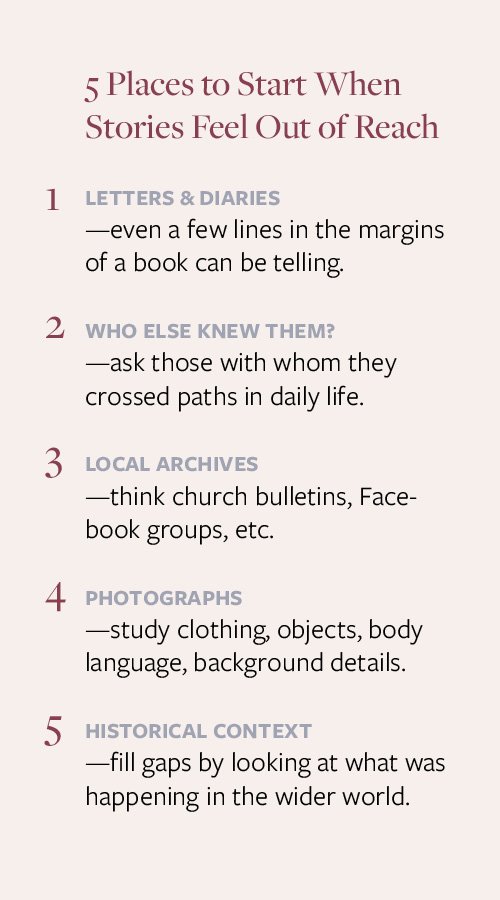
Private writing—whether it’s a carefully kept journal, a series of letters, or a few lines scrawled in the margins of a book—is often the most direct glimpse into a person’s inner life. Look for tone, handwriting style, even what’s left unsaid. (And even if you glean minimal details towards a story, I promise you’ll feel closer to them upon discovering such personal writing!)
Oral Histories from Others
Sometimes the people who knew your loved one best weren’t family at all. Neighbors, classmates, coworkers, or fellow congregants may hold memories worth recording. Even a single anecdote can unlock perspective. (And if you feel shy about reaching out to someone you might not know so well for their memories, imagine this: Wouldn’t YOU feel touched to know you could offer that person something so special just by sharing memories of THEIR loved one?)
Community Archives
Don’t underestimate the power of local sources: synagogue or church bulletins, school records, town newspapers, civic directories, or Facebook feeds. These often capture the rhythms of daily life—and the names of people and families alongside them. (Social media, in this case, may have even greater potential than more traditional sources, as the interconnected web of people your loved one was connected to may surprise and delight!)
Photographs as Texts
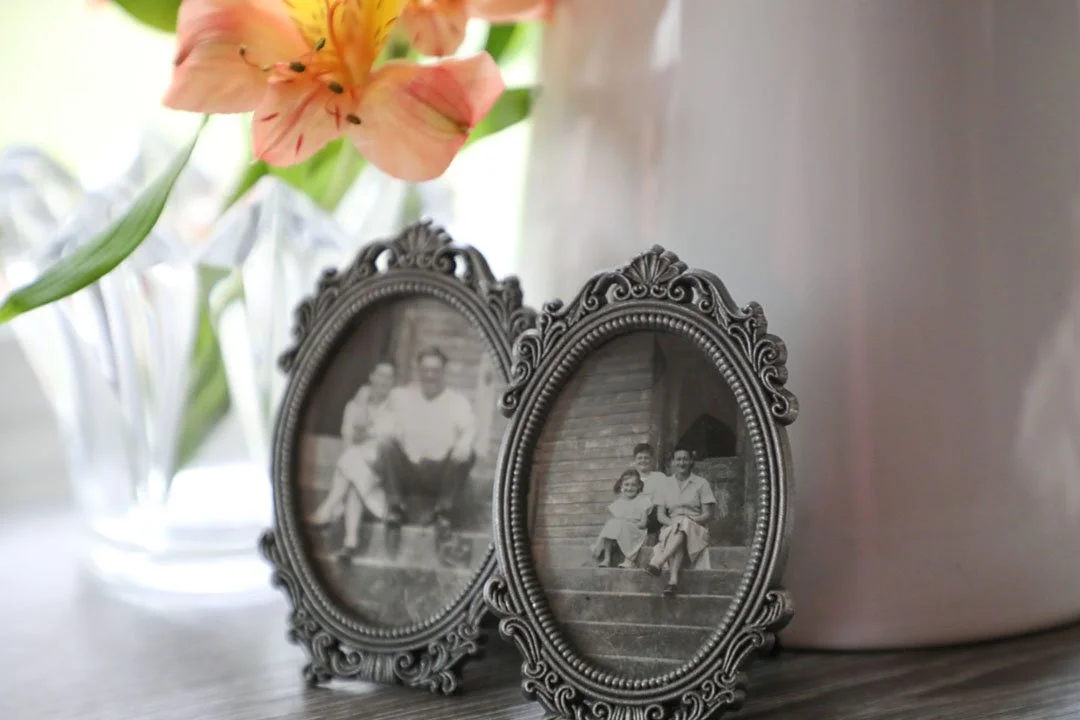
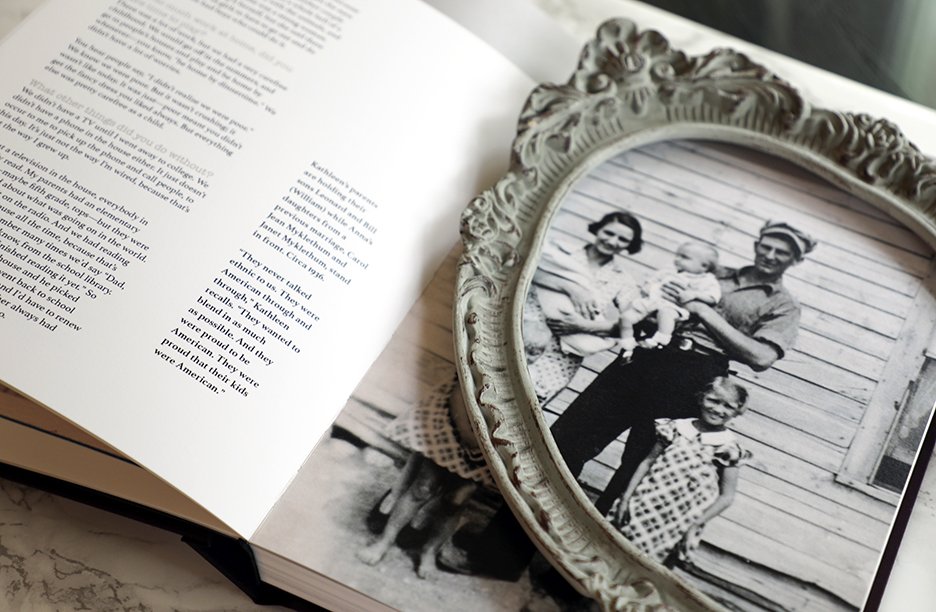
A photograph can be “read” almost like a document. Clothing, hairstyles, household objects, even the way people posed can reveal details about status, personality, and era. (Further reading for this one may prove super-useful: Check out this post for how to choose which photos may hold the best stories. and head here for specific guidance on how to write stories from your family photos.)
Historical Context
If the personal stories are sparse, zoom out. What was happening in their community, country, or the wider world at that time? Context can help you understand what shaped their decisions and daily routines. (If you love books, take a trip to your local library and ASK a librarian in person for their recommendations—it’s a great way to be surprised, and to tap into the wisdom of someone who is trained in the art of research!)
The challenge of the ‘silence gap’ in family history
A note on honesty: As you reconstruct a life, it’s important to be clear about what’s fact, what’s interpretation, and what’s imaginative filling-in. Transparency honors both the truth and the integrity of the storyteller’s absence.
The good news? Even when memories fade and voices fall silent, the story isn’t lost. By piecing together fragments—from a letter here, a photo there, a scrap of community history—you can create a portrait that honors your loved one and keeps their life present for future generations.
Why it’s important to record family stories while you can.
While it’s true that fragments can help us reconstruct the lives of those who are gone, the fullest, richest portraits come from listening directly to people while they are here. Every conversation we have now—every story told in a parent’s or grandparent’s own words—is a gift to the generations that follow.
At Modern Heirloom Books, my work centers on capturing these living voices before they become silent, preserving not just the facts of a life, but the humor, warmth, and humanity that no archive can ever fully replicate. So, please: Do what you can now to preserve your own stories. You’re loved ones will be blessed by that gift (and grateful to you for sharing it 😉).
Learn how to preserve family stories when firsthand voices are gone. Use archives, photos, and context to honor loved ones and keep memories alive.
Have you ever thought that your most valuable assets are intangible? Your legacy is more than the financial security you leave behind—it’s your life’s story.
The three most common excuses I hear for not writing about your life “yet,” and how—and why—to overcome them. It’s not too soon for your memoir, I promise.
My biased opinion: Working with a professional biographer can be one of the most meaningful investments you’ll ever make. Here are a few reasons why.
Are you nervous about undertaking a life story project? Working with a personal historian or memoir coach can help alleviate many of the most common fears.
“I wish I knew why Mom moved to New York when she was just 16.” “I wish Papa told me how he makes his Sunday sauce.” Don’t wish for stories; ask for them.
Walking down memory lane can be fun, but writing about your life has big benefits beyond that, including making meaning out of your lived experience.
It’s important to me to stress some sense of urgency about writing about your life—but I don’t think you’ll have regrets if you don’t write about it ALL.
Boxes of old letters, family photos, and mementos from a generation ago can feel like a burden if they’re passed down without context. What to do with them.
You may think you are writing about your life for your family—to honor your ancestors, to give a gift to your descendants. But the truth is deeper. You’ll see.
When Mother’s Day is hard due to feelings of loss, allowing ourselves to linger in our memories may help (and, yes, hurt). A tribute made in grief, and love.
After we record your personal history interviews, I craft your story and photos into an heirloom coffee table book—not a video, not an audio file. Here’s why.
If writing your memoir means enough to you to put it on a bucket list, please read this—I’ll help you easily move it from future project to present-day endeavor.
Your legacy is more than the assets you leave behind—much more. Here, three ways to leave a personal legacy that has a positive impact on your loved ones.
Ignore those naysayers who warn that you must be passed middle age to begin writing your life stories: Start your memoir now, no matter how old you are.
It’s a common but wrong assumption—that telling one's own stories is “narcissistic” or “self-centered.” Truly, preserving your legacy is an act of generosity.
Recording loved ones' stories is important to most Americans, and yet not even half of us have done so. Here, resources to make memory-keeping easier.
Our memories are anything but fixed—and when stories are passed down to a new generation, their malleability, their meaning, and their impact change, too.
Family stories have enduring value. Some you share now may not be relevant enough for your kids to care. But one day they will see themselves in your stories.
Ever wonder what it might be like to work together on your OWN heirloom book project? Listen to past clients' feedback—and words of thanks!—to get inspired.
Writing about your life can be hard—but it’s still worth the effort. (Oh, and you’re wrong that your family members don’t care about your personal history).
Understanding the basics of how our brains encode memory can help us both remember the things we want in the future & retrieve precious memories from our past.
Dear Tim Ferriss: Have you interviewed your parents yet? It is with a healthy dose of humility & a shot-in-the-dark effort that I say to you: Do it now—please.
Is your life too boring to tell people about? Do you think it's self-centered to write a memoir? Or that your kids don't care about your stories? Think again.
It seems obvious: We should ask our parents about their lives—lessons, loves, adventures, ancestors. Then why do so many of us wait too long and then have regrets?
Did you know that listening to and sharing stories can help us live longer, happier lives? Discover three impactful ways to bring storytelling into your life.
I hope you'll take comfort in these personal stories of vulnerability and loss during the holidays. (Sharing memories about loved ones is always a good thing.)
Preserve your parents’ (and grandparents’) stories meaningfully for the next generation with these three ideas that make the process simple and enjoyable.
Sometimes the idea of telling our "life story" is overwhelming. If we think of memoir as a series of smaller life narratives, though, the way in becomes clear.
The Wall Street Journal reports that a growing number of adult children are interested in hearing more of their parents' stories. Are you among them?
Learn how to preserve family stories when firsthand voices are gone. Use archives, photos, and context to honor loved ones and keep memories alive.
Story-sharing is a great tech-free connector: How a few phone conversations can help grandparents connect with their grandchildren—and plain-old feel good.
Finishing a family history book can feel like saying goodbye. Learn why it’s so hard to end—and how completing the story can become its own act of love.
Discover the 6 best resources to add context to family history. Historical archives, newspapers, photos, and podcasts bring your ancestors’ stories to life.
I hope these quotes from my commonplace book remind you why family history and stories of our ancestors matter—and why now is always the best time to delve in.
Four steps to help you turn spoken stories into engaging written narratives—so once the family history interview is done, you can create a lasting legacy.
Cataloguing your family heirlooms in a book is a great way to pass down their stories. Here are some tips for capturing incredible images of them, too.
The holiday’s meaning often gets lost amidst long weekends and cookouts, but we’ve got easy ways to remember loved ones who died in service.
There’s way more to family history than clicking on digital hints and scouring online genealogy sites. Here, three ideas for tracking family history clues IRL.
You’ve decided to do SOMETHING with all that family history stuff you’ve gathered—but somehow your project keeps growing. Here’s how to cross the finish line.
“I wish I knew why Mom moved to New York when she was just 16.” “I wish Papa told me how he makes his Sunday sauce.” Don’t wish for stories; ask for them.
Learn about our Write Your Life course, providing memory prompts, writing guidance and a dose of inspiration to anyone who wants to preserve their stories now.
A roundup of the most popular (and helpful!) posts from Modern Heirloom Books to help you prompt and preserve family stories this Thanksgiving season.
Five easy ways to get the best stories from your family member just by responding thoughtfully to their answers (hint: it starts with really listening!).
Whether you’re interviewing your parents about their childhood or gathering family history info from your grandparents, good follow-up questions are key.
While your memoir is telling your stories in your words, a family tree chart outlining your relationships has a real place in that book—here’s why.
Podcast host Melissa Ceria and personal historian Dawn Roode discuss the importance of family history preservation and finding solace in stories after loss.
Discovering a stack of handwritten letters can feel like winning the family history lottery—but is it always the right thing to read (or share) them?
From a conference hall filled with more than 150 family history vendors, I have hand-picked my favorites—here’s why you’ll love them, too.
Boxes of old letters, family photos, and mementos from a generation ago can feel like a burden if they’re passed down without context. What to do with them.
Wondering if 52 weeks of memory prompts will help YOU write about your life at last? Here, answers to the most commonly asked questions about Write Your Life.
Every week you’ll get themed prompts to stir your memories, tips to write your stories with ease, and more! A unique gift for your loved one (or yourself)!
Want to organize your family history archive? This cheap, convenient solution is a great way to record your stories until you’re ready to move them into a book.
No interest in family history? What if I told you there would be no research involved, no libraries, no family trees—just spoken stories? From mom, from dad?
Ready to edit your family history or life story book? Follow these three tips from a personal historian to ensure everything is clear for your descendants.
Whether your family heirloom collection consists of generations’ worth of antiques or a handful of sentimental items, catalog them for the next generation.
Family reunions are optimal occasions for gathering family history—and if you go in with a plan, you’ll be able to preserve stories AND have a great time!
Don’t let all those memory-keeping ideas swirling around your head overwhelm you. Instead, take some time to hone in on which stories to tell first—here's how.
There are a variety of reasons—including traumatic memories—when pausing a personal history interview is the best course of action. Give in to the silence if...
Your legacy is more than the assets you leave behind—much more. Here, three ways to leave a personal legacy that has a positive impact on your loved ones.
Learn how to preserve family stories when firsthand voices are gone. Use archives, photos, and context to honor loved ones and keep memories alive.
After losing someone you love, it can be hard to know where to begin. These 35 gentle, thoughtful questions help spark memories, stories, and meaningful conversations with family.
Learn how to write a heartfelt, engaging obituary that honors your loved one’s life with personal stories and creates a meaningful, memorable legacy.
Dawn Roode offers up four suggestions for further reading (and listening) for anyone who, like her, is missing a friend or family member during the holidays.
The holiday’s meaning often gets lost amidst long weekends and cookouts, but we’ve got easy ways to remember loved ones who died in service.
Discovering a stack of handwritten letters can feel like winning the family history lottery—but is it always the right thing to read (or share) them?
Go beyond a memorial slideshow and honor your lost loved one in a more permanent way. These three ideas for tribute memory books are easier than you think.
When Mother’s Day is hard due to feelings of loss, allowing ourselves to linger in our memories may help (and, yes, hurt). A tribute made in grief, and love.
How lucky I am to "meet" your loved ones through the tributes you and others share in their honor! The stories that memorialize them live on for generations.
I hope you'll take comfort in these personal stories of vulnerability and loss during the holidays. (Sharing memories about loved ones is always a good thing.)
Writing a tribute book is a meaningful way to create a lasting legacy for a lost loved one. These expert tips from a personal historian will help.
As I turn 50, I have one wish: For those who knew my mother to share with me stories of her life, and for those who didn't, to share a remembrance with loved ones.
While the Christmas season can be difficult for those of us missing a loved one, remembering them—out loud, with others who knew them—is a balm to the soul.
As the tenth anniversary of losing my mom approaches, I have been caught up in thoughts of the past—but where are those vivid memories that once flooded me?
Discover family history, life story writing, and photo management guides in our Toolkit, where you can download free resources to help you preserve your legacy.
When someone you care about loses a loved one, it can be difficult to know what to say or how to help. Compassionate advice, found in a rather unlikely place.
We may yearn for a lost loved one even more during the holidays, but know that shared memories are a balm to the soul, and that grief is another form of love.
When aging parents have lots of stuff, their children often do not want it when they die—but it’s the memories associated with the stuff that makes them heirlooms.
Allison Gilbert, Soledad O'Brien, and Henry Louis Gates, Jr., talk about the power of remembrance in the face of grief, & why family story sharing is healing.
Reflections from a funeral on remembrance & grief: sharing memories about lost loved ones to heal—and why we don't honor our families through story sharing now.
Maybe it's true that "nobody wants your parents' stuff," but before you donate their things, tell the stories of your family heirlooms, preserving your memories.
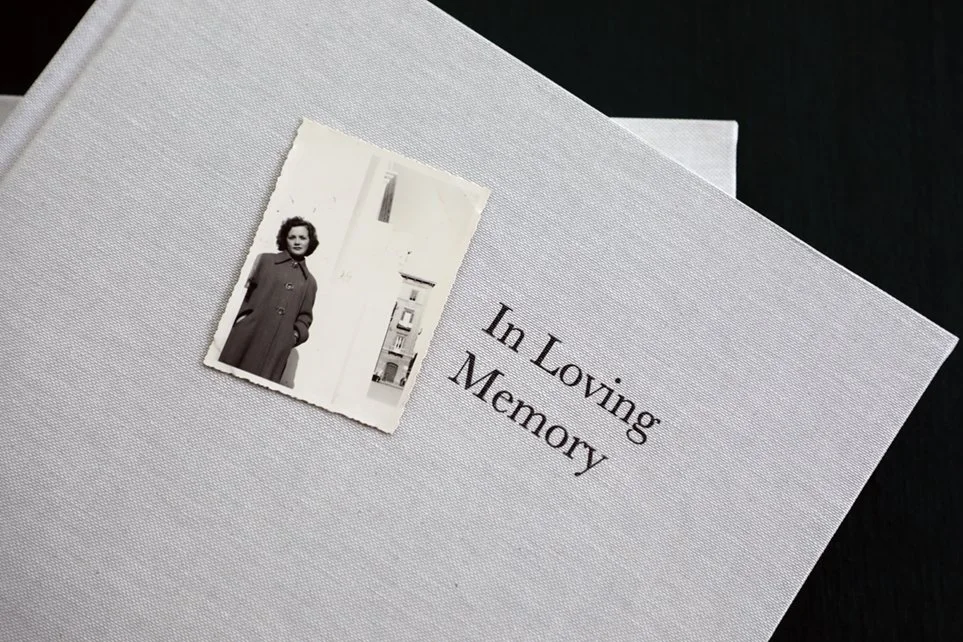
The first legacy book I designed was as personal as it gets: a book honoring my beloved mother. But after struggling to find a way to tell her whole story, I realized that simply was not possible. And I didn't want some long, boring biography, anyway. What resulted is a book that is precious to me, and I hope will one day be inspiring to my son...and the children I envision he will someday have himself. May you be inspired to tell the story of one of your loved, ones, too!