
Memories Matter
Featured blog Posts

READ THE LATEST POSTS

Life Story Links: January 18, 2022
Our curated roundup is back, filled to the brim with stories you'll want to bookmark: on memoir (reading and writing), preservation, family history & more.
“A writer—and, I believe, generally all persons—must think that whatever happens to him or her is a resource. All things have been given to us for a purpose, and an artist must feel this more intensely. All that happens to us, including our humiliations, our misfortunes, our embarrassments, all is given to us as raw material, as clay, so that we may shape our art.”
—Jorge Luis Borges
Vintage photo of a young girl in Franklin Township, New Jersey, February 1936, by Carl Mydans for the U.S. Resettlement Administration. Photograph courtesy of Library of Congress Prints and Photographs Division Digital Collection.
First-person stories & memoir recommendations
THE POWER OF RECLAIMING HER NAME
After a wave of racism, her husband challenged her to reclaim her Asian name as a way to be proud of who she is. Marian Chia-Ming Liu re-introduces herself—and shares meaning behind all four parts of her name.
WHAT TO READ THIS YEAR
I compiled a list of my most anticipated books of 2022 in the categories of memoir, letters and journals, and the craft of writing. Which ones will make it onto your bookshelf?
ON SURVIVAL
“This memoir, [Mala’s Cat], rescued from obscurity by the efforts of Mala Kacenberg’s five children, should be read and cherished as a new, vital document of a history that must never be allowed to vanish.”
THE TASK OF REMEMBERING
“The premise of much of Clifton’s work is that memory persists even in the absence of words, details, and all of the trappings of what we know as ‘history.’” A thoughtful examination of poet Lucille Clifton’s 1976 memoir, Generations, which has been reissued.
TWO TO CHECK
A Chicago Tribune reviewer names a pair of memoirs about fresh starts—Lost & Found by Kathryn Schulz and I Came All This Way to Meet You by Jami Attenberg—not only as two of the best books of 2022, but as “the product manuals for two authors, and ultimately, tangentially, for yourself.”
One story at a time
PRESERVING A VIVID LEGACY
“Even though there is a trove of letters between this man and his daughter, they demand a lot of research to provide context and explanation,” Washington–based personal historian Nancy Burkhalter describes of the process behind a recent biography.
BRIDGING DIVIDES
“It’s going to take a lot of stories to bring this country together,” 60 Minutes reporter Norah O'Donnell says to Dave Isay, founder of One Small Step, a StoryCorps. offshoot that pairs people from opposing political views for conversations about their lives, not their beliefs.
UNCOVERING STORIES FROM SLAVE SHIPWRECKS
“Through these ships, we could bring lost stories up from the depths and back into collective memory.” National Geographic dives into the untold history of the Transatlantic slave trade with its new podcast, “Into the Depths,” launching January 27.
LIFE LESSONS
“For those who make it to old old age, there remains the challenge: How do you make a full and meaningful life when you can’t do so many of the things you once did? At the end of life, what turns out to really matter, and what is just noise?” NYT reporter John Leland reflects on a series he did following a group of the oldest New Yorkers—over seven years and 21 articles.
Writing about our lives—why, how, when
BRINGING VOICE TO ANCESTOR’S HISTORICAL NARRATIVE
“I loved my time in the archives. The tedium of transcription alternated with a quickening heartbeat that came with a new discovery.” Sally Merriam Wait’s journal “passed through seven matriarchal descendants before it came my way,” says Mary Tribble, who found kinship with her fourth great-grandmother.
3 WAYS TO TELL A PHOTO STORY
Modern memory-keeping doesn’t have to be time-consuming, but it should be meaningful. Here are three simple and elegant ideas for preserving the story behind one favorite photo (with the hope that it will be the first of many!).
PUTTING LIFE ON THE PAGE
BBC Woman’s Hour host Emma Barnett is joined by psychotherapist Julia Samuel and authors Arifa Akbar, Cathy Rentzenbrink, and Ann Patchett to talk about why so many of us want to put our lives on the page: What stops us, what gets in the way, and is it always a good idea? Listen in below:
Finding family history
INVENTORY OF ARTIFACTS
After a lengthy effort, artifacts from collections in Lithuania and New York that document Yiddish culture in Eastern Europe before World War II will be accessible to scholars and others.
CHIMING IN
“I had set about surrounding myself with heirlooms and other objects connected to my heritage to inform and inspire my efforts to guide others in their memoirs and family-history work,” Megan St. Marie writes of the clock she placed in her Massachusetts office.
KEEP THE STORIES, LOSE THE STUFF?
“Watching the moving men removing bookcases and boxes, my life flashed by like a film running in reverse—whole epochs were excavated and carried out.” Wisconsin–based personal historian Sarah White on giving safe passage to belongings as she takes a step toward downsizing.
“THEIR STUFF, OUR STORIES”
“Our hearts aren’t accountants.” Martie McNabb of Show & Tales, Karen Hyatt of EstatePros, and Before I Die New Mexico festival organizer Gail Rubin delve into the stories behind our stuff in this engaging video:
Experts share knowledge
MAKING A PLAN
New York City–based archivist Margot Note talks to host Rick Brewer on the Let’s Reminisce podcast about creating family archives and making sense of all that gathered family information. Listen in:
SELF PORTRAITURE: YOU ON THE PAGE
What does it mean to write memoir, to engage in the personal, and to quest for universal truths and telling details in your life writing? Listen in (and take notes!) as writer and teacher Beth Kephart shares wisdom and writing prompts:
TAMING PHOTO CHAOS
NYC–based photo organizer Marci Brennan speaks to the host of the Anywhereist podcast about the nitty-gritty of getting your family photo archive under control—and there’s a helpful list of resources here, as well. Surprising tip: Many people should delete about 80 percent (!!) of their digital photos to preserve a meaningful legacy.
...and a few more links
Register for free RootsTech 2022, which will be held March 3-5, 2022.
24 writers help publish a book about living in Alexandria during segregation.
How Kenneth Branagh’s family left turmoil in Belfast
Biographer discusses the life of explorer Ernest Shackleton
Massachusetts–based personal historian Megan St. Marie explores her Acadian heritage through two objects she holds dear.
Soldier’s WWII letter to his mother delivered after 76 years
“Succession star Brian Cox spares no one—including himself—in his new memoir.”
Short Takes

Life Story Links: October 8, 2019
Lots about memories, from how we may forget to how we craft them on a page; plus family history, family artifacts, and family foods that hold meaning.
“Every man’s memory is his private literature.”
—Aldous Huxley

Ellen Cantor’s “Prior Pleasures” series of double-exposure photographs (no Photoshop involved!) “explores memory and preservation of the past while ensuring the creation of a visual legacy for the next generation. The books photographed for this series are the ones I have carried with me since childhood,” she describes. Photograph by Ellen Cantor. Learn more in “Seeing Double” below.
Putting Memories into Words
COMFORT FOOD
From alfredo sauce from scratch to a thoroughly gussied up mac-and-cheese from the blue box, Carmen Maria Machado uses the foods that warmed her in the homes that she traversed to walk us through her twenties.
THE AUTHOR WHO DIDN’T CARE TO BE REMEMBERED
In this excerpt from Shadow Archives, a look at the curious case of African American writer Ann Petry—who “embarked on a shred-and-burn campaign” of her journals, letters, and book drafts—and the ways in which we scour those precious remaining archives nonetheless looking for glimpses of her life and motivations.
ALL THAT HAS BEEN FORGOTTEN
My job as a personal historian was ignited by a tribute book I made in honor of my mom after she died, and I regularly help others spark memories that may seem elusive. And yet: I have been haunted by the notion that all the memories of my own mother are…gone.
WHEN MEMORIES MEET THE PAGE
“I had written down just what my client had told me about his aunt. So why did reading the chapter move him to tears?” wonders Massachusetts–based personal historian Nancy West. “Because seeing words on a page is somehow more profound than simply telling the story.”
Pieces of Our Collective Past
IS THAT…?
“Family artifacts hold all kinds of genealogical evidence waiting to be found and added to our ancestors’ stories,” writes Denise May Levenick, aka The Family Curator. Imagine her shock when she encountered a piece of her own family history at a flea market.
HISTORY MADE PERSONAL
Lonnie G. Bunch III, named Secretary of the Smithsonian Institution in June, describes five artifacts from the vast collections that hold deep personal meaning for him, and that reflect significant pieces of our nation’s history.
SEEING DOUBLE
“I document the artifacts of the past to enrich the present,” still life photographer Ellen Cantor says. “I am interested in reimagining the family photo album and objects that hold personal histories in order to explore the distillation and persistence of memory.” Read about her multiple-exposure series exploring the pleasures of childhood reading, and head over to her website to browse some of her other work, including Family and Visual DNA.
...and a Few More Links
Washington State Parks is collecting oral and written histories of Mount St. Helens’ 1980 eruption.
The Family Narrative Project is offering a recipe storybook online course.
Story Corps. seeks support.
Short Takes

Life Story Links: September 11, 2019
The art and craft of memoir, a most unlikely family heirloom, audio life story preservation, and more reads from the world of personal and family history.
“Like a mosaic, we all contribute the broken shards of our memories to a larger picture that, while imperfect, creates a beautiful whole life.”
—Julia Shaw

Books…
THE ART AND CRAFT OF MEMOIR
In Juncture Notes’ first quarterly magazine, founders Beth Kephart and William Sulit present “Art: Honoring the Life” (a look at writerly approaches to persistent memoir concerns) and “Craft: Try This on for Size” (showcasing an exemplary text and a related writing prompt).
THE BOOK OF PRINCE
Prince rejected the list of co-writers recommended by his publisher, opting instead to work with a Brooklyn writer who had yet to author a book. Dan Piepenbring on the process of becoming the iconic musician’s memoir collaborator.
…and Beyond
PLACES IN THE HEART
The studio that turned out to be a family heirloom: When a New Orleans native goes apartment hunting in New York City, she happens upon a place where her mother lived in the 1970s.
VIRTUAL LEGACY?
“Where [the Hereafter app] differs...is that we’re not actually trying to recreate the dead person to reanimate them through technology.... It really is a high-tech interactive sharing of oral history.”
FAMILY HISTORIAN GIFT IDEAS
I haven’t had this much fun curating a blog post in quite some time! After keeping notes on family-history finds over the course of the last year, I put together a buying guide that includes my favorite high-end gifts for genealogy buffs as well as a few smaller presents to consider.
HEAR, HEAR
On the most recent episode of The Life Story Coach podcast, Amy Woods Butler talks with personal historian Gloria Nussbaum about why and how she captures clients’ voices and stories on audio recordings.
NEVER FORGET
On this 18th anniversary of 9/11, take some time to read first person accounts of survivors and first responders in the stories section curated by The Voices of September 11. “They are a record of the confusion and courage, the unity and loss, that make up our collective memory of that day”.
...and a Few More Links
Storytelling in healthcare is a two-way street.
Free “Talk of a Lifetime” activity guides, including family tree and recipe activities, as well as a guide for involving the grandkids in your story sharing.
6 Google search tips for genealogy to help you find your ancestors
“Americans” photographer Robert Frank, who died this week, advocated for “less art and more truth” in his and others’ creative work.
Short Takes
Life Story Links: July 30, 2019
A memoir with a distinctive format, why the stories of yesterday matter today, life story writing advice, recommendations for first person reads, and more.
“So, why do we need memoir? In this world, and in our country—where so many of us feel a lack of connection, where the challenges seem so large—writers who dare to tell the brutal, honest truth about their humanity offer us a gift....They remind us that we are more alike than different. They make us feel less alone.”
—Liz Scott

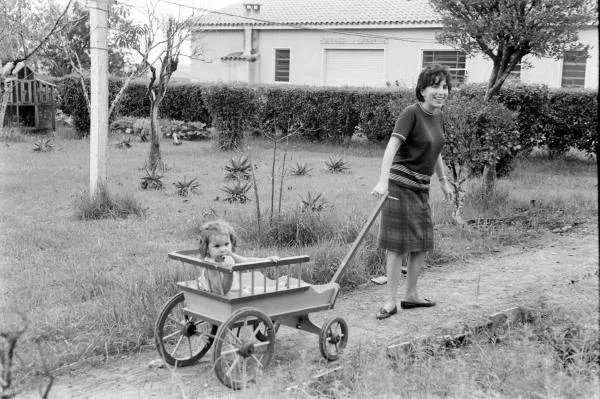
La Plata, Uruguay, 1964. Photograph by Leonard Mccombe for LIFE magazine. ©Time Inc.
Connections with the Past
RESCUED TWICE
“There’s a Yiddish concept called the ‘Di Goldene Keite,’ which talks about the historical link that ties each generation to the next. We are responsible for transmitting and preserving this heritage.” The archive that survived the Holocaust and a 2019 terrorist attack.
THE FLAVORS OF FAMILY FOLKLORE
“This master sauce could be perpetuated for generations—an irreplaceable family recipe. The DNA of meals past would be infused into each meal. You could literally eat what your grandmother ate,” Grace Hwang Lynch writes in this piece exploring genetics, food memories, and immigrant identity.
SEPARATE BUT EQUAL
In his new memoir, Aleksandar Hemon relates his family’s large encounters with history and their smaller everyday concerns in two separate narratives, packaged together in one book (just flip it over to read the next). One reviewer called it “a writer’s testament to the act of storytelling, the art of writing and the impulse, to paraphrase Joan Didion, to tell stories in order to live, to make sense, to survive.”
HISTORY REPEATS
“As leaders of organizations entrusted to tell the story of new Americans, we share a belief that our national identity is best understood and appreciated through the stories of yesterday’s immigrants whose lives have shaped our history.” Three guardians of history coauthor an op-ed on how America and the immigrant experience are intrinsically linked.
Writing and Relics
A SENSE OF AN ENDING
“The tricky thing about writing an ending for a memoir is that if you’re still alive to tell the story, it’s not really over yet.... So how do you end the story if you’re still living in its aftershocks?” Lilly Dancyger helps you write towards a resolution
UNEASY CONVERSATIONS
Why is it sometimes easier to talk about our life experiences with a stranger? Last week I wrote about how to get a reluctant storyteller to genuinely open up about his or her past.
SCRAPBOOKS, SHARED MEMORIES
“I think I should look at these albums on a regular basis as a necessary temperature check. They remind me how we only record what matters. Nary a page has a photo of an e-mail message or task list.”
PICTURES OF THE PAST
From the streets of Detroit to the shores of Southwest Florida and the farm fields of North Carolina, Family Pictures, USA, looks at family photo albums as an integral part of our social and cultural history. Premieres Monday August 12 on PBS (check local listings):
“MY DARLING MATEY”
Bruce Summers of Virginia–based Summoose Tales reflects on one of his earliest personal history collaborations, the story of a man and woman, half a world apart, and the barn that brought them together.
Recommended First-Person Stories
LIGHT THERAPY
“Before Tom died, when I pulled into the driveway, a glow from the den meant he was there in his favorite space... His warm hug welcomed me home. After his death, I could not bear arriving to a house in darkness,” Helen Collins Sitler writes in this touching flash-fiction piece.
OVER THE MOON
I simply adore the interplay in the back-and-forth between this couple, wed for 70 years, as they speak about how they met as kids and developed an undying love and affection for one another:
HISTORY, BIG AND SMALL
“What are some of the funny little connections you have to historic moments in the larger context?” Carol McLaren of Unique Life Stories in Arizona, wonders in this recounting of an impromptu dinner and story swap about the Apollo 11 moon landing.
...and a Few More Links
A roundup of writers on the topic of why we write memoir
“You’ve Told that Story 100 Times. Please Stop.”
Lucette Lagnado, whose memoirs epitomized “the art of reported memory,” dies.
A historian looks back at the legacy of slavery in her home state, incorporating personal history along the way.
Photographer captures the love of elderly couples who've been together for decades.
A wedding-day gift that will undoubtedly become the couple’s first family heirloom.
Short Takes
How to use short vignettes to create a mosaic of your life
How the best life story vignettes are powerful ways to capture your past, and why writing short pieces from your memories is a smart way to begin your memoir.
While most of my clients share their stories in a series of one-on-one personal interviews (which we then transcribe and edit into a larger narrative), some have already written—or are trying to write—their memoir. It’s usually when they are stuck that they seek our help, but it’s my goal to empower everyone to be able to write their life stories for the next generation, whatever route you take.
Since one of the most debilitating fears I hear is, “How would I even begin to tell my story?!” I often advise: Start anywhere—just start small.

“What is a vignette?”
vignette (noun)
vi·gnette | \ vin-ˈyet , vēn-\
a : a short descriptive literary sketch
b : a brief incident or scene (as in a play or movie)
A vignette is a recollection of a memory or an episode from your life told evocatively. It is a snapshot of a moment.
You may describe it in your own voice, or using dialogue reconstructed as best as your memory allows, using language to recreate your sensory experience—what did you smell, how was the light, what textures might you have touched?
“Vignettes are tiny essays, story placards, postcards of injustice, single-image stories, little wisps of big ideas,” Tamara Pearson writes in Red Wedge Magazine.
The best life story vignettes transport the reader to the scene and elicit reactions—feelings.
There are two primary reasons I encourage people (non-writers, particularly) to begin with a vignette:
It is a lot less intimidating to write one scene than “the story of your life.” And any writer will tell you: Just write. The words will not begin flowing unless you start.
If you don’t have to worry about traditional story structure—beginning, middle, end; plot, conflict, resolution—the writing process becomes more straightforward.
So don’t worry about story structure and especially, don’t think about the BOOK. Simply think about your memories.
“How do I create a life mosaic from a series of vignettes?”
Assembling shorter pieces into an extended work is more than copying and pasting the vignettes together in one document. It’s more, indeed, than even thematically grouping them.
Editing the stories, finding the narrative in order to group the vignettes for impact and cohesion, revisiting and embellishing some and discarding others—all of these tasks should come on the heels of writing.
While I have referred to the resulting narrative of assembled vignettes as a mosaic, Tristine Rainer, director of the Center for Autobiographic Studies in California, calls it a quilt. “When you follow the quilt model of assembling a work, you spontaneously write and collect pieces that seem to you thematically related. As you proceed, a pattern or story begins to link the pieces. Certain areas will easily cluster, but you won’t have the whole picture until it is all in place.”
Additionally, I prefer to enhance the written words with photographs that help bring them to life—that allow readers multiple entry points to engage with the text. Imagine a coffee table book about the Civil War sitting beside a 1,000-page tome void of any pictures—which would you pick up? Even if the stories of my ancestor were highlighted in each of these books, I would undoubtedly look at the coffee table book first.
How material is presented makes it more (or less) accessible, and I take the viewpoint that you are writing these stories so they will be read (ideally, often). So let’s invite people in! Taking the time to design a mosaic of these stories cohesively—and beautifully—ensures that they will live on. That your legacy will be recounted and woven into the fabric of your progeny’s lives.
“What if I can’t get past writing the vignettes?”
When you have written a series of vignettes from your life, you will have created a wonderful legacy for generations to come. If taking the next steps seems daunting, consider hiring us to edit, compose, and package your stories into a cohesive heirloom book.
Even if you’re not ready for that, though, remember, as Lois Daniel asserts in How to Write Your Own Life Story: “You may be able to enhance your stories by the way you arrange and connect them, but you can’t diminish them, so move ahead with confidence.”
And no matter what, share your stories with those you love—please.
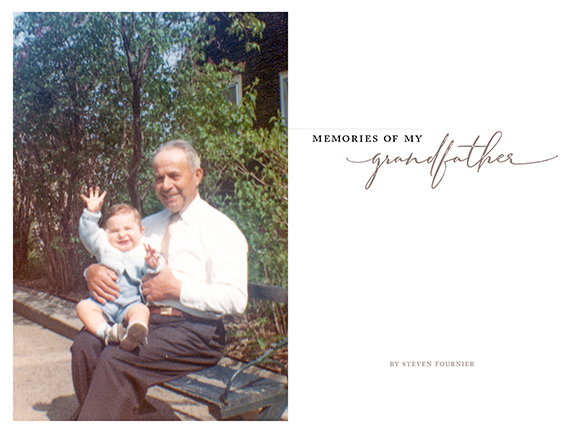
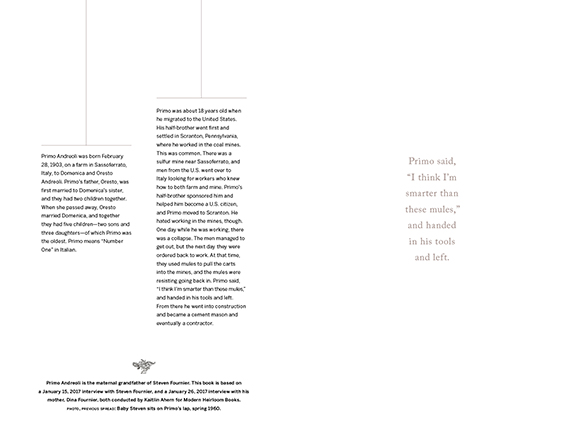
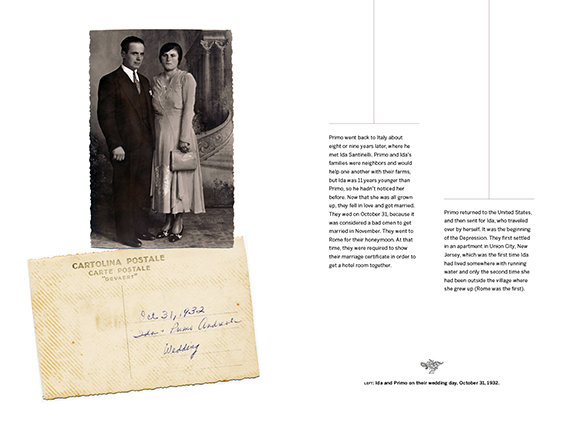
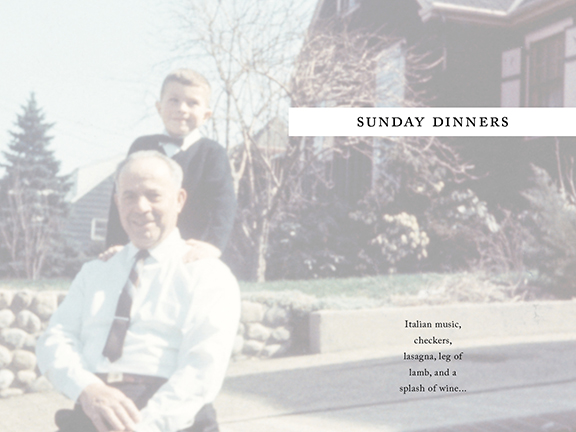
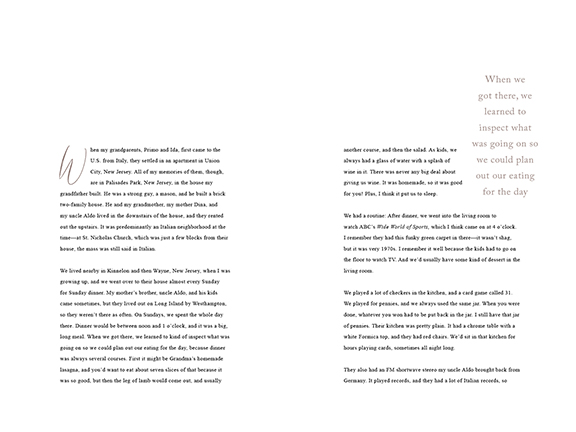
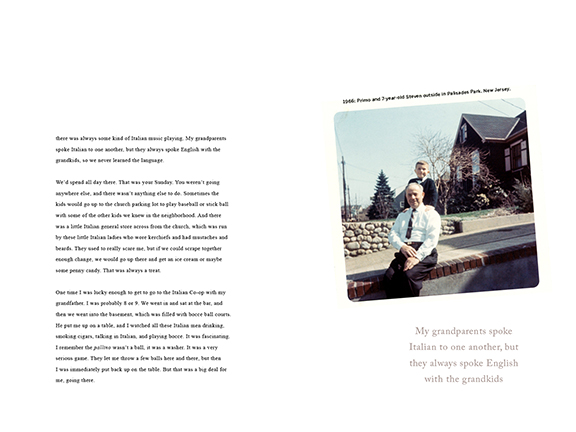
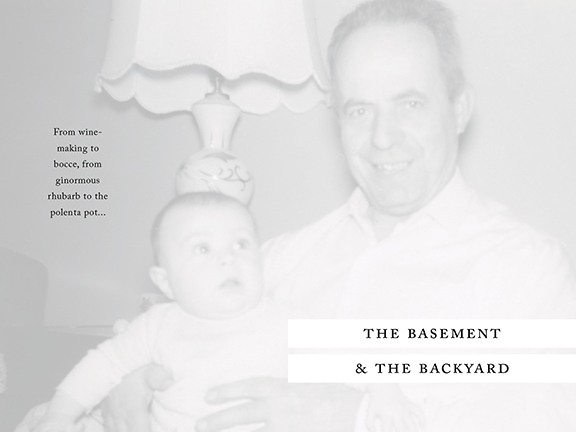
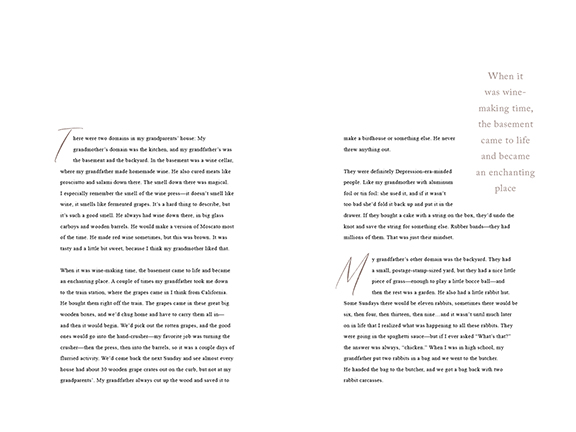
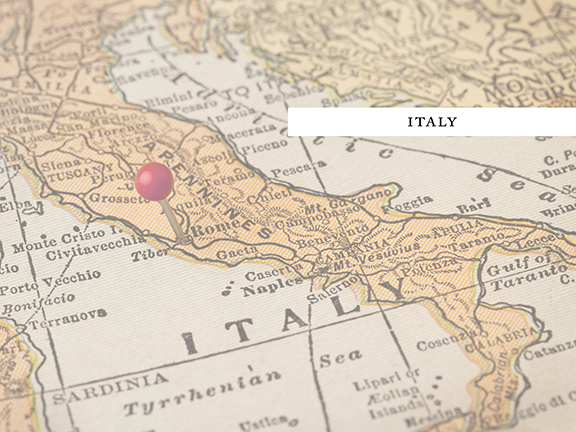
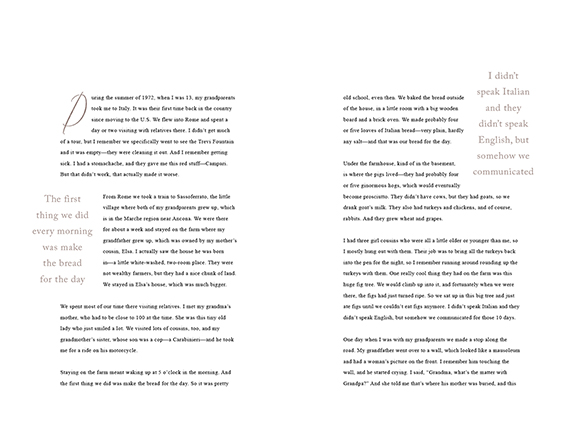
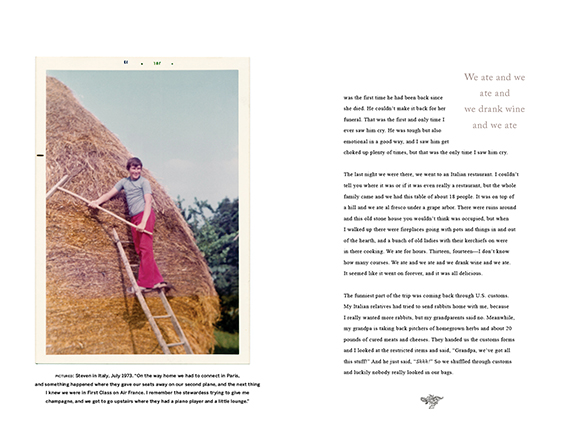
Check out more in-depth posts on memoir-style vignette writing
Here is some helpful content to help you get down to the nitty-gritty of writing your life stories. Check out our writing prompts series and explore more on memoir and life story writing, starting here:

Memory & writing prompts sent weekly to your phone
Short courses for anyone who wants to write about their life—just $15 for 8 weeks of guidance & inspiration!
Get FREE Writing Prompts Guide
All our vignette writing prompts in one easy-to-read, printable guide!

Life Story Links: November 27, 2018
Louis Armstrong’s personal archives, WWI stories passed through generations, and plenty of process talk including using Scrivener and reviving stalled memoirs.
“We all practice the craft of autobiography in our inner conversations with ourselves about the meaning of our experience, and those conversations, no matter what language we use, are fundamentally theological or philosophical. Though only a handful of us set about writing down the results and publishing them for others to read, we are all autobiographers.”
—Jill Ker Conway

Louis Armstrong and his wife Lucille in the den of their Corona, Queens, New York home; the jazz legend’s archives are now available online. PHOTO courtesy of Louis Armstrong Archive.
Stories Worth Sharing
LOUIS ARMSTRONG ARCHIVES
From handwritten playlists of his musical inspiration to scrapbooks of his life as it was lived (and as it was recorded in the newspapers), Louis Armstrong was a careful (and thorough) documentarian of his life. Now the full archives are accessible online.
VETERANS’ STORIES
In “The War Stories Their Families Never Forgot,” the New York Times collects memories of readers’ relatives who had a role in World War I—and the submissions are, unexpectedly, often uplifting.
THE ATTIC OF HISTORY
Sir Peter Jackson says he would be happy if his new war film inspires people to go rummaging around in their attics for old photos and letters, keen to piece together tales about grandfathers and ancient uncles who served in the first World War.
On People and Process
“TELL ME ABOUT YOURSELF”
Terry Gross, considered by many to be a master interviewer, offers insights into how to talk to people. “As an interviewer, Ms. Gross’s goal is to find out how her subject became who they are; as a conversationalist, make that goal your own.”
SYSTEM TALK
In her latest podcast episode, Amy Woods Butler, aka The Life Story Coach, describes how she goes from interview transcript to book draft, including how Scrivener fits into her process.
A PROFESSIONAL’S PERSPECTIVE
About half Nancy West’s memoir clients are people who previously attempted writing their memoirs themselves. “They bogged down in telling very specific stories perfectly and comprehensively,” she says, “whereas I work like a journalist: facts first, then flesh it out.”
...and a Few More Links
Is deleting Facebook deleting your memories?
Ann Curry’s We’ll Meet Again returns to television.
Mickey Mouse gets the “life story” treatment on his 90th birthday.
New study shows our brains prioritize memories that are useful in making future decisions.
Short Takes

Life Story Links: November 12, 2018
Mid-story memoir sag, storyboarding as a writing tool, questions to spark Thanksgiving story sharing, and more of interest to family historians & memory-keepers
“Curiosity is a muscle. Questions are exercise.”
—M. Diane McCormick

1956. Photograph by Grey Villet for LIFE magazine. ©Time Inc.
Thoughts on Memoir…
THE LIBERATION OF MEMOIR
Beth Kephart celebrates Abigail Thomas, whose work, she says, laid the foundation for memoirists everywhere to set aside “perfect” in pursuit of authentic.
MID-STORY SAG
“Nearly all memoir writers hit a point where they ask: What is this thing about? Where did I think I was going with this story?” writes Lisa Dale Norton in her prescriptive piece about how to avoid mid-story memoir sag.
YOUR STORY, YOUR WAY
“Let people find out how interesting you are through your own words, not when your children tell stories about you because you’re gone,” urges Massachusetts–based personal historian Nancy West.
…and Sharing Stories Out Loud
FAMILY HISTORY MATTERS
In this podcast, Heidi Druckemiller suggests that the story of your past can help you to discover your family’s unique values, shape its moral purpose, and direct its strategic decision-making.
HOLIDAY HISTORIES
This week I wrote about four ways to encourage guests at your family gathering to share memories in addition to gratitude, plus offered up 55 Questions to spark Thanksgiving story sharing.
NEXT GEN
Cider Spoon Stories offers a workbook for kids that guides them through the oral storytelling process, helping them to capture in their own words the stories of family members and friends
...and a Few More Links
Humanity has direct memories of events that occurred 10 millennia ago.
Check out the slides from M. Diane McCormick’s Hippocamp 2018 presentation, “The Art of Interviewing: The Deep Dive for the Telling Detail.”
Using storyboarding to help know what to emphasize and what to cut from your biographical writing
Google and YouTube team up with StoryCorps to tell veterans’ stories.
Short Takes

Life Story Links: Blog Roundup, March 20, 2018
Personal historians weigh in on the urgency to tell your life stories, the intersection of downsizing and memoir writing, and how to write about family secrets.
“The past, like the future, is indefinite and exists only as a spectrum of possibilities.” —Stephen Hawking
Of Interviewers...
LOVE AND LOSS
Personal historian Lisa O'Reilly, of Carpinteria, California, writes “To Mom, With Love,” a most personal and urgent message that calls upon us all to capture our loved ones’ stories...before it is too late.
THE STORIES THAT WE WEAVE
Amanda Lacson of NYC’s Family Archive Business LLC distills some of the lessons she learned at Columbia University’s Oral History MA workshops, and discusses how we, as biographers and personal historians, can earn and tell better stories for our clients.
MEMOIR MOTIVATED
“There’s no quicker way to rip us off the rollercoaster and park us on the granny-bench than to adverb your verbs.” Just one of the colorfully on-point writing tips in Cyndy Etler’s “How to Write Memoir So They Don’t Read It, They Live It.”
SENIORS & THEIR STUFF
Discussions with professional organizers led MA-based Nancy West to discover interesting points of intersection between her work and theirs: How writing your memoir can help you declutter, destress, and maybe even downsize.
...and Interviewees
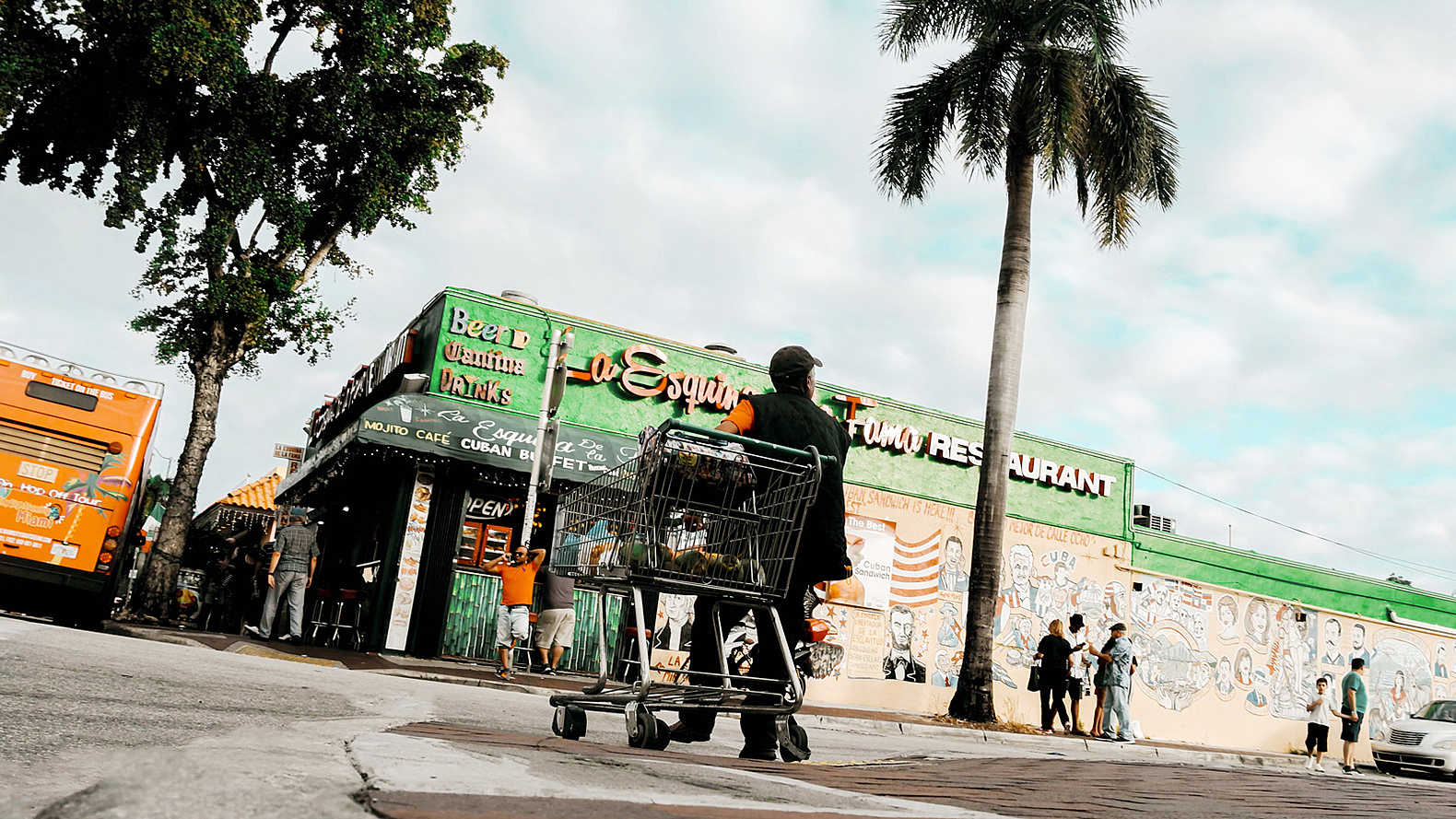
THE PLACE THEY CALL HOME
Miami’s iconic Little Havana neighborhood is home to an interactive museum exhibit that invites audiences to step into the daily lives of ten local residents whose passion, creativity, and penchant for history is ensuring that future generations will experience the Little Havana they know and love. Get a taste of their stories.
WHAT’S IN A NAME?
“We spend our life identifying ourselves by our name,” writes Karen Bender of Virginia-based Leaves of Your Life. “Your name will go on the cover of your book. Surely, your feelings about that name warrant a paragraph or two within its pages.”
FIRST PERSON
“I ate until I was stuffed full of memories.” Esmé Weijun Wang finds her way back to a beloved childhood dish.
...and a Few More Links!
- Lisa Pontoppidan of Boston-based Personal Story Films shares why she loves capturing stories—and personalities—on film, including “the spirit that shines from their eyes.”
- Freeze Frame: A panicky realization that some of my most cherished photos might be left out of my family archive led me to write this cautionary tale.
- The Audio Transcription Center rounds up seven digital recorders recommended for oral history interviews.
- Amisha Padnani, digital editor on the obituaries desk at the New York Times, has turned an idea for recognizing overlooked women into a movement.
- “My grandmother taught me that stories aren’t important because they’re written, they’re important because they’re living, embodied in the teller and the listener alike,” writes Kristin Chang.
- Digging into your family history you will find all kinds of people. Once a dark secret is uncovered, what should you do?
Dawn Roode’s curated roundup for the week of Sept. 23, 2026, is overflowing with recent reads on memoir, life story writing, and family history preservation.