
Memories Matter
Featured blog Posts
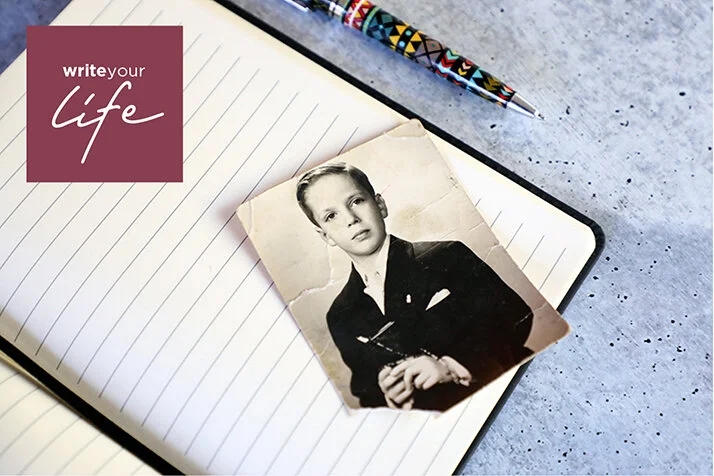

READ THE LATEST POSTS

Simple, modern memory-keeping: How to tell the stories behind your family photos
These 3 ideas for telling the stories behind your favorite family photos are easy-peasy—and they’ll get you well on your way to preserving your family legacy.
Can a single photo tell a story? The answer is a wholehearted YES. The question becomes: How will you tell it?
Here are three ideas for choosing one single photo and transforming it into a gift that is destined to become a family heirloom.
3 ways to tell a photo story
1 - Frame your photo—with an extended caption.
Who’s to say that a photo must be framed on its own? There are myriad ways to incorporate words into your wall art. First, choose a photo that by itself seems to tell a story: It’s clear when or where it was taken, and there are emotions conveyed in people’s expressions. Then, write a brief synopsis of the story behind the picture: 200-300 words is usually sufficient to paint a picture that includes the vital details (who is pictured, the date and specific place if they are known) as well as a little bit about what makes it so special (humor goes a long way!).
Once you have both the photo and your story, it’s time to typeset the text so that it looks worthy of being framed. If you have access to design software such as InDesign (favored by professionals) or Lucidpress (a free alternative), you may consider aligning the text next to or below the image, saving it as a JPEG, then having it printed on photo paper by your local digital printer. If that sounds intimidating, don’t worry: You can create beautiful text right in a Google or Word document, print it on paper, then have it framed in its own mat window within the frame, as shown below.
Here’s a sample caption that tells the story behind the photo above—in fewer than 200 words: “I will always remember Abuela Manuela wearing a brightly patterned house dress, smiling, and smelling like garlic or some other pungent spice that seemed to permeate her pores. Every time we visited her home in Paramus, New Jersey, she had something for dinner simmering on the stove (to this day I often cook her recipe for ropa vieja, but it’s never quite the same!). She used to slip dollar bills or fifty-cent coins into our pockets when we were leaving as kids, but it was her hugs that I longed for—they were tight and comforting, and you could feel the love. This picture of her in her kitchen in 1990 captures her spirit just so: her lipstick always smudged from the countless kisses she bestowed on her grandchildren, her gold jewelry always on, even if she was working in the garden outside, and bathed in the warm glow of her favorite room—a room where we kids were always welcomed, and always spoiled. We miss you, Abuela!”
2 - Mail your photo—on a custom postcard that’s surprisingly easy to make!
It’s a rare occasion indeed when we send someone we love snail mail just because. But when it’s as simple as uploading a special photo from your phone and dictating a personal message, what’s stopping us? Modern technology has made mailing Grandma or Poppy a custom postcard as easy as 1-2-3.
So get to it: Pick a picture of your kids that you know their grandparents would love to see (think big—holding the trophy at the spelling bee; and think small—licking the spoon while baking cupcakes with mom). Upload it to a site such as Postsnap or via an app like TouchNote, and for less than five dollars you can personalize and mail a postcard they’ll treasure.
Remember to tell the story of the photo with words. Incorporate dialogue (especially that adorable kidspeak that they’ll one day grow out of!), describe emotions (yours and your kids’), and of course include vital details (when, where). I am willing to bet that the excited response from your recipient will warrant more of these being made—and sent—in the not-too-distant future! Bonus idea: Mail a duplicate to yourself, too, to save in a scrapbook or keepsake box for your children.

For a few dollars more than the cost of a postage stamp you can create and send a customized postcard to a loved one that will delight and surprise.
3 - Journal about your photo—with the intent of using it for a book later.
The idea of creating a photo book—no less a photo book with stories!—is undoubtedly overwhelming. The key to getting past the overwhelm is to tackle one photo and one story at a time.
I suggest setting aside a journal specifically for your photo stories. Then set a goal that is manageable—say, one photo for every month. At the end of each month, go through all the pictures you have taken to decide upon one that feels right (click here for some tips on choosing the best photos for story sharing). If you are journaling on your computer, copy and paste the photo to the top of your journal page before beginning to type. If you are handwriting your memories, print a copy of the photo to tape into your book.
Then, begin writing. Set the scene: What was happening when this photo was taken: Was it just before your kid’s big soccer final, when anticipation was running high? Or was it the day after Thanksgiving, when everyone was exhausted but content to lounge around the house together? By choosing moments that encompass all aspects of your life—both the milestones and the everyday activities—you’re sure to preserve stories that will resonate with your family for years to come.
You won’t believe a year has passed when you write about that twelfth photograph! (And hey, don’t let me stop you from writing MORE than one photo story every month—the idea is simply to set a reasonable goal!). At this point you may want to create and print a photo book that more permanently preserves your photo stories, or you may simply want to keep going for another year. My suggestion? Do both!

Whether you are journaling digitally or by hand, be sure to include the photo at the beginning of your story—and include the vital details that you might assume are a given, but that truly need to be recorded to ensure they are not forgotten: who, what, when, and where!
Do you have other ideas for preserving the stories behind your family photos? I’d love to hear them (you can share them in the comments below, or hop on Instagram where I am talking with the broader memory-keeping community about this topic a lot!
And, of course, if you’d like help preserving your family stories and photographs, please reach out to set up a free, no-pressure half-hour consultation to see how I might be able to help.













Life Story Links: October 27, 2020
An array of reads for memory keepers, life story writers, and family history preservationists including celebrity memoirs, photo stories & adoption narratives.
“Here’s the deal. The human soul doesn’t want to be advised or fixed or saved. It simply wants to be witnessed—to be seen, heard, and companioned exactly as it is.”
—Parker J. Palmer

Vintage “Jolly Hallowe’en” postcard, courtesy The Miriam and Ira D. Wallach Division of Art, Prints and Photographs: Picture Collection, The New York Public Library Digital Collection.
Beyond Celebrity
YOU MATTER TO ME
“Unexpected praise, like a gift given ‘just because,’ can be even more powerful—and make an even bigger impact…So do it now. Before it's too late.” How Eddie Van Halen’s death inspired this decree for telling those who matter to you that they are appreciated. Tribute time, anyone?
“EARLY LIFE ISN’T EVERYTHING”
The brother of comedian Mike Nichols writes a heartfelt letter offering a counterpoint to the way a reviewer characterized his mother, “dismissed with the single word ‘nightmarish,’ and I will attempt in this letter to relate some information that might allow a fuller and kinder understanding of her.”
AND IT’S NOT GHOSTWRITTEN
“I had been threatening, daring myself to go open my treasure chest of diaries for the past 15 years but never had the courage to do it,” actor Matthew McConaughey says. The milestone of turning 50 was the impetus he needed, and the resulting book—“a love letter to life,” he calls it—is out now.
Saving Our Photo Stories
TOO MANY PICTURES?
“It’s a lot of ‘I’ll do it later.’ And really, you could do years’ worth of later. And then you’re kind of faced with this insurmountable project before you.” Why you shouldn’t put off that big digital photo organizing project.
PHOTOS & STORYTELLING
I’m a personal historian, so it should come as no surprise that I think a photo book with no stories is, as my grandmother would say, for the birds. I offer up three themes that elevate your photo book to heirloom, and make adding your personal stories easy.
All History Is Personal
RACE, IDENTITY & THE STORIES WE TELL
“If we truly want Mississippi to advance, we have to embrace all of its stories, even the ones that make us uncomfortable.” University professor W. Ralph Eubanks discusses why he teaches Southern identity and memory, and how “memory is not a passive repository of facts, but an active process of creating meaning about the past.”
HOW THEY VOTED
Have you created an archive of your family's voting history? Pam Pacelli Cooper of Massachusetts–based Verissima Productions.offers some questions to consider as we celebrate National Archives month and head into the November elections.
WHERE IS THE BLACK BRITISH HISTORY?
“I’m privileged in that my Grandma took it upon herself to commit her life story to the page, which means our entire extended family can learn about our shared personal history by reading her book. Most Black Brits aren’t nearly as lucky,” Almaz Ohene writes—and so she shares her story so they may, too, see themselves and “and the collective importance of their histories.”
Life Story Work
FOR THE ADOPTIVE FAMILY
“Life story work is vitally important and is about giving adopted children a narrative that they can understand about their early life experiences.” All families who adopt through this UK–based agency are offered one-to-one sessions with a life story support worker.
IN THE GRIP OF MOURNING
Can you write someone’s life story if they are still deep in the throes of mourning? Should you? Seattle–based memoirist and ghostwriter Bruno George ponders these questions, and turns to Roland Barthes’s Mourning Diary for added insight.
In First Person
IN CONVERSATION
Alisson Wood on “the myth of catharsis in memoir, redistributing power, and the tales we tell ourselves in order to both justify and survive the situations we find ourselves in. And how, by retelling these stories, we reclaim our own power.”
“1,000 ARABIAN NIGHTS”
When Umber Ahmad brought friends to her childhood home in Michigan, she dreamed there would be Little Debbie cakes in their perfect plastic wrappers. Her mom had other plans, as she shares in this story on the latest episode of the Schmaltzy Podcast
...and a Few More Links
a selection of items from the historic Waldorf Astoria Hotel auction
Did you know that the RootsTech 2021 all-virtual conference is free?
FISHstory uses historic photos which illustrate the past to benefit future science.
Short Takes
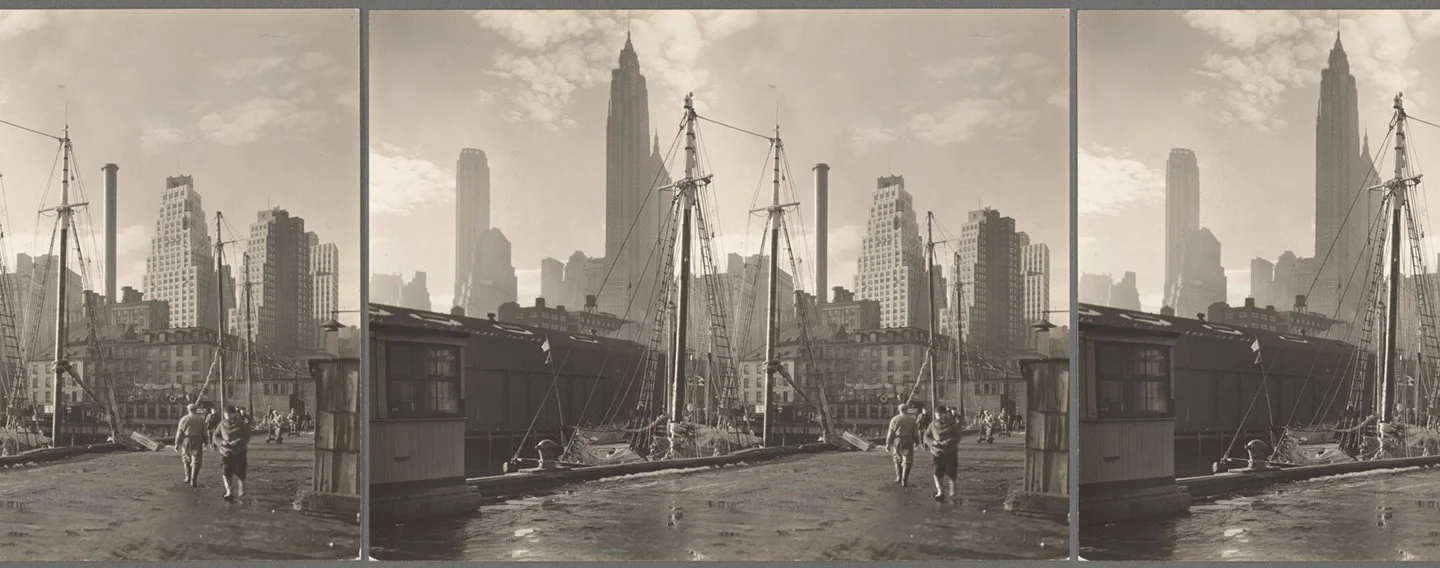
Dawn Roode’s curated roundup for the week of Sept. 23, 2026, is overflowing with recent reads on memoir, life story writing, and family history preservation.