
Memories Matter
Featured blog Posts


READ THE LATEST POSTS
Life Story Links: April 19, 2022
If you're into family history, memoir, and memory-keeping, you'll want to check out this week's list of stories hand-picked by personal historian Dawn Roode.
“As for how to actually organize your memoir, my final advice is, again, think small. Tackle your life in easily manageable chunks. Don’t visualize the finished product, the grand edifice you have vowed to construct. That will only make you anxious.”
—William Zinsser
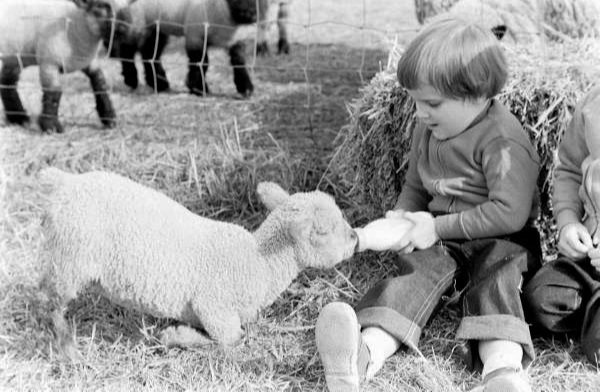
Vintage black and white photograph of a young girl in Illinois, spring 1962, by Francis Miller for Life magazine, © Time Inc.
History in our homes…
SUGGESTED INTERVIEW QUESTIONS
Mali Bain, a custom publisher in British Columbia, shares ten open-ended questions to ask in a family interview session so you may “naturally follow up on ideas without struggling to find a suitable next question or getting lost in brain fog.”
BEST PRACTICES
Before any family history interviews can begin, there’s a little prep involved. Read how professional oral historians set the stage for effective storytelling and secure saving.
THE FAMILY KNOWLEDGE GAP
A new survey from Ancestry.com found that while more than half (53%) of Americans can’t name all four grandparents, 66 percent of respondents said they want to learn more about their family history and over half (51%) want stories about when their ancestors were young.
“THE ITEM IS THE VEHICLE TO THE STORY”
“I can say this firmly: Along with your stories, your family members are going to want some of your possessions. They just might not be the ones you'd expect.” Matt Paxton on the sometimes surprising stuff of legacy.
HER GRANDFATHER’S STORIES
“He had taken to telling his grandchildren many, many stories. Unfortunately, at that time, we brushed it off, even choosing not to sit with him at restaurants, so that he would not ‘bore us’ with yet another story. But here we were—confronted, for the first time, by death. This protector, this legend and all his stories had a deadline.”
MAKING TIME
Think you’re too busy to write about your life? Think again. Here are three easy ways to make memoir writing more approachable—and more efficient, so you can finally fit it into your busy schedule.
HER UKRAINIAN HISTORY
In light of recent world events, StoryCorps looked into their online archive to explore Ukrainian voices recorded with their interview app. Here’s one:
…and history in a broader sense
LEGACY OF SILENCE
“A society can forget on a mass scale, not when the government imposes amnesia as a political project, but when people refuse to look within—to dig into the messy and complex family biographies that turn memory into a landmine, and forgetting into a psychological salve.” A compelling piece about historical reconciliation and one man’s discovery of a lynching in his family.
JEWISH BEACON HISTORY WALK
In researching the origins of the first and only synagogue in Beacon, New York, historian Anna Brady Marcus and her team uncovered a rich history of Jewish enterprise in the town. To coincide with its centennial, they have released a digital walking tour derived from a rich catalog of oral history interviews.
What we keep
OTHER WRITER’S WORDS
“If keeping a journal would be a way to look in the mirror and make an honest appraisal of myself, keeping a commonplace book is more like looking at myself out of the corner of my eye.”
PHONE PHOTOS
“You’re you, and your pictures are yours, and what you bring to a photograph is not separate from it.” So when attempting to curate your digital gallery, “scroll your roll, and find the pictures that please your eye and touch your heart and stir your feelings because you’re you”—and keep those.
DO YOU NAME YOUR POSSESSIONS?
“Some researchers believe that people write a biography of themselves with things, that our life stories aren’t complete without the items that matter to us”—but do we really need to name those things?
THE WELTY COLLECTION
A trove of letters from Eudora Welty’s family that has been made newly available to the public provides insight about the author’s parents; her siblings and their families; her grandmother and great grandmother and their children.
IS THAT GRANDMA?
How fun to follow the lost-and-found journey of a family photo album via this Twitter thread (click through to read the full thread):
Personal essays of note
WHOSE STORY IS IT?
“Day had written his family history after conducting archival research and reading the relevant sociocultural experts; I wrote mine after growing up in my family.” Tad Friend on a relationship reconsidered by reading between the lines.
KNOWING NIRVANA’S FRONTMAN
“‘Who put these fingerprints on my imagination?’ Elvis Costello once sang. I didn’t want someone else’s fingerprints on my memories [of Kurt Cobain],” Michael Azerrad writes in this New Yorker personal history column.
AN IMPULSE TO CONNECT
In this personal essay on Oldster, Robert Burke Warren recalls an impromptu visit he made to his estranged grandparents at 19. He writes of connection and gratitude and “compassion delayed.”
In the books
BACKDOOR MEMOIRS
“When writers get away from what’s going on inside their head, they just might see their own life in a new light and find something universal in the personal”: nine nonfiction authors who set out to investigate the outside world and ended up finding themselves.
BOOK REVIEW OF NOTE
“Ancestor Trouble represents decades of research into genealogic records, genetic science, and the cultural history of ‘ancestor hunger’ and reverence—as well as [Maud] Newton’s own coming to terms with how to face and honor her family history,” reads a review on NPR. This one in the NYT describes “the preoccupation of the entire book” as “the periphrastic construction of identity itself.”
...and a few more links
Read an excerpt from Osman Yousefzada’s memoir, The Go-Between: A Portrait of Growing Up Between Different Worlds
Austin–based video biographer Whitney Myers is profiled in this regional magazine Q&A.
A life documented: Winkfield, an enslaved man in colonial Virginia
Tech startup uses artificial intelligence to enliven family photographs.
The unique challenge of designing a book by incarcerated writers
Ohio mother and son pen personal history book about mom’s memories of living through Nazi-occupied France.
What the New York Public Library is doing to save the sounds of the early 20th century.
How to save time with these eight translation tools for genealogy.
Short Takes


Life Story Links: March 29, 2022
From sacred storytelling to writing about one's own personal history, from family legacy to family heirlooms, this curated roundup is filled with great stuff.
“Face-to-face conversation is the most human—and humanizing—thing we do. Fully present to one another, we learn to listen. It’s where we develop the capacity for empathy. It’s where we experience the joy of being heard, of being understood. And conversation advances self-reflection…”
—Sherry Turkle
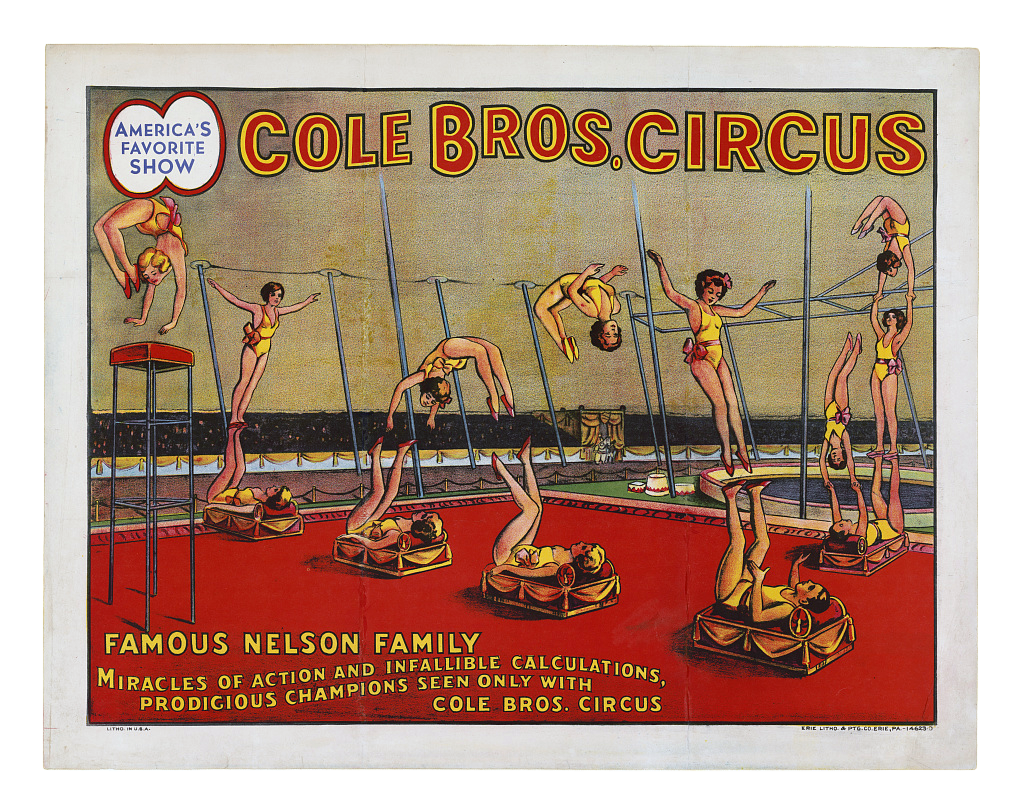
Vintage photo of Washington Senators coach Nick Altrock with Dot Meloy, who, according to the original caption, was in training as a side line entertainer; 1920. Photograph from the National Photo Company Collection, courtesy of the Library of Congress Prints and Photographs Division.
Writing our truths
A WRITER’S WHY
In conversation about her memoir in essays Bomb Shelter, Mary Laura Philpott says, “My hope was to do what many other books have done for me, which is to tell one person’s story in a way that makes other people look at their own lives differently or perhaps understand something about themselves better.”
WIDENING HIS LENS
“My life is too boring for a memoir,” Fintan O’Toole writes in the afterword to his new book We Don’t Know Ourselves—so he instead turned his attention to the personal history of Ireland.
EXPLORING YOUR OWN TRAUMA
Melissa Febos, associate professor in the nonfiction writing program at University of Iowa and author of the new memoir, Body Work: The Radical Power of Personal Narrative, offers up guidance to other aspiring writers on how to begin their journey—including, of course, the hard stuff:
FROM A WRITING TEACHER
“I engage with personal narrative as a contribution to a bigger political or cultural conversation that puts human beings front and center,” memoirist Meghan Stielstra tells the hosts of Everything Is Fine podcast. Fast-forward to the 7:45-minute mark to get right to their conversation, which includes discussion of narrative distance, giving and accepting criticism, and the creative writing practice:
Not just preservation, but curation
WHAT’S NOT REPRESENTED
“Of the 270,000 photographs commissioned by the U.S. Farm Security Administration to document the Great Depression, more than a third were ‘killed.’ Erica X. Eisen examines the history behind this hole-punched archive and the unknowable void at its center.”
PROTECT YOUR PHOTO LEGACY
“It'll happen to all of us someday: We'll be gone, but our data will persist.” Wired magazine takes a look at how to leave your photos to someone when you die.
“WE ARE HISTORY”
“Am I only the sum of all the things that I have collected? And if so, shouldn’t I declare it proudly?” Questlove ponders in this opinion piece on his lifelong collection of music and cultural artifacts.
Physical manifestations of memory
LEGACY LIST TIME
Making a legacy list is a powerful way to identify which family items are worth passing on—and as long as the stories of those heirlooms are preserved, the list becomes a de facto cheat sheet to your family history.
PREHISTORIC MEMENTOS
“Just like us, our early ancestors attached great importance to old artifacts, preserving them as significant memory objects—a bond with older worlds and important places in the landscape."
WRITTEN BY HAND
“I apologize to those who will have to deal with my boxes of letters and cards some day in the future. You have my permission to dispose of them, light a bonfire, or make a book out of the ones that are important to you.”
Sacred storytelling
“OUR JOB IS TO LOVE THE WORLD”
“So that’s the question, I guess, for you and for me and for all of us trying to do this sacred task of telling stories for the young: How do we tell the truth and make that truth bearable?” Krista Tippett shares a thoughtful letter from author Kate DiCamillo.
HONORING THEIR FOREMOTHERS
“To this day, I do not know which story is more amazing—the yearlong conversations I had with my aunt, who spent her last days sharing the stories of our ancestors, or the actual stories she had told.”
GILDED HISTORY
A young writer delves into his family’s past life in Vienna after his 95-year-old grandmother passed on her unpublished memoir—he finds tragedy, but hope, as well.
“READ ME. TAKE MY HAND.”
“Have we learned our lesson yet? About embodiment? About stories? Our need for connection in order to tell them? Our need for a usable past?” Diane Seuss’s advice for life as a writer.
OPPORTUNITY FOR STORY SHARING
My favorite part of this piece about how to make family reunions more meaningful: the recommendation that all family storytelling that takes place be “just the beginning.”
Miscellaneous
RECOMMENDED FIRST-PERSON READ
“The stars were infinite. The men were always liquid. The moms—choking on anger at idiot men—were our saviors, our solidity and happiness.” Samantha Hunt on being marked by addiction.
NYC HISTORY, UNLOCKED
A new online platform gives free access to 9.3 million historical NYC records. Time Out New York shares the details of how to access the Municipal Archives and links to tips for how to best search them.
RE-HUMANIZING PEOPLE
“I think genealogy is a tool for being able to achieve healing, because we have to go back into the past. And when you reconnect those pieces that were corrupted because of slavery, that is a way forward.”
...and a few more links
Bruce Springsteen unveils new exhibition space for archives in his hometown, Freehold, New Jersey.
Ways that creative nonfiction writers can borrow from acting techniques
Salt Lake City–based personal historian Elizabeth Thomas reviews the memoir London's Number One Dog-Walking Agency by Kate MacDougall.
“A 50-year-old graphic biography of Che Guevara that still feels fresh” has been translated into English.
She discovered what happened to 400 Dutch Jews who disappeared.
Consumer Reports on how you can preserve family memories for generations to come
New cooking museum in Rome invites visitors to feast with their eyes.
British Air Force veteran’s childhood memories featured in exhibition
Congrats to San Antonio–based legacy filmmaker Clinton Haby for garnering attention in this newspaper in the Alsace region of France.
Read an essay adapted from Melissa Febos’s newest book, Body Work: The Radical Power of Personal Narrative.
Short Takes

Life Story Links: March 15, 2022
This week's curated reading list for memory-keepers and family historians includes plenty of craft advice as well as first-person stories to inspire your own.
“Here’s the thing: The book that will most change your life is the one you write.”
—Seth Godin
In honor of St. Patrick’s Day this week, a vintage shamrock postcard with “Scenes from dear old Ireland”
When Things Hold History
WHAT’S LEFT BEHIND
Following a brief meditation on legacy from The Isolation Journals founder Suleika Jaouad, Joy Juliet Bullen writes about how a childhood photo with her father prompted more than memories.; plus, a writing prompt.
HER HOME IS LIKE A MUSEUM
“Each piece needs a chance to sing its own song,” says the Staten Island schoolteacher who has collected more than 20,000 artifacts, now up for auction, that “tells the whole saga of African American history.”
LOVE LETTERS
“As I age, I have a newfound appreciation for recognizing that my grandparents and the elders in my family have led complete and full lives that I will never fully understand or really know about.” How a newfound stash of love letters from his parents gave him a glimpse of who they were before him.
TASTY RELICS OF ANOTHER TIME
“Slowly, I’ve accepted that my recipe book is not a work in progress but an artifact, which contains hints and scraps of my former self.” Charlotte Mendelson on her “beautiful, delusional recipe book.”
A DELIBERATE PROCESS
“Professional home organizers are reporting a spike in calls from older customers asking for help sorting through their belongings, seeking to dole out the heirlooms and sentimental items and toss the excess.” (As always on such pieces, many of the 800+ comments are worth a read, too.)
“CURATING TANGIBLE PHOTOS”
“I hope to build an album like my grandmother’s, one that shares my history. That proves I was here, and I lived.”
First Person Stories You’ll Want to Read
UNCOVERING FAMILY STORIES, AT LAST
“Poppy could make muscles that I could not crush; Grandma only ever cooked and cleaned and kvetched.” But Noah Lederman’s grandmother held many Holocaust stories herself—why had he never realized?
WELCOME HOME, HARRIET
“I have often remarked that I didn’t go into medicine to simply bear witness, but the work has a way of forcing you to do just that.” How her grandmother’s loss made this geriatrician think differently about preparing people for death.
AUTHORITY FIGURES
“My dad and I aren’t sure how I knew so much when I was that young,” Elizabeth Cooper writes about the intersection of her mother’s extramarital affairs and her own shameful feelings around sex in this moving piece.
Personal History in Action
REMINISCENCE THERAPY AND DEMENTIA
How to create a memory kit for a loved one with dementia: “The point of the exercise is not only to help a loved one remember and improve cognitive function but also to help the senior engage in conversation and feel like a valued participant in the discussion.”
WAR, POLITICS, SACRIFICE
In light of recent events in Ukraine, Rhonda Lauritzen turns to thoughts of conflict—specifically, how to write about our own experiences of hardship and war, and why we should consider the impact world events had on our ancestors.
Elements of Style
STYLE AND SUBSTANCE
Last week I wrote about why the presentation of your life story book does indeed matter, for the Biographers Guild of Greater New York; and, on my own site, how adding photo captions can elevate your family photo book to family heirloom.
MYSELF, ANONYMOUSLY
“Good ghostwriters are invisible, giving away our best lines without leaving a trace of ourselves.” Caroline Cala Donofrio shares lessons learned from interviewing celebrities for their ghostwritten books.
Author, Author
DICKENS, 1851
“A captivating entertainer, Dickens sought to make life as enchanting as a show,” reads this New Yorker piece that takes a look at a new “slow biography” of the author from Robert Douglas-Fairhurst
GETTIN HER DUE
“I found such a deep, personal connection with Zora’s life and journey. I felt compelled to help people everywhere learn about her.” Meet the scholar who shares the life and legacy of Zora Neale Hurston through storytelling.
A WIDOW’S LEGACY
Read this enticing excerpt from a new biography of Mary Welsh Hemingway, the journalist who became Ernest Hemingway's fourth wife.
...and a Few More Links
A new book and traveling exhibition highlight the work of Mississippi photographer O.N. Pruitt, which expose harsh reality of the Jim Crow South.
Study shows that viewing nostalgic images from childhood reduces pain perception.
A “magical place” inspires a memory book worthy of gift-giving
A look at new family history technology and keynote messages shared at RootsTech 2022
Are young people hoarding photos so they don’t lose memories?
10 best off-the-shelf memory books for grandparents to tell their family stories
Short Takes

Life Story Links: March 1, 2022
This week's curated roundup is again overflowing with quality pieces on telling family stories, finding family history, and preserving a meaningful legacy.
“We all read memoirs—all books, in fact—to discover pieces of ourselves on the page, to feel less alone. To comfort a stranger, rather than to flaunt oneself: this is the memoirist’s highest hope.”
—Sara Mansfield Taber
Vintage photograph of women playing cards and drinking Coca Cola in 1941 by Arthur Siegel. Courtesy of the Library of Congress Prints and Photographs Division Digital Collection (transferred from the United States Office of War Information, Overseas Picture Division, Washington).
Finding Family History Stories
TRACING HER FAMILY’S TRUTH
To tackle the narrative gaps in her family history, Daniella Weiss Ashkenazy, author of Playing Detective with Family Lore, “had to switch hats—from a daughter and granddaughter taking a nostalgic and often amusing trip down memory lane, to a journalist seeking a more complex truth.”
WHY IT’S WORTH SAVING
“This book made me feel, for the first time, a real connection to her side of our family,” Barry Rueger writes. “Because I was able to understand my grandmother as a living, breathing person, I was able to understand where I came from, and why I am the person I am today.”
ARTIFACTS REVEAL A PERSONAL HISTORY
While preparing a house in Arkansas for restoration, a husband and wife team discovered a scrapbook brimming with stories, including an unexpected WWII romance—and what they shared about it went viral on TikTok.
WALKING IN HIS FOOTSTEPS
After developing an interest in genealogy, attorney Todd Wachtel learned that his great-grandfather practiced the same type of law he has been practicing for more than two decades. Coincidence?
WHAT’S IN THE BOX?
A discovery of Holocaust-era photos—picked up for five dollars by a student in 1989 and rediscovered during a burst of pandemic cleaning—helps a Jewish family connect with its past:
Connecting Through Narrative
MAP AND CONNECT
“Disabled forbears often remain in the shadows, viewed with shame, not pride. Without ancestry, family history or lineage. Inconceivable.” Jennifer Natalya Fink on giving context—and lineage—to our disabled ancestors.
MORE STORIES WE TELL
“This idea of a dialogue between the past and the present was hugely important. I think that only happens with the difficult stories.” Sarah Polley on her first book, a collection of essays not intended as a memoir, but one that will likely be received as one.
THE ANALOG ANSWER TO DIGITAL DESPAIR
“How can our kids, the next generation of our families, make meaning in their lives? We can show them the way, but do we even know how in our modern, digital world?” Jill Sarkozi, founder of Safekeeping Stories in Westchester, New York, on the benefits of journaling and letter-writing.
MEMOIR AS MIRROR
“I became the detective of my own life,” Sherry Turkle writes in this piece about how writing a memoir helped her see her mother in a new light. If after reading this you are intrigued and wish to hear more of Turkle’s story, listen to this episode of the Family Secrets podcast:
Making History Personal
PERSONAL PAGES
Diving into a rare diary: “Mary Virginia Montgomery’s written words may not be as legible as they were when she first wrote them in 1872, but they are giving William & Mary students insight into what her life was like in the days after her emancipation.”
NEW WAYS OF EVALUATING OLD TRUTHS
“I’ve often wondered how we might all actively seek out information about the people and stories that have already been scrubbed from official records,” Hannah Giorgis writes in this piece designating eight recent books that reevaluate American history.
BURIED TREASURE
“These were the things that were most important to them, their money and these images”—photographs that were long buried under the sea and are now being published.
First Person Writing You’ll Love
COMING HOME
“To walk the streets was to see some version of my younger self at every corner. It was to be haunted by this younger self’s discordant admixture of naïveté, sadness, and hope.” Meghan Daum on returning to Los Angeles after a temporary-feeling yet longish stint in New York City.
DRAFTS OF A PREVIOUS SELF
“[While] occasionally, when moving house or city, I’ve thrown away some of these letters, lest they are found and embarrass me, I continue to write them, basking in their private glories, born of the need to express myself but not always be heard.” Anandi Mishra on the pleasures of handwriting letters you’ll never send.
...and a Few More Links
Short Takes
Life Story Links: February 14, 2022
This week's curated reading list for memory-keepers, family historians, and memoirists includes first-person stories, preservation tips, and recent reviews.
“Revealing oneself is an act of radical generosity: Letting oneself be seen allows others to do the same. And this vulnerability creates connection; this connection creates community.”
—Robin MacArthur
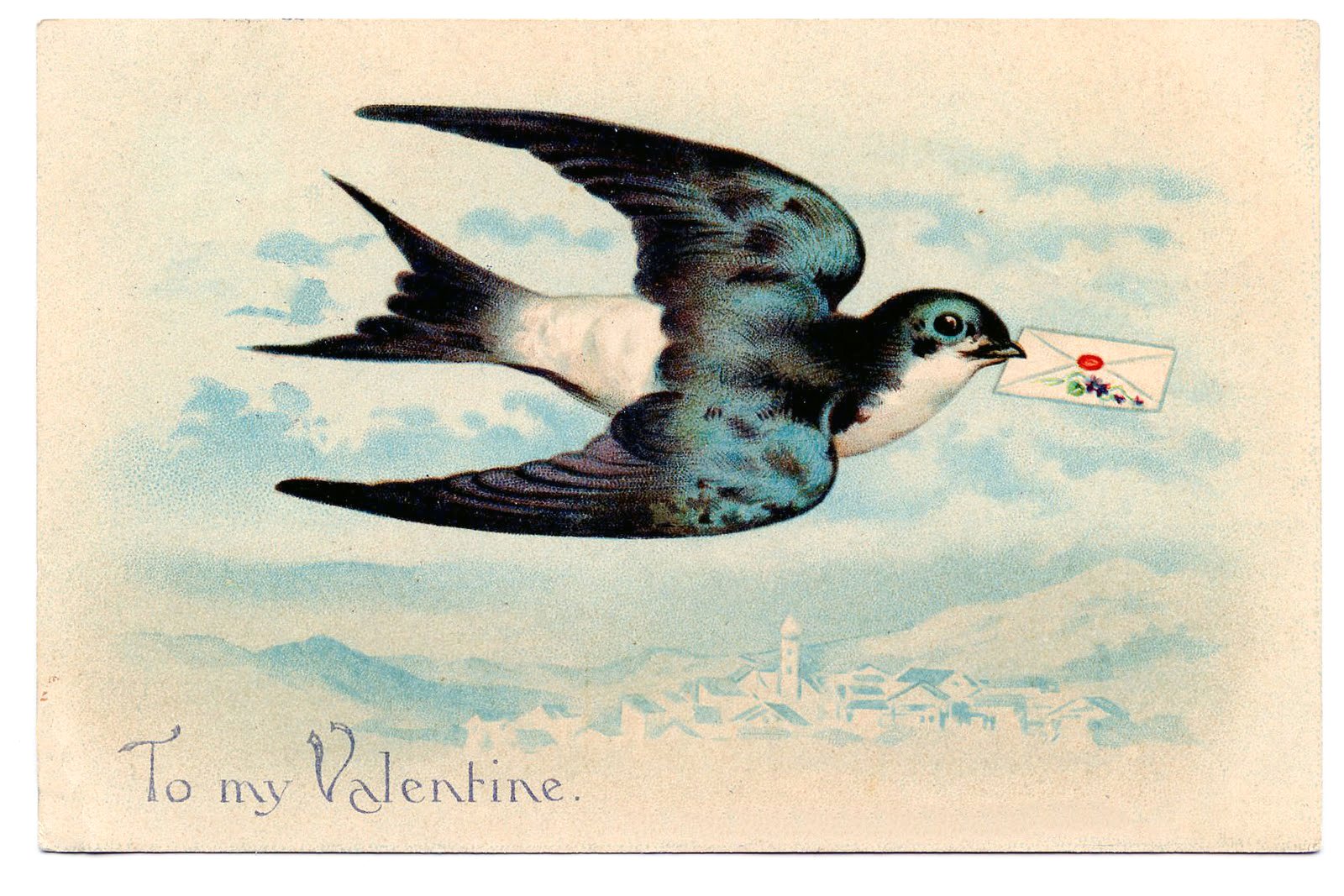
Vintage Valentine’s Day postcard depicting a swallow carrying a love note.
Stories Hold Power
CONNECTING PAST AND FUTURE
“The revelations about my father shook my sense of my own life’s trajectory to its foundations. I felt drawn into a reconsideration of where I came from and how I got to where I am now.” William Damon on learning about the father he never knew, plus the undeniable value of life review.
RELEVANCE CORRELATES TO MEANING
“When we hear stories from family members about their experiences, we usually ruminate longest over the ones that feel the most familiar to us.” Family stories have enduring value. Some you share now may not be relevant enough for your kids to care. But one day they will see themselves in your stories.
In the News
HISTORY UNDERFOOT
Before NYC’s Central Park came to be, Seneca Village was home to the largest number of African American property owners in New York before the Civil War. History of those who lived there is currently being researched and uncovered. “All we can do is honor the past,” says one descendant. “Nothing covered can ever get healed.”
BIOGRAPHICAL ESSAYS TO INSPIRE
Timed to The New Yorker’s ninety-seventh anniversary, the magazine has curated an eclectic selection of profiles from their archive, including a 1929 portrait of Edith Wharton, a 2007 profile of innovative artist Kara Walker, and a 1996 exploration of Anatole Broyard’s choice to deny his true identity. This one’s worth bookmarking and coming back to frequently.
AFRICATOWN DOCUMENTARY
Ahmir "Questlove" Thompson discovered during a 2017 episode of PBS's Finding Your Roots that his ancestors were among those smuggled into the U.S. on the Clotilda in 1860. He has since produced a film, now screening at Sundance, called Descendant, that tells the story of descendants of the last known slave ship to America.
Experts with Memory-Keeping Tips
READY, SET, ACTION!
“There’s a lot to keep track of when filming a loved one, but each step adds an important layer toward creating a memory that ensures your loved one looks good, sounds good, and feels comfortable telling their incredible stories.” Tips from Austin–based Sacred Stories for capturing your family stories on film.
PRESERVATION TIPS
“I started asking questions during our monthly family Zoom calls and it opened Pandora’s box.” African American museum experts and family historians offer their best advice for preserving memories for future generations.
FROM PRINT TO PIXELS
Mali Bain, a custom publisher located in British Columbia, has put together a thorough list of options for digitizing family photos, with notes on how to choose which is right for your own project.
In Their Own Voice
BIRTHDAY TELEGRAMS, POEMS, PHOTOS
A major collection of James Joyce documents and books has been donated to the University of Reading. “Together with a lot of the personal items and the letters that he wrote to [his son] Stephen, it really shows Joyce as a family man, not just this literary giant. A lot of these items show him at his most human.”
LISTENING TO MLK
As part of the Saving Stories series, Doug Boyd, director of the Louie B. Nunn Center for Oral History in the UK Libraries, highlights an extraordinary 1964 interview between Kentucky author Robert Penn Warren and Martin Luther King, Jr. at the height of his influence.
WORDS FROM A GRIEVING FATHER
“I’ve got to write and tell somebody about some stuff and, like I long ago told Larry, you’re the best backboard I know. So indulge me a little; I am but hurt.” After his son died in a tragic accident, Ken Kesey wrote this letter recounting the last day of his child’s life.
Reflecting Back: Words on Paper
THE CONTEMPORARY AMERICAN ESSAY
“Perhaps nothing has so shaped the contemporary practice of essay writing as the rise of the personal essay.” Jackson Arn on “why personal essays have moved from the corner of the party to the center,” for better or for worse.
WORLD OF THE BOOK 2022
Not all stories live in books, of course, but books were indeed the first means of recording our histories, and the State Library of Victoria in Australia has launched an exhibition tracing the book’s journey through space and time. Browse the digital exhibit, and watch below as a senior librarian discusses how the evolution of the book has revolutionized the way we take in information and ideas:
From Whence Stories Emerge
YOUR SENTIMENTAL STUFF
“Letting go of an item can feel like letting go of a memory, and the tension between wanting to own fewer things and wanting to hold onto memories can be paralyzing.” Cat Saunders on how to declutter sentimental items.
IN PICTURES
“The family album is almost a kind of folk art. It was a way to make order: to understand ourselves, our families and our communities.” Filmmaker Thomas Allen Harris on discovering shared humanity through family photos.
“FOOD HAS ALWAYS BEEN ITS OWN KIND OF MEMORY”
“Food is sustenance, culture, environment, economics and politics. Food will always be at the heart of people’s stories.” Charmaine Wilkerson, author of the novel Black Cake, on the unbreakable connection between our stories and the things we eat.
THE LETTERS PROJECT
After her mother died, Eleanor Reissa made a discovery at the back of her mother’s lingerie drawer: 56 letters handwritten in German by her father in 1949—only four years after Auschwitz—to her mother, also a refugee, already living in the U.S. Thirty years later, with her father’s letters as her guide, Reissa went on a journey into the past. Here she is in conversation about the memoir that resulted:
...and a Few More Links
A new free online archive offers an unprecedented look into Marcel Duchamp’s life and work.
Do we need to “radically rethink the Library of Congress classification” system?
Read an excerpt from The Grieving Brain by Mary-Frances O’Connor
Auschwitz survivor Mel Mermelstein, who fought Holocaust deniers, dies.
“That night was unquestionably the worst I’ve experienced during my 100 years on this earth.”
Vintage Valentines: Collecting love letters from our culture’s past
Memoirist Juanita E. Mantz on writing about home
Tips for capturing the emotions of your subjects through photography
A new biography of V.C. Andrews, author of the 1979 bestseller Flowers in the Attic
How an ancient piece of jewelry changed our concept of Viking history
Short Takes
Life Story Links: February 1, 2022
Stories about journaling, memoir writing, and preserving individual accounts of WWII—they're all in this week's curated reading list for personal historians.
“There is not one big cosmic meaning for all, there is only the meaning we each give to our life, an individual meaning, an individual plot, like an individual novel, a book for each person.”
—Anaïs Nin
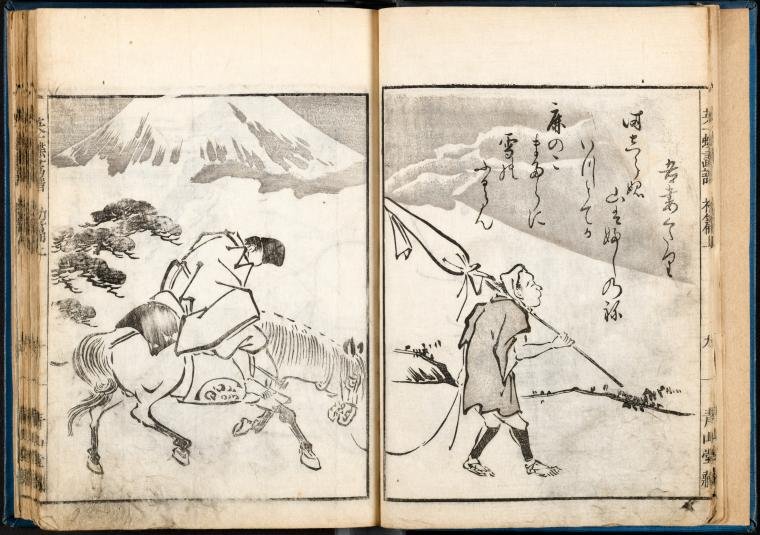
"Narihira’s journey east," a 1770 book illustration, courtesy of Spencer Collection, The New York Public Library Digital Collections.
Writing Our Lives
GETTING TO THE FINISH LINE
For anyone stuck in the middle of a life story project—or hesitating to even begin because finishing seems like a pipe dream—setting a deadline can be a game-changer.
DAILY DIARY
Martha McPhee carries a journal with her, she says, “because it helps me track the uncharted territory of the present moment. In this act of gathering—scrawls about things noticed on the way to a store, the playbill for my son’s brief acting career, glue-sticked to the page—I’m forced to slow down and tend to the parts that evoke a whole. Sometimes they plant the seed for an idea that I might write about later on.”
THE AUDACITY OF BEING SEEN
“Revealing oneself is an act of radical generosity: Letting oneself be seen allows others to do so the same. And this vulnerability creates connection; this connection creates community.” Robin MacArthur on the courage to write.
Memories Flow from Varied Places
MUSIC THAT MEANT THE MOST TO HIM
“When BBC correspondent Dan Johnson posted on Twitter shortly before Christmas that he had finished editing a project capturing the voice of his late father Graeme, he was surprised by the reaction. It made him consider the importance of preserving the memories of loved ones.”
BOOKS THAT LINED HER SHELVES
Books from the home library shelves of Ruth Bader Ginsburg, artifacts that reflect aspects of her life from student to U.S. Supreme Court justice, are up for auction, including her annotated edition of the 1957–58 Harvard Law Review (how I would love to see that marginalia) to a signed copy of Toni Morrison’s Beloved.
DIARY DISCOVERIES
Sally MacNamara has found universal feelings that span generations in the thousands of diaries she has read. Listen in as she shares words from a few handpicked favorites (they’re truly moving) and talks of how her great-grandmother’s handwritten journal helped her navigate grief after her husband’s death.
If you enjoyed Sally’s TedX Talk, you may also be interested in checking out her podcast Diary Discoveries.
War Stories
WWII GENERATION PASSING ON
“The kids and grandkids of the greatest generation have stories to tell. It's up to us to tell them to our kids and for our kids to tell them to theirs. Haul out the family archives. The pictures and the Purple Hearts and the letters from the war front. And the home front.”
VOICES OF THE HOLOCAUST
Timed to International Holocaust Remembrance Day, January 27, 2022, The National WWII Museum in New Orleans has curated a collection of some of their most notable programs on the Holocaust, including numerous first person testimonies.
MORE FROM THE NATIONAL WWII MUSEUM
Browse the museum’s compelling digital collections of photographs and oral histories that tell stories of the war through the people who were there. The entries marked “Curator’s Choice,” like this one about a soldier’s letter home, are among my favorites.
...and a Few More Links
Julia Cameron on the enduring power of The Artist’s Way and morning pages
Emma Knight finds comfort in the diaries of Virginia Woolf.
The many meanings of family estrangement for female immigrants
Short Takes

Life Story Links: January 18, 2022
Our curated roundup is back, filled to the brim with stories you'll want to bookmark: on memoir (reading and writing), preservation, family history & more.
“A writer—and, I believe, generally all persons—must think that whatever happens to him or her is a resource. All things have been given to us for a purpose, and an artist must feel this more intensely. All that happens to us, including our humiliations, our misfortunes, our embarrassments, all is given to us as raw material, as clay, so that we may shape our art.”
—Jorge Luis Borges
Vintage photo of a young girl in Franklin Township, New Jersey, February 1936, by Carl Mydans for the U.S. Resettlement Administration. Photograph courtesy of Library of Congress Prints and Photographs Division Digital Collection.
First-person stories & memoir recommendations
THE POWER OF RECLAIMING HER NAME
After a wave of racism, her husband challenged her to reclaim her Asian name as a way to be proud of who she is. Marian Chia-Ming Liu re-introduces herself—and shares meaning behind all four parts of her name.
WHAT TO READ THIS YEAR
I compiled a list of my most anticipated books of 2022 in the categories of memoir, letters and journals, and the craft of writing. Which ones will make it onto your bookshelf?
ON SURVIVAL
“This memoir, [Mala’s Cat], rescued from obscurity by the efforts of Mala Kacenberg’s five children, should be read and cherished as a new, vital document of a history that must never be allowed to vanish.”
THE TASK OF REMEMBERING
“The premise of much of Clifton’s work is that memory persists even in the absence of words, details, and all of the trappings of what we know as ‘history.’” A thoughtful examination of poet Lucille Clifton’s 1976 memoir, Generations, which has been reissued.
TWO TO CHECK
A Chicago Tribune reviewer names a pair of memoirs about fresh starts—Lost & Found by Kathryn Schulz and I Came All This Way to Meet You by Jami Attenberg—not only as two of the best books of 2022, but as “the product manuals for two authors, and ultimately, tangentially, for yourself.”
One story at a time
PRESERVING A VIVID LEGACY
“Even though there is a trove of letters between this man and his daughter, they demand a lot of research to provide context and explanation,” Washington–based personal historian Nancy Burkhalter describes of the process behind a recent biography.
BRIDGING DIVIDES
“It’s going to take a lot of stories to bring this country together,” 60 Minutes reporter Norah O'Donnell says to Dave Isay, founder of One Small Step, a StoryCorps. offshoot that pairs people from opposing political views for conversations about their lives, not their beliefs.
UNCOVERING STORIES FROM SLAVE SHIPWRECKS
“Through these ships, we could bring lost stories up from the depths and back into collective memory.” National Geographic dives into the untold history of the Transatlantic slave trade with its new podcast, “Into the Depths,” launching January 27.
LIFE LESSONS
“For those who make it to old old age, there remains the challenge: How do you make a full and meaningful life when you can’t do so many of the things you once did? At the end of life, what turns out to really matter, and what is just noise?” NYT reporter John Leland reflects on a series he did following a group of the oldest New Yorkers—over seven years and 21 articles.
Writing about our lives—why, how, when
BRINGING VOICE TO ANCESTOR’S HISTORICAL NARRATIVE
“I loved my time in the archives. The tedium of transcription alternated with a quickening heartbeat that came with a new discovery.” Sally Merriam Wait’s journal “passed through seven matriarchal descendants before it came my way,” says Mary Tribble, who found kinship with her fourth great-grandmother.
3 WAYS TO TELL A PHOTO STORY
Modern memory-keeping doesn’t have to be time-consuming, but it should be meaningful. Here are three simple and elegant ideas for preserving the story behind one favorite photo (with the hope that it will be the first of many!).
PUTTING LIFE ON THE PAGE
BBC Woman’s Hour host Emma Barnett is joined by psychotherapist Julia Samuel and authors Arifa Akbar, Cathy Rentzenbrink, and Ann Patchett to talk about why so many of us want to put our lives on the page: What stops us, what gets in the way, and is it always a good idea? Listen in below:
Finding family history
INVENTORY OF ARTIFACTS
After a lengthy effort, artifacts from collections in Lithuania and New York that document Yiddish culture in Eastern Europe before World War II will be accessible to scholars and others.
CHIMING IN
“I had set about surrounding myself with heirlooms and other objects connected to my heritage to inform and inspire my efforts to guide others in their memoirs and family-history work,” Megan St. Marie writes of the clock she placed in her Massachusetts office.
KEEP THE STORIES, LOSE THE STUFF?
“Watching the moving men removing bookcases and boxes, my life flashed by like a film running in reverse—whole epochs were excavated and carried out.” Wisconsin–based personal historian Sarah White on giving safe passage to belongings as she takes a step toward downsizing.
“THEIR STUFF, OUR STORIES”
“Our hearts aren’t accountants.” Martie McNabb of Show & Tales, Karen Hyatt of EstatePros, and Before I Die New Mexico festival organizer Gail Rubin delve into the stories behind our stuff in this engaging video:
Experts share knowledge
MAKING A PLAN
New York City–based archivist Margot Note talks to host Rick Brewer on the Let’s Reminisce podcast about creating family archives and making sense of all that gathered family information. Listen in:
SELF PORTRAITURE: YOU ON THE PAGE
What does it mean to write memoir, to engage in the personal, and to quest for universal truths and telling details in your life writing? Listen in (and take notes!) as writer and teacher Beth Kephart shares wisdom and writing prompts:
TAMING PHOTO CHAOS
NYC–based photo organizer Marci Brennan speaks to the host of the Anywhereist podcast about the nitty-gritty of getting your family photo archive under control—and there’s a helpful list of resources here, as well. Surprising tip: Many people should delete about 80 percent (!!) of their digital photos to preserve a meaningful legacy.
...and a few more links
Register for free RootsTech 2022, which will be held March 3-5, 2022.
24 writers help publish a book about living in Alexandria during segregation.
How Kenneth Branagh’s family left turmoil in Belfast
Biographer discusses the life of explorer Ernest Shackleton
Massachusetts–based personal historian Megan St. Marie explores her Acadian heritage through two objects she holds dear.
Soldier’s WWII letter to his mother delivered after 76 years
“Succession star Brian Cox spares no one—including himself—in his new memoir.”
Short Takes

Life Story Links: December 14, 2021
A wealth of reading on the topics of memoir writing, honoring lost loved ones through storytelling, and the best creative nonfiction pieces to read now,
“But here’s the other thing I believe about writing memoir. Even if you never publish your story, it deserves to be told. There is much to be learned from the simple act of figuring out what your story is ABOUT. Which is not the same as WHAT HAPPENED.”
—Joyce Maynard
Vintage photo of postman with his sack of deliveries; the magazine in front is The Literary Digest, dated May 22, 1920. Original photograph from Bain News Service, 1920, courtesy of Library of Congress Prints and Photographs Division Washington, digital collection.
Telling Our Stories
WHO IS YOUR FAMILY?
While documenting our family history is essential, so too is stepping back to ask ourselves a few questions about our family. These two writing prompts may be just the ticket to more thoughtful storytelling and meaning-making.
STORIES HOLD POWER
On this episode of Stories in Our Roots podcast, host Heather Murphy interviews Laura Roselle of the Family Narrative Project about how we can change the meaning of a story by shifting the way we tell it:
IN CONVERSATION
Memoirists Michelle Bowdler and Kenny Fries discuss “how to write honestly and fearlessly about one’s life and the larger meaning of one’s personal experiences.”
BEING OPEN ON THE PAGE
“I’ve taught writing for more than thirty years, and I always explain to my students that writing it down is the opposite of covering it up,” Gina Barreca, Ph.D., writes in this piece suggesting that stories need a heart.
Discovering the Stories of Others
READING LIST
For your future reading pleasure: Bookmark this list of the best 60 essays in the creative nonfiction genre from the past year, as selected by the staff and readers of Entropy.
RICH NONFICTION NARRATIVE WRITING
How creative nonfiction —“this nonfiction form that let you tell stories and incorporate your experiences along with other information and ideas and personal opinions”—became a legitimate genre.
A MEMOIR FOR COVID TIMES
“Happy and sad, upbeat and poignant, optimistic and anxious, all of these stories [in the community memoir Sorrows & Silver Linings: Global Pandemic in a Small Town] paint a picture of what life was like in Carlisle when COVID struck in spring of 2020,” journalist Nancy West writes.
Memories, Legacy, Life
MEANINGFUL GIFT IDEAS
“All of these gifts connect to conversation, memory-keeping, and story-sharing in some way,” says Whitney Myers, the video biographer behind Sacred Stories in Texas. Her list of holiday giving ideas includes stocking stuffers, too.
TALKING ABOUT DECEASED FAMILY
“We got up and started walking along the edge of the lake when Andy stopped and said, ‘Boys, I have something to tell you.’” How one family honors the memory of three who died years before, with love and intention.
“THE LIFE STORY FACTORY”
“As the pandemic brought mortality into sharp relief, ghost-writing collective StoryTerrace experienced an uptick in business, publishing biographies about and for regular people. Here…we discover the extraordinary things you learn when you spend your days detailing ordinary lives.”
QUITE A JOURNEY
A U.S. soldier overseas during World War II lost a bracelet inscribed with his sweetheart's name. With the help of a hobbyist treasure hunter, the U.S. Embassy, the Marines, and, finally, a Czech-speaking woman in Colorado, it was returned to him. Hear the story:
...and a Few More Links
Review of the new book Artful Truths: The Philosophy of Memoir
Landmark photo archive of black life in New York comes to the Met.
A Florida city keeps the memory of Zora Neale Hurston alive with a heritage trail.
LitHub gathers the best reviewed memoirs and biographies of 2021.
Old photo album shows high school life in Michigan before WWII.
Rediscovered film footage offers rare glimpse of everyday life in 1920s Ireland.
Short Takes