
Memories Matter
Featured blog Posts


READ THE LATEST POSTS

Life Story Links: April 8, 2025
With three weeks’ worth of news, the curated roundup for April 8, 2025, is overflowing with great reads on memoir, family history, and life story preservation.
“There is an ancient Zulu greeting: Sawubona. It literally means, ‘I see you.’ Sawubona implies, ‘I know you. I recognize your worth, passions, pain, strengths, weaknesses, and life experiences.’ Isn’t that the goal of every human interaction?”
—Gina Vild
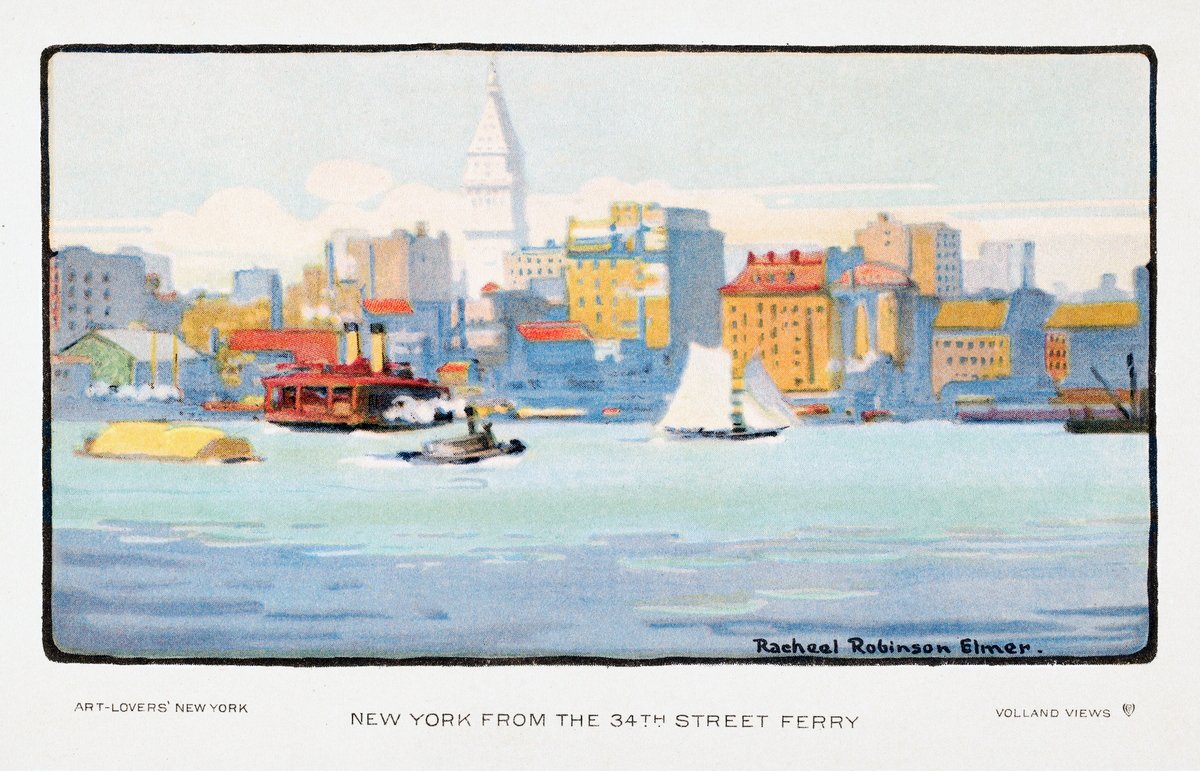
Vintage postcard with handwritten note addressed to a recipient in Winchendon, Massachusetts, postmarked from New York City in 1906, from the personal ephemera collection of Dawn Roode.
On telling our own stories
HOW GHOSTWRITERS CAN HELP
“It is truly a special moment when someone else accurately and authentically captures our own life.... Such is the mission of a ghostwriter, offering catharsis to an author while giving readers a gripping story to read.”
CLOSE—BUT NOT TOO CLOSE
In a recent post I shared two questions to ask yourself to determine if you have enough emotional distance (and why you need it) to write about your life.
BUT DOES IT MOVE THE STORY FORWARD?
“Revenge writing in memoir is never, ever a good, or valid, creative intention.” Elissa Altman shares the three questions she asks herself before writing about someone who has harmed her.
WHO LISTENS TO YOU?
“More than one interview subject has teared up and needed to pause once they get going during our interview sessions—once it dawns on them that I am not going to interrupt them, and that I am listening intently.”
WE’RE ALL STORY KEEPERS
“Whether it’s a 90-second video or a three-page story or a full book, really the core of it is, How did life change you?” says personal biographer and ghostwriter Rhonda Lauritzen in this recent TV interview.
Memoir miscellany
‘FOLLOW YOUR MIND’
“I vote for letting everything tumbleweed together over multiple drafts and editing on the printed page (edit, print, edit, print) and recording out loud to see if it’s working.” Diane Mehta on writing her new memoir-in-essays.
PIECES OF A LIFE, RECLAIMED
“When I got to the end of the memoir, I realized the story I’d written wasn’t the one I’d intended to write,” Samina Ali says. “What emerged as well was a full-throated love letter to the vital act of storytelling.”
BEYOND DOCUMENTING EXPERIENCES
“This is memoir braided with interview, feminist journalism, dreamscapes, and the occasional excellent recipe,” Ariel Gore shares in an interview. “It’s about how a diagnosis becomes part of your story but doesn’t have to be your whole story.”
TRACING FAMILY MIGRATION
“There are so many choices to be made when we set out to tell the stories of others based on documents and interviews.” In conversation with Caroline Topperman, author of the hybrid memoir Your Roots Cast a Shadow.
LOST, FOUND, KEPT
“I have learned through my long writing practice to trust my voice. It’s the wisest part of me and I always listen to it, particularly in my early drafts when I’m excavating for the truth.”
A MEMOIR OF BODIES AND BORDERS
“In the realm of records, her trace has always been slight. Born without a birth certificate in the days of British rule, her name was first written in 1955,” Sarah Aziza writes of her grandmother. And of her father: “With before locked away, he did not see his life as aftermath.”
TALKS WITH BUBBE
“I’ve seen the way one small nugget can lead to another, and just how much of a world can live within a single detail. I’ve really learned that from listening to [my grandmother] and how she tells her stories, seeing what details stay with her.” Listen in as Marion Roach Smith talks with Brooke Randel about writing her new memoir:
The historic record, memory, and research
ARCHIVES OF ARCHIVES
In the wake of the firing of “the head of the National Archives and Records Administration,...whose motto is ‘the written word endures,’” librarians and guerrilla archivists are trying to save our country’s history.
PHOTOGRAPHIC LEGACY
“Editor and New Yorker Reuel Golden had the pleasure of diving into the Atlantic archives” for the retrospective coffee table book 75 Years of Atlantic Records from Taschen.
FROM ASHES TO ART
“It’s better than anything I could have salvaged. This is something that comes only from a place of love.” Seventeen artists around the country help California wildfire victims preserve memories through custom home drawings:
LAYER UPON LAYER…
“What is the obligation of the people who came after—those who survive the survivors—who carry the story, who carry the residual trauma and haunted memories of their families?” For years, her friend’s father asked her to recount his childhood escape from the Nazis. Why did it take this journalist so long?
Finding the past
THE PERFECTLY IMPERFECT WAYS WE REMEMBER
In Memory Lane, two psychologists lay out the vagaries of how we remember, proposing that “memory is like a Lego tower, built from the ground up, broken down, put away and rebuilt each time it’s called to mind.”
MORE ON EPISODIC MEMORY
One of the co-authors of that book was recently interviewed on the following podcast: “If somebody’s memory doesn’t accord with yours, they’re not necessarily lying. They might be mistaken, or you might be mistaken.”
...and (a lot!) more links
This fragile handwritten autobiography was mended for posterity.
Yes, happy memoirs do exist—here, some recommendations from Patricia Charpentier.
A short, fun peek at how a mixtape fits into one family archive.
The process used to uncover fragile fragments from centuries past, plus an even more detailed account here
66% of Americans say they use photos to feel closer to their loved ones.
New research: Brain scans confirm babies form memories, challenging long-held beliefs.
“What would it mean for society if we harnessed DNA to store everything forever?”
“As children, they fled the Nazis alone; newly found papers tell their story.”
Reflecting on the healing power of storytelling: “reparative journalism” discussion guide
Short takes


Life Story Links: March 18, 2025
Dawn Roode’s curated roundup for this week is overflowing with recommended reads for family historians, personal biographers, and memory-keepers.
“You’re not off the hook from inspiration’s demands and rewards just because the story happens to be true, or just because it’s about your life.”
—Elizabeth Gilbert
Vintage postcard depicting an illustration of flower beds in Prospect Park, Brooklyn, New York, postmarked 1906, from the personal ephemera collection of Dawn Roode.
Family history faves
ON AND ON AND ON AND ON…
Tracing your genealogy is an ongoing endeavor, so how do you create preservation projects that can actually…well, get finished? Last week I wrote about family history project creep and how to manage it.
‘I FOUND SO MUCH’
“There were photos of my grandpa I'd never seen alongside military documents displaying his signature. I calculated his age at every turn, finding context for family stories and drawing comparisons with my life.”
WHICH ONE IS BEST FOR YOU?
Family Tree magazine does an updated deep dive into genealogy websites, comparing the big four—Ancestry.com, FamilySearch, Findmypast, and MyHeritage—feature by feature.
PATCHWORKS OF MEMORY
“Mama say, ‘I going to take his work clothes, shape them into a quilt to remember him, and cover up under it for love.’” Lisa Gail Collins on stitching love and loss.
FAMILY STORY PRESERVATION PLATFORM
“As someone who wishes I had more recordings of my own parents' stories, I immediately saw the value,” Mark Cuban says of technology platform Remento, which garnered a deal on Shark Tank. Watch the full segment here:
First-person writing—tips and inspiration
‘FIRSTBORN GIRLS’
“Recently I heard a woman say that fear does not save you from dying, it keeps you from living. I feel the same way about writing one’s truth.” Bernice L. McFadden on writing her first memoir.
JOURNEYS AWAY FROM HOME
“The question of form and its relationship to a life lived interests me as a writer and as a border crosser, as my father’s son and as a father myself.” A (long) thoughtful piece on migration by Viet Thanh Nguyen.
GALVANIZED TO KEEP TELLING HER STORIES
“It was here, through my writing, on my own terms, that the people I loved would meet me to bear witness. It was here that I could speak my truth, and I would find my own healing and purpose.”
‘I SEE IT AS A WITNESS NARRATIVE’
“I’d given up on this memoir, but for some reason I opened up the file one day a couple of years ago. The story still compelled me, so I thought I'd try to publish parts of it.”
Miscellaneous storytelling
DIARY KEEPING, LITERALLY
“I stopped feeding more pages into the fire after making acquaintance with the self who wrote them. It felt like killing her somehow, to destroy evidence of who she had been. Maybe she still had things to teach me.” Memoirist Dani Shapiro on what to do with her years worth of diaries.
THE NATURE OF STORIES
The approach of new research “is a significant departure from previous studies of life stories—here, we are really homing in on the ability to craft a compelling narrative from minimal material.” And the findings show that strong storytelling skills can dramatically improve someone’s well-being.
DEEP DIVE INTO ONE MEMOIR
“While she seemed concerned that memory is slippery and false, she was, in fact, teasing herself and the reader by appearing in all earnestness to be searching for the real truth.” In Memories of a Catholic Girlhood, Mary McCarthy created herself on the page.
‘LUCKY TO HEAR THESE STORIES’
“Are you taping this whole thing? Jaysus, you’ll have to sensor the lot of it, so you will.” Chicago–based personal historian Nora Kerr shares a few quotes from Irish storytellers in honor of St. Paddy’s Day.
Worth a watch
‘BECAUSE I’M WORTH IT’
Documentary filmmakers interviewed influential advertising copywriter Ilon Specht “about her legacy and her life. While only 17 minutes long, each frame packs a punch.”
NO TASTE LIKE HOME
“As a son of immigrants, I know that food can tell you more about who you are and where you’ve come from than you ever imagined,” host Antoni Porowski says of unlocking the past through culinary adventures in his new series. Read about how he helps six celebrity guests learn about their ancestors through recipes, and watch a preview below:
TIME FRAME
In 1864, as the new art form of photography was gaining popularity, someone had the forethought to trace the last living Revolutionary soldiers and take their photographs. Don N. Hagist, author of The Revolution's Last Men: The Soldiers Behind the Photographs, talks about the real stories of these veterans. Listen in:
Feats of research
RECOVERING THE PAST
“Even if a person didn’t donate stacks of papers to a library with comfortable chairs and a good scanner, every life intersects with public record keeping and every life of achievement leaves a wide and deep impact on others.” On writing biography without an archive.
FROM 2,600+ BOXES IN THE ARCHIVES…
A Century of The New Yorker, a new exhibit celebrating the magazine’s century-long influence at the New York Public Library through February 21, 2026, is “a reminder that history is never static and that the stories we tell—as well as the ones we choose to leave out—matter.” Glimpse behind the scenes of how curators scoured the archive and chronicled 100 years of history below:
...and a few more links
Another “tech-forward solution” to life story preservation: Autobiographer for Apple products
TikTok 'You remember when' trend sees users share embarrassing childhood memories.
A corporate history of a kind, in an incredibly bound book—a graphic design wonderland
Digital storage dominates, but future generations may lose precious memories, report warns
How to tap into their long-term memories in order to connect with loved ones suffering from dementia
How sharing stories on a private Instagram account helped one adoptee feel seen.
Meta seeks to block further sales of ex-employee’s scathing memoir
Short takes

Life Story Links: March 4, 2025
We weave our personal histories into stories in so many ways, and this week’s roundup hones in on six of them. Plus, tools of remembrance and life writing tips.
“Chronologies, ancestries, and even achievements may reveal curiously little about a man or a woman. On the other hand, the smallest things may offer vital clues.”
—Ann Roe
Vintage postcard depicting an illustrated forest scene, postmarked 1906, from the personal ephemera collection of Dawn Roode.
Story preservation in all its glorious forms
DUAL COLLECTION
Via research archive: “A trove of never-before-seen material offers an intimate, expansive look at the personal and professional lives of [Joan] Didion and [John Gregory] Dunne, two giants of American letters,” as the New York Public Library opens the couple’s archives to anyone with a library card.
AN INTIMATE, UNFILTERED NARRATIVE
Via newly released book: Joan Didion’s diary is about to become public. It’s described as “‘a moving and profound record of a life of ferocious intellectual engagement,’ and as a raw, vulnerable account from a writer who was acutely conscious of her public image.”
OWNING HER STORIES
Via scrapbooking: “I have told so many stories since I started [scrapbooking] in 2002,” Ali Edwards writes. “I know this to be true because it has been a massive piece of my life, but when I come face to face with the photos and words and creative play, I am overwhelmed with gratitude.”
TRADITION, CRAFTSMANSHIP, LEGACY
Via coffee table book: The Book of Birkenstock (Steidl, December2024 “is a true visual time capsule of a quarter-millennium story of tradition, function, and quality.” It’s an incredible example of a company history morphed into a work of art unto itself, and the accompanying microsite—with timeline, graphics, and chapters including a family history—is its equal.
‘AN APPETITE FOR STORIES’
Via fiction: Claire Messud’s “new work of fiction is inspired by her own lineage (including an unpublished 1,500-page family history written by her grandfather), but its historic range and stylistic inventions drive it far from discussions of ‘autofiction’ or ‘memoir.’”
THE SOUL OF A PLACE
Via house history: “These people trod the floorboards that we tread; they slept in rooms that we’re sleeping in. It’s quite moving.” A look at the boom in turning genealogical curiosity towards the places we live.
In remembrance…
IT’S ABOUT PERSPECTIVE
“How do we keep the memory of our loved one alive when the person she used to be is disappearing?” Plus helpful things to consider when communicating with someone with Alzheimers.
TOOLS OF ARTISTIC REMEMBRANCE
“Like memoirs, photographs, letters, hats, and oral histories, chatbots of the dead can serve the manifold goals of our memory quests, giving context to our lives, relationships, and identities as they help us forge connections across time.”
Little life stories
SIDESTEP REGRETS
“I wish I knew why Mom moved to New York when she was just 16.” “I wish Papa told me how he makes his Sunday sauce.” Don’t wish for stories; ask for them.
THE SUDDEN SACREDNESS OF THE ORDINARY
“What’s so special about a ceramic cookie jar or a prayer book? What’s the significance of a little creature like Mr. Bubbles? When you lose your home in a wildfire, those small things become larger things.”
IN CONVERSATION WITH CASEY MULLIGAN WALSH
“My son…said that for every scene, he could have written his own version, which is totally valid. But he also understands that memoir is how these events happened through the eyes of the author, and he’s proud of me for publishing our story.”
...and a few more links
Tips for editing your own written work, from Marjorie Turner Hollman.
Finding evidence of the start of generational trauma in military records
The power of digital life story work for children in foster care
Family of WWII Soldier discovers legacy, builds bonds in Belgium.
Apple Photos vs. Google Photos: Which is best for organizing and editing your pictures?
“Dave Eggers wrote a remarkable memoir, but its afterlife was even more extraordinary.”
Diana McCaulay on finding your story in that of your ancestors.
Short takes

Life Story Links: February 18, 2025
Dawn Roode’s curated roundup for February 18, 2025, includes a plethora of stories of interest to legacy keepers, plus some poignant and fun short takes.
“If writing seems too onerous…just making a voice memo on your phone every now and then, wherever you are, just saying some random memory, I guarantee that in two years you won’t regret having those recordings to listen to.”
—Anderson Cooper
Vintage Valentine’s postcard depicting an illustrated cherub, from the personal ephemera collection of Dawn Roode.
Preserving memories for posterity
GIFTS GALORE
I am a big proponent of anytime gifts—why should we wait for a birthday or holiday to show those we love just how much they are cherished? Last week I shared a carefully curated guide of my favorite sentimental gifts at every price point.
REVISIONIST HISTORY?
“In child-rearing, like in memoir writing, there’s something to be said for controlling the narrative. ‘You owe them the truth,’ he says of kids and readers, ‘but not all at once.’”
‘STORIES ARE MADE OF MOMENTS’
Wisconsin–based personal historian Sarah White shares how to turn simple memories into compelling stories by understanding “the difference between an always and a once.”
A SERIOUSLY LUCKY PEN PAL
I’m a sucker for a book preserving interesting correspondence, and when it’s fabulously illustrated correspondence by the likes of Edward Gorey, I’m all in. Discover unique graphic excerpts from the book From Ted to Tom: The Illustrated Envelopes of Edward Gorey:
BEYOND THE PERSONA
“Part of my job is to make connections between things [my subjects] have done…in their early life…and challenges they might have as adults.” Listen in as celebrity ghostwriter Nick Chiles discusses the process of writing in someone else’s voice (this episode isn’t new, but worth sharing):
LAST WORDS
“What is the last word of a dying person? It amounts to some final articulation of consciousness (and not just a word, by the way) that passes through a closing window of interaction.”
Extraordinary lives, extraordinary stories
A PROFILE IN SIX ACTS
Denzel Washington “breaks it all down, in his own words, to the moments that mattered and the experiences that made him.” This as-told-to magazine feature is a great example of letting a person’s voice shine through.
DIARIES OF A MONTY PYTHON VETERAN
“People ask me, ‘What do you want on your tombstone?’ I want one that says, ‘Gone to lunch.’ To be silly after I’m dead—that’s quite important, I think.”
REFLECTING HER GENERATION’S HISTORY
Listen in as New York Times bestselling writer Francine Prose talks about her first work of memoir, 1974: A Personal History:
‘GRIPPING STORY OF SURVIVAL’
A Child in Berlin shares the true story of a young girl and her mother during the fall of Nazi Germany. “Today at 88 years old, that young girl still recalls it all in vivid detail, including the final days of the war, and surviving on her own in a bombed-out apartment building.” Author Rhonda Lauritzen and subject Heidi Posnien on the five-year journey of capturing her story:
Short takes

Life Story Links: February 4, 2025
This week’s curated roundup has plenty of recent stories of interest to family historians, personal biographers, memoirists, and memory-keepers of all kinds.
“True memoir emerges like a beast from the gut and the heart, and it’s the writer’s job to tame it, to get to know it, to dance with it—until it becomes a more palpable and ultimately beautiful creature that we feel prepared, if not totally ready, to share with the world.”
—Linda Joy Myers, Ph.D.
Vintage postcard of a well-dressed couple in a row boat on a lakeshore, postmarked 1920, from the personal ephemera collection of Dawn Roode.
Out now…
NEW YORK, NEW YORK
“I lived in their world through the written word, and I felt this piercing, restless, furious longing for other people’s lives.” Read an excerpt (I recommend doing so on your computer or tablet, not a phone) from This Beautiful, Ridiculous City: A Graphic Memoir by Kay Sohini.
VIETNAM: THE WAR THAT CHANGED AMERICA
“‘Sometime this year, you will go crazy, maybe more than once,’ a veteran remembers being told upon arriving in the distant land few had even heard of.” New six-part docuseries leans heavily on personal accounts to tell story of Vietnam War.
HISTORY, ANCESTRY, AND FOOD
Praisesong for The Kitchen Ghosts: Stories and Recipes from Five Generations of Black Country Cooks “was a wonderful rabbit hole of digging into my own familial history through court records and family photographs as well as delving into the history of Appalachia and the history of foodways in the region.”
International Holocaust remembrance
‘WHY SHOULD THEY CARE?’
“One day we are going to be the ancestors that our grandchildren study, so what story do you want them to tell? Hopefully one where we protected our neighbors and not just ourselves. History is important, but only if we let it be a call to action today.”
THE HIDDEN HOLOCAUST PAPERS
Timothy Taylor pieces together his once-prominent German-Jewish family’s story, determined to honor their memory and give voice to those silenced. Through letters, diaries, and artifacts, The Hidden Holocaust Papers explores loss, survival, and the enduring impact of history on future generations. Listen to a preview below, and read how 10,000 pages of documents sent him on a journey through Germany’s dark past.
A TOOLBOX TO UPHOLD THE TRUTH
A new UNESCO report warns that generative AI could distort the historical record of the Holocaust and fuel antisemitism. Their new guide provides pedagogical principles and practical strategies to support teachers and journalists; what you need to know.
A CHOICE: DREAMS OR CONSCIENCE?
“I would ask my mother, ‘Where are they all going?’ She said, ‘They're taking them to the workhouses.’ All of our good friends and some of the children that I played with were disappearing.” An interview with the subject of A Child in Berlin, written by Utah–based personal biographer Rhonda Lauritzen.
The craft of life writing
BEGIN WITH A LIST
Lists as prompts have been in my arsenal for years, and I love this very short post from Beth Kephart with ideas and inspiration on the topic. “The words on your lists are tiny engines. The sentences you write will motor forward, or detour. No one is watching. Write as you wish. Write silly. Write loud. Write plaintive. There’s only one rule: Write you.”
‘THE COBBLER OF MEMORIES’
As AI gets better and more accessible, will there still be a need for in-person story sharing services offered by personal biographers and historians? My take? Yes, of course—and here’s why.
CONNECTING THE DOTS
“Don’t try to force your story into any particular shape. The point is just that you’re working deliberately and charting a path with intention. Some ‘arcs’ are not arcs at all but zig-zags, spirals, reverse arcs, etc.” Bonny Reichert on how to find your memoir’s narrative arc.
...and a few more links
Inspiration for making a junk journal (the next wave of memory-keeping?) from Artifact Uprising, and here, from Popsugar
How to restore and prepare an old family photo album or scrapbook for long-term preservation
“Fires destroyed your family photos. Here are some ways to restore those memories”
Robert Frank’s The Americans is “a historical document and a landmark in American culture.”
Short takes

Life Story Links: January 21, 2025
From upcoming memoirs of note to guidance on the craft of personal history, this week’s curated roundup is filled with reads of interest to family historians.
“To share our stories is not only a worthwhile endeavor for the storyteller, but for those who hear our stories and feel less alone because of it.”
—Joyce Maynard
Vintage postcard with illustration of the “little church round the way” in New York , circa 1907, from the personal ephemera collection of Dawn Roode.
Lessons from notable chroniclers
TRANSFORMATIVE POWER OF MEMOIR
“When the writing was flagging and I wasn’t sure how to forge ahead, I would return to photographs, diaries and letters, as a way of keeping the past alive, and also reminding me of things forgotten.” Lily Dunn on the messy and rewarding dance between memory and meaning in memoir.
WRITING CRAFT LESSON
“Structure is a container, of sorts, a container that teaches our readers how to read our books, and also, perhaps, how to read us.” Beth Kephart ruminates on the structuring of essays, memoirs, and stories.
PROMPTS AT THE READY
So you finally find a stretch of uninterrupted time to write…and when you sit down, you draw a blank. Has that ever happened to you? This simple idea—keeping a notebook of self-generated writing prompts—will keep your ideas flowing.
Beyond legacy
FILM BIOGRAPHERS IN CONVERSATION
“Family stories are more than history; they’re the heartbeat of connection across generations,” Jamie Yuenger says in this interview about the power of resilience narratives, the importance of documenting family histories, and the role of vulnerability in creating meaningful connections. Listen in:
TRANSFORMATIVE POWER OF LEGACY WRITING
“Writing coach Rebecka Vigus talks about how legacy writing became a crucial part of her life, the profound discoveries she’s made along the way, and why she believes it can play a vital role in preventing cognitive decline.”
ARCHIVE FROM A REMARKABLE LIFE
“There’s a lot to go through. Plus, it’s just weird to be throwing away someone’s life, you know?” Ruth Westheimer’s son talks about going through his famous mother’s belongings after her death, sorting what will be saved as personal effects and what will be archived towards her professional legacy.
A DIALOGUE BETWEEN GENERATIONS
“If photo albums serve as heavily curated, or simplified narratives of our lives, how can we make them feel more true to our experiences? How can their contents be reworked or evolved over time, to reflect our changing memories?”
TANGIBLE ARTIFACTS
Curbed asked a dozen people who fled their homes in the wildfires about the objects they lost and what they saved.
Your next TBR memoirs?
HISTORIC PAPAL AUTOBIOGRAPHY
Originally intended to be published after his death, Pope Francis has made history as the first living pontiff to release a memoir. “He is one of the most influential leaders of our time, but still seems rooted in ordinariness,” reads this review.
INHERITED HEALING
“I wanted to know, in our DNA, was my code written for me to experience depression,” journalist James Longman says in this revealing interview about his forthcoming memoir, The Inherited Mind:
Miscellaneous
THE SCENT OF MEMORIES
“Smells can only bring to life the personal experiences, those that have a clear sense of personal presence and emotional charge.” Jonas Olofsson on on the science behind the hidden olfactory keys to times long past.
FEELING IN FARSI, WRITING IN ENGLISH
“As we begin to tell our stories, committing them to paper, we realize that in our adopted language, we cannot simply be storytellers—we must also be translators, interpreters.” Sahar Delijani on translating her life from one language to another.
THE POLITICS OF PLACE
“What roles do place and memory play in the construction of a narrative? In this conversation, memoirist Shze-Hui Tjoa and novelist Farah Ali talk about how these forces affect the storytelling in their respective books.”
...and a few more links
Adrien Brody shares connection between 'Brutalist' role and family history.
Memories In Writing Foundation announces free do-it-yourself memoir workbooks.
Digital echoes: preserving memories with AI conversations after life
Sentimental thrift store find saddens woman who discovers it.
LyfeIndex is a digital service helping to preserve memories for a global audience.
New study finds a higher lifetime risk of dementia than previously thought.
The history and tradition of presidents leaving personal notes for their successors
Short takes

Life Story Links: January 7, 2025
Kick off 2025 with three weeks’ worth of goodies about family history, memoir, legacy preservation, and journaling curated by personal historian Dawn Roode.
“Getting emotionally prepared to mine your life takes time. Give yourself grace.”
—Vanessa Mártir
Vintage postcard, circa 1908, from the personal ephemera collection of Dawn Roode.
Through the lens of history
HISTORY’S INNER LIFE
Studs Terkel understood how, in addition to the historic events in one’s life, it was the daily rituals “that made people who they were: the cleaning, the counting, the welding, the typing, the talking, the praying, the singing, the watching, the laughing, the weeping.” A look back at his oral history Working as it turns 50.
FROM THE VAULT
Former president Jimmy Carter has died. He was 100 years old. In this 13-minute listen, a biographer reexamines the former president’s extraordinary life, and Carter himself talks about his memoir, A Full Life:
Pictures and stories
JUDGING A BOOK BY ITS COVER
“So, how does a jacket for a memoir that carries as much literary and cultural significance as Knife—which details the author’s 2022 stabbing and recovery—actually come together?” Arsh Raziuddin and Greg Mollica on designing the jacket for Salman Rushdie’s memoir.
HISTORIC PHOTOS NOW AVAILABLE
An online version of the National Archives’ major exhibition “Picturing the Century: One Hundred Years of Photography from the National Archives” can now be viewed online.
Safeguarding our legacies
CASE STUDY IN DOCUMENTATION
“When The New York Times covers a $50 billion family fight for control, it’s more than just a headline—it’s a wake-up call for families navigating legacy, values, and continuity.” StoryKeep’s Jamie Yuenger on 7-Eleven’s legacy and why wealthy families should prioritize storytelling.
THOUGHTS FROM AN OBIT WRITER
“Too many fascinating stories are lost because they were never written down and are only vaguely remembered by friends and family,” says James Robert Hagerty, who says that writing more than 1,000 obituaries has given him a mission to persuade people to record their own stories “while they still can.”
DEAR DIARY
January is National Journal Writing Month (NaJoWriMo) and this year’s first theme is “Journaling for Personal Growth and Achieving Goals.” Reflect on your 2024 journals and find resources, prompts, and more here.
LEGACY PROJECTS
Philadelphia–based personal historian Clémence Scouten was a guest on the Honestly Aging video podcast, offering up lots of DIY advice on writing, preserving, and sharing one’s life story:
The soul of a thing
A (VIRTUAL) WALK DOWN MEMORY LANE
When you think of preserving memories, scrapbooks or photo albums likely come to mind. But what about Google Maps?
A CENTURY OF STEWARDSHIP
“A family’s set of dishes has passed through five generations of women, but will the teacups, plates and bowls make it to a sixth?” Will their precious plates continue to hold stories?
10 SENTIMENTAL STORIES
Among wedding keepsakes saved by couples, “occasionally, one item can take center stage and, like a relationship, endures the test of time and grows in sentimental value.”
BROKEN GLASS
“It was time, I felt, to let the precious of the past mingle with the precious of the present.” Rachael Cerrotti on her generations-deep tendency to attach memory to object—in this case, two sets of gifted stemware.
How stories are told
‘WHAT’S WRONG WITH A WRITING COLLABORATOR?’
“Want to Earn Six Figures as a Writer? Try Ghostwriting,” reads a recent headline in The Wall Street Journal. “Shifts in the book industry have been a boon to writers who work quietly behind the scenes.”
KEY BOOK PUBLISHING PATHS
“One of the biggest questions I hear from authors today: What is the best way to publish my work?” Longtime publishing pro Jane Friedman updates this thorough post every year—and, since she says it “is an increasingly complicated question to answer,” she has greatly expanded its content for 2025.
ON FICTIONALIZING PERSONAL HISTORY
Sometimes, our own family history makes for a perfect story—“but what do you do if the history itself works best in a totally different era, or a dog makes more sense to be a cat, or winter works better than summer when it really happens? This is where personal history and historical fiction collide.”
WILD CARDS
Forget about an interview script—podcast host Rachel Martin has guests pull a card from a questions deck in the hopes they’ll go deep. This month, she brought that deck to Washington Square Park in New York City and asked the questions of people face-to-face. Listen in:
...and a few more links
Short takes

Life Story Links: December 17, 2024
Just in time for your holiday break, a roundup overflowing with good reads—there’s family history, memoir, and writing (both guidance and recommendations).
“If you carry your childhood with you, you never become old.”
—Tom Stoppard

Vintage postcard of New York City’s Woolworth Building and City Hall at night, circa early 1900s; from the personal ephemera collection of Dawn Roode.
Reenvisioning the past
‘MY GRANDMOTHER AS ESSENCE’
“The outlines of Margaret Finley D’Imperio’s life were revealed to me by way of a long-lost box and a misplaced letter written by the woman I called my aunt,” Beth Kephart writes in this announcement for her first novel for adults, which, she says, “yields the grandmother I remember and imagine.”
A FAMILY HISTORY RECONFIGURED
Sasha Chavchavadze uses her family history as source material for her multimedia art, creating works from shards of stories and objects discovered among her grandparents’ things (there’s plenty of intrigue and notable Russian connections, too).
A GENERATIONAL LEGACY OF CRAFTSMANSHIP
“Who might have climbed in their branches, sheltered beneath their canopies, carved a lover’s name into their living flesh? And how many lives depended on them over the years?” One family tree, among the trees of Scotland.
HOW OLD IS MY (BRITISH) HOUSE?
“In the popular BBC Two series A House Through Time, historian David Olusoga researches the history of an ordinary house, revealing the fascinating, shocking, and touching stories of its inhabitants. The program has inspired many people to find out more about the previous residents of their home.”
FACING HERSELF
“I now know it’s a common question asked of ethnically ambiguous young people: What are you? Back then, it scared me. What was I? A face was a map, and mine was unreadable.” Memoirist Melissa Febos on seeing her past and future selves.
A KID FROM MARLBORO ROAD
When his mom was stuck in Florida during Covid, Edward Burns called her daily to cheer her up—and eventually he began inviting stories from the past. Unexpectedly, those stories found their way into his first novel. Here, he talks about how he towed the line between memoir and fiction, and how his mom passed on a love of storytelling:
Writing our lives
WRITER/HUMAN
“Where does the writer stop and the man begin?” Nathan Deuel muses on writers he has met—“Or, On Learning That Cormac McCarthy Was a Creep,” as he titles the piece.
SENTIMENTAL GIFT…OR UNWANTED BURDEN?
Modern Heirloom Books’ Write Your Life—which sends weekly memory and writing prompts to annual subscribers—may be just the thing to gift your parent or loved one…or, it may not be right at all. Here’s how to know.
THE YEAR IN MEMOIR
It’s time for year-end wrap-ups, and there are plenty of lists of the best memoirs of 2024. Here are a few (will you add anything to your TBR pile, I wonder?):
SUPPORT FOR YOUR BOOK
“Deciding which type of editing support you need is a deeply personal choice.” Mali Bain, a custom publisher based in British Columbia, Canada, helps you determine which type of editing is best suited for your memoir, life story, or family history.
WHERE MEMORIES RESIDE(D)
“The story begins in 1968, when I was 13 and we left Long Island to vacation with a family of lime green lizards in a bare-bones motel next to a windy beach on the east end of St. Thomas.” Joan Bregstein on how one family’s vacation home’s significance shifted through generations.
Short takes