
Memories Matter
Featured blog Posts

READ THE LATEST POSTS
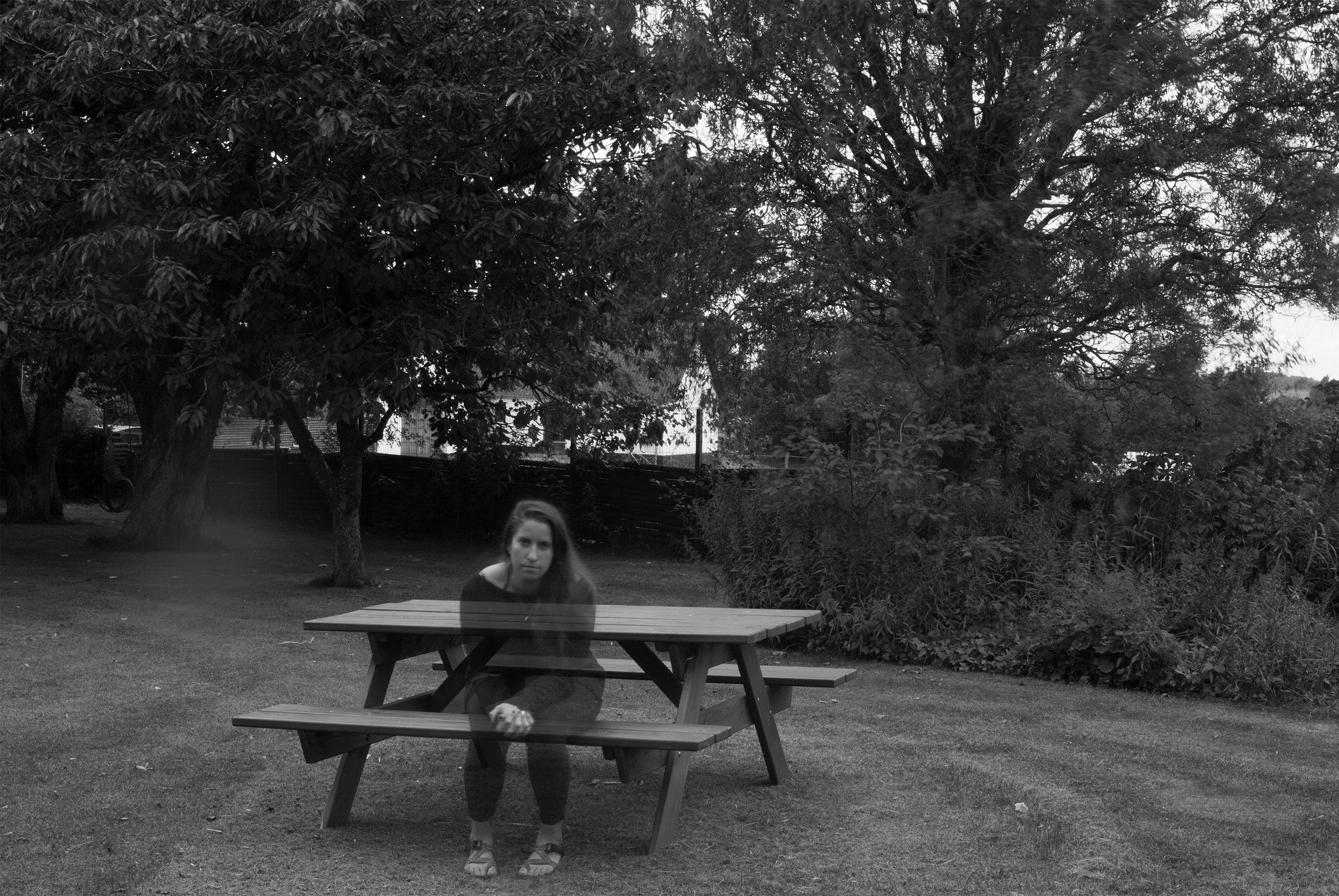
On the ever-changing nature of our stories: In conversation with Rachael Cerrotti
Our memories are anything but fixed—and when stories are passed down to a new generation, their malleability, their meaning, and their impact change, too.
“It’s the best part of storytelling for me, that it’s never going to stay the same.”
—Rachael Cerrotti
Memoirist and host of the podcast “We Share the Same Sky,” Rachael Cerrotti
Rachael Cerrotti knew her grandmother Hana’s story when she was growing up. Hana, or Mutti, as she was called by her loved ones, was a Holocaust survivor. She visited schools to share her testimony with young students. She spoke with Rachael about her past.
But stories have chapters, and they are received differently by different people at different times in their lives. Stories can be told one way to a group of students, and another to a young, devoted granddaughter. Those same stories may take on an entirely new mien when handwritten in a private journal, captured in the moment with no distance for reflection.
What is Hana Dubová’s story, then?
Well, of course, there isn’t just one.
Rachael—a granddaughter, photojournalist, podcast host, and author—has explored her grandmother’s story faithfully. During her college years, cognizant of the fact that Hana was getting older, Rachael began getting together regularly with her grandmother, recording their conversations along the way. After Hana passed away in 2010, Rachael says she spent the first half of her twenties on her bedroom floor in Boston, going through Hana’s diaries and the rich archive she left behind. She would eventually retrace her grandmother’s footsteps, traveling through Europe and getting to know, intimately, those who knew Hana and her story. As Stephen D. Smith, executive director of the USC Shoah Foundation, writes in the foreword to Rachael’s book, We Share the Same Sky, “She made her grandmother’s homes and hiding places her homes, her places to hide.”
I have recommended We Share the Same Sky in a formal review and gifted the book to friends; I have extolled the podcast—a must-listen for anyone who values stories and family; and recently I was fortunate enough to chat with Rachael about the (inevitable, frustrating, and beautiful) flexibility of memory.
The same stories may hold different meaning for us at different times in our life.
“The story has grown up as I have grown up,” Rachael writes in the preface to We Share the Same Sky.
While Rachael gradually reveals Hana’s story to us, she also weaves in her own perspective and life changes, making for a poignant and powerful meditation on the meaning of inherited trauma and the elasticity of memory. She writes to her grandmother: “Your diaries and letters are the literature of your past, and each tells a slightly different story. I read and reread your stories as if they were fables, modern-day fairy tales that are constantly changing meaning. Every time I open to a familiar page, I read the words in a new way.” And isn’t that the nature of all family stories?
Often I talk about the enduring value of our stories: When we hear stories from family members about their experiences, we usually ruminate longest over the ones that feel the most familiar to us. Rachael echoes this during our conversation, admitting that if she is one day blessed with being a mother and a grandmother, she will most certainly see her grandmother’s stories in a new light again with each milestone.
When Rachael revisited her grandmother’s testimony after her husband’s death, she found new meaning, new depth there: “It was guidance and it was permission and it was warmth, and the words just carried everything within it,” she said.
“I think we're all drawn to stories that impact us in some ways and that feel relevant,” she said.
“We all kind of hold onto the stories that we need to hear, and I think a lot of us dig into our past trying to reckon with something or to try to understand ourselves better,” Rachael said. “Realizing that our memories are malleable gives us some ownership over them, different than just being resigned to them.”
Beyond fact-checking: Our narratives hold truths, even when they are contradictory.
While We Share the Same Sky is based on Rachel’s own experiences and research during her immersive travels as well as her grandmother’s personal writing, she did not turn to libraries or historical records to fact-check her grandmother’s stories (except for instances when an occasional age or date did not cohere).

“What I was always drawn to was the stories we tell ourselves and the stories we tell our kin, and those have nothing to do with the archives,” she told me.
In the book, she writes: “There are cracks in all our memories; sometimes they are exposed by our own inconsistencies, sometimes they are challenged by other people’s perspectives, and sometimes they change with time.”
Indeed, have you ever reread an old diary entry only to wonder, Did I really write that? Or even, Did I really feel that? Has the way you have told a single important story—say, coming out of the closet as a teen, or emigrating to a new country—changed over time? With time comes perspective, and with perspective comes a new way of regarding our experiences. Each telling of our stories reveals new truths.
“Stories do not have to be stuck in time,” Rachael said. “There are so many versions of stories that can all contradict each other and still all be truthful.”
Our ancestors’ stories become our stories.
One of the things that drew me to Rachael’s body of work, I told her, was how she deftly wove Hana’s story into the fabric of her own. Stephen Smith recognized this, too, writing: “What Rachael seemed to know is that her jumbled identity was not a godforsaken hand-me-down but a tapestry of individual stitches that needed to be understood to appreciate the whole. As you read this book, you will see each of those colorful stitches painfully embroidered into her life one by one.”
“Originally this was a story of people that had passed away,” Rachael told me. “This was a story of history. And then getting to meet all these people and having them meet my curiosity where it was at—that was this invitation to keep coming back.”
“These relationships don’t stop because you’ve stopped writing the story,” she said. “The story doesn’t end because you send it in to the publisher. That’s that chapter, and that’s okay.”
Hana’s life has informed and shaped her granddaughter’s. And Rachael has honored Hana’s legacy by revealing the nuances and truths in her diaries, and by encountering—and re-integrating—her stories again and again. In the epilogue, she writes directly to Mutti:
“I have completely lost myself in your story, creating for myself an experience out of each of your retellings. What started as a simple family history project has become this web of community. When I pull a thread in one part of the world, the story in another place changes. Your memories have become my landmarks, the symbols of my own past.”
Each of us is writing our own narrative, transitioning from one chapter to the next, weaving our ancestors’ stories into our own. I hope you will read We Share the Same Sky with this in mind, and—as Rachel hopes, as well—inspire conversation and story sharing between not just grandmothers and granddaughters, but among generations of your own family.
Discover Rachael Cerrotti’s work
Listen to her podcast of the same name.
Follow her on Instagram for updates on her life, upcoming appearances, and future endeavors.
And perhaps most exciting, Rachael is launching a new podcast this week, called The Memory Generation, subtitled “Conversations about our memories.”

























Affiliate disclosure: As an Amazon Associate, we may earn commissions from qualifying purchases from Amazon.com.

Life Story Links: February 4, 2020
A wealth of good reading on topics including Holocaust remembrance, telling our own stories, and bearing witness to the stories of others.
“Tell your story. Take the data of your life and turn it into real people doing real things and you will move mountains. You will change the world.”
—Dave Lieber

Camp buddies, Christmas Seals Camp, Haverstraw, New York, January 1, 1943. Photograph by Gordon Parks, courtesy Library of Congress.
Bearing Witness to Stories of Others
THE FINE ART OF LISTENING
“Good listeners ask good questions. One of the most valuable lessons I’ve learned as a journalist is that anyone can be interesting if you ask the right questions.” Kate Murphy, author of You’re Not Listening: What You’re Missing and Why It Matters, on how to talk less and listen more.
CREATING A NARRATIVE IDENTITY
“When the future is running out, can we make more of the past? I often struggle with my role as a caregiver for patients at the end of life. I know the most healing things I can offer aren’t the things I usually do,” writes Dhruv Khullar, M.D., M.P.P. in this thoughtful piece. What are those healing things? “To sit. To listen. To explore what it’s all meant.”
FULL CIRCLE
A son’s photographic journey through Alzheimer’s with his dad results in a grant with which he plans to create a book. What’s up next inspires me just as much: “He has begun making appointments with his mother, who is living in his childhood home, to photograph her…. She plays Mahjong, goes to the grocery store, keeps busy. She is full of life. And he wants to be there with her, documenting it.”
FIGHTING FOR THE ANONYMOUS
“It hurt like hell to hold her story. It hurts like hell to tell it. It would hurt a thousand times worse than hell if I hadn’t stopped to hear it. We are to blame when we do not memorialize the living,” writes Beth Kephart in this “memoirist’s chant.”
Telling Our Own Stories
SEALED WITH LOVE
“A different human wrote to the 24-year-old me than the one who wrote to the 44-year-old, but there are aspects of her in these later ages,” writes Ann Napolitano, a novelist who writes to her future self every ten years. “One of the lessons in these letters is that our lives have chapters—I just happen to have an envelope to mark each of mine.”
NO EXCUSES
For anyone intimidated by the idea of writing their life story, here are four specific tactics to write their way in, one memory at a time, and finally get that memoir started.
PICTURES HOLD STORIES
“Photos will spark your memory much better...if a small number of them are curated into an album. This more manageable collection of photos will increase the chances you’ll engage with them on a meaningful basis later on.”
Voices of the Holocaust
January 27, 2020, was International Holocaust Remembrance Day, and many media outlets helped to remember and honor the six million Jewish victims and millions of other victims of the Holocaust. A handful follow.
NEVER FORGET
Edith Fox sometimes told friends she wanted the words “Holocaust Survivor” on her tombstone. But she didn’t want to talk about what she had endured. It was simply too painful. Until her health recently began to fail and she decided, at age 90, that she didn’t want her story to die with her.
“LETTER FROM AN UNKNOWN WOMAN”
In an excerpt from A Bookshop in Berlin: The Rediscovered Memoir of One Woman’s Harrowing Escape from the Nazis, Patrick Modiano introduces us to the sweeping journey of Françoise Frenkel's No Place to Lay One’s Head, which Modiano opines belongs in the company of literary giants.
FACES, LIVES
Survivors: Faces of Life After the Holocaust is a photo portfolio by Martin Schoeller, who “felt that it was his professional and personal responsibility to not only reflect on and learn from the Holocaust, but to help memorialize it” with these unflinching portraits of survivors.
IN THEIR OWN WORDS
Echoes of Memory is an ongoing collection of survivor reflections and testimonies from the United States Holocaust Memorial Museum. The remembrances are varied and poignant, well worth reading—and sharing.
...and a Few More Links
Renovated museum celebrates New Orleans' Italian history; Sicilian visitors can also learn about their own personal history.
Using cutting edge technology to recover an audio treasure
Maia Fischler of Life Writer Personal Histories in Oregon celebrates a recent autobiography completion.
Residents of a senior living community in Minnesota have released their third book of personal histories, Distinctly I Remember: More Stories We Love to Tell.
Tips on archival preservation of your papers and mementos
How Phillip Lim learned to cook by following his nose back to the fragrant dishes of his childhood.
Helping young kids create a grandparent journal
Short Takes

“The most important unknown story of the Holocaust”
A brave group of Jews secretly chronicled their daily existence in the Warsaw Ghetto during the Holocaust. Only one who knew where the archive was buried survived.
“The life of every Jew during this war is a world unto itself.”
So wrote historian Dr. Emanuel Ringelblum, founder of the Oyneg Shabes, an archive of documents and writings created clandestinely by Jews in the Warsaw Ghetto from 1940–1943 and considered to be the most important cache of eyewitness accounts of the Holocaust to survive the war.
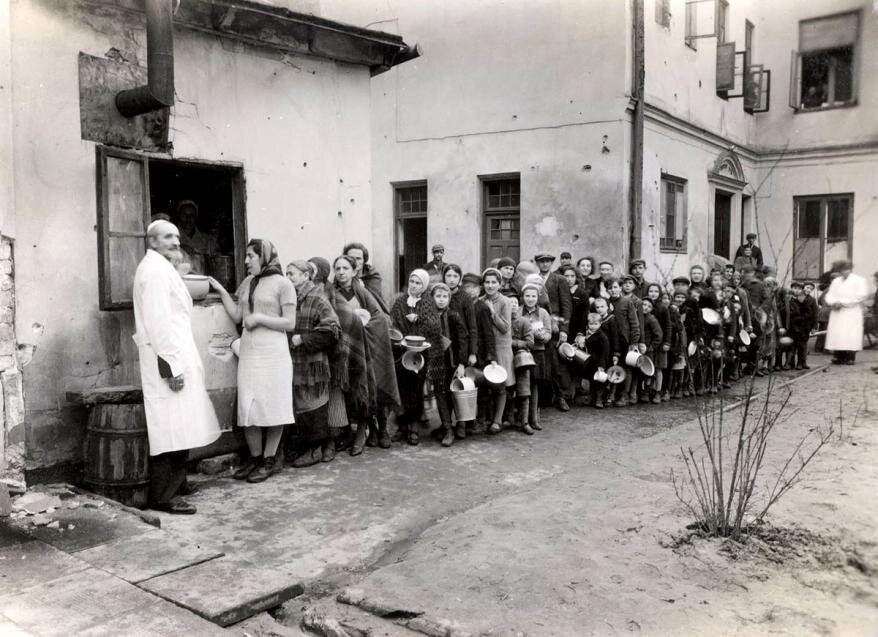
Led by Ringelblum, a group of journalists, scholars, and community leaders in the Warsaw Ghetto vowed to defeat Nazi lies and propaganda not with guns or fists but with pen and paper. By recounting their experiences as they happened, from their perspective as Jews during World War II, these courageous souls were both bearing witness to themselves and risking their lives.
“I do not know who of our group will survive…but one thing is clear to all of us. Our toils and tribulations, our devotion and constant terror have not been in vain,” Ringelblum wrote.
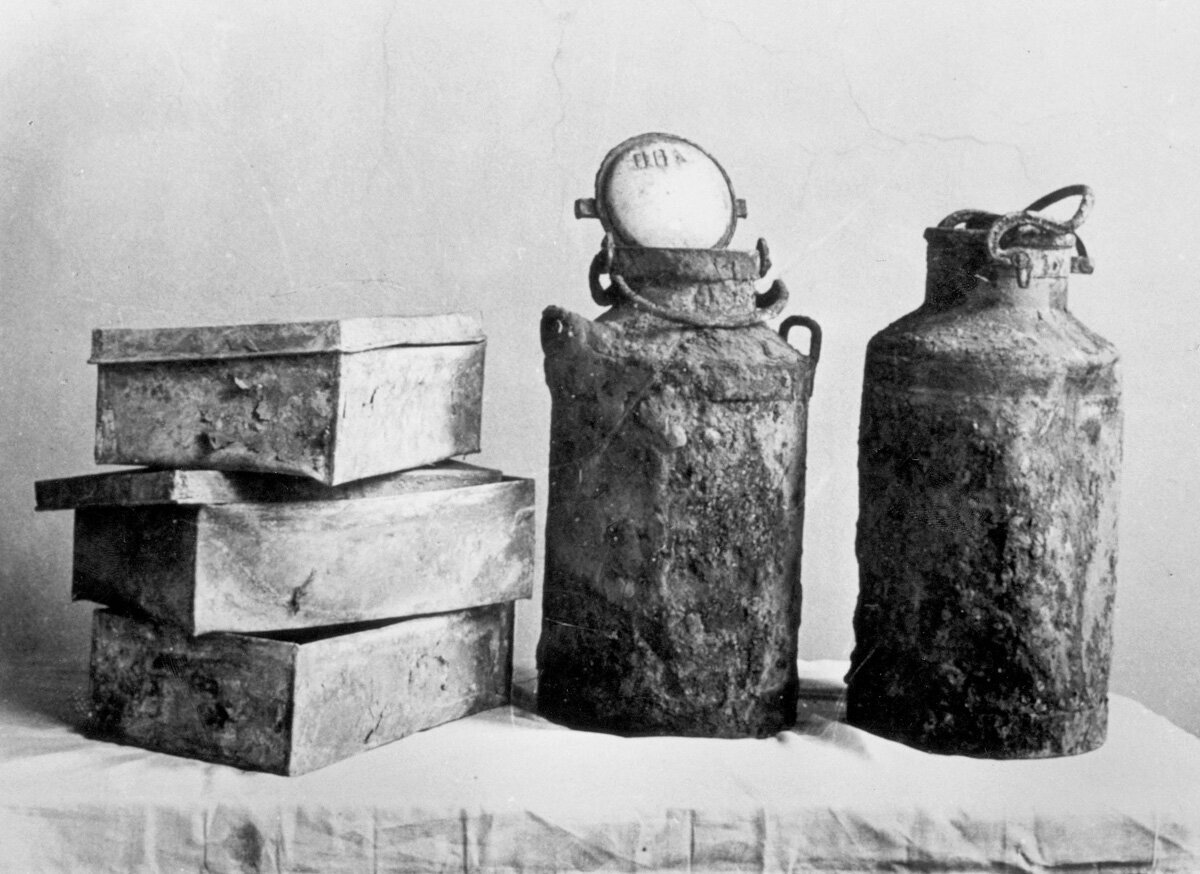
As trains deported them to the gas chambers of Treblinka and the Ghetto burned to the ground, members of the Oyneg Shabes buried 60,000 pages of documentation in the hopes that the archive would survive the war, even if they did not, according to the film Who Will Write Our History, a feature documentary that tells the story of the archive and those who created it.
Of the approximately sixty individuals involved in creating the archive, only three survived; and only one of those three individuals knew where it was buried.
Film director Roberta Grossman declares the efforts of the Oyneg Shabes archivists to “scream the truth to the world” to be “the most important unknown story of the Holocaust.”

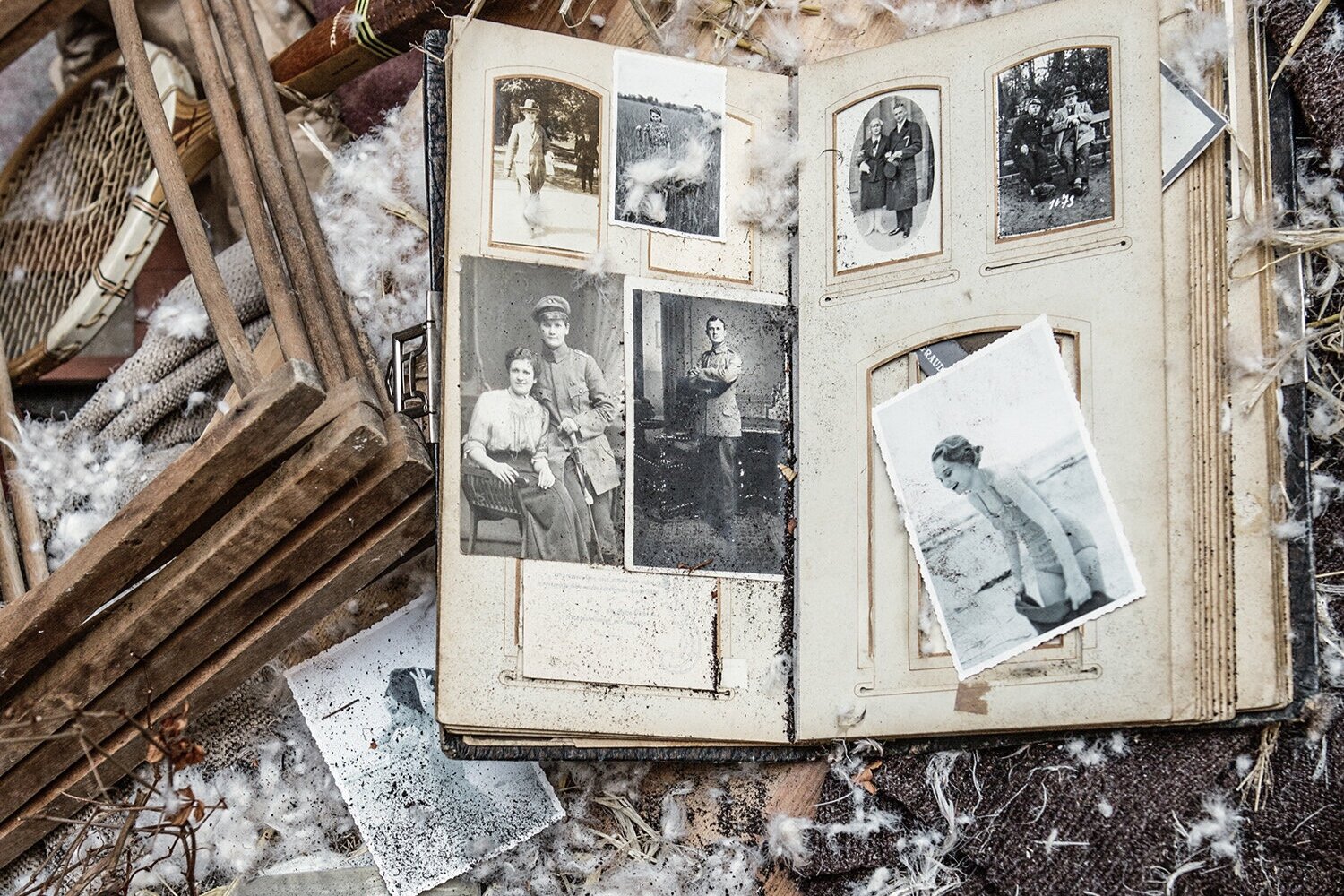
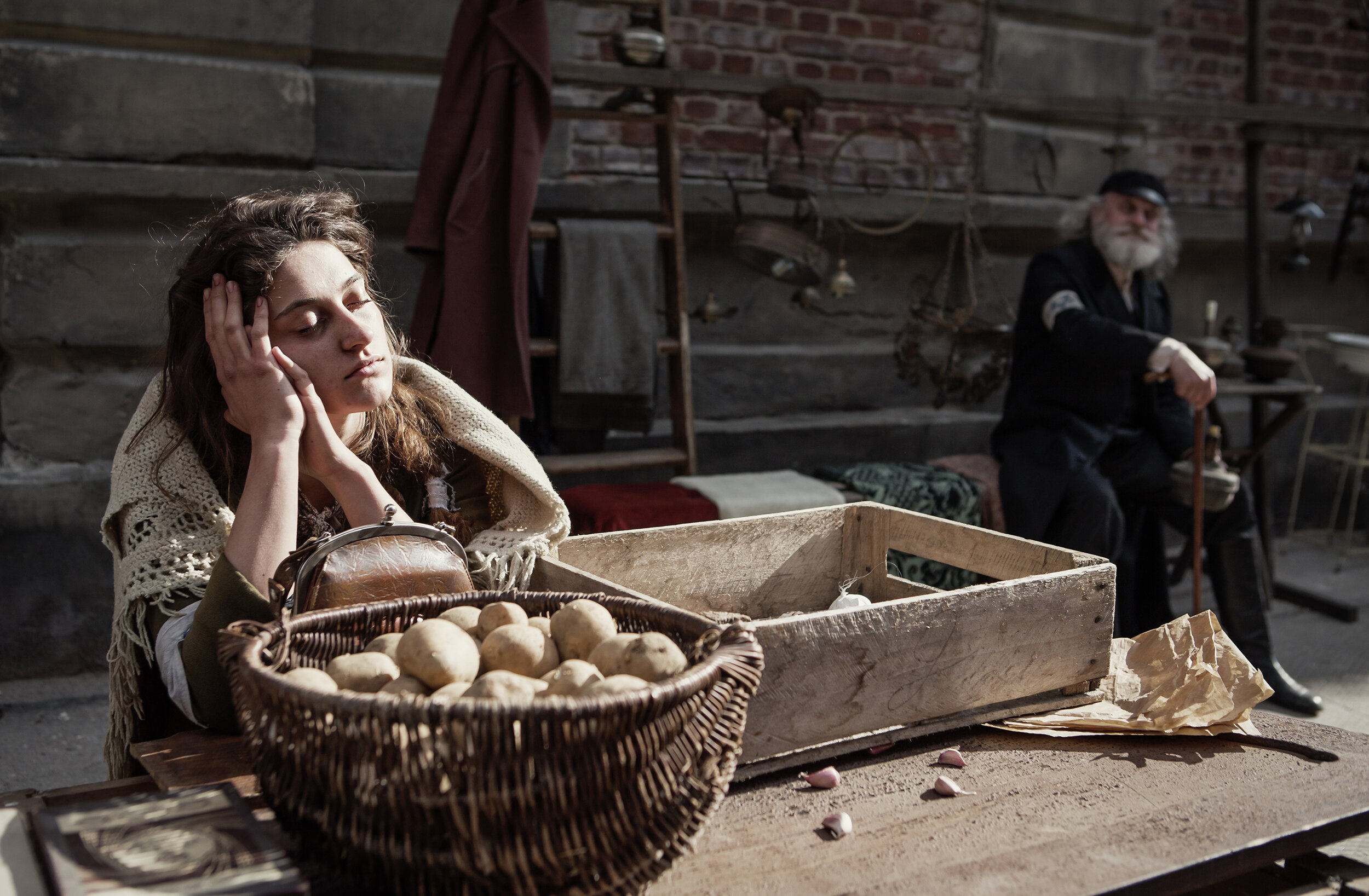
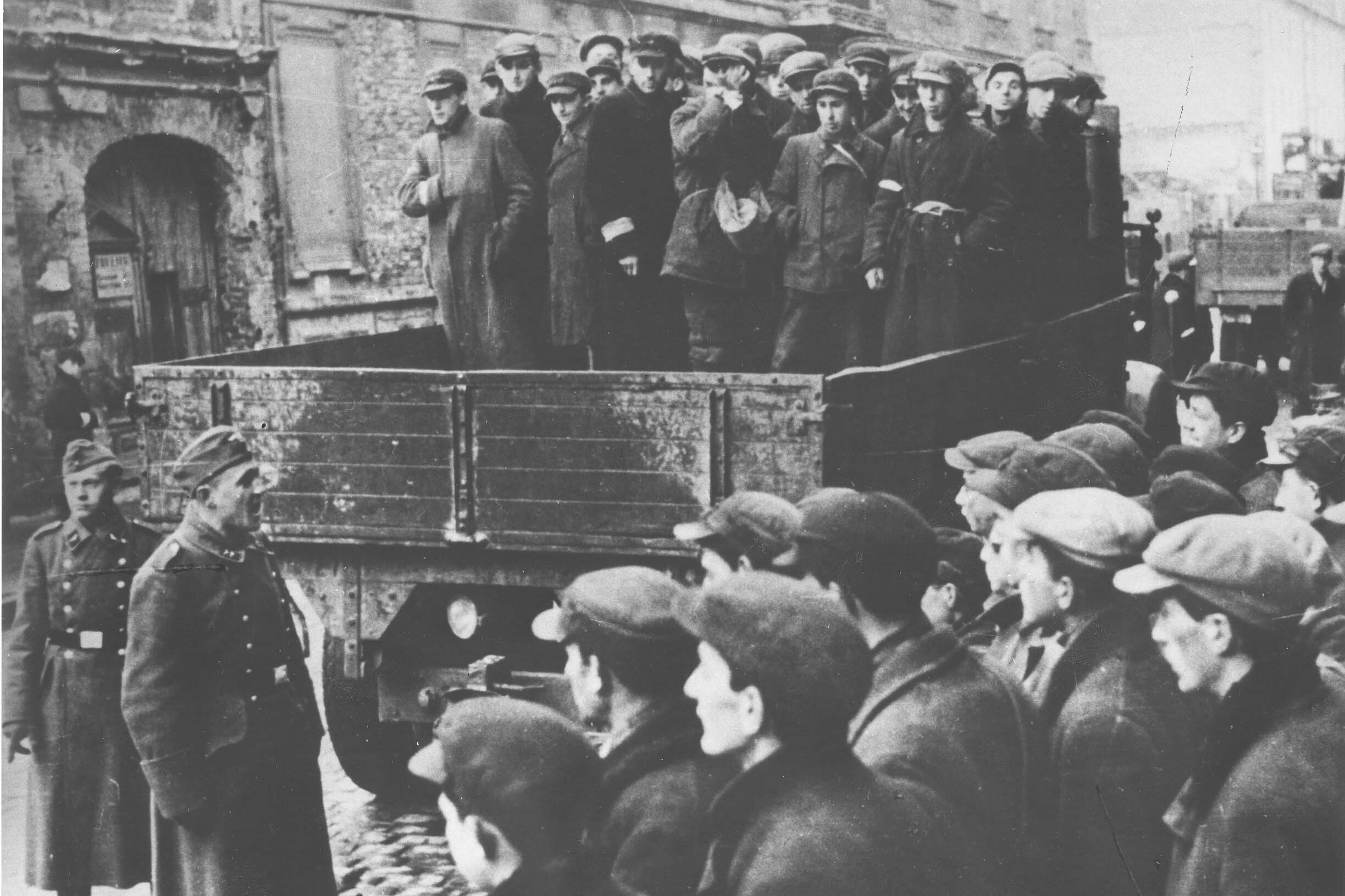
The feature documentary Who Will Write Our History blends archival and dramatic footage. “The thrust of the effort was to make the film as authentic as possible,” said filmmaker Roberta Grossman during a post-screening panel at the 92nd Street Y on November 19, 2019. “The overarching goal was to give the film the gravitas of documentary with great scholars like Sam [Kassow] and then to have the emotional pull of a dramatic feature.”
“Who Will Write Our History?”
On November 19 I attended a screening of Who Will Write Our History, a documentary I first read about more than a year ago. In the two days since, my mind—and heart—have been whirling with emotions and thoughts.
As a personal historian, I was heartened by the power of contemporaneous storytelling and the value of each and every person’s experiences.
As a woman, I was inspired by writer Rachel Auerbach, who dedicated her life to the documentation of and research into the Holocaust.
As a creator, I was empowered by filmmaker Roberta Grossman, whose seven-year journey to make this documentary was spurred on by “a sense of personal responsibility to tell a story that would otherwise remain untold.”
As a human, I am humbled and grateful to Dr. Ringelblum and his cohorts for remaining in the Ghetto with the express purpose of documenting the reality of life under Nazi occupation. “We can’t all run away,” he wrote.

The Oyneg Shabes “was one great act of accusation,” historian David Roskies says in the film.
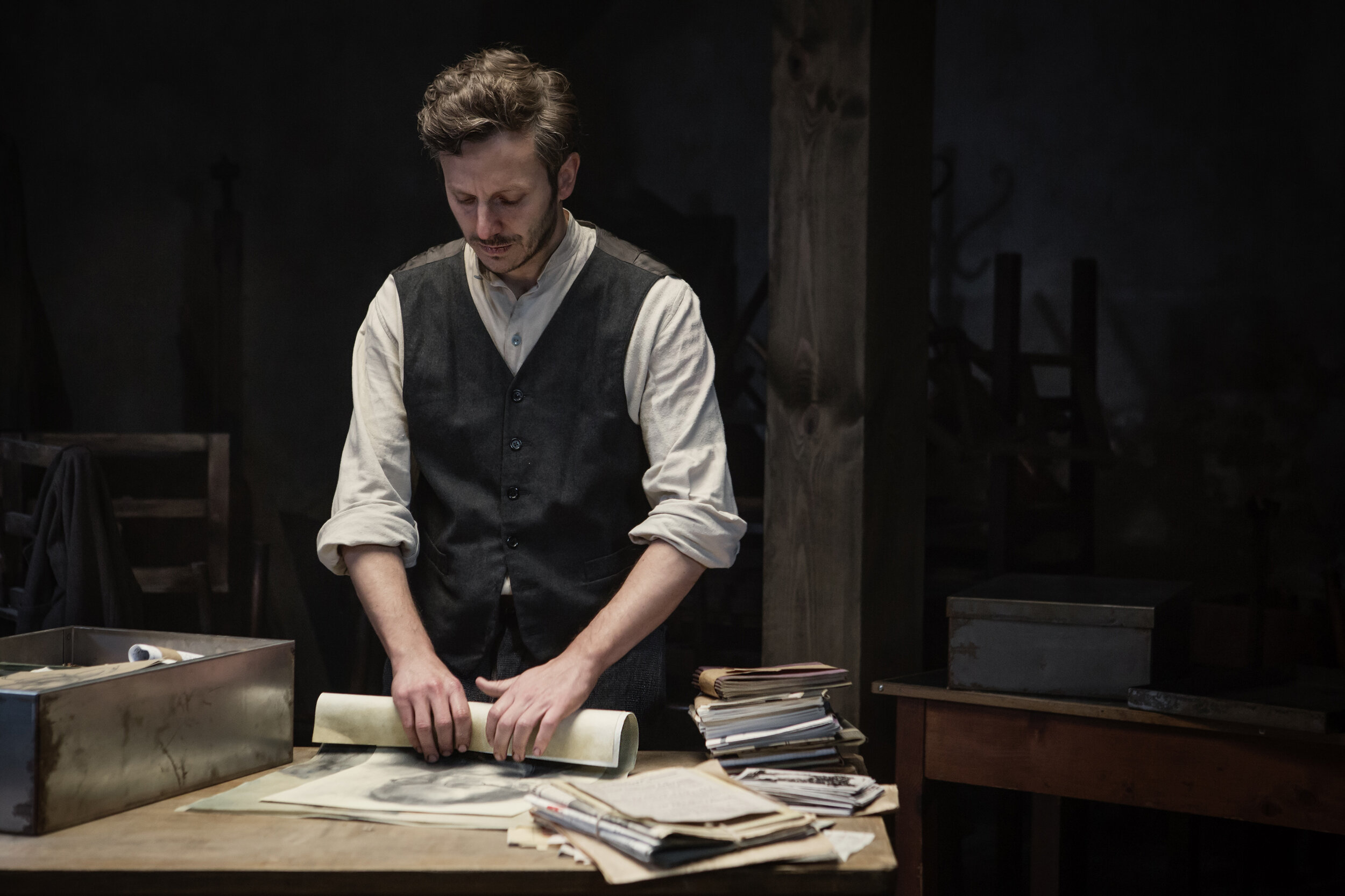
Photo by Anna Wloch, courtesy of Who Will Write Our History.
Here, I share some quotes that moved me, and implore you all to see this film.
As Grossman remarked upon reading Samuel Kassow’s Who Will Write Our History? Rediscovering a Hidden Archive From the Warsaw Ghetto, the book which inspired her film: “I had spent my life voraciously reading about the Holocaust. How was it possible that the equivalent of the Dead Sea Scrolls rising from the rubble of the Ghetto had remained largely unknown outside of academic circles?” Indeed.
Indeed.
Further reading
See the film Who Will Write Our History.
Watch a video of the post-screening panel at the 92nd Street Y with filmmaker Roberta Grossman, producer Nancy Spielberg, and historian and author Samuel Kassow, with CNN journalist Dana Bash moderating.
The filmmakers have released an educational version of the documentary appropriate for younger audiences, along with a rich array of teaching resources—which, I might add, are wonderful for anyone interested in the film, not just students: Check out the guided questions and handouts for watching the film, as well as activities for dealing with the idea of “Countering the Single Story.”
Explore the Ringelblum Archive via Yad Vashem.
Dawn Roode’s curated roundup for the week of Sept. 23, 2026, is overflowing with recent reads on memoir, life story writing, and family history preservation.