
Memories Matter
Featured blog Posts

READ THE LATEST POSTS

38 questions to prompt food memories
Use these food-themed family history questions as conversation starters or writing prompts to capture your cherished food memories for the next generation.

In a previous post we outlined the four basic steps to begin preserving your food memories. After you have gathered recipes and photographs, the real fun begins: the remembering. The story sharing. And the cooking.
If you’re ready to begin capturing the stories that make up your food heritage, hurray! I recommend you start by hosting a family get-together (in person or virtually during these socially distanced times). Set a simple menu—one that includes some of your family’s favorite comfort foods and, most definitely, dessert—and an agenda: to talk about the foods and the holiday feasts and the kitchen antics that make you laugh, smile, and drool.
Memories flow when you’re all reminiscing together (“Remember that time…?”), and the communal feeling around a family dinner table adds to the story sharing appeal.
Print out the questions below (you can download a printable guide here) and pass it around the table. Or select your 10 favorite questions and write them on index cards before the get-together; then people can pick from your deck of cards to get the conversation going.
If your family is not as into the project as you are, or if you prefer to work alone, consider the questions writing prompts instead of conversation starters—it doesn’t matter how you gather your food stories, simply that you do.
Food-themed family history questions
THE KITCHEN OF YOUR CHILDHOOD
How was cooking in your home (either growing up or when you were raising your family) similar to or different from other families in your neighborhood?
What do you remember about holidays and special events?
Describe the kitchen of your childhood: what color were the walls? was it small or big? was there a window, and what was the view? what were the smells? the sounds? were the pots and pans hung on hooks or hidden in a cabinet? was there a pantry filled with…? did you do anything other than cook there—gather with friends, do your homework, talk on the telephone?
What are some of your earliest food memories?
What are some of your favorite food memories?
What are some of your funniest food memories?
Were there any foods you hated but were forced to eat as a kid? (Did you eat them or sneak scraps to the dog?)
What did you talk about around the dinner table when you were growing up? What about now?
What did your mother (or the primary cook in your family) wear when cooking? An apron? A house coat over her work clothes? A sauce-stained sweatshirt?
Were there any comfort foods from your childhood that hold a special place in your heart—in other words, what was your family’s “chicken soup” for the soul?
Did you have a regular day of the week for take-out food (such as pizza Fridays or, a more recent example, taco Tuesdays)? If so, what was your to-go restaurant of choice?
What did you snack on when you were little?
Were you ever a picky eater? Describe when, and if/how you got over it.

Free Guide: Preserving Your Food Memories
Download this free printable guide that include all the family history questions in this post as well as bonus tips for preserving your family food heritage.
ALL GROWN UP
How did you learn to cook?
Who taught you some of your most important kitchen lessons? Tell me about them.
What were your experiences making some of your first dishes?
What cooking triumphs (or disasters) stand out in your memory?
How has cooking changed for you over the years?
What foods always cheer you up?
What meal do you most often cook for those you love?
What junk food is your guilty pleasure?
The way we cook at different stages of our life can be revealing. Do you remember the dishes you relied on when you first went out on your own? Did you cook at all during college? If not, do any celebratory meals or meals cooked by a visiting parent stand out in your memory? How did cooking change after you had children? When they got to be teenagers? When you went back to work?
If you moved away from your home, are there any foods that you would miss that are indigenous to the area or especially well-made in the region?
Do you eat for comfort, for health, for enjoyment? Talk a little bit about your relationship with food over the years.
Do you remember the first time you tasted the cuisine of a seemingly exotic culture? What was it, and did you like it? What were the circumstances?
Do you have one or more cookbooks you return to again and again? Have the chefs you admire changed over the years?
HERITAGE RECIPES
What are your oldest recipes and where did they come from?
What are some of your family’s unique food traditions?
Are there recipes that particularly represent your family’s culture, religion, or regional background? Do you know how to cook them?
Are there any recipes in your family that seem unusual or unique?
Is there a recipe you wish you had gotten from an ancestor but that was never written down? What memories does it hold for you? Have you tried (successfully or not) to recreate it?
Do you have handwritten recipes from your parents and grandparents, and if so, where do you keep them?
FAMILY & FOOD
Who are/were the best cooks in the family? Tell me about them.
What family dishes would you miss the most if you never tasted them again?
Who sat/sits at the head of your table, and is it a position of honor?
Do you say grace before eating, and if so, is there a particular prayer or approach to what is said (e.g., something you’re each grateful for, something nice you did that day, etc.)?
How were birthdays celebrated in your family? Did you have the same cake every year, or something new? Was it homemade or store bought? Did you put an extra candle on the cake for good luck?
What other food traditions do you uphold (or have you abandoned from your childhood)?
Do you enjoy entertaining large groups of people around food? What types of celebrations? What kind of host are you?

Read more about preserving your food memories

Young and old, together at last
Even as families come together, many are still social distancing from family elders. Connect grandkids & grandparents with these cross-generational questions.
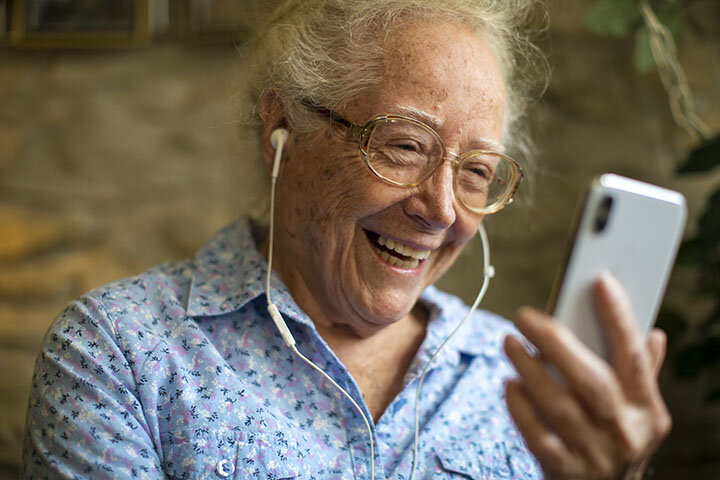
Whether separated by Covid or simply distant living arrangements, grandparents and their precious grandkids can still connect meaningfully using screens.
I’ve seen a lot of heart-swelling posts on Facebook this week showing grandkids hugging their Bubbes and Grans for the first time in months.
This whole social distancing thing has been hard on all of us, not least the generations bookending our own lives. So those hugs feel even more special and those laughs sound even more joyful when our kids and our parents are reunited after weeks on end of communicating exclusively over Zoom.
But the risk of Covid-19 persists, and many of us are continuing to take precautions (and even social distance) with older family members.
That doesn’t have to mean awkward FaceTime silences or quick escapes by the littlest in your family (even my 10-year-old has a tough time focusing on virtual conversations for more than a few minutes!).
Get them talking—really talking!
Early on in the pandemic, I worked with my son to create The Kid Kit: Everything You Need to Interview the Grandparents. We experimented with how to distribute it and whether it should become a new (paid) product before realizing: We want everyone to have this!
So we spread the word via bloggers and social media, and the response was overwhelming. I feel humbled and grateful that so many of you have downloaded this free resource, and even more psyched when you share success stories with me.
Have you gotten your Kid Kit yet? 5 reasons you should:
There are 45 family history questions that include light-hearted fare as well as thought-provoking conversation starters—something for every mood.
It includes three fun bonus activities that can easily be done “together apart.”
Bonus interview recording tips were added last-minute to make the guide even more useful during this historical time we are living through.
A fun graphic, historical timeline teaches the kids at the same time it provides more memory prompts for the grandparents.
There are even ideas for what to do post-interview, so you can be sure this valuable family history is preserved (and that the relationship between your kids and your parents continues to be nourished).
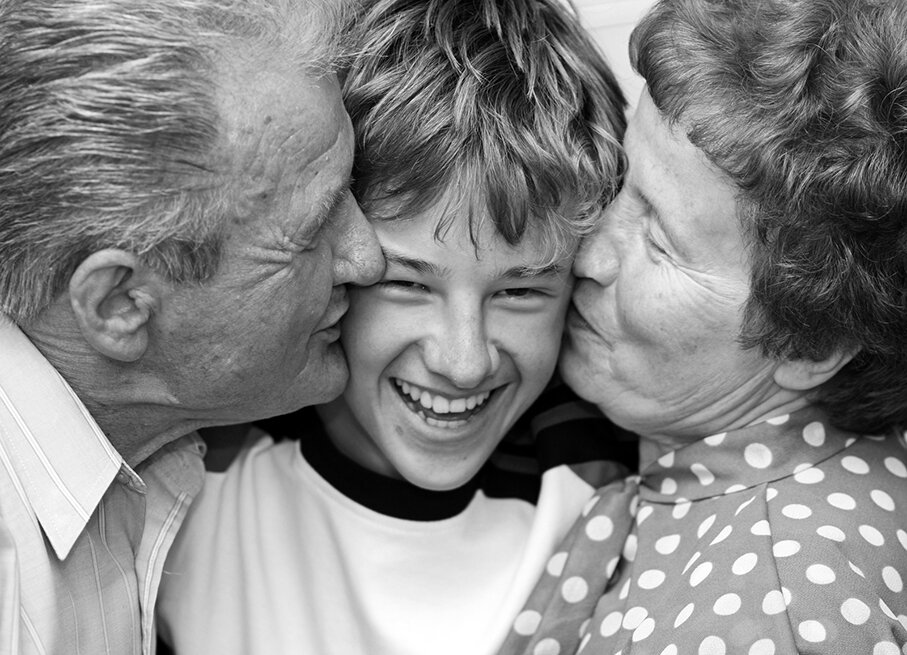
These questions can be used in person, too, you know.
While I am spreading the news now in the hopes that these questions will be a great way for kids to bond with their grandparents during the pandemic, OF COURSE everything in the kit can be completed in person, too.
Won't you please:
tell a friend about how easy it is to sign up
share your stories with me of how the interviews go (seriously, I live for this stuff!).
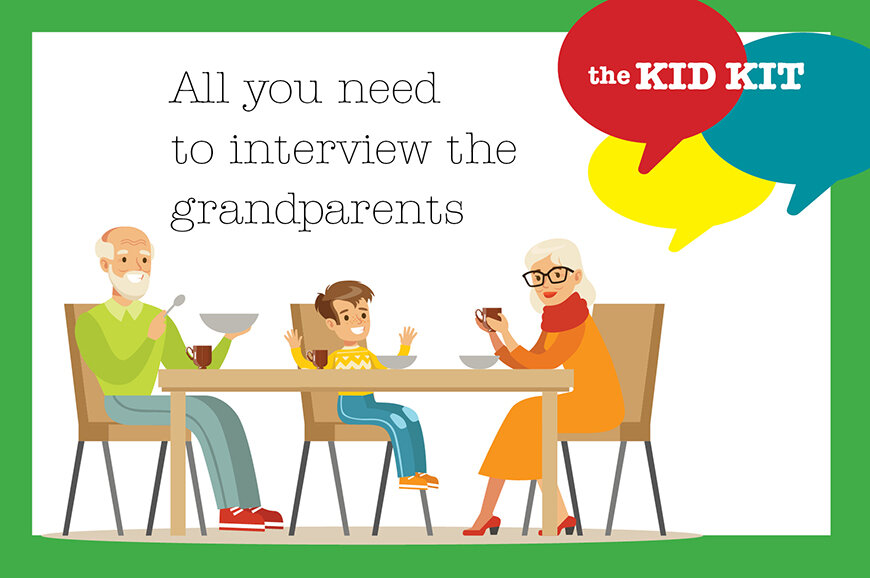
FREE RESOURCE: Questions, Activities & More
Get your kids talking—really talking—to your parents. They’ll get stories even YOU’VE never heard!




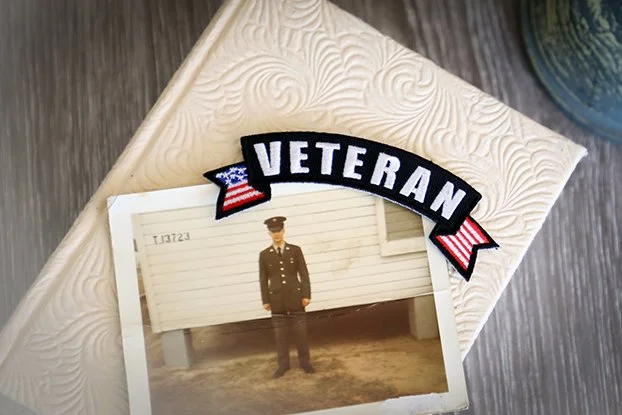


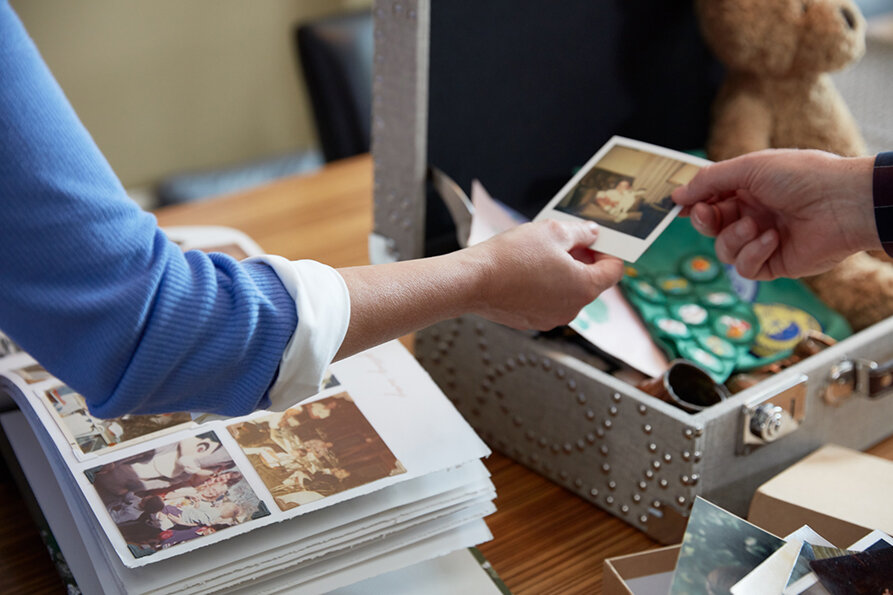
Hey, memories! Come out of the closet, will you?
Your memories live in your head and heart, but family photos, heirlooms & mementos sure do call those memories forth—how to use them towards a life story book.

Sorting through your family archive for items for your life story book should be more strategic than organizing everything for posterity.
One of the first steps in any life story project is to begin to gather all the stuff in your family archive.
By that I mean photos, journals, letters, and mementos—the stuff of your life.
Finding and inventorying these items will help you in two ways:
as a tool for helping you prioritize and determine what is worth saving and what can be tossed—and how to plan for tackling the archive as a (separate) organization and preservation project.
as a resource for finding those items that will help tell your stories visually for your life story book project.
That second one is what we are focused on here!
How to organize your family archive as a resource for your life story book
Ready to get started? Using this free chart or a digital spreadsheet, make a list of everywhere your items live.
Remember: This is a guide to preparing your archive specifically as a resource for your life story book! That means yes, you should be focused on items that you want to include visually in your book, but also items that simply spark memories.
What is included in your family archive?
A Family Archive Checklist
physical family photos in boxes, albums, and frames
digital family photos on phones, computers, old disks, social media accounts, and external hard drives
family papers, including genealogy documentation, birth and death certificates, etc.
letters, journals, and diaries
mementos such as ticket stubs, postcards, report cards, scrapbook ephemera
physical family heirlooms such as inherited china, heritage furniture, passed-down jewelry
Finding inspiration and raw material
Back to using your archive as a reference for your life story book: Consider all of the items in your family archive to be raw materials that you can both find inspiration in and use to help tell your stories. A few ways to mine your family archive for this project:
Resources for remembering
Use specific family photos to jog your memories about your childhood.
Use letters and journals to help you recall details and emotions of recorded experiences.
Pull out tickets stubs and other mementos that hold the most meaning and make you feel something strong—they’ll likely be fodder for compelling stories if they hold that much sway.
Consider your genealogical files to be fact-checking resources for names, dates, and relationships that may be fuzzy in your memory.
Materials to reproduce in your book
Photograph family heirlooms so they can be accompanied by their stories in your book, so years from now they won’t be some dusty relics but heirlooms with a storied pedigree.
Select key old photos to digitize for inclusion in your book: Pictures help bring your words to life, but they must be chosen wisely.
Perhaps your handwritten journals evoke your teen years or capture a particularly emotional period in your life: Consider reproducing a key page or paragraphs throughout your book if you think they will add texture and a visual touchstone.
At this point, you should be most concerned with identifying and locating those items that you feel will be most useful to you in your life story project. Make a separate list, and pull out those materials to have on hand. Consider this a separate collection specifically gathered to help you tell your life story.
“When you have finished your appraisal, you’ll be left with a collection of the best and most significant artifacts,” archivist Margot Note writes. “Because you’ll be focusing on the collections that have the most value, you’ll be able to concentrate your efforts on what is most meaningful to you.” Indeed.
Keeping your curated archive on hand
Now that you have a tighter collection of photos, journals, and mementos set aside specifically for your life story project, keep them on hand—as well as the bulk of your family archive that you designated in the beginning.
Just because you set aside a photo initially doesn’t mean it will be the best for spurring memories later on; you may end up going back to those boxes to find another shot, or flipping through a different journal to discover a later recollection.
Be gentle with yourself. There’s no “getting it right”—this is a journey of discovery! Try to be strategic and deliberate while sorting your family archive, and understand that it’s all too easy to get lost in memories and nostalgia while trying to organize. When you realize that’s happening, steer yourself back to the task at hand, and remember: All of this is to provide you with the opportunity to reflect purposefully later on.

Printable Inventory Form
Download our free printable to help you keep track of all your life story project’s visual assets, from family photos to ticket stubs and journals—it’s easy-peasy.
Related reading
I will link to parts two and three in this series when they are posted:
You might also be interested in:
Tackling your whole archive?
If you would like to tackle getting your archive under control, I highly recommend purchasing archivist Margot Note’s book Creating Family Archives: A Step-by-Step Guide to Saving Your Memories for Future Generations. She’ll walk you through how to handle your materials, the best supplies, to buy, and ways to display and share your personal archives. Keep in mind: This is usually a big (and sprawling) project that takes some time to complete, but it is well worth your effort (especially if you have children; as I have written about before, leaving them a mess of family mementos is usually more of a burden than a welcome gift).

56 essential questions to ask your parents to capture their personal history
Don’t wait until it’s too late—have meaningful conversations with your parents about their past with questions designed to spark memories and make story sharing easy.
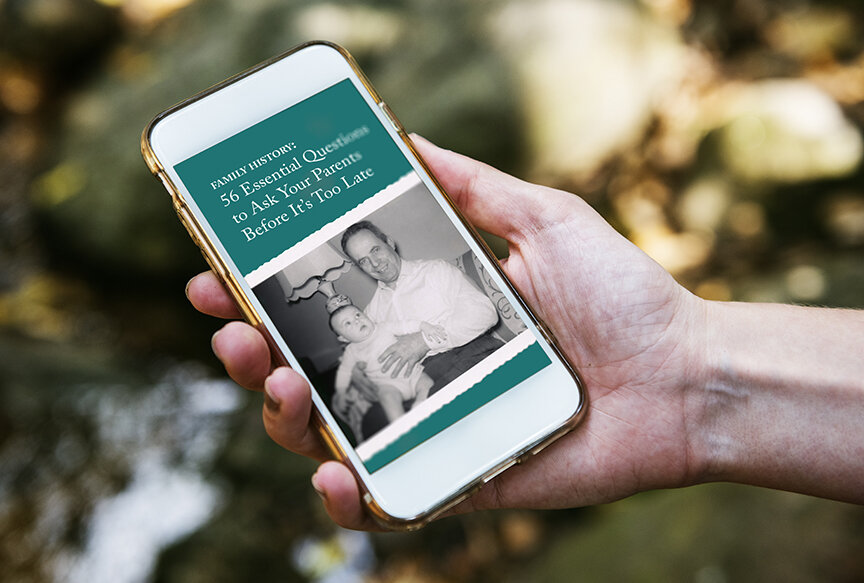
If you’re reading this, congratulations—you’re on your way to a most enjoyable and important journey! Who are you interviewing? A parent? Grandparent? Beloved aunt or uncle? Whomever it is, clearly their stories matter to you, and I am thrilled to be able to help you capture them through an oral history interview.
Print out this guide or use it as inspiration to develop your own list of topics and questions for your loved ones. I’ve got three key tips at the bottom of this post to help ensure that you capture these important family stories successfully, and I am always here as a resource to help guide you on your journey. Whether I can one day help you turn your stories into an heirloom book or help you get the ball rolling on a DIY project, my message to you is this:
Start now. Don’t wait. I can recount too many tales of people telling me “I wish I had asked my father…” that it saddens me deeply. It is my mission to convey a sense of urgency to everyone. Perhaps you have a little extra time on your hands right now… Please, ask your parents and grandparents the questions that matter now, before it’s too late.
Family history interview questions
Childhood & Family Life
Describe the home you grew up in.
What were you like as a child?
Do you have memories of what your parents said you were like as a baby?
What was a typical day like in your family when you were little?
How does your family tend to show their love for one another—through physical affection including hugs and kisses, gift giving, reaffirming through saying “I love you” or some other phrase, etc.?
What would you say makes your family unique from other families?
What did you do when you were bored as a child?
If you had to create a family motto, what would it be?
How did you feel about school, and what type of student were you?
Did you have a best friend, and if so, how did that relationship play out over the course of your life?
When you were little, what did you answer to the question: “What do you want to be when you grow up?”
What were you like as a teenager?
Food Memories
What meals would be in your family’s cookbook—the foods that make you feel nostalgic for your childhood or for home?
What are your oldest recipes and where did they come from?
What smells transport you to this day right back to your childhood?
Who are/were the best cooks in the family? Tell me about them.
What family dishes would you miss the most if you never tasted them again?
If cooking and food were an integral part of your subject’s life, explore 20 more food-themed questions here.
Life Transitions & Milestones
Tell me about your experience…
…deciding where to go to college
…pursuing your career
…getting married
…getting drafted into the war
…serving in the military
…becoming a mother/father/grandparent
…falling in love for the first time
Tell me about your first job.
Did anyone ever throw you a surprise party?
How did you feel on your wedding day? What memories of that day stand out for you?
What can you tell me about the first time you experienced loss? Who died? Did you go to the funeral? How old were you? How did it effect your outlook on life?
Decisions & Lessons
What is the best decision you ever made?
What is a memorable time you have failed, and how did you recover from that experience?
What lessons(s) do you most recall learning from your parents? Grandparents?
Did you have a favorite teacher in grade school, or another role model who had a major impact on your life?
Can you share about any hardships (in history, such as the Depression or a war, or in their personal life, such as a divorce or unemployment) that you experienced in your life, and how you survived/thrived/coped?
Tell me about a significant time you said “no.”
Do you have any regrets? (Encourage elaboration here; sometimes a prolonged silence is the best invitation to speak.)
Traditions
What holiday did you most look forward to while you were growing up?
What were some of the traditions your family observed related to that holiday?
Do you have any family traditions that have been passed down for generations in your family?
Does religion hold a strong place in your family? (If “yes,” there are a variety of follow-up questions to ask to pursue this thread!)
What is the most memorable gift you have ever received? Given?
Are there any specific family heirlooms you inherited? Why do they hold meaning for you?
How are/were birthdays celebrated throughout your life?
In what ways have you/your family kept your culture alive (through language. foods, cultural traditions, for example)?
Fun & Games
What songs have held special meaning to you over the years?
Who was the trickster in your family?
Do you have any funny stories from your past?
What’s your favorite family story to recount around the dinner table?
Did you play sports growing up, and if so, what were those experiences like?
What was the main form of entertainment in your family when you were a kid (board games, listening to the radio, playing music/singing, reading books, putting on shows, etc.)?
Describe what family vacations were like, and if there were any destinations that you traveled to often?
Tell me about a time you were incredibly embarrassed.
Big-Picture Questions
What values would you like to pass down to the younger generations of your family?
How did you learn resilience?
What would you tell your 20-year-old self?
What would you like your legacy to be?
Are there any questions you wish you had asked your own parents?
3 keys to capturing the best stories
Ask open-ended questions.
Sometimes simply planting the seed of a memory yields the most thoughtful and meaningful stories. “Yes” or “no” questions do not promote conversation, so avoid them in favor of questions that help set the scene (“remember when…”) or probe your subject’s personal history in unique ways (“imagine if ________ hadn’t happened…” or “what about _______ do you wish you remembered better?”).
Consider this a conversation more than an interview.
Listen generously, ask follow-up questions, and let your interview subject go off on tangents that yield interesting stories and prompt unexpected memories. Your goal should be to get the most meaningful stories from your loved one, and if that means waiting another day to discuss what you thought today’s topic was, then so be it!
Ensure successful preservation.
Use more than one way of recording your interview. If you are using a voice recorder, use two. Ensure your subject feels comfortable, that the environment is quiet, and that the recording device is close enough to capture their voice. Find more specific tips (including equipment recommendations and even more family history–themed questions) in this guide from the Smithsonian Center for Folklife and Cultural Heritage.
More free resources
Visit my Resources Toolkit to for more free downloads, including lists of questions to spark Thanksgiving and Christmas story sharing; a guide on how to use family photos as prompts for writing life stories; plus more tips for writing about your life in short vignettes.
Get inspired to preserve your family stories






“I wish I knew”
The Wall Street Journal reports that a growing number of adult children are interested in hearing more of their parents' stories. Are you among them?
A recent article in The Wall Street Journal, “The Questions You Wish You Had Asked Your Parents,” cites a growing interest in people wanting to know more of their family stories.
The uptick in awareness of story preservation is attributed to the rise in home DNA kits, the popularity of family history via sites such as Ancestry, and the younger generation’s comfort level with documenting every aspect of their lives: “Younger people are more transparent and used to telling the story of their own lives, often online for many to see, and expect it from others,” writes Clare Ansberry.

This recent article in The Wall Street Journal indicates that more and more families are realizing the value of preserving their stories.
All of this is no doubt accurate, and I do find millennials in particular curious about their parents’ lives before parenthood and even nostalgic about their own childhoods.
But I would argue that this interest in our collective family history is nothing new—at least, not when talking about family history in terms of stories.
While finding distant DNA cousins is indeed new, wanting to know more about our parents’ lives is not. Unfortunately, all too often people don’t recognize that desire until it’s too late.
I’ve written before about how it may seem like your grown kids don’t care about learning about your life—but that in fact, they merely don’t care to pay attention just yet. And that’s the key here: We either need to get the younger generations to realize the urgency in capturing their elders’ stories, or convince the older generations that not only do their stories matter, but that they will be treasured by their family when they are gone.
Is story preservation a new trend?
The message of that WSJ article is that, apparently, both of these things are happening—changes are afoot that are opening our eyes to the need—and value and desire—for documenting our family stories.
I hope this is the case. I know personal historians such as myself and those quoted in the article are making every effort to spread the word and stress the importance of preserving our legacies.
I’m not convinced, though, that enough people are on board.
I hope that more and more people begin to see the value in asking their parents about their lives before parenthood.
I hope that more and more people realize that now is the time to begin asking—not later, not when it’s more convenient or they’re less busy.
I hope that more and more family elders acknowledge that their lives have been interesting, that the paths they have taken hold lessons for the next generation, and that their stories matter.
Most of all, I hope that you FEEL the urgency and take the first step toward preserving your family’s stories for posterity.
Avoid having to say, “I wish I knew.”
If you’re a DIY’er, consider writing about your life or interviewing your family members.
If you would like to explore how working with a personal historian can make the process easier and yield a more professional product, please reach out to chat.
What I know: I still hear from far too many people about the regrets they have: not asking their parents about their lives until it is too late; until dementia has crept in, or their parents have passed.
It is my mission to help people have no regrets. Won’t you join me in this mission?

Two New Year’s resolutions worth making—and keeping
Imagine New Years resolutions you actually want to keep—we've got two that are not only easy to stick to, but that will make you and your loved ones happier.

I have never been big on New Year’s resolutions.
For starters, I still regard September, not January, as signaling a “new year”; the turning leaves and crisp fall winds usher in thoughts of back-to-school shopping and beginning anew.
Beyond that, self-discipline is not among my most laudable traits.
Nonetheless, I am surrounded by friends and family resolving to eat better, run faster, work harder, love stronger…you get the idea. When is the last time your own resolution lasted long enough to become an ingrained habit?
I’m not suggesting that you ignore your instincts to better yourself through New Year’s resolutions—on the contrary, I wish you luck and stick-with-it-ness!
And, I put forth suggestions for two resolutions that will be EASY to keep, and bring you JOY. Let me know if you’re in!
resolution no. 1
Digitize 10 old photos.
Maybe it’ll become the start of a bigger project, maybe it won’t. But the undertaking
of choosing 10 photos from a larger stash,
of visiting with the memories they stir up,
and of being able to easily share those images with loved ones—whether on social media, via prints you frame for them, on a family history website, or during in-person conversations (see below)—
is enough to bring you joy (!!), and to make the tiniest dent in your family history preservation efforts.
resolution no. 2
Have meaningful conversations.
This one is important to me.
When is the last time you used your phone for something other than a quick text to communicate?
When is the last time you dropped by a friend’s house unannounced? (Did you cringe at the mere thought?!)
How about welcoming one of your parents over ungrudgingly—not to watch the kids or do your familial duty, but to visit without agenda or time limit? To chat over a cup of tea, to have extended conversation around the dinner table well into the evening, or to learn their recipes in person, in action?
I am the first to fall into the trap of “busy-ness.” I often regret not calling my family members more, or wish I had more time to meet up with friends, sans kids.
But, as Debbie Millman says, busy is a decision. “Simply put: You don’t find the time to do something; you make the time to do things.”
So let’s both resolve to make more time for real conversation, shall we? To share our thoughts and stories, and to listen, generously, to those of our friends and loved ones—maybe even to someone new you meet at the library.
Let’s connect!

Most thoughtful holiday host gift
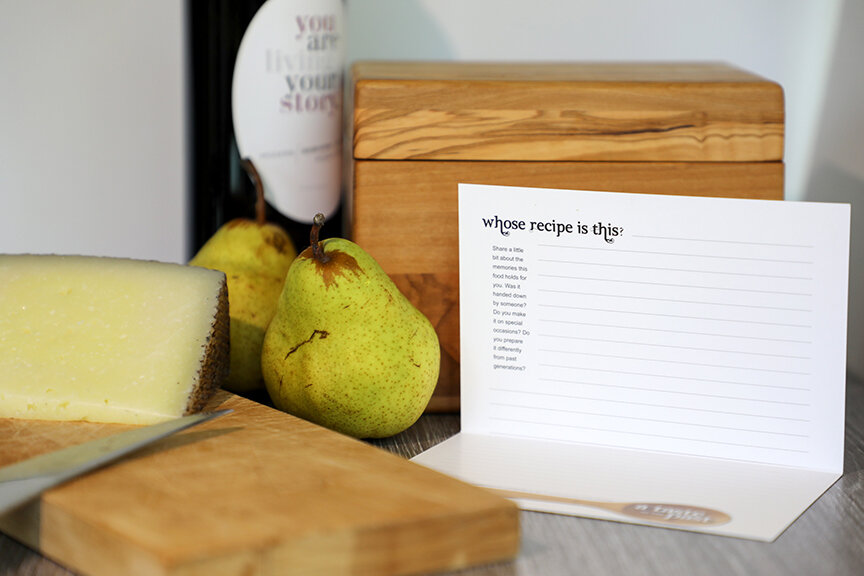
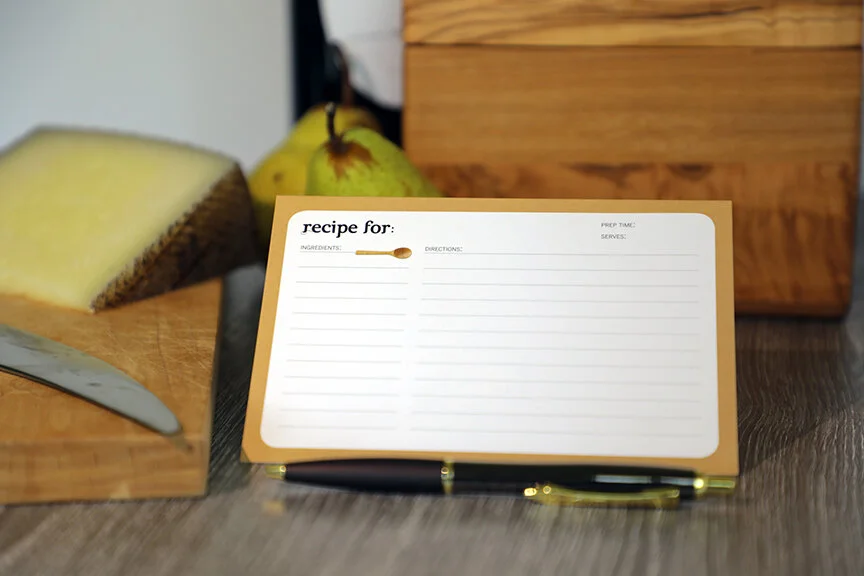
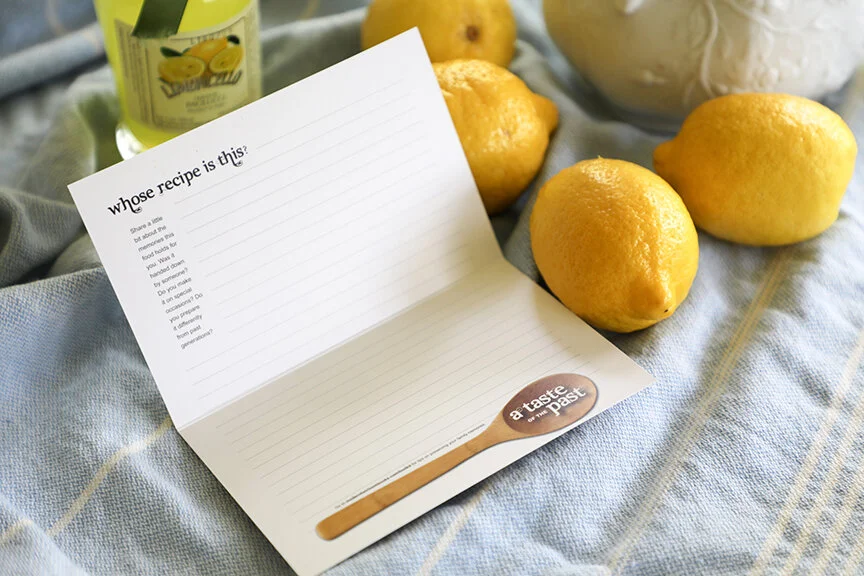
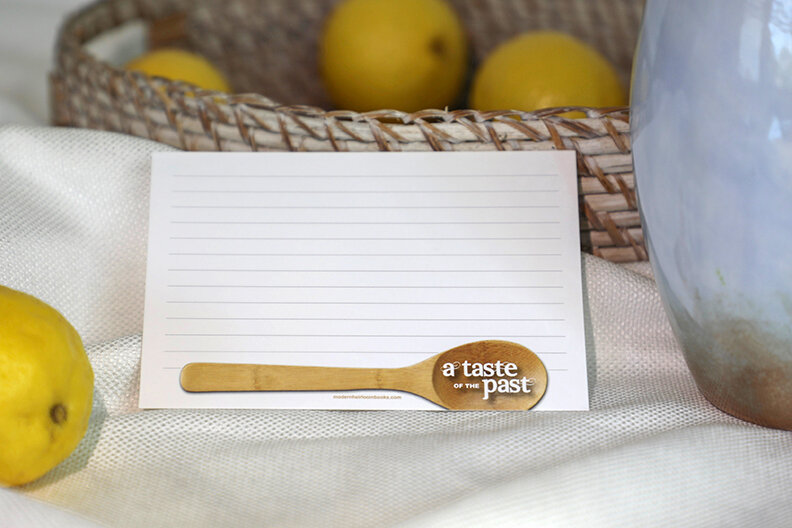
Just in time for Thanksgiving: A Taste of the Past, a family history recipe card set for preserving not only family recipes, but the stories behind them.
My go-to host gift for dinner parties is a nice bottle of wine, something to be enjoyed communally around the table, hopefully over interesting conversation. I admit, though, it’s not the most original of ideas.
These days I upped my giving game, and I invite you to do the same: This A Taste of the Past recipe card set pairs nicely with that bottle of burgundy!
Introducing…
A Taste of the Past recipe card set
I cherish the few recipe cards I have in my mother’s and grandmother’s handwriting. The grease stains add a patina of love, and the crossed-out changes (organic butter instead of margarine?) tell a story of time passing.
But what if they could tell a fuller story? What if the waves of nostalgia that wash over you when you smell Nonna’s Sunday sauce simmering on the stove could be preserved, too?
Well, of course, those precious food memories can be preserved—and this unique recipe card set allows you to do so right alongside your recipes.
This recipe card set encourages you to tell the tales of your food memories and to record your family’s favorite recipes in the very same place, essentially creating a living heirloom that can be passed on and enjoyed for generations.
The cards, which when folded measure 4x6 inches and fit in most standard recipe boxes, include one side on which to write a dish’s ingredients and preparation instructions, and a reverse side for you to record memories associated with the dish. Is it a traditional holiday meal that your family has cooked for decades? Is it a new twist on a childhood favorite?
This family history themed recipe card set is the perfect place to record Mommy’s foolproof tahdig secret (patience!), Grandpa’s grilling guidance, and your own generation’s current favorites.
Included…
Bonus tips & ideas for capturing food memories
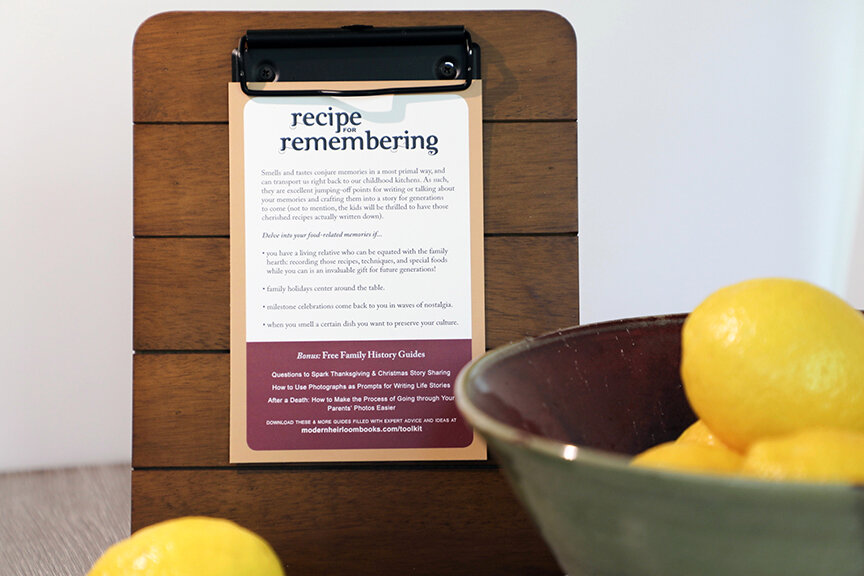
In addition to the recipe/memory cards, there are four bonus pages of easy tips and tricks for
getting your family members involved in recording recipes and family stories,
what types of dishes and memories to include, and
how to most effectively encapsulate your stories in written form.
there’s still time…
Thanksgiving delivery within reach!
If you’re in the Northern New Jersey area, I'd love to meet you to hand-deliver a set of these cards (and hear how you plan to use them!!)—DM me on Instagram or send me a quick note!!
For everyone else, the recipe card set is available for shipping now, and I’ve made sure to launch the product just in time for Thanksgiving gifting (they make a thoughtful stocking stuffer in December, too!). Click the image below for full product details, or add it to you cart directly.
I can’t wait to see the memories and family recipes you capture on these cards—I hope you will share!!

The spirit of scrapbooking, elevated
While scrapbooking & personal history share a goal of preserving family memories, key differences include the approach to storytelling and the finished products.
When I was a kid I kept a scrapbook. It was filled with headlines either written in bubble letters or cut out from magazines to accompany photos and mementos of my school achievements, family milestones, and vacations. It was a labor of love, and even from the age of about seven I was conscious of actively creating something tangible to honor my experiences and soon-to-be memories.
These days the practice of scrapbooking has gone high-tech, with ready-to-download digital templates and easy-to-use book-making software. It’s big business. But the underlying motivation is still the same.
“Our mission is all about celebrating the vibrant and colorful threads of life...be it the joy of a wedding or a beautifully lucid moment with a parent or spouse suffering dementia,” says John Falle, owner of scrapbooking behemoth Creative Memories. “All are worth sharing, remembering, cherishing. What we do matters. A lot!”
Scrapbookers are often the de facto family historians in their circle. They are concerned with preserving memories, and ensuring that memories accompany photographs.
Occasionally, when I briefly introduce myself to new people who ask what I do, they jump to the conclusion that what I do is create scrapbooks for people. In a sense, yes…but in most ways, no.

A page from my mother’s amateur yet heartfelt scrapbook, including her school report cards from the 1950s.
How are personal history books different from scrapbooks?
Ah, let me count the ways…
Immediate vs. Reflective
Scrapbooking is often done on a regular basis, be it weekly or monthly, yielding a continuous flow of memories, generally chronological. Even when memories are shared thematically, they are usually done so in real time, not looking back from a distance.
Personal history is usually undertaken in a reflective way, an individual looking back on the currents of their life from a vantage point of age and experience. A personal historian such as myself helps discover the narrative threads that weave the story together, revealing meaning and layers of depth.
DIY vs. Bespoke
Scrapbooking is a DIY endeavor. Although people often engage in scrapbooking communally (whether through clubs or within a family or group of friends), the memories flow from one person’s mind onto the page.
Personal history is usually done in conjunction with a professional storyteller. We may call ourselves personal historians, personal biographers, editors, ghostwriters, or memoir coaches. No matter the name, though, we have in common the goal of helping clients dive deeper into their memories. Through one-on-one interviews and guided reminiscence, we empower individuals to tap into their experiences and illuminate their journeys.
Finished Products
With the advent of digital scrapbooking, the design and output of scrapbooks has become more and more sophisticated. Scrapbooks tend to be dominated not only by photographs but the inclusion of ephemera such as menus, place cards, and tickets, bits and baubles that add texture and a sense of nostalgia to the bearer’s memories. They are often output on home printers or saved to a digital scrapbook that continues to evolve.
While mementos of the same kind may be included in personal history books, they are design elements that help set a tone for a particular time period or life experience, and do not typically dominate a layout. Heirloom books created by personal biographers (also referred to as family history books, personal memoirs or personal histories, and life story books) are most often designed akin to a narrative book, with a table of contents, foot lines and folios, and the like, and are traditionally printed and bound.

Images and reproductions of mementos are used as design elements in personal history books, just as they are in scrapbooks, but the focus is on refined storytelling, and the final product is a professionally bound book designed to stand the test of time.
How are personal history books similar to scrapbooks?
The journey is as important as the end product. Story sharing can be healing or cathartic; it can help us identify patterns and change our life narrative even as we are living it. It is a gift to be heard, as well as to bear witness to another’s life stories.
Memories and family stories are valued enough to preserve for the next generation. Both a scrapbooker and a family biographer can undoubtedly envision their children (and maybe their children’s children) sitting on a couch flipping through the pages of a book, listening to an elder share their stories and create family lore.
If you enjoy scrapbooking, does that mean personal history is (or is not) a good idea for you?
If you are a scrapbooker, we share a nostalgic soul and genuine respect for the past. And, if you are a scrapbooker, you have already taken steps to preserve your memories (congrats!).
You are a scrapbooker who has a need for a personal historian if:
You want to capture stories of another family member besides yourself, and you don’t have time or inclination to interview that family member and help them curate their photographs.
You want to use your years’ worth of scrapbooks as memory prompts for telling a more cohesive story and preserving it professionally.
Does this describe you? Consider reaching out to me to see how we might be able to work together to take your scrapbook(s) to the next level, for you or for a loved one.
Dawn Roode’s curated roundup for the week of Sept. 23, 2026, is overflowing with recent reads on memoir, life story writing, and family history preservation.