
Memories Matter
Featured blog Posts


READ THE LATEST POSTS

Want your parents’ stories? Here are 3 easy ways to help get them.
Preserve your parents’ (and grandparents’) stories meaningfully for the next generation with these three ideas that make the process simple and enjoyable.

Don’t wait until it’s too late to capture your parents’ stories—your kids (and YOU!) will be grateful to have them one day.
Of course you want your parents’ stories. We all do. But the chances of us getting them without asking for them is, well, pretty unlikely.
I inherited three journals—you know, the ones with those guided family history questions on every page?—from my mom. I got goosebumps when I unearthed them among her things; the prospect of “hearing” from her one more time made me giddy, even in my deepest grief. But when I opened them, there was almost nothing inside: Each book had a few random pages filled out, and by “filled out” I mean she had written one or two sentences or, in some cases, a few words. I already knew her favorite color was yellow and that she had one brother. I wanted deeper memories—recollections in the shape of stories, written in a way that brought her childhood and later experiences to life for me. None were there.
Unless our parents are writers—and writers who turn their attention inwards, at that—the only stories we probably get are the ones they share around the dinner table. For one thing, dinner table conversation is a dying art (multiple generations around the dinner table regularly—come on!). For another, those oral stories aren’t preserved unless someone deems to write them down (you?).
There ARE ways, though, to ensure that we do preserve our parents’ stories meaningfully for the next generation. Here are three that I can help you with right now:

1 - Grab this free guide and encourage your kids to interview their grandparents.
Early on in the pandemic I created this guide to help combat the loneliness many elders were facing as in-person visits waned and social distancing became the norm. I was heartened when it took off—and when I heard from folks just how meaningful the conversations that ensued were.
This 20-page guide is chock-full of good things to help you get your kids involved in capturing stories from their grandparents! Designed especially for kids ages 8 and up (and we mean way up—you’re never too old to embark on a conversation with your loved ones!), the e-book includes:
45 family history questions
3 fun bonus activities
interview recording tips
historical timeline
ideas for what to do post-interview

2 - Enroll your parents in our memory & writing prompt course to get them writing about their own lives.
Perhaps instead of an interview you’d like to see your parents write about their own memories? Going this route allows for thoughtful reflection that provides stories with even more meaning—and ensures the process will continue for a while beyond a one- or two-hour interview.
My Write Your Life course provide exactly what your parents will need to begin their life writing journey:
weekly memory prompts on topics such as Childhood Memories, Food Memories, Life Transitions, and more (themes change every few weeks, and course lasts for a full year)
writing tips that will help them with their assignments but not burden them with unrealistic literary expectations
a dose of inspiration (staying on track isn’t always easy, but reminders of just why it’s so important really do help!).
The best part? Lessons are delivered straight to their email inbox on the day of their choosing, and I am always available for added support and Q&A. And at just $99 for a year-long, enrolling is a no-brainer for anyone who wants to write about their life!
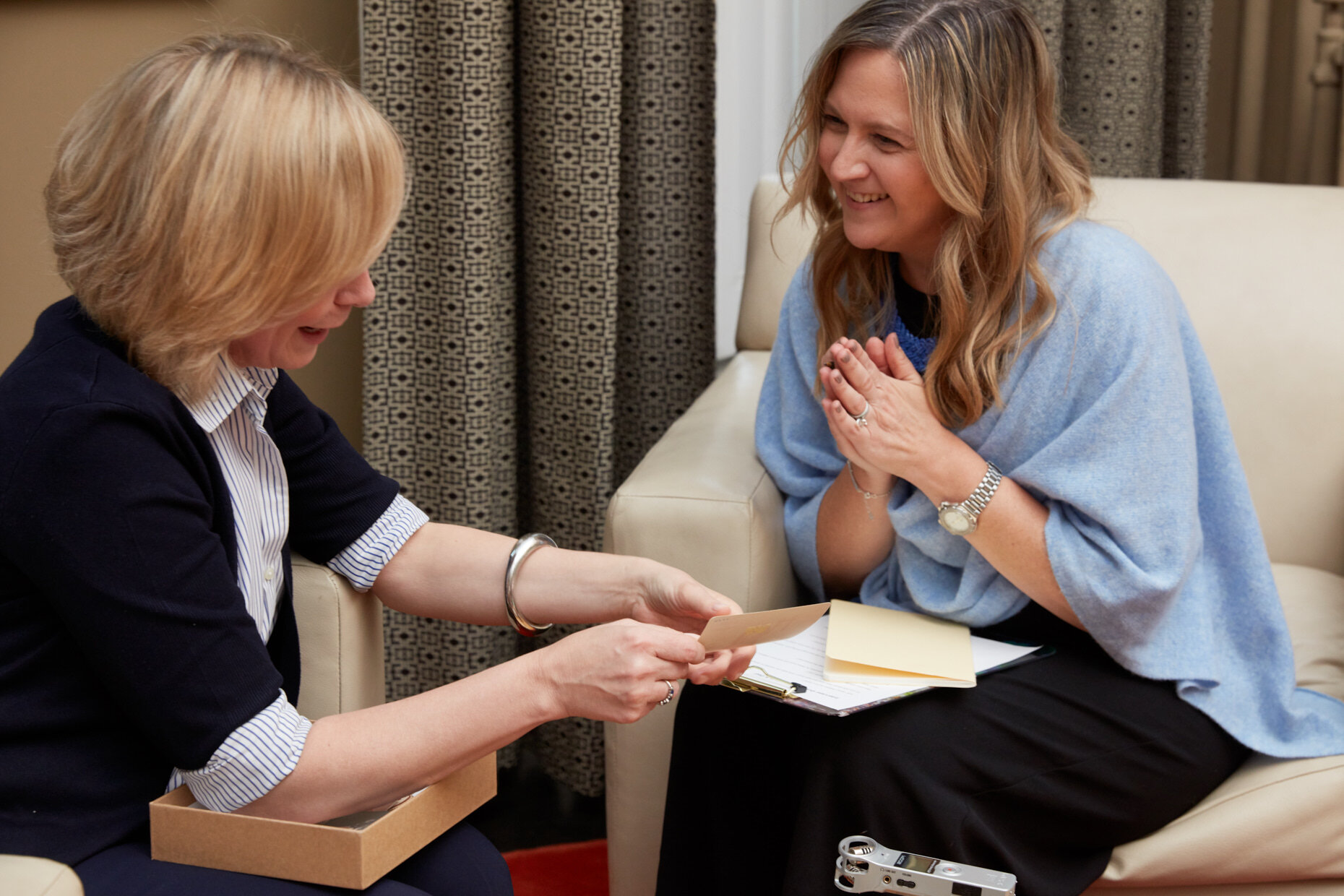
3 - Invest in personal history services to professionally capture their stories—I’d love to interview them!
If you prefer a full-service approach to capturing your parents’ stories, then personal history interviews are the best way to go.
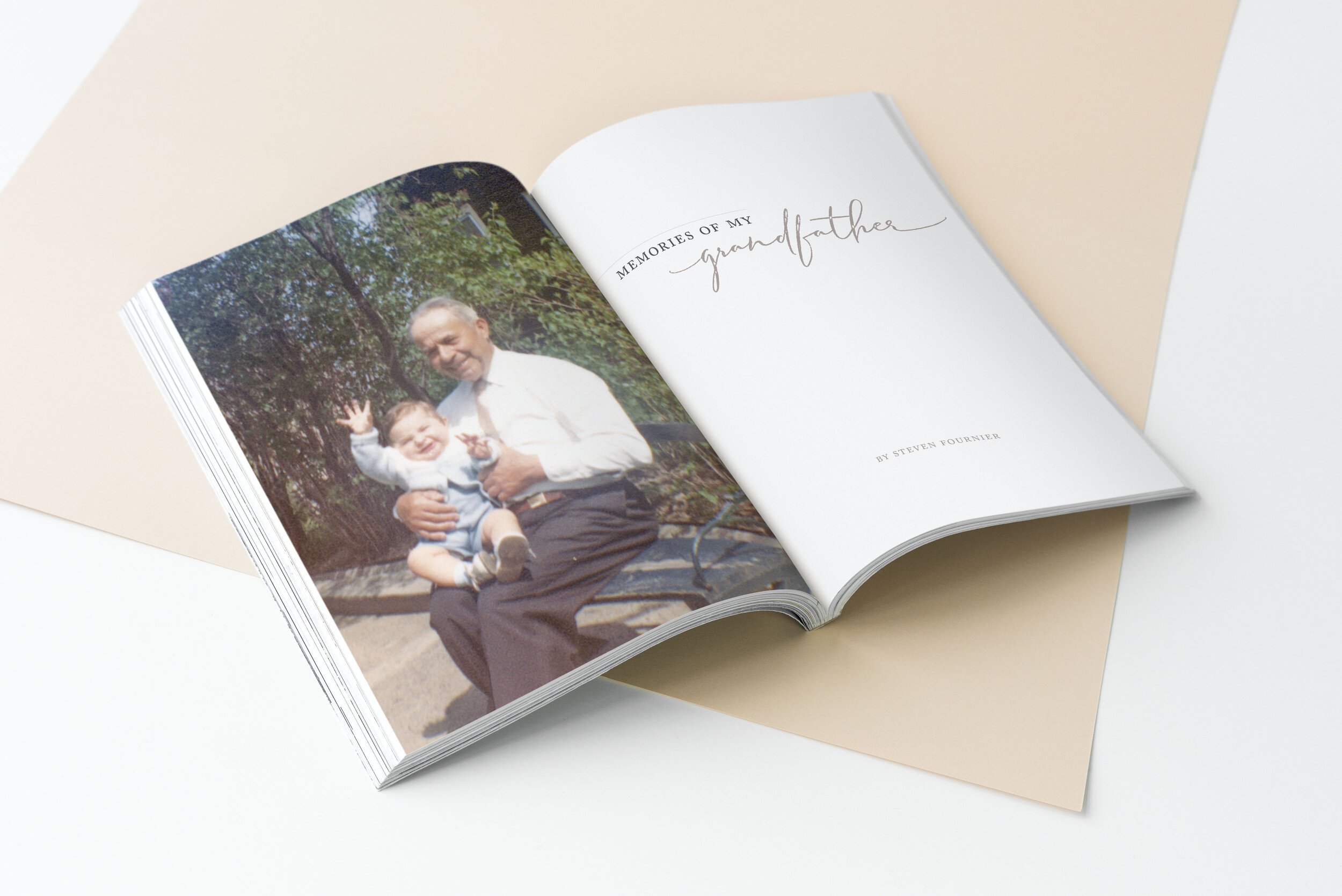
In a nutshell: I interview your parents to capture their memories, help them curate their photos and mementos, and turn everything into an heirloom book with a cohesive narrative and engaging design.
We can do a single 90-minute interview to capture memories from a specific time in their life, or conduct a series of interviews over weeks or months to more fully paint of picture of their legacy.
All my projects are 100-percent customized, so it’s best if we chat to see how we can best work together. Investment for personal history heirloom books start at $1,500.
Which option is right for you?
I hope you found helpful resources here to put you on the path to capturing your parents’ stories for your family archive.
If you have questions or there is anything I can help you with on your journey, please don’t hesitate to reach out!

Don’t call it a memoir. Just write your life.
Sometimes the idea of telling our "life story" is overwhelming. If we think of memoir as a series of smaller life narratives, though, the way in becomes clear.

Blogger and memoir writer Jerry Waxler says, “Vast numbers of people are aspiring to become storytellers, turning this into a boom time for the story arts.” Waxler teaches workshops where, he says, “people come with such longing to try to turn life into story.” That’s why people come to me, as well.
Telling stories
Why write your life?
Far from being narcissistic, “memoir is about handing over your life to someone and saying, This is what I went through, this is who I am, and maybe you can learn something from it,” says Jeanette Walls, author of The Glass Castle.
“It’s honestly sharing what you think, feel, and have gone through. If you can do that effectively, then somebody gets the wisdom and benefit of your experience without having to live it.”
This insight could as easily apply to a different type of writing about your life.
Writing a memoir not only sounds intimidating, but it also can seem lofty, maybe a little out of reach. Telling stories, though—that’s something accessible, more easily accomplished. And if done right, those disparate stories can have an equally profound effect on your family members and loved ones.
For that’s who I encourage you to share your story with: your children, and their children after them. Imagine the gift you’ll be giving when you share stories that make them laugh, cry, and know the reach of love.
Short stories, bound together by narrative thread
As a journalist, I am all too aware of the appeal of bite-size information (I have watched long-form journalism fall by the wayside as the media landscape has evolved over the years). We’ve become accustomed to sharing thoughts in 140 characters or less, and captioning our filtered Instagram photos for the greatest #impact.
But while I recommend sharing your stories in mini-narratives (and sometimes even list form), I don’t do so because of this trend toward brevity.
I suggest this form because
I think it engages people most readily and provides just the right amount of detail to both inform and tug at the heartstrings;
it falls within the range of most people’s writing ability; and
it is do-able (the worst-case scenario in creating a family narrative is to never do it, whether because the task is too daunting or it’s taking so long you never finish!).
And when you work with a qualified editor to help you find the narrative thread that binds your stories together—to add context, uncover meaning, and invite reader engagement—that once seemingly unreachable goal of writing a “memoir” is suddenly within reach!
Where to begin?
Consider…
writing in a daily journal,
setting aside two hours per week to devote to your life story writing,
or finding a likeminded partner with whom to exchange your writings (both to give you a reader and to provide a form of accountability).
If you would like to preserve your stories but you know you will never sit down to write them yourself, reach out to see how we can work together; often a personal historian is the answer for an aspiring memoirist who hasn’t yet taken the first step.
A while back I wrote about easy ways to find your way into life story writing, so if you’re ready to start, read this first!
How to plan a life story book in 3 simple steps







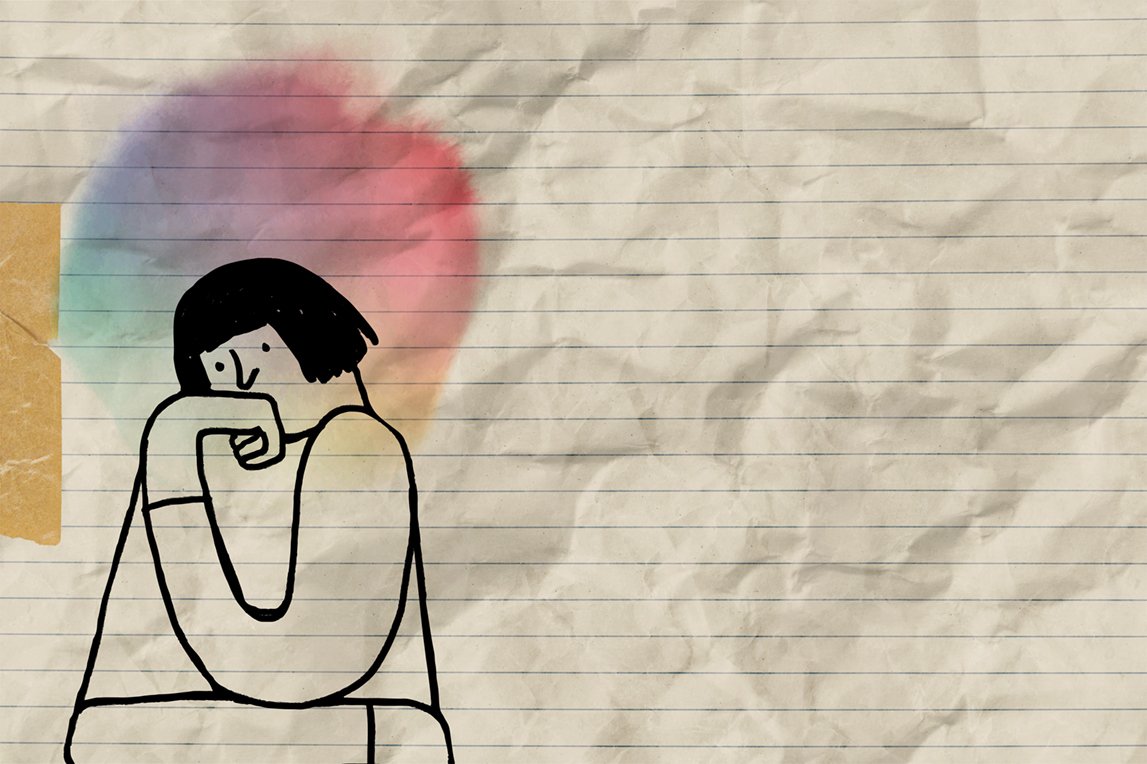




Jump around! Jump around!
You haven’t lived in a straight line, have you? Ditch your chronological storytelling and instead, jump around. Tips for developing impactful themes for your memoir.

Has the path of your life been one straight line? Yeah, didn’t think so—so why not jump around in time in your memoir for a more compelling read?
A straight line might be the shortest route between two points, but our lives meander and double-back. We haven’t lived in straight lines, so why should a story of our life make it appear so?
You might tell me about your life summarily—an outline quickly sketched. That’s “like the blueprint of a house waiting to be built, the most important details merely suggested by its basic lines,” writes Erica Bauermeister in one of my favorite novels.
What you might say in a single sentence—“we got married, had kids, and lived in that house until my wife died”—holds endless moments waiting to be explored: a lifetime in a string of 14 words.
But if you’re not going to tell your life chronologically—in a straight line—then where the heck do you begin?
Narrowing down themes for a life story book
Rarely do I think it’s a good idea to approach a life story book as a full chronological account of a life. That approach reminds me of history tomes about past presidents, for instance—books that go down like medicine, rather than enjoyable (and enlightening) reads.
Instead, approach your storytelling in smaller bites. One approach I often recommend is writing shorter vignettes and weaving them into a broader tapestry about your life. But even if you prefer a longer narrative in memoir form, it is important to focus on themes that both hold real meaning for you and that you feel will resonate with your family.
In order to narrow down those themes (one of the integral steps in plotting out your life story project), some initial brainstorming is in order.
Writing about one aspect of your life
If you know you want to hone in on a very specific chapter of your life for your book, here are two ways to approach that:
Broken up in chunks of time
A Slice of Life Portrait - remembering a day in the life or one pivotal year in your adolescence, for instance; while this time period is chosen for its thematic resonance, it fits neatly into a specific period of time.
A Discrete Time Period - the war years, your time spent in a certain home, your years in medical school, your months of being homeless, to name a few ideas
Broken up in themes
For example:
Strong Women in the Smythe Clan
Our Family’s Military History
The Annual Road Trips of Our Childhood
Irish Cooking in the O’Sullivan Homes
Four Generations of Stanford Grads
No idea where to start?
It’s more likely that there is not one chapter of your life that you know with certainty that you want to write about. If that describes you, you’re in for an exciting journey of discovery.
EXERCISE 1:
Brainstorm your memories.
Brew a cup of tea or pour some wine and get comfortable: It’s time to let your mind wander back in time to brainstorm—and by that I mean: write down your thoughts willy-nilly, with no concern for order or worth, no editing as you go.
Begin writing your memories via phrases—
that time Marcy broke her leg when we were hiking
the day I found out I didn’t get into Harvard
Nonna’s Sunday sauce
Johnny’s laugh
the Maple Street tree fort
I recommend setting a timer for 20 minutes for this exercise. It’s really about doing a brain dump and seeing what comes to mind first.
These memories may serve as writing or interview prompts later, but for now they are useful in looking for patterns. Did many of your memories fall within the context of lessons learned? Or take place at your childhood home? Did one influential person from your life come up again and again?
If you see repeated themes, those may be ones you want to explore for your book.
If you do not, then hold onto this page for use as memory prompts later, and move onto the next step.
EXERCISE 2:
Interview yourself about important chapters of your life.
Some questions to ask yourself:
What have been the major turning points in my life?
What are the most impactful decisions I have ever made?
Are there times of struggle that serve as examples of resilience, or that hold other lessons?
What are the most joyful times of my life?
What is my biggest personal success? Professional?
What has been my most memorable failure?
What have been the most challenging times of my life?
Is there anything about my career or vocation that is worth telling?
Who had the most impact on me growing up? As an adult? What did I learn from them?
What values do I most want to pass on to the next generation—and are there certain stories that exemplify those values?
What you want is to uncover moments of impact. Portions of your life that hold lessons. That shaped you. That are an integral part of your personal narrative.
You might be surprised by some of your answers. Be open and vulnerable when doing this exercise—allow yourself to remember painful times and regrets, not just happy times; even if these are not at the top of your conscious mind most days, the experiences shaped you and likely hold meaning.
This exercise is similar to one I conduct with my clients during pre-interviews. During this conversation we are exploring life themes and milestones, and determining what stories to explore more deeply, what memories to mine for lessons.
When working together, it would be my job—as someone distanced from your experiences and trained as an observant listener—to suggest possible approaches to your book. If that’s something you would like to explore, please drop me a line. I’d love to chat, and a quick (no pressure) 30-minute conversation usually does the trick.
If, on the other hand, you’d like to continue working on your life story book yourself, I recommend setting aside the pages from these two exercises for a couple of weeks. Then revisit them with a fresh perspective. That little bit of emotional distance can do wonders for helping you be more objective in narrowing down what topics to explore.
No matter what, I hope you give yourself the freedom to express yourself without filters during this exploratory period. It’s not the time to edit—or to judge. Be gentle with yourself, and be open-minded (and open-hearted). Your stories deserve to be told—you might as well be telling the right ones!
In a previous post I wrote about how to break down a life story book project into three broad steps.
Now that you’ve learned how to narrow down themes for your memoir project, find out about the remaining two steps:
Organize your family archive as a resource for sparking memories.

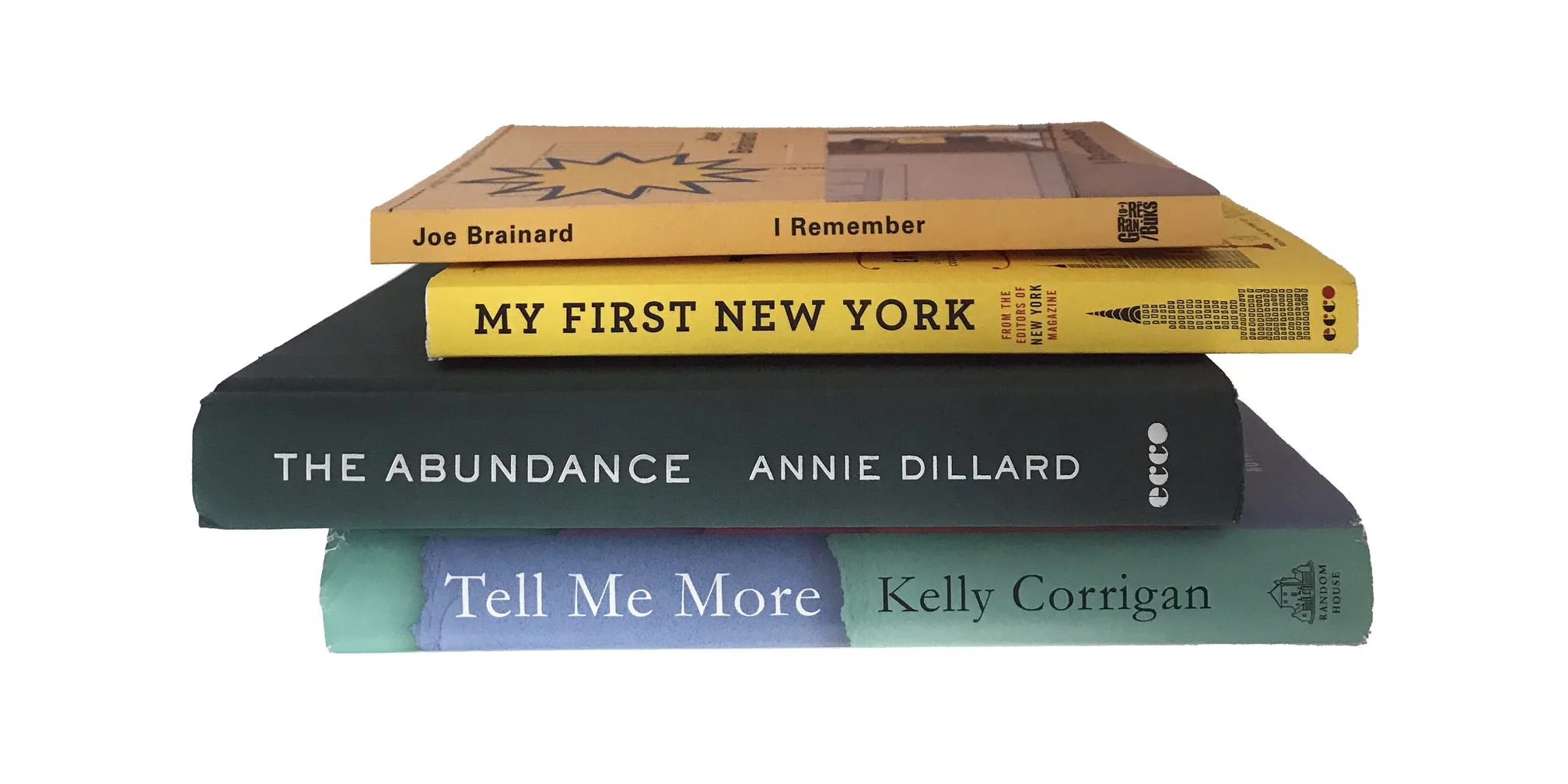





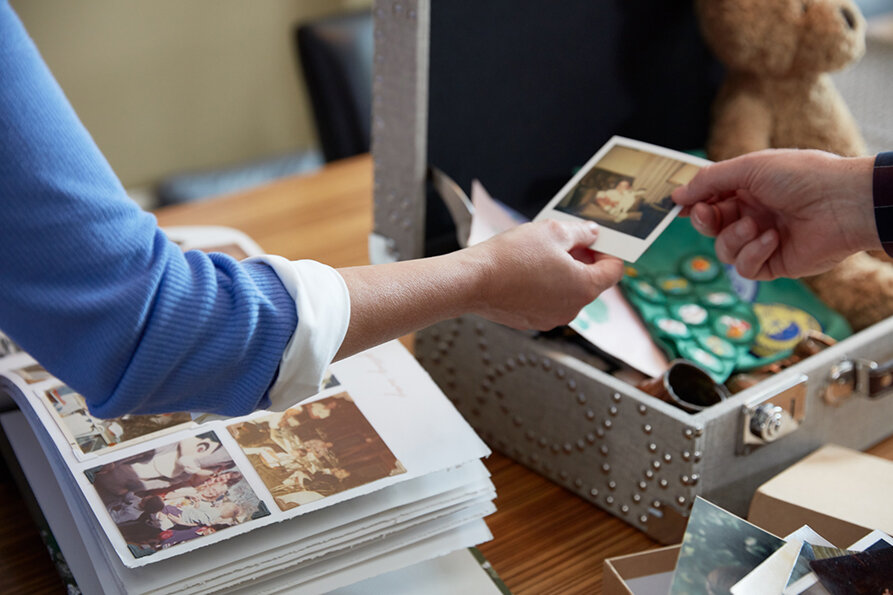
Hey, memories! Come out of the closet, will you?
Your memories live in your head and heart, but family photos, heirlooms & mementos sure do call those memories forth—how to use them towards a life story book.

Sorting through your family archive for items for your life story book should be more strategic than organizing everything for posterity.
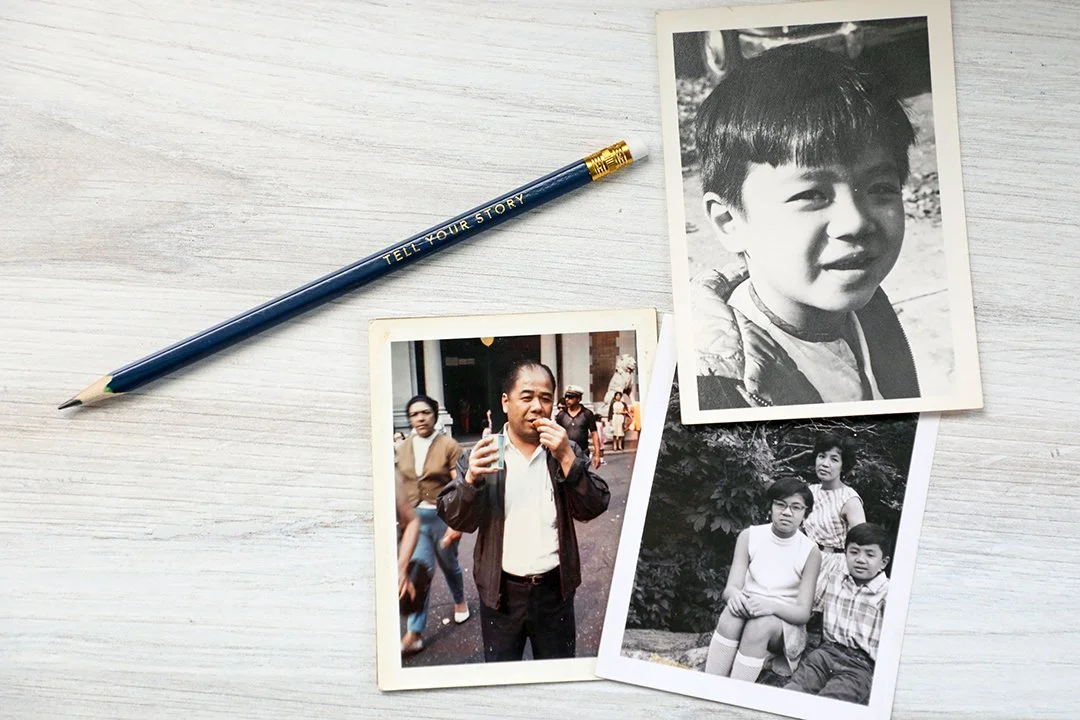
One of the first steps in any life story project is to begin to gather all the stuff in your family archive.
By that I mean photos, journals, letters, and mementos—the stuff of your life.
Finding and inventorying these items will help you in two ways:
as a tool for helping you prioritize and determine what is worth saving and what can be tossed—and how to plan for tackling the archive as a (separate) organization and preservation project.
as a resource for finding those items that will help tell your stories visually for your life story book project.
That second one is what we are focused on here!
How to organize your family archive as a resource for your life story book
Ready to get started? Using this free chart or a digital spreadsheet, make a list of everywhere your items live.
Remember: This is a guide to preparing your archive specifically as a resource for your life story book! That means yes, you should be focused on items that you want to include visually in your book, but also items that simply spark memories.
What is included in your family archive?
A Family Archive Checklist
physical family photos in boxes, albums, and frames
digital family photos on phones, computers, old disks, social media accounts, and external hard drives
family papers, including genealogy documentation, birth and death certificates, etc.
letters, journals, and diaries
mementos such as ticket stubs, postcards, report cards, scrapbook ephemera
physical family heirlooms such as inherited china, heritage furniture, passed-down jewelry
Finding inspiration and raw material
Back to using your archive as a reference for your life story book: Consider all of the items in your family archive to be raw materials that you can both find inspiration in and use to help tell your stories. A few ways to mine your family archive for this project:
Resources for remembering
Use specific family photos to jog your memories about your childhood.
Use letters and journals to help you recall details and emotions of recorded experiences.
Pull out tickets stubs and other mementos that hold the most meaning and make you feel something strong—they’ll likely be fodder for compelling stories if they hold that much sway.
Consider your genealogical files to be fact-checking resources for names, dates, and relationships that may be fuzzy in your memory.
Materials to reproduce in your book
Photograph family heirlooms so they can be accompanied by their stories in your book, so years from now they won’t be some dusty relics but heirlooms with a storied pedigree.
Select key old photos to digitize for inclusion in your book: Pictures help bring your words to life, but they must be chosen wisely.
Perhaps your handwritten journals evoke your teen years or capture a particularly emotional period in your life: Consider reproducing a key page or paragraphs throughout your book if you think they will add texture and a visual touchstone.
At this point, you should be most concerned with identifying and locating those items that you feel will be most useful to you in your life story project. Make a separate list, and pull out those materials to have on hand. Consider this a separate collection specifically gathered to help you tell your life story.
“When you have finished your appraisal, you’ll be left with a collection of the best and most significant artifacts,” archivist Margot Note writes. “Because you’ll be focusing on the collections that have the most value, you’ll be able to concentrate your efforts on what is most meaningful to you.” Indeed.
Keeping your curated archive on hand
Now that you have a tighter collection of photos, journals, and mementos set aside specifically for your life story project, keep them on hand—as well as the bulk of your family archive that you designated in the beginning.
Just because you set aside a photo initially doesn’t mean it will be the best for spurring memories later on; you may end up going back to those boxes to find another shot, or flipping through a different journal to discover a later recollection.
Be gentle with yourself. There’s no “getting it right”—this is a journey of discovery! Try to be strategic and deliberate while sorting your family archive, and understand that it’s all too easy to get lost in memories and nostalgia while trying to organize. When you realize that’s happening, steer yourself back to the task at hand, and remember: All of this is to provide you with the opportunity to reflect purposefully later on.

Printable Inventory Form
Download our free printable to help you keep track of all your life story project’s visual assets, from family photos to ticket stubs and journals—it’s easy-peasy.
Related reading
I will link to parts two and three in this series when they are posted:
You might also be interested in:
Tackling your whole archive?
If you would like to tackle getting your archive under control, I highly recommend purchasing archivist Margot Note’s book Creating Family Archives: A Step-by-Step Guide to Saving Your Memories for Future Generations. She’ll walk you through how to handle your materials, the best supplies, to buy, and ways to display and share your personal archives. Keep in mind: This is usually a big (and sprawling) project that takes some time to complete, but it is well worth your effort (especially if you have children; as I have written about before, leaving them a mess of family mementos is usually more of a burden than a welcome gift).

How to plan a life story book in 3 simple steps
These three simple steps will put you on the road to remembering, and make your life story book project proceed as efficiently and smoothly as possible.

The mere idea of creating a life story book is daunting. The notion of combing through boxes and devices full of photos, of writing (or even talking) about one’s life experiences—wait, will I even remember them??—and then organizing everything into some cohesive whole…phew. Forget it, there are dishes to do and movie marathons to binge.
Wait, what? Don’t forget it. Please.
If you know you want to leave a meaningful legacy in book form for the next generation but it scares the bejeezus out of you (or it’s simply not how you want to spend your time), let’s chat; as a personal historian with years of experience, I will guide you through the process—dare I say, even make it enjoyable.
If you are someone who is a little scared by the prospect but who still wants to tackle such a project on your own—congrats! And stick with me here, as I’ve got three simple steps to put you on the road to remembering, and to make your life story project proceed as efficiently and smoothly as possible.
3 broad steps to starting a life story book
Narrow down themes you would most like to address in your writing or interviews.
I will break out actionable steps and key things to consider for each of these in subsequent blog posts, but for now, a few quick hits:
1 - Organize your family archive.
I’m not talking about creating another huge project for yourself here (properly organizing all of your family papers and photographs could take months). What I am talking about is
creating an inventory of WHAT you have and WHERE you believe it resides (e.g., in a box in the basement or at your sister Susie’s house) and
identifying the key items in your archive that will help you with your project.
Help you how, you may be wondering? Designate photos and journals, for instance, that you anticipate will help jog your memories and spur you on to story sharing. Earmark genealogy papers that will be resources for creating your life timeline (step two, below) and be useful for fact-checking names, dates, and relationships later.
Hold onto this inventory, as it will be one of your primary tools when it’s time to dive into memoir writing or participating in personal history interviews.
2 - Write a life timeline.
Again, I won’t go into a complete how-to here, but I will say this: People don’t think chronologically; our memories come to us often unbidden, spurred by a scent in our grandmother’s kitchen or a scene in a novel we just read. A chronological framework of your life, though, will be a most useful tool in helping situate your memories in time and place.
Jot down years and major life milestones (decisions, employment, home moves, having children, etc.) in any format that works for you. That could be a document on your computer where you list the events in order with dates alongside, or a large piece of paper with handwritten notes broken up graphically into categories such as Childhood, Adolescence, Adulthood, and Golden Years.
Hold onto this timeline, as it will be another primary tool in your arsenal when it’s time to begin your life story project in earnest.
Click here to read a more in-depth guide to writing a life timeline.
3 - Narrow down themes you would most like to address in your writing or interviews.
Maybe you already know you want to cover only a sliver of your life in your book: your years in the military, say, or the profound transformation of becoming a parent. If so, you can skip this step.
If you are not yet sure which chapters of your life should become chapters in your book, then it’s time to brainstorm. Some questions to ask yourself:
What are the most impactful decisions I have ever made?
Are there times of struggle that serve as examples of resilience, or that hold other lessons?
What are the most joyful times of my life?
What have been the most challenging times of my life?
Is there anything about my career or vocation that is worth telling?
Who had the most impact on me growing up? As an adult? What did I learn from them?
What values do I most want to pass on to the next generation—and are there certain stories that exemplify those values?
Don’t edit yourself. Simply write everything that comes to mind when you think of “important chapters of my life.” You don’t have to decide now which musings will make it into the book—rather, these will serve as additional memory prompts, and some will have more resonance than others.
Hold onto this document of ideas, as it will be your final tool to have at the ready when your life story project gets underway.
Click here to read more about narrowing down themes for your life story book.
What’s next?
Now that you have your three pages of life story resources, it’s time to get into the business of remembering. How will you proceed? A few options to consider and tips to get you going:
If you are a writer:
Consider enrolling in one of my short courses to receive memory and writing prompts—as well as tips and inspiration—delivered straight to your phone. Current themes includes Childhood Memories and Food Memories, and more themes will be added soon.

Memory & writing prompts sent weekly to your phone
Short courses for anyone who wants to write about their life
If you would like to be interviewed to capture your stories:


If this all appeals but seems too daunting to take on yourself, please reach out. I would be honored to help guide you on this journey to create a legacy book capturing your stories for the next generation.
4 easy ways to find your way into life story writing
When the idea of telling your life story is intimidating, write your way in, one memory at a time. These tactics will help you finally get that memoir started.

You’ve thought about writing your life story. Perhaps it’s even on your long-term to-do list. But how to go from a theoretical wish for yourself (to get to “someday”) to an actual thing that you do, a practice that you begin and develop (day after actual day)?
Here are a few specific tactics for helping you begin to write about your life’s journey. As I have written about before, don’t let the idea of embarking on a full-blown memoir intimidate you; rather, start by writing your way in, one memory at a time.
1. Diagram your life.
Some people have one burning story to tell. Others find it difficult to immediately pinpoint anything.
Tristine Rainer, author of Your Life as Story, recommends diagramming your life to gain perspective. To do this, get in a retrospective mood, enlist the help of a friend or spouse (martinis also work), and plot your life’s six most significant moments. When you do it thoughtfully and honestly, there will usually be one pivotal event that stands out as particularly intriguing and/or meaningful.
If there isn’t, don’t worry. There are many different ways to diagram a life. Try dividing yours by critical choices, influential people, conflicts, beliefs, lessons, even mistakes. Experiment until you find the one story that wants to be told, the one experience that really fashioned you.
This exercise asks you to focus on formative experiences—a fork in the road or a small decision that ultimately had great impact on your life. If you prefer to start smaller, skip to No. 2.
2. Brainstorm persistent memories.
By persistent memories I mean ones that return to you again and again, often unbidden. Perhaps it’s memories of cooking with your Nana after school that repeatedly return to your consciousness. Or maybe you can’t let go of that one time you lost out on a promotion to a much-younger colleague. If an experience haunts you, it probably holds greater meaning than even you realize—and writing (or even talking) about it will often help plumb those depths.
Lisa Dale Norton refers to a recurring memory such as this as a shimmering image, one “that rises in your consciousness like a photograph pulsing with meaning.”
“These shimmering images are the source of your most potent stories,” she writes. “They have energy; if you squint at them you will see the edges of the image shimmer, wiggle with potential…. This shimmering is the energy of the story that waits inside the image to be told. That’s why you have remembered these images all these years. Over and over they come back, knocking at the door of your creative soul, waiting to shed light on your life, waiting to share the wisdom that resides inside them.”
So go ahead: Grab a piece of paper and jot down those memories that you revisit often. They’re familiar to you, so a simple phrase will likely suffice to jog your memory later (biking in Yellowstone, working at MoMa, that hand-me-down prom dress). When you are ready to write, use this as your own personal cheat sheet of customized writing prompts.
3. Use guided writing prompts.
There are plenty of family history and life review questions available across the web, including some here on my own site. And while I find that they can be powerful guides for life story writing of all kinds, I am here recommending slightly less direct writing prompts to get your memoir writing going.
Rather than walking through the front door, come in through a side window. Rather than doing a brain dump of your experiences from birth till now, hone in on a particular (unexpected) moment. A feeling as opposed to a plot. A peek inside your home instead of a drawing of your house.
Don’t ask yourself, “What was going to college like?” Do, as Beth Kephart prompts in her memoir writing workbook, “Write about leaving. Write with the understanding that you won’t remember all the details, but you will remember how leaving felt.”
Marion Roach Smith encourages us to “think in propinquities.” Don’t write about turkey and stuffing and saying grace on Thanksgiving, for instance. Instead, give us “an angle shot…a sidelong glance at how you learned new ways to be grateful.”
A few “sideways” writing prompts to consider:
Recall a time you felt unheard.
When have you wanted to turn around and go home?
What do you wish a friend would ask you?
Find more such thought-provoking questions in these Q-and-A card decks and in Beth Kephart’s latest workbook, Journey: A Traveler’s Notes. And discover some of my own favorite life story vignette writing prompts that use your senses to help get the writing flowing.
4. Revisit the past.
Forget about writing. Instead, talk about your memories. Walk down memory lane with a loved one, gather with siblings to reminisce about your childhoods, interview an older relative, or hit “record” on your smart phone during a family reunion or holiday gathering.
The mere act of letting your mind wander back in time will bring memories to the surface and make them accessible when you sit down to write. Also consider jotting down notes while you are chatting with family, or using a voice recorder and an auto-transcription app to generate pages to use during your writing later.
Other ways to revisit the past for inspiration? Read your old journals (even—maybe especially—if they make you cringe!). Pull out some old family photos to jog your memory (check out this free download full of tips if this approach appeals to you.) And, my favorite, go for a walk in nature: As Henry David Thoreau wrote in his journal, “Methinks that the moment my legs begin to move, my thoughts begin to flow.”
Memory & writing prompts sent weekly to your phone
Short courses for anyone who wants to write about their life—just $15 for 8 weeks of guidance & inspiration!
Want to preserve your life stories but not ready to take on the project yourself?
That’s what we’re here for.
reach out to Dawn to see how, together, we can write your life.

Are my memories of my mother gone?
As the tenth anniversary of losing my mom approaches, I have been caught up in thoughts of the past—but where are those vivid memories that once flooded me?

Me and my mom in the front yard of our Putnam Lake, New York, home, June 1971
Lately I have been having a recurring dream. It’s not a good dream, and it haunts me throughout my days. Have I lost all memories of my mother?, I wonder. I awake not knowing, searching, afraid. Of course I haven’t lost them all…but my fears are real, grounded in my reality that I have no one in my life to talk to regularly—deeply—about this most special person in my life.
Usually I share advice-driven stories on this blog. I decided, instead, to share some recent writing I did about my mom, and my experience of grief, here. Why? Because I think personal stories connect us. Because I think the grieving process, while unique to each of us, is also universal in many ways.
And because too often I hear the words, “What stories do I have to tell that matter?”
And while everyone—truly, everyone—has stories to tell, sometimes it’s the stories we can’t tell that may resonate; the ones we have to search for, feel rather than see, that come forth. Just because I am not relating specific details of memories of my mother in this passage, it was worthwhile for me to write—cathartic, yes, but helpful too on my path to remembering yet more, and honoring my experience as it is being lived, right now.
Soon I will share a post about ways to access and trigger our memories in an effort to write meaningful memoir. But for now, as the tenth anniversary of my mother’s death approaches, I offer up this most personal (and brief) piece as an example of what may result when we focus on our experience of, well, not remembering.
Losing Her, Again
It is not reconstructed memory or exaggerated legacy to say that there are no superlatives great enough to convey my love for my mother. She was my role model, best friend, hero, and champion. My daily phone call. My witness.
Lately, I can’t remember her.
I want movie reels.
I want to see my mom lunging toward me for a hug, leaning back into a belly laugh that could go on for minutes. Pulling groceries out of the trunk of her brown Mazda, closing her eyes as I drive across a bridge. Smelling daisies in the kitchen, back-to-school shopping at Petrie’s five-and-ten. Playing kickball in the front yard in Brewster, making quiche in my galley kitchen in Brooklyn. I want to see Lillian Roode, here. Somewhere.
If my memories are silent films, that’s okay. Hearing her voice would bring me to tears, joyful tears; but seeing her in motion—well, maybe I could touch her, if I just reached far enough.
After she passed away I was feverish with intent.
I wrote her eulogy over the course of a fews hours in the middle of the night, between sessions breastfeeding my three-month-old son, in a nondescript motel room lit only by the glow of my laptop. I was hungry for stories of her—stories I had not yet heard that would shine a light on her soul, stories I had heard so many times they had become lore. The new kept her alive, the old brought comfort amidst the knowledge that she was, indeed, not alive.
At her wake, I listened to all that friends and families offered up, though I heard very little; I was present that day in body, not spirit.
Months later I would surrender to my insomnia and reach for the ornate journal I never wrote in for fear my musings would not live up to the grandeur of the leather-bound book, and I would write and write and write, hardly pausing for breath: bulleted lists in barely legible handwriting enumerating every single little memory I had of her. I wanted them all. When I would pause to think and memories did not wash over me immediately, I felt unworthy. Of my grief, of my happiness, of her belief in me.
Some nights I wrote the same memories I had scratched out the previous evening. No matter; I was desperate to not forget. My neat, deliberate script turned into sprawl as I raced to recover my dreams, convinced as I was that they held secrets of her in the beyond, glimpses of the memories I couldn’t access on demand.
Where did they go, my memories?
I have no one in my life who shares my familial grief, no one who knew my mother for the length of time that I have and who misses her the way I do. No one in my life with whom to reminisce, swap stories, or get lost in laughter.
I want to cry.
I want to occasionally swim in my grief. To allow myself to fill that hole inside me with buoyant water and float amidst my memories. To invite another in to see my mother’s reflection alongside me, to recognize her in me, and to find her somewhere in the void.
If not occasionally, perhaps once.
But.
The hole is there. The memories, the tears, are not.
Where did they go?

Announcing new resources toolkit
Discover family history, life story writing, and photo management guides in our Toolkit, where you can download free resources to help you preserve your legacy.
We have offered a variety of free resources over the years, but they have never before been presented in one convenient place.
Now all of our free guides can be browsed on our Toolkit page, easily found in the footer of the Modern Heirloom Books website in case you forget to bookmark it 😉

Our guides offer up some of our best advice on the topics of memory-keeping, engaging in family history, preserving (and finding the stories within) family photos, and writing about your life, among others.
We will undoubtedly add to these resources in the coming months. So:
What topics would you like to see covered?
What challenges are you facing in your efforts to preserve family stories?
Would you prefer more writing prompts or oral history questions?
I look forward to hearing from you, and as always, feel free to ask anything in the comments section of the blog!