
Memories Matter
Featured blog Posts

READ THE LATEST POSTS

Genealogists reveal why your stories matter
The most memorable quotes and takeaways from family history experts Amy Johnson Crow, Curt B. Witcher, Scott Fisher, and Janet Hovorka at RootsTech 2019.
I wasn’t at RootsTech 2019 last month, but I did take advantage of the free videos that were available for live streaming during the event and are accessible even now on the RootsTech website.
Since we’re all about life stories and personal history around here, I decided to offer up a few of my favorite takeaways related to those topics from four speakers. If they whet your appetite for more, you can always watch the full videos of these speakers and discover others focused on genealogical research, DNA testing, and online record searches.
From Why and How to Put Yourself into Your Family History
AMY JOHNSON CROW
Favorite quotes from Amy Johnson Crow, a Certified Genealogist with more than 20 years of experience helping people discover their family's history:
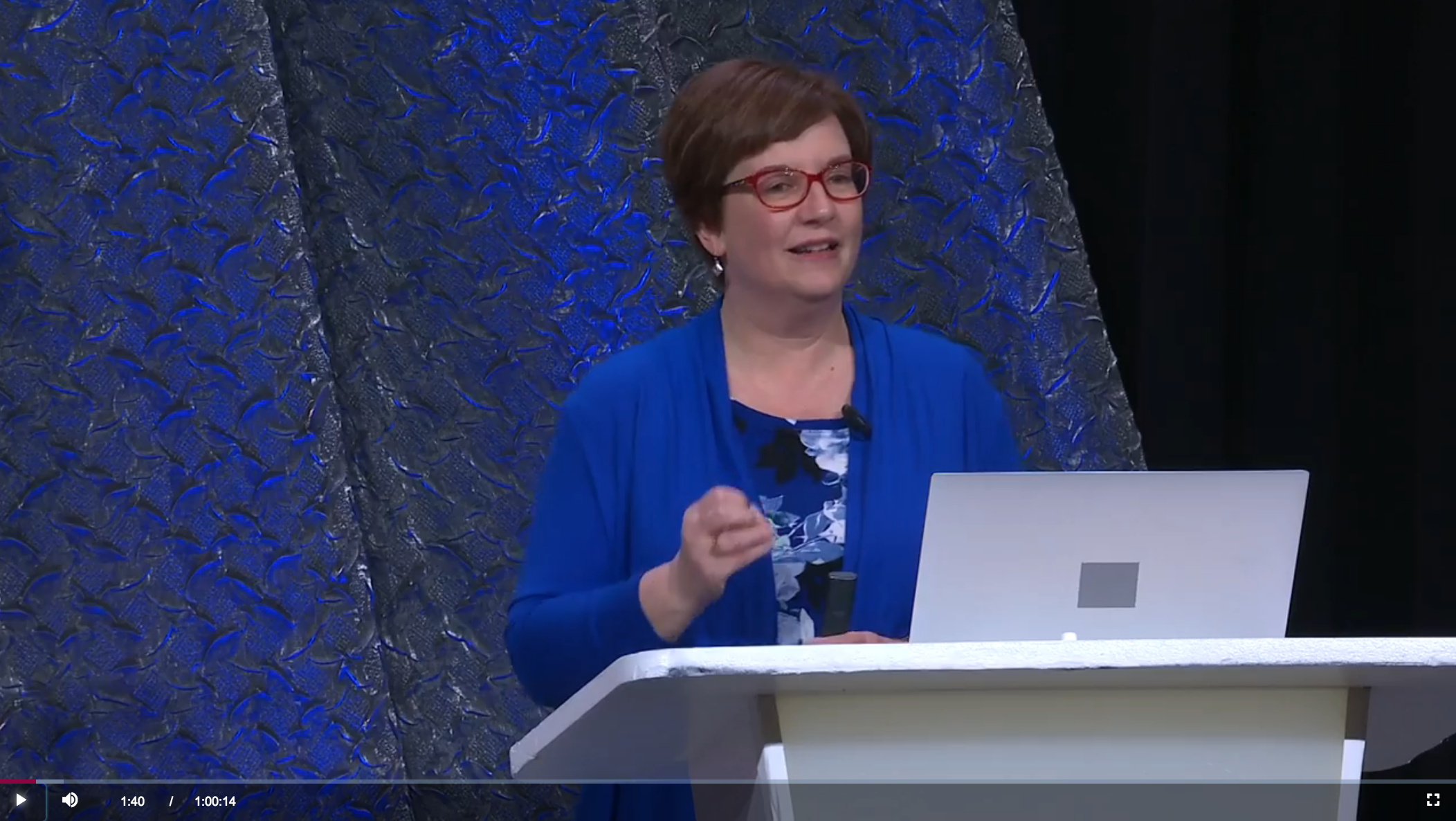
Author and speaker Amy Johnson Crow presenting at RootsTech 2019
“When we consider recording our own stories, we think of memoirs that we have read… And when we think about writing our own stories, well, if we’re thinking of something like Angela’s Ashes or Little House on the Prairie, our first reaction might be, well, I’m not famous. Why should I record my story?”
I’ve got a whole list of reasons you should record your story, as does Amy:
“Think about how thrilled you would be if you found a diary from one of your ancestors. Or a letter from one of your ancestors.”
(Even if it described an ordinary day doing ordinary things, like a trip to the market!)
“I think that you would treasure that letter because it would be insight into the life of that ancestor, told by that ancestor.”
Indeed!
“So why do we think that future generations, oh they won’t care about me!? We already know that we care about what happened in the past. We need to be the ancestors to our descendants that we wish our ancestors were. We need to record more of our stories like we wish that they did.”
Can I get an amen?!
“Don’t get hung up on the format, because really, any format will do. … You have to record the story—that’s the important thing. You can figure out the preservation later. You have to tell the story before you can preserve it. And truly, a story isn’t a story until it’s been told.”
So, tell your stories! And remember:
“It doesn’t have to be overwhelming. It doesn’t have to be about all the big things in your life. There is no story that is too small to be recorded.”
CURT B. WITCHER
Highlights from Curt B. Witcher, Genealogy Center Manager at Allen County Public Library in Fort Wayne, Indiana:

Genealogy expert Curt B. Witcher during his presentation at RootsTech 2019
“Family history is the pursuit of, and the presentation of, and the preservation of our stories.”
“The grand and the big and the exciting and the wonderful—that’s not it. It’s the point in time, and the person in time, and how it relates to us.”
After reiterating some of what Amy Johnson Crow spoke about, Curt transitioned to talking about the science behind story and why it is so important:
“Experiencing story alters our neurological processes.”
He is not a scientist, but he is eager to shed light on how amazing much of the science behind story really is—from triggering the release of cortisol (which commands our attention) to the eventual release of oxytocin (which he says “makes us more receptive to empathy, to caring”). If you are interested in this, I suggest watching Curt’s entire portion of the video, which begins at the 20-minute mark.
Want happy children?
“Family story is critical to all of us being better human beings, but especially for younger people as their brains are being developed.”
“Stories, psychologists and scientists tell us, are strong predictors of a child’s happiness. The more stories, the better adjusted, the better a child will grow and be welcomed and welcoming. How can we not think that this is important?”
Is there anyone among us who does not?!
SCOTT FISHER
And lastly, the best tidbit of advice from Scott Fisher, host of podcast Extreme Genes, America’s Family History Show, who spoke concretely about how to turn oneself into a family history reporter:
“Do not answer questions for your subject. If they’re taking a long pause, let them think. Don’t be afraid of the silence.”
Ah, yes, be patient, and listen generously!
From Heirloom, Documentation, or Junk: What to Keep or Toss
Janet Hovorka
Memorable moments from Janet Hovorka, genealogy coach and development director for Family ChartMasters:

Genealogy coach Janet Hovorka speaking at RootsTech 2019.
“When you keep everything, it might be overwhelming to the next generation… After your passing, your family could throw everything out just because they’re overwhelmed.”
Imagine?!
Janet offers up six concrete questions to ask yourself about your family history stuff in trying to decide whether (and how) to save it or to toss it. If this is something you are facing, whether due to the recent loss of a loved one or to the ever-expanding hoards of your own family history documentation, then definitely give her video your full attention.
Here, though, a few golden nuggets:
“A family heirloom is only as valuable as the story that comes with it.”
Can I get another amen?
“An heirloom can only go down one line, really. But documentation, especially digitally, can be spread over the whole family.”
But remember:
“Digital materials can be more fragile than a set of china… You could be creating a Digital Dark Age in your family.” (caps mine ; )
Excellent advice:
“Think about a digital will, especially if you want to preserve you own life.”
Families, please hear what Janet says:
“In my opinion, one of the most important things to do is to teach your children and vest them in [your family history] now…. Tell them the stories. Vest them in those heirlooms and those documents. A family that is vested in those things is going to preserve them.”
Because…
“Never in the history of the world have we been so disjointed and so anxious… We move away from our ancestors more than families ever have. We don’t grow up at grandma’s knees anymore.”
Facebook and FaceTime may bring us closer to far-flung relatives, but it’s no substitute for in person togetherness and for regular story sharing—especially of the impromptu kind.
“Talk to the next generation.”
Please.
“As you study the span of a life, you learn that everybody has a little bit of hero and a little bit of scoundrel in them.”
Which part of your story will you tell first, I wonder…?
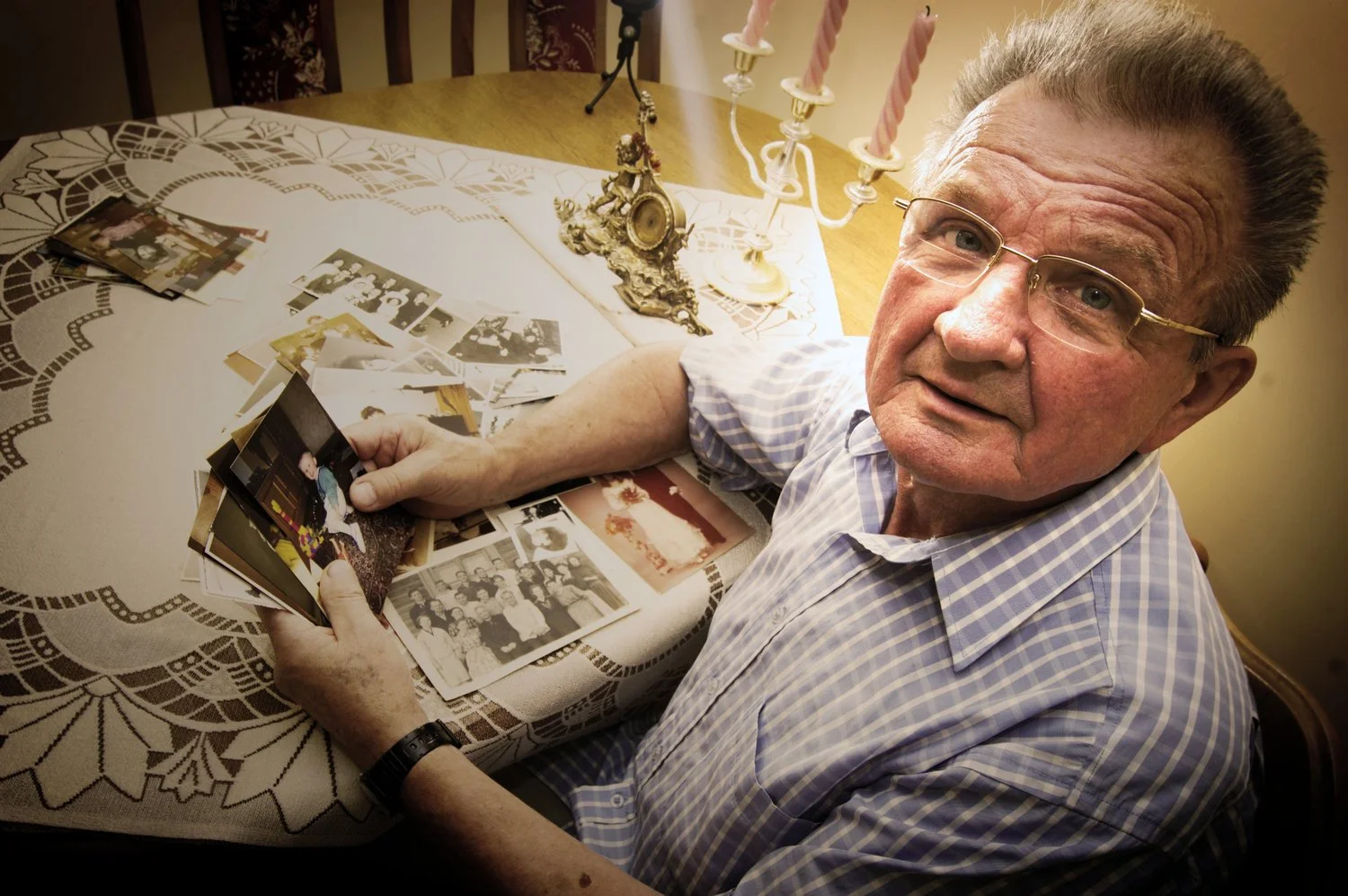





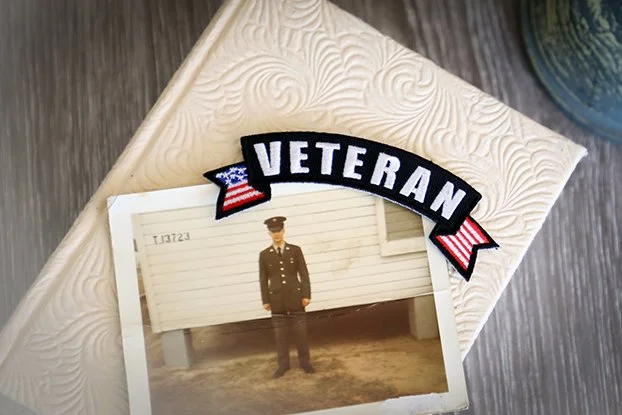

Life Story Links: March 11, 2019
An array of topics, from how to curate family heirlooms and photos to group biography recommendations and a son's loving personal history interview with his mom.
“I wish I had realized that family history is a perishable commodity. It disappears with time, as memories fade, and as loved ones pass on. I wish I had known that the most important aspect of family history is preserving a record of the present for the future.”
—Gordon B. Hinckley

Out of the Boxes
AMONG THE RESIDUE
This book was discovered among the papers not sent to the author’s literary archive in Oxford. "Its yellow and curling title page announced Really and Truly: A Book of Literary Confessions." And inside…the handwritten opinions of the owner’s grandmother, as well as those of Virginia Woolf and Rebecca West.
PRESS PRINT
In last week’s post “Sharing Is Good” I implore everyone to print—and share—family photos. Why? Because besides generating conversation, you will spark joy, find genealogy clues, and discover even more treasures.
CURATE KEEPSAKES LIKE A PRO
“Family curators have been organizing and saving family history for a lot longer than Marie Kondo has been teaching people how to discover joy in decluttering,” observes The Family Curator. "Trends. They come. They go. I’m happy to report that family heirlooms aren’t dead yet."
Storytelling, Your Way
GROUP BIOGRAPHIES
Carolyn Burke’s Foursome is a group biography that interweaves the lives of Alfred Stieglitz, Georgia O’Keeffe, Paul Strand, and Rebecca Salsbury. Here she shares five books that inspired, spurred, or otherwise helped her to think of writing group biography.
GREAT GRANDMOTHER’S GENEROSITY
Personal history varies from family history in myriad ways, though they often do (and should!) complement one another. Here is an example of piecing together a family narrative from documents, a worthwhile step in sharing genealogical research. Just imagine, though, if the people had recorded their own stories—how much richer the narrative would be!
“HAPPY VERY EASY”
“My parents are getting older and even though I have a good relationship with my mom…I’ve never had a super-deep conversation with her,” Kane says. Here he asks her 11 intimate questions “before it’s too late,” and the resulting video, full of playful banter and deeply moving moments, is a wonderful example of how effective—and relatively easy—at-home video interviews can be.
Opportunities Knock
THE LONGEVITY ECONOMY
“According to AARP, the economic activity of Americans 50+ is the equivalent of the third largest economy in the world.” Personal history is one of four career opportunities in the field of aging explored in a recent Forbes article.
SEEKING SUBMISSIONS
Madison, Wisconsin–based personal historian and educator Sarah White publishes first person stories on her blog True Stories Well Told. “Short, true, and diverse in genre—a reminiscence, a reflection on your writing process, a book review, a question—it's all welcome for consideration,” she says.
Voices Carry
“MAMA’S LAST PICNIC”
Margaret-Ann Allison, who would have been 83 years old today, shared a remembrance of “Mama’s Last Picnic” with NPR, where broadcasters were “so charmed by her soft southern accent that they asked her to read it aloud on the air.” While we can’t hear her honeyed voice, we can read it here, as shared by her daughter.
“WHERE THE TROUBLE STARTED”
A traumatic experience changes the course of a girl’s life, and eventually resides deep in a box in her mind. But, she writes from a distance of decades, “it does not belong in a tucked away box like a dark and dirty secret I can’t touch.” Saidee Sonnenberg tries to make sense of experience through writing.
VALUE OF LIFE REVIEW
”What it does when you go back and review your life”—by really digging in, getting to know your parents and their motivations and their parents’ motivations—is it leads you to empathy, Jane Fonda says during this brief interview where she revisits the writing of her memoir and memories of her mother.
...and a Few More Links
Untold story of the Warsaw ghetto: Who Will Write Our History
Help students become oral historians with these complete lesson plans from The Tenement Museum.
Taylor Swift says nostalgia inspires songs: “I love preserving memories”
“Oldtimers, tell your stories. Youngins, start asking.”
Fun tool: What book was the bestseller the year you were born?
See if the StoryCorps Mobile Tour is coming near you.
Short Takes
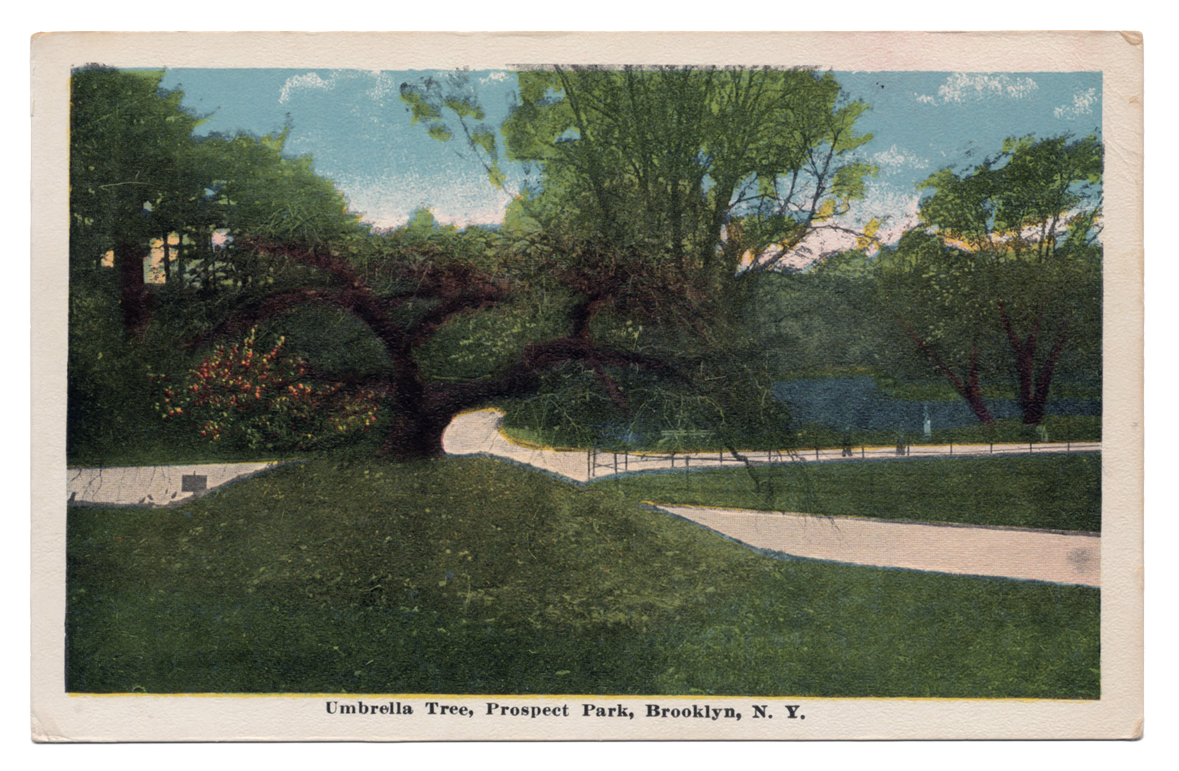

The tyranny of the family heirloom
Maybe it's true that "nobody wants your parents' stuff," but before you donate their things, tell the stories of your family heirlooms, preserving your memories.
“Sorry, Nobody Wants Your Parents’ Stuff,” reads the Forbes headline. The article explores how so much of what we inherit from our parents does not get saved, but rather donated, sold, or trashed.
“If you’re thinking your grown children will gladly accept your parents' items, if only for sentimental reasons, you’re likely in for an unpleasant surprise.”
I get it: Most of us aren’t buying fine china to entertain with, and we don’t want to be weighed down by more stuff. But despite this article’s pessimism (“‘I don’t think there is a future’ for the possessions of our parents’ generation”), I have faith that we can find creative ways to preserve the heirlooms that matter—and still donate most of their STUFF to charity.

So, which heirlooms matter—and which ones are even ‘heirlooms’?
Just because your parents left you everything in their house doesn’t mean you need to keep everything. Or even half. Or any of it. But while you’re assessing their possessions for potential monetary worth, I beg you to spend some time with those things that hold memories.
Consider the historical value (I'm talking family history here) and the sentimental value (and by that, I do not mean feeling guilty that you should hold on to something, but feeling a poignant tug at your heartstrings when you think of a particular item).
Did your father sit in “his chair” to read the newspaper à la Archie Bunker every day? Was that cushioned window seat your mom’s favorite reading nook? Is the painting on the wall an original passed down through generations?
Many of our things are just that—functional things that make our lives comfortable or easier. Many of our things, though, hold stories. Those, in my opinion, are the best heirlooms.
Find treasures to keep as keepsakes.
Pick one or two things (more if you’re sentimental) that hold special meaning for you, and keep them. I recommend choosing items that you can keep close in some way:
a painting, blanket, or piece of furniture that you can incorporate into your home and use on a regular basis;
an item of jewelry, a shawl, or some other accessory that you can wear;
or something practical that your loved one used that you can, too—such as their e-reader, favorite books, or a kitchen appliance.
Having something tangible from your loved one’s life nearby can be consoling, reassuring, even healing.
Give new life to old items, guilt-free.
Do you adore your dad’s chair in theory, but think it’s ugly as sin? Love the idea of cuddling in your grandmother’s sweater, but hate the style and musty smell?
Allison Gilbert had her father’s collection of silk neckties woven into a wall hanging, and her grandmother’s handwritten coffee cake recipe memorialized on an everyday plate. She has made an art form out of transforming our loved ones’ STUFF into something meaningful, and details 85 very specific ways to do so in her book Passed and Present: Keeping Memories of Loved Ones Alive.
It’s the memories of the things that matter, after all.
A thing is only special if we have enlivened it with some special meaning. It is an heirloom when it has a story to tell—and someone (you?) tells it for posterity.
So once you narrow your lost loved one's belongings to those precious items that hold some emotional value, do something with them. Check out Gilbert's book for ideas (there really is something unique to suit everyone's tastes and values, in my opinion) or come up with something on your own.
Whatever you do, let the stories of those things shine through.

In her family history book, Kathleen Rath Smith remembers how her father would always read in “his” chair next to the radio. “When he came in, we got out of that chair!” We used photographs to show her parents' home and surroundings, and Kathleen as narrator recounts the stories of her childhood.
Tell the stories of their stuff.
How can you maintain the specialness your loved one's things convey without inheriting the bulk of all that stuff?
How can you transform their things into cherished family heirlooms?
Take pictures of the items before donating them.
Why not consider having your most special items professionally photographed, whether for an heirloom legacy book or for an impactful wall hanging?
A professional photographer such as The Heirloomist's Shana Novak can turn an artful lens on everyday items, imbuing them with a graphic punch that can be surprisingly emotional. Check out how Bob Woodruff's wife, Lee, turned a pair of her husband's combat boots into a meaningful work of art shot by Novak; or read stories of such seemingly mundane items as a cassette tape, a stuffed bear, and even a set of yellow pencils, brought to life through heirloom photography. The resulting pieces of art preserve your loved one's things visually, and moreover spark conversation so that the stories can be told and retold in the future.
You can now keep these images in remembrance of the loved one you have lost and wish to honor—and unburden yourself of the items themselves.
Don't just capture the stories of your heirlooms, but write them, too.
Whether you jot down memories on an index card and tape it to the back of your photograph or go the extra mile and create an heirloom legacy book from your stories, do tell your stories. We've offered advice on how to use old family photos as memory prompts; so now we thought we'd share examples of how to tell the story of a THING.
Here are two spreads from two different client books, both works in progress. The stories of these things are short vignettes that add insight into the subject's broader stories, but each can stand alone as a short read that honors their memories and begins to create a unique family legacy.
As you can see, the stories of these heirlooms are not really stories of things at all; rather, they are the stories of those who held, touched, and lived with those things. Your heirlooms' stories are the stories of your loved ones.
What things in your life have a special story to tell? What has a deceased parent or grandparent left you that might lend itself to sharing a wonderful story?
Dawn Roode’s curated roundup for the week of Sept. 23, 2026, is overflowing with recent reads on memoir, life story writing, and family history preservation.