Memories Matter

Featured blog Posts


READ THE LATEST POSTS

Filter by categories
curated roundups Dawn M. Roode curated roundups Dawn M. Roode

Life Story Links: May 11, 2021

Your biweekly dose of all things personal history—including fresh first person reads, photo printing help, and lots about the memories held in our possessions.


“One of the most significant facts about us may finally be that we all begin with the natural equipment to live a thousand kinds of life but end in the end having lived only one.”
—Clifford Geertz

 
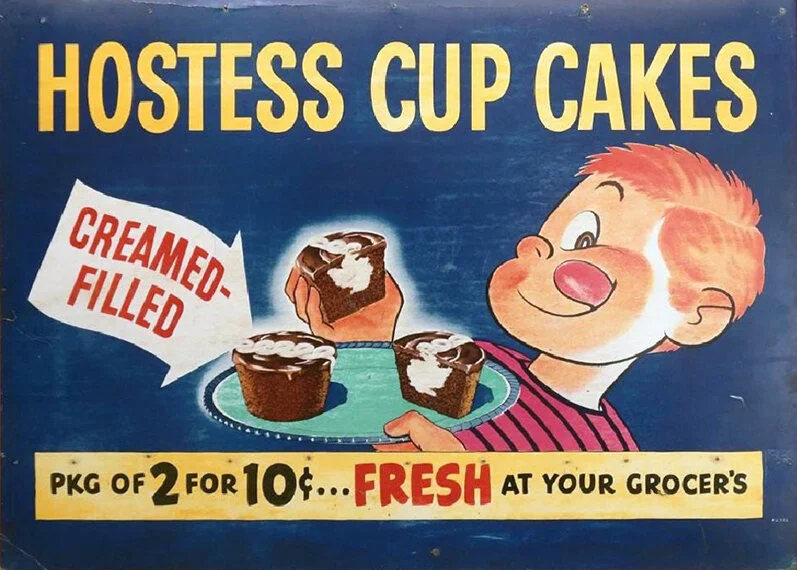
Yes, today is Hostess Cupcake Day here in the United States! Rather than indulging in the sugary treat, let’s celebrate with a vintage advertisement, shall we?

Yes, today is Hostess Cupcake Day here in the United States! Rather than indulging in the sugary treat, let’s celebrate with a vintage advertisement, shall we?


Discover: Recent First Person Reads I’ve Loved

“MY MOTHER IN THERE”
A few weeks after her mother dies, writes Marie Mutsuki Mockett, “I am forgetting that my mother was sick. Her essence has clarified…and my mind is furiously picking through memories, panning for gold, holding on to the nuggets that were her.”

LIFE IN MINIATURE
“More recently, I’ve felt that the worthier challenge may lie not in resisting the occasional backwards glance, but in trying to see that child [I was] and her fictions with compassionate eyes.” Kate Guadagnino on the solace of her childhood dollhouse.

FIGHTING THE INEVITABLE
“The ‘law’ was passed down in my family like a hideous heirloom.” Anna Dorn on doing everything possible not to follow in her father’s footsteps.

“WHAT ARE YOU WAITING FOR?”
“I never tired of talking to [my nieces and nephews] or playing with them; I’d happily volunteer for their parents’ less-favorite tasks, from diaper changes to dips in the pool. Pregnancy, though, still felt future state. But it would happen when the time was right. Right? Right.” Shelia Monaghan on the legacy of children.


Mementos, Memories, and Overwhelm

DISASSEMBLING A LIFE
Literary left-wing legend Frances Goldin had hoped that after she died, friends and loved ones could hold a “potluck shiva” in her home, “where people could take memorabilia and items they wanted or needed or that she had designated for them, while celebrating her life.” Covid had other ideas.

GRIEF, HIDDEN IN A STORAGE LOCKER
“My mother was kind and overly loving, yet she’d never told me about her life before me.” More than a decade after her mother’s death, Blake Turck finally has the emotional resolve to go through the stuff of her mom’s life—and learns that memories live inside us, not in things.

TCHOTCHKE CHALLENGES
“Especially with items of high sentimental and low financial value, documenting and sharing the stories and feelings associated with possessions can be a big step toward letting go.” Philadelphia–based personal historian Clémence R. Scouten offers advice for dealing with passed-down items to which we may hold an emotional attachment.


An Instinct to Preserve

FIGURING IT OUT AS SHE GOES
“Part of why I write about my own life, it’s my attempt to freeze all this ceaseless, endless, constant change,” says Alison Bechdel about her new memoir. “I just want to put down something that doesn’t move. Life is change.”

RECORDING LIFE
This senior “began making books for [each of her four children] on the day they were born, and presented each with a personal life history on their 60th birthday.” Now she is typing her memoir on a laptop her kids gave her.

VIDEO: UNINTENDED MEMOIR
Amy Tan: Unintended Memoir is an “intimate portrait [featuring] archival home movies, personal photographs,…as well as new interviews with Tan,” who speaks about traumas in her life and how writing helped her heal.

JEWISH STORY PARTNERS
“There is nothing like storytelling to foster connections and help us understand life’s deepest truths.” A new foundation aims to expand the range of stories told about Jewish lives.


Nitty Gritty Help

UM, WHY SO SMALL?
When many members of a family are contributing images to a memory book, chances are some of those pictures (maybe even your own) will not print well. Here are three common digital photo mistakes and how to avoid them.


...and a Few More Links


Short Takes


Read More

Hey, memories! Come out of the closet, will you?

Your memories live in your head and heart, but family photos, heirlooms & mementos sure do call those memories forth—how to use them towards a life story book.

Sorting through your family archive for items for your life story book should be more strategic than organizing everything for posterity.

Sorting through your family archive for items for your life story book should be more strategic than organizing everything for posterity.

One of the first steps in any life story project is to begin to gather all the stuff in your family archive.

By that I mean photos, journals, letters, and mementos—the stuff of your life.

Finding and inventorying these items will help you in two ways:

  1. as a tool for helping you prioritize and determine what is worth saving and what can be tossed—and how to plan for tackling the archive as a (separate) organization and preservation project.

  2. as a resource for finding those items that will help tell your stories visually for your life story book project.

That second one is what we are focused on here!


How to organize your family archive as a resource for your life story book

Ready to get started? Using this free chart or a digital spreadsheet, make a list of everywhere your items live.

Remember: This is a guide to preparing your archive specifically as a resource for your life story book! That means yes, you should be focused on items that you want to include visually in your book, but also items that simply spark memories.

What is included in your family archive?

A Family Archive Checklist

  • physical family photos in boxes, albums, and frames

  • digital family photos on phones, computers, old disks, social media accounts, and external hard drives

  • family papers, including genealogy documentation, birth and death certificates, etc.

  • letters, journals, and diaries

  • mementos such as ticket stubs, postcards, report cards, scrapbook ephemera

  • physical family heirlooms such as inherited china, heritage furniture, passed-down jewelry


Finding inspiration and raw material

Back to using your archive as a reference for your life story book: Consider all of the items in your family archive to be raw materials that you can both find inspiration in and use to help tell your stories. A few ways to mine your family archive for this project:

Resources for remembering

  • Use specific family photos to jog your memories about your childhood.

  • Use letters and journals to help you recall details and emotions of recorded experiences.

  • Pull out tickets stubs and other mementos that hold the most meaning and make you feel something strong—they’ll likely be fodder for compelling stories if they hold that much sway.

  • Consider your genealogical files to be fact-checking resources for names, dates, and relationships that may be fuzzy in your memory.

Materials to reproduce in your book

  • Photograph family heirlooms so they can be accompanied by their stories in your book, so years from now they won’t be some dusty relics but heirlooms with a storied pedigree.

  • Select key old photos to digitize for inclusion in your book: Pictures help bring your words to life, but they must be chosen wisely.

  • Perhaps your handwritten journals evoke your teen years or capture a particularly emotional period in your life: Consider reproducing a key page or paragraphs throughout your book if you think they will add texture and a visual touchstone.

At this point, you should be most concerned with identifying and locating those items that you feel will be most useful to you in your life story project. Make a separate list, and pull out those materials to have on hand. Consider this a separate collection specifically gathered to help you tell your life story.

“When you have finished your appraisal, you’ll be left with a collection of the best and most significant artifacts,” archivist Margot Note writes. “Because you’ll be focusing on the collections that have the most value, you’ll be able to concentrate your efforts on what is most meaningful to you.” Indeed.


Keeping your curated archive on hand

Now that you have a tighter collection of photos, journals, and mementos set aside specifically for your life story project, keep them on hand—as well as the bulk of your family archive that you designated in the beginning.

Just because you set aside a photo initially doesn’t mean it will be the best for spurring memories later on; you may end up going back to those boxes to find another shot, or flipping through a different journal to discover a later recollection.

Be gentle with yourself. There’s no “getting it right”—this is a journey of discovery! Try to be strategic and deliberate while sorting your family archive, and understand that it’s all too easy to get lost in memories and nostalgia while trying to organize. When you realize that’s happening, steer yourself back to the task at hand, and remember: All of this is to provide you with the opportunity to reflect purposefully later on.


free-inventory-tool-download-small.jpg

Printable Inventory Form

Download our free printable to help you keep track of all your life story project’s visual assets, from family photos to ticket stubs and journals—it’s easy-peasy.


Tackling your whole archive?

If you would like to tackle getting your archive under control, I highly recommend purchasing archivist Margot Note’s book Creating Family Archives: A Step-by-Step Guide to Saving Your Memories for Future Generations. She’ll walk you through how to handle your materials, the best supplies, to buy, and ways to display and share your personal archives. Keep in mind: This is usually a big (and sprawling) project that takes some time to complete, but it is well worth your effort (especially if you have children; as I have written about before, leaving them a mess of family mementos is usually more of a burden than a welcome gift).


Read More