
Memories Matter
Featured blog Posts
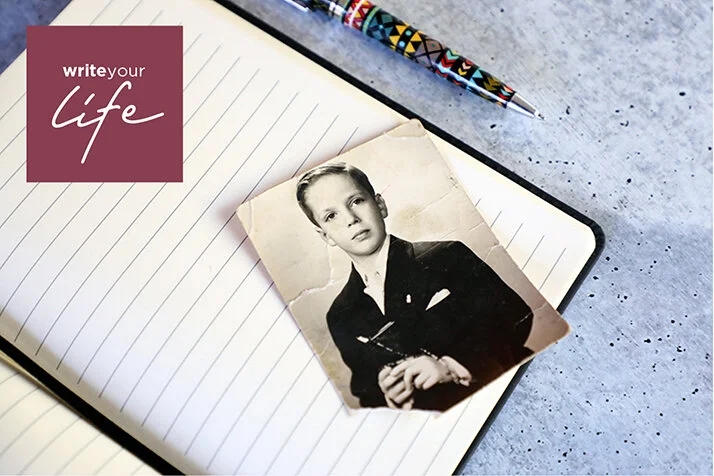

READ THE LATEST POSTS

Leave a legacy that is a blessing to your descendants
Your legacy is more than the assets you leave behind—much more. Here, three ways to leave a personal legacy that has a positive impact on your loved ones.
Happy memories. An example of a life well lived. A model of resilience. A set of values to guide one’s choices. An inheritance of service to others. Of gratitude. Faith. Love.
These are the things of a meaningful legacy.
For your legacy is more than merely the finances and property you leave behind. So much more, in fact. Your legacy is not something you leave for your family and friends; your legacy is something you leave in them.
3 ways to leave a meaningful legacy
This isn’t a blueprint for your life, just a few suggestions for leaving a legacy that has a positive impact on the loved ones you leave behind.
“Thoughtful focus on legacy not only brings meaning and context to our daily lives, but it also allows us to create and pass down a rich, multi-dimensional view of our lives to future generations,” my personal history colleague Clémence Scouten has written. I couldn’t have said it better!
So, here are three ways you can begin to preserve your legacy for those you love:
1 - Curate the stuff of your life now, so they don’t have to do it later.
Going through my mother’s belongings after she died was one of the hardest things I have ever done. Virtually everything I touched in her home held memories, and the weighty decision of what to keep and what to get rid of overwhelmed me in my grief. I was thoughtful (some might say overly thoughtful) about these decisions, but what if your descendants don’t have the time or inclination to be so discerning when the time comes to go through your stuff?
Make it easy for them:
Purge things from your closets and storage rooms that you don’t use (a gift to yourself now, too—you’ll feel lighter, I promise!).
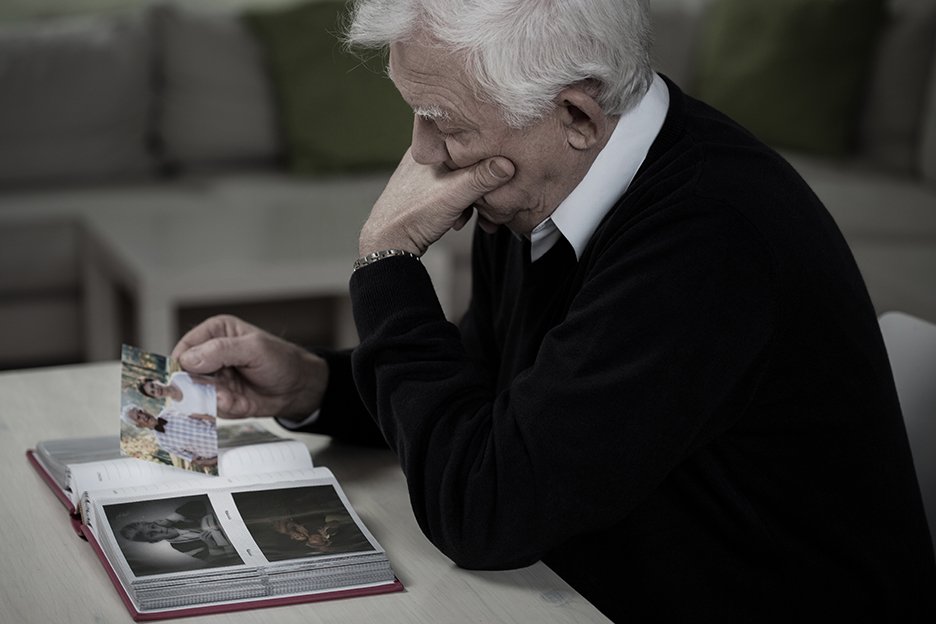
Organize and digitize old photographs and mementos. There are professionals who can help with this, if it seems like too much; reach out and I can refer someone to you in you area.
Photograph heirlooms and write up their stories on an index card attached to the back of each print: How old is it? Who did it belong to before you? Why is it special? (And remember, an heirloom is such because you say it is, not because it would sell well in an antique store—that well-loved stuffy your son clung to as a baby or your mom’s grease-stained, handwritten recipes are as heirloom-worthy as a string of pearls!).
Consider getting rid of “heirlooms” that either don’t bring you joy or that make you feel heavy or resentful. That rifle used by your Confederate ancestor in the Civil War? If it makes you feel bad, you don’t have to hold onto it; photograph it, write its story, then pass it on to a museum or other institution that can honor its history in context. Or that bulky piece of furniture that has been in your family for generations but that has no place in your home? Maybe refinish it, or ask your kids now if they like it—if so, sure, save it for them; but if they say ‘no,’ don’t hold onto it out of obligation, and don’t pass that sense of obligation (and guilt) onto them!
2 - Preserve your stories to inspire and guide them.
Have you ever wished you knew more about your grandparents’ lives? Heck, how about your parents’ lives? Be a good steward of your own family history and get those stories down! You have many choices for how to preserve your personal history:
Write your life stories. If you enjoy writing and have the time, by all means consider writing your memoir. Find resources for how to get started writing your life here.
Speak—and record—your stories. For many people, it’s easier to tell their stories out loud than to write them. Consider using some family history questions to guide you in your storytelling, or ask a family member to sit and interview you (having a compassionate and curious listener is incredibly helpful in eliciting meaningful stories). Remember: Hit “record” on your smart phone app to ensure you have captured everything. Find a helpful step-by-step guide to how to record your life stories here.
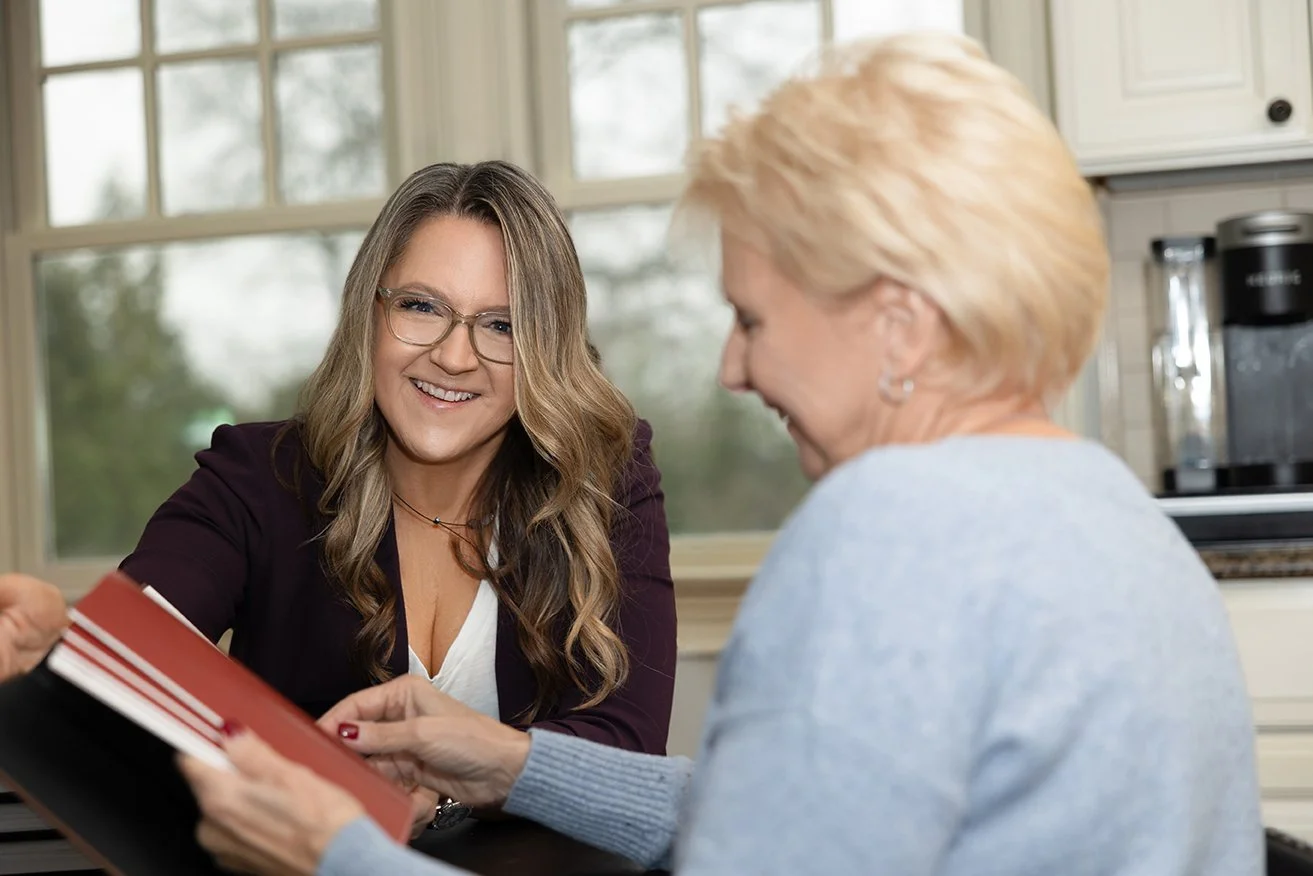
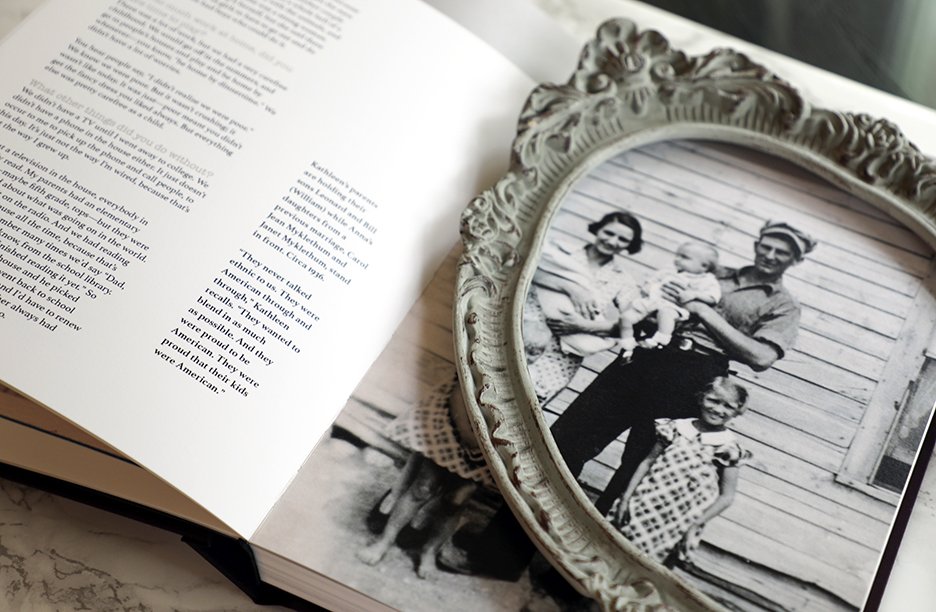
Hire a personal historian to help capture your legacy. There are those of us, like me, who specialize in turning the materials from our interviews into heirloom books; and there are colleagues of mine who produce video biographies or even audio snippets of your life. Why hire a professional? Perhaps you want to ensure the highest standards of your project, or maybe you are simply overwhelmed by the idea of where to even start, no less finish, such an endeavor. Or maybe you recognize that having someone to receive your stories—to bear witness, to engage with—can be invaluable. As Mark Yaconelli writes, “Each of us wants to catch the birdsong of our own life, but often we need a listener to score the melody, to sing it back to us, to help us whistle forth our own merry tune.” Amen.
3 - Live a life well-lived.
There are entire books, podcasts, and films made about how exactly to live a life well-lived, so I am certainly not going to sum up this idea here in a few words. I will say this, though:
Live with intention. Follow the path that feels authentic and right to you. And please, be gentle with yourself. You don’t want to live to create a legacy, of course, but remember that the WAY you live your life will be your legacy.
In closing, I would like to leave you with a few words from Rabbi Steve Leder, whose book For You When I Am Gone: Twenty Essential Questions to Tell a Life Story I highly recommend. He writes, “Let us leave words for those we love in order that we may journey with them long after we are gone, and let it not take imminent death for us to find those words and craft a more meaningful legacy.”
And: “We cannot learn from a story no one has ever told us.”
So, tell yours, won’t you?













Life Story Links: June 14, 2022
This week's curated reading list for memory-keepers and family historians includes lots on saving and sharing a family legacy—and why it matters—plus, new memoir.
“He who digs into the past would know that barely a millionth of a second divides the past from the future..”
—Eugenio Montale
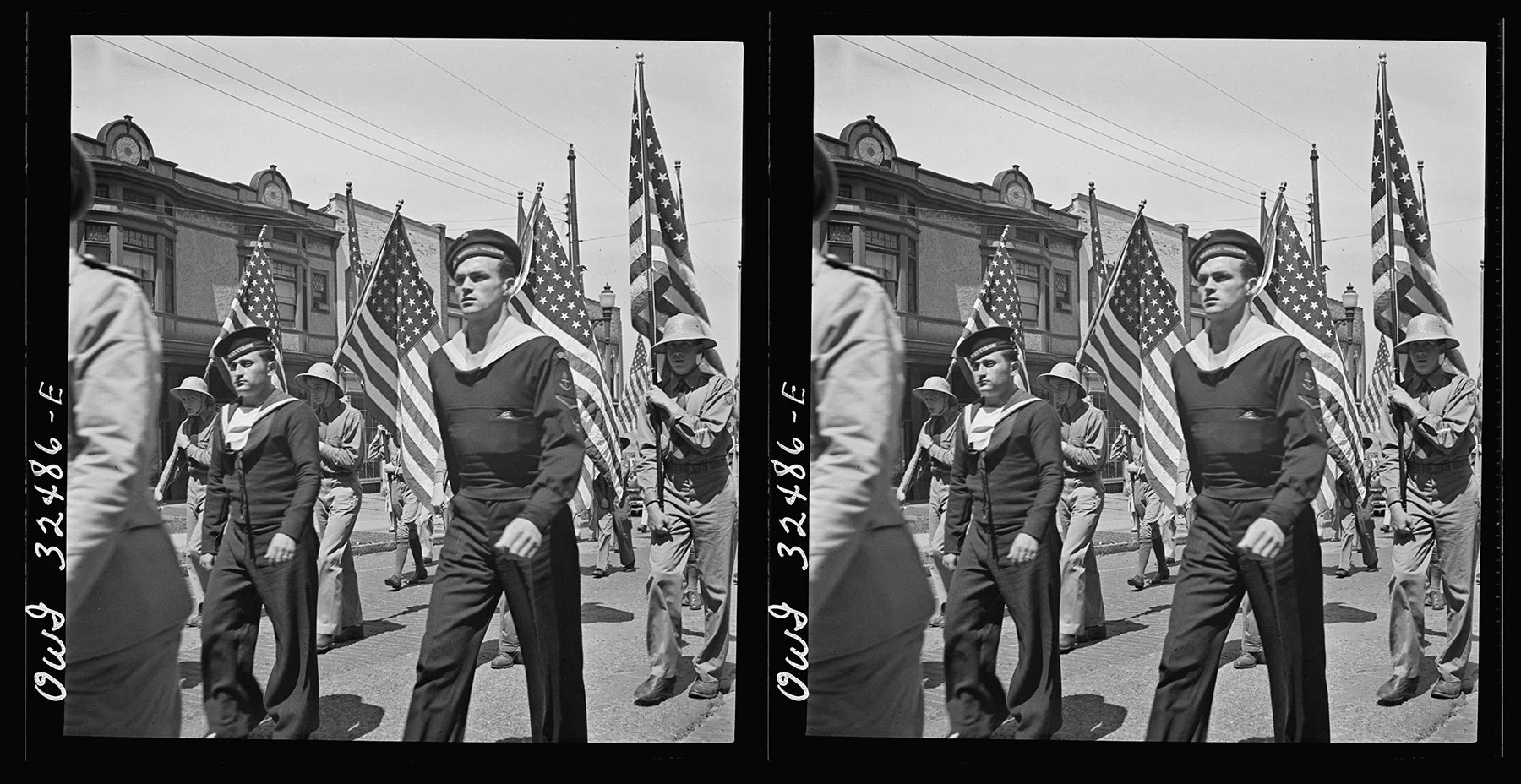
United Nations Heroes marching in the Flag Day parade during United Nations week in Oswego, New York, in June 1943. Photographed by Marjory Collins for the Office of War Information; courtesy of the Library of Congress Prints and Photographs Division Digital Collection.
What we capture
AVOIDABLE REGRETS
Nearly half of Americans in a recent poll regret not recording or documenting conversations with loved ones who have died; and many people (44 percent) wish others would record or document conversations they have to preserve memories.
SO, LET’S START RECORDING!
In light of the above-mentioned poll, I put together some resources to make it easier for anyone to record conversations and gather stories from loved ones—so we can begin to see an upward trend in legacy preservation…and avoid regrets.
Our families, our stories
YOUR STORY, OR THEIRS?
“How do I write about social workers who harmed a child I love? How do I write about her mother? What do I owe them on the page?” Sarah Sentilles wrestles with the notion of writing about others in memoir.
MEMORIES OF THE POGROMS
“Grandma eventually came to learn that the only way I would fall asleep was by listening to the soft sound of her voice as she described in detail her early childhood in Russia.” A childhood interest in stories becomes a lifelong search for legacy—then, a book.
LEARNING TO LIVE WITH GHOSTS
The Korean tradition of jesa, or memorializing ancestors, helped Joseph Han understand that “our loved ones’ memories and histories suffuse our world and continue to shape our lives long after they have departed.”
BEDTIME STORY
“I am speaking to an audience of one, who happens to be the book’s foremost subject, my 74-year-old father, Joe, or Daddy as Northern Irish naming conventions insist he must be addressed.” Séamas O'Reilly on reading his memoir to his father.
WHAT CONTRADICTION?
On the latest episode of Schmaltzy, a podcast that explores the intersection of Jewish identity and food, Hillary Reinsberg shares stories about the distinctly German-Jewish way of doing things at her grandparents’ New York home:
The power of narrative exploration
CONFESSIONAL WRITING, REFINED
“Melissa Febos’s recent essay collection shows us not only how to capture the difficult, intimate details of our lives in writing, but why we should.” Adam Dalva on the necessity of creative confession.
THE STORY WE WRITE FOR OURSELF
“Will you take some chapters from your family’s history and courageously edit and fit them into the vision for your life’s purpose? Will you dare to write completely new chapters based on your true passions and desires?”
NARRATIVE MEDICINE IN PRACTICE
Read an excerpt from The Healing Power of Storytelling: Using Personal Narrative to Navigate Illness, Trauma, and Loss by Annie Brewster with Rachel Zimmerman, and listen to an interview with the author and Here & Now host Robin Young:
SLAVERY’S LEGACY: ORAL HISTORY PROJECT
“This kind of oral history project has never been done before. Many will, for the first time, hear the voices and memories of people whose personal experiences are still inextricably tied to racial slavery, the transatlantic slave trade, and colonialism.”
...and a few more links
New memoir of Chris Blackwell, founder of Island Records, reflects on helping bring the music of Bob Marley, U2 and Grace Jones to the world.
A one-page “Empathy Interview Guide” from Stanford d.School
On the True Stories Well Told blog: “10 Minutes to Death” by Marg Sumner
Short takes
Life Story Links: August 9, 2021
A bi-weekly roundup focused on ideas and practical tips for preserving your legacy, writing about your life, and reading memoir and biography as inspiration.
“I had already planned the journey back. During quiet afternoons I spread maps onto the floor and searched out possible routes to Ceylon. But it was only in the midst of this party, among my closest friends, that I realized I would be traveling back to the family I had grown from—those relations from my parents’ generation who stood in my memory like frozen opera. I wanted to touch them into words.”
—Michael Ondaatje, Running in the Family
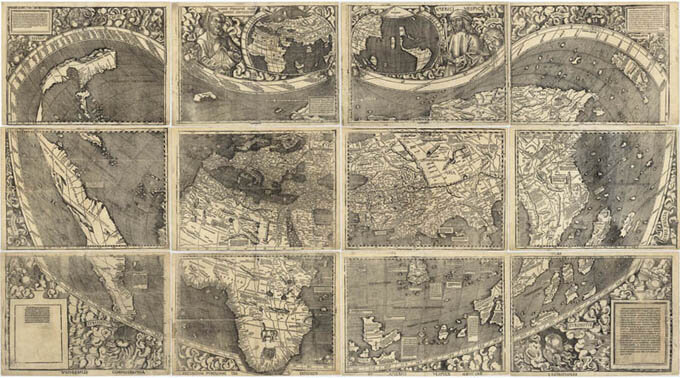
A little “on this day in history” trivia: On August 3, 1492, Christopher Columbus set sail for the New World. It is commonly believed that his contemporaries feared he would sail off the edge of the Earth, but the fact is that 15-century Europeans did not believe the Earth to be flat. This reproduction of a 1507 world map by Martin Waldseemuller (image courtesy of Library of Congress) is the first to label America and show it as a separate land mass.
What’s New in Memoir & Biography
FORWARD GLANCE TO POSTERITY
American writer Shirley Jackson “fully expected her correspondence to be published one day. (She implored her parents to save everything she wrote to them.)” This newly collected collection of her letters covers a range of quotidian concerns as well as her experience making a living as a writer while raising four children.
BY QIAN JULIE WANG
“Searing and unforgettable, Beautiful Country is an essential American story about a family fracturing under the weight of invisibility, and a girl coming of age in the shadows, who never stops seeking the light.”
AN EXPANSIVE BIOGRAPHY
“Even at the end of this extraordinarily intimate book, Mildred remains somewhat of an enigma. ‘Despite her wish to remain invisible,’ Donner writes, ‘she left a trail for us to follow.’” Why All the Frequent Troubles of Our Days is “a remarkable work of family history.”
HAPPY-GO-LUCKY
“‘Who are you?’ I want to ask the gentle gnome in front of me. ‘And what have you done with Lou Sedaris?’” A new personal essay by David Sedaris charms and intrigues.
Storytelling Miscellany
OPENING QUESTIONS
Last week I wrote about my three favorite questions to start a personal history interview with, and when to use each to initiate free-flowing and interesting family stories.
VISUALIZING FORGOTTEN STORIES
“Are women real keepers of our past? … How important in the context of collective memory is personal history, and should it be part of the school textbook? Is it possible that the carefully listened story will teach us sensitivity and openness to other people?” Questions raised by the Art & Memory exhibit based on oral histories of Polish women’s wartime memories.
FROM SUITCASE TO THE CLOUD
A new advertising campaign for cloud storage provider Dropbox portrays the company as a trusted partner for storing—and sharing—our most cherished digital mementos. Here’s a clip:
Learning from Memoir Masters
ANNE LAMOTT, UNCENSORED
“Now, we all love stories about ourselves, right? That’s what the tribal storyteller tells. And that’s what people like about my stories, because they’re the stuff in me that I know is universal and holds up a mirror to them.” Anne Lamott in conversation with Tim Ferriss about “the really real,” the writing life, and so much more.
BETH KEPHART, REFLECTIVE
Through teaching memoir, Beth Kephart has explored “how it feels to go unseen, how the fear creeps in when our stories keep their distance, how it is essential, always, to live with purpose so that we might write with meaning.”
Leaving a Legacy
ETHICAL WILLS
“You might make the mistake of believing you are in control of your legacy, when it is largely determined by the people who have been influenced by you in some way.” Massachusetts–based personal historian Susan Turnbull offers two-hour ethical will workshops.
INHERITING STORIES—AND RESPONSIBILITY
As the generation that experienced the world’s first atomic attack fades away, Hiroshima is training younger volunteers to share the experiences of nuclear survivors. The memory keepers, called denshosha, spend three years learning to tell a survivor’s story as the survivor wants it told.
LIFE WRITING AS RESPONSIBILITY
“Without stories imparted from grandmother to mother, to son to daughter, our DNA is as sterile as computer code, a raw set commands with no context.” A co-founder of Biograph on preserving generational wealth through intergenerational storytelling.
...and a Few More Links
Book publishing cost calculator: What to expect to pay for everything from manuscript editing to promotion
“Don’t be afraid to tell your stories. The world will be better because you tell them.”
Google Photos releases a memories widget for Android.
Show-and-tell for grownups in Toronto
Tips for how to make photography help, not harm, your memories
A list of things millenial kids might actually want to inherit from their parents (hint: they all involve family memories!)
Short Takes

Life Story Links: June 16, 2020
Our things hold stories, our stories hold meaning, and black stories matter as much as ever; plus pieces on how to plan a life story book & write a legacy letter.
“There are years that ask questions and years that answer.”
—Zora Neale Hurston

Civil rights marchers carrying banner reading “We March with Selma” lead the way as 15,000 parade in Harlem, March 1965. Photograph by Stanley Wolfson for World Telegram & Sun, courtesy Library of Congress Prints and Photographs Division.
The Thing about Our Things
TREASURE IN THE ATTIC
Sheltering in place has given some families extra time to explore long forgotten spaces in their homes—as well as the proximate family history. “Every time we find something I get to hear so many stories. I haven’t been recording them, but I should.”
DISCOVERING HERITAGE THROUGH FAMILY PHOTOS
“My grandmother explained to me the stories behind each photo, from the people in it to what was going on in the world the day it was taken. I wasn’t sure what I was more impressed with: how sharp her memory was or how well she had managed to keep so many photos from the past organized.”
LISTEN IN
“Sharing the story of the ‘things’ in our lives can help us share the past with our family,” Maureen Taylor says in her introduction to a podcast episode with guest Martie McNabb, founder of Show and Tales. My favorite thing she talks about: the difference between storytelling and “story sharing.”
Expert Tips
THREE-STEP PLAN
It’s not a simple thing to undertake a life story project, but it needn’t be overly complicated, either. Last week I shared three steps to make your life story book project proceed as efficiently and smoothly as possible.
LIFE LESSONS
A legacy letter, also known as an ethical will, is “a way to soul-search what I want the rest of my footprint to look like. What do I stand for?”
Black Stories Matter
#SHAREBLACKSTORIES
“It wasn’t until the beginning of high school that my dad started opening up to me about his experience as a black man living in America,” Rylee shares on Instagram, which is proving to be a force for sharing Black stories right now.
BLACK MOTHERHOOD IN SLEEPLESS TIMES
“As he sleeps his mouth moves as if he is still nursing, still tethered to me. I look at his perfect face, watch his mouth dance, and try not to think this is the safest he will ever be,” Idrissa Simmonds-Nastili writes in this powerful piece on (so much more than) sleep-training her baby.
STORY SNIPPET
“Dad, why do you take me to protests so much?” Two minutes and thirty-nine seconds of love and respect and conversation between a father and son in Mississippi:
ONE VOICE
“The most damaging day came when my son, at 11 years of age, had his drone picked up by a gust of wind, and deposited into the fenced back yard of a neighbor down the street,” Heather Stewman writes in this personal story of encountering racism in everyday life.
WITNESSES TO HISTORY
”Black photographers have been documenting the nationwide protests in a way that amounts to telling ‘our own history in real time,’ said Brooklyn, N.Y.-based commercial photographer Mark Clennon, ‘because our parents, and grandparents never really had a chance to have their voices heard.’”
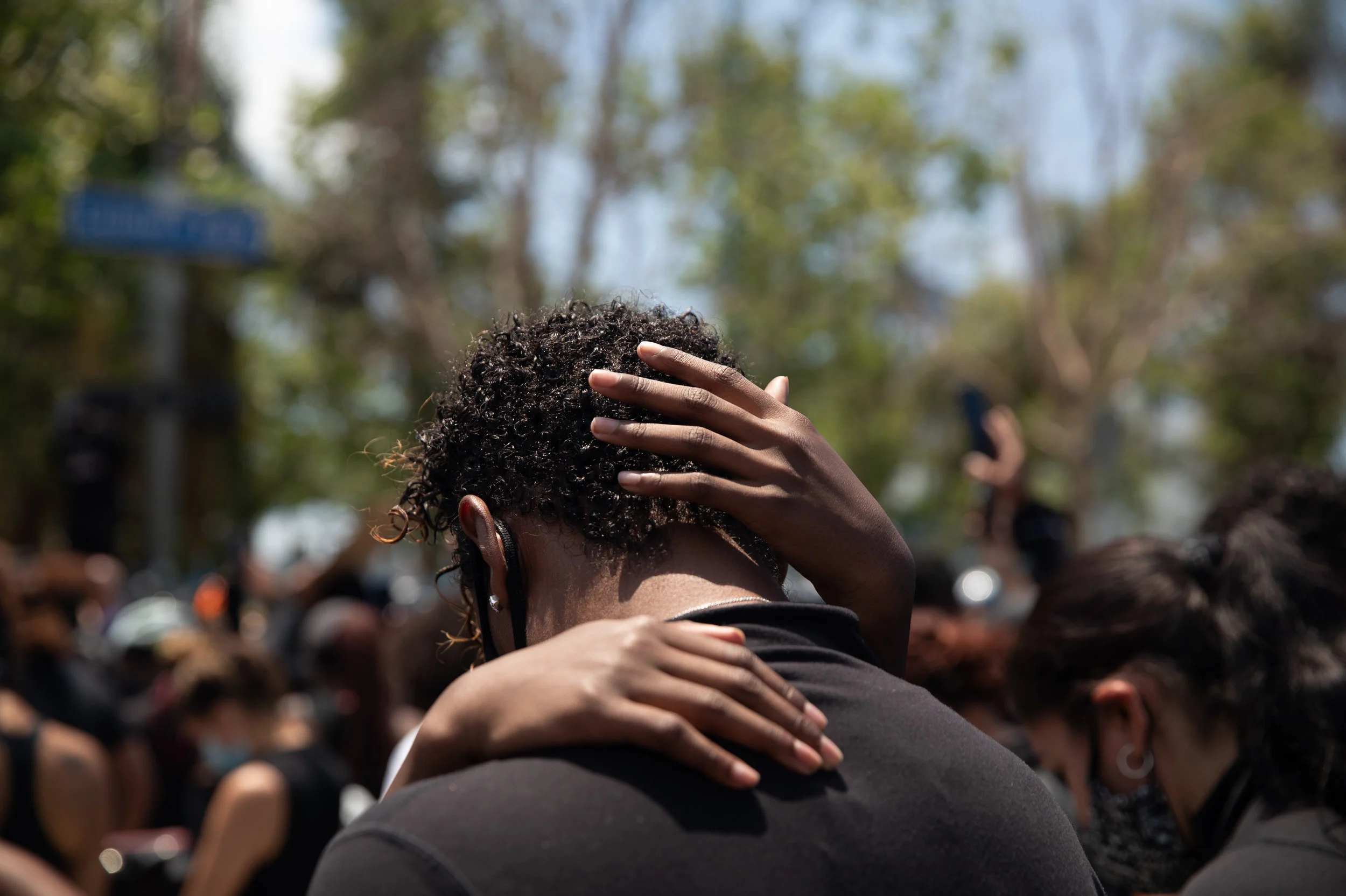
Photograph by Alexis Hunley of a parent and child sharing a tender moment during a protest against police brutality in Los Angeles on June 6. NPR shares a series of impactful photographs from eight black photographers along with commentary on their experiences. (Click photo or link above to read full story.)
HISTORICAL TRAUMA
“[An] individual’s parents or grandparents may have stories about how their own relatives survived the Jim Crow era, narratives that were marked by terror and fear of the white community.” Mirel Zaman explains inherited trauma.
Dose of Inspiration
“REMEMBER YOU ARE ALL PEOPLE AND ALL PEOPLE ARE YOU”
“Remember the sky that you were born under, / know each of the star’s stories…” A friend recently shared with me this 1983 poem, “Remember” by poet laureate Joy Harjo, and I want to share it with you—it feels oh-so-right for this season.
TOO MUCH MEMORY, OR NOT ENOUGH?
“At first, my desire to remember was formidable, but ultimately harmless… I had lost what I loved and with each detail I unearthed, I felt like I was regaining it,” Angela Rose Brussel writes in this meditation on grieving in the digital afterlife.
...and a Few More Links
Zadie Smith wrote an entire essay collection in lockdown.
Court records “provide amazing window into past”
Is Ball Four the greatest baseball memoir ever written?
Short Takes

Life Story Links: May 5, 2020
A plethora of stories about storytelling in the age of Covid; musings on what we pass on to our kin; plus video and biography links worth your time.
“Nothing can match the treasure of common memories…”
—Antoine de Saint-Exupéry

What We Pass On
THREADS OF TIME
“Necessity prompted me to pull out my fabric and sewing machine to create cloth face masks for our family, but Mom, gone 20 years now, was right here with me as I stitched, and remembered lessons she taught me,” Marjorie Turner Hollman writes in this reflection on her family’s sewing traditions.
AN INHERITANCE OF VALUES
It’s Leave A Legacy Month in Canada, and Scott Simpson of Heirloom Videos by Cygnals encourages everyone, wealthy or not, to leave a legacy beyond financial gifts: “What gets recorded gets remembered.”
STORYTELLING SCHOOL
The Moth has created a weekly educational blog with family-friendly stories and activities for children of all ages: Engage the hearts and minds of the young people in your lives through storytelling.
The Covid Diaries
LIVES INTERRUPTED
A window pane. A hospital ID. Unfolded laundry. When a history professor in California challenged his students to choose an artifact to represent their experiences during this pandemic, some of their responses moved him to tears.
A CASE FOR CORONAVIRUS JOURNALING
We are experiencing “a period that historians will debate for decades, even centuries to come. Our chance to control some of that narrative is in our hands.” And when it's safe again, “we will want to be able to look back at how far we have come and celebrate one another—together, knowing the story of our experience will live on.”
“REMEMBER WHEN…”
Memory researchers say these months will eventually become a blur for those of us isolating at home. A look into how memory works, and which memories may prove more lasting.
A VALUABLE INTERGENERATIONAL RESOURCE
Let us remind ourselves of the many positive roles that our grandparents typically play: as kin-keepers, caregivers, storytellers, and moving reservoirs of social histories. Of grandparents, memories, and the pandemic.
PRESS PAUSE
I can feel overwhelmed by all the ways I “should” be spending my newfound time at home. It’s okay, though, to get lost in our memories or stare out a window.
PRESERVING THEIR ‘PIECE OF THE EARTH’S DIRT’
The recent stay-at-home directive has led personal historian Pat Pihl to think about the role that home plays in developing our character. Here she shares one client’s reflections on 50+ years “at the farm” and the impact it has on three generations.
The Writers of Our Lives
THE ACCIDENTAL BIOGRAPHER
“She was an unknown writer with no experience in biographies when she wrote to the elusive Samuel Beckett. To her surprise, he wrote back.” This obituary for award-winning biographer Deirdre Bair entices me to read her work. Here, she is remembered as a friend.
THE MEMOIR IN ESSAYS
“An author’s ability to forgive that earlier version of herself is especially prevalent in the memoir-in-essays, perhaps because of the extended time period covered as a writer composes essays across years or even decades.” LitHub offers up a reading list of recent autobiographical essay collections.
ART AND OBJECT
“I believe that work like mine...can be inspiring to anyone who’s ever felt undervalued or unheard, or anyone who’s inherited material related to someone interesting but unknown,” Eve Kahn says. Her biography of American Impressionist Mary Rogers Williams used a trove of personal letters to recreate a life.
In Video
“DEAR DIARY…”
Hat-tip to personal historian Michelle Sullivan for sharing this video, which she so aptly captions “Kent State: a child’s perspective...or, the importance of encouraging journaling by children.” It’s a fine example of a personal history in the guise of a public radio news report.
“THE MAN WITH A BEAUTIFUL SMILE”
“New York’s elderly population need extra special care. Their stories should also be celebrated,” editors at Untapped New York say as they introduce this documentary project about an almost 100-year-old New Yorker and Holocaust survivor, George Sachs.
...and a Few More Links
Have you heard of The Mass Observation Archive?
How looking back at our old photos boosts mood and relaxes the mind
Amid the pandemic, a family learns their neighbors are their long-lost relatives.
Short Takes

The spirit of scrapbooking, elevated
While scrapbooking & personal history share a goal of preserving family memories, key differences include the approach to storytelling and the finished products.
When I was a kid I kept a scrapbook. It was filled with headlines either written in bubble letters or cut out from magazines to accompany photos and mementos of my school achievements, family milestones, and vacations. It was a labor of love, and even from the age of about seven I was conscious of actively creating something tangible to honor my experiences and soon-to-be memories.
These days the practice of scrapbooking has gone high-tech, with ready-to-download digital templates and easy-to-use book-making software. It’s big business. But the underlying motivation is still the same.
“Our mission is all about celebrating the vibrant and colorful threads of life...be it the joy of a wedding or a beautifully lucid moment with a parent or spouse suffering dementia,” says John Falle, owner of scrapbooking behemoth Creative Memories. “All are worth sharing, remembering, cherishing. What we do matters. A lot!”
Scrapbookers are often the de facto family historians in their circle. They are concerned with preserving memories, and ensuring that memories accompany photographs.
Occasionally, when I briefly introduce myself to new people who ask what I do, they jump to the conclusion that what I do is create scrapbooks for people. In a sense, yes…but in most ways, no.

A page from my mother’s amateur yet heartfelt scrapbook, including her school report cards from the 1950s.
How are personal history books different from scrapbooks?
Ah, let me count the ways…
Immediate vs. Reflective
Scrapbooking is often done on a regular basis, be it weekly or monthly, yielding a continuous flow of memories, generally chronological. Even when memories are shared thematically, they are usually done so in real time, not looking back from a distance.
Personal history is usually undertaken in a reflective way, an individual looking back on the currents of their life from a vantage point of age and experience. A personal historian such as myself helps discover the narrative threads that weave the story together, revealing meaning and layers of depth.
DIY vs. Bespoke
Scrapbooking is a DIY endeavor. Although people often engage in scrapbooking communally (whether through clubs or within a family or group of friends), the memories flow from one person’s mind onto the page.
Personal history is usually done in conjunction with a professional storyteller. We may call ourselves personal historians, personal biographers, editors, ghostwriters, or memoir coaches. No matter the name, though, we have in common the goal of helping clients dive deeper into their memories. Through one-on-one interviews and guided reminiscence, we empower individuals to tap into their experiences and illuminate their journeys.
Finished Products
With the advent of digital scrapbooking, the design and output of scrapbooks has become more and more sophisticated. Scrapbooks tend to be dominated not only by photographs but the inclusion of ephemera such as menus, place cards, and tickets, bits and baubles that add texture and a sense of nostalgia to the bearer’s memories. They are often output on home printers or saved to a digital scrapbook that continues to evolve.
While mementos of the same kind may be included in personal history books, they are design elements that help set a tone for a particular time period or life experience, and do not typically dominate a layout. Heirloom books created by personal biographers (also referred to as family history books, personal memoirs or personal histories, and life story books) are most often designed akin to a narrative book, with a table of contents, foot lines and folios, and the like, and are traditionally printed and bound.

Images and reproductions of mementos are used as design elements in personal history books, just as they are in scrapbooks, but the focus is on refined storytelling, and the final product is a professionally bound book designed to stand the test of time.
How are personal history books similar to scrapbooks?
The journey is as important as the end product. Story sharing can be healing or cathartic; it can help us identify patterns and change our life narrative even as we are living it. It is a gift to be heard, as well as to bear witness to another’s life stories.
Memories and family stories are valued enough to preserve for the next generation. Both a scrapbooker and a family biographer can undoubtedly envision their children (and maybe their children’s children) sitting on a couch flipping through the pages of a book, listening to an elder share their stories and create family lore.
If you enjoy scrapbooking, does that mean personal history is (or is not) a good idea for you?
If you are a scrapbooker, we share a nostalgic soul and genuine respect for the past. And, if you are a scrapbooker, you have already taken steps to preserve your memories (congrats!).
You are a scrapbooker who has a need for a personal historian if:
You want to capture stories of another family member besides yourself, and you don’t have time or inclination to interview that family member and help them curate their photographs.
You want to use your years’ worth of scrapbooks as memory prompts for telling a more cohesive story and preserving it professionally.
Does this describe you? Consider reaching out to me to see how we might be able to work together to take your scrapbook(s) to the next level, for you or for a loved one.

Life Story Links: June 25, 2019
The value of attaching stories to our stuff, ways to organize your memories around the artifacts of your life, and a moving eulogy honoring Gloria Vanderbilt.
“In writing, the big things in life are best illustrated by their small details. A recent widow struggling with the clasp of her charm bracelet for the first time since the death of her husband illustrates, illuminates and focuses in on grief. Go small and explode life’s large themes.”
—Marion Roach Smith

Boys just returned from hunting, Knox County, Kentucky, circa 1940. Photographed by Marion Post Wolcott, courtesy U.S. Farm Security Administration.
Lost & Found
MORE THAN STUFF
“If we want our family heirlooms and objects to have stories, then we must attach the story to them,” Kim Winslow writes. See how she does just that with a simple bench passed down from her husband’s mother.
FOUND PHOTOGRAPHS, MEMORIES GONE FERAL
Every photograph is “a marker, the living trace of a human who may otherwise survive only as a census entry, or not even that. We cannot discern their accompanying stories, and we can’t do anything for them.” The (missing) stories behind other people’s photos.
140,000 VHS TAPES
“This was not just a story about an archive, but a chance to use the archive to tell a story of the complicated person Marion [Roach] was,” filmmaker Matt Wolf says of his documentary Recorder: The Marion Stokes Project. I missed the screenings in NYC and Montclair, New Jersey, but hope to catch one soon.
After a Death
GRIEF VALLEY
“As much as I miss my dad (and I do miss him terribly) I miss the me that he knew, too. I grieve the loss of our shared story,” John Pavolovitz writes. When someone you love dies, you lose a part of yourself, too: “You lose the part of you that only they knew. You lose some of your story.”
GOODBYE TO AN ICON
Almost immediately after the news broke that Gloria Vanderbilt had passed away on June 17, tributes began pouring in on social media. Her son Anderson Cooper, with whom she wrote a revealing memoir, took to the air for this moving eulogy:
Ways In
TIMED WRITING EXERCISE
By limiting oneself in word count and time allotted for writing, undertaking any life story project becomes both more urgent and more relaxed. How to write a 300-word autobiographical vignette in 30 minutes.
CALL FOR SUBMISSIONS
Do you have a story about a time you were literally lost—maybe on a winding back road, in a sprawling city, or inside a cavernous building? Or maybe you were metaphorically lost, unsure of your life's direction, until that one moment or one person changed everything. Submit your writing to Hippocampus by Sept. 15, 2019, to be considered for their “Lost” themed issue.
OBJECT LESSONS
“Imagine telling your own story, your autobiography, around the artifacts of your life—your first trike, wagon and bicycle followed by the automobiles you owned…or other objects that are unique to your life”: Ideas for storytelling using objects as markers of time.
...and a Few More Links
He couldn’t talk about what he saw in WWII, so he painted it.
Memoir review: My Father Left Me Ireland
Check out the new website for Personal Historians Northeast Network.
Short Takes

Life Story Links: June 11, 2019
Storytelling in unexpected places, piecing together personal WWII histories, plus writing prompts, Scrivener notes, and curating our own legacies.
“I thought everything you wrote had to be about England; nobody ever told me you could write about growing up in Ireland.”
—Frank McCourt
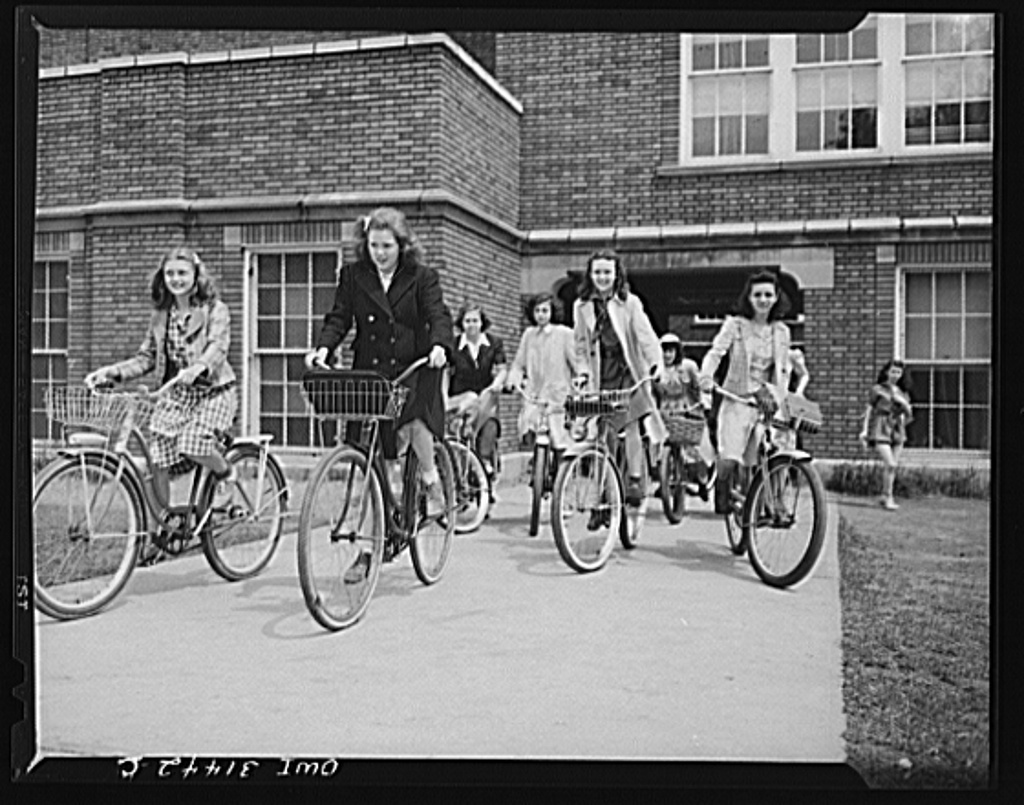
Schenectady, New York, June 1943. Photograph by Philip Bonn, courtesy Library of Congress Prints & Photographs Division.
What We Leave Behind
A MEANINGFUL LEGACY
“It’s easy to leave the house, the car, the money, the boxes of pictures,” Sarasota–based personal historian Curt Werner says. “But it’s much harder to leave pieces of yourself.”
MATTERS OF THE HEART
“I was looking for pictures that had the power to turn bitter memories into sweet. Images that said, ‘I love you more than anything.’ Images that whispered, ‘I can’t express how sorry I am to leave you.’” Mary Bergstrom curates her legacy while decorating a new home.
THE (DIGITAL) PIECES OF A LIFE
“If the only way to preserve her memories was to put together the pieces of her digital life, then we had to hack into her online accounts.” Historian Leslie Berlin recounts her desperation to break into her mother’s phone after she died.
Process of Discovery
A SCRIVENER WORKFLOW
Sarah White, whose First Person Productions is based in Madison, Wisconsin, describes her conversion from an occasional Scrivener user to a devotee who finds it “highly useful in finding the best structure for long-form writing projects.”
THE SELF-INTERVIEW
How interviewing yourself (follow-up questions and all!) can be a useful writing exercise for generating life story vignettes.
FILLING IN THE GAPS OF WWII VETERANS
“Those lauded as the Greatest Generation might just as easily be called the Quietest”—leaving family members to wish they had asked more, and to attempt to recreate their loved ones’ stories through a vast archive of war papers.
ONE FAMILY’S NUCLEAR HISTORY
“Never one to talk directly about his role as a pilot in the Second World War, my grandfather instead told my siblings and I scraps of his story that I would eventually stitch together into an incomplete whole,” Tyler Mills writes.
Storytelling in Unexpected Places
OFF THE CHARTS
“There is research that suggests when caregivers know their patients better, those patients have improved health outcomes.” See how personal storytelling is filling the gaps between patients and staff at VA hospitals.
DEPT. OF STORYTELLING
The city of Detroit has hired a Chief Storyteller. You heard that right—and with a team of storytellers on board, The Neighborhoods has become a platform that shares locals' stories and aims to change the traditional narrative surrounding the place they call home.
...and a Few More Links
Do you have (or need?) a writer’s will?
Some research suggests that events in our lives can affect the development of our children and perhaps even grandchildren.
Unique documentary series follows group of schoolchildren over six decades.
Have you listened to episodes from the new season of the StoryCorps podcast?
D-Day vet bonds with 9-year-old through the magic of music.
If you are interested in learning more about a family member who served in WWII, explore this Research a Veteran Guide.
New York State substitutes for the lost 1890 census
Short Takes
Dawn Roode’s curated roundup for the week of Sept. 23, 2026, is overflowing with recent reads on memoir, life story writing, and family history preservation.