
Memories Matter
Featured blog Posts

READ THE LATEST POSTS

Don’t call it a memoir. Just write your life.
Sometimes the idea of telling our "life story" is overwhelming. If we think of memoir as a series of smaller life narratives, though, the way in becomes clear.

Blogger and memoir writer Jerry Waxler says, “Vast numbers of people are aspiring to become storytellers, turning this into a boom time for the story arts.” Waxler teaches workshops where, he says, “people come with such longing to try to turn life into story.” That’s why people come to me, as well.
Telling stories
Why write your life?
Far from being narcissistic, “memoir is about handing over your life to someone and saying, This is what I went through, this is who I am, and maybe you can learn something from it,” says Jeanette Walls, author of The Glass Castle.
“It’s honestly sharing what you think, feel, and have gone through. If you can do that effectively, then somebody gets the wisdom and benefit of your experience without having to live it.”
This insight could as easily apply to a different type of writing about your life.
Writing a memoir not only sounds intimidating, but it also can seem lofty, maybe a little out of reach. Telling stories, though—that’s something accessible, more easily accomplished. And if done right, those disparate stories can have an equally profound effect on your family members and loved ones.
For that’s who I encourage you to share your story with: your children, and their children after them. Imagine the gift you’ll be giving when you share stories that make them laugh, cry, and know the reach of love.
Short stories, bound together by narrative thread
As a journalist, I am all too aware of the appeal of bite-size information (I have watched long-form journalism fall by the wayside as the media landscape has evolved over the years). We’ve become accustomed to sharing thoughts in 140 characters or less, and captioning our filtered Instagram photos for the greatest #impact.
But while I recommend sharing your stories in mini-narratives (and sometimes even list form), I don’t do so because of this trend toward brevity.
I suggest this form because
I think it engages people most readily and provides just the right amount of detail to both inform and tug at the heartstrings;
it falls within the range of most people’s writing ability; and
it is do-able (the worst-case scenario in creating a family narrative is to never do it, whether because the task is too daunting or it’s taking so long you never finish!).
And when you work with a qualified editor to help you find the narrative thread that binds your stories together—to add context, uncover meaning, and invite reader engagement—that once seemingly unreachable goal of writing a “memoir” is suddenly within reach!
Where to begin?
Consider…
writing in a daily journal,
setting aside two hours per week to devote to your life story writing,
or finding a likeminded partner with whom to exchange your writings (both to give you a reader and to provide a form of accountability).
If you would like to preserve your stories but you know you will never sit down to write them yourself, reach out to see how we can work together; often a personal historian is the answer for an aspiring memoirist who hasn’t yet taken the first step.
A while back I wrote about easy ways to find your way into life story writing, so if you’re ready to start, read this first!
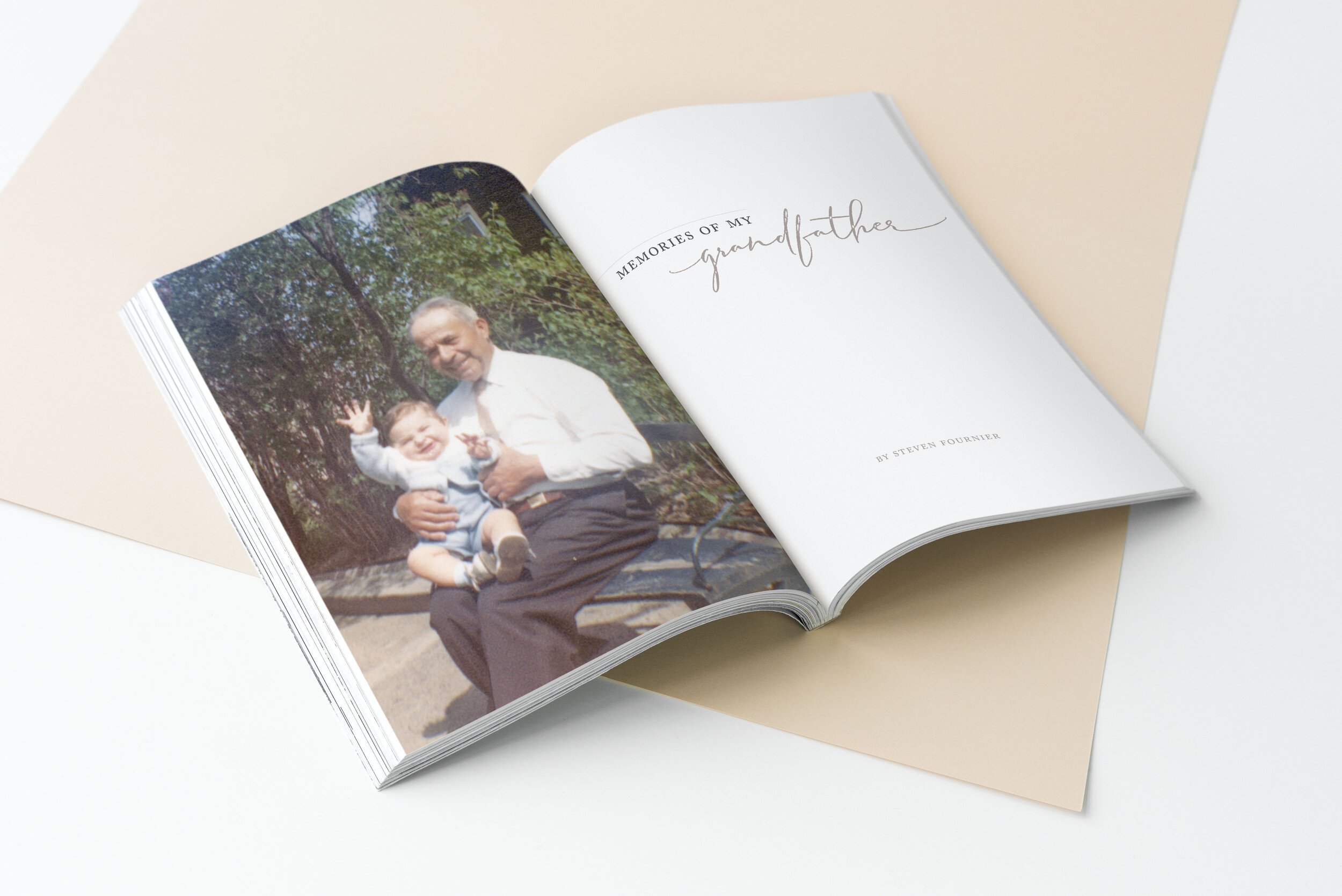
How to plan a life story book in 3 simple steps
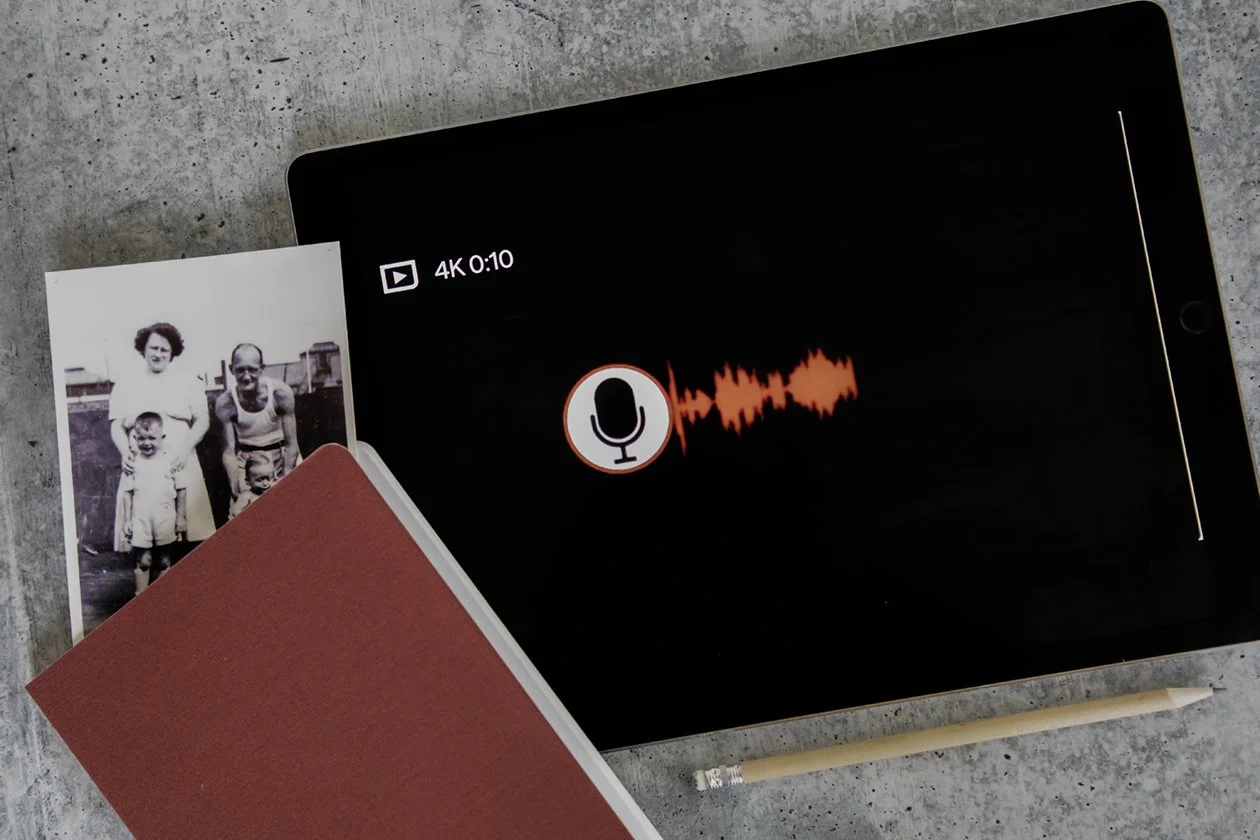









Jump around! Jump around!
You haven’t lived in a straight line, have you? Ditch your chronological storytelling and instead, jump around. Tips for developing impactful themes for your memoir.

Has the path of your life been one straight line? Yeah, didn’t think so—so why not jump around in time in your memoir for a more compelling read?
A straight line might be the shortest route between two points, but our lives meander and double-back. We haven’t lived in straight lines, so why should a story of our life make it appear so?
You might tell me about your life summarily—an outline quickly sketched. That’s “like the blueprint of a house waiting to be built, the most important details merely suggested by its basic lines,” writes Erica Bauermeister in one of my favorite novels.
What you might say in a single sentence—“we got married, had kids, and lived in that house until my wife died”—holds endless moments waiting to be explored: a lifetime in a string of 14 words.
But if you’re not going to tell your life chronologically—in a straight line—then where the heck do you begin?
Narrowing down themes for a life story book
Rarely do I think it’s a good idea to approach a life story book as a full chronological account of a life. That approach reminds me of history tomes about past presidents, for instance—books that go down like medicine, rather than enjoyable (and enlightening) reads.
Instead, approach your storytelling in smaller bites. One approach I often recommend is writing shorter vignettes and weaving them into a broader tapestry about your life. But even if you prefer a longer narrative in memoir form, it is important to focus on themes that both hold real meaning for you and that you feel will resonate with your family.
In order to narrow down those themes (one of the integral steps in plotting out your life story project), some initial brainstorming is in order.
Writing about one aspect of your life
If you know you want to hone in on a very specific chapter of your life for your book, here are two ways to approach that:
Broken up in chunks of time
A Slice of Life Portrait - remembering a day in the life or one pivotal year in your adolescence, for instance; while this time period is chosen for its thematic resonance, it fits neatly into a specific period of time.
A Discrete Time Period - the war years, your time spent in a certain home, your years in medical school, your months of being homeless, to name a few ideas
Broken up in themes
For example:
Strong Women in the Smythe Clan
Our Family’s Military History
The Annual Road Trips of Our Childhood
Irish Cooking in the O’Sullivan Homes
Four Generations of Stanford Grads
No idea where to start?
It’s more likely that there is not one chapter of your life that you know with certainty that you want to write about. If that describes you, you’re in for an exciting journey of discovery.
EXERCISE 1:
Brainstorm your memories.
Brew a cup of tea or pour some wine and get comfortable: It’s time to let your mind wander back in time to brainstorm—and by that I mean: write down your thoughts willy-nilly, with no concern for order or worth, no editing as you go.
Begin writing your memories via phrases—
that time Marcy broke her leg when we were hiking
the day I found out I didn’t get into Harvard
Nonna’s Sunday sauce
Johnny’s laugh
the Maple Street tree fort
I recommend setting a timer for 20 minutes for this exercise. It’s really about doing a brain dump and seeing what comes to mind first.
These memories may serve as writing or interview prompts later, but for now they are useful in looking for patterns. Did many of your memories fall within the context of lessons learned? Or take place at your childhood home? Did one influential person from your life come up again and again?
If you see repeated themes, those may be ones you want to explore for your book.
If you do not, then hold onto this page for use as memory prompts later, and move onto the next step.
EXERCISE 2:
Interview yourself about important chapters of your life.
Some questions to ask yourself:
What have been the major turning points in my life?
What are the most impactful decisions I have ever made?
Are there times of struggle that serve as examples of resilience, or that hold other lessons?
What are the most joyful times of my life?
What is my biggest personal success? Professional?
What has been my most memorable failure?
What have been the most challenging times of my life?
Is there anything about my career or vocation that is worth telling?
Who had the most impact on me growing up? As an adult? What did I learn from them?
What values do I most want to pass on to the next generation—and are there certain stories that exemplify those values?
What you want is to uncover moments of impact. Portions of your life that hold lessons. That shaped you. That are an integral part of your personal narrative.
You might be surprised by some of your answers. Be open and vulnerable when doing this exercise—allow yourself to remember painful times and regrets, not just happy times; even if these are not at the top of your conscious mind most days, the experiences shaped you and likely hold meaning.
This exercise is similar to one I conduct with my clients during pre-interviews. During this conversation we are exploring life themes and milestones, and determining what stories to explore more deeply, what memories to mine for lessons.
When working together, it would be my job—as someone distanced from your experiences and trained as an observant listener—to suggest possible approaches to your book. If that’s something you would like to explore, please drop me a line. I’d love to chat, and a quick (no pressure) 30-minute conversation usually does the trick.
If, on the other hand, you’d like to continue working on your life story book yourself, I recommend setting aside the pages from these two exercises for a couple of weeks. Then revisit them with a fresh perspective. That little bit of emotional distance can do wonders for helping you be more objective in narrowing down what topics to explore.
No matter what, I hope you give yourself the freedom to express yourself without filters during this exploratory period. It’s not the time to edit—or to judge. Be gentle with yourself, and be open-minded (and open-hearted). Your stories deserve to be told—you might as well be telling the right ones!
In a previous post I wrote about how to break down a life story book project into three broad steps.
Now that you’ve learned how to narrow down themes for your memoir project, find out about the remaining two steps:
Organize your family archive as a resource for sparking memories.






4 easy ways to find your way into life story writing
When the idea of telling your life story is intimidating, write your way in, one memory at a time. These tactics will help you finally get that memoir started.

You’ve thought about writing your life story. Perhaps it’s even on your long-term to-do list. But how to go from a theoretical wish for yourself (to get to “someday”) to an actual thing that you do, a practice that you begin and develop (day after actual day)?
Here are a few specific tactics for helping you begin to write about your life’s journey. As I have written about before, don’t let the idea of embarking on a full-blown memoir intimidate you; rather, start by writing your way in, one memory at a time.
1. Diagram your life.
Some people have one burning story to tell. Others find it difficult to immediately pinpoint anything.
Tristine Rainer, author of Your Life as Story, recommends diagramming your life to gain perspective. To do this, get in a retrospective mood, enlist the help of a friend or spouse (martinis also work), and plot your life’s six most significant moments. When you do it thoughtfully and honestly, there will usually be one pivotal event that stands out as particularly intriguing and/or meaningful.
If there isn’t, don’t worry. There are many different ways to diagram a life. Try dividing yours by critical choices, influential people, conflicts, beliefs, lessons, even mistakes. Experiment until you find the one story that wants to be told, the one experience that really fashioned you.
This exercise asks you to focus on formative experiences—a fork in the road or a small decision that ultimately had great impact on your life. If you prefer to start smaller, skip to No. 2.
2. Brainstorm persistent memories.
By persistent memories I mean ones that return to you again and again, often unbidden. Perhaps it’s memories of cooking with your Nana after school that repeatedly return to your consciousness. Or maybe you can’t let go of that one time you lost out on a promotion to a much-younger colleague. If an experience haunts you, it probably holds greater meaning than even you realize—and writing (or even talking) about it will often help plumb those depths.
Lisa Dale Norton refers to a recurring memory such as this as a shimmering image, one “that rises in your consciousness like a photograph pulsing with meaning.”
“These shimmering images are the source of your most potent stories,” she writes. “They have energy; if you squint at them you will see the edges of the image shimmer, wiggle with potential…. This shimmering is the energy of the story that waits inside the image to be told. That’s why you have remembered these images all these years. Over and over they come back, knocking at the door of your creative soul, waiting to shed light on your life, waiting to share the wisdom that resides inside them.”
So go ahead: Grab a piece of paper and jot down those memories that you revisit often. They’re familiar to you, so a simple phrase will likely suffice to jog your memory later (biking in Yellowstone, working at MoMa, that hand-me-down prom dress). When you are ready to write, use this as your own personal cheat sheet of customized writing prompts.
3. Use guided writing prompts.
There are plenty of family history and life review questions available across the web, including some here on my own site. And while I find that they can be powerful guides for life story writing of all kinds, I am here recommending slightly less direct writing prompts to get your memoir writing going.
Rather than walking through the front door, come in through a side window. Rather than doing a brain dump of your experiences from birth till now, hone in on a particular (unexpected) moment. A feeling as opposed to a plot. A peek inside your home instead of a drawing of your house.
Don’t ask yourself, “What was going to college like?” Do, as Beth Kephart prompts in her memoir writing workbook, “Write about leaving. Write with the understanding that you won’t remember all the details, but you will remember how leaving felt.”
Marion Roach Smith encourages us to “think in propinquities.” Don’t write about turkey and stuffing and saying grace on Thanksgiving, for instance. Instead, give us “an angle shot…a sidelong glance at how you learned new ways to be grateful.”
A few “sideways” writing prompts to consider:
Recall a time you felt unheard.
When have you wanted to turn around and go home?
What do you wish a friend would ask you?
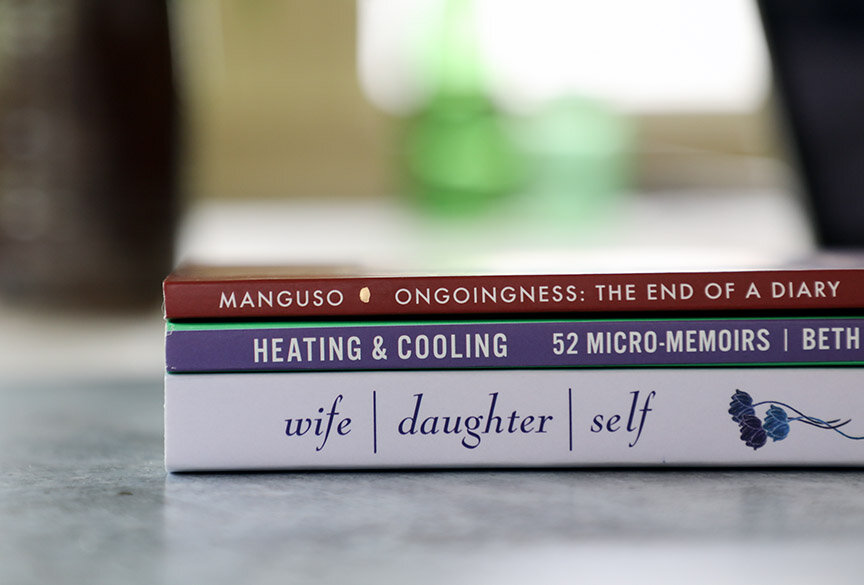
Find more such thought-provoking questions in these Q-and-A card decks and in Beth Kephart’s latest workbook, Journey: A Traveler’s Notes. And discover some of my own favorite life story vignette writing prompts that use your senses to help get the writing flowing.
4. Revisit the past.
Forget about writing. Instead, talk about your memories. Walk down memory lane with a loved one, gather with siblings to reminisce about your childhoods, interview an older relative, or hit “record” on your smart phone during a family reunion or holiday gathering.
The mere act of letting your mind wander back in time will bring memories to the surface and make them accessible when you sit down to write. Also consider jotting down notes while you are chatting with family, or using a voice recorder and an auto-transcription app to generate pages to use during your writing later.
Other ways to revisit the past for inspiration? Read your old journals (even—maybe especially—if they make you cringe!). Pull out some old family photos to jog your memory (check out this free download full of tips if this approach appeals to you.) And, my favorite, go for a walk in nature: As Henry David Thoreau wrote in his journal, “Methinks that the moment my legs begin to move, my thoughts begin to flow.”

Memory & writing prompts sent weekly to your phone
Short courses for anyone who wants to write about their life—just $15 for 8 weeks of guidance & inspiration!
Want to preserve your life stories but not ready to take on the project yourself?
That’s what we’re here for.
reach out to Dawn to see how, together, we can write your life.
The vignette: What to read to be inspired
Memoir reading suggestions to inspire your own vignette-style life story writing, from Annie Dillard and Kelly Corrigan to Robert Fulghum and Sandra Cisneros.

Reading memoir in the format in which you would like to write is an effective way to internalize style and discover what may and may not work for you.
Here are a few titles that, in my opinion, utilize vignette-style writing to its fullest potential.
Vignette-Style Autobiographical Writing
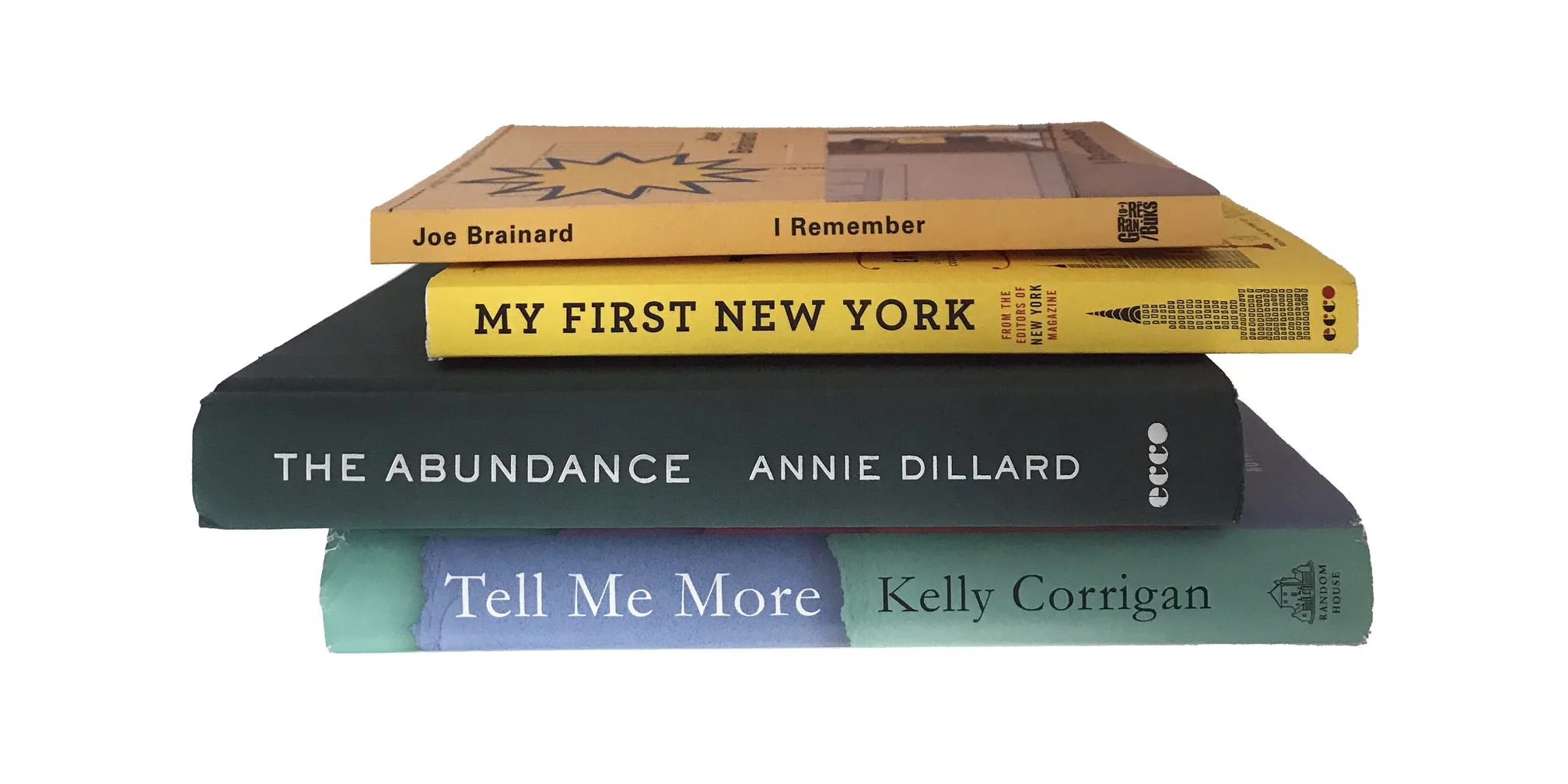
The Abundance: Narrative Essays Old and New
(2016) by Annie Dillard
The entry titled “Jokes” is a fine example of writing from family experience that feels particular and universal at the same time; even without a true narrative arc, Dillard develops her parents into real characters and paints a picture of her home that makes the reader feel a welcome guest.
Tell Me More
(2018) by Kelly Corrigan
Read this joy-filled, sensitive memoir not because it is vignette-driven (it is not) but because it very likely started out that way. Corrigan—who has been called “the voice of her generation” by O: The Oprah Magazine and “the poet laureate of the ordinary” by HuffPost—beautifully weaves 12 stories together to create a book that says plenty about her life, and ours. Consider Corrigan’s book a goal to strive for in terms of using life experience to convey something beyond yourself, and of editing stories so they transform into a whole that is greater than its parts.
My First New York: Early Adventures in the Big City
(2010) from the editors of New York magazine
This compendium of candid accounts from various luminaries puts New York City on the map in an entirely new and wholly personal way. Each vignette (called “small, glittering essays” by the LA Times) is an exquisite example of capturing a slice of life via an interview (translated for the book into as-told-to pieces), an approach anyone can try simply by speaking into your phone’s voice recorder and transcribing—and editing—later.
I Remember
(1975) by Joe Brainard
Dani Shapiro introduced me to this tiny gem during a memoir writing workshop a few years back, and I have recommended it countless times since. Brainard’s memories, recounted in a stream-of-consciousness fashion, are short and pointed, often mere phrases or single sentences, occasionally a brief paragraph, each beginning “I remember...”. Read this book to discover the power of short reminiscence, and emulate it to create your own list of prompts for future development.
Finding Inspiration in Fiction
The House on Mango Street
(1984) by Sandra Cisneros
This a great fictional model for vignette-style of writing. The book is a series of sketches and vignettes written in rich, poetic prose that together form a loose narrative about the author’s Chicano childhood. The vignettes add up, as Cisneros has written, “to tell one big story, each story contributing to the whole—like beads in a necklace.” Told in first person, the book reads like a true autobiographical exploration. Her language is lush and figurative, offering us a glimpse into her world without much editorial exposition.
Discovering Voice
All I Really Need to Know I Learned in Kindergarten
(1986) by Robert Fulghum
Robert Fulghum, whose eight nonfiction books all rose to the top of the New York Times Bestseller List, refers to his writing as “stories, observations, and affirmations.” His books are filled with anecdotes, wit, and wisdom around everyday experiences and life-changing transitions.
He says his “writing usually begins as journal entries—notes to myself—lines of verbal perspectives drawn from walking around and stopping at intersections as I move camp each year.” Fulghum says he molds his raw ideas into stories by sharing them aloud with a walking companion, thereby “editing” his stories as he goes. “In time, the stories and reflections migrate into book form,” he writes. “Even so, please keep in mind that I think of what I’m doing as writing letters and postcards to friends, always ending with the unspoken tag line: ‘Wish you were here.’”
Two more of Fulghum's titles to check out for inspiration for using a casual voice to capture vignettes that resonate:
What on Earth Have I Done? (2007)
It Was on Fire When I Lay Down on It (1989)
Related Reading on Vignettes
In “How to Write a Good Story in 800 Words or Less” you’ll find writing tips and, more importantly, one of the best examples of how powerful brief character writing can be, a 145-word piece by Meyer Berger.
Check out our Vignettes Writing Prompts series:
Learn how to use family photographs as writing prompts, and how to choose the best photos to use.
If you’d like memory and writing prompts delivered to your phone weekly, sign up for our short—affordable!)—Write Your Life courses.
Affiliate disclosure: As an Amazon Associate, we may earn commissions from qualifying purchases from Amazon.com.
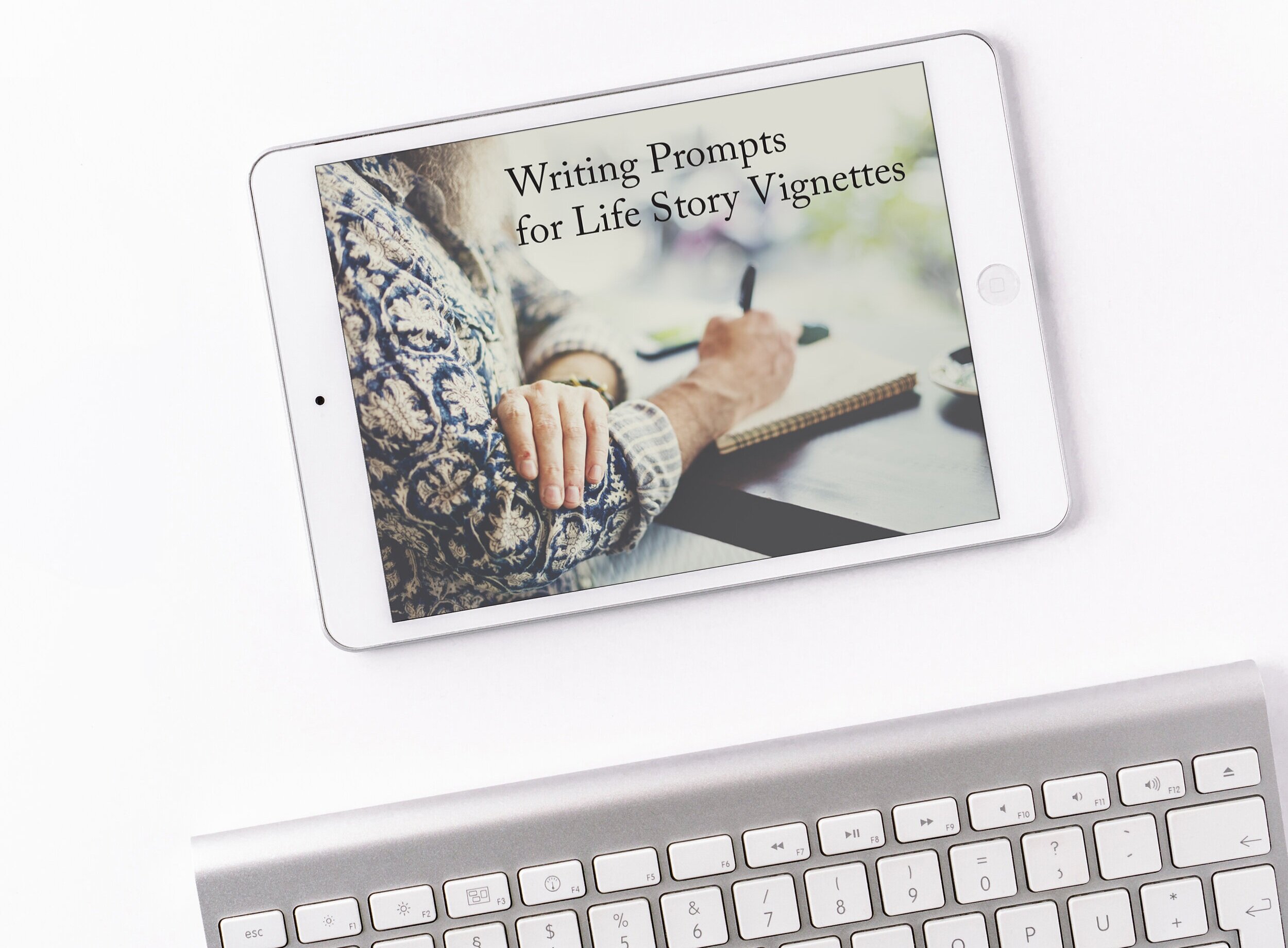
FREE Writing Prompts Guide
Get all our life story vignette writing prompts in one easy-to-read printable guide!
Writing prompts for life story vignettes: 300 words in 30 minutes
By limiting oneself in word count and time allotted for writing, undertaking any life story project becomes both more urgent and more relaxed. Ready, set, write!
Our first two parts of this series, Writing Prompts for Life Story Vignettes, offered up ideas for writing from the senses and a how-to for conducting a thoughtful self-interview. Here in Part Three, we provide a simple step-by-step plan for a timed writing exercise, along with three specific idea prompts to get you started.

300 Words in 30 Minutes, Step by Step
1 - set a timer for 30 minutes
2 - Begin writing on one of these topics:
Create a literary snapshot of someone close to you: a parent, friend, teacher, someone you love…
Think of a turning point in your life and imagine you had made a different choice (not going to college, telling your secret, becoming a parent)…
Write a vignette about an old family photograph in which you are pictured. What is the story of the moment in time captured in the photo—and what is just beyond the frame? What happened just after it was taken?
Whatever writing prompt you choose, try to include striking images that give readers a strong sense of what you see, hear, and feel about your subject.
3 - wait
Let your vignette sit for at least four days to give you some distance. Reread it.
4 - do a word count and edit
Too short? If your vignette is shorter than 300 words, add to your story (by fleshing out details or drawing emotional conclusions) until it reaches this goal.
Too long? If your vignette is longer than 300 words, edit the story down, aiming for a brevity that is crisply focused and conveys some essential truth.
The Value of a Timed Writing Exercise
“The hours we spend talking about writing is time we don’t spend actually doing it,” Stephen King asserts in On Writing: A Memoir of the Craft.
By giving ourselves a time limit, we feel both the urgency to begin (before time runs out!) and a sense of relief that an end is indeed in sight (what’s a half hour, after all, in the scheme of things?).
That urgency in turn inspires us to write from the heart, in our own voice (forget about sounding polished or overthinking things)…to just write.
Find more of our life story vignette writing advice:
Download Free Writing Prompts Guide
Get all our life story vignette writing prompts in one easy-to-read printable guide!
Memory & writing prompts sent weekly to your phone
Short courses for anyone who wants to write about their life—just $15 for 8 weeks of guidance & inspiration!
Writing prompts for life story vignettes: self interview
In Part Two of our Life Story Vignettes Writing Prompts series, guidance on conducting a probing self interview as an entry point to your stories and memories.
In Part One of our Life Story Vignettes Writing Prompts series, we offered five specific exercises for writing about your memories by using all of your senses. Today in Part Two we give you guidance on conducting a self interview as an entry point to your stories.

Getting to Know You
An oft-recommended exercise for first-time novelists is to “interview” their main characters: Imagine these fictional beings sitting before you, answering a list of questions of your making. By getting to know them, the thinking goes, the writer will be able to flesh out multi-dimensional characters with back-story, quirks and all.
Well, you are the main character of any memoir writing you take on. You know yourself, of course, but it’s a rare soul who sees himself objectively, or who looks upon herself with clear eyes.
So imagine you have been invited to sit across from Barbara Walters. You’re in a cushiony chair, glass of water within reach, ready to take on the tough questions. Ms. Walters, as you presumably know, is well known for making her guests cry, laugh, and gush as they open up about things they rarely if ever have discussed.
Preparing Your Questions
This is one occasion where I will not be offering up suggestions for questions! You must play the role of interviewer and interviewee here.
Be sure to ask the tough questions.
Ask follow-ups!
Probe beyond one-word answers.
Be thorough, asking questions about your past, present, and future.
Think about what you wish people knew about you—and consider answering those questions you wish people perhaps didn’t know, too. Open yourself up to the possibilities.
Generating your list of questions is as challenging a part of this writing assignment as answering those questions will be. Consider this: If you were a journalist about to conduct an interview with somebody famous, you would do your research first, and craft questions to shed light on some of the things you discovered.
Do the same for yourself. Record a list of milestones, big decisions from your life, and key relationships that might be worthwhile to explore. At least some of your questions should develop from here.
You might even consider including some questions that you truly don’t know the answer to yet—questions that will spur you to real introspection, and result in interesting answers that will no doubt prove fruitful for more in-depth exploration in writing.
Proceeding with Your “Interview”
Unless you are a Robin Williams wannabe, chances are you are not going to role-play both characters in this pseudo interview (if you do, please videotape and share—I’d love to see it!). Rather, you have two obvious choices:
Read your questions aloud to yourself, then answer aloud, recording your self-interview with a recording app on your smart phone or with a traditional mini-cassette recorder.
Benefit of this approach: It is often easier to talk at length than to write, and this method is more apt to retain your colloquialisms and the flavor of your voice.
Drawback: If you are going to use this as part of further writing, you will need to transcribe the recording to have it in print.Type, or write, your answers following each question.
Benefit of this approach: Writing something longhand is itself a contemplative act, and doing so here allows for periodic pauses for thinking and crafting your response. That thoughtfulness may result in answers that go deeper than if you were conversationally speaking them aloud.
Drawback: This approach can take longer, or may feel slightly intimidating to someone who does not consider him or herself a writer.
I don’t particularly recommend having a friend or loved one interview you for this exercise (though it is an approach I generally do suggest for family history preservation). Part of the value of this writing prompt is its privacy and striving for depth, and its aim to get you to share things you might not feel comfortable sharing under normal circumstances.
What Comes Next?
As with many generative writing exercises, I recommend setting aside your self-interview answers for a week or so before doing anything else with them. Once that emotional distance is achieved, then you might:
use your interview to write a longer vignette exploring one answer that was surprising to you (or revealing, or maddening, or…)
use the themes within to create a template for how to approach a larger life story project
discover questions that yielded only the beginning of an answer; if, upon rereading your answer, you feel the need to expound, then this may be a topic rife for your attention
determine which questions prompted you to share more than you expected, then (a) consider asking similar questions of a family member to capture their stories; or (b) think about going even further—what would chapter two of your answer be?
Find more tips for writing life story vignettes:
Download FREE Writing Prompts
Get all our valuable memoir-themed vignette writing prompts in one handy, printable guide!
Memory & writing prompts sent weekly to your phone
Short courses for anyone who wants to write about their life—just $15 for 8 weeks of guidance & inspiration!
Writing prompts for life story vignettes: Using the senses
In Part One of our Life Story Vignettes Writing Prompts series, we offer five specific exercises for writing about your memories by engaging all your senses.
When the daunting task of writing a major autobiographical work is broken into chunks, the writing becomes easier to manage. Guided prompts help rediscover lost memories.
In a previous post I introduced the concept of vignettes, and discussed why I think they are an ideal starting point for any life story writer. Today I would like to dive a little deeper and offer you specific writing exercises to help you get started.

Some general guidance for writing vignettes
I recommend keeping a list of ideas in a notebook: Jot down memories that come to you unbidden, people you would like to recall, moments from your life you would like to revisit. Write phrases and visuals that may jog your memory later—Poppy’s red Cadillac, fishing at Johnny’s lake, the first time I wore red lipstick.
Be specific. Be sensual (the smell of the fish, if that comes to you; the tacky feel of the lipstick, perhaps).
And when you need a little inspiration beyond your list of memories, try using one of the following prompts designed to get the memories—and your words—flowing.
sensory prompt 1: allure of a stranger
Go somewhere you can people watch: the mall, a park, the library. Sit in silence and watch. What do you see? Does someone catch your attention? Think: What is it about this person that ...
... seems familiar?
... scares you?
... moves you?
... feels trustworthy?
Imagine yourself sitting down comfortably with this individual over coffee. You can ask one question which leads them to share a story from their past—but you must answer the same question for them.
Write: Imagine yourself speaking directly to this individual, sharing your story and perhaps your reason for sharing and how it makes you feel (is it something you have never told anyone before? that scares you? that makes you proud? joyful?).
sensory prompt 2: power of music
Listen to your favorite album or song. Immerse yourself in it, avoiding other distracting activities while listening.
Write: Where does the music take you? Are you transported to a different time or place? Describe the scene, how you feel. How do different songs connect to different parts of your life?
sensory prompt 3: a room with you
Think of a room where you spent a lot of time as a child, a teenager, or even recently as an adult. Nothing monumental need have happened here; it is simply a place you have stayed, often. Think about the room: What do you see? Smell? Feel? Is there an object you touch? Is there someone with you—or in the next room?
Write: Describe this place in as much vivid detail as you can. Be specific, using all of your senses. Continue to explore who you were while in this place: Why were you there? Did you want to be there or someplace else? How did you feel? Would you return there if you could?
If you have chosen the right location, your writing will develop from external setting to a sense of internal place.
sensory prompt 4: show & tale
Choose an object from your life and write about it. Of course, what you choose will determine the course of your storytelling.
Think inside the box:
a piece of jewelry
something from your kitchen
a talisman/lucky charm
a trophy
your camera
a handwritten recipe
…and outside the box:
a tattoo
your curly hair
an old car
a tree from your childhood yard
Write: Imagine yourself touching the object, and describe that sensory experience. Tell the story of your object, weaving yourself into the story and finding the meaning and significance of the role this object has played in your life or a loved one’s life.
sensory prompt 5: taste of the past
Think of a time when someone you loved cooked for you. Perhaps it was a holiday gathering, or more likely it was an ordinary day—cookies during after-school homework, say, or breakfast before a family road trip. Close your eyes and try to conjure the smells and tastes of the food, and use them as a gateway into your memories.
Write: Start not with the food, but with your loved one, and describe the scene: the cooking, the discussion, the background noise and plans for the day. What was your loved one wearing? How did they make you feel? Were you aware that the act of cooking for you was an act of love? Have you made this food for someone?
Your FREE Writing Prompts Guide
Get all our life story vignette writing prompts in one handy, printable guide (and yes, it’s free!).
Read more vignette writing tips
This is the first in a four-part series on how to begin writing your life stories with short, evocative vignettes.
Explore the other posts in this series:
PART 2: Writing Prompts for Life Story Vignettes: Self Interview
PART 3: Writing Prompts for Life Story Vignettes: 300 Words in 30 Minutes
And if you}re interested in beginning a larger life story project to preserve your stories for the next generation, start here: How to Plan a Life Story Book in 3 Simple Steps.
Want weekly memory prompts?
Discover our annual subscription of life writing prompts!




How to use short vignettes to create a mosaic of your life
How the best life story vignettes are powerful ways to capture your past, and why writing short pieces from your memories is a smart way to begin your memoir.
While most of my clients share their stories in a series of one-on-one personal interviews (which we then transcribe and edit into a larger narrative), some have already written—or are trying to write—their memoir. It’s usually when they are stuck that they seek our help, but it’s my goal to empower everyone to be able to write their life stories for the next generation, whatever route you take.
Since one of the most debilitating fears I hear is, “How would I even begin to tell my story?!” I often advise: Start anywhere—just start small.

“What is a vignette?”
vignette (noun)
vi·gnette | \ vin-ˈyet , vēn-\
a : a short descriptive literary sketch
b : a brief incident or scene (as in a play or movie)
A vignette is a recollection of a memory or an episode from your life told evocatively. It is a snapshot of a moment.
You may describe it in your own voice, or using dialogue reconstructed as best as your memory allows, using language to recreate your sensory experience—what did you smell, how was the light, what textures might you have touched?
“Vignettes are tiny essays, story placards, postcards of injustice, single-image stories, little wisps of big ideas,” Tamara Pearson writes in Red Wedge Magazine.
The best life story vignettes transport the reader to the scene and elicit reactions—feelings.
There are two primary reasons I encourage people (non-writers, particularly) to begin with a vignette:
It is a lot less intimidating to write one scene than “the story of your life.” And any writer will tell you: Just write. The words will not begin flowing unless you start.
If you don’t have to worry about traditional story structure—beginning, middle, end; plot, conflict, resolution—the writing process becomes more straightforward.
So don’t worry about story structure and especially, don’t think about the BOOK. Simply think about your memories.
“How do I create a life mosaic from a series of vignettes?”
Assembling shorter pieces into an extended work is more than copying and pasting the vignettes together in one document. It’s more, indeed, than even thematically grouping them.
Editing the stories, finding the narrative in order to group the vignettes for impact and cohesion, revisiting and embellishing some and discarding others—all of these tasks should come on the heels of writing.
While I have referred to the resulting narrative of assembled vignettes as a mosaic, Tristine Rainer, director of the Center for Autobiographic Studies in California, calls it a quilt. “When you follow the quilt model of assembling a work, you spontaneously write and collect pieces that seem to you thematically related. As you proceed, a pattern or story begins to link the pieces. Certain areas will easily cluster, but you won’t have the whole picture until it is all in place.”
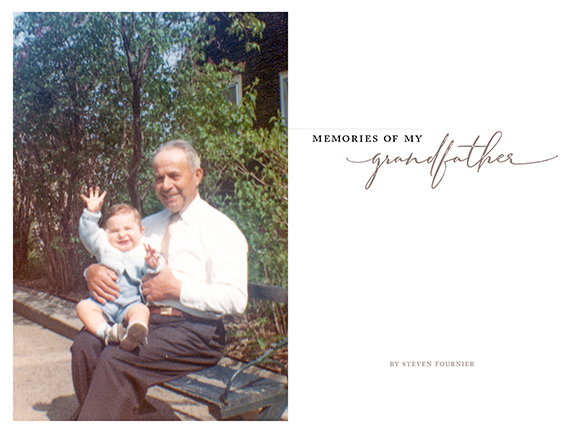
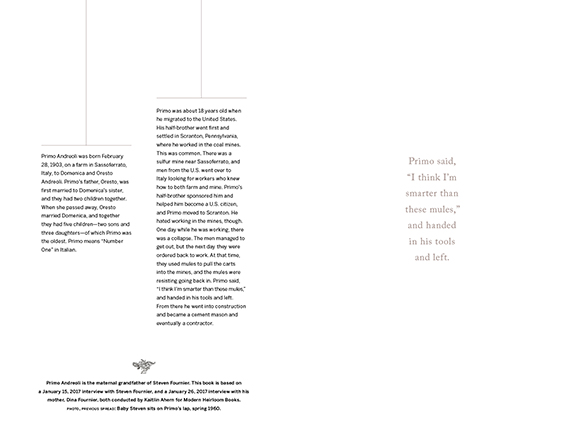
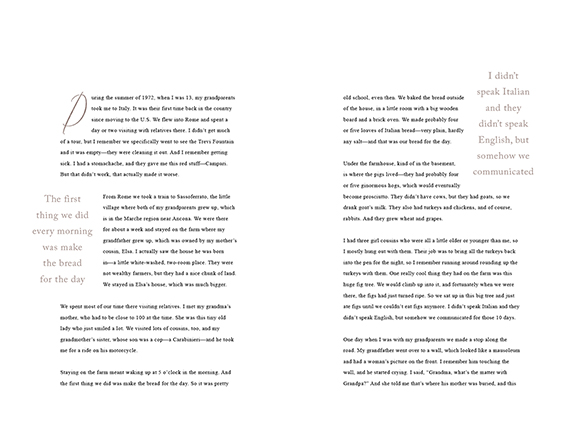
Additionally, I prefer to enhance the written words with photographs that help bring them to life—that allow readers multiple entry points to engage with the text. Imagine a coffee table book about the Civil War sitting beside a 1,000-page tome void of any pictures—which would you pick up? Even if the stories of my ancestor were highlighted in each of these books, I would undoubtedly look at the coffee table book first.
How material is presented makes it more (or less) accessible, and I take the viewpoint that you are writing these stories so they will be read (ideally, often). So let’s invite people in! Taking the time to design a mosaic of these stories cohesively—and beautifully—ensures that they will live on. That your legacy will be recounted and woven into the fabric of your progeny’s lives.
“What if I can’t get past writing the vignettes?”
When you have written a series of vignettes from your life, you will have created a wonderful legacy for generations to come. If taking the next steps seems daunting, consider hiring us to edit, compose, and package your stories into a cohesive heirloom book.
Even if you’re not ready for that, though, remember, as Lois Daniel asserts in How to Write Your Own Life Story: “You may be able to enhance your stories by the way you arrange and connect them, but you can’t diminish them, so move ahead with confidence.”
And no matter what, share your stories with those you love—please.
Check out more in-depth posts on memoir-style vignette writing
Here is some helpful content to help you get down to the nitty-gritty of writing your life stories. Check out our writing prompts series and explore more on memoir and life story writing, starting here:
Dawn Roode’s curated roundup for the week of Sept. 23, 2026, is overflowing with recent reads on memoir, life story writing, and family history preservation.