Memories Matter
Featured blog Posts


READ THE LATEST POSTS

Should you share your full adoption story?
Preserving the full story of your adoption journey may mean sharing some of the pain, too—but how much you include is a personal decision. We can guide you.
Adoptive parents recount memories of wishing and waiting and hoping for their children, but the truth is that the challenges often go well beyond a long wait. So, too, does the joy and fulfillment of adoption. Preserving the full story of your adoption journey may mean sharing some of the pain, too—but how much you include is a very personal decision. We can help you record your stories in a compassionate and meaningful way, preserving your adoption journey exactly how you want to.
When the adoption process is joyful, but not easy…
Your adoption story is worth preserving.
“Adopting one child won’t change the world; but for that one child, the world will change.”
World-changing. That’s what your family’s adoption story has been. And the story of something so profound should be preserved; should be accessible for your family as it matures and grows; should become an origin story so often revisited that it becomes family lore, an heirloom both physical and spiritual.
In a previous post we wrote about 9 Reasons Why Your Adoption Journey Is Worth Preserving. But just because your journey to parenthood was profound and joyful and life-changing, does not mean it was easy.
“I say to everybody: Adoption is not for the faint of heart.” —Mariska Hargitay
Children who were adopted experience feelings of loss, often grieving for the family they have lost and the world they knew before. Transitions to new schools, new homes, often a new country, can be unsettling, profoundly impacting a child’s sense of self. Adoptive children may have histories of trauma, or other types of special needs.
Adoptive parents may face great challenges—emotionally, psychologically, logistically.
Even the adoption process itself may be anything but smooth.
So where does that leave adoptive parents in chronicling their personal adoption journey? Do you include the good, the bad, and the ugly in an Adoption Journey book? Or do you focus on the positive and create an archive of the joys of newfound family, a historical record of how you adopted and how you became a family?
That is up to every family, and the answers may not be immediately clear.
Depending upon where you are in your adoption journey when you make your heirloom book, you may choose to include different things—in particular, different levels of reflection. An adoptive parent whose children are now older may have better perspective to help him talk about the more challenging times with an understanding and open heart. A parent who adopted a child only a year or two ago, on the other hand, may not yet be able to articulate how her own emotions or her child’s challenges are impacting their lives.
Consider what your family will want to remember.
An Adoption Journey book is a record of a milestone in your family's life. It is celebratory, without question, marking a family's reunion with their new child.
But, as with all personal history books we undertake at Modern Heirloom Books, we aim to tell your whole textured story—not every detail, but the experiences that shape and transform you. And, well, life is not all champagne and roses (despite what our Instagram feeds might proclaim!).
Consider that including some of the hard stuff in your book may be revelatory or healing for your children. It may remind you of the anxieties and pressures of the adoption process—but you persevered. Perhaps including glimpses into the struggles you and your children face as you continually evolve as a family will help you better appreciate the joys—and, research shows, it will help your children be more resilient.
What are we talking about here? Some of the more challenging aspects of the adoption journeys we have chronicled in the past include:
agencies that have lost accreditation mid-process
adopted children whose mourning process or transition to their new life was prolonged or painful
lost paperwork (redone only to be misfiled again)
lack of transparency throughout the process
financial, legal, or medical obstacles
We want you to cherish the triumphs, but to appreciate your full journey. That may mean alluding to one or two of your challenges such as these, or delving deeply into one of them that especially marked your family's journey—or rather, focusing exclusively on the good.
Our interviewers are compassionate listeners.
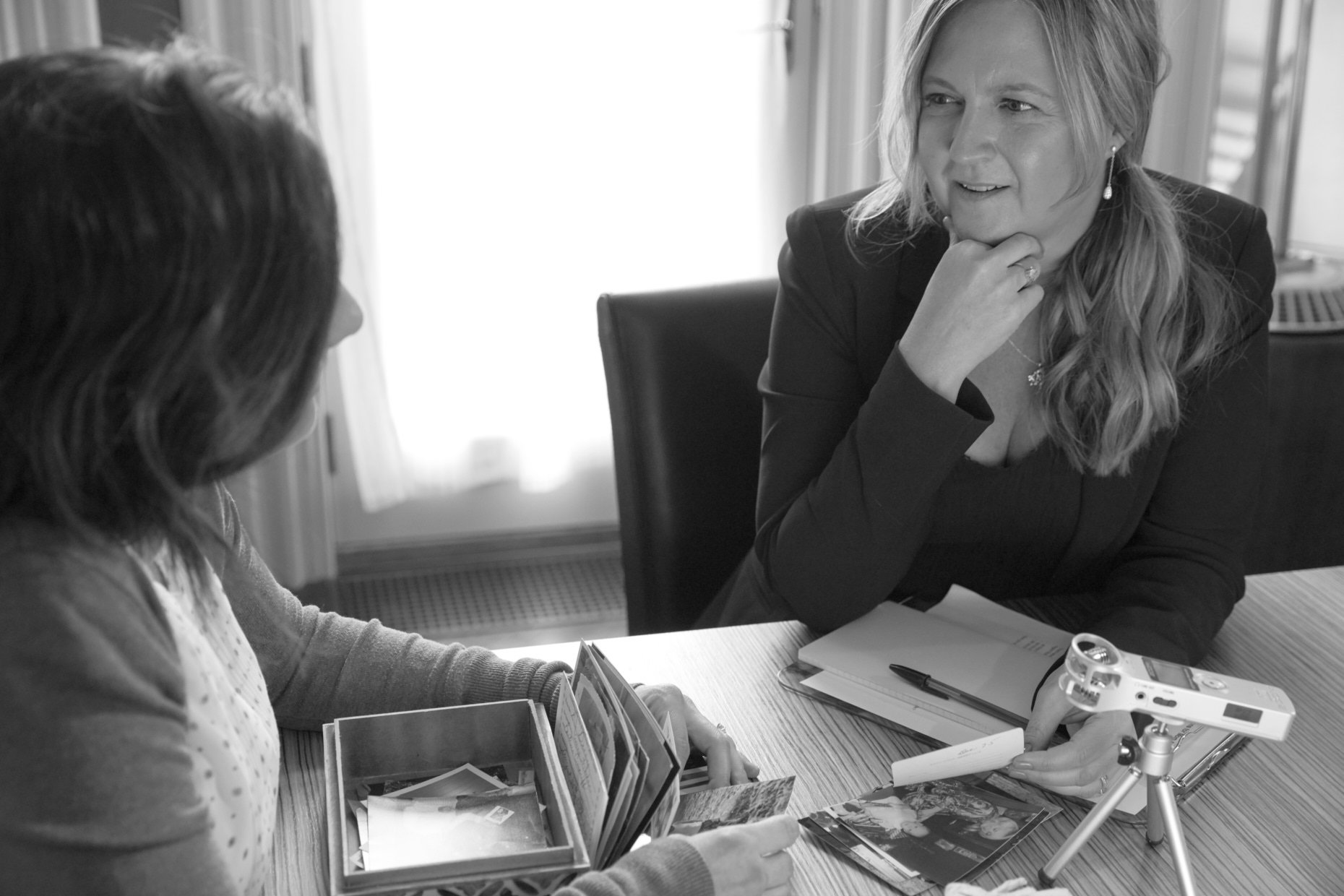
One of the benefits of creating an Adoption Journey Book with us is that you, the adoptive parent, are often able to work out what is best to include through discussions with your editor. Our personal historians have your best interest in mind at all times, and listening is a skill we take seriously. You may even request an interviewer who is an adoptive parent, too, if that makes you more comfortable.
You will recount your story through a series of hour-long interviews, and during those Q-and-A sessions we will hit upon things that may not be right to include. Our editor can make suggestions for ways to present difficult material; or if you simply realize some of the stories are off-limits, then we respect that, as well.
At all times, remember: This is YOUR story of adoption and family and love. We are there to help you tell it the best way possible.
Related Reading:
Why you should preserve your adoption journey in a book—9 compelling reasons!
Have another family story you would like to preserve in a book? Check out our Memories-in-the-Making offerings, our Legacy Books in honor of lost loved ones, and what makes a Modern Heirloom Book special.
No matter where you are in your adoption journey, now is the best time to act: Preserve your adoption story in an Adoption Journey heirloom book. Because you will cherish this story forever.

Experience RootsTech 2019 from the Comfort of Home
RootsTech 2019 offers opportunities for accessing the family history conference from home. Highlights, and how to get the most from your virtual experience.

RootsTech 2019 takes place in Salt Lake City, February 27–March 2, 2019—but if you can’t make it to Utah, you can experience much of the family history conference virtually.
Discover Your Story, Discover Yourself
“Discover Your Story. Discover Yourself.” So reads much of the literature promoting this year’s RootsTech conference. And while a majority of sessions focus on nitty-gritty genealogical exploration, there is plenty to learn about storytelling, family history interviews, and preservation of those stories through technology.
RootsTech is billed as “a global family history event where people of all ages learn to discover, share, and celebrate their family connections across generations through technology.” And while there is much that can be experienced only at the Salt Palace Convention Center—such as the hundreds of exhibitors in the expo hall, one-on-one mentoring opportunities, and the serendipity of new connections forged through in-person meetings—the RootsTech team has provided ample opportunity for experiencing the event from the comfort of your home.
Free Streaming Schedule: Highlights
A full streaming schedule for RootsTech 2019 includes a detailed list of keynote speakers (including Diahan Southard and Kenyatta Berry) as well as breakout sessions that will be made available live during the conference.
Here are my top picks for those interested in family history storytelling and memory preservation:
Hear Them Sing! Social History and Family Narrative
11:00am GMT/ 1pm EST , Wednesday, February 27
Join Rebecca Whitman Koford as she discusses how the addition of social history enhances family narratives and clarifies the songs of our ancestors. She will discuss how to contextualize ancestors’ lives with social history research and use it to inspire others to want to know more about those who have passed.
“Jumping the Broom,” Oil, Inheritance, and African American Marriage in the South
3:00pm, Thursday, February 28
Kenyatta Berry will cover the tradition of jumping the broom, the informal marriage ceremony for the enslaved. Kenyatta will also share the story of her paternal ancestors in Arkansas and East Texas, as well as her methodology to uncover their pasts.
Why and How to Put Yourself into Your Family History
8:00am GMT / 10AM EST, Friday, March 1
In family history, it’s easy to overlook ourselves and the generations we know because we don’t feel like history! But you are a part of your family history. In this Power Hour, Curt Witcher, senior manager of the Genealogy Center, will show you why putting yourself into your family history is so important (along with the science to back it up). Amy Johnson Crow, author and host of the Generations Cafe podcast, will show you how you can include yourself without getting overwhelmed. Scott Fisher, host of the Extreme Genes radio show, will show you interview techniques to get more (and better) stories.
Trace the Story of Immigrant Ancestors in 3 Steps
8:00am GMT / 10AM EST, Saturday, March 2
Susan R. Miller, D. Joshua Taylor, and Frederick Wertz explore 3 key steps to unlocking the story of your immigrant ancestors with the New York Genealogical and Biographical Society.
Personally, I’ll also be watching a few of the other sessions, including The Silent Language of the Stones: Reading Gravestones through Symbols and Carvings on March 2nd (ancient symbols have always intrigued me!) and, if I have time, actress Patricia Heaton’s main stage keynote.
Which sessions have you placed in your own calendar?
The RootsTech Virtual Pass
In addition to the free live streaming detailed above, RootsTech also offers a paid option for a Virtual Pass that grants access to exclusive recorded sessions on demand. The videos will be edited (not available to stream live) and accessible for one full year beginning about two weeks after the conference has ended.
Considering my own recent road blocks uncovering my maternal line’s German roots, I am likely to spring for the $129 Virtual Pass; there are two breakout sessions included in the schedule that speak directly to German genealogy help.
One of the 18 genealogy sessions included in the Virtual Pass may be of particular interest to family history storytellers:
20 Hacks for Interviewing Almost Anyone, and Getting a Good Story
Have you ever gone to interview someone and could not get them to talk? Are they video shy? Are they reluctant to share? Do they have memory loss? Is their story a difficult one to tell? Personal historian Karen Morgan and speech-language pathologist Joanna Liddell share tips for quickly building a rapport with your subject. You will learn how to prepare for the interview, maximize the environment, put your subject at ease, use story prompts, listen actively, handle difficult topics, and discover how the role of an audience affects the stories the subject tells.
Check out the full schedule of Virtual Pass videos here.
I am not affiliated with RootsTech in any way. This roundup is intended as a recommendation based on my own insights and experiences for likeminded family history storytellers.

Is digital story sharing for you?
Want to record family stories? “There’s an app for that!” Undoubtedly, there is—but which one is right for you? My top picks for digital story sharing services

Want to record family stories? “There’s an app for that!” Undoubtedly, there is—but will you use it, or will it sit unopened on the last page of your device’s scroll?
If you and your family members are more inclined to take action with tech tools as opposed to pen and paper, here are my top picks for digital story sharing services:
StoryWorth
Who it’s right for:
Connected grandparents, multi-generational families separated by distance
How it works:
With a StoryWorth subscription, users are emailed once a week with prompts to answer a question based on their life experiences. The array of questions is vast and evocative, though users may always choose to answer a question they themselves craft.
Pros:
When a reply is input, answers are emailed to a preset list of people—so, as many family members and friends as you want to designate may receive your stories.
It’s a lot easier to type than it is to write things out longhand (remember those days?!), so users are more likely to get into a rhythm answering questions regularly online than they might otherwise be with an old-fashioned memory-prompt journal.
For individuals who may not have a computer or email address, or for whom typing may be difficult, StoryWorth also offers an audio plan with stories recorded over the phone (some restrictions apply).
Cons:
At the end of the year StoryWorth automatically crafts a black-and-white book of memories based on the subscriber’s responses—and while that’s great in theory (I’m all about preserving memories in a book, after all), there is no room for editing, personalization, or revision.
Also check out:
Two similar apps that are still in beta but look promising are Life Mapping (which “maps” your path through life) and iRememba (leave your legacy via “digital time capsules”).
Family Search Memories App
who it’s right for:
Genealogy fans & family historians
how it works:
Your family historian may already be registered on Family Search, but are they familiar with the Memories features? Users may upload photos, stories, documents, and audio recordings that add depth to the names on their family tree.

The Family Search Memories app displays stories in a gallery view, as shown, or in a list view to make finding specific entries easier.
pros:
The Family Search Memories app allows you to capture priceless family moments through photos and voice recordings on your phone, even when you don't have Internet access.
Family history is truly brought to life—and promises to genuinely capture the next generation’s imagination—when pictures and details exist, not just data and documents.
cons:
While FamilySearch vows to “store your precious moments free forever,” the fact remains that it is a business, and businesses—especially tech businesses—can change (or cease to exist) over time. (Don’t let this app or “the Cloud” be your only means of storing your photos and stories, please.)
Regular Old Email
WHO it’s right for:
The less tech-savvy elders in your family, or those who might prefer to write but are hampered by arthritis or other physical debilitations
how it works:
The art of letter-writing may be dead, but that doesn’t mean long-term correspondence need be, as well. Begin a regular correspondence with a loved one that goes beyond cat memes and dinner dates: Set some ground rules (“let’s explore your past, Mom,” or “I’d love to know more about your college and war years, Dad”) and timeline (at least once per week, perhaps) and start sharing notes.
I was especially inspired by journalist Anderson Cooper, who undertook a year-long extended email conversation with his mother that resulted in a book—and that tapped into, as Cooper said, “not the mundane details, but the things that really matter, her experiences that I didn’t know about or fully understand…”
pros:
No subscription or monetary commitment is necessary. All you need is an email address and access to a computer (available at most local libraries if one is not accessible at home).
It can be easier to delve into difficult or emotional topics when not face-to-face with a loved one. And since correspondents may take some time to review what they have typed, they can be thoughtful about their story sharing.
We have become accustomed to typing, and can pour out our thoughts much more quickly than if we were writing on paper—so conversations may go longer, deeper, more quickly.
cons:
There is a disconnect when reading rather than hearing, and tone or inflection is lost on a screen. Participants must get to know one another’s writing style—and understand that sometimes an actual conversation should ensue to clear up any confusion or hurt feelings.
You may accrue a wonderful catalog of communications through an email correspondence, but the onus is on you to do something to preserve what you have gathered. Don’t let the stories—and the love and understanding that ensues—languish; contact us to help you turn your memories into an heirloom book, or consider simply printing them out (with dates) for the next generation to read and learn from.

5 Heirloom book ideas
Do you want to preserve your family stories, but have no idea where to start? We’ve got six special life story book ideas to spark your imagination.
Your legacy is your most precious family heirloom. Yet preserving the experiences and lessons that constitute that legacy can seem like a daunting undertaking—where to begin, which stories to tell?
If you want to preserve your family stories, but have no idea where to start, we’ve got five special life story book ideas to spark your imagination.

An heirloom book capturing the memories of one woman’s years spent in Greece, and her decision to return stateside with her newborn daughter. Remember—you don’t have to tell your whole life story. Pick a transformative experience from your life and tell that one story well!
1 - A Taste of the Past
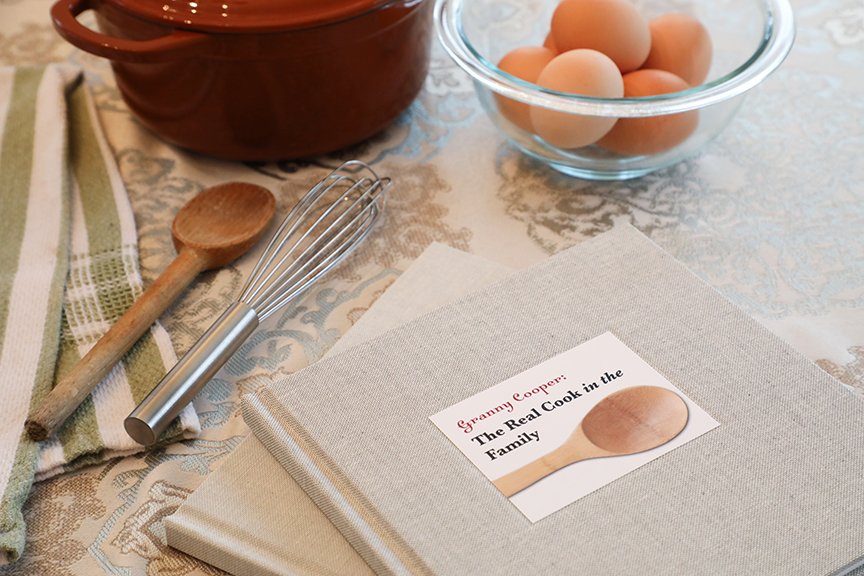
Celebrate recipes that have been passed down through generations in a bespoke book that weaves your family’s cherished food memories with nostalgic photographs and handwritten recipes. Modern Heirloom Books’ secret ingredient to creating the perfect custom “cookbook”? Bringing the stories behind the food to life, so you’ll feel like you’re right back in Nonna’s anise-scented kitchen!
2 - Dear Daughter, on Your Wedding Day
One of our most popular signature products, this blue silk–covered gem is the surprise gift guaranteed to make your bride cry tears of joy on her wedding day! A book that looks back on the milestones of her life, from her baby years to her graduation, from her first words spoken to those you would like to share with her about her future...a book that will put the meaning back into the wedding planning process for you, her parents; and that she, on the cusp of the next chapter of her life, will cherish forever.
3 - A Life Well-Lived
Bring a family elder’s colorful stories to life in ways your children—and eventually their children—will want to revisit again and again. Through interviews, letters, and photographs, your loved one’s memories and wisdom will be captured in a bespoke book that will become your most cherished heirloom. Whose stories will you tell?
4 - Places in the Heart
Does your family vacation at the same Hamptons beach house or cabin in Maine every year? Has your home been passed down through generations and have its own story to tell? Maybe your kids are attending the sleep-away camp you did as a child—or they’re following in your college footsteps. This book makes your favorite place the central character and gives meaning to the phrase, “If these walls could talk…”
5 - Voyager
"The world is a book, and those who do not travel read only one page." You, dear traveler, are absorbing the world one trip at a time, discovering, experiencing, learning... Wherever your journeys take you (an African safari? The Maldives? the glaciers of Alaska?), our travel books help you not only remember the places, but relive the moments—and 'travel' back there from the comfort of your home.
The Possibilities are endless.
Hopefully the five sample books give you a sense of how to frame a story—how to thematically explore your memories so the resulting book truly becomes an heirloom worthy of your legacy. But remember, you don’t have to know how to proceed: That’s our job. With more than two decades’ worth of editorial experience, our specialty is transforming your stories from raw material into heirlooms.
What memories make you smile? What decisions from your lifetime put you—and your family—on an entirely new path? What lessons has your experience imparted that hold value for the next generation?
When we begin to explore those questions, we begin to hone in on the stories that are most important for you to preserve. Would you like to begin that conversation? I promise, once we begin, you won’t want to stop…
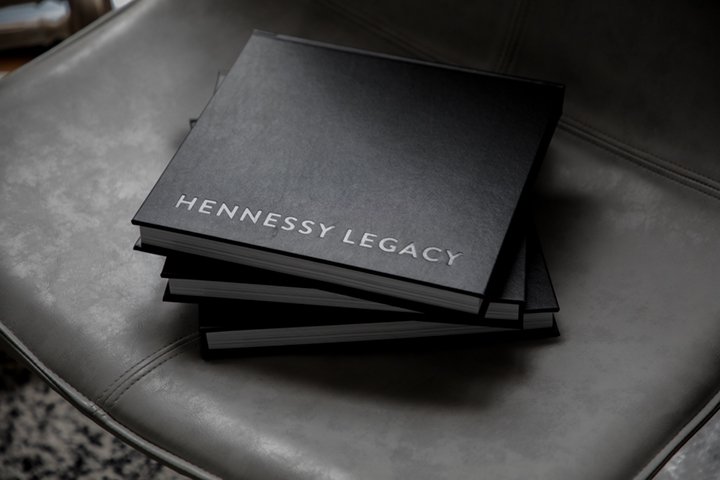
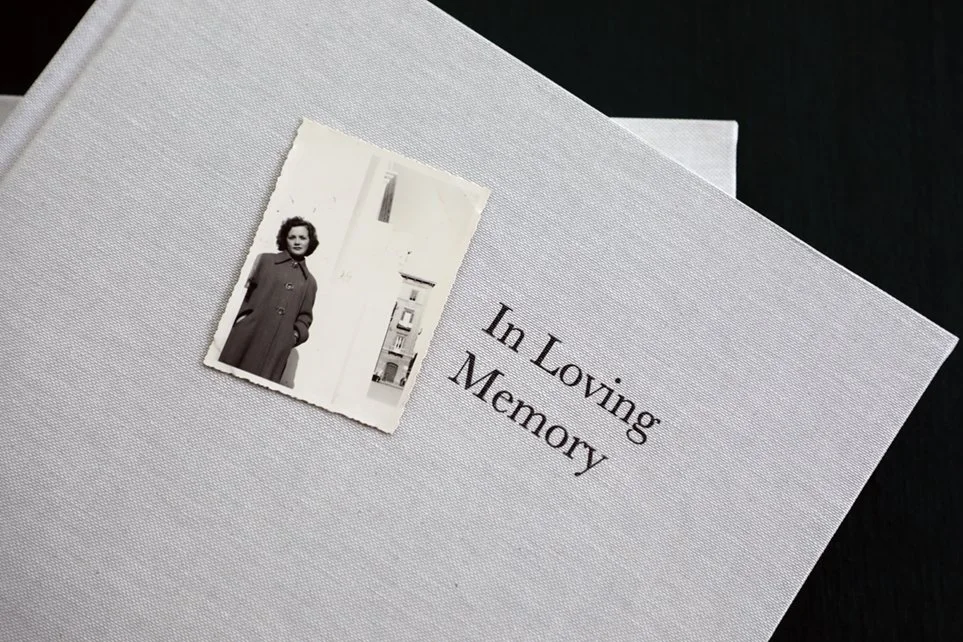

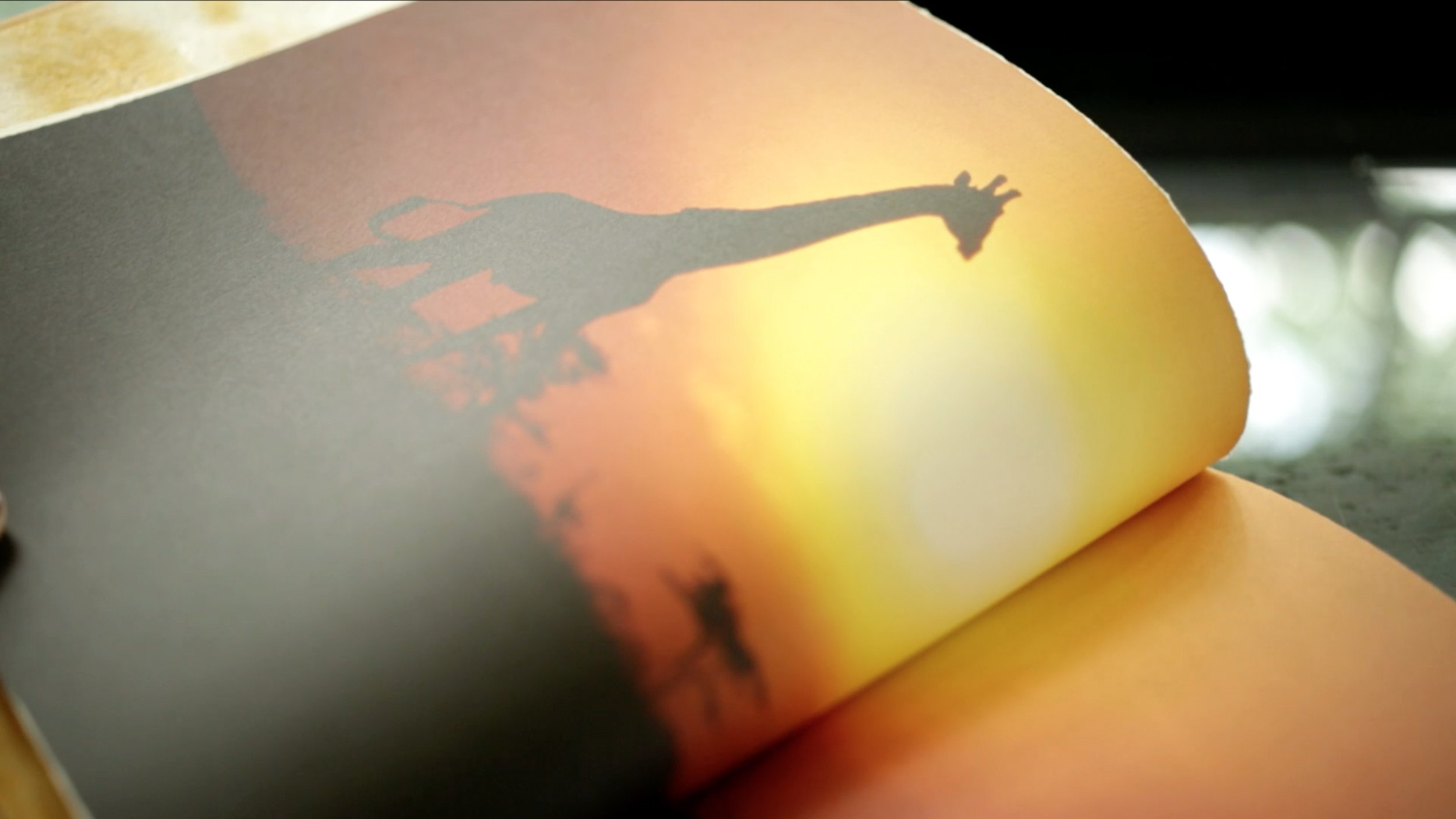


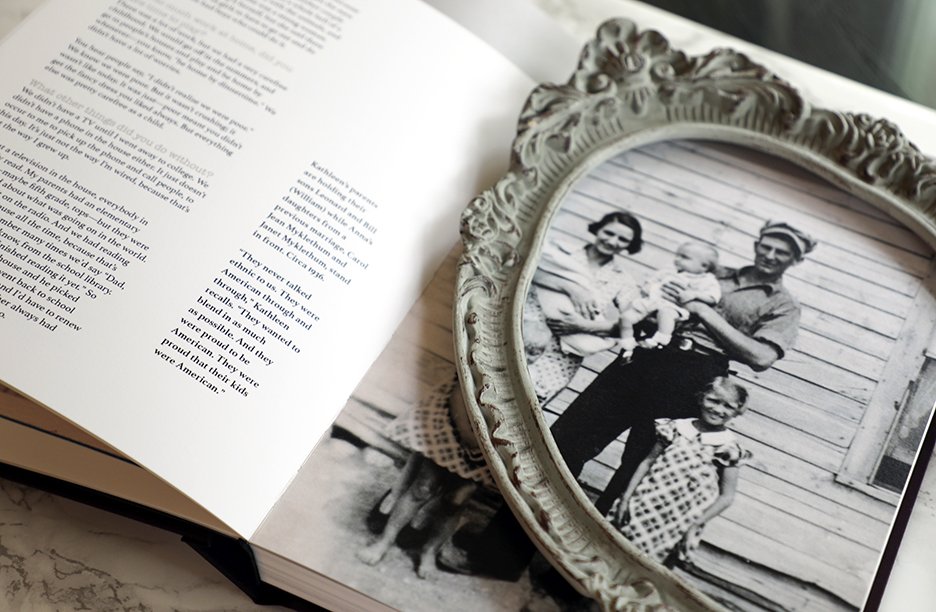
The investment for most Modern Heirloom Books starts at $7,000, with the exception of our tribute books, which start at $1,750. Lead times vary based upon the nature of the book, typically taking from three to 12 months to complete.
This post has been updated on October 21, 2025, to reflect the removal of one of our early products, the One-Hour Heirloom.

75 Questions to spark Christmas story sharing
Family history questions for Christmas: 75 open-ended, specific interview questions to elicit powerful memories & stories from the older generation.
Christmas and Hanukkah—or other holidays where extended family gathers in one place—is an optimal time to gather stories and memories via oral history interviews. There needn't be a lot of pressure: Simply turn on your smart phone’s voice recorder or set up a video camera on a tripod, then forget it’s there...and begin reminiscing.
The important thing is that you relax and let the stories flow. Don’t wait until next year or when everyone is available or any other “better time”—trust me when I say: Now is always the right time!

When family gathers at Christmas, use the opportunity to share stories and memories of days gone by—trust me, it’s as entertaining as it is valuable!
Personal history interview questions: Christmas edition
Use these questions merely as a guide or to give you ideas for questions of your own. The key to any good personal history interview is listening—so ask follow-up questions that genuinely interest you, and let the stories take their own paths...that is usually when the magic ensues!
FOOD
Is there a dish you always associate with Christmas Eve or Christmas day Do you know who has the recipe, and who originally cooked it for your family?
Did you or your family make cookies or other special desserts to share with neighbors during the holiday season? What about leaving food for Santa—and his reindeer?
Are there any foods, from the holiday season or year-round, that remind you of your heritage?
Did your parents make you eat anything you absolutely hated?
What food(s) do you associate with comfort? With the onset of winter?
Who made the cakes for birthdays in your home?
Do you recall any massive failures at cooking—a horrible dinner, burnt pie, missing ingredients?
Who taught you how to cook?
TRADITION
Did you hang Christmas stockings? By a fireplace, or somewhere else? Were they filled by Santa? Do you have any favorite memories of stocking stuffers?
Did anyone in your family or neighborhood dress up as Santa? Did you know it was them? Have you or anyone else in your family continued that tradition of playing Santa—and if so, how does it make you feel?
What traditions do you most fondly recall from your childhood?
Are there certain traditions that have persisted for generations in your family?
What traditions have you begun anew with your own nuclear family?
Is there a memorable gift you have given someone?
What is the best gift you have ever received?
ANTICIPATION
What time did you wake up on Christmas morning? Was it earlier than your parents? Did they make you wait before starting the festivities?
Do you recall the feeling of anticipation on Christmas Eve?
What other times in your life do you recall similar feelings of anticipation?
GIFTS
Did you (and your siblings/family members) want to rush through the gift giving? Was there a sense of order and gratitude opening gifts, or was it wrapping-paper mayhem?
Did you ever look for or find evidence of Santa?
Were there ever times when hardship made gift giving at the holidays challenging? How did that make you feel? Do you have a story from that time, or a lesson learned?
How were gifts wrapped?
Did you help pick out gifts for those you loved, or was it strictly a parent thing?
What types of gifts or cards can you recall having made by hand
as a child?
Do you remember how you felt when you discovered the truth about Santa? How old were you?
What is your most magical Christmas memory?
RELIGION
What religion, if any, is your family? Were you devout? Members of a congregation?
Was your church or temple community a central part of your life?
Did you go to church on Christmas morning? Midnight mass?
What memories of you have of those times?
Did/do you pray?
Are you spiritual? How does that manifest itself in your life?
HUGS
Was your family very affectionate? Describe how they showed love, or if you wished there was more physical affection.
Are you a hugger? How does it make you feel?
Who in your family gives/gave the best bear hugs? What is/was that person like?
Did you cuddle with your parents? Do you cuddle with your own children? Grandchildren? What does it mean to you?
Did you write letters to Santa? If so, where did you mail them? Did you ever hear back from the North Pole?
Do you recall getting Christmas cards during the holiday season?
Did your family draft a holiday letter (many people keep these as part of their family history archive—did you save any of them)?
SNOW
Where did you live when you were growing up? Did you generally have a white Christmas?
Do you remember the first time you saw snow?
What was your favorite snowtime activity—sledding (or did you have a toboggan?), making snow angels, snow balls fights? Or how about ice skating? Shoveling?
Do you recall snow days from school? Listening to the radio for announcements, or waiting for a parent to wake you up? How did you occupy yourself on snow days?
Did you build snowmen? What would you use for the nose and eyes?
HOME
What smells remind you of your childhood home?
What makes you feel most at home now, as an adult?
How do you describe home?
What was the address of your favorite home? Why was it your favorite?
Have you ever visited a home from long ago—how did it make you feel?
Did you move often while you were growing up? Did that affect your personality or self-esteem?

Free Christmas Questions Guide
Download all 75 questions in a handy printable booklet!

Give the most unique holiday gift!
Cherished memories last a lifetime—and beyond, if you preserve them.

55 Questions to spark Thanksgiving story sharing
Family history questions for Thanksgiving: 55 open-ended, specific interview questions to elicit powerful memories & stories from the older generation.
Thanksgiving—or other holidays where extended family gathers in one place—is an optimal time to gather stories and memories via oral history interviews. There needn't be a lot of pressure: Simply turn on your smart phone’s voice recorder or set up a video camera on a tripod, then forget it’s there...and begin reminiscing.
The important thing is that you relax and let the stories flow. Don’t wait until next year or when everyone is available or any other “better time”—trust me when I say: Now is always the right time!

Crouch family Thanksgiving, 1940, Ledyard, Connecticut. Photographs by Jack Delano (Library of Congress).
Personal history interview questions: Thanksgiving edition
Use these questions merely as a guide or to give you ideas for questions of your own. The key to any good personal history interview is listening—so ask follow-up questions that genuinely interest you, and let the stories take their own paths...that is usually when the magic ensues!
FOOD
Is there a dish you always associate with Thanksgiving? Do you know who has the recipe, and who originally cooked it for your family?
Did your parents make you eat anything you absolutely hated?
What food(s) do you associate with comfort? With the onset of the school year?
Who made the cakes for birthdays in your home?
Do you recall any massive failures at cooking—a horrible dinner, burnt pie, missing ingredients?
Who taught you how to cook?
TRADITION
What traditions do you most fondly recall from your childhood?
Are there certain traditions that have persisted for generations in your family?
What traditions have you begun anew with your own nuclear family?
Is there a memorable gift you have given someone?
What is the best gift you have ever received?
LAUGHS
Was there ever a moment where you laughed uncontrollably?
Whose laughter do you find heartwarmingly contagious?
Who in the family tells the best jokes?
LESSONS
Do you recall a time you failed in a big way? Can you share the story of how you felt, who comforted you, what you learned? Did that failure hinder you from taking chances in the future, or embolden you in any way?
Do you remember lessons your grandparents taught you?
How were you punished as a child?
Is there a fear you have that you have never been able to overcome?
LOVE
Who was your first love?
Do you remember the first time you said “I love you” to someone who was not part of your family?
How would you describe the love you received from your parents?
Was your grandparents’ or great-grandparents’ love different in any way from that of your parents’?
FANDOM
What teams do you root for?
Did you ever tailgate at a football game?
Did you play sports growing up? Were you a team captain?
Do you remember any big wins? Any big losses?
Are/were there any big rivalries among family members and team loyalties?
HOME
What do you remember most about your childhood home?
Where did you do your homework when you were a kid?
Did you have a secret hiding place in your home?
Did you ever move from one home to another? What was that like?
Was there another place you considered a “home away from home”?
Were there any comforts from your childhood that you translated into all your adult homes?
Did you play outside after school? What was it like being a kid in your neighborhood?
SCHOOL
Did you have a favorite teacher as a kid?
What were your favorite years in school? Why?
What did it say about you in your high school yearbook?
Did you have a childhood dream about what you wanted to do with your life? Do you ever think about it now?
Do you remember drills during school (depending upon age of interviewee, could refer to duck and cover drills during war, fire drills, etc.)
What subjects were you good at? Which ones were more challenging for you?
What kind of grades did you get?
Did you belong to any clubs? Go to dances?
What were some challenges from your school years, particularly ones that made you a stronger or more compassionate person?
Describe your family legacy with regard to education—who was the first to go to college; have any of you attended the same schools; etc.

Free Thanksgiving Questions Guide
Download all 55 questions in a handy printable booklet!
Explore related posts:
This blog was originally posted on November 18, 2018.












4 Ways to give thanks through story sharing
Encourage guests at your Thanksgiving gathering to share memories in addition to gratitude with these four ideas for holiday family history story sharing.
Sandwiched between the uber-commercial Halloween season and the begins-too-soon “December” holiday rush lies a quieter American holiday, Thanksgiving. It’s always been one of my favorites, and not merely because I love leftover stuffing.
Thanksgiving appeals to me on a visceral level: home-cooked food, family gathered around a table, tradition, laughter, and love. My family never got “dressed up” for Thanksgiving—it was a comfortable holiday, one where we reveled in being together and lingering…over the food, over football, and especially, over stories. Even for families who may not share stories regularly around the dinner table, Thanksgiving lends itself to some good old-fashioned reminiscence.

Giving Thanks—and Telling Tales
Do you have a tradition of going around the table and naming something you are each thankful for? This focus on gratitude is a hallmark of Thanksgiving—and one which we can build upon to crate new traditions that not only help us enjoy the day together, but cement a family legacy that will endure well into the future.
Here are a few ideas to turn your tradition of “giving thanks” into something even more lasting:
1 - Go around the table twice.
On the first go-round, each person shares something for which they are grateful. On the second go-round, each person shares a favorite memory from a holiday past. Designate one person to record the storytelling session, whether using the microphone feature on your smart phone or setting up a video camera on a tripod at the head of the table. Be sure to encourage questions and follow-up stories—often that is where the magic lies. I guarantee there will be few lulls in your dinner conversation!
2 - Formulate a family health portrait.
Personalize your healthcare by sharing your family health history and tracking illness from one generation to the next. Participate in Family Health History Day (the same day as Thanksgiving) and use the Surgeon General’s health portrait tool to talk about, and write down, your family's health history to help ensure a longer, healthier future together.
3 - Play show-and-tell over dessert.
In lieu of asking guests to bring a pot-luck dish, invite them instead to pack a meaningful item that reminds them of their childhood. Like that vintage Hess toy truck Grandpa keeps on the mantle, or the grease-stained, handwritten recipe Aunt Ginny pulls out every Christmas. Set up an area to photograph their heirlooms, and record the stories behind them over pumpkin pie.
4 - Make a paper trail.
Books, documents such as old Passports and birth certificates, scrapbooks, boxes of old photos—there are lots of papers that hold bits and pieces of family history, but usually they are scattered among homes of various family members near and far. Take the first step in cataloging your family archive by polling all the guests at your Thanksgiving gathering to see what they may have; we’ve even created this handy inventory worksheet for you to keep track of it all. Then, when you’ve got more time, you can begin digging into your family history in earnest—with a plan.
Thanksgiving Family History Resources & Links
Consider participating in StoryCorps’ Great Thanksgiving Listen.
Download our free guide: 55 Questions to Spark Thanksgiving Story Sharing.
Use a family tree form to keep genealogical information organized.
Download this pedigree chart to record information you get from family members.
A genealogy correspondence log helps keep track of which people you've talked to and which people you still need to contact.
Let the kids plan their interviews with family members using a simple oral history worksheet like this one.

“Stories We Tell” isn’t new, but it’s worth a watch
Watch the 2012 film Stories We Tell as much for the dramatic exploration of one family's narrative as for the questions it raises about the malleability of truth.

Stories We Tell is a 2012 genre-bending documentary from director Sarah Polley. I recall being intrigued by the film trailers, but never made my way to the theaters to see it at the time of its release. A fortuitous sighting of the DVD in my local library led me to check it out this week, and I am so glad that I did.
In the film Polley brings together her siblings, father, and friends of her family, to explore the past in ways that are both seamless and contradictory, each individual weaving their own narrative threads to form a story much more complex than perhaps even Polley envisioned at the outset.
The subject? Well, one the one hand it is Polley’s deceased mother, Diane, whom the director lovingly brings to life through family stories and lots of colorful family video footage (and how glorious much of that is!). On the other hand, however, the subject is truth itself, and how elusive and malleable it inevitably is.
A Search for the Vagaries of Truth
Ultimately, Polley seeks to explore the past primarily through personal history interviews of those involved in her mother’s life, and to come as close as she can to some kind of truth.
“Can you tell the whole story from beginning to end, in your own words?” Sarah asks each of her subjects as prelude to her interviews.
Those interviews begin almost innocuously, with some discomfort at the prospect of delving into family secrets amidst bits of embarrassed laughter. But Polley deftly draws out the stories in a most compelling way, and we are privileged to be witnesses to a gradual unfolding of truths that feels especially intimate.
We are drawn into her mother’s story—into the dramas of infidelity and the banality of everyday life. And while that drama is captivating, it is the rather meta exploration of getting to the story—of watching it reveal and fold back in on itself—that makes this film a true gem, in my opinion.
“I am interested in the way we tell stories about our lives,” Polley says in one scene. “About the fact that the truth about our past is often ephemeral and difficult to pin down. And many of our stories, when we don’t take proper time to do research about our pasts, which is almost always the case, end up with shifts and fictions in them, mostly unintended.”

Watch the trailer for Stories We Tell.
Concentric Circles of Experience
Polley began conducting interviews and filming of her family members before she had a clear sense of what the project might become. Would it even be released, or remain a private undertaking? Through five years of production she let the stories speak for themselves.
In a letter to one of the players, Harry, she wrote: “I wouldn’t even pretend at this point to know how to tell [this story] beyond beginning to explore it through interviews with everyone involved, so that everyone’s point of view, no matter how contradictory, is included.”

“Why is that we talk and talk, or at least I certainly do, without somehow conveying what we’re really like?”
—Michael Polley
But is giving everyone’s perspective equal weight truly the best way to get to the truth, Harry wonders? Those who were “direct witnesses to the events” are more reliable narrators, after all, are they not? Or are the peripheral reactions and relationships that contribute to a family’s entire narrative all worthy?
These questions are explored and alluded to throughout, giving weight to the film and making Sarah Polley’s late appearance in the film all the more powerful. Particularly near the end, when Sarah herself begins to ruminate on why she feels compelled to tell this story and expose it to the world, the telling is eloquent and moving and raw in a most beautiful—and recognizable—sense.
Who owns these stories? Is there one version of personal history?
Polley’s brother Michael wonders aloud that while doing an interview might bring you as close to truth as you can get, does Sarah’s editing of it turn it into something different?
The questions amidst the stories are at the heart of Stories We Tell. What questions will they raise for you?
Related Reading
View a discussion guide from Influence Film Forum with thought-provoking questions and a few suggestions for exploring your own family stories.
Discover another documentary, Nobody’s Business, that explores the nature of memory through the lens of family history.
See where to stream or rent Stories We Tell, or buy the DVD.
“The truth was becoming more and more ephemeral as opposed to closer,” said Sarah Polley in a brief interview about her film.
Affiliate disclosure: As an Amazon Associate, we may earn commissions from qualifying purchases from Amazon.com.